JAKARTA: As the price of crude oil has surged amid the war in the Middle East, most countries in Southeast Asia have seen pump prices go up as fuel supplies have gone down.
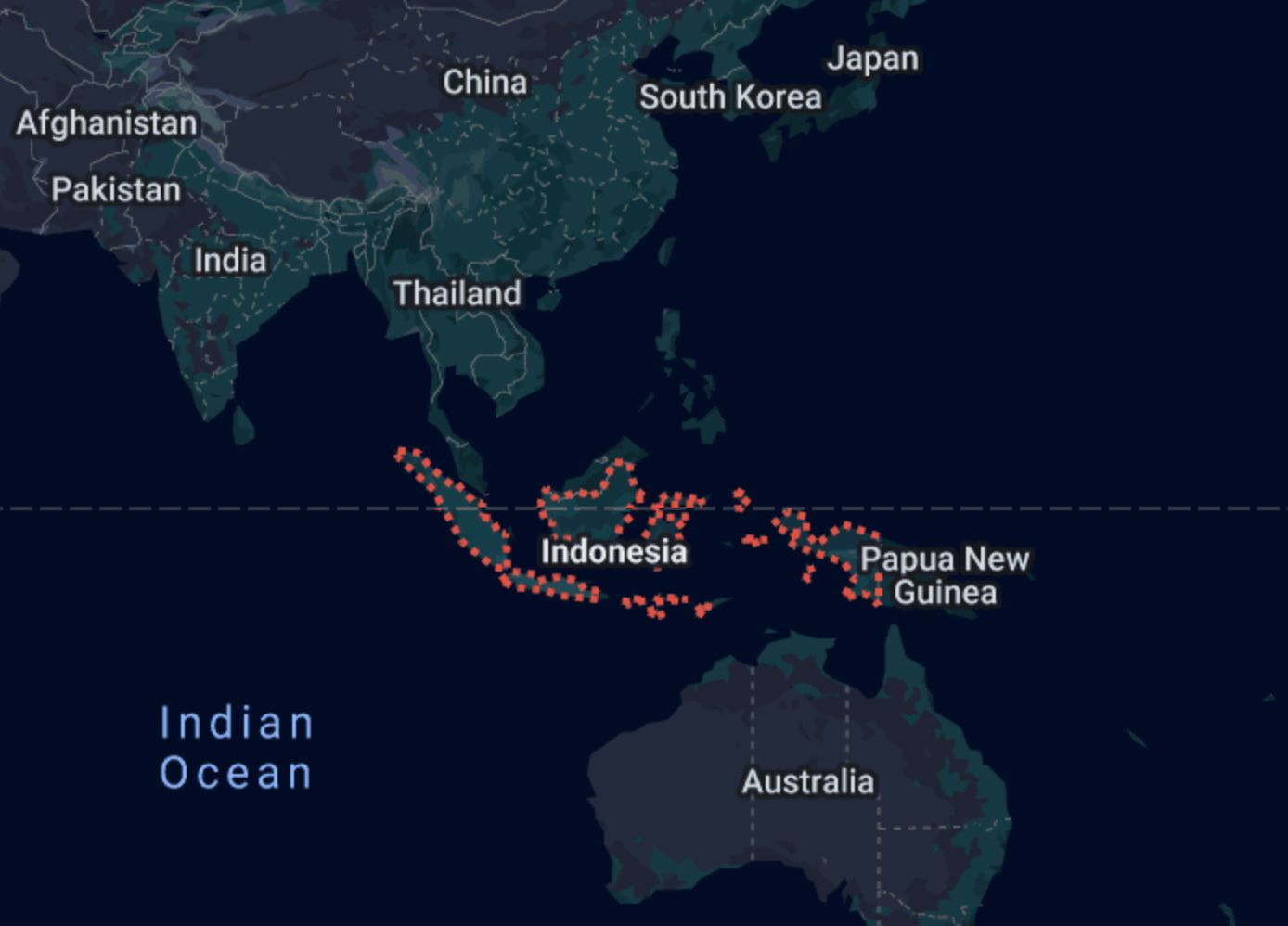
Indonesia, however, is proving to be an exception in the region, choosing to allocate billions in subsidies to keep the price of fuel at pre-war rates.
While this decision has allowed Indonesians to live undisrupted lives, Indonesia may pay for it dearly later on.
Pre-Iran war prices
The conflict in the Middle East, which started on Feb 28 when the United States and Israel began bombing Iran, has resulted in all but closing the Strait of Hormuz, through which a fifth of the world’s fuel supply passes. Since much of this supply is headed to Asia, countries on the continent have been disproportionately affected, grappling with crude oil that has gotten 50% to 65% more expensive since the war began, as well as scrambling to ensure they have enough supply for domestic needs.
In country after country in Southeast Asia, including Singapore, pump prices have gone up, and countries with fewer resources have suffered the most. In the Philippines, the price of diesel has gone up by as much as 81.6%, in Cambodia by 78.7%, and in Myanmar by 76.9%, for example. In countries such as Malaysia and Brunei, some fuels have gone up in price, while others have remained subsidised.
In Indonesia, however, the situation is very different.
“Amid the economic fallout from the Iran war, Indonesia has managed what most countries have struggled to do: keep domestic fuel prices steady during one of the worst oil shocks in years. Subsidised petrol (mid-grade, RON 90) remains capped at US$0.60 (S$0.76) per litre, while subsidised diesel (a blend of fossil fuel and palm oil-based biodiesel) stays at US$0.40 (S$0.50), even as Brent crude surpasses US$118 (S$150),” the Lowy Institute wrote on April 7.
The Indonesian government has taken upon itself to absorb fuel price shocks instead of passing this on to its citizens, announcing that it has no intention to raise prices, at least in the short term.
What enabled Indonesia to do this is large direct subsidies, in addition to compensation to state companies. The government allocated IDR 381.3 trillion (S$28.58 billion) for this purpose, paying companies such as Pertamina to sell fuel below market price.
As a result, Indonesian households are able to maintain their purchasing power as prices remain stable. Inflation is kept low, the cost of living stays the same, economic shock is avoided, and perhaps most importantly, political stability is maintained.
This strategy of intervention is not new, and Indonesia has resorted to subsidies time and again when oil prices have risen. And with good reason, given that major price hikes in recent history, including as recently as 2022, resulted in protests and unrest that led to political backlash.
The risks of not raising fuel prices
Should the war in the Middle East be prolonged, however, and Indonesia continues to subsidise fuel, there are long-term risks down the road, including a fiscal deficit that could exceed the legal cap of 3% of the country’s GDP.
Allocating a significant amount could also mean less money for infrastructure, healthcare, and education.
Additionally, should the rupiah weaken, this would mean higher import costs and an even bigger subsidy bill. Analysts have already sounded the warning bell that prolonged subsidies could strain public finances. /TISG
Read also: Up to S$380 billion in losses, 9 million at risk of poverty as war hits Asia-Pacific
This article (Indonesia refuses to raise fuel prices but could pay the price later on) first appeared on The Independent Singapore News.

 Login
Login
