
Reading view

WP MP Jamus Lim says caning bullies may be counterproductive, but Singaporeans push back

SINGAPORE: After the Ministry of Education announced new measures to address bullying in schools in April, including caning for older boys for severe cases, a number of Parliamentarians raised questions last week regarding the updated measures.

Among them was Workers’ Party Member of Parliament (WP MP) Jamus Lim (Sengkang), who asked questions about the standardised caning measures, whether the distinctions made between students’ gender and age had been based on established research and if MOE could share the basis for these distinctions.

In a Facebook post, Assoc Prof Lim talked about having been mischievous as a child, and receiving caning “frequently” as a consequence both at home and at school.

Although he acknowledged that these experiences had been formative, he said that he and his wife have chosen not to use corporal punishment on their daughter.

The Sengkang MP cited studies that send “a pretty clear message: while physical punishment yields short-term compliance, it does not translate into long-term improvements in discipline. It may even normalise violence in their developing minds. 

Put another way, beating kids makes them stop, but they don’t learn why they went wrong, and are likely to repeat their bad behaviour. It may even be counterproductive and lead to more bullying, since violence was legitimised.”

He also wrote that some studies suggest that spankings are more effective with younger, rather than older, children, and that both boys and girls are affected by physical punishment, though they react differently to it.

“We shouldn’t think that boys can take it better than girls when they’re caned, or that any psychological harm to boys is somehow less damaging than to girls,” he wrote.

He also posted some follow-up questions he had been unable to ask in Parliament, concerning what recourse parents had in cases of corporal punishment, if they hold beliefs that are different on the matter.

The links to the studies cited by Assoc Prof Lim may be found in his social media post here.

Education Minister Desmond Lee had underlined that caning would only be administered for egregious violations.

“This is aligned with the Education (Schools) Regulations, which only permits caning for male students. This takes reference from the Criminal Procedure Code, which states that women shall not be punished with caning,” he said.

Mr Lee added that girls who bully are not less capable and may receive various consequences such as detention or suspension and an adjustment of their conduct grade.

“Our teachers and schools adopt a tiered approach to discipline that ensures that all students face consequences corresponding to the severity of their actions,” he said.

Netizens commenting on Assoc Prof Lim’s post pushed back on some of his points, and appeared to be in favour of caning, repeating what the minister said about caning being only the last resort in disciplining students. 

“Singapore school caning is a tightly regulated last-resort disciplinary tool shaped by social context and legal norms,” one pointed out.

Others shared their stories.

“When I was young, our disciplinary teacher treated every student equally. No such thing as a girl can’t be caned. Boys were caned on the buttocks, and girls were caned on their palms. One cane will let you remember why you got it,” a woman wrote. 

“From my anecdotal observation as a school administrator (I wish I could find research on this), the use of caning and especially public caning is NOT for the benefit of the child being punished but to achieve the 杀鸡儆猴 effect (making an example of someone) to the rest of the school,” a Facebook user shared.

“People are different, as an ex-teacher, I can only say that some individuals really need canning to reform,” another wrote.

Others, however, agreed with the MP, with one writing, “I can’t fathom how we can legally allow PHYSICAL VIOLENCE on a CHILD.” /TISG

Read also: MOE: New anti-bullying steps in schools with more staff and reporting channels

This article (WP MP Jamus Lim says caning bullies may be counterproductive, but Singaporeans push back) first appeared on The Independent Singapore News.


  •  

Bodies of two Singaporean hikers recovered after Mount Dukono eruption and three-day search

SINGAPORE/INDONESIA: Two Singaporean hikers killed during the eruption of Mount Dukono in Indonesia have been recovered after rescuers battled unstable volcanic terrain and thick ash deposits for three days, according to Indonesian authorities.

The victims, identified as Heng Wen Qiang Timothy, 30, and Shahin Muhrez Abdul Hamid, 27, were found near the crater area where rescue teams had earlier located backpacks believed to belong to them. Indonesian disaster agency Badan Nasional Penanggulangan Bencana (BNPB) said the bodies had been buried under deep layers of volcanic material, making recovery difficult and dangerous.

Their deaths bring the total number of fatalities from the Mount Dukono incident to three, including Indonesian national Angel Krishela Pradita, 28, whose body was found earlier on Saturday.

Seventeen others survived the eruption, including seven Singaporeans who were evacuated safely. According to Channel NewsAsia (CNA), the rescue operation officially ended after all victims were accounted for. Indonesian authorities said eruptive activity from the volcano continued during the operation, forcing teams to move carefully while managing the risk of further ash explosions and unstable ground.

Volcano remained active during the rescue operation

Mount Dukono, located in North Maluku province, erupted on Friday, sending ash clouds up to 10km into the air. The volcano has remained active at a lower level since then.

Nearly 100 personnel took part in the rescue effort, including members of Indonesia’s national search and rescue agency, military units, police officers, disaster management officials and local volunteers.

Singapore’s Ministry of Foreign Affairs (MFA) said officers from the Singapore Embassy in Jakarta are working with Indonesian authorities in Tobelo to formally identify the bodies before arrangements are made for the families. MFA also thanked the Indonesian rescue teams for operating under “very difficult and hazardous conditions”.

Questions raised over climbing access despite closure

The incident has also raised uncomfortable questions about hiking safety around active volcanoes.

BNPB said Mount Dukono had already been closed to climbers since Apr 17, with local authorities banning operators and guides from issuing climbing permits. Authorities said monitoring will now be tightened, and violators could face penalties under Indonesian law.

North Halmahera police chief Erlichson Pasaribu told CNA that several local guides are being investigated for possible negligence after allegedly bringing hikers within the restricted 4km danger zone near the crater. No arrests have been made so far.

A local guide also claimed the group may have used a faster but riskier route up the volcano, though authorities haven’t confirmed whether the path was unofficial.

The tragedy occurred at a time when volcano trekking and extreme hiking trips have become increasingly popular among regional travellers, including Singaporeans seeking adventure holidays nearby. Indonesia alone has more than 120 active volcanoes, many of which are tourist attractions despite their unpredictable volcanic activity.

However, the Mount Dukono incident also shows how fast adventure tourism can turn deadly when safety rules are ignored or poorly enforced.

Even experienced hikers can struggle against volcanic terrain as ash clouds reduce visibility, loose volcanic sand shifts underfoot, and eruptions can escalate within minutes if not seconds. Rescue itself becomes dangerous, especially when teams must enter active zones that have already been declared unsafe. The surviving Singaporeans were expected to return home on Sunday, according to MFA.

Adventure travel will always attract people looking for challenge and excitement, but this tragedy is a reminder that warning zones around volcanoes are not there for paperwork or tourism control. They exist because nature doesn’t forgive mistakes once conditions turn dangerous.


Read related: Two Singaporeans are reportedly dead after Mount Dukono volcano eruption in eastern Indonesia

This article (Bodies of two Singaporean hikers recovered after Mount Dukono eruption and three-day search) first appeared on The Independent Singapore News.
  •  

Singapore created 55,500 jobs in 2025, but nearly 80% went to foreign workers

SINGAPORE: Singapore’s job market kept growing in 2025, but most of the new positions went to non-residents instead of locals.

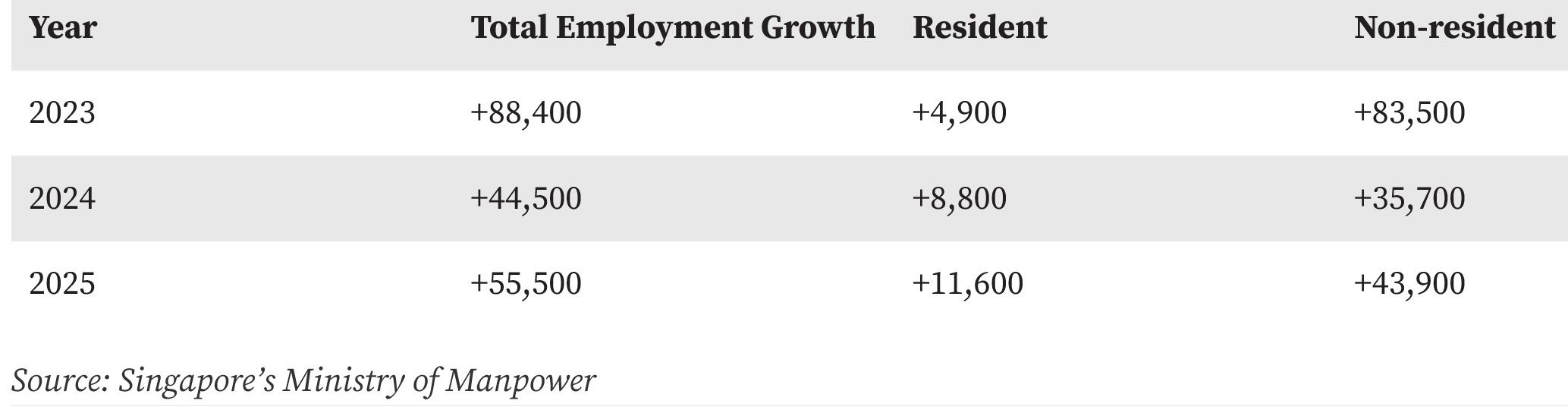
According to the Ministry of Manpower’s (MOM) Labour Market Report for the fourth quarter of 2025, total employment rose by 55,500 last year, up from 44,500 in 2024. Out of those new jobs, 43,900 went to non-residents, while residents took up 11,600.

That means nearly 80% of the jobs created in 2025 were filled by foreign workers, a figure likely to reignite a familiar Singapore debate about jobs, wages, and whether locals are still benefiting enough from economic growth.

MOM said Singapore’s resident labour force participation rate for people aged 25 to 64 stands at 85.9%, among the highest globally. In simple terms, there are fewer untapped local workers left to enter the workforce.

Where did the jobs go?

Resident employment growth was mostly concentrated in higher-skilled industries such as financial services and health and social services.

Non-resident growth came largely from construction, where companies continued hiring Work Permit holders to support infrastructure and building projects.

Retail trade and administrative support services also saw hiring increases during the final quarter of 2025, partly linked to year-end events and holiday demand.

In 2023, residents accounted for less than 6% of total employment growth. While the resident share improved in 2025, foreign manpower still accounted for roughly four out of every five new jobs created over the year.

MOM: Total employment growth in Singapore
Ministry of Manpower/Vulcan Post
MOM: Total employment growth in Singapore

Businesses argue they still face manpower shortages

Employment numbers frequently become emotional territory in Singapore because they are closely tied to housing costs, career security, and long-term financial pressures.

Many Singaporeans accept that sectors like construction rely heavily on foreign workers, but the tension usually comes from white-collar jobs, where locals sometimes feel squeezed by competition or slower wage growth.

At the same time, businesses argue they still face manpower shortages, especially in physically demanding or less popular industries.

MOM acknowledged this balancing act in its report, noting that non-resident workers continue to fill roles that cannot be fully supported by the local labour pool alone.

The labour market remains fairly healthy overall, with unemployment staying low at 2% in December 2025, while job vacancies continue to outnumber unemployed people. Retrenchments also remained within normal non-recession levels.

MOM: “We expect the labour market to continue expanding in 2026…”

Looking ahead, MOM expects employment growth to continue this year, helped by a stronger economic outlook.

The Ministry of Trade and Industry (MTI) upgraded Singapore’s 2026 Gross Domestic Product (GDP) growth forecast to between 2% and 4% after stronger-than-expected global growth in late 2025.

Resident employment growth, however, is expected to stay similar or slightly slower than last year, while non-resident hiring is likely to remain strong in manpower-heavy sectors.

“We expect the labour market to continue expanding in 2026, given the more positive economic outlook, but the global economic environment remains uncertain and dynamic,” MOM stated, adding, “Whilst sentiment polls on hiring and wage expectations indicate improved business sentiments, employers may continue to take a more cautious approach to recruitment amidst uncertainties.”

As Singapore’s labour model has always depended on a mix of local and foreign workers, the challenge now is ensuring locals still feel they are moving forward alongside the economy, rather than watching it move ahead without them.


Read related: Tan See Leng: Job hiring slows, but Singapore firms are still not favouring foreigners over locals

This article (Singapore created 55,500 jobs in 2025, but nearly 80% went to foreign workers) first appeared on The Independent Singapore News.

  •  

‘Isn’t this abuse?’: Netizens appeal to identify the woman riding a bicycling and taking her dog on a leash in public road

SINGAPORE: An unpleasant incident was witnessed on Serangoon Road when a cyclist was seen riding while also walking her dog on a leash, prompting an online appeal for people to provide dashcam evidence to identify the woman behind it. 

The incident occurred on May 6, 2026, at approximately 6:17 PM along the busy stretch of the public street. In a Facebook post from the SGRV Admin page, the caption stated: “Could you all please help us by providing dashcam and more information so we can identify the lady in the video?” 

The video has sparked discussions from other people, highlighting concerns about road etiquette and pet owners. As of writing, the post has garnered significant engagement, with netizens expressing their thoughts and opinions on what had happened. 

One commenter remarked: “The way they dogs run it looks like not a comfortable speed for long run. Another thing to note is that she’s in front, and if the dog cannot manage and falls, then the dog will be dragged and injured. We also don’t know how far she travels, and I personally feel that this is not advisable.” 

Another netizen questioned if what the cyclist did was an abuse, which gained a reply declaring: “Yes, it is. Just like you don’t play on the road.” 

A netizen also claimed that the cyclist thought that what she did was cute, and another admitted, “Well….not everybody deserves a pet.” 

“Anyone can help provide the details of this lady so that the police can talk to her,” one concluded. 

SGRV Admin encouraged anyone with information to contact them directly through their page. This incident highlights the significance of knowing rules and regulations in public roads, as well as caring for pets and being polite among cyclists, walkers, and pet owners on Singapore’s busy streets.

Other related news 

In related news regarding animals, there was a recent report where the Singaporean government strengthened amendments to the Wildlife Act. 

According to authorities, people who will be caught feeding wild animals illegally will face stricter and harsher punishments, including higher fines and imprisonment. 

Read more about the story here

This article (‘Isn’t this abuse?’: Netizens appeal to identify the woman riding a bicycling and taking her dog on a leash in public road) first appeared on The Independent Singapore News.
  •  

‘We didn’t choose to be born’: Citizens react as Malaysian government studies new law for children not to abandon elderly parents

MALAYSIA: Deputy Prime Minister Ahmad Zahid Hamidi said today the government is considering a law requiring adult children to care for ageing parents. Speaking after launching the National Social Policy Action Plan 2026‑2030, Zahid explained the proposed Act would emphasise filial responsibility, with a policy paper due in six months. 

He stressed preserving Malaysia’s social values while studying foreign models to align with local culture and religious sensitivities. 

This trend mirrors what is unfolding in Singapore, with Malaysian netizens voicing strong opinions. Some lament that they “did not choose to be born,” reflecting strained family ties where parents expect children to surpass their own achievements. Others argue that the rising cost of living is a major factor.

On X, one pointed out that not all parents are the same, and some children did not grow up in supportive households. Some endured abuse, leading them to cut ties later in life. The user argued that children raised in abusive environments should not be held responsible for caring for their parents.

Following that, another argued that the Malaysian government should “step up” and take responsibility for its citizens, rather than shifting the burden onto the younger generation. The user questioned how children are expected to care for toxic parents, stressing that good parents naturally earn their children’s support. 

Others are questioning the morality of today’s adults. A citizen expressed dismay that the issue has grown serious enough to warrant government intervention. He argued that children should care for their parents, just as parents cared for them during childhood, framing it as a moral obligation that should not be neglected.

Additionally, some suggested Malaysia should establish a stronger welfare system to ensure the elderly are cared for, emphasising better incentives for retirement homes, noting such measures could also generate jobs and support the economy during uncertain times.

Much of the conversation blames parents for irresponsibility or past abuse, yet little is said about children who abandon supportive parents despite a good upbringing. One proposed solution is to provide elderly people with jobs they can manage. 

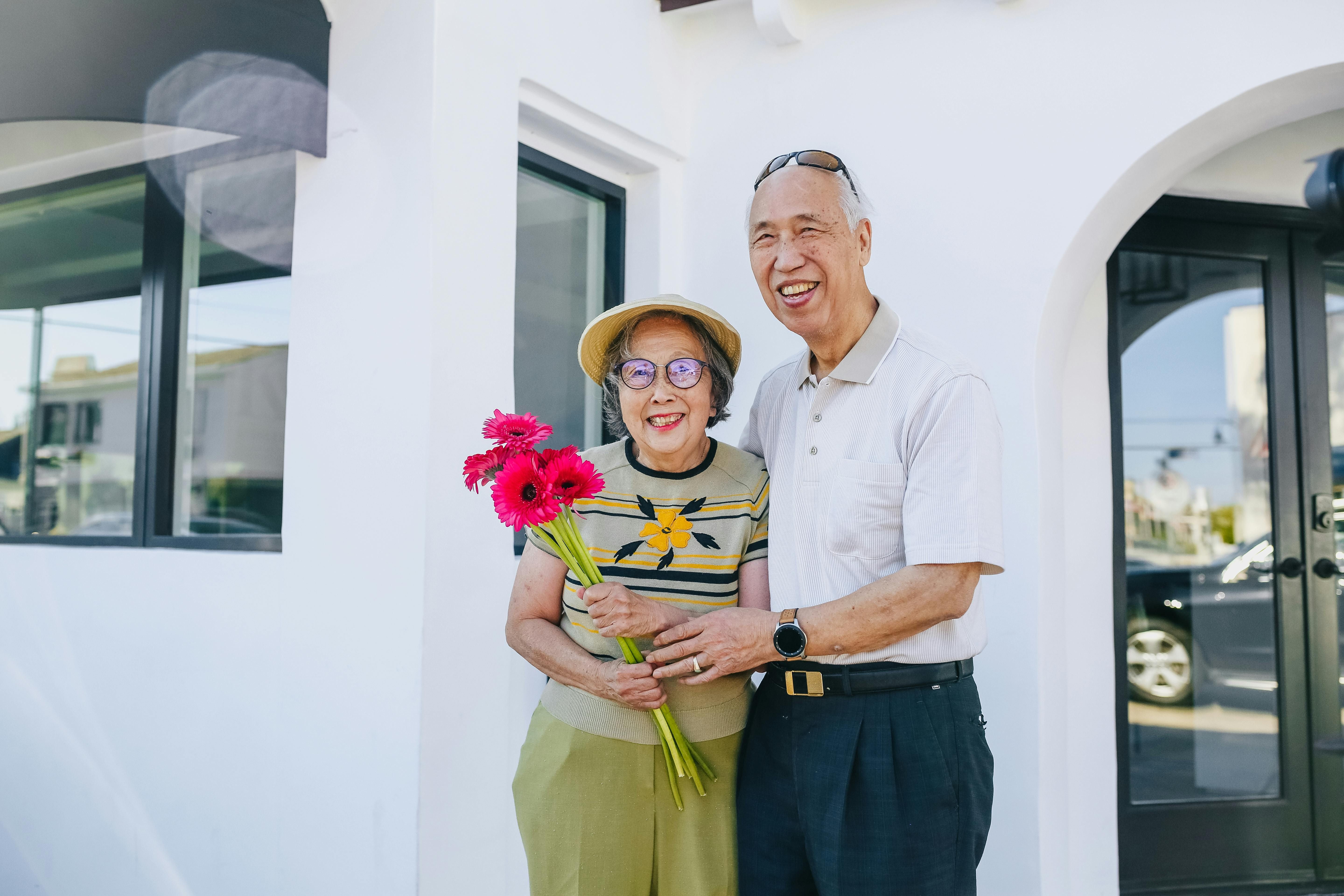
Similar to Singapore, where seniors work in fast‑food outlets, such opportunities in Malaysia could help neglected elders regain dignity, financial independence, and social connection.

This article (‘We didn’t choose to be born’: Citizens react as Malaysian government studies new law for children not to abandon elderly parents) first appeared on The Independent Singapore News.

  •  

‘Got a lot of unresolved hurt’: Singaporean opens up about why he struggles to celebrate Mother’s Day

SINGAPORE: While many people are out celebrating Mother’s Day with family lunches, flowers, and heartfelt Instagram posts today, one Singaporean man says the occasion has quietly become one of the hardest days of the year for him because of the trauma tied to his childhood.

In a post on the r/asksg forum, the man shared that his mum “used to cane or beat him quite badly” when he was growing up. Because of that, he said they never developed the kind of warm and affectionate parent-child relationship that many families in Singapore seem to have.

“We never really had the warm, close family relationship,” he wrote. “Every year when Mother’s Day comes around and everyone is posting family dinners, flowers, IG stories, etc., I feel damn conflicted. Like, got guilt for not wanting to celebrate properly, but at the same time still got a lot of unresolved hurt.”

Wanting to know if others could relate, he asked fellow Singaporeans: “Anyone else in Singapore feel sian around Mother’s Day because your relationship with your mum wasn’t good growing up?”

He also directed the question to people who came from toxic or abusive households, asking how they personally deal with the occasion.

“For people here who grew up in more toxic or abusive households, how do you all handle Mother’s Day?” he asked. “Still go through the motions because filial piety and all, keep it lowkey, or just don’t celebrate?”

“Move out if you can”

In the comments section, many Singaporean Redditors encouraged the man to stop feeling guilty over his complicated feelings toward Mother’s Day.

One of the top comments read, “Be kind to yourself. There is no need for the guilt. It will get better. You decide how close you want to be with her. Who knows, you may end up closer to her many years down the road after dealing with your own childhood issues. And if you don’t, it is alright too.”

Another told him, “You give too much of a crap about societal expectations and ‘filial piety.’ Move out if you can, even better if you can move out of the country for a bit. See the world, stay off social media, get some perspective, and find some peace.”

Others shared that they had gone through similar experiences themselves.

One wrote, “I don’t have a good relationship with my mum (I grew up getting caned and beaten by her quite a bit). I used to give her presents and have a meal with her, but now I just pretend Mother’s Day doesn’t exist, just like I pretend Father’s Day doesn’t exist.”

Another suggested, “If it makes you feel better, just buy her a meal and wish her a happy Mother’s Day. (Take a pic of her and food as proof… lol in case she complains). Settle the guilt and responsibility part and move on, and wait for next Mother’s Day to come.”

In other news, a female polytechnic student took to Reddit to vent about her family’s domestic helper, who allegedly “takes and uses her belongings” without permission and prepares separate “better” meals for herself.

In an anonymous post on the r/askSingapore forum, the student claimed that the helper “keeps stealing things such as hand cream, money, and chocolate, and whenever confronted, she denies taking anything.”

Read more: Poly student alleges family maid eats better food, ignores requests, and takes her items

This article (‘Got a lot of unresolved hurt’: Singaporean opens up about why he struggles to celebrate Mother’s Day) first appeared on The Independent Singapore News.

  •  

Singaporean couple were killed after their Ferrari crashes and catches fire on Johor road

SINGAPORE/MALAYSIA: A Singaporean couple died after the Ferrari they were travelling in crashed and caught fire along a road in Johor on Saturday morning.

The accident happened at about 9 am while the pair were reportedly heading towards the coastal town of Mersing. Kota Tinggi district police said the car was driven by a 34-year-old man, with a 33-year-old woman seated in the front passenger seat.

Both victims suffered severe injuries and were pronounced dead at the scene after the vehicle burst into flames, police said. Their bodies were later sent to the forensic unit at Kota Tinggi Hospital for further procedures. Photos released by police showed the Ferrari badly destroyed, with debris scattered across the road.

Several Malaysian media outlets, including The Star, New Straits Times and Free Malaysia Today, identified the victims as Singaporeans, Channel NewsAsia (CNA) reported.


Possible reckless and dangerous driving

The case is now being investigated under Section 41(1) of Malaysia’s Road Transport Act, which covers causing death through reckless or dangerous driving.

Road risks and driving safety awareness

The crash has also drawn attention online, with many netizens reacting to the dangers tied to high-performance cars and long-distance weekend drives into Malaysia. Others pointed out how fatal highway crashes involving luxury sports cars continue to surface across the region despite repeated road safety campaigns.

The route towards Mersing is popular with travellers heading to beach resorts and ferry terminals serving nearby islands. Weekend road trips from Singapore to Johor are also common, especially during public holidays and short breaks, when heavier traffic and long hours behind the wheel can increase the risk of accidents.

Careful driving matters more than the emblem on a car

While the cause of the crash has not been confirmed, the incident is another grim reminder that speed and powerful vehicles leave very little room for error on public roads. Even experienced drivers can lose control within seconds.

Road accidents involving Singaporeans in Malaysia have always been met with strong public reaction because cross-border travel has become part of daily and weekend life for many residents here. The familiarity of the routes can sometimes create a false sense of comfort behind the wheel, especially on long, open roads.

No amount of horsepower in any vehicle, for that matter, changes the basics of road safety. A calm driver and steady judgment still and always matter more than a badge on the car.

This article (Singaporean couple were killed after their Ferrari crashes and catches fire on Johor road) first appeared on The Independent Singapore News.

  •  

New employee wonders why sick colleagues in Singapore still work remotely

SINGAPORE: A newcomer to Singapore’s workforce raised concerns about what seems to be a suspected company culture where employees continue to work despite being ill by working from home instead of filing proper sick leaves. 

Joining a firm a couple of months ago, the new employee noticed a pattern—colleagues who claimed to feel unwell continue to log in remotely, and the boss allegedly is not telling them to take a rest. 

With this observation, the employee shared: “Upon joining the company, there were no set days of sick leave but employees could take time off wherever needed for health reasons. Now I am worried if I ever take medical leave it will be frowned upon.” Furthermore, the employee questioned if this is a common practice in Singapore. 

Several netizens shared their thoughts and opinions about the subject matter. One declared that it is part of being an adult, and that no one really cares if one is feeling bad enough to take a rest. 

A netizen also shared that many workers are saving their sick leaves in case something really bad happens.

“In the end, it doesn’t really matter, because: (1) most illnesses are minor and you’d appreciate not taking public transport and want to avoid infecting team mates, but you can still do simple office work, and (2) for most office jobs, it’s task-based with deadlines, and if you take MC, you have to catch up after you’re sick,” the netizen remarked. 

For some, they just don’t want their work to pile up, that’s why they opt to continue working at home even when they are sick. Others think that having sick days might affect their performance rating, bonuses, promo chances, and the likes. 

“Well the company can always replace you with someone who will,” one claimed. 

Workplace practices like this might affect one’s decision to work, especially with the newer generations. In a recent report, it is revealed that more graduates in Singapore are turning down job offers if the salary does not meet their expectations, alongside factors of career development and job flexibility. 

It is reported that many graduates are becoming more selective, choosing to wait for better opportunities rather than accept roles that fall short of their expectations.

Read more about the news story here

This article (New employee wonders why sick colleagues in Singapore still work remotely) first appeared on The Independent Singapore News.
  •  

‘Singaporeans are unhappy because they’re always chasing what 5Cs others have’ — SG comedian Kumar says, ‘Don’t be jealous; be grateful and happy with what you have’

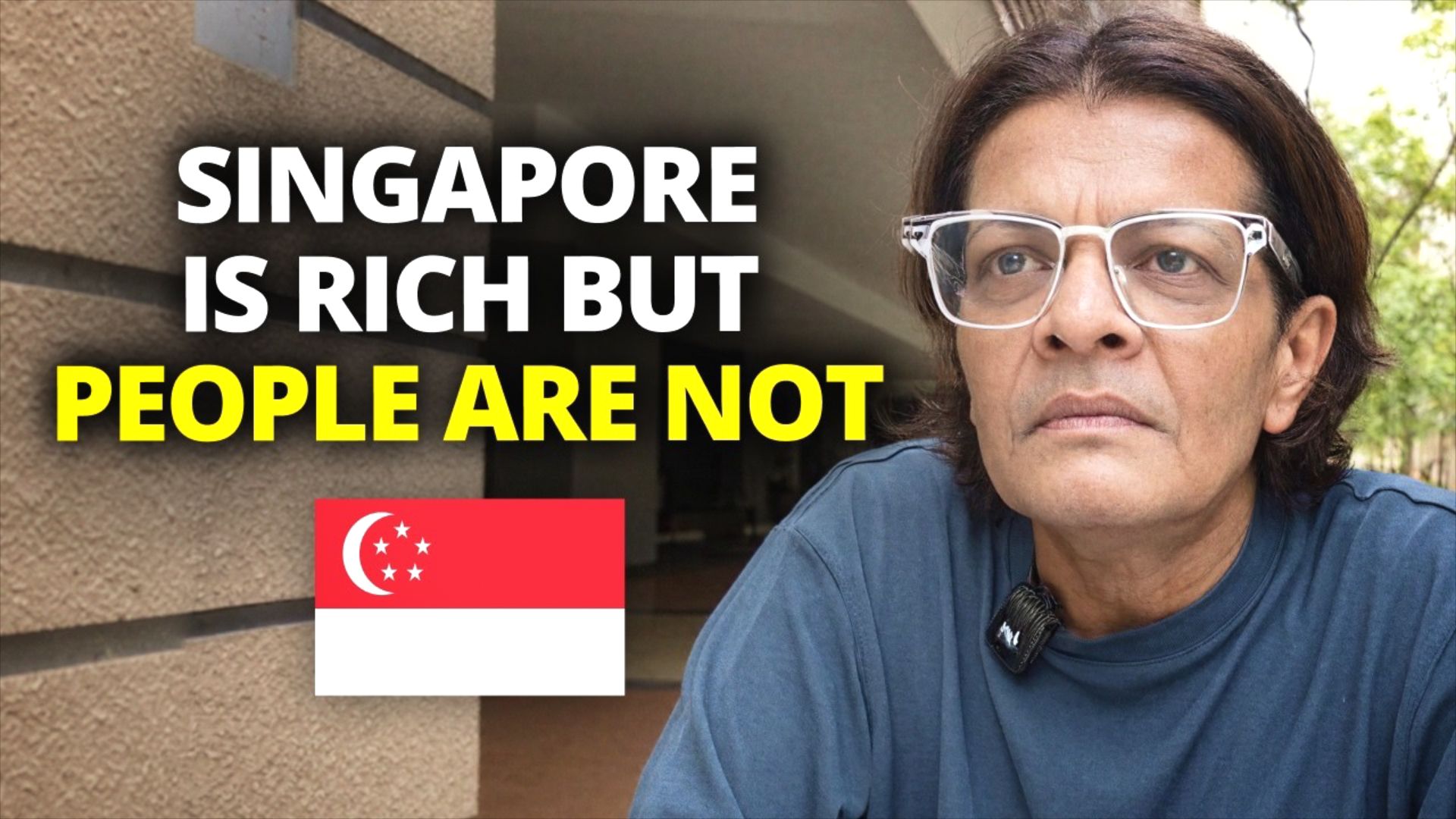
SINGAPORE: Singaporean comedian and performer Kumar believes many Singaporeans are unhappy because they spend too much time chasing others’ lifestyles rather than appreciating what they already have.

Speaking on a YouTube interview published on May 7 by Max Chernov, who features raw conversations about wealth, global mobility, and mastery, Kumar said modern Singapore life has become an endless pursuit of money, status, condos, cars, and social expectations.

“Singapore need to slow down, think, live for the moment and enjoy life,” Kumar said. “Because we are all in a chase. We are all chasing for the money, chasing for a better life,” he pointed to younger Singaporeans who feel pressured to achieve the traditional 5Cs (Cash, Car, Credit Card, Condominium, and Country Club) milestones, dubbed the “Singapore Dream” early in life, before turning 30.

Kumar then questioned whether such people have stopped asking themselves what actually makes them happy. “You need to know what makes you happy and find your happiness,” he said.

“Don’t be jealous about what your friend has…”

One of Kumar’s strongest points during the interview was about making unnecessary personal comparisons of other people’s lifestyles and financial status.

He said many Singaporeans measure their lives against those of friends, colleagues, or social media influencers without considering differences in income, profession, or circumstances.

“Don’t be jealous about what your friend has,” Kumar advised, adding, “We have to be grateful for what we have and be happy with what we have.”

He added further that many people appear happy on the surface but struggle internally, harbouring such envious tendencies. “They look happy, they think they’re happy, but instead they’re not happy,” he explained.

“Be grateful and happy with what you have…”

Kumar warned that such constant comparison and envy can slowly push people into depression, especially when they feel they are falling behind others financially or socially.

“It’s eating them up,” he said, “so eventually they’ll get into depression because they don’t have what others have,” he added, [so] “be happy with what you have. I’m very happy with what I have. Extremely. I’m very at peace. I have my Netflix. I’m very happy,” he laughed.

On a serious note, discussions about burnout, silent exhaustion, and “rat race” culture have become increasingly common online in recent years, so Kumar’s comments now may resonate with many Singaporeans facing rising living costs, housing concerns, debt, and work stress.

“You don’t need to have S$1M in the bank to be happy…”

Kumar also pushed back against the idea that happiness comes only after achieving major financial goals. “You don’t have to have one million [dollars] in the bank [to be happy],” he said. “You can find happiness with S$10,000,” he assured.

The comedian also said he personally prefers balance to endless work. “I’m not greedy,” he exclaimed. “I’m happy doing [my comedy show] three times a week because it gives me enough money to pay my rent, to have my lifestyle, and be happy.”

He also cautioned against living beyond one’s means through bank loans and credit card debt, saying many people create unnecessary stress by trying to maintain lifestyles they cannot comfortably afford.

“You can live, you can work, and you can sustain your lifestyle; that’s most important. Don’t live out of your means,” were Kumar’s exact words of advice.

“Don’t always complain about work. Do something that makes you happy…”

Beyond money, Kumar said, people need healthier ways to manage their stress levels. He encouraged Singaporeans to spend less time complaining about work and more time pursuing hobbies, exercising, or engaging in activities they genuinely enjoy.

“Do some outdoor activity that makes you happy to balance this frustration at work,” he advised, adding, “Exercise is so important.” He also joked that “the biggest enemy for us is the handphone,” referring to mobile phone addiction and modern digital habits that keep people indoors all the time.

In addition, according to Kumar, happiness is less about chasing perfection and more about balance, gratitude, and knowing when enough is enough.

“Find your happiness. Happiness is not a place, it’s a direction…”

Kumar closed the interview with a simple message to all Singaporeans that summed up his views on life.

  • “Find your happiness.”

  • “Happiness is not a place, it’s a direction.”

  • “Don’t be greedy. Be grateful. Be kind. Be happy.”

Besides advising the people of Singapore to be grateful and happy in life, Kumar also touched on dating pressure, masculinity, mental health, financial stress, migration, technology, and Singapore society in greater depth.

Watch the full context of Kumar’s opinions, advice, and suggestions in the video interview with Max Chernov below:

This article (‘Singaporeans are unhappy because they’re always chasing what 5Cs others have’ — SG comedian Kumar says, ‘Don’t be jealous; be grateful and happy with what you have’) first appeared on The Independent Singapore News.

  •  

‘Still no job?’ — SG jobseeker avoids friends and relatives after a year of unemployment

SINGAPORE: After a year of unemployment, one Singaporean jobseeker has admitted that the experience has completely shattered his confidence, to the point where he now avoids meeting friends and relatives altogether.

In a Reddit post, the man said it feels like everyone around him has moved forward while he remains painfully stuck in the same place. His friends are progressing in their careers, getting promotions, and building their futures, while he continues sending out application after application with nothing to show for it.

What makes things worse, he shared, are the constant questions from relatives whenever they meet.

“Still no job?” they would ask, often with expressions that appeared to hover between “concern and disappointment.”

After months of giving the same explanations about his job search struggles, the man said he gradually began withdrawing from social interactions altogether.

“Life feels bleak,” he wrote. “And the weight of uncertainty just feels unbearable. Anyone in the same boat as me?”

The man stressed that he has not spent the past year doing nothing. According to him, he tried everything he could think of to improve his chances of getting hired. He attended “career fairs, reached out to professionals on LinkedIn, applied for countless openings, and even signed up for upskilling courses.”

But despite all that effort, nothing seemed to work.

Some employers never replied to his applications at all. Others dragged him through multiple interview rounds before suddenly disappearing without an explanation. A few openings, he said, came with requirements that felt impossible to meet.

He pointed out that many so-called “entry-level” jobs were asking for three to five years of experience.

“How do you gain experience when no one gives you a chance?” he questioned.

Now, with his savings slowly drying up and the gap in his resume growing longer by the day, the man admitted that he is beginning to lose hope.

Experts: Don’t isolate yourself

Career experts say that while unemployment can seriously affect confidence and push people into isolation, withdrawing completely tends to make things worse.

According to Vision Counselling’s website, it is essential for job seekers to maintain connections with friends, family, or support groups, as these can provide comfort, reassurance, and a broader perspective.

Experts also advise job seekers to acknowledge their emotions instead of suppressing them. Writing thoughts and feelings down, especially frustrations, sadness, or anger, can help people process what they are going through.

Aside from this, they also urge job seekers to establish a routine since this “counteracts the lack of direction often experienced during unemployment” and to use this period as an opportunity to learn a new skill or take a course.

Read also: ‘This is my home’: Singaporeans say they would not retire in Malaysia despite lower costs

This article (‘Still no job?’ — SG jobseeker avoids friends and relatives after a year of unemployment) first appeared on The Independent Singapore News.

  •  

Concerned Singaporean says Indranee Rajah shouldn’t be the “spokesperson giving advice” on how to boost birth rate

SINGAPORE: Amid a wave of reactions about Minister Indranee Rajah’s recent comments as chair of the Government’s workgroup to boost the national birth rate, one individual has said that the politician should not act as a spokesperson giving advice to citizens, given the fact that she does not have children herself.

The criticism erupted after Ms Indranee gave an update on the new Marriage and Parenthood Reset Workgroup that was convened to address Singapore’s record low total fertility rate (TFR) of 0.87.

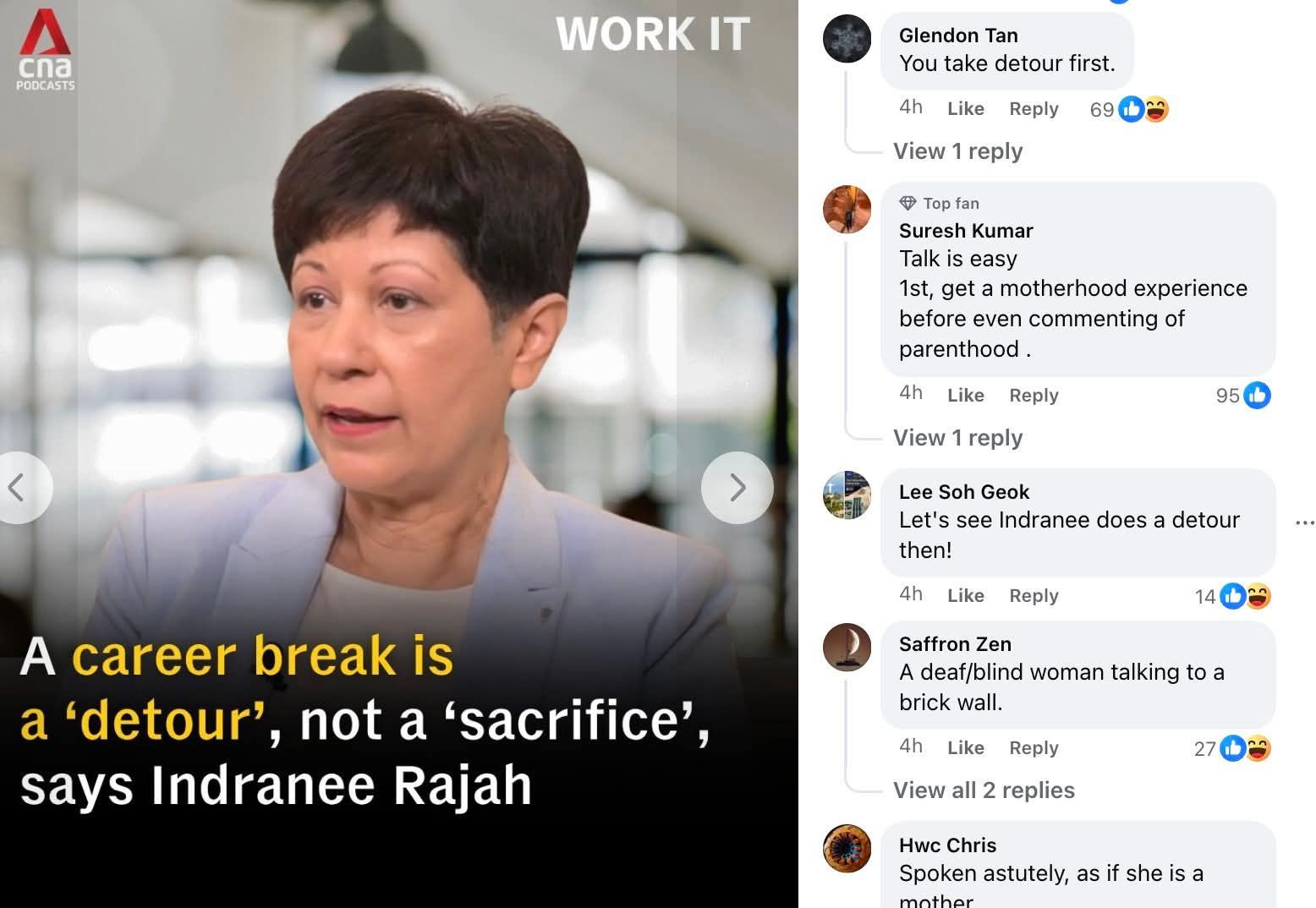
The 63-year-old told CNA last week that the breaks women take to have and care for children should be seen as career “detours” and not sacrifices or setbacks. She added that the workgroup aims to normalise these career “detours” among employees and employers.

Singaporeans responding to her remarks were critical and asked the Minister why she hadn’t taken a detour herself. Ms Indranee is unmarried and does not have children.

Some questioned why Prime Minister Lawrence Wong, who also does not have children, would tap on Ms Indranee to head a committee on marriage and parenthood. Others said “talk is easy” and urged the Minister to avoid lecturing working mothers, as she hasn’t had the experiences they have had.

Amid the criticism, one Singaporean urged the Minister to reconsider her communication approach and rely on mothers to better connect with citizens on this issue.

In a lengthy post analysing the reactions to Ms Indranee’s recent remarks, Facebook user Ding Neng argued that successful messaging often depends not just on the content of the advice being given, but on whether the person delivering it is seen as relatable or credible by the target audience.

FB_IMG_1778401516772
Photo: Ding Neng FB

He suggested that “testimonials” from people with lived experience tend to resonate more strongly with the public, especially when audiences can identify with them.

Using examples from MLM seminars and investment pitches, he wrote that people are often persuaded when they hear success stories from individuals they perceive as similar to themselves.

He added that the same principle applies in other contexts, saying people are unlikely to respond positively to health or fitness advice from someone who does not appear to embody the results they are promoting.

Against this backdrop, Mr Ding questioned the Government’s decision to have Minister Indranee lead messaging around childbirth and parenthood, pointing out that she does not have children herself.

“But then, we are now seeing how the government is getting Singaporeans to have kids, [led] by a minister who [hasn’t] done it before,” he wrote.

According to Mr Ding, the issue is not necessarily with the quality or sincerity of the ideas being proposed.

“I can say Minister Indranee has lots of good ideas and proposals to encourage Singaporeans to have kids,” he said, adding that she also has “a team of MPs under her team contributing to ideas too.”

However, he argued that the public response shows many Singaporeans are struggling to connect with the messenger.

“Whatever advice she gives, no matter how well-intended, got lots of push back simply because people are saying directly/indirectly ‘if so good, then why haven’t you done it yourself’,” he wrote.

He urged the Minister, “Don’t be the spokesperson to give advice already. People are hearing, but not listening – same as how a person overweight and more unhealthy than you giving you advice how to work out and eat clean.”

Rather than having politicians front the campaign directly, Mr Ding suggested the Government rely more heavily on the experiences of ordinary parents and employers who have successfully navigated the challenges of raising children in Singapore.

Among his suggestions were inviting mothers who stepped away from their careers and later re-entered the workforce to share their experiences publicly, as well as showcasing families living on median incomes who are able to raise children while maintaining a reasonable quality of life.

He also proposed highlighting companies that actively support working mothers through flexible workplace policies, with employees themselves sharing why those measures have been effective.

“The message is the same, but because it’s shared by people who have done it, people are open to listen,” he wrote.

He concluded his post by saying, “People don’t follow ideas; they follow people who have proven those ideas work.”

Netizens responding to his post agreed with his take and urged the Government to rethink how it communicates its pro-family messaging.

One commenter said, “She’s capable, but she’s definitely the wrong person to chair this. She is not married and has no kids, which is already a NO-NO and can’t get credibility liao.

“Also, by having her chair this initiative, it’s giving a negative impression to the public that the government is not serious about this initiative. Of all people, why her?”

Another netizen added, “Reality is: there are trade-offs. To deny that is to be not honest with the population. I thought PAP was always straightforward with the populace?

“Anyway, there are good reasons why people cannot accept Indranee leading the workgroup. The issue is highly emotional and sensitive, and only those who have gone through it themselves have much credibility to lead the workgroup. It is not about solving just any technical issue.”

This article (Concerned Singaporean says Indranee Rajah shouldn’t be the “spokesperson giving advice” on how to boost birth rate) first appeared on The Independent Singapore News.
  •  

‘Singaporeans aren’t less ‘hungry’… maybe we’re just tired’: Reddit user says Singaporeans are growing tired of burnout culture

SINGAPORE: A 42-year-old recruiter, Ms Shulin Lee, has come under heavy fire online after comments she made during CNA’s Deep Dive podcast rubbed many Singaporeans the wrong way.

In the interview, she claimed that some companies she has worked with “are letting go of Singaporeans in favour of hiring people in Malaysia, Vietnam, Philippines, not because they’re necessarily more skilled, but because they are a lot hungrier.”

Unsurprisingly, her use of the word “hungry” quickly became the focus of criticism.

Across social media, many users slammed the remarks as “tone deaf,” “insensitive,” and overly dismissive of the struggles local workers already face. Some felt the comments painted Singaporeans as lazy or entitled, simply because they are no longer willing to tolerate endless overtime, constant stress, and stagnant pay without questioning it.

Others argued that refusing to work punishing hours for lower salaries does not make someone “less hungry.” If anything, they said, it just means workers today know their worth and are less willing to romanticise burnout in the name of loyalty.

In a separate Reddit post, another Singaporean shared their own take after watching clips of the interview. Rather than agreeing that locals are becoming less driven, the user argued that Singaporeans “aren’t less hungry” but “simply tired.”

According to the post, many people grew up watching their parents work themselves to the bone, staying in the office until late at night, sacrificing family time, health, and personal happiness, only to end up retrenched anyway, despite years of loyalty.

They added that when younger workers today ask for things like work-life balance, fair pay, or reasonable boundaries, they are suddenly labelled “not hungry,” as though wanting a life outside work automatically means lacking ambition.

“Is Singapore really becoming ‘less hungry?’” They added. “Or are people finally rejecting burnout culture?”

“What makes her think that we Singaporeans are not hungry?”

In the discussion thread, one Redditor responded: “I just think it’s because we’re not in survival mode or we don’t wish to be in that mode anymore—and! that’s!! Okay!!!”

Another commented, “Less hungry is such a stupid take, man. Less hungry compared to who/what? Less hungry compared to foreign talents (FT)? The same FT doing the same role can buy bungalows, land, and cars back in their home country. We can barely afford a BTO/resale.”

A third added, “Honestly, I feel that the comment she made is like an insult to us Singaporeans. Don’t you think so? What makes her think that we Singaporeans are not hungry? She thought we all stay in Singapore for free?”

“All of us have monthly bills to pay, we all still need to work and put food for the family on the table, so that we all can survive.”

Read also: Singaporeans returning after 10+ years overseas share biggest reverse culture shocks: ‘MRT used to be empty at 3pm, now it’s always crowded’

This article (‘Singaporeans aren’t less ‘hungry’… maybe we’re just tired’: Reddit user says Singaporeans are growing tired of burnout culture) first appeared on The Independent Singapore News.

  •  
❌