โŒ

Reading view

Strait of Hormuz fills up with loaded tankers without a clear destination

The energy world has been transformed over the past two months. The crude oil market has gone from a substantial surplus that forced the Organization of the Petroleum Exporting Countries (OPEC) to curb its own output to prevent prices from plummeting, to a critical situation: overnight, with the closure of the Strait of Hormuz, almost a fifth of global production has vanished. Nearly half of that amount has been offset, both by increased shipments through the few pipelines connecting the Persian Gulf countries to the outside world and by the still-nascent production increases at fossil fuel giants outside the region. But the shortfall remains enormous.
Seguir leyendo

ยฉ Stringer (REUTERS)

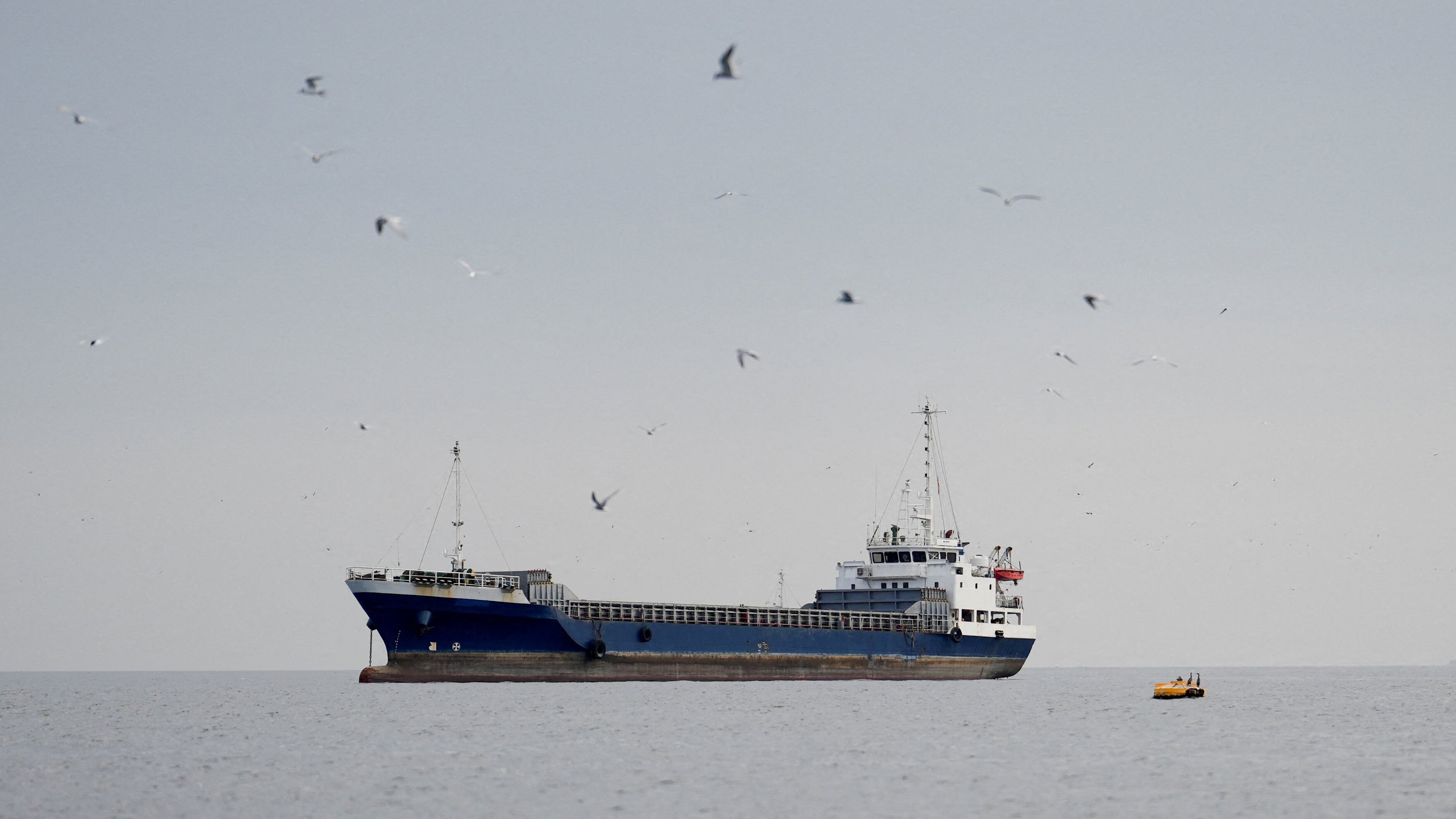
A ship in the Strait of Hormuz, off the coast of Omani's Musandam province, on April 12, 2026.
  •  

Key points about OPEC: What is this oil cartel and why is the UAE distancing itself?

The war in Iran, which in just two months has shaken the global energy supply chain, is now opening a crack in one of the pillars of oil diplomacy of the last five decades. In the midst of the Persian Gulf blockade, the United Arab Emirates announced on Tuesday its withdrawal from the Organization of the Petroleum Exporting Countries (OPEC), the cartel that has set the course for the crude oil market since the energy crisis of the 1970s. This organization has lost influence with the rise of other producers such as the United States, Canada and Brazil, which has increased the economic and political cost of influencing oil prices through production increases or cuts.

Seguir leyendo

ยฉ Sean Gallup (Getty Images)

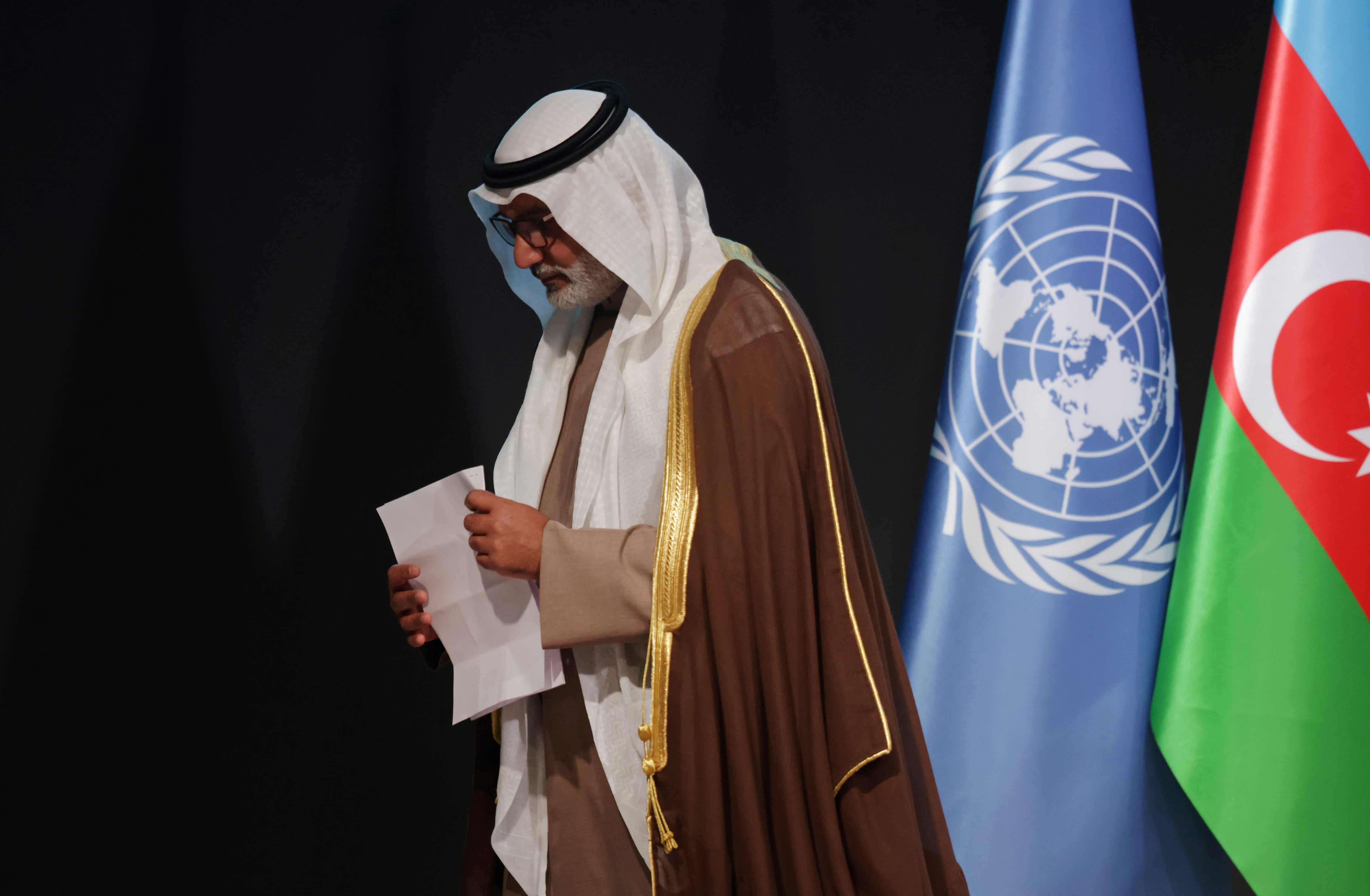
Haitham Al Ghais, Secretary General of OPEC.
  •  
โŒ