As the day rolled towards the evening, it became apparent that the BJP was poised for a thumping, probably two-thirds, majority in West Bengal assembly polls. At the time of writing, the party set to bag 200+ seat out of 293, election to Falta seat being countermanded and repoll scheduled on 21 May.
BJP’s tally in West Bengal thus went up from 77 seats it had won in 2021 with 38.1 per cent votes. This time, a positive swing of seven percent helped the party come to power.
A swing to the magnitude of five to seven per cent usually comes with precursor signals — snide outpouring of dissatisfaction in private conversations, a disruptor group (in Tamil Nadu) like Tamilaga Vettri Kazhagam (TVK) led by actor-turned-politician Vijay.
Something was unusual about this swing — it came very silently. Journalists with decades of experience in covering elections did not see it come, till it actually came. Neither did leaders of TMC, or for that matter, the BJP who kept talking about a tally of around 155 or less and then “managing” the rest. In fact, Amit Shah was the only person who could see it clearly and proclaimed that his party will win 200 seats.
Going by conventional analysis, the impact of disruptors like Humayun Kabir or Naushad Siddiqui, who wanted to split Trinamool’s Muslim votes, would be limited, reasoned political observers. Some argued that non-consolidation of Muslim votes went against the TMC.
But that would imply the campaign by Suvendu Adhikar, which was mounted on Hindu-Muslim binary, did not work. Did the women — the other constituency of Mamata Banerjee — desert her? Again, in the run up to the election, there was no sign that Bengal’s women were spurning their Didi. In fact, some BJP leaders even complained that about SIR pushing in the background genuine anti-incumbency issues like governance failure, corruption, syndicates.
Non-payment of DA (direct allowances) to state government employees was such an issue. “But that issue impacted only two percent of voters, not sufficient to explain a seven percent swing,” said a social activist on condition of anonymity.
“On the night of 3 May, I sent a text to a BJP leader saying ‘you must be keeping vigil at night.’ He responded that he has already had a quiet dinner and was preparing to retire.” Pointing out to the level of complacency and confidence, the activist pointed out there was massive levels of rigging and EVM tampering to manufacture BJP’s victory.
There are also anecdotes of how postal ballots were used to BJP’s advantage. Historically a bellwether for government employee sentiment, early trends in postal ballots showed a massive skew in favour of the BJP, to the tune of 5,000 votes on an average.
TMC agents reported that counting opened with postal ballots and EVM counting was deliberately delayed to highlight the leads generated in favour of the BJP in at least 70 per cent of the seats. By early afternoon, TMC agents started deserting the counting centres even before EVM counting was over, disheartened by false leads buoyed up by postal ballots. With counting tables manned by handpicked central government employees, there was little else they could do.
The CPM was accused of indulging in scientific rigging; that was before the BJP elevated it to an art form. The wave against TMC came out of the box — no wonder it was not visible on the ground.
(Sourabh Sen is a Kolkata-based independent writer and commentator on politics, human rights and foreign affairs)
West Bengal witnessed a day of high drama, sharp political exchanges and emotional scenes as counting for the Assembly elections unfolded on Monday, culminating in a major upset with outgoing chief minister Mamata Banerjee losing the Bhabanipur seat to Suvendu Adhikari by 15,114 votes.
The Bhabanipur contest remained the focal point through the day, with both leaders locked in a closely watched battle. As counting progressed across multiple rounds, trends appeared to mirror a prediction earlier made by Adhikari — that he would take an early lead, fall behind, and then regain momentum after the sixth or seventh round. By the 17th round, he had surged ahead, steadily eroding Banerjee’s initial lead.
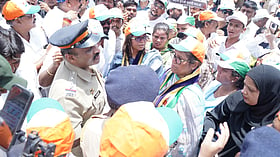
Banerjee arrived at the Sakhawat Memorial Government Girls’ High School counting centre in the afternoon amid allegations by the Trinamool Congress that one of its counting agents had been forced out. The atmosphere grew increasingly tense as rival supporters gathered, raising slogans and escalating confrontations.
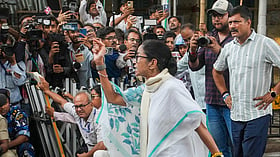
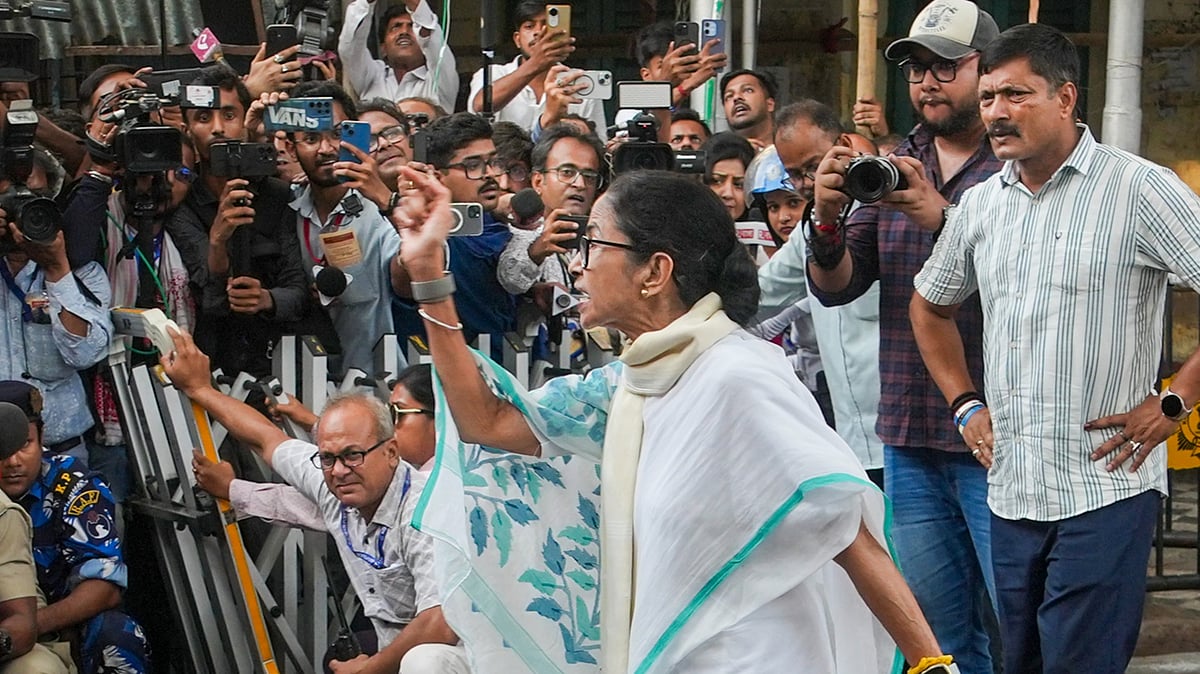
As she exited the centre later in the evening, Banerjee was met with chants of 'Jai Shree Ram' from BJP supporters celebrating their party’s sweeping performance. A visibly distressed Banerjee addressed reporters, terming the outcome “immoral”. “They have looted more than 100 seats,” she alleged.
In a strongly worded attack, she claimed there had been “serious irregularities in the election process”. “Votes had been rigged and I had been physically assaulted during the day,” she said, adding that her defeat, if confirmed, was the result of coercion rather than a fair contest. Despite the setback, she struck a defiant tone, saying her party would “bounce back” and that she would continue the political fight.
— All India Trinamool Congress (@AITCofficial) May 4, 2026
Banerjee also alleged that the “EC's activities with the help of central forces in connivance with Prime Minister Narendra Modi and Union Home Minister Amit Shah were illegal”. She claimed that complaints to Chief Electoral Officer Manoj Agarwal had yielded no response.
“The CCTV was switched off while our agents were not allowed to be inside the counting centre,” she further alleged.
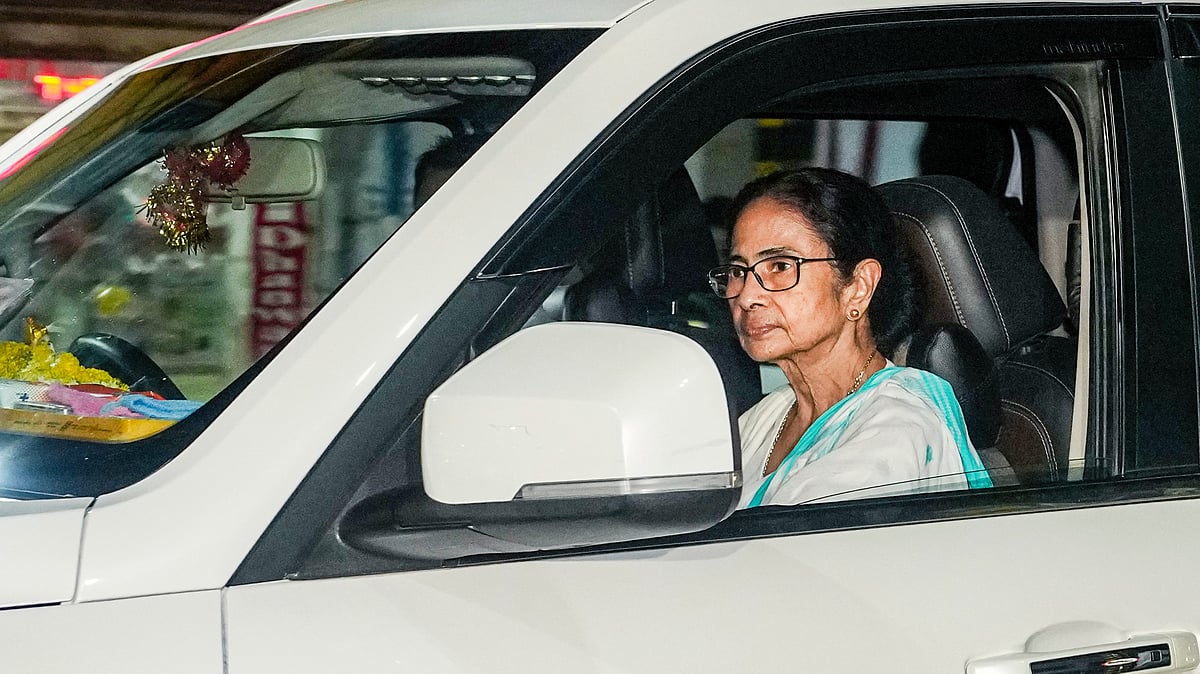
Following her remarks, security personnel escorted her away from the premises as tensions remained high. She later left for her residence in Kalighat while counting continued.
Elsewhere, the results signalled significant political churn. In Murshidabad district, the Left Front opened its account, with CPI(M) candidate Mustafizur Rahman, also known as Rana, winning the Domkal seat by 16,232 votes, securing over 107,000 votes and defeating both Trinamool Congress and Congress candidates.
Celebrations broke out among Left supporters following the announcement, with Rahman stating that his priority would be public welfare and development.
"Whatever verdict the people deliver must be accepted by everyone in a civilised society. However, the counting process has been unusually slow. Earlier, in 2021, nearly 90% of counting was completed within eight and a half hours; now, only 6–8 rounds have been completed in the… pic.twitter.com/GVaMgLIRVl
— All India Trinamool Congress (@AITCofficial) May 4, 2026
The BJP, meanwhile, celebrated what its leaders described as a sweeping victory across several regions. Party leader Swapan Dasgupta said the scale of the win reflected broad-based support. “I believe that concerns about employment, the future of young people, and issues such as corruption and industrial decline had influenced voters,” he said.
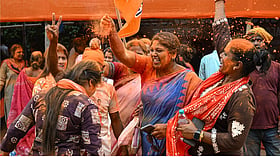
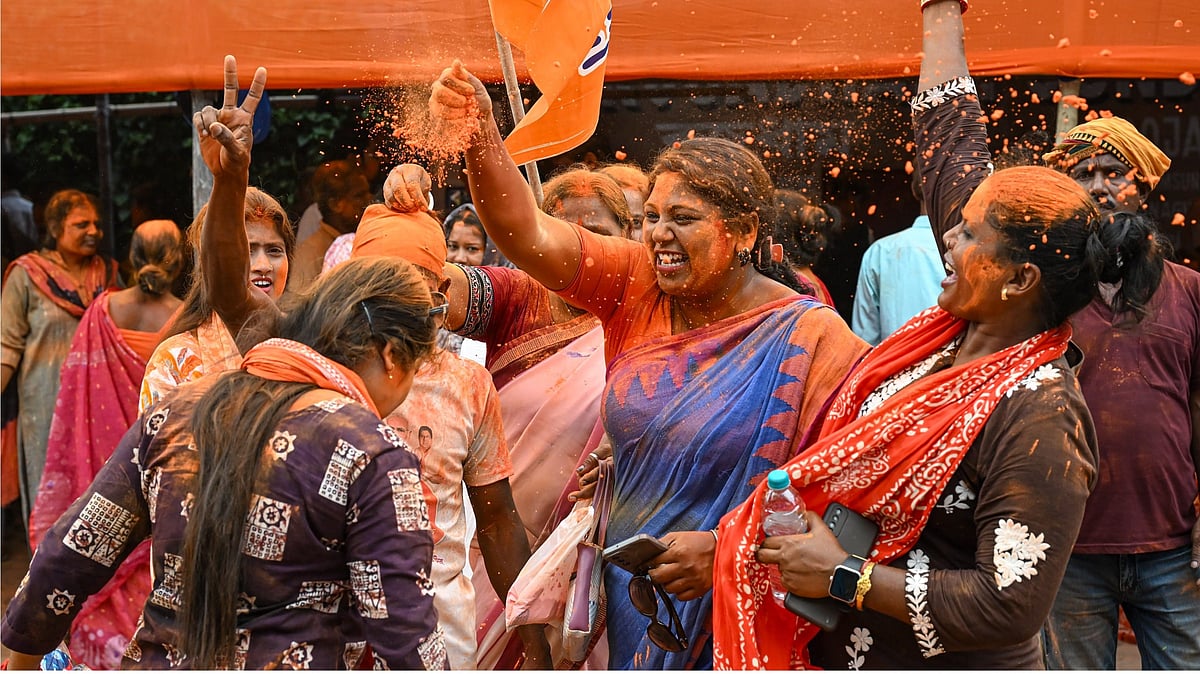
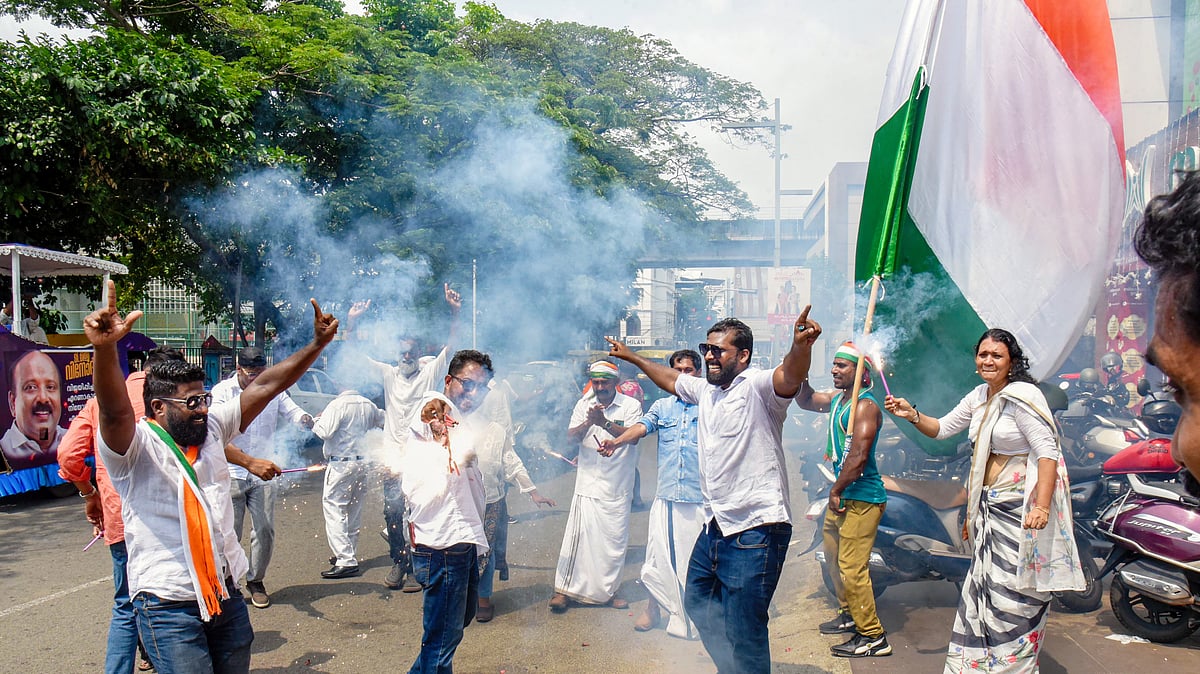
In North Bengal, particularly in Alipurduar district, BJP workers marked their success with visible enthusiasm — distributing jhalmuri, bursting firecrackers and applying saffron powder. Similar scenes were reported in Kalchini, where supporters gathered at local crossings to celebrate leads secured by BJP candidates.
Political rhetoric remained sharp. In Panihati, BJP candidate Ratna Debnath thanked voters and promised development, while also referring to demands for justice in the RG Kar case. She said her focus would be on addressing long-standing local concerns.
Former IPS officer and Trinamool leader Humayun Kabir offered a candid assessment of his party’s performance. “Welfare schemes alone were not enough to secure lasting support and voters, including members of the Muslim community, had prioritised dignity and clean governance,” he said, while also accusing the leadership of corruption and a disconnect from grassroots workers.
Kabir also hinted at possible political realignments in the future, suggesting some legislators could switch sides — reflecting the deep divisions and intense rivalry shaping the state’s political landscape.
Describing the outcome as historic, Adhikari called it a “new dawn” for West Bengal, crediting public support and party workers for the result.
As counting continued into the evening, the developments pointed to a decisive turning point in West Bengal politics — marked by a high-stakes contest, serious allegations, celebrations on the ground, and a rapidly shifting political balance.HL: Mamata Banerjee loses Bhabanipur by 15,114 votes, calls BJP win “immoral” Strap: CM alleges rigging, “looted” mandate in over 100 seats as tensions flare during counting
West Bengal witnessed a day of high drama, sharp political exchanges and emotional scenes as counting for the Assembly elections unfolded on Monday, culminating in a major upset with Mamata Banerjee losing the Bhabanipur seat to Suvendu Adhikari by 15,114 votes.
The Bhabanipur contest remained the focal point through the day, with both leaders locked in a closely watched battle. As counting progressed across multiple rounds, trends appeared to mirror a prediction earlier made by Adhikari — that he would take an early lead, fall behind, and then regain momentum after the sixth or seventh round. By the 17th round, he had surged ahead, steadily eroding Banerjee’s initial lead.
Banerjee arrived at the Sakhawat Memorial Government Girls’ High School counting centre in the afternoon amid allegations by the Trinamool Congress that one of its counting agents had been forced out. The atmosphere grew increasingly tense as rival supporters gathered, raising slogans and escalating confrontations.
As she exited the centre later in the evening, Banerjee was met with chants of “Jai Shree Ram” from BJP supporters celebrating their party’s sweeping performance. A visibly distressed Banerjee addressed reporters, terming the outcome “immoral”. “They have looted more than 100 seats,” she alleged.
In a strongly worded attack, she claimed there had been “serious irregularities in the election process”. “Votes had been rigged and that I had been physically assaulted during the day,” she said, adding that her defeat, if confirmed, was the result of coercion rather than a fair contest. Despite the setback, she struck a defiant tone, saying her party would “bounce back” and that she would continue the political fight.
Banerjee also alleged that the “EC's activities with the help of central forces in connivance with Prime Minister Narendra Modi and Union Home Minister Amit Shah were illegal”. She claimed that complaints to Chief Electoral Officer Manoj Agarwal had yielded no response.
“The CCTV was switched off while our agents were not allowed to be inside the counting centre,” she further alleged.
Following her remarks, security personnel escorted her away from the premises as tensions remained high. She later left for her residence in Kalighat while counting continued.
Elsewhere, the results signalled significant political churn. In Murshidabad district, the Left Front opened its account, with CPI(M) candidate Mustafizur Rahman, also known as Rana, winning the Domkal seat by 16,232 votes, securing over 107,000 votes and defeating both Trinamool Congress and Congress candidates.
Celebrations broke out among Left supporters following the announcement, with Rahman stating that his priority would be public welfare and development.
The BJP, meanwhile, celebrated what its leaders described as a sweeping victory across several regions. Party leader Swapan Dasgupta said the scale of the win reflected broad-based support. “I believe that concerns about employment, the future of young people, and issues such as corruption and industrial decline had influenced voters,” he said.
In North Bengal, particularly in Alipurduar district, BJP workers marked their success with visible enthusiasm — distributing jhalmuri, bursting firecrackers and applying saffron powder. Similar scenes were reported in Kalchini, where supporters gathered at local crossings to celebrate leads secured by BJP candidates.
Political rhetoric remained sharp. In Panihati, BJP candidate Ratna Debnath thanked voters and promised development, while also referring to demands for justice in the RG Kar case. She said her focus would be on addressing long-standing local concerns.
Former IPS officer and Trinamool leader Humayun Kabir offered a candid assessment of his party’s performance. “Welfare schemes alone were not enough to secure lasting support and voters, including members of the Muslim community, had prioritised dignity and clean governance,” he said, while also accusing the leadership of corruption and a disconnect from grassroots workers.
Kabir also hinted at possible political realignments in the future, suggesting some legislators could switch sides — reflecting the deep divisions and intense rivalry shaping the state’s political landscape.
Describing the outcome as historic, Adhikari called it a “new dawn” for West Bengal, crediting public support and party workers for the result.
As counting continued into the evening, the developments pointed to a decisive turning point in West Bengal politics — marked by a high-stakes contest, serious allegations, celebrations on the ground, and a rapidly shifting political balance.
The election results from West Bengal, Tamil Nadu, Kerala, Assam and Puducherry, on the surface, are a boost for the BJP and its style of electioneering — brash, in-your-face, communal, and, to top it, broadly free of restrictions that would apply to other parties under the Election Commission’s model code of conduct.
If Assam is seen as a predictable BJP victory and Tamil Nadu as a favourable BJP result in that a strong anti-BJP voice in the leadership of M.K. Stalin’s DMK has been reined in, then West Bengal is the prize that would make the BJP stand out and the Opposition cry foul. The state that has resisted the saffron advance for decades finally makes way for the BJP in a bitterly contested election against the incumbent chief minister Mamata Banerjee and her Trinamool Congress (TMC), but this is a result not without its concerns, complexities and worries.
This is the first time that the BJP will take power in West Bengal, which has not had a national party leading the state since Siddhartha Shankar Ray of the Congress left office as chief minister on 30 April 1977. This clearly represents a tectonic shift in the landscape of Bengal politics and will have its impact across the nation. The state that was led by the Communist Party of India (Marxist) for over 23 years and by the TMC for 15 years now goes to the BJP.
But the West Bengal result raises important questions about the fairness and robustness of the election process itself, and to the extent that it may erode faith in the process, it brings every other election and the result it produces into doubt. This strikes at the roots of the democratic form of government in ways that are all too obvious, but these worries will be easily brushed aside by the BJP in the first flush of victory.
With its workers busy distributing ladoos at street corners in Kolkata, the BJP will be unwilling and unable to see the price that its victory in West Bengal will exact on the nation, particularly if serious questions on the process are not answered and if numbers show that the decisive factor in this election was the alleged targeted deletion of voters under the special intensive revision (SIR) of voter rolls.
At the time of writing this, the BJP leads and wins together were above 200 in the West Bengal Assembly of 294, while the TMC was in the mid-80s. The BJP vote share stood at 45.4 per cent towards the evening, up from TMC's 40.85 per cent, according to live data put up by the Election Commission. The numbers will change as more results come in.
In the most recent election, the 2024 Lok Sabha polls, the BJP vote share was 38.73 per cent, behind TMC’s 45.76 per cent. Thus, in two years, between two key elections, the BJP in West Bengal has delivered dramatic growth — its vote share trailed by 7.03 percentage points and now it leads by 4.55 percentage points over the TMC. In theory, this is possible for a variety of reasons, but West Bengal still may present some challenges with respect to the numbers.
It is, of course, too early to do a full-fledged analysis based entirely on numbers and voting shares since not all results are in. Yet, if indications are that the SIR appears to stand as a plausible cause for the dramatic emergence of the BJP in West Bengal, then there will be a lot of discomfort with the results. If subsequently this is found to hold, the BJP victory will bring massive costs later in terms of paying the price for playing with the system. It will also leave a lot for the Election Commission to answer.
In Tamil Nadu, the result has delivered a surprising reversal for the DMK. Actor-turned-politician Vijay’s Tamilaga Vettri Kazhagam (TVK) is in the lead with over 100 seats, with the DMK coming in as the second largest party at 62. With counting still on at the time of writing, it is not clear if Vijay’s party will go past the halfway mark of 118 required to form a government.
Yet, the emerging picture is of TVK on its own or with support from other groups or alliances taking power in the state. This, too, represents a monumental shift in the politics of Tamil Nadu and of India. This is the first time in 50 years that Tamil Nadu would have broken away from the politics of the DMK versus AIADMK that the state political arena has seen play out in every election.
It is too early to say what this means or how Vijay will play out as chief minister, particularly in his relationship with the BJP. Vijay has opposed the BJP’s pet scheme of ‘one nation, one election’ and has in the past described the BJP as an ideological foe and the DMK as a political rival. Yet, the BJP may wish to have him on its side, if only to stem criticism and improve its equations in a state that has been a strong opponent of its politics.
In Kerala, the Congress has come to power after a decade with 63 seats in a House of 140. The BJP has won three Assembly seats for the first time — an achievement of sorts, given that the party has historically struggled in the state, securing just one MLA in 2016 and one MP in 2024. This gradual expansion of the BJP’s footprint suggests that sustained political effort can yield results even in resistant terrain, and calls for an equally determined and vigilant Opposition.
At the end of the day, this is a political battle that shows the BJP to be an unstoppable steamroller, now controlling power across the north, the west and the east. The Opposition parties, which have been unable to come together with a coherent strategy for the long haul, will have to once again rethink their approach.
It is clear that the BJP of today will stop at nothing in doing the deals it needs to take power — from breaking political parties, using investigative agencies, to increasing the communalisation of politics — driven by the belief that the ends justify the means. If this is to be challenged, the Opposition will have to set aside differences, unite, and rebuild around principles and values that many argue have eroded in Indian politics.
Views are personal. Jagdish Rattanani is a journalist and faculty member at SPJIMR.Moreof his writing may be found here
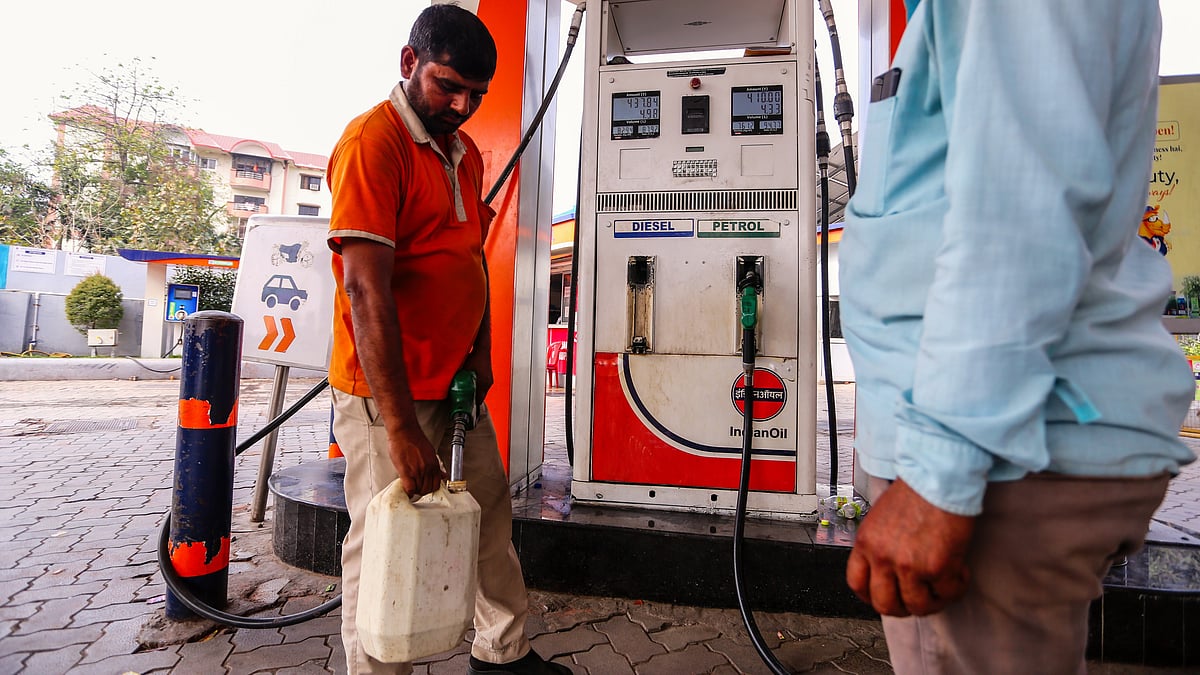
The Centre has no immediate plan to compensate state-run oil marketing companies (OMCs) for losses incurred on the sale of petrol, diesel and jet fuel below market-linked prices, even as pressure builds for a retail price hike amid elevated global crude rates.
A senior Petroleum Ministry official informed The Indian Express that there is currently no proposal before the government to provide financial support to OMCs, which continue to bear the burden of selling key fuels at suppressed prices despite a sharp rise in international energy costs.
Losses mount as prices remain frozen
Retail prices of petrol and diesel have remained largely unchanged for over four years, even as global crude prices surged due to the ongoing West Asia crisis and disruptions in the Strait of Hormuz.
As a result, public sector OMCs — Indian Oil Corporation, Bharat Petroleum Corporation and Hindustan Petroleum Corporation — are incurring heavy losses on fuel sales and have been pushing for a price revision, according to officials familiar with the matter.
The companies are estimated to be losing around Rs 20 per litre on petrol and nearly Rs 100 per litre on diesel, while also incurring significant under-recoveries on domestic LPG sales.
Despite these pressures, the government has kept retail prices steady to cushion consumers from inflationary shocks, particularly during a period marked by state elections.
Limited pass-through in aviation fuel
In the case of aviation turbine fuel (ATF), only a partial pass-through of global price increases has been implemented for domestic flights, while international operations have seen a full adjustment in line with market trends.
This has further added to the financial strain on OMCs, which are balancing political considerations with commercial viability.
LPG losses persist, subsidy option open
OMCs are also facing substantial under-recoveries on domestic LPG cylinders, even as prices of commercial and industrial LPG have been raised.
Unlike petrol and diesel, the government has previously provided subsidy support to offset LPG losses, and officials indicated that such assistance cannot be ruled out again.
Price hike seen as ‘inevitable’
With state elections now concluded, officials signalled that a price revision for petrol, diesel and domestic LPG may be imminent.
“It is inevitable. It is only a matter of time before prices are hiked,” a senior government official said, noting that earlier assurances of price stability were influenced by political considerations during the election period.
Brokerage estimates have suggested a potential increase of Rs 25–28 per litre in petrol and diesel to align domestic prices with global benchmarks, though the government has not confirmed any timeline.
Global factors driving pressure
Global oil prices have remained highly volatile since the escalation of conflict in West Asia, with crude averaging significantly higher than last year.
The disruption of shipping through the Strait of Hormuz — a critical artery for global energy supplies — has further tightened markets and pushed up prices.
India, which relies heavily on imported crude, has so far maintained adequate supply levels but continues to face cost pressures linked to international benchmarks.
Policy dilemma ahead
While petrol and diesel prices are officially deregulated, state-run OMCs — which control around 90 per cent of the retail market — have effectively held prices steady in coordination with the government.
This has created a policy dilemma: raising prices risks fuelling inflation, while maintaining current levels continues to strain the finances of fuel retailers.
With no immediate fiscal support forthcoming, the burden remains on OMCs — at least until a decision is taken on revising retail fuel prices.
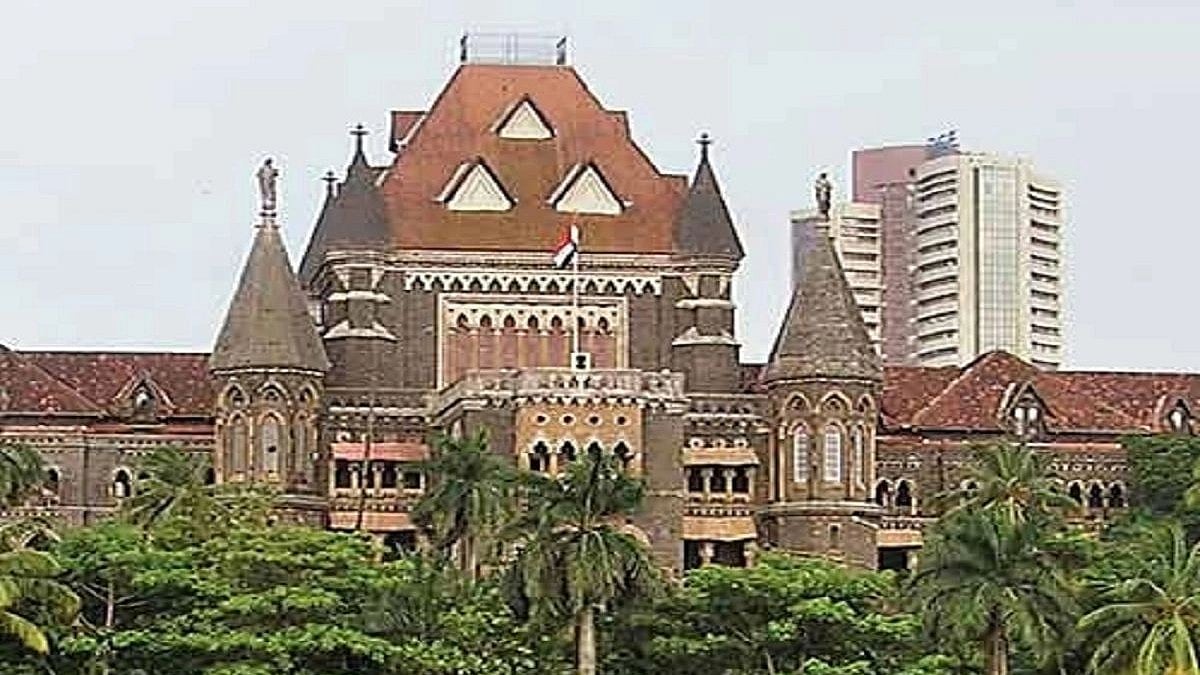
The Bombay High Court on Monday granted bail to activist Surendra Gadling, who was arrested in 2018 in the Elgar Parishad–Maoist links case, citing his prolonged incarceration and the unlikelihood of the trial beginning soon.
A bench led by Justice A.S. Gadkari, while hearing Gadling’s plea, also observed that all other accused in the case have already been granted bail, and that he should receive the same relief on grounds of parity.
With this order, all those arrested in the over eight-year-old case are now out on bail. Stan Swamy, an 84-year-old priest and tribal rights activist, had died in custody in July 2021 while awaiting trial.
Bombay HC has granted bail to lawyer-activist Surendra Gadling, who is in prison from June 6, 2018 in Bhima-Koregaon - Elgar Parishad case, considering his long incarceration.
At least 16 individuals — including lawyers, activists and academics — were booked in connection with allegedly provocative speeches delivered at the Elgar Parishad conclave held at Shaniwarwada in Pune on 31 December 2017.
Police had alleged that the speeches triggered violence at Koregaon-Bhima on the outskirts of Pune the following day. The initial probe by Pune Police claimed Maoist backing for the event, before the National Investigation Agency took over the investigation.
Other accused in the case include Varavara Rao, Sudha Bharadwaj, Anand Teltumbde, Vernon Gonsalves, Arun Ferreira, Shoma Sen, Gautam Navlakha, Sudhir Dhawale, Rona Wilson, Jyoti Jagtao and Mahesh Raut.
The US Central Command on Monday rejected Iranian claims that it had struck an American naval vessel, even as Washington stepped up efforts to restore commercial shipping through the Strait of Hormuz, where traffic has been severely disrupted by the ongoing conflict.
The US military said “no US Navy ships have been struck”, countering reports by Iranian media that Tehran had targeted a vessel near its southeastern coast and forced it to retreat.
US begins guided transit for merchant ships
US officials said two American-flagged merchant vessels had successfully passed through the strait under naval escort, marking the first such movement since hostilities intensified.
Guided-missile destroyers operating in the Persian Gulf are assisting in securing maritime routes as part of a new initiative aimed at restoring global shipping flows.
The US military described the operation as part of “Project Freedom”, under which naval assets are being deployed to facilitate safe transit for commercial vessels.
UAE issues missile alert
Shortly after the US announcement, authorities in the United Arab Emirates issued an emergency missile alert, urging residents to seek shelter.
It marked the first such alert since a ceasefire in the Iran war came into effect in early April. There were no immediate reports of casualties or damage.
Iran disputes US narrative
Iranian news agencies, including Fars and the Iranian Labour News Agency, had earlier claimed that Iranian forces struck a US vessel for allegedly violating maritime norms.
The reports suggested the vessel was forced to turn back, but US officials dismissed the claims as inaccurate.
Tehran has also criticised the US initiative to escort ships, calling it a violation of the fragile ceasefire that has held for over three weeks.
High-stakes maritime standoff
The US plan, announced by Donald Trump, could involve significant military resources, including guided-missile destroyers, over 100 aircraft and around 15,000 personnel.
A US-led maritime coordination centre has advised ships to transit through Omani waters under enhanced security arrangements.
However, uncertainty remains over whether shipping companies and insurers will resume operations, given repeated Iranian attacks and threats targeting vessels in the waterway.
Strategic pressure point in global energy supply
Iran’s control over traffic in the Strait of Hormuz — through which a significant portion of global oil and gas passes — has emerged as a key strategic lever in the conflict.
By disrupting shipping, Tehran has been able to exert pressure on global energy markets despite facing superior military force from the US and its allies.
The evolving maritime confrontation underscores the fragile nature of the ceasefire and the risk of renewed escalation in one of the world’s most critical energy corridors.
US denies Iranian strike on US vessel amid push to reopen Strait of Hormuz
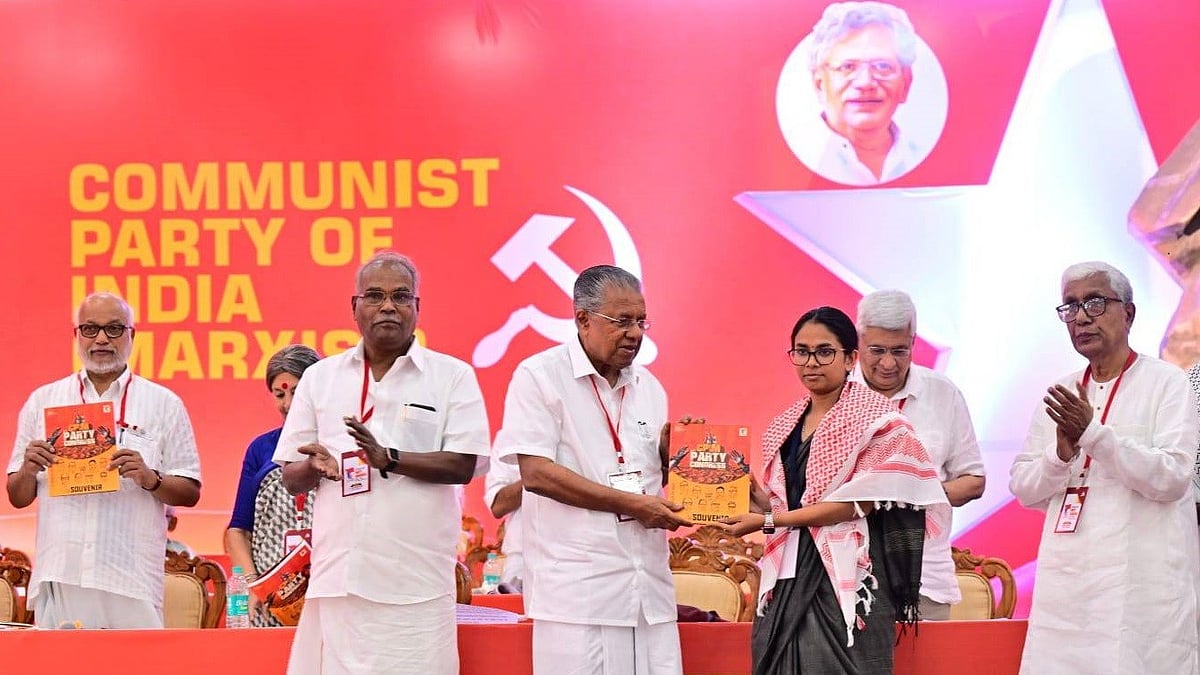
The Communist Party of India (Marxist) on Monday termed the latest round of Assembly election results a “serious setback” for the Left, especially in Kerala, while cautioning that the BJP’s expanding footprint across states presents a broader challenge to secular politics and the Opposition INDIA bloc.
The CPI(M) said the outcomes in West Bengal, Assam and Puducherry signal the “ascendancy of right-wing communal forces led by the BJP,” calling it “a matter of deep concern for all secular, progressive and democratic forces.”
Addressing a press conference, CPI(M) general-secretary M.A. Baby said the results highlight “two major features”: the defeat of the Left Democratic Front (LDF) in Kerala after a decade in power, and the BJP’s growing strength in states such as West Bengal, Assam and Puducherry.
“The LDF was defeated in Kerala after ten years of continuous rule, during which it had done its best for the welfare of the people despite financial constraints imposed by the BJP-led Union government,” he said, adding that the party would undertake a “comprehensive introspection” to understand the reasons behind the reversal.
The party also flagged a shift in Tamil Nadu’s political landscape, where actor-politician Vijay’s outfit has emerged as a significant force, denting the DMK-led alliance. “A new political force is inching towards power, reducing other parties to a minority. This is a new development whose implications will have to be watched,” Baby said.
On West Bengal, he alleged that the BJP’s gains were driven by several factors, including “strong anti-incumbency against the corrupt” Trinamool Congress government, along with “communal polarisation, huge money power and misuse of Central agencies, including the Election Commission of India.”
“Even in such a polarised situation, the Left has marginally improved its performance. In over 30 constituencies, our position has improved, though we expected a far better outcome,” he said.
Despite the setbacks, Baby emphasised that the Left retains relevance in national politics, pointing to its organisational base and grassroots reach. “The Left continues to have a strong presence among workers, peasants and unorganised sectors. But we have to examine why this is not adequately translating into electoral gains,” he said.
— All India Trinamool Congress (@AITCofficial) May 4, 2026
He also defended the LDF government’s record in Kerala, citing achievements such as the elimination of extreme poverty. “Kerala is the only state where extreme poverty has been eliminated. These are tangible accomplishments, but we must still understand the people's verdict,” he added.
According to Baby, the results carry wider implications for opposition politics and the INDIA bloc, formed to counter the BJP. While acknowledging “problems” within the alliance, he maintained that its core framework remains intact.
“The INDIA bloc is a political-tactical line to isolate and defeat the BJP. There will be contradictions because different parties operate in different states and sometimes contest against each other. But that does not weaken the broader objective,” he said.
Referring to states like Delhi, Kerala and West Bengal — where alliance partners have contested separately — he said such situations reflect the “complex federal nature of Indian politics.”
“Even when we fight each other, it should be in a manner that does not benefit the BJP. That has to be the guiding principle,” he added.
Asked whether the lack of Opposition unity in states such as West Bengal aided the BJP, Baby said the issue would be reviewed internally. “These are questions the party will examine. There were arrangements earlier; this time, there were none. We will review all such decisions,” he said.
Looking ahead, the CPI(M) said its Politburo and Central Committee will carry out a detailed assessment of the results and devise a strategy to respond to the “new political situation.”
“The task remains to expose, isolate and defeat the BJP and its policies. For that, cooperation among secular democratic forces will continue, both inside and outside Parliament,” Baby added.
With the Congress-led United Democratic Front (UDF) set to return to power in Kerala after a decade, Priyanka Gandhi Vadra on Monday thanked voters for their “overwhelming support” and said the mandate would guide the alliance’s governance over the next five years.
In a message posted on X, Gandhi said the trust reposed by the people would be the UDF’s “guiding force” as it works towards delivering on its promises.
“To all my brothers and sisters in Keralam, thank you for your faith and for your overwhelming support. The trust you have placed in us will be the UDF’s guiding force as we work hard towards building a better future for each one of you,” she said.
“I sincerely hope that our gratitude to you will be evident each day of the next five years as we strive to fulfil our commitments to you with honesty and humility,” she added.
Wayanad mandate highlighted
Referring to her constituency, Gandhi said voters in Wayanad had delivered a decisive verdict in favour of the alliance.
നന്ദി കേരളം! ❤️
To all my brothers and sisters in Keralam, thank you for your faith and for your overwhelming support.
The trust you have placed in us will be the UDF’s guiding force as we work hard towards building a better future for each one of you.
I sincerely hope that…
— Priyanka Gandhi Vadra (@priyankagandhi) May 4, 2026
“To my family in Wayanad, you have renewed your belief in the UDF with a resounding mandate - 7 out of 7 seats!! You now have 8 representatives working together towards the development of Wayanad! We will do all we can to live up to your expectations,” she said.
She also congratulated party workers and alliance leaders for their campaign efforts.
“To the workers and leaders of the UDF who worked day and night to take our message of a united and progressive Keralam to every household, my heartiest congratulations, best wishes and gratitude for your tireless efforts,” Gandhi said.
UDF set for comfortable majority
According to trends available on the Election Commission of India website, the UDF was leading or had won in over 95 constituencies in the 140-member Assembly, indicating a clear majority.
The result signals the end of a decade-long rule by the Left Democratic Front (LDF), paving the way for the UDF’s return to power in the state.
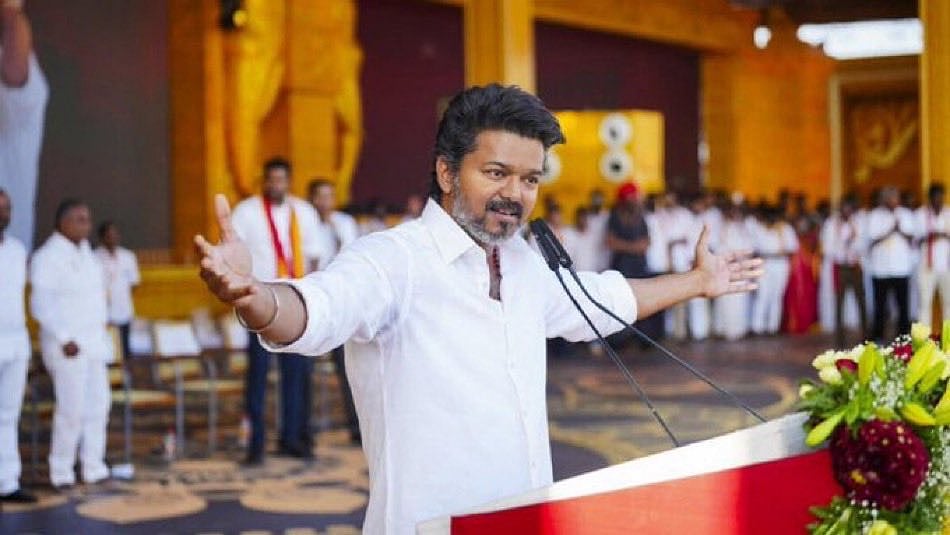
When Vijay declared that the 2026 Tamil Nadu Assembly election was a direct contest between his Tamilaga Vettri Kazhagam (TVK) and the ruling Dravida Munnetra Kazhagam (DMK), many dismissed it as political overreach. Yet, his campaign — unconventional, low on traditional rallies and high on digital mobilisation — has reshaped the contours of electoral politics in the state.
A campaign unlike any other
Rejecting standard campaign playbooks, Vijay avoided large-scale rallies, skipped extensive constituency tours, and largely stayed away from media interviews. Instead, he communicated directly with voters through social media and word-of-mouth amplification by his fan base.
In a strikingly novel approach, he targeted younger audiences — even children — urging them to influence family voting decisions. After polling crossed 85 per cent, he addressed them as “Vijay Mama” and thanked “Kutti, Nanba, Nanbees” for mobilising support.
Crafting a political identity
Vijay’s messaging fused elements of Dravidian ideology with Tamil nationalism, creating a hybrid political narrative distinct from established parties. His public appearances — often spontaneous and symbolic — reinforced his connection with ordinary voters, whether cycling through neighbourhoods or delivering layered speeches at film events.
Over decades, the actor had carefully shaped his public persona. From being introduced as “Ilaya Thalapathy” in the 1990s, he evolved into “Thalapathy” — a title synonymous with mass appeal — before transitioning into a political “Thalaivan” (leader) and ultimately “Muthalvar” (Chief Minister).
Cinema as a political springboard
Vijay’s films increasingly carried political undertones, reflecting social issues and governance concerns. Movies like Kaththi highlighted farmers’ distress, while Mersal stirred controversy over criticism of GST. Sarkar further amplified themes of electoral integrity and political accountability.
Earlier, his film Thalaiva, with the tagline “Born to Lead”, was widely seen as an early signal of his political ambitions.
From fan base to political machinery
The groundwork for Vijay’s political rise had been laid years earlier through the Vijay Makkal Iyakkam, whose members won local body elections in 2021 using his image, hinting at a latent political base.
Many of these grassroots organisers later transitioned into the organisational structure of TVK, providing Vijay with a ready cadre network ahead of his electoral debut.
Influences and early signals
Observers trace his political trajectory to moments such as his public support for Anna Hazare during anti-corruption protests and his adoption of signature phrases to connect with supporters, echoing styles used by leaders like J. Jayalalithaa and M. Karunanidhi.
His visits to victims of the Thoothukudi police firing and his increasing engagement with social issues further cemented his transition from screen icon to political figure.
A carefully engineered transformation
From a child artiste debut in the 1984 film Vetri to becoming one of Tamil cinema’s biggest stars, Vijay’s journey reflects a long-term strategy that blended branding, mass appeal and calculated political signalling.
His rise underscores a rare transformation — where cinematic charisma has been successfully converted into political capital — positioning him as a formidable force in Tamil Nadu’s evolving political landscape.
Vijay: From ‘Thalapathy’ to ‘Muthalvan’ in debut electoral leap
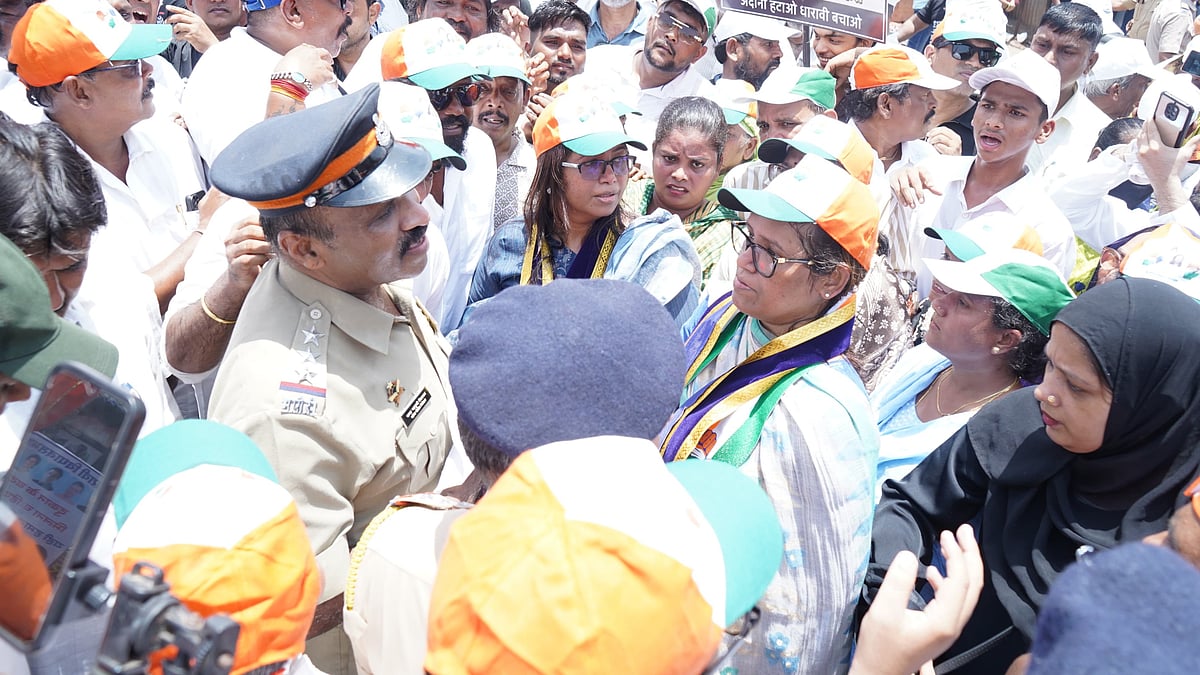
Thousands of residents of Mumbai's Dharavi, widely regarded as Asia’s largest slum, took out a massive protest march on 4 May against the alleged “dubious role” of the Adani Group and the Maharashtra government in the Dharavi redevelopment project.
Despite heavy police deployment, the rally proceeded from Kumbharwada in Dharavi to the Adani office in Matunga. Protesters, carrying banners of the Dharavi Bachao Andolan, raised slogans of 'Adani hatao, Dharavi bachao'. The march was led by Congress MP Varsha Gaikwad.
Taking an aggressive stance, Gaikwad described the redevelopment project as a “major scam”. She alleged that the government was declaring Dharavi residents ineligible in order to benefit the Adani Group and was “conspiring to render them homeless”. She claimed that the ongoing survey in Dharavi was violating norms, with residents being marked ineligible without consultation.
Gaikwad also questioned the proposed transfer of valuable Mumbai land — such as salt pan areas, mudflats in Malvani, and Deonar — in the name of the Dharavi project. Alleging a Modi–Adani nexus, she accused the Mahayuti government of altering rules to facilitate land transfers. She added that the agitation would continue until Dharavi residents receive their due rights.
— Prof. Varsha Eknath Gaikwad (@VarshaEGaikwad) May 4, 2026
Protesters demanded that all residents — eligible or otherwise — be provided housing within Dharavi itself, with 500 sq. ft homes in exchange for existing dwellings, along with equivalent compensation for shops and warehouses. They also called for transparency in the survey process and opposed any forced displacement outside Dharavi.
Gaikwad clarified that neither she nor the residents opposed redevelopment per se, but objected to the current model and survey process. “There is manipulation in the survey, and a conspiracy to render 96 per cent of Dharavi residents ineligible,” she alleged. She further claimed that middlemen were active in the area and that residents were being intimidated by the police.
Alleging a lack of transparency in the redevelopment process, she asserted that Dharavi belongs to its residents. “This land is theirs, these homes are theirs, and they will not leave,” she said, adding that locals must be consulted in the project.
Gaikwad termed the redevelopment exercise “one of the biggest land scams” under the guise of urban renewal, accusing the government of tweaking rules to favour the Adani Group. She said Dharavi residents were self-reliant and questioned the role of “outsiders” in shaping their future. “They cannot be pushed onto dumping grounds,” she said, adding that the struggle would continue until residents are ensured dignified rehabilitation.
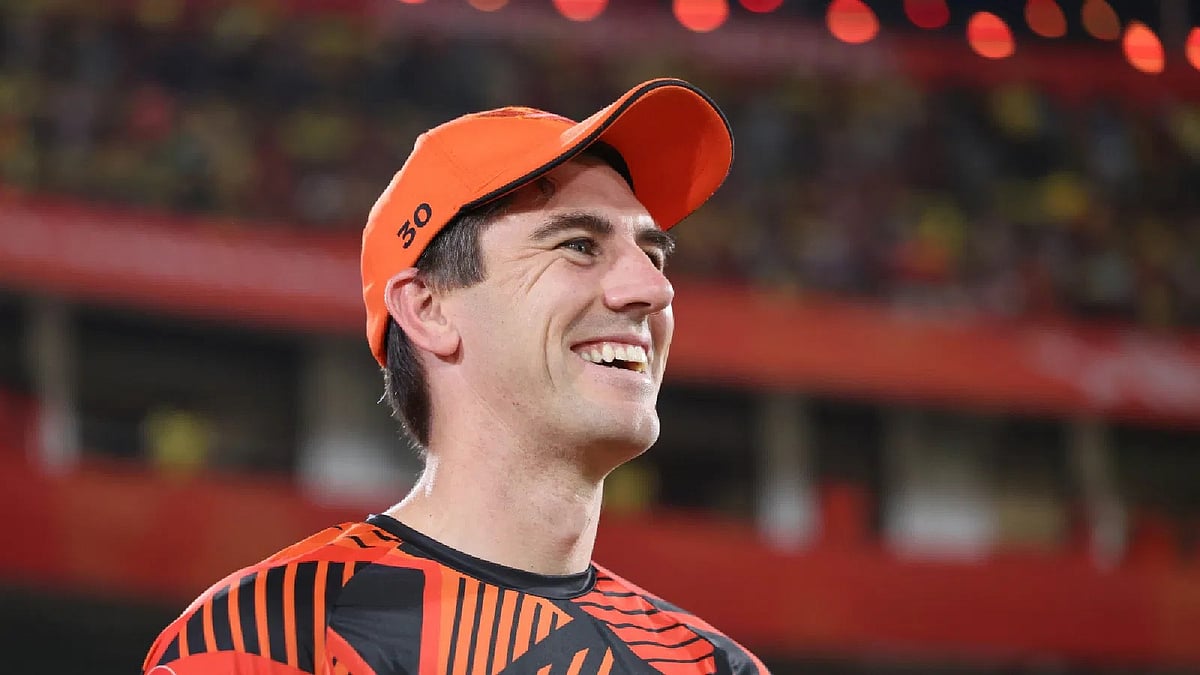
There is no doubt in Pat Cummins’ mind about where his priorities lie once he leaves the sport in a few years — family. The Australian Test and ODI captain, back at the helm of a high-flying Sunrisers Hyderabad in IPL 2026 after missing the first half of the season due to a rehab programme, says the day is not far when he is going to ‘live life’ with his family.
Speaking to Elizabeth Day on her podcast How to Fail, Cummins said: “I’m so crystal clear now on the family’s priority. I want to spend as much time as I can with my family. And you just can’t keep kicking things down the road. I think a lot of sportspeople, but maybe me in particular, think — okay, I’ll play cricket till I’m 35 or 36, Albie will be seven or six years old and then life will start, and then we can start hanging out as a family. I’ve definitely changed my mindset now. It’s like, no, I’m going to live life.”
“I’m going to say a big emphatic yes to things that we really want to do as a family. When we’re on tour, let’s make sure we have the time of our lives. We don’t just want to watch the clock tick by,” said the 32-year-old pace merchant, who may be looking at another three-four years of competitive cricket at best.
The Orange Brigade, now third in the season's standings, had been doing well even without Cummins as leader and Ishan Kishan in charge of things but then, as their bowling coach Varun Aaron says, the Australian’s presence as the leader of the bowling pack would make a difference at the business-end of the tournament.
Pat Cummins turns the corner
27 runs off the over but the #SRH skipper comes back with a wicket
A bit of a reluctant leader when he took over the captaincy in 2021, Cummins steered Australia through one of its most successful phases — including a World Test Championship in 2023 and the ODI World Cup.
Recalling his initial days as captain, Cummins recalled: “Just seen the previous few captains really go through the wringer. There are parts of the role that are obviously appealing — the esteem of captaining Australia — but parts of it that didn’t really appeal to me too much. So, in the end, I decided to go for it. But if it wasn’t to be and if it didn’t work out, I was very comfortable.”
The SRH captaincy since 2024 saw him liberating batters, and top gun Abhishek Sharma was one of the main beneficiaries of the new philosophy. “Marte hue out hona chahiye, darte hue nahi (get out trying to hit, not afraid to hit). I am fine with the team being 100 all out, but I don’t want safe scores of 160 or 170,” Abhishek said recently in an interview, echoing Cummins’ philosophy.
Like a true leader, Cummins owned up after Kolkata Knight Riders snapped its winning streak with a commanding seven-wicket victory on Sunday at the Rajiv Gandhi International Stadium. SRH were riding high on a five-match streak as it marched into its den at Uppal to face KKR in match one of the Sunday doubleheader, but the Knights turned the tables in the reverse fixture.
Cummins admitted that his 27-run over against Finn Allen was too costly and they ultimately lost due to fine margins going against them. “Not our best day. We had a pretty good start, but then we weren’t at our sharpest. Probably aimed for 200 and then 180, but it wasn’t meant to be. You just need to adapt. The first 8-10 overs were excellent, but they used the match-ups well, and the second half wasn’t good. It dried up and slowed down; we probably should have aimed at 180,’’ he added.
The Communist Party of India (Marxist)-led Left Democratic Front (LDF) is heading towards defeat in Kerala after two consecutive terms, if early trends from Monday’s Assembly election results hold.
After multiple rounds of counting, the Congress-led United Democratic Front (UDF) had surged ahead in 101 of the 140 Assembly seats, while the CPI(M)-led Left Democratic Front (LDF) was trailing with leads in fewer than 40 constituencies. The BJP-led National Democratic Alliance (NDA) was ahead in just two seats, according to television reports.
Even at time of publishing this report, chief minister Pinarayi Vijayan was trailing in the Dharmadam Assembly constituency by 733 votes. Indian National Congress candidate Abdul Rasheed took over Vijayan.
— All India Radio News (@airnewsalerts) May 4, 2026
The marks a watershed in Indian politics — the first time since 1977 that no state will have a communist government.
For decades, even as the Left receded from the Hindi heartland, it retained a firm grip over three key states — West Bengal, Tripura and Kerala. What was once a durable, regionally anchored ideological presence has, over the past decade, shrunk into electoral marginality.
The Left’s high noon came in 1977, when the CPI(M), riding an anti-Emergency wave, captured power in West Bengal, ushering in the longest uninterrupted rule by any party in a state.
Under Jyoti Basu, who served as chief minister for over 23 years, and later Buddhadeb Bhattacharya, the Left Front governed for 34 years — a period that reshaped land reforms and rural politics, even as it later drew criticism for industrial stagnation.
In the northeast, Tripura was the Left's other pillar. In 1993, the Left swept the state, with the CPI(M) winning 44 out of 60 seats. After Dasarath Deb, Manik Sarkar presided over two decades of relatively stable governance, building a reputation for clean politics even as economic opportunities remained limited.
"Left resurgence necessary to be the voice of the voiceless."
- CPI's D Raja on LDF exit from Kerala leaving India without a left govt in several decades pic.twitter.com/Ejeh7vpWgT
The unravelling began in 2011. In West Bengal, Mamata Banerjee’s Trinamool Congress channelled anti-incumbency and anger over land acquisition in Nandigram and Singur to end Left rule, reducing it from a dominant 235 seats in 2006 to just 62.
The defeat was not merely electoral — it marked the collapse of a political ecosystem. Tripura followed in 2018, when the Bharatiya Janata Party breached what was once considered an impregnable Left fortress. The BJP’s 36-seat victory in the 60-member Assembly cut the Left down from 50 seats to 16, signalling a decisive ideological and organisational shift.
Kerala remained the final outpost. The LDF’s return to power in 2016 under Pinarayi Vijayan — and its re-election in 2021, breaking the state’s pattern of alternating governments — had suggested resilience, even renewal. But trends on Monday indicate that this last bastion, too, may be slipping.
The implications will go beyond a routine change of government. It would signal the near-total erosion of the Left as an electoral force in India — from hegemonic power in key states to the margins of the political map.
The deeper question, then, is not just about a lost election, but whether the Left can reinvent itself in a changed political landscape of India where Hindutva has emerged as the strongest ideology, and most winning electoral force.

 Login
Login