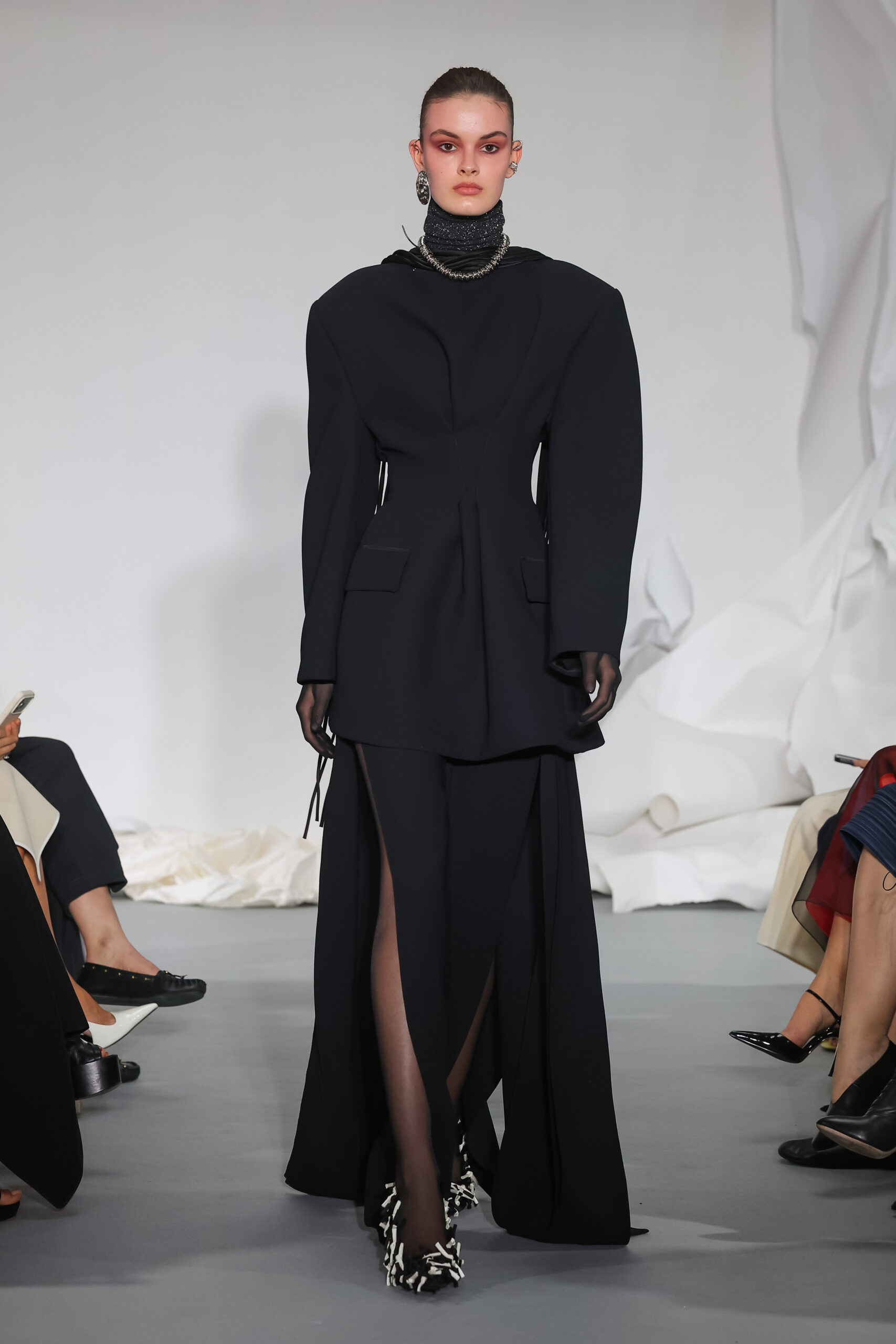
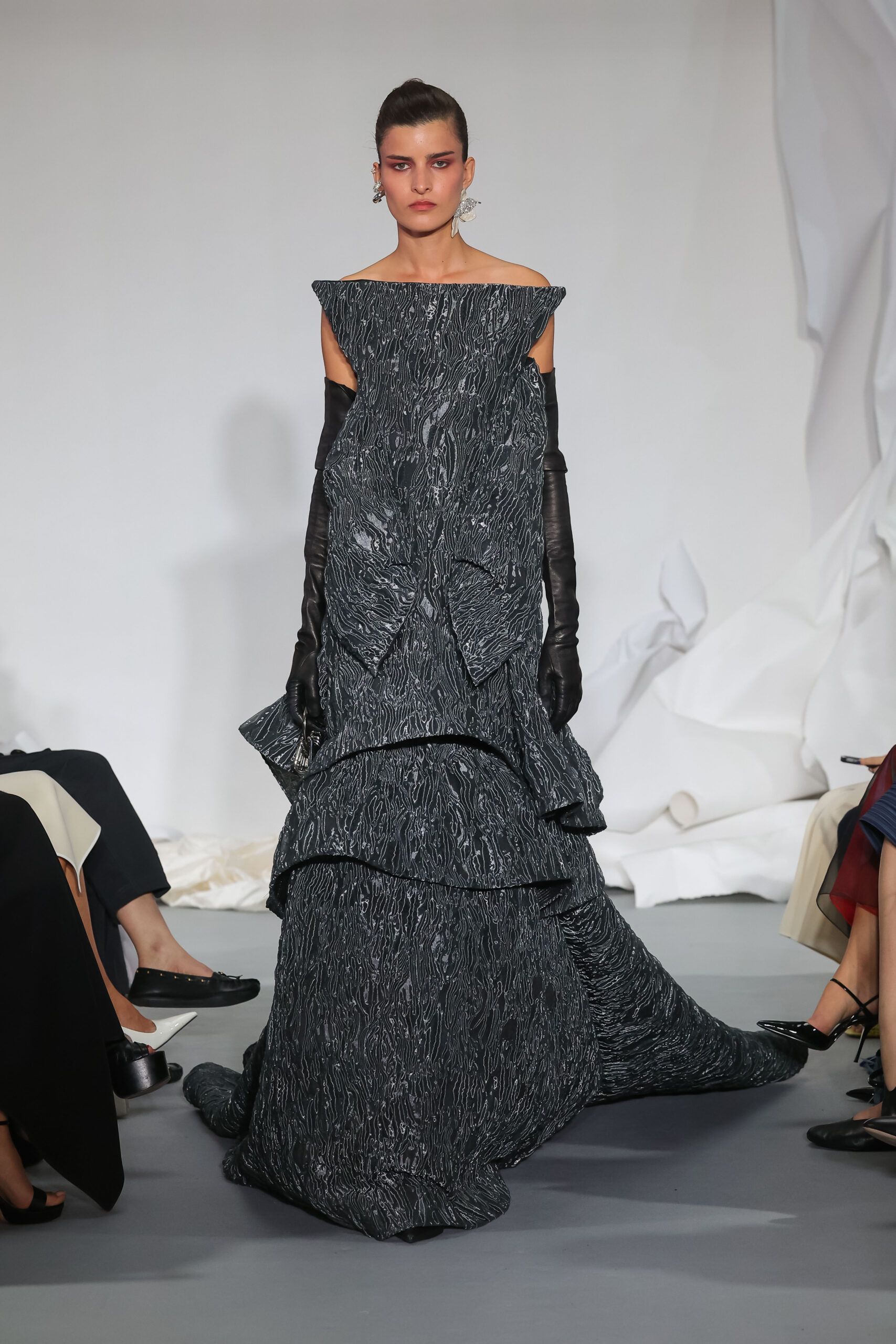
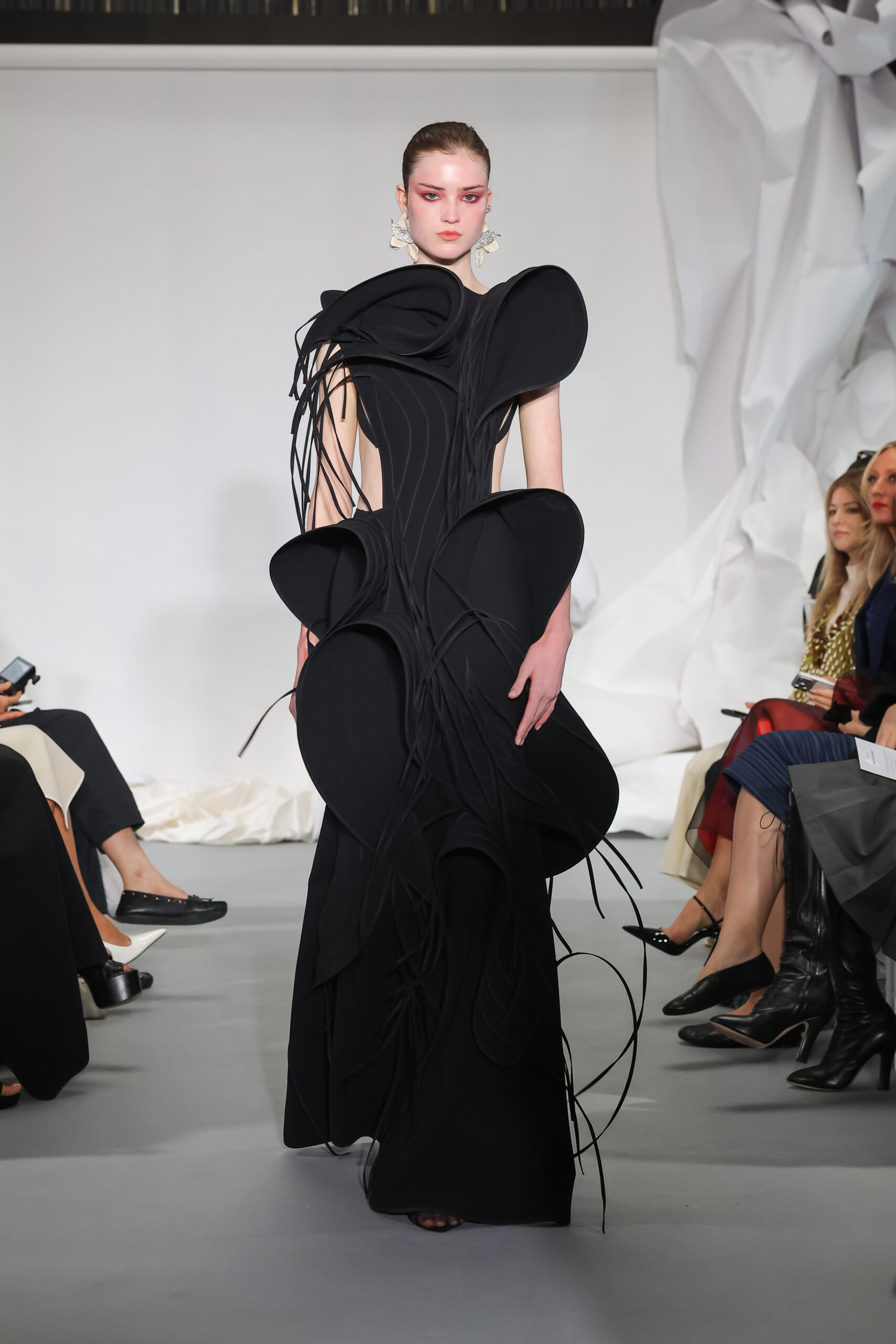
This week’s round-up of global markets fashion business news also features Iran’s retail crisis, Japanese department stores and China’s lacklustre May Day holiday spending.
President Donald Trump’s administration on Monday asked a US court to pause its ruling against the administration’s 10 percent global tariff while the federal government pursues an appeal.
Holistic health looks at the whole person. It goes beyond physical symptoms to address every dimension of well-being. Holistic care Springfield practitioners recognize that unmet needs in one area affect all others.
The five holistic needs are physical, emotional, mental, social, and spiritual. Each one plays a specific role in overall health. Ignoring any single dimension creates imbalance that can show up as fatigue, chronic pain, anxiety, or disease.
Why Holistic Needs Matter in Healthcare
Conventional medicine focuses primarily on physical symptoms. A patient presents with a complaint, receives a diagnosis, and leaves with a treatment plan targeting that specific issue. This model works well for acute conditions.
Chronic disease tells a different story. The CDC reports that 6 in 10 American adults have at least one chronic condition, and 4 in 10 have two or more. Many of these conditions have roots in unaddressed emotional stress, poor social connection, or lack of purpose. Treating only the physical layer leaves underlying drivers intact. Holistic care addresses all five needs simultaneously to support lasting health outcomes.
Physical
Physical need is the most recognized of the five. It covers nutrition, movement, sleep, and biological function. The body requires specific inputs to operate correctly. When even one input is consistently missing, systems begin to break down over time.
Key physical needs include:
Adequate macronutrient and micronutrient intake
7 to 9 hours of sleep per night for adults
At least 150 minutes of moderate aerobic activity per week
Proper hydration, averaging 2 to 3 liters daily for most adults
Regular screening and preventive care
Physical neglect is often the first visible sign that other holistic needs are unmet. Poor sleep frequently links to unmanaged stress. Nutritional deficiencies often connect to emotional patterns around food. Physical health is the foundation, but it does not stand alone.
Emotional
Emotional need involves the ability to recognize, process, and express feelings in a healthy way. Suppressed emotion has measurable biological consequences. Research from Harvard Medical School links chronic emotional stress to elevated cortisol, systemic inflammation, and increased cardiovascular risk.
When emotional needs go unmet for extended periods, the body responds with physical signals. These include disrupted digestion, tension headaches, lowered immune response, and irregular sleep cycles. Emotional well-being supports:
Healthy relationships and communication
Resilience during periods of stress or loss
Reduced risk of stress-related physical illness
Better treatment adherence in chronic disease management
Holistic care Springfield providers assess emotional health as part of a full patient intake. This allows treatment plans to address biological and emotional contributors to a patient’s condition at the same time, rather than treating them as separate concerns.
Mental
Mental need covers cognitive function, intellectual engagement, and psychological health. It is distinct from emotional need. Emotional health relates to feelings. Mental health relates to how the mind processes information, forms beliefs, and manages thought patterns.
Unmet mental needs often go unrecognized. Patients may describe brain fog, difficulty concentrating, or persistent negative thought loops without connecting these to a broader mental health picture. Mental well-being involves:
Clear and focused cognitive function
The ability to manage intrusive or repetitive thoughts
Engagement in learning and problem-solving
Psychological safety and reduced anxiety responses
Healthy boundaries and self-awareness
The World Health Organization defines mental health as a state of well-being where an individual can realize their own abilities, cope with normal stresses, work productively, and contribute to their community. When this need is unmet, it directly affects physical health through disrupted sleep, appetite changes, and hormonal dysregulation.
Social
Social need refers to the human requirement for connection, belonging, and community. Loneliness is not simply an emotional experience. It produces measurable physiological effects that parallel those of chronic stress.
A landmark study by researcher Julianne Holt-Lunstad, published in PLOS Medicine, found that social isolation increases mortality risk by 26%. Poor social connection activates the same stress response pathways as physical pain. It raises inflammatory markers including interleukin-6 and C-reactive protein, both linked to cardiovascular disease and accelerated aging.
Social health involves:
Meaningful relationships with family, friends, or community
A sense of belonging in social or professional groups
Regular face-to-face or meaningful contact with others
Reciprocal support during times of difficulty
Reduced reliance on digital interaction as a substitute for real connection
Integrative providers include social assessment in patient evaluations. Social isolation consistently predicts worse outcomes across chronic conditions including heart disease, diabetes, and depression.
Spiritual
Spiritual need does not require religious belief. It refers to a sense of meaning, purpose, and connection to something larger than oneself. Research consistently links strong spiritual or existential frameworks to better health resilience and recovery outcomes.
A 2018 review in the American Journal of Epidemiology found that people with a strong sense of life purpose had a 15% lower risk of all-cause mortality compared to those without it. Purpose influences behavior directly. People with clear life meaning are more likely to maintain healthy habits, seek preventive care, and recover faster from illness or injury.
Spiritual well-being supports:
Reduced fear and anxiety around illness
Greater motivation for self-care behaviors
Improved coping during chronic or terminal conditions
Lower rates of depression in chronically ill populations
A clearer framework for making healthcare decisions
How the Five Needs Connect
No holistic need operates in isolation. Physical illness affects emotional stability. Emotional distress disrupts mental clarity. Poor mental health weakens social bonds. Fractured social connection erodes spiritual purpose. The cycle moves in all directions and can accelerate deterioration when left unaddressed.
Holistic care Springfield at 417 Integrative Medicine is built around assessing all five dimensions during patient evaluation. Providers examine lab results alongside lifestyle history, stress levels, relationships, and personal values. This creates a fuller clinical picture and reveals what interventions will produce lasting change rather than temporary symptom relief.
Applying the Five Holistic Needs to Your Care
Understanding the five holistic needs changes how patients approach their own health. A symptom is rarely just a symptom. Fatigue may reflect poor sleep, unresolved grief, social withdrawal, or loss of purpose. Addressing only the physical layer consistently misses the mechanism driving the problem.
Patients who engage with all five dimensions of health tend to report better outcomes, fewer recurrences, and a stronger sense of control over their well-being.
As Saks Global emerges from bankruptcy in record time, the Saks Fifth Avenue, Neiman Marcus and Bergdorf Goodman owner has started to pay back critical vendors, rebuilt inventory and halved debt. But winning back the industry's trust is a different challenge altogether.
Saks Global chief executive Geoffroy van Raemdonck outlines his plan for reinventing the retailer’s business model and winning back the industry’s trust. Photo: inside the Saks Fifth Avenue flagship in Manhattan.
Beauty built an entire industry around Gen Alpha’s shopping frenzy. But as the legal and ethical consequences of marketing to kids come into focus, tween-focused brands face their watershed moment.
Under new leadership, the luxury five-star hotel in the French capital is developing fresh food and beverage concepts and an updated wellness offering to appeal to local and global consumers alike. BoF sits down with the hotel’s general manager to learn more.
Returning with a new address, there was a fresh sense of momentum in the air, and an idyllic vista to match. For the first time, the festivities unfolded at the Museum of Contemporary Art, where the harbour shimmered in the background and editors, buyers, creators and models darted between shows beneath increasingly ominous clouds.
The week began with a moving Welcome to Country ceremony, grounding the proceedings in reflection and community before the fashion crowd launched headfirst into a packed schedule of runway debuts and long-awaited returns. Inside venues across Circular Quay and the CBD, designers leaned into craft and storytelling, from Toni Maticevski’s sculptural salon presentation to Beare Park’s sensual tailoring.
By evening, some dramatic weather had finally arrived just in time for Carla Zampatti’s closing show, where Shanina Shaik strode through the drizzle with the kind of glamour that rain can’t dampen. If day one proved anything, it’s that Australian fashion is entering an exciting new era.
Read on and watch this space for GRAZIA‘s show dispatches throughout the week.
Ten years after his last on-schedule appearance at Australian Fashion Week, Toni Maticevski made an irreverent return on day one. Staged inside The Collider in Haymarket, and opened by Gemma Ward, the designer’s Winter 2026 presentation offered an intimate look at 23 ornate looks, with guests brought close enough to appreciate every sculptural fold, floating frill and feat of construction.
For Maticevski, inspiration didn’t begin with a singular reference point. Instead, the collection emerged from an ongoing exploration of silhouette, fabrication, and technique that has defined the house’s two-decade visual language. “The mood often begins with fabric and colour; they create a feeling and shape in my mind, which slowly takes form as the collection develops,” he told GRAZIA ahead of the show. “There is also an interplay of motifs and textures I’ve explored throughout the last twenty years, leaf motifs transformed into fringes, layered volumes and exaggerated proportions… Ultimately, it becomes a meeting point between the realities of modern wearability and a more fantastical, fairytale sense of dreaming.”
And there was certainly fantasy here, albeit the controlled kind. A layered all-white look with cascading organza evoked bridal ether without ever tipping into saccharine territory, while one of the closing looks appeared to hover around the body entirely untethered from gravity.
Yet beneath the theatricality was remarkable precision. With every drape, shimmer, and exaggerated proportion, there was purpose. Perhaps, after a long absence, that is what made the show feel so resonant. In returning to the AFW schedule, Maticevski wasn’t attempting to keep up, but rather, reintroduce us to his own world, trusting in its enduring originality.
Beare Park
AFW 2026 / Image: Mia Rankin for Beare Park
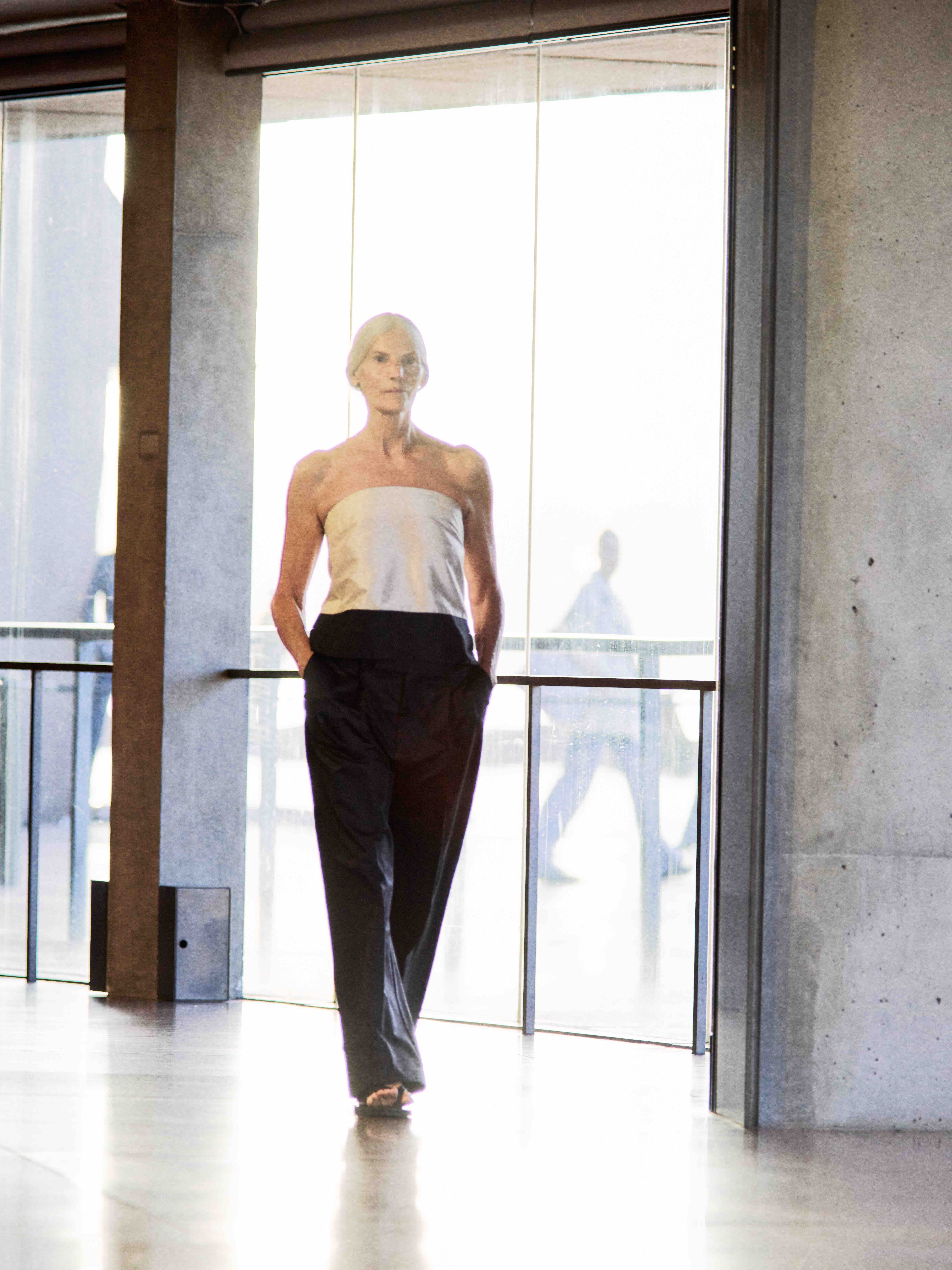
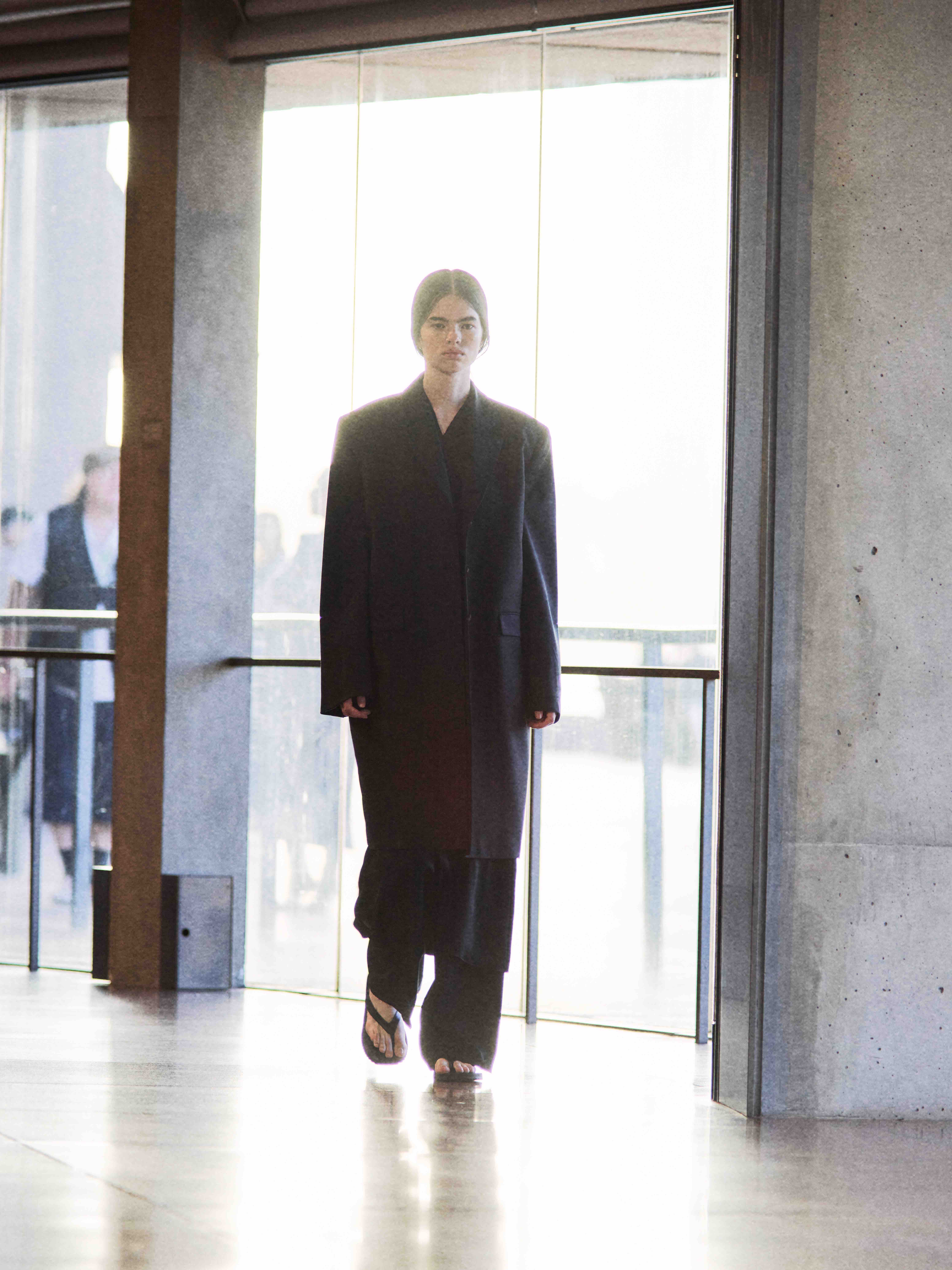
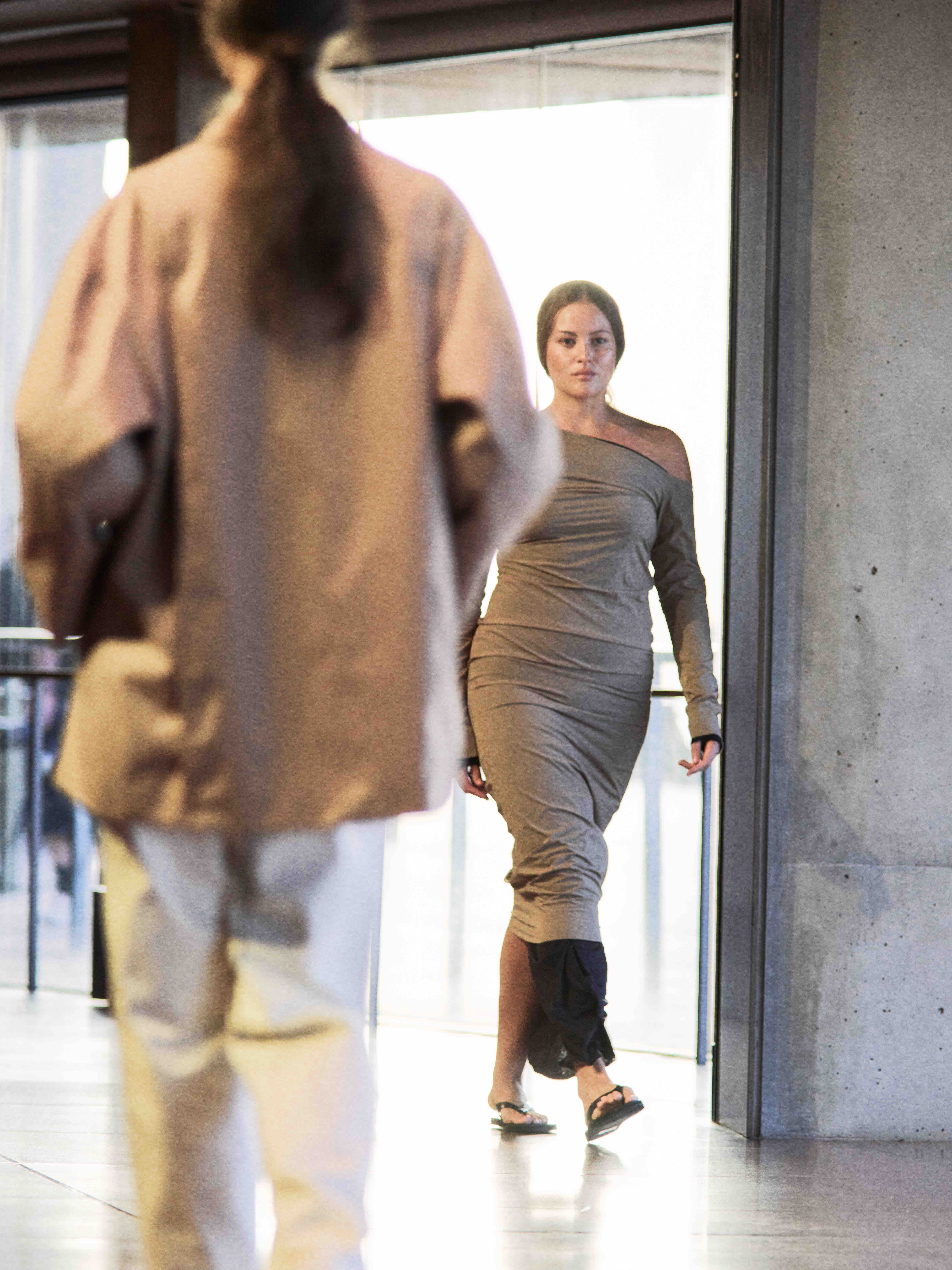
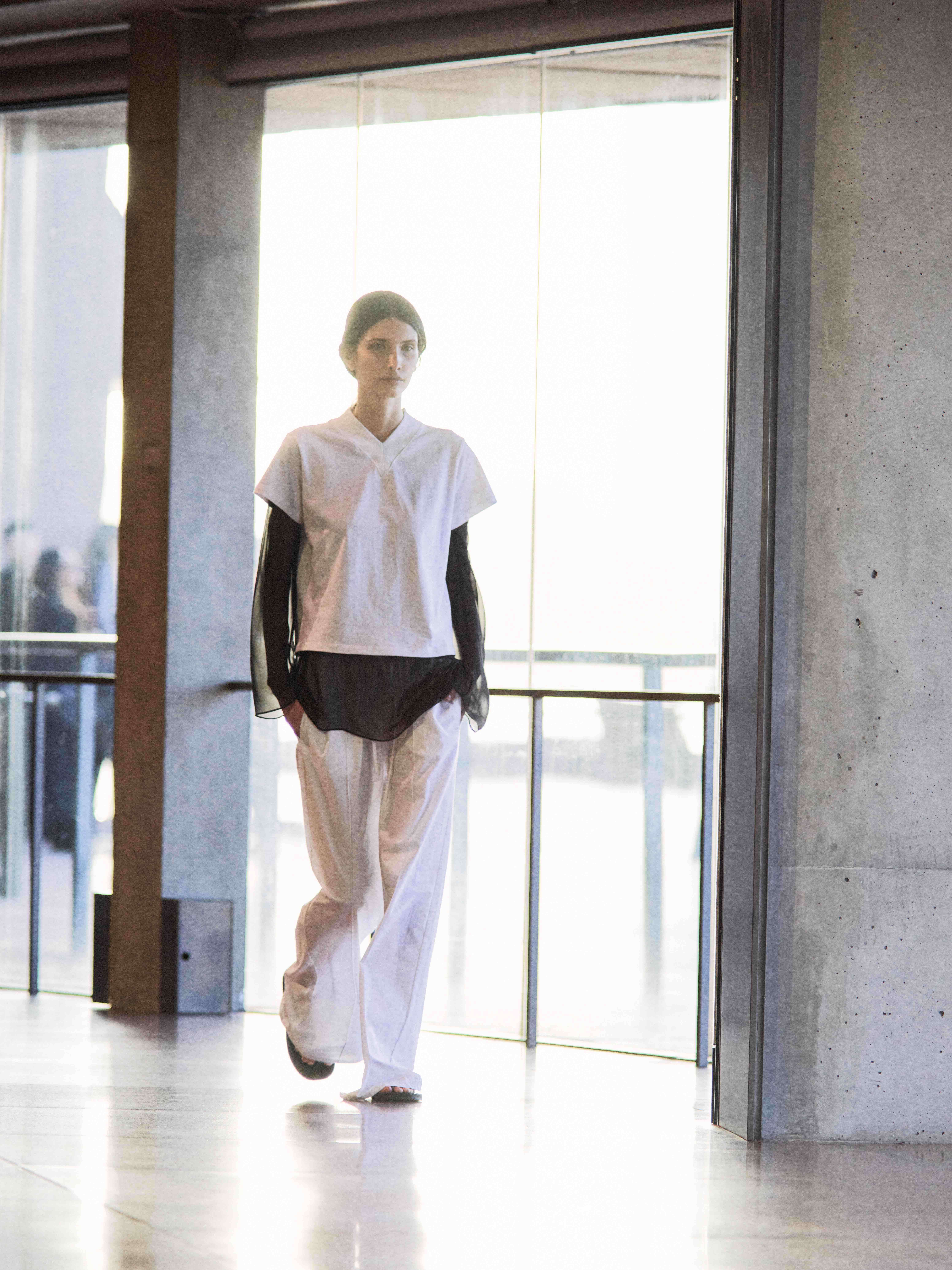
Presented within the soaring curves of the Sydney Opera House, where the brand first debuted five years ago, Beare Park’s Pre-Fall 2026 collection channelled the aching romanticism of Sinéad O’Connor’s ‘In This Heart’, conjuring a wardrobe that felt intimate, intelligent and self-assured. Impeccably styled by Nicchia Wippell, the collection exuded a palpable sense of confidence in each look. Every detail was given thorough consideration, executed with the effortless polish we’ve come to expect from the designer.
For this season, founder Gabriella Pereira explored devotion as both a feeling and a discipline, translating personal transformation into elongated tailoring, liquid draping, and silhouettes that moved with sensual ease. Crisp cotton shirting was softened by translucent silk layers, while metallic ash dupion caught the light like smoke and outerwear made for the ultimate statement. A palette of burnt sienna, tobacco, ivory and near-black nightshade only heightened the mood.
What continues to distinguish Beare Park is its ability to make restraint feel seductive. Even the most dramatic proportions retained an ease to them, as though the wearer had simply thrown on an impeccably cut floor-length coat before slipping out the door.
In a sweet gesture, Pereira included a detailed directory of the local makers and suppliers behind the collection, spotlighting the Australian artisans and craftspeople integral to the brand’s process. At a time when fashion often speaks vaguely about “craft”, Beare Park chose specificity—and all the better for it.
Image: Mia Rankin for Beare ParkImage: Mia Rankin for Beare ParkImage: Mia Rankin for Beare ParkImage: Mia Rankin for Beare ParkImage: Mia Rankin for Beare ParkImage: Mia Rankin for Beare ParkImage: Mia Rankin for Beare ParkImage: Mia Rankin for Beare ParkImage: Mia Rankin for Beare Park
“We wanted to create fundraisers that were also invitations to be creative, to use your imagination, and experience joy,” says Mary Fagot, co-executive director of the BBMT, a Los Angeles institution.

 Login
Login