Ever notice how your second (or third) cup of coffee has started to feel more like a necessity than a ritual? As a nutrition consultant, I hear this subtle shift described all the time—that sense of chasing energy rather than simply enjoying a morning routine. While stress and poor sleep often take the blame, low iron is one of the most common, easily overlooked contributors. Yes, even mild depletion can leave you feeling far more drained than your lifestyle alone would suggest! Which is exactl
Ever notice how your second (or third) cup of coffee has started to feel more like a necessity than a ritual? As a nutrition consultant, I hear this subtle shift described all the time—that sense of chasing energy rather than simply enjoying a morning routine. While stress and poor sleep often take the blame, low iron is one of the most common, easily overlooked contributors. Yes, even mild depletion can leave you feeling far more drained than your lifestyle alone would suggest! Which is exactly why paying attention to foods high in iron is one of the most supportive, sustainable ways to rebuild energy from the inside out.
Why Iron Matters More Than You Think
Iron is essential for producing hemoglobin, the protein in red blood cells that transports oxygen throughout the body. When iron levels dip, oxygen delivery suffers. And that’s when fatigue tends to move in. But what makes iron especially fascinating is how deeply it influences daily function. Adequate levels help support mental clarity, physical endurance, immune health, and hormonal balance. When stores run low, the effects are rarely subtle. If you know, you know: it’s a depletion that feels difficult to explain.
Why Women Are More Likely to Be Deficient
Did you know that iron deficiency disproportionately affects women? To no surprise, this is largely due to menstruation, pregnancy, and increased vulnerability to under-fueling. Heavy periods alone can significantly deplete iron stores over time. Add in restrictive eating patterns, very regimented plant-forward diets, or intense training schedules, and the gap can widen quickly. In practice, I often see women normalize symptoms that deserve a closer look. Their persistent fatigue, headaches, reduced exercise tolerance, or unusual cravings aren’t just a coincidence.
Signs Your Iron May Be Low
Iron deficiency often creeps in gradually. Fatigue tends to lead the conversation, followed by weakness, pale skin, headaches, shortness of breath, brittle nails, hair shedding, cold intolerance, dizziness, or restless legs. Because symptoms develop over time, many women adapt without recognizing the shift. If you suspect your iron is low, it’s time to schedule blood work! Chat with your healthcare provider about getting the following tested:
Ferritin
Hemoglobin
Serum iron
Transferrin saturation
These will help paint a complete picture.
Understanding Heme vs. Non-Heme Iron
With this information in hand, we can shift the focus toward nourishment—beginning with the types of iron found in food. For context, dietary iron appears in two forms:
Heme iron, found in animal foods, is more readily absorbed by the body. If you’re an omnivore, this is great news! Moderate portions can significantly support iron status.
Non-heme iron, found in plant foods, remains valuable but requires supportive conditions for optimal absorption. While you can absolutely meet your needs without meat, you need to be a bit more intentional with what’s on your plate.
Foods High in Iron
Rather than focus on a single category, it’s helpful to consider iron sources across a variety of foods. Variety is key.
Animal-Based Sources (Heme Iron)
Beef
Lamb
Poultry (particularly dark meat)
Shellfish (oysters, clams, mussels)
Organ meats (especially liver)
Plant-Based Sources (Non-Heme Iron)
Lentils
Beans
Tofu
Spinach
Quinoa
Pumpkin seeds
Dark chocolate
Fruits High in Iron
Dried apricots
Raisins
Prunes
Dates
Figs
Mulberries
Blackberries
Raspberries
While fruit isn’t the most concentrated source of iron, these options can meaningfully contribute— particularly dried varieties, where nutrients are more concentrated! Many also contain vitamin C, which helps enhance non-heme iron absorption.
How to Improve Iron Absorption
Speaking of vitamin C, let’s talk about absorption. Here’s where nuance matters. Consuming iron-rich foods is important, but absorption determines how much your body can actually use.
Pair Iron With Vitamin C
Vitamin C significantly increases non-heme iron absorption. A squeeze of lemon over leafy greens, berries alongside overnight oats, or sautéed bell peppers added to lentils can make a measurable difference.
Cook With Cast Iron
Cooking in cast iron, particularly with acidic ingredients (citrus, vinegar, tomatoes, etc.), can subtly increase the iron content of meals. It’s a small adjustment that works in your favor!
Be Mindful of Timing
Coffee, tea, and calcium-rich foods can inhibit iron absorption when consumed simultaneously. This doesn’t require elimination—simply spacing these items away from iron-rich meals can help.
The Bottom Line
Iron may not dominate wellness headlines, but its influence on how you feel each day is undeniable. When energy feels unreliable or fatigue becomes your baseline, small, intentional shifts can make a meaningful difference. As the seasons change, it’s time to prioritize deep nourishment—including meals with foods high in iron—to help you feel more vibrant this spring. Cheers to feeling more like yourself again.
This post was last updated on March 18, 2026, to include new insights.
The afternoon slump has a way of showing up right when you need your energy the most (or maybe that’s just me). If you’ve ever found yourself reaching for another coffee or something sweet to power through until 5 p.m., you know the feeling. As a mom of two and a nutrition consultant, I’ve found that this daily dip isn’t random. It’s often tied to what you’re eating, how you’re eating (yes, this matters!), and how you’re supporting your body from the start of the day. Let’s get into what causes
The afternoon slump has a way of showing up right when you need your energy the most (or maybe that’s just me). If you’ve ever found yourself reaching for another coffee or something sweet to power through until 5 p.m., you know the feeling. As a mom of two and a nutrition consultant, I’ve found that this daily dip isn’t random. It’s often tied to what you’re eating, how you’re eating (yes, this matters!), and how you’re supporting your body from the start of the day. Let’s get into what causes the afternoon slump and how to move through it with more consistent energy.
What’s Actually Behind the Afternoon Slump?
There’s a natural dip in energy that happens in the afternoon, largely due to your circadian rhythm and the way cortisol levels taper off after the morning hours. That part is normal, but the intensity of the afternoon slump most people experience usually has more to do with blood sugar than anything else. When meals are built around quick-digesting carbs (think conventional bread), or you’re not getting enough protein earlier in the day, energy tends to spike and then drop just as quickly. That drop often hits right when you need to be the most present or “on” for your work or kids.
On top of that, long stretches of sitting, inconsistent hydration, and poor sleep can all make that dip feel much more noticeable.
Why Your Morning and Lunch Set the Tone
One of the biggest shifts I see—both personally and with clients—is what happens when you start approaching your earlier meals with your energy in mind. When a fiber-forward breakfast includes enough protein and some healthy fat, your blood sugar stays more stable. This is key (along with getting outside for a short walk), and it will carry you through the morning without that early crash. The same idea applies to lunch. A meal that includes protein + fiber + fat gives your body something to work with so you’re not running on empty a few hours later. A little bit of meal prep goes a long way.
What to Do When the Slump Hits
When the afternoon slump hits, the instinct is usually to reach for a glass of cold brew (or a soda and a cookie). While the jolt of caffeine and sugar can feel helpful in the moment, the combo often leads to another crash later on. Which, in turn, makes it harder to wind down at night. It’s a vicious cycle! What tends to work better is taking a step back and paying attention to what your body is actually asking for.
Reading Your Body’s Signals
Sometimes that looks like getting up and moving your body, even briefly. A short walk, a few minutes outside, or simply stepping away from your screen to stare out the window can help reset your energy and improve focus. Other times, it’s realizing you haven’t had enough water and catching up on hydration. And in many cases, it’s a sign that you need something more substantial to eat to carry you through the rest of the day.
Smarter Snacks for Steadier Energy
Speaking of needing to eat more consistently, snacking can either support your energy or make the afternoon slump worse, depending on what you reach for. Foods that are high in sugar or refined carbohydrates tend to give you a quick boost, but it doesn’t last. And you often end up feeling more tired not long after. Not the goal! Choosing snacks that include protein, fat, and fiber helps slow digestion and keeps your energy more stable. In my own routine, that usually looks like something this:
Cottage cheese with Everything But The Bagel seasoning + seedy crackers for dipping
Sliced cucumber with hummus and a grass-fed meat stick
Apple slices with almond or peanut butter and cinnamon
Hard-boiled eggs with flaky salt and 1/2 slice of sourdough with butter
Greek yogurt with chia seeds and berries (with protein powder mixed in)
Deli turkey paired with a handful of cashews or pistachios
Matcha with whole milk when I want a gentler caffeine lift without the crash
Small Habits That Support Steady Energy All Day
In many ways, steady energy isn’t about one perfect habit but rather a handful of small ones that stack together. Getting outside for natural light during the day, breaking up long periods of sitting (put a note in your calendar to get up!), and staying on top of hydration all play a role in how you feel by the afternoon. Sleep is another important piece, of course. As a mom, I know that’s not always in your control, but creating a simple wind-down routine or keeping your bedtime somewhat consistent can still make a noticeable difference in your energy the next day.
Creating More Consistent Energy in Your Afternoons
The afternoon slump might be common, but it’s often a reflection of how your body is being supported earlier in the day. When you start building meals that actually keep you full, staying more consistent with hydration, and giving yourself small resets throughout the day, your energy becomes a lot more steady and predictable. And when your afternoons feel more manageable, everything else tends to feel a little easier too.
Edie Horstman
Edie is the founder of nutrition coaching business, Wellness with Edie. With her background and expertise, she specializes in women’s health, including fertility, hormone balance, and postpartum wellness.
This post was last updated on May 4, 2026, to include new insights.
If you’ve ever wondered why you can eat a “healthy” breakfast and still feel starving by 10 AM—or why your energy tanks every afternoon like clockwork—there’s a good chance it comes down to what’s on your plate. Too many carbs (without enough protein and fat!), skipping meals, or relying on snacks are your blood sugar’s worst nightmare. As a nutrition consultant, this is one of the first things I work on with clients, because once you understand blood sugar (a.k.a. blood glucose), so many of th
If you’ve ever wondered why you can eat a “healthy” breakfast and still feel starving by 10 AM—or why your energy tanks every afternoon like clockwork—there’s a good chance it comes down to what’s on your plate. Too many carbs (without enough protein and fat!), skipping meals, or relying on snacks are your blood sugar’s worst nightmare. As a nutrition consultant, this is one of the first things I work on with clients, because once you understand blood sugar (a.k.a. blood glucose), so many of those frustrating symptoms start to click into place.
In this guide, we’re covering the basics of blood sugar, why it matters for hormone balance and overall health (especially for women), and a full blood sugar balancing meal plan you can start this week.
Beginner’s Guide to Blood Sugar
Without knowing exactly what it means, you’ve probably heard of the term. Blood sugar plays a role in energy, emotions, cognitive function, hormonal health, sleep, and more. You may already be familiar with spikes and dips in blood sugar. Hello, hanger! That said, few recognize its effects daily. In essence, blood sugar is the amount of sugar (or glucose) in your blood at any given time. And it’s produced when we break down carbohydrates. Be it a slice of cake or a piece of toast, that carb is absorbed into our bloodstream. Immediately or eventually, it’s used as a source of energy.
How Does Blood Sugar Work?
Here’s the best way to visualize and think about blood sugar:
1. You eat food. Let’s assume you ate a balanced combination of carbohydrates, protein, and fat. Your digestion breaks down your food. Carbs get broken down into glucose. This is your body and your brain’s primary source of preferred energy.
2. Blood sugar levels rise. Glucose enters your bloodstream, and blood sugar levels naturally increase. How much they increase is dependent largely on the macronutrient breakdown of the meal. More carbs = higher blood sugar. More protein + fat = lower blood sugar spike.
3. Insulin is released. As soon as your body senses the rise in blood sugar, your pancreas releases insulin. Insulin is an important hormone involved in managing blood sugar levels. We want not too much, but also not too little.
4. Blood sugar lowers. Insulin acts as the key that opens your cells and transports glucose from the bloodstream into cells. Glucose is either used immediately for energy or stored for later use. Insulin is what keeps blood sugar from getting too high.
The Goal: A Gradual Rise in Blood Sugar
The goal is to have a gradual rise in blood sugar levels after we eat, and a slow and steady decline in the hours after. We want to avoid large increases in our blood sugar. Why? Because they lead to a very drastic and significant decrease. In other words, it’s not just about high blood sugar levels. We want to minimize low blood sugar levels and crashes, too.
Finding a Happy Medium
Just like cortisol and inflammation aren’t inherently bad (in fact, they’re vital for keeping us alive!), the same goes for blood sugar. Glucose also isn’t the enemy, and neither is insulin. Ultimately, it’s a matter of eating in a way that keeps glucose and insulin at a happy medium. We’re not avoiding carbs and sugar altogether. Rather, it’s about maintaining a healthy balance and honoring the foods that make us feel our best.
How to Achieve Steady Blood Sugar
Large spikes lead to equally dramatic crashes, and those crashes are what trigger the cycle of cravings, fatigue, and overeating that so many women find themselves stuck in. Here’s where to start.
This is the single most impactful change you can make. Protein slows digestion and blunts glucose spikes, while fiber acts as a buffer—slowing the rate at which sugar enters your bloodstream. A breakfast of just toast and juice will spike blood sugar fast, but add eggs and a side of sautéed greens and the response looks completely different. Aim for at least 25-30 grams of protein and a solid serving of fiber-rich veggies or whole grains at each meal.
Take a 10-15 Minute Walk After Eating
This one is free, easy, and backed by a growing body of research. Walking after meals helps your muscles use glucose for energy, which lowers your post-meal blood sugar response. You don’t need to power walk or break a sweat; a casual stroll around the block or even pacing while you take a phone call works.
Prioritize 7-9 Hours of Sleep
Sleep and blood sugar have a bidirectional relationship: poor sleep worsens blood sugar regulation, and unstable blood sugar disrupts sleep. Even a single night of inadequate rest can decrease insulin sensitivity the following day, meaning your body needs more insulin to do the same job. If you’re doing everything right with food and movement but skimping on sleep, you’re undermining your own progress.
Manage Your Stress
This is the underrated one. Most people don’t realize that stress raises blood sugareven if you haven’t eaten anything. When cortisol is elevated, your liver releases stored glucose into your bloodstream to prepare for a perceived threat. Chronic stress means chronically elevated blood sugar—no food required. Everything from deep breathing to building buffers in your schedule isn’t just a nice-to-have. They’re a metabolic tool.
What Causes Blood Sugar Imbalance?
Along with the aforementioned habits, you also want to avoid inconsistent meal times. Not eating enough or not eating consistently (every 3-4 hours, ideally) can both be highly stressful to the body. For this reason, I don’t recommend intermittent fasting for most women! Interestingly, both an overly sedentary lifestyle and working out too much will impact blood sugar levels. Again, it’s stressful on the body. Last but not least, gut dysbiosis (think bloating, etc.) will also negatively impact glucose levels.
Foods That Help Balance Blood Sugar
While there are many foods that help lower and regulate blood sugar, these are some of the best! They cause minimal blood sugar spikes, support sustained energy, and aid in fullness:
Animal protein sources (eggs, chicken, turkey, salmon, sardines, grass-fed beef, shrimp, bone broth, etc.)
Plant-based protein sources (tempeh, tofu, edamame, hemp seeds, spirulina, etc.)
This is a flexible framework, not a rigid prescription. Feel free to repeat your favorite meals, swap proteins based on preference, and adjust portions to your hunger and activity level. The through-line: every meal and snack pairs protein + fat + fiber-rich carbs to keep blood sugar steady.
Day 1
Breakfast: Two-egg veggie scramble with sautéed spinach, bell peppers, and a quarter avocado. Serve with a slice of sprouted grain toast.
Snack: A handful of almonds + a few slices of green apple.
Lunch: Large mixed greens salad with grilled chicken (5-6 ounces), cucumbers, cherry tomatoes, pumpkin seeds, and olive oil + lemon dressing. Side of quinoa.
Snack: Celery sticks with 2 tablespoons of almond butter.
Dinner:Baked salmon (5-6 ounces) with roasted broccoli and sweet potato wedges drizzled with olive oil.
Day 2
Breakfast: Overnight oats made with rolled oats, chia seeds, unsweetened almond milk, a scoop of protein powder, and topped with berries and a drizzle of almond butter.
Snack: Hard-boiled egg + a small handful of walnuts.
Lunch: Turkey and avocado lettuce wraps with shredded carrots, cucumber, and a side of hummus with sliced bell peppers.
Snack: Full-fat Greek yogurt with a sprinkle of ground flax and a few raspberries.
Dinner: Grass-fed beef stir-fry with broccoli, snap peas, mushrooms, and cauliflower rice. Season with coconut aminos and ginger.
Day 3
Breakfast:Strawberry matcha smoothie with a scoop of vanilla protein powder (or collagen peptides) added in.
Snack: Sliced turkey rolled around a cheese stick.
Lunch:Lentil soup loaded with carrots, celery, and kale. Serve with a side salad dressed in olive oil and apple cider vinegar.
Snack: A handful of walnuts + blackberries.
Dinner:Grilled chicken thighs served alongside roasted Brussels sprouts and a small portion of brown rice.
Day 4
Breakfast: Two-egg omelet with goat cheese, sun-dried tomatoes, and fresh basil. Side of sautéed greens.
Snack: A pear with a small handful of cashews.
Lunch:Grain bowl with quinoa, black beans, grilled chicken or tempeh, roasted sweet potato, pickled red onion, cilantro, and tahini dressing.
Dinner:Slow-roasted cod, baked sweet potatoes, and grilled asparagus.
Day 5
Breakfast:Chia pudding made with full-fat coconut milk, topped with hemp seeds, sliced almonds, and a handful of blueberries.
Snack: Cottage cheese with cucumber slices and everything bagel seasoning.
Lunch:Large salad with mixed greens, canned wild salmon, avocado, cherry tomatoes, sunflower seeds, and a lemon-tahini dressing.
Snack: An apple with a spoonful of no-sugar-added peanut butter.
Dinner: Turkey meatballs with marinara (no added sugar) over zucchini noodles, with a side of roasted cauliflower.
Tips to Make This Meal Plan Work for You
Eat within an hour of waking. Starting your day with a protein-forward breakfast sets the tone for stable blood sugar all day. Skipping breakfast means running on cortisol—and playing catch-up by lunch.
Pay attention to eating order. When you do eat carbs, try eating your veggies and protein first. This simple swap can blunt the blood sugar spike from the same exact meal.
Pair, don’t restrict. The goal isn’t to eliminate carbs; it’s to always pair them with protein, fat, or fiber. An apple by itself will spike blood sugar more than an apple with almond butter.
Meal prep is your friend. You don’t need to spend a whole Sunday in the kitchen. Even prepping a few basics (hard-boiled eggs, a batch of quinoa, washed and chopped veggies, etc.) makes it so much easier to throw together balanced meals during a busy week.
Move after meals. Even a 10-15 minute walk after eating can significantly reduce post-meal blood sugar spikes. It doesn’t need to be intense, just get moving!
Hydrate. Dehydration can actually concentrate blood sugar levels. Aim for at least half your body weight in ounces of water daily.
If you’re ready to go deeper—beyond just blood sugar and into the full picture of how to eat, train, and build a body that actually feels strong—my Strong(er) Body Blueprint covers everything from protein targets and progressive overload to the metabolic habits that keep blood sugar balanced for the long haul.
Edie Horstman
Edie is the founder of nutrition coaching business, Wellness with Edie. With her background and expertise, she specializes in women’s health, including fertility, hormone balance, and postpartum wellness.
This post was last updated on May 11, 2026, to include new insights.
Summer can unravel even the best intentions. Schedules loosen, meals get improvised, and the routines you spent all year building suddenly feel a lot harder to hold onto. That’s not a failure—it’s just the season doing what it does.
As a certified nutrition consultant and mom of two, I’ve learned to stop fighting it. Instead, I lean into a handful of meals and habits that work no matter what summer throws at me—whether that’s a spontaneous backyard barbecue, a week with the kids home, or a t
Summer can unravel even the best intentions. Schedules loosen, meals get improvised, and the routines you spent all year building suddenly feel a lot harder to hold onto. That’s not a failure—it’s just the season doing what it does.
As a certified nutrition consultant and mom of two, I’ve learned to stop fighting it. Instead, I lean into a handful of meals and habits that work no matter what summer throws at me—whether that’s a spontaneous backyard barbecue, a week with the kids home, or a travel schedule that makes “eating well” feel like a distant memory. The questions I get most this time of year reflect exactly that tension: how do I stay consistent when nothing about my life is?
Below, I’m answering the questions that come up most—from simple, repeatable meals to blood sugar basics to portion control that doesn’t require an app. Think of it less as a rulebook and more as a summer survival guide for eating well on your own terms.
The Healthy Summer Meals Worth Putting on Repeat
What are some simple and healthy meals I can put on repeat this summer?
Breakfast
Morning is where blood sugar stability starts—and summer breakfast doesn’t need to be complicated to do that job well. These are the ones I come back to when I want something that actually holds me until lunch.
Greek yogurt mixed with a scoop of chocolate collagen peptides, frozen wild blueberries, chia seeds, and a spoonful of nut butter.
Two hard-boiled eggs mashed with cottage cheese, dolloped on toasted sourdough with hot honey and sea salt.
A smoothie bowl with frozen peaches, spinach, ground flaxseeds, vanilla protein powder, and a dash of cinnamon—blended with just enough milk, topped with pumpkin seeds and a drizzle of tahini.
Lunch
The best summer lunches are the ones you can pull together without turning on the stove. These are fast, protein-forward, and endlessly riffable based on what’s in your fridge.
A snack plate: deli turkey, sliced cucumber, cherry tomatoes, hummus, seedy crackers, and cornichons.
Rotisserie chicken and smashed avocado on rice cakes, with sliced bell peppers, baby carrots, and olives on the side.
Canned salmon mashed with avocado oil mayo or Greek yogurt, lemon, sea salt, and dill—served over arugula with Siete tortilla chips and fresh strawberries.
Dinner
Summer dinners should feel easy, not like a project. These three are on heavy rotation at my house. They’re simple enough for a weeknight, satisfying enough that no one’s reaching for snacks an hour later.
Chicken sausages with grilled zucchini and couscous cooked in bone broth. Crumbled feta, optional but encouraged.
Egg noodles tossed with olive oil, cherry tomatoes, and canned tuna or white beans, finished with fresh basil and parmesan.
Crispy sheet pan tofu with bell peppers, red onion, and broccoli, roasted at 425°F and served over rice with sriracha mayo.
How to Keep Blood Sugar Steady All Summer
What are some smart ways to manage blood sugar during the summer when routines, meals, and schedules are all over the place?
Summer is the season most likely to throw your blood sugar off: irregular meal times, spontaneous BBQs, late nights, and more alcohol than usual. But staying steady doesn’t mean missing out. These habits work no matter how unpredictable your schedule gets.
Eat in the right order. Start with vegetables (a green salad, cherry tomatoes, grilled zucchini), then protein and fat, and save starches or sweets for last. This sequence slows the post-meal glucose spike in a way that’s simple enough to do anywhere (even at a cookout).
Anchor every meal with protein. Aim for 20–30g per meal to slow carb absorption. If you’re at a BBQ and not sure what to choose, go for grilled protein, fresh fruit, and crudités as your base.
Go for a walk after eating. Even 10 minutes around the block can significantly blunt a post-meal glucose spike. It’s one of the most underrated tools for blood sugar management—and it’s free.
Don’t skip meals. Try not to go more than 4–5 hours without eating. Skipping leads to energy crashes, cravings, and overeating later—none of which make the rest of your day easier.
Keep balanced snacks on hand. Roasted chickpeas, a protein bar, or almonds with a piece of fruit in your bag means you’re never caught desperate. Blood sugar doesn’t care that you forgot to plan ahead.
Hydrate strategically. Plain water is great, but if you’re sweating more or drinking alcohol, add electrolytes—a pinch of sea salt and lemon works, or something like LMNT—to help keep things stable.
What You Actually Need to Know About Protein
What’s the real deal on how much protein we need—and is there solid science behind it?
Protein has been having a moment—and for good reason. It plays a critical role in blood sugar balance, muscle maintenance, hormone production, and satiety. But most women still aren’t getting enough, especially at breakfast.
While the RDA is set at 0.8g/kg of body weight, that’s the bare minimum to prevent deficiency—not to thrive. For optimal energy, hormone health, and body composition, most women benefit from 1.2–1.6g/kg daily, which works out to roughly 25–40g per meal.
But protein isn’t the only player. Fiber is equally essential and often overlooked. Where protein helps balance blood sugar, fiber helps blunt the rise by slowing digestion and feeding beneficial gut bacteria, which also impacts insulin sensitivity. Think of them as a team: pair your protein (eggs, chicken, Greek yogurt, tofu) with fiber-rich foods (leafy greens, berries, beans, chia seeds), and you’ve got meals that keep you full, energized, and metabolically supported for hours.
In practice, it’s simpler than it sounds. A smoothie with protein powder and chia seeds. Salmon over arugula. Greek yogurt with berries. The meals you’re already making can do double duty—you just have to know what to look for.
I’m trying to get better at portion control—are there any effective methods besides food-tracking apps?
Good news: you don’t need to log a single calorie to eat well. The simplest starting point is your own hand—a built-in portion guide you always have with you.
Protein: A fist-sized portion (think chicken breast, tofu, or fish) equates to roughly 20–40g per meal.
Carbs: A cupped hand of brown rice, quinoa, or sweet potato.
Vegetables: At least half your plate, non-starchy. Leafy greens, cauliflower, mushrooms, artichokes—eat freely.
Fats: A thumb-sized portion of avocado, nuts, or olive oil to round out the meal.
Two habits that make a bigger difference than most people expect:
Slow down. Actually chew your food, and put your fork down between bites. It sounds small, but eating at a slower pace gives your body time to register fullness before you’ve overshot it. If you need a trick, try using chopsticks or switching to your non-dominant hand.
Pause before seconds. Before reaching for more, wait five minutes. Drink a glass of water, take a short walk around the room. Often, your body just needs a moment to catch up—and that pause is usually enough.
A Nutritionist’s Top 5 Tips for Eating Well All Summer
Summer doesn’t have to derail you—it just requires a slightly different playbook. Save these as your go-to reminders when the season has other plans.
Prep once, eat twice. Grill or roast extras and mix and match throughout the week.
Hydrate like it’s your job. Add a pinch of sea salt and lemon for extra minerals.
Anchor every meal with protein. Your blood sugar and hormones will thank you.
Don’t skip breakfast. It sets the tone for your cortisol and everything that follows.
Soak up sunshine and prioritize sleep. Both are powerful, free, and wildly underrated wellness tools.
Like the hum of new beginnings, spring asks us to soften into renewal and possibility. Gardens awaken with tender greens. Afternoons stretch into pastel skies. Lingering light spills through the kitchen windows—a welcome companion at the dinner table.
Nature reminds us that growth is best nurtured with patience. A bridge between an introspective winter and a busy summer, spring is a time of transition. It’s a tender nudge to reconnect with ourselves, specifically through the sacred act of ea
Like the hum of new beginnings, spring asks us to soften into renewal and possibility. Gardens awaken with tender greens. Afternoons stretch into pastel skies. Lingering light spills through the kitchen windows—a welcome companion at the dinner table.
Nature reminds us that growth is best nurtured with patience. A bridge between an introspective winter and a busy summer, spring is a time of transition. It’s a tender nudge to reconnect with ourselves, specifically through the sacred act of eating. This is the season for mindful eating rituals—small, intentional practices that bring us back to the table.
How Mindful Eating Transforms Your Relationship with Food
Just as spring ushers in the renewal of plants, we’re invited to rediscover our own rhythms of true nourishment. Think slow, intentional, and mindful. For many of us, eating can be a hurried, thoughtless activity—a necessary chore squeezed between responsibilities. But what if we approached food differently? What if each meal became a ritual, an opportunity to savor the present?
Whether shared or savored in solitude, there’s beauty in cultivating a deeper connection to food. Fortunately, you don’t need grand gestures to create meaningful food rituals (just a bit of intentionality!). It begins with small, mindful practices, like choosing what’s in season, eating slowly, and tuning into hunger cues.
Nature reminds us that growth is best nurtured with patience.
The Art of the Solo Picnic: Savoring Simplicity
There’s understated magic in dining alone, especially outdoors. Eating in nature encourages us to slow down and tune into our senses: the warmth of the sun, the scent of blooming flowers, the sweetness of early-season cherries. A picnic under blooming branches—blank journal in tow—turns an ordinary lunch into a romantic moment.
The Meditative Meal Prep: Engaging with Seasonal Ingredients
With the windows open and sunlight streaming in, food prep can be more than a task to complete. It can be a form of meditation. From shelling fresh peas to chopping fragrant herbs, these rhythmic actions ground us in the present. Rather than rushing through your weekly meal prep, allow it to be a sensory experience. Throw on your favorite cotton tee, turn on an energizing playlist, and let the kitchen become your canvas.
Mindful Eating Rituals for Every Day
While food rituals anchor us in the moment, mindful eating extends beyond special occasions. It’s a daily practice—one that cultivates a healthier relationship with food and our bodies.
Engage Your Senses. Before you take your first bite, pause. Notice the colors on your plate. Inhale the aromas. Feel the weight of your fork. Engaging your senses primes your body to receive nourishment, enhancing both digestion and enjoyment fully.
Eat Without Distractions. In a world of screens and endless to-do lists, eating has shifted into a secondary task. Challenge yourself to eat one meal a day without distractions. No scrolling, no emails—just you and your plate. You’ll be surprised at how satisfying your meals become when you give them your full attention.
Honor Your Hunger and Fullness. Mindful eating means tuning into your body’s cues. Are you truly hungry, or eating solely out of habit, stress, or boredom? Learn to recognize the difference. Likewise, honor the feeling of satiety rather than rushing to clear your plate. Eating with awareness fosters a deeper trust in your body’s natural wisdom.
Express Gratitude for Your Food. As you fill your belly, acknowledge your meal’s journey—from soil to farmer to table. Whether through a silent reflection or a shared sentiment, gratitude deepens our nourishment and reminds us of the abundance that surrounds us.
Embracing the Glow of Nourishment
Food is more than fuel; it’s a language of care—an offering of love and a conduit for presence. This spring, let eating become a ritual of joy. Let it be slow, intentional, and deeply satisfying. Whether through breakfast al fresco, a cup of afternoon tea, or the simple pleasure of slicing fresh strawberries, nourishment is a form of self-love. When we build mindful eating rituals into our daily lives, we do more than feed our bodies; we glow from the inside out.
Ever feel like you’re doing everything right—eating well, staying active, keeping up with everything on your plate—but you still feel exhausted? It’s a pattern I see often in my nutrition practice: the women who are the most intentional about their health are often the ones running on empty. And most often, it’s because their “healthy” habits aren’t as supportive as they seem. While their routines aren’t inherently bad, it’s easy to overdo it.
If your energy has felt off lately, good news!
Ever feel like you’re doing everything right—eating well, staying active, keeping up with everything on your plate—but you still feel exhausted? It’s a pattern I see often in my nutrition practice: the women who are the most intentional about their health are often the ones running on empty. And most often, it’s because their “healthy” habits aren’t as supportive as they seem. While their routines aren’t inherently bad, it’s easy to overdo it.
If your energy has felt off lately, good news! It’s not time to do more. It’s time to do things differently. Let’s dive into habits that drain energy vs. habits that restore it.
For starters, low energy isn’t always a sign that something is wrong. More often, it’s a signal that something is misaligned. For many women, that misalignment comes from habits that don’t fully support their physiology (especially when it comes to blood sugar balance, hormone health, and nervous system regulation!). Add in busy schedules and the pressure to optimize everything, and it’s easy to see how even well-intentioned routines can start to backfire. The goal isn’t to overhaul your life. It’s to gently recalibrate the habits that influence your energy the most.
7 “Healthy” Habits That Drain Your Energy
In many ways, these are the habits we’re told to lean into. Scroll social media long enough, and you’ll see them praised over and over again. But health isn’t one-size-fits-all. Even supportive routines can miss the mark depending on your needs, your stress levels, your day-to-day life, etc.
1. Under-Eating (Even If You’re Eating “Clean”)
This is one of the most common issues I see. Meals built around whole, nutrient-dense foods are a great foundation. But if you’re not eating enough overall, your body will feel it. Chronic under-fueling can lead to fatigue, hormone disruption, increased cravings, and a general sense of burnout. Many women aren’t eating poorly—they’re simply not eating enough to support their energy needs.
2. Skipping Breakfast (or Delaying Food Too Long)
While intermittent fasting can work for some, it’s not universally supportive—especially for women with already elevated stress levels. Cortisol naturally peaks in the morning, and delaying food (while relying on coffee) can amplify that stress response. The result often feels like being wired but tired: alert at first, then crashing later in the day.
3. Overdoing High-Intensity Workouts
It’s no secret that exercise is a powerful tool for energy. But only when it’s appropriately matched to your current capacity. High-intensity workouts (HIIT, intense spin classes, etc.), especially when layered on top of stress or under-fueling, can push the body further into depletion. Movement should support your energy, not compete with it. In many cases, less intensity and more consistency create better results.
4. Not Eating Enough Protein
Protein is all the rage right now, and for good reason. It plays a key role in stabilizing blood sugar, supporting muscle mass, maintaining steady energy throughout the day, and so much more. Without enough protein, meals are more likely to lead to energy spikes and crashes—leaving you reaching for caffeine or sugar to compensate. Anchoring meals with adequate protein is one of the simplest ways to feel more consistent energy.
5. Constant Snacking Instead of Balanced Meals
Snacking isn’t inherently a problem, but grazing throughout the day without building balanced, satisfying meals can keep blood sugar on a rollercoaster. Meals that include protein, healthy fats, and fiber tend to be far more grounding (both physically and mentally)n than relying on frequent, less substantial snacks.
6. Overloading on Raw Foods
Raw veggies and smoothies are often seen as the gold standard of “healthy eating,” but they’re not always the most supportive. Especially in colder months or during times of stress (or postpartum!). Large amounts of raw foods are typically harder to digest, leading to bloating, discomfort, and even low energy. Cooked, warming meals are often easier on the body and more sustaining.
7. Trying to Optimize Everything
At a certain point, the mental effort of trying to do everything “right” becomes its own form of stress. Tracking, timing, perfecting, optimizing… it all adds up. This constant focus on improvement can keep your nervous system in a subtle but persistent state of pressure. And over time, that alone can drain your energy more than any single habit.
Simple Shifts to Support Your Energy
If any of these habits felt familiar, the takeaway isn’t to overhaul your routine overnight. In fact, the opposite tends to work best. Again, think of this as a gentle recalibration—one that works in tandem with your body, not against it.
Eat a little more than you think you need. If your meals are built around whole foods, try making them more substantial. Add an extra egg, a scoop of rice, or a handful of healthy fats to keep your energy steady. Not sure if you’re eating enough? Read through these powerful signs.
Don’t skip your first meal. Aim to eat within an hour of waking; something with protein, healthy fats, and fiber to help stabilize blood sugar and support your morning energy.
Match your workouts to your energy. Keep movement consistent, but adjust intensity based on how you feel. Walking, strength training, and lower-impact workouts often go further than pushing through exhaustion. And don’t underestimate a 20-minute session! Exercise doesn’t need to be long to be impactful.
Build meals around protein. Start with a solid protein source (chicken, Greek yogurt, cottage cheese, egg whites, tofu, etc.), then layer in carbs and fats. This simple shift can help reduce energy crashes and keep you feeling more balanced.
Prioritize meals over constant snacking. Focus on 2–3 balanced meals before relying on snacks. If you do snack, pair protein with carbs for better energy stability.
Lean into warm, cooked foods. Especially during stressful seasons, meals like soups, roasted veggies, and sautéed greens are often easier to digest and more sustaining.
Simplify your routine. Choose one or two habits that feel supportive right now, and let the rest go. Less noise often leads to more clarity (and in turn, more energy).
A Gentler Approach to Feeling Better
If your energy feels off, it’s easy to assume you need to try harder. Eat cleaner. Be more disciplined. Wake up earlier. Work out harder. Stick to the routine. But more often than not, it’s the opposite. Sometimes, the most supportive shift is loosening your grip. Don’t underestimate how much eating a little more, resting a little more, simplifying what’s on your plate, and letting your body feel safe again can do for your well-being.
Edie Horstman
Edie is the founder of nutrition coaching business, Wellness with Edie. With her background and expertise, she specializes in women’s health, including fertility, hormone balance, and postpartum wellness.
If you’ve spent the last few years optimizing your protein intake (great!), there’s a chance you’ve overlooked the nutrient that makes it all work better. Enter: fiber. It’s one of the most impactful nutrients for women’s health, but most of us aren’t getting nearly enough. As a nutrition consultant, I can’t tell you how often I see women who are doing so much right. Yet they’re simultaneously dealing with bloating, irregular energy levels, or stubborn hormonal symptoms. And 9 times out of 10,
If you’ve spent the last few years optimizing your protein intake (great!), there’s a chance you’ve overlooked the nutrient that makes it all work better. Enter: fiber. It’s one of the most impactful nutrients for women’s health, but most of us aren’t getting nearly enough. As a nutrition consultant, I can’t tell you how often I see women who are doing so much right. Yet they’re simultaneously dealing with bloating, irregular energy levels, or stubborn hormonal symptoms. And 9 times out of 10, when we look at their fiber intake, there’s a gap. Let’s talk about how much fiber you need (we don’t fibermax around here), and simple ways to pair it with protein for meals that truly sustain you.
Why Fiber Deserves Way More Credit
Although fiber doesn’t get the same spotlight as protein or healthy fats, it subtly influences almost every system in your body. From digestion and blood sugar to hormones and immunity, fiber is foundational. It feeds the beneficial bacteria in your gut, helps regulate how quickly glucose enters your bloodstream, supports healthy estrogen metabolism, and keeps your digestive system moving efficiently.
How Much Fiber Do You Need?
Despite how important fiber is, the numbers tell a different story. The recommended daily intake for women is about 25 grams. Most American women are getting roughly 15. That 10-gram gap might not sound like a lot, but it’s enough to affect your energy, your hormones, and how well your body absorbs the nutrients you’re working so hard to eat.
The Benefits of Fiber for Women
Fiber does a lot more than keep you regular (although that matters, too!). Here’s a closer look at why it’s especially important for women.
1. Supports Gut Health From the Inside Out
If you’ve been investing in your gut health—probiotics, fermented foods, bone broth—fiber is the piece that ties it all together. Specifically, soluble fiber acts as a prebiotic, feeding the beneficial bacteria in your gut and helping them thrive. Without it, even the best probiotics won’t have much to work with. A well-fed microbiome means better digestion, less bloating, stronger immunity, and improved nutrient absorption.
2. Helps Balance Your Hormones
This is one of the most underappreciated benefits of fiber for women. Your liver metabolizes excess estrogen and packages it up to be eliminated through your digestive tract. But without adequate fiber, that estrogen can be reabsorbed back into the body instead of exiting. Over time, this can contribute to estrogen dominance—hello, PMS, breast tenderness, heavier periods, and mood swings. Fiber binds to that used-up estrogen in the gut and helps escort it out. For women navigating perimenopause, PCOS, or any kind of hormonal imbalance, fiber is a non-negotiable.
3. Stabilizes Blood Sugar
If you’ve ever eaten what you thought was a balanced meal and still felt a crash two hours later, fiber might be the missing variable. Soluble fiber slows the absorption of glucose into your bloodstream, which means more sustained energy throughout the day. This matters for more than just how you feel after lunch! Chronically unstable blood sugar is linked to increased inflammation, fat storage (especially around the midsection), and heightened cravings. Adding fiber to a meal is one of the simplest ways to smooth out that curve.
4. Keeps You Full
Fiber adds volume and staying power to meals without adding a ton of extra calories. It slows digestion, triggers stretch receptors in the stomach that send satiety signals to the brain, and prolongs the release of fullness hormones. If you find yourself grazing all afternoon or still feeling hungry after eating, it’s worth looking at how much fiber is on your plate—not just how much protein.
5. Reduces Inflammation
Many of the best sources of fiber (berries, leafy greens, oats, flaxseeds, cruciferous veggies, etc.) are also packed with antioxidants and anti-inflammatory compounds. And on a deeper level, fiber feeds gut bacteria that produce short-chain fatty acids, which help reduce inflammation in the gut lining and beyond. For women dealing with joint pain, skin issues, fatigue, or any chronic inflammatory pattern, fiber-rich foods are a powerful place to start.
Fiber Is Protein’s Best Friend
Here’s where I see the biggest disconnect. So many women are eating enough protein—which is fantastic—but they’re not pairing it with enough fiber. And that pairing is what makes the difference between a meal that holds you over for four hours and one that leaves you reaching for a snack by 2 pm.
Protein and fiber work through different satiety pathways. Protein stimulates hormones like PYY and GLP-1 that tell your brain you’re full. Fiber prolongs the presence of those very same fullness hormones. Together, they create a slow, sustained digestive process that keeps blood sugar steady and energy consistent.
Think of it this way: protein is the anchor of your meal. Fiber is what holds the anchor in place.
High-Fiber MVPs to Keep on Hand
Berries (raspberries are the fiber queen at about 8 grams per cup)
Chia seeds (10 grams per 2 tablespoons)
Lentils (about 15 grams per cooked cup)
Avocados (10 grams per whole avocado)
Broccoli, Brussels sprouts, and artichokes
Oats, quinoa, and sweet potatoes
Black beans and chickpeas
Flaxseeds, almonds, and sunflower seeds
Easy Fiber and Protein Meal Pairings
Instead of doing macro math, I like to keep things simple. Build your meals around a strong protein source, then layer in fiber. Here are some of my favorite pairings that come together quickly and taste amazing.
Breakfast
Greek yogurt + chia seeds + raspberries + a drizzle of raw honey
Simple Ways to Eat More Fiber (Without Overhauling Your Diet)
If your fiber intake is on the lower side, start small. Jumping from 15 grams to 35 overnight is a recipe for bloating and discomfort. Instead, try these gentle shifts:
Add, don’t subtract.Sprinkle chia or flaxseeds on your yogurt. Toss a handful of spinach into your smoothie. Stir white beans into soup. These small additions compound quickly.
Swap strategically. Trade white rice for quinoa or brown rice. Choose sourdough over white bread. Use chickpea pasta instead of traditional pasta. Not every meal, but when it makes sense.
Eat your fruits and veggies whole. Juice strips out fiber. When you eat a whole apple versus drinking apple juice, you’re getting all the fiber that slows sugar absorption and feeds your gut. The same goes for blending whole fruits versus juicing them.
Front-load fiber at breakfast. Starting the day with a fiber-rich meal sets the tone for more stable blood sugar and better energy all morning. Overnight (grain-free) oats, a veggie-packed egg scramble, or a smoothie with greens and flaxseed are all easy wins.
Hydrate as you increase. Fiber needs water to do its job. As you eat more of it, make sure you’re drinking enough fluids to keep everything moving smoothly.
The Missing Link in Your Meals
Fiber isn’t the flashiest nutrient on the block. But when it comes to the benefits of fiber for women, the list is long—and it touches everything from gut health and hormones to blood sugar, satiety, and inflammation. If you’ve been focusing hard on protein (which, again, is great!), think of fiber as the missing teammate. The two work better together than either one does alone. Start with one small change this week (an extra serving of veggies with dinner or a sprinkle of ground flax on your yogurt) and let your body feel the difference.
Edie Horstman
Edie is the founder of nutrition coaching business, Wellness with Edie. With her background and expertise, she specializes in women’s health, including fertility, hormone balance, and postpartum wellness.
If you’ve spent any amount of time trying to clean up your diet, you’ve probably noticed that most advice is rooted in restriction or perfection. Only eat whole foods. Cut the carbs. Lower your calories. Avoid this list of 47 ingredients. And while those frameworks can feel motivating for a week or two, they rarely hold up to the reality of a busy life. As a nutrition consultant, I can tell you that my clients who feel their best aren’t following the most rigid plans. They’ve simply built healt
If you’ve spent any amount of time trying to clean up your diet, you’ve probably noticed that most advice is rooted in restriction or perfection. Only eat whole foods. Cut the carbs. Lower your calories. Avoid this list of 47 ingredients. And while those frameworkscan feel motivating for a week or two, they rarely hold up to the reality of a busy life. As a nutrition consultant, I can tell you that my clients who feel their best aren’t following the most rigid plans. They’ve simply built healthy eating habits that are easy to maintain.
You Need to Eat Enough
This might sound counterintuitive, but hear me out: The foundation of healthy eating is making sure you’re eating enough. So many women are chronically undereating (skipping breakfast, relying on coffee and a protein bar until mid-afternoon, then overeating at night because their body has been running on fumes all day!). But your body reads consistent undereating as stress. It responds by raising cortisol and eventually slowing your metabolism. If you’ve ever felt stuck in a cycle of restricting and bingeing, this is often the root cause.
A strong appetite is a sign of a healthy metabolism. It’s not something to suppress. And eating enough, at regular intervals throughout the day, is one of the most impactful shifts you can make.
Build a Balanced Plate
You don’t need to weigh your food or track macros to eat well. You just need a simple framework. At every meal, aim to include a source of protein, a serving of healthy fat, fiber-rich vegetables, and a quality carbohydrate. This combination keeps you full and gives your body the building blocks it needs to function well. No measuring cups required! Think of it as a visual ratio rather than a formula. What does this look like in practice?
Fill about half your plate with non-starchy veggies (greens, zucchini, mushrooms, tomatoes, cauliflower, asparagus, etc.).
Add a palm-sized portion of protein (poultry, fish, lentils, tofu, cottage cheese, eggs, etc.).
Include a cupped handful of complex carbs (pasta, rice, sweet potatoes, etc.).
Toss on a thumb-sized portion of healthy fat (olive oil, cheese, nuts/seeds, avocado, etc.)
That’s it! Simple enough to do on a busy Tuesday and nourishing enough to make a real difference over time.
Keep Your Blood Sugar Steady
If there’s one concept that changes how my clients think about food, it’s blood sugar. When blood sugar spikes and crashes throughout the day, you feel it—the afternoon energy dip, the intense sugar cravings, the brain fog, the irritability that seems to come out of nowhere, etc. Keeping it steady doesn’t require anything complicated. It comes down to pairing your carbs with protein and fat so they digest more slowly, eating at consistent intervals (generally every 3-4 hours), and starting your day with a protein-forward breakfast.
Another easy win? Pay attention to the order in which you eat. Eating your veggies and protein before your carbs can meaningfully reduce the blood sugar spike from the same meal. And when possible, go for a 10-15 minute walk after eating or do a minute of body-weight squats.
Ditch the Diet Mentality
I know this is easier said than done, but building healthy eating habits requires you to stop dieting. Full stop. Diets are, by design, temporary. They give you rules to follow for a set period of time, and when the period ends (or life gets in the way), the habits tend to dissolve. What’s left is usually guilt, frustration, and a more complicated relationship with food than you started with.
Healthy eating isn’t about willpower or elimination. It’s about learning what makes your body feel good and doing more of that. It’s about crowding out the foods that don’t serve you by adding more of the ones that do—rather than building your entire identity around what you can’t eat.
Prioritize Whole Foods (Without Being Rigid About It)
The simplest nutritional advice is still the most powerful: eat more real food. Vegetables, fruits, quality proteins, whole grains, nuts, seeds, herbs, and spices. The closer something is to its original form, the more your body can do with it! Ultra-processed foods tend to be high in added sugar and sodium while being low in fiber and micronutrients.
That said, rigidity creates its own set of problems. A healthy relationship with food includes room for birthday cake, takeout on a weeknight, and chips at a barbecue. The goal isn’t purity, after all. It’s a general pattern of eating mostly whole, nutrient-dense foods while giving yourself full permission to enjoy the rest. When about 80 percent of what you eat is nourishing, the other 20 percent tends to take care of itself.
Eat With the Seasons
One of the most underrated habits? Eating what’s in season. Seasonal produce tends to be more nutrient-dense (thanks to optimal growing conditions and less time in transit), more affordable, and—not to be underestimated—it just tastes better. A tomato in July versus a tomato in January is a completely different experience. Eating seasonally also naturally introduces variety, which is important for gut health. In fact, research suggests that eating 30+ different plant foods per week supports a more diverse microbiome. When in doubt, add color to your plate.
Hydrate With Intention
It sounds basic, but most people don’t drink enough water. And dehydration can mimic hunger, increase fatigue, and make blood sugar regulation harder. Clinical research shows that a significant number of people mistake thirst for hunger. A helpful target: aim for roughly half your body weight in ounces per day. Sip consistently rather than chugging large amounts at once (your body absorbs it better that way). And don’t forget electrolytes!
Slow Down at the Table
How you eat matters almost as much as what you eat. Eating quickly, while distracted, or while multitasking can lead to overeating, poor digestion, and a disconnect from your body’s natural fullness cues. But when you eat slowly and without screens, your brain has time to register satiety, your digestive system functions more efficiently, and the meal itself becomes more satisfying.
You don’t have to turn every meal into a candlelit affair. But eating at least one meal a day without your phone—paying attention to the flavors and textures on your plate—is a small habit with outsized returns. If you can, share that meal with someone you love! There’s a reason cultures around the world have built their healthiest traditions around gathering at the table.
Make It Work for Your Life
The best eating habits are the ones you can sustain on your worst day, not just your best. Be honest about your schedule and your budget. If Sunday meal prep isn’t realistic for you, it’s not realistic. Find something that is. Maybe that’s prepping a batch of quinoa and hard-boiled eggs on Monday. Maybe it’s keeping your freezer stocked with quality proteins and frozen vegetables so you always have the bones of a balanced meal within reach.
Healthy eating should reduce stress, not create more of it. Meet yourself where you are. Start with one or two of the habits we shared, get consistent with those, and build from there.
Edie Horstman
Edie is the founder of nutrition coaching business, Wellness with Edie. With her background and expertise, she specializes in women’s health, including fertility, hormone balance, and postpartum wellness.
This post was last updated on June 15, 2026, to include new insights.
Peptides have officially entered the mainstream wellness conversation. Spend five minutes scrolling wellness TikTok, and I can almost guarantee you’ll find someone breaking down their peptide stack. But if you’re wondering what peptides actually are (and why everyone suddenly seems to be talking about them), you’re not alone. From dermatology offices to longevity clinics, peptides are being positioned as the next frontier in targeted health optimization. The problem is, most peptide conversatio
Peptides have officially entered the mainstream wellness conversation. Spend five minutes scrolling wellness TikTok, and I can almost guarantee you’ll find someone breaking down their peptide stack. But if you’re wondering what peptides actually are (and why everyone suddenly seems to be talking about them), you’re not alone. From dermatology offices to longevity clinics, peptides are being positioned as the next frontier in targeted health optimization. The problem is, most peptide conversations are either overly technical or wildly promotional. With that in mind, we’re setting the record straight. Scroll for what the research says about peptides benefits… and where the hype starts to outrun the data.
What Are Peptides?
Put simply, peptides are amino acids (yes, the same amino acids that form proteins). Your body naturally produces them every day. While proteins are long, complex chains, peptides are shorter sequences that act as signaling molecules in the body. They help regulate hormones, influence inflammation, coordinate tissue repair, and direct cellular communication. In practical terms, think of peptides as messengers. They bind to receptors and tell cells how to respond.
Why Are Peptides Suddenly Everywhere?
Partly scientific, partly cultural. On the scientific side, advances in molecular biology have allowed us to study specific signaling peptides in greater detail. On the cultural side, there is a growing appetite for quick-fix interventions. Peptide therapy benefits are often framed as targeted solutions. Think immediate fat loss, improved collagen production, and accelerated injury repair.
As a nutrition consultant, that narrative is compelling! After all, a molecule that simply “signals” your body to do what it already knows how to do is pretty appealing. The reality, of course, is more nuanced. Some peptides have strong supporting data; others are still supported primarily by animal studies or early human trials. This is where discernment matters.
Peptides Benefits: Where the Evidence Is Strongest
Speaking of discernment, context is everything when it comes to peptides benefits. Not all peptides are interchangeable, and not all uses carry the same level of research support.
Peptides for Skin
These have some of the most consistent evidence. Topical signal peptides and copper peptides can stimulate collagen synthesis and support skin barrier integrity. In dermatology, peptides are widely used in well-formulated serums to improve elasticity and reduce the appearance of fine lines. This category is relatively low risk and well-studied compared to injectable peptide therapy.
Metabolic Peptides
Metabolic peptides are another area with meaningful data. Some medications are designed to mimic peptides your body naturally makes, helping regulate blood sugar and appetite. Drugs like GLP-1s fall into this category and have been studied extensively in clinical trials. That’s very different from peptides sold online as “research chemicals.” FDA-approved medications go through strict safety testing and quality control. Many peptides marketed online do not.
Recovery Compounds
Then there’s growing interest in recovery-focused compounds (such as the BPC-157 peptide). BPC-157 is frequently discussed for tendon healing, muscle repair, and gastrointestinal support. The majority of published research remains in animal models. Human data is limited, and long-term safety has not been firmly established. That doesn’t invalidate the conversation, but it does shift how confidently we can speak about peptide therapy benefits in this space.
Hormone-Modulating Peptides
Last but not least, let’s talk about hormones. Hormone-modulating peptides also exist, particularly those that stimulate growth hormone release. These are typically used under medical supervision in defined clinical contexts. Outside of that, altering endocrine signaling without guidance can carry meaningful risk. In other words, hormones are not a system you want to tinker with without professional oversight.
Sourcing and Regulation: Be Wary
So where does that leave us? While certain benefits are supported by research, the broader conversation around peptides has quickly expanded beyond the evidence. It’s easy to find sweeping claims about peptides benefits. What’s less emphasized is that peptides are not replacements for foundational physiology. If the system they’re signaling is under-supported, the response will likely be limited! Things like adequate protein intake and resistance training still do the heavy lifting when it comes to body composition. Peptides may enhance those processes, but they don’t override them. There’s also the issue of sourcing. Many peptides aren’t regulated for purity (dosing or contamination are real concerns).
Are Peptides Worth the Hype?
At the end of the day, think of peptides as tools. As with most things in modern wellness, the question is not whether something works. It’s whether it works for you, in your context, with proper guidance. I’ve said this once, but I’ll say it again: bio-individuality matters.
When evaluating peptides benefits, the most grounded question you can ask is, “Is this clinically appropriate for me?” That requires nuance, medical oversight in many cases, and a willingness to prioritize fundamentals first.
Peptides aren’t a silver bullet, but they can amplify a well-supported system. If you’re eating enough, strength training consistently, managing stress, and sleeping well, certain peptides can help you move the needle.
Edie Horstman
Edie is the founder of nutrition coaching business, Wellness with Edie. With her background and expertise, she specializes in women’s health, including fertility, hormone balance, and postpartum wellness.
If social media has taught us anything, it’s the importance of walking, sleep quality, and eating enough protein. But when it comes to sex—something that directly impacts nearly all of those things—why is it that the conversation tends to stall (or get reduced to clickbait)? Here’s the truth: regular sexual activity, whether partnered or solo, is one of the most underrated tools for supporting your physical and mental health. We’re talking everything from stress regulation to a more resilient p
If social media has taught us anything, it’s the importance of walking, sleep quality, and eating enough protein. But when it comes to sex—something that directly impacts nearly all of those things—why is it that the conversation tends to stall (or get reduced to clickbait)? Here’s the truth: regular sexual activity, whether partnered or solo, is one of the most underrated tools for supporting your physical and mental health. We’re talking everything from stress regulation to a more resilient pelvic floor. With your whole well-being in mind, we’re breaking down the research and making a case for why sex belongs in the wellness conversation.
Sex Regulates Your Stress Response
Of all its benefits, this is the one worth paying attention to. During sexual activity, your brain releases a cascade of feel-good hormones—endorphins, oxytocin, and dopamine —that directly counteract cortisol. When cortisol drops, your blood pressure follows. Your muscles relax. Your nervous system shifts out of fight-or-flight and into a calmer, more regulated state. In fact, research shows that sexual arousal lowers cortisol levels in women, which has downstream benefits for everything from gut health to skin. In a world where most of us are running on low-grade stress around the clock, this matters more than we give it credit for.
The Sex-Immunity Connection
This one might surprise you. Research has found that people who have sex 1-2 times per week show higher levels of an immune antibody called immunoglobulin A (IgA), which serves as your body’s first line of defense against colds and infections. IgA is found in your saliva and mucosal linings, and higher levels are consistently associated with getting sick less often (the goal!). It’s not a replacement for eating well and sleeping enough, but it’s a meaningful layer of immune support most people aren’t thinking about.
It Supports Better Sleep
If you’ve ever fallen asleep faster after sex, there’s a biological reason for that. Orgasm triggers the release of prolactin, a hormone that promotes deep relaxation and drowsiness. At the same time, oxytocin levels rise, and cortisol levels fall, creating the ideal hormonal environment for restful sleep. This isn’t just anecdotal! The relationship between sexual activity and improved sleep quality is well-documented, and it works in both directions. Better sleep supports better hormone regulation, which in turn supports a healthier sex drive. It’s one of those positive feedback loops your body was designed for.
A Workout Your Pelvic Floor Needs
As a nutrition consultant, I find this benefit doesn’t get nearly enough attention, especially for women who’ve had children. During orgasm, your pelvic floor muscles contract and relax rhythmically, giving them a functional workout similar to (and complementary with) Kegel exercises. A strong pelvic floor supports your bladder, bowel, and uterus while reducing the risk of incontinence and prolapse. Research estimates that urinary incontinence affects at least 30 percent of women at some point, and regular orgasms can meaningfully help.
The Bonding Effect
Oxytocin, often referred to as the “bonding hormone,” is released in significant amounts during intimacy. This hormone increases feelings of trust and emotional closeness with your partner. Research shows that couples who maintain regular sexual intimacy report higher relationship satisfaction and lower anxiety. But the benefits extend beyond romantic partnerships. The sense of safety and connection that oxytocin promotes has a calming effect on your nervous system—the same type of regulation you’d get from a long hug (or time spent with someone who makes you feel completely at ease)!
The Pain Relief You Didn’t Expect
Did you know the endorphins released during sex activate the same opiate receptors in your brain that pain medication targets? Research has shown that orgasm can increase pain tolerance by up to 75 percent in some cases! For women who deal with menstrual cramps, migraines, or chronic tension, this is worth knowing. The uterine contractions that occur during orgasm are followed by a release of tension that can ease cramping. It won’t replace medical care for chronic pain conditions, but as a complementary tool? It’s remarkably effective.
Beyond the Bedroom
To bring this full circle, sexual wellness isn’t separate from your overall health. It’s woven into it. Your stress levels, your sleep, your hormones, and your physical body are all connected. When one of those systems is supported, the others benefit too. That’s what makes sex such a powerful (and overlooked) piece of the wellness puzzle.
Forget frequency goals or performance. This is about recognizing that pleasure and physical intimacy are legitimate pillars of health—not luxuries to get around to when everything else is handled. Your body was built for this! Prioritizing it isn’t indulgent.
This post was last updated on May 31, 2026, to include new insights.
A few scrolls on Instagram and suddenly it feels like your wellness routine is incomplete. There’s always a new powder, capsule, injection, or “daily essential” promising everything from better energy to balanced hormones. As a nutrition consultant, I see how quickly that kind of marketing turns into a long supplement list. But in most cases, less is more. In fact, my ethos is deeply rooted in the belief that supplements are meant to support your foundation, not replace it. With that in mind, h
A few scrolls on Instagram and suddenly it feels like your wellness routine is incomplete. There’s always a new powder, capsule, injection, or “daily essential” promising everything from better energy to balanced hormones. As a nutrition consultant, I see how quickly that kind of marketing turns into a long supplement list. But in most cases, less is more. In fact, my ethos is deeply rooted in the belief that supplements are meant to support your foundation, not replace it. With that in mind, here’s a simple supplement guide to help you tune out the unnecessary noise.
It’s an umbrella term. And it includes everything from vitamins and minerals to herbs, botanicals, enzymes, and other nutrients. Most people think of supplements as a daily multivitamin or a few basics like vitamin D or magnesium, but they actually come in many forms! Including capsules, powders, gummies, liquids, and even fortified foods and drinks. In simple terms, supplements are not meant to replace food or be the foundation of your nutrition. Instead, they’re designed to complement a balanced diet, helping to fill in gaps or support specific needs when food alone may not be enough.
The Purpose of Dietary Supplements
At the end of the day, supplements aren’t a substitute for a balanced diet. And unlike prescription drugs, supplements aren’t allowed to be marketed for the purpose of treating, diagnosing, preventing, or curing diseases. Knowing this, be wary of supplements that make disease claims, such as “lowers high cholesterol” or “treats heart disease!”
In our baseline supplement guide below, each supplement has a specific purpose—and has been vetted for quality.
The Truth About How Supplements Are Regulated
Surprisingly, the FDA isn’t authorized to review dietary supplement products—for safety and effectiveness—before they’re marketed. Rather, manufacturers and distributors take this responsibility. They make sure their products are safe before they go to market. Seems like a bit of a loophole, right? Here’s the caveat: If the dietary supplement contains a new ingredient, manufacturers must notify the FDA. In that case, the FDA will review (not necessarily approve!) the new ingredient for safety, but not effectiveness.
Who Takes Responsibility for Quality?
In terms of quality, this also falls on manufacturers. They ensure their products are pure. Meaning, they don’t have contaminants or impurities. Furthermore, supplements must be accurately labeled according to current Good Manufacturing Practice (GMP) and labeling regulations. That being said, the FDA will get involved if there’s a serious problem associated with a dietary supplement. They have the power to take the dietary supplement off the market due to safety concerns or false/misleading claims.
The Risks in Taking Supplements
As with medications and over-the-counter drugs, there are risks in taking supplements. Many supplements contain active ingredients that have strong biological effects. Depending on usage, this could make them unsafe. For example, the following actions could lead to harmful consequences:
Taking supplements without notifying your healthcare provider
Combining supplements
Using supplements with medicines (whether prescription or over-the-counter)
Substituting supplements for prescription medicines, particularly before, during, and after surgery
Consuming too much of some supplements, such as vitamin A, vitamin D, or iron
Taking supplements during pregnancy and breastfeeding
Keep in mind that everybody requires different nutrients, so please consult your healthcare provider before changing your supplement routine.
Do You Need to Take Supplements?
This is the million-dollar question. First and foremost, it’s important to understand that we’re all bio-individuals. We all have unique nutritional needs. And that includes supplements. While supplements are heavily marketed, not everyone needs them. Some people don’t require as many as others. However, a “reference range” and an “optimal range” aren’t the same thing. When possible, optimal is ideal. Therefore, supplements can be incredibly useful for not only filling gaps in your diet but also helping you reach optimal levels. Our supplement guide is here to do both.
3 Things to Consider Before Taking a New Supplement
Whether you’re eyeing new supplements or you’re already taking a few, here’s how to make sure you’re getting the best bang for your buck:
Have you been diagnosed with a deficiency (iron, vitamin D, etc.)? What does your blood work show? Make sure that what you’re taking has a targeted purpose. Rather than waste your money on unnecessary supplements, get your healthcare provider’s stamp of approval first. In the context of nutritional counseling, supplement guidance by a professional is key.
Just because a supplement comes from a “natural” food store doesn’t necessarily mean it’s safe. As noted above, look for specific labels and do your research. Be wary if you’re currently taking other prescriptions or over-the-counter drugs.
Know how much of the supplement you’re supposed to take. A common misconception about dietary supplements is that if a vitamin or mineral is good for you, increasing your intake might deliver additional health benefits. This isn’t the case. For example, too much vitamin D can actually weaken bones, and biotin—a popular supplement to improve skin, nails, and hair—can interfere with lab-test results when taken at high levels.
When to Take Your Daily Supplements
This depends, of course! Some supplements are more specific about the time of day (I prefer magnesium at night), so you can research the individual recommendation for those. However, most are generally flexible. What matters is that you choose a time you know you can be consistent with. As for the empty stomach versus food debate, some vitamins are fat-soluble, and some are water-soluble. Those that are fat-soluble, like vitamin D, should be paired with a source of fat. Some vitamins only need to be paired with water, like B vitamins and vitamin C.
What You Probably Don’t Need (Despite the Marketing)
Before we get to the guide, let’s talk about what you don’t need. Spend a few minutes on Instagram, and it’s easy to believe you need a supplement for everything, from cortisol “calming” gummies to melatonin for sleep and greens powders for energy. While some of these can be helpful in specific situations, they’re often marketed as quick fixes for issues that are better addressed at the root. Chronic stress, for example, is rarely solved with a gummy and is more often tied to factors like sleep, blood sugar balance, and overall lifestyle. The same goes for melatonin, which can be useful short-term but isn’t always the best long-term solution for ongoing sleep issues.
In many cases, focusing on foundational habits will have a far greater impact than adding another supplement, making it important to be discerning about what you actually need versus what’s simply being marketed to you.
Simple Supplement Guide
Before getting into the weeds with a long list of targeted supplements, these are a few foundational ones I tend to come back to as a nutrition consultant. They’re widely beneficial, often under-consumed, and can support everything from energy and metabolism to sleep and overall health when used appropriately.
Vitamin D3 + K2
A high-quality vitamin D3 paired with K2 is a great place to start, especially if you’re not getting consistent sun exposure. This combination supports immune function, mood, and bone health, with K2 helping direct calcium to where it’s needed most. In practice, I find vitamin D (which actually functions as a fat-soluble prohormone!) is one of the most common deficiencies I see in clients, and supporting optimal levels can make a noticeable difference in resilience and overall well-being.
Magnesium
Magnesium is one of the most common deficiencies and plays a role in hundreds of processes in the body, including nervous system regulation and sleep. I love the beeyavibe powder for its calming effect, especially in the evening. Many of my clients notice improvements in sleep quality, stress levels, and even digestion when they consistently incorporate magnesium.
Omega-3 (Fish Oil)
A high-quality fish oil can help balance inflammation and support brain, heart, and hormone health. Look for trusted brands like Nordic Naturals or Rosita that prioritize purity and sourcing. From a nutrition standpoint, most diets are lacking in omega-3s, and I often recommend this as a foundational supplement, particularly for those dealing with skin concerns or hormone imbalances.
Creatine
We’ve said it once, but we’ll say it again: creatine isn’t just for athletes. It can support muscle recovery, strength, and even cognitive function, making it a valuable addition for women as well! I typically recommend it (5 grams) for clients who are strength training or working on building lean muscle, as it can enhance performance and recovery when paired with regular exercise. I don’t recommend creatine gummies as research has shown the dosage isn’t always accurate. Instead, opt for creatine monohydrate from Lineage or Thorne.
Spore-Based Probiotic
A spore-based probiotic, like Epetome, can help support gut health in a more resilient way than traditional probiotics. These strains are designed to survive the digestive process more effectively, which can make them a better option for some individuals. In my experience, this can be especially helpful for clients who have dealt with ongoing gut issues or who haven’t seen results from standard probiotics.
While these aren’t one-size-fits-all, they’re a strong starting point before layering in more personalized supplements like a multivitamin or targeted nutrients based on your individual needs.
Edie Horstman
Edie is the founder of nutrition coaching business, Wellness with Edie. With her background and expertise, she specializes in women’s health, including fertility, hormone balance, and postpartum wellness.
Disclaimer: As always, this is not medical advice. Supplements should be tailored to your individual needs, so it’s best to consult with your healthcare provider before making any changes to your routine.
This post was last updated on April 20, 2026, to include new insights.
Let’s talk about premenstrual syndrome, better known as PMS. If you’ve ever felt bloated, emotional, exhausted, or just a little off in the days before your period, you’re far from alone. Research suggests that up to 75% of menstruating women experience PMS symptoms each month. And as a nutrition consultant, I can vouch for this. It’s one of the most common topics that comes up in my client sessions. But remember, just because something is common doesn’t mean it’s inevitable. Below are a few na
Let’s talk about premenstrual syndrome, better known as PMS. If you’ve ever felt bloated, emotional, exhausted, or just a little off in the days before your period, you’re far from alone. Research suggests that up to 75% of menstruating women experience PMS symptoms each month. And as a nutrition consultant, I can vouch for this. It’s one of the most common topics that comes up in my client sessions. But remember, just because something is common doesn’t mean it’s inevitable. Below are a few natural ways to relieve PMS symptoms that I often recommend to clients.
What Causes PMS?
After ovulation, the body enters the luteal phase of the menstrual cycle. During this time, progesterone rises, and estrogen fluctuates. If pregnancy doesn’t happen, both hormones drop sharply in the days leading up to your period. It’s this hormonal shift that gives most of us (menstruating women) a run for our money. They typically trigger many of the symptoms associated with PMS, including bloating, fatigue, mood changes, headaches, breast tenderness, and cravings. While we can’t completely eliminate these, we can support the body through them.
Why You Feel So Bloated
If your jeans suddenly feel tighter the week before your period, you’re not imagining it. Many women notice increased water retention in the week before their period. Hormonal fluctuations influence fluid balance and sodium sensitivity, which is why that familiar pre-period bloating can appear almost overnight. Fortunately, a few simple nutrition habits can help ease some of that fluid retention.
Strategies to Combat Bloat
Most importantly, become more mindful of sodium intake during the late-luteal phase of your cycle. Ultra-processed foods, restaurant meals, and packaged snacks tend to contain large amounts of sodium that can contribute to fluid retention. Instead, focus on meals built around whole foods such as colorful veggies, protein, healthy fats, and fiber-rich carbs. Staying well hydrated and including potassium-rich foods (like avocado, bananas, leafy greens, and sweet potatoes) may also help support fluid balance.
Brain Fog or Clumsiness Before Your Period
Bloat aside, you may also feel mentally foggy—or slightly uncoordinated—before your period begins. While research on this is still evolving, hormonal fluctuations influence everything from fluid balance to sleep quality and neurotransmitters in the brain. All of which may contribute to that “off” feeling many women recognize. If this tends to happen for you, it’s often a signal to slow down slightly during this phase of your cycle. Prioritizing sleep and (to the best of your ability), avoid overstimulation. Think late nights, excessive caffeine, and HIIT sessions.
Natural Remedies for PMS Cramps
Let’s talk cramps. Menstrual cramps are caused by uterine contractions triggered by compounds called prostaglandins. In essence, higher levels of inflammatory prostaglandins can make cramps more intense. Several natural strategies can support your body during this time:
Omega-3 fatty acids
Omega-3 fats have anti-inflammatory properties that are known to reduce menstrual pain. Fatty fish—I love salmon, sardines, and mackerel for omega-3s—are excellent sources. You can also get omega-3 fatty acids from plant foods, like walnuts, chia seeds, and flax seeds.
Magnesium
Magnesium is involved in over 300 processes in the body, including muscle relaxation and nervous system regulation. Many women find that adequate magnesium intake helps reduce cramping, headaches, and sleep disturbances around their cycle. I recommend taking magnesium at night before bed!
Ginger
Like magnesium, some research suggests ginger may work similarly to common pain relievers by helping reduce the prostaglandins that trigger uterine cramping. Try adding fresh ginger to tea, smoothies, or stir-fries in the days leading up to your period.
Sleep
Prioritizing sleep in the week before your period can make a surprising difference in how you experience PMS. Hormonal shifts during the luteal phase can affect energy levels and mood, so giving your body a little more rest can help support recovery, reduce irritability, and improve overall resilience during this phase of your cycle.
Gentle heat and movement
Last but not least, don’t underestimate a heating pad, warm bath, or light movement (walking, yoga, etc.). These relax the muscles of the lower abdomen and improve circulation.
Mood Swings and PMS
Inevitably, the emotional side of PMS is often the most frustrating. Hormonal shifts can influence neurotransmitters like serotonin, which is why mood changes, irritability, or increased emotional sensitivity are common during the late luteal phase. A few habits that can help stabilize mood during this time:
Prioritize balanced meals. Meals that include protein, fiber, and healthy fats help stabilize blood sugar (and support brain health!), encouraging stable energy and mood throughout the day.
Be mindful of caffeine. If you’re prone to anxiety, irritability, or breast tenderness before your period, consider slightly reducing caffeine during this phase of your cycle.
Consider herbs like vitex. Vitex (chasteberry) has been studied for its potential role in supporting hormonal balance and reducing PMS symptoms in some women. As with any supplement, it’s best used under the guidance of a healthcare provider.
If emotional symptoms feel severe, persistent, or interfere with daily life, it’s worth speaking with a healthcare professional about the possibility of PMDD (premenstrual dysphoric disorder).
A Gentle Reminder During Your Cycle
One of the most helpful shifts I encourage clients to make is simply recognizing that the body is not meant to feel the same every day of the month. Energy, mood, and recovery naturally fluctuate throughout the menstrual cycle. Instead of fighting those rhythms, supporting them can make the entire cycle feel more manageable. Nourishing foods, adequate rest, and small lifestyle adjustments often go much further than trying to “push through” symptoms.
Edie Horstman
Edie is the founder of nutrition coaching business, Wellness with Edie. With her background and expertise, she specializes in women’s health, including fertility, hormone balance, and postpartum wellness.
This post was last updated on May 10, 2026, to include new insights.

 Login
Login



















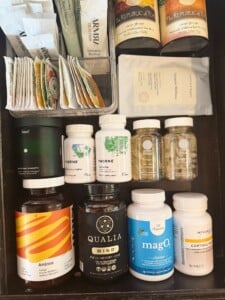
&url=https://camillestyles.com/wellness/supplement-guide/&media=https://camillestyles.com/wp-content/uploads/2022/03/quince-supplements-865x1298.jpg)