JUNE 13 — Recently, the police disclosed how “Piu Piu”, a dangerous synthetic drug, was reportedly being mixed into vape liquids. The discovery has led Deputy Inspector-General of Police Tan Sri Ayob Khan Mydin Pitchay to call for an immediate ban of vaping devices.
At first glance, this may sound reasonable as nobody wants dangerous drugs circulating in our communities, especially among young people. But the call to ban vape devices from the police begs a more important question: are we targeting the cause of the problem, or merely its most visible symptom?
Malaysia is notorious for knee-jerk reactions, where we address the symptoms but hardly tackle the root causes. The calls to ban vape following the discovery of fentanyl and other psychoactive chemicals into vape liquids, is just one example.
Prior to this, the Government had banned those under 16 years of age from accessing social media. No one is questioning the Government’s intention of protecting the young from exposure to undesirable content such as pornography or subjecting them to cyber bullying.
But experience from other countries like Australia, which pioneered such a ban, had found out that the results were mixed at best, and ineffective at worst. Millions of underage accounts may have been removed on paper, but users still found ways around the restrictions.
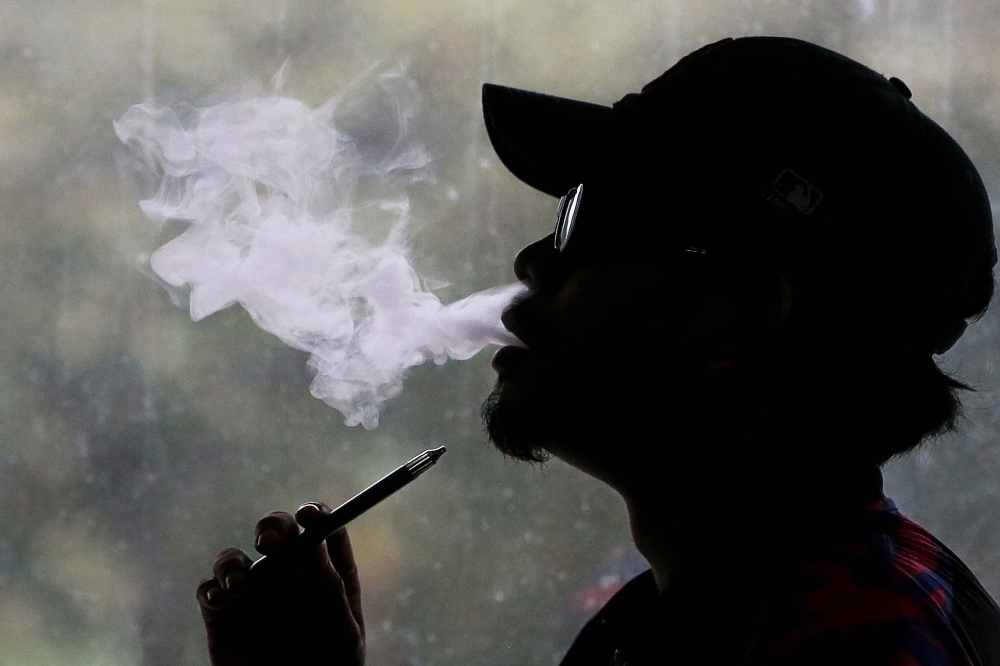
The author argues that calls to ban vaping devices in response to the discovery of synthetic drugs in vape liquids risk addressing only the symptoms rather than the underlying causes of the problem. — Picture by Sayuti Zainudin
Rather than imposing a blanket ban, policymakers could have focused on promoting digital literacy in schools and improving parental education to help young people navigate the online world more responsibly.
They could also compel social media companies to provide greater transparency on how their algorithms work, particularly how content is recommended to young users. This can reduce exposure to addictive behaviour, harmful content or excessive screen time to the young.
The same can be said about the police’s urgency in wanting to ban vaping devices. In the case of “Piu Piu”, the real issue is not the vape device itself. The issue is the existence of drug syndicates willing to exploit any product to distribute dangerous substances. If criminals are mixing harmful chemicals into vape liquids, that is first and foremost a law enforcement problem.
Just like Australia’s experience with underage social media usage, banning vape products may create the appearance of decisive action, but does little to address the root cause.Worse, it risks pushing existing users towards the black market, where products are completely unregulated and even harder to monitor, to say nothing of losses in government revenue through taxation.
There is also the question of harm reduction. While vaping is not risk-free, many adult smokers have used it as an alternative like heated tobacco to quit cigarettes. Removing legal and regulated products from the market could leave some users with fewer options, while simultaneously creating opportunities for illicit operators to thrive.
And who can forget the Government’s short-lived proposal to ban those under 16 from owning handphones or to ban the computer game, Roblox? This stemmed from violence in schools and exposure to harmful social media content.
Thankfully, they were not carried out but these episodes clearly demonstrate the Government’s tendency towards knee-jerk policymaking. Government decisions need to be based on sound principles that address root causes, and not just look into the symptoms.
In the case of “Piu Piu”, the real enemy is not the device. It is the syndicate. If we keep mistaking symptoms for causes, we may end up banning more things while solving very little and making a fool of ourselves.
* This is the personal opinion of the writer or publication and does not necessarily represent the views of Malay Mail.

 Login
Login