Normal view

From ‘USA94’ to now: how soccer has changed since the last American World Cup

The United States hosted its first World Cup in 1994.

Soccer has changed dramatically in many ways since then – on and off the pitch.

As the US (with Mexico and Canada) gets set to host the mega-event once again, more than anything, the tournament’s defining change since 1994 is its sheer scale-up.

The scale-up

This scale-up can be clearly quantified. The 1994 tournament featured 52 matches across 32 days with 24 teams. By contrast, the 2026 event (the first three-nation World Cup) will involve 78 matches in the US alone, over 39 days.

The competition’s 48 teams are divided into 12 groups, with progression to the knockout stage awarded to the top two teams in each group along with the eight best third-placed teams.

In terms of games, the tournament has doubled in size since 1994.

The scale-up is not accidental. It has been driven by the twin forces of globalisation and commodification, alongside a deliberate strategy by FIFA president Gianni Infantino to both protect and extend football’s commercial dominance.

Central to this has been expanding the tournament into non-traditional markets, most notably the US – the world’s largest sports economy – thereby generating substantial financial returns and commercial interest.

Infantino and FIFA have faced sustained criticism in global media – ranging from controversial symbolic gestures involving Donald Trump to concerns over ticket pricing. But the broader outcome is clear: the World Cup has become more expansive and commercially powerful than ever.


Read more: Why Trump and FIFA are perfect bedfellows as the World Cup heads to the US


At the same time, FIFA has deepened its claim to global reach by incorporating smaller nations such as Cape Verde and Curaçao, whose combined populations are well under one million.

The scale-up rests on two core dynamics. First, more matches mean more broadcast content, and media rights remain FIFA’s largest revenue stream. Expanding to 104 matches significantly increases the value of rights deals, particularly across participating nations.

Second, expansion broadens FIFA’s political base. By granting more countries access, it strengthens the influence of nations previously on the margins of global soccer.

Within FIFA’s voting structure, each member association carries equal weight: the vote of powerhouse Brazil counts the same as that of Curaçao, a recent entrant with a population around 150,000.

At the same time, a larger tournament increases the likelihood that major population centres and emerging consumer markets (such as China, India, and Southeast Asia) will participate, further expanding the World Cup’s commercial reach.

The unresolved question for FIFA is one of limits: how far can expansion go before it dilutes the exclusivity and premium value of the World Cup?

The World Game in the US

Soccer in the US has grown markedly since the 1994 event. In many ways, this growth reflects the original intent behind awarding the 1994 World Cup to the States.

The 1994 tournament was still the best-attended in history, largely due to the use of National Football League (NFL) venues. It was granted on the condition that a viable professional league be reestablished following the collapse of the North American Soccer League in 1984.

Major League Soccer (MLS), launched in 1996, is now firmly established within the US sporting landscape.

The pathway has also strengthened, with college athletes feeding into MLS and increasingly major European leagues, alongside the expansion of secondary professional and semi-professional tiers.

Growth has been especially strong in the women’s game thanks to significant new investment.

The US men’s team, currently ranked 16th in the world, could plausibly make a deep run in 2026.

As in 1994, matches this year will largely be staged in football stadiums to maximise capacity.

Rule changes and technology

FIFA’s rule changes are largely designed to keep the ball in play and increase the tempo of matches. Measures addressing time-wasting – from stricter control of throw-ins and goal kicks to tighter management of added time – reflect this objective.

The 1994 World Cup introduced major reforms, including a ban on back-passes to goalkeepers and awarding three points for a win to encourage attacking play.

Looking to the 2026 event, technological oversight will expand, with Video Assistant Referee (VAR) technology applied more broadly to decisions such as second yellow cards and corner calls.

Player welfare has also become more prominent: after the extreme heat issues of 1994, mandated drinks breaks will be introduced – one in each half around the 22-minute mark.

Substitution rules have also evolved significantly, increasing from two in 1994 to five regular substitutions, along with an additional allowance for concussion replacements.

Same game, different scale

Since its codification and even in early filmed matches more than a century ago, soccer’s simplicity has been the foundation of its global dominance.

The sport’s continuity bridges generations. The leading players of the 1994 World Cup, such as Italy’s Roberto Baggio and Brazil’s Romário, could plausibly compete in the modern game, even if today’s players are generally more physically developed.

Ultimately, despite the scale, global reach and commercialisation of tournaments like the World Cup, soccer’s enduring success lies in its consistency.

The game played on the world’s biggest stage remains fundamentally the same as that played in parks, schools and local grounds; simple, universal and instantly recognisable.

The Conversation

Steve Georgakis does not work for, consult, own shares in or receive funding from any company or organisation that would benefit from this article, and has disclosed no relevant affiliations beyond their academic appointment.

Love, quest, adventure: the storytelling behind Xi Jinping’s speeches and China’s grand strategy

For many in the West, China still feels hard to fully understand. Public debate and media coverage too often focus on the “China threat”. Critics highlight the flaws of China’s political system and limits on freedom, yet China has still managed to rise as a major power that can now compete with the United States.

One reason for this gap in understanding is that the media often interprets China through a Western-centric perspective.

US President Donald Trump’s summit with Chinese leader Xi Jinping this week, for instance, will be analysed in the West very differently from the way it will be seen in China. Xi’s language will be parsed and scrutinised for couched messages, veiled threats and hidden meanings.

But analysts may be missing some of the tools China uses to explain and justify its actions.

My co-authored new research offers a new way to look at China’s grand strategy: by analysing the way the government uses storytelling. My research partners and I are part of a growing group of scholars looking at how geopolitics is becoming a contest of narratives – how states tell stories about themselves and each other.

To do this, we studied four major speeches by Xi from 2021–23. We read them as stories and dissected the narratives – as well as the characters and language – to better understand the meaning behind the words.

Why narrative in politics matters

The use of political narratives by leaders is not new.

In ancient Athens and Rome, politicians relied on strong public rhetoric to persuade people. Aristotle described three key elements of persuasion in rhetoric: logic (logos), emotional appeal (pathos), and the speaker’s credibility (ethos).

Modern theorists like Kenneth Burke argue rhetoric creates a sense of shared purpose between leaders and the public, but it can also create division between groups.

And communications scholar Michael Kent identifies 20 master “plots” that have been used by storytellers for thousands of years to craft effective narratives. These include: quest, adventure, pursuit, transformation, revenge, sacrifice, discovery and of course love.

My research partners and I used these plot devices to analyse Xi’s speeches to see how he communicates – and tells stories – about China’s strategies.

The plot devices in Xi’s speeches

We found several master plots that consistently shape China’s official stories:

Adventure

In the Chinese Communist Party’s 100th anniversary speech in 2021, Xi said:

To save the nation from peril, the Chinese people put up a courageous fight. As noble-minded patriots sought to pull the nation together.

This storyline frames China as a nation on a long journey towards strength and prosperity, marked by setbacks and breakthroughs. This is seen as a type of political adventure. This narrative also appeals to shared memories in China of hardship and endurance.

Xi Jinping’s speech to mark the 100th anniversary of Chinese Communist Party’s founding.

Quest

Xi’s speeches also described a quest – the nation’s striving towards a difficult goal, under the leadership of the Chinese Communist Party (CCP).

In Xi’s 20th Party Congress report in 2022, he said:

There has never been an instruction manual or ready-made solution for the Chinese people and the Chinese nation to turn to […] as they moved on toward the bright future of rejuvenation.

The message is intended to inspire unity, patriotism and pride among Chinese listeners.

Transformation

In his 14th National People’s Congress speech in 2023, Xi said:

The Chinese nation has achieved the great transformation from standing up and growing prosperous to becoming strong, and China’s national rejuvenation has become a historical inevitability.

Transformation stories describe not just change, but growth and renewal. This narrative presents China’s rise as a natural evolution built on decades of reform and sacrifice.

Xi Jinping’s speech at the 14th National People’s Congress.

Rivalry

Rivalry stories tend to feature internal and external threats.

In two of the speeches we studied, Xi refers to efforts by foreign powers to “blackmail, contain, blockade, and exert maximum pressure on China,” and recalls a past when foreign bullying caused “great suffering”.

In the CCP’s 100th anniversary speech, Xi also said:

Anyone who would attempt to do so will find themselves on a collision course with a great wall of steel forged by over 1.4 billion Chinese people.

These storylines reinforce the idea that China must remain vigilant and united against outside pressure.

Love

Xi doesn’t refer to a romantic-type of love story in his speeches; rather, he speaks of the dedication and loyalty of the Communist Party’s supporters.

In the 100th anniversary speech, for instance, Xi said:

And I would like to express my heartfelt gratitude to people and friends from around the world who have shown friendship to the Chinese people and understanding and support for China’s endeavours in revolution, development and reform.

How audiences see these messages

The impact of this messaging is strong at home. It’s often reinforced through state media, cultural products and patriotic education to reach as wide an audience as possible.

The frequent contrast between past suffering and present strength encourages the public to see China as a peaceful but firm global actor.

For a foreign audience, this storytelling can help other countries interpret China’s actions and anticipate its responses.

For example, China’s narratives about past humiliation and the need to defend its sovereignty help explain its strong stance on Taiwan – and the Communist Party’s legitimacy on this issue in the eyes of the people.

But this does not mean a military conflict is inevitable. Any future military action over Taiwan would depend on a multitude of factors, including careful calculations of risk, China’s economic interdependence with the world, and the potentially catastrophic consequences for the region and its people.

This cannot be easily conveyed in storytelling, which is why we can’t rely on this device alone to explain China’s actions. But it does give us a window into leadership’s thinking – and in a political system like China’s, this is vital.


The author would like to acknowledge her co-researchers on the project: Mitchell Hobbs of the University of Sydney (project lead), and Zhao Alexandre Huang and Lucile Desmoulins of Gustave Eiffel University, France.

The Conversation

This piece is based on the author's contribution to a research project funded by the Australia-France Social Science Collaborative Research Program from the Academy of Social Sciences in Australia.

NATO would survive a US withdrawal. But what kind of alliance would it become?

As NATO counts down to its annual summit in Turkey in July, the alliance is facing perhaps the biggest challenge in its history – what a potential future without the United States, or US security guarantees, would look like.

In recent weeks, the Trump administration has taken a series of steps widely interpreted in European capitals as retaliation for allies’ reluctance to more strongly support the US position in the Iran war. It has announced the withdrawal of 5,000 troops out of Germany, halted the deployment of 4,000 troops to Poland and even reportedly considered moves to suspend Spain from the alliance.

Europe was already uneasy about Washington’s broader strategic intentions. Increasingly, NATO allies are realising they can no longer depend on the United States for their security and will have to shoulder far greater responsibility themselves.

NATO 3.0

US President Donald Trump’s narrow understanding of the value of alliances has long been known. Now, his vision for a new NATO is coming into view.

At a NATO defence minister meeting in February, the US under secretary of defence for policy, Elbridge Colby, introduced the idea of “NATO 3.0”. This would entail Europeans assuming a much larger role in conventional deterrence. The US, meanwhile, would prioritise strategic competition with China and supporting European security more selectively and from greater distance.

NATO Secretary General Mark Rutte and Elbridge Colby speaking at NATO in February.

At the same time, the White House has reportedly been pushing to roll back decades of NATO’s mission expansion and keep Ukraine and NATO’s four Indo-Pacific partners (Japan, South Korea, Australia and New Zealand) out of the annual summit in July.

This reflects a broader transformation in US strategic thinking. NATO is no longer viewed as a political community and a pillar of the liberal international order. Increasingly, it is seen as a narrower military arrangement whose value depends on whether Europeans can shoulder more of the burden themselves and remain compliant with Trump’s agenda.

In this new paradigm, the United States is not simply asking European allies to spend more. It is telling Europe to do more with less American hardware, a looser political alignment, and fewer guarantees.

Plus, there’s a deeper problem: the erosion of trust within the alliance and the assumptions that have underpinned NATO’s deterrence posture for decades.

The result is a “Europeanised NATO” emerging by necessity rather than design. What such an alliance would actually look like remains unclear.

A focus on collective defence

One thing is certain: one single country won’t simply replace the United States as alliance leader. No European power possesses the capabilities, resources or political legitimacy to fill that role alone. Instead, leadership will likely come from the most capable states acting together.

That trend is already visible in “Europe’s minilateral moment”. The E3 group (Britain, France and Germany) and newer E5 coalition (with Italy and Poland), for example, have begun accelerating coordination among Europe’s leading military powers.

These arrangements are not alternatives to NATO. Rather, they may become the mechanisms through which a stronger European focus inside NATO is organised.

But this is where the uncertainties begin. A more Europeanised NATO is far from guaranteed to become a more cohesive NATO. The alliance has long struggled with the strategic cacophony of its 32 members, driven by divergent threat perceptions, regional priorities and strategic cultures. As American leadership recedes, those differences may become even sharper and harder to manage.

A more Europeanised alliance is, at least initially, likely to narrow its focus on collective defence and deterrence to counter Russia’s militarism and its ongoing war against Ukraine.

The broader agenda that expanded after the Cold War to include crisis management and cooperative security may increasingly become secondary. This included efforts to address global security challenges (such as supporting capacity building in countries affected by violent conflict), counter-terrorism operations, and enhancing energy and maritime security.

Yet, many NATO allies, particularly those on NATO’s southern flank, continue to argue that crisis management and cooperative security must remain core alliance functions. For countries facing instability across North Africa and the Middle East, migration pressures, terrorism and maritime insecurity, NATO cannot be concerned only with Russia.

NATO’s cooperative security partnerships in the Indo-Pacific are also increasingly important, even though they are no longer openly supported by the US administration.

Cooperation with Japan, South Korea, Australia and New Zealand (known as the IP4) has emerged as perhaps NATO’s most promising cooperative-security framework, precisely because it strengthens the alliance’s core deterrence mission.

Unlike many earlier partnership initiatives, this is tied directly to defence-industrial cooperation, technological resilience, security of supply chains for defence-critical materials, and strategic signalling.

The new reality

The “new NATO” is by no means a settled compact. It is an alliance caught between competing visions, profoundly uncertain political commitments from erstwhile supporters, and unresolved strategic questions.

Europe is moving towards greater responsibility for its security, but without a clear consensus on what greater strategic autonomy ultimately means.

The central question facing NATO today is not whether the alliance survives. It almost certainly will in some form, as one should never underestimate the binding power of bureaucracies.

The real question is what kind of alliance emerges and how credible it remains. Will it be a narrower military pact laser-focused on continental defence? Or a broader political-security community capable of managing the full spectrum of crises affecting Europe?

The Conversation

Gorana Grgić was previously a recipient of research and teaching funding from NATO.

Deep-sea sponges survive in complete darkness in ways we didn’t know before

The deep-sea sponge _Calyx_ sp. in its natural habitat. PROBIO-DEEP/Fugro

When we think of marine life, we usually picture colourful coral reefs or dense seaweed forests filled with fish and other critters. The ocean that comes to mind is the one touched by sunlight.

However, most of the ocean is not like that. By volume, roughly 95% of the ocean consists of the permanently dark, cold deep sea. Despite such hostile conditions though, there is life in the ocean’s abyss.

Deep-sea marine sponges are among the organisms that live in these mysterious dark waters. They form “gardens” that are among the largest ecosystems on the planet, some spanning thousands of square kilometres on the ocean floor. They act as ecosystem engineers, providing habitats to many other organisms living on the seafloor.

Individual sponges can also pump and filter thousands of litres of water every day through their bodies. The nutrients they release support other organisms. Yet we know remarkably little about how sponges survive, let alone thrive, in the inhospitable environment of the deep-sea.

Symbiosis with microbes is an important part of how marine sponges live. We’ve been studying deep-sea sponges to better understand life in the ocean’s depths. So far, we’ve found some sponges are packed with microorganisms that use energy from chemical reactions.

The deep-sea sponge Aphrocallistes beatrix has the highest proportion of chemosynthetic symbionts reported to date. PROBIO-DEEP/Fugro

This is called chemosynthesis and is commonly found in other deep-sea organisms, such as mussels and tubeworms living in hydrothermal vents – deep-sea “hot springs”.

Our new study, published today in the journal Microbiome, shows sponges and their microbial partners also use a second strategy to make a living in the deep sea.

Two strategies, one sponge

All living organisms produce waste. Just like humans produce urine, many sponges produce ammonia as one of their waste products.

In this study, we analysed the Calyx species of deep-sea sponges from a depth of 830 metres.

About 16% of their microbial partners use the familiar chemosynthesis process. With ammonia as the energy source, they use carbon dioxide dissolved in the water to build biomass – it’s a bit like plants growing through photosynthesis from sunlight, but in the dark.

In well-lit shallow waters, many sponges and corals have photosynthetic microbes that help them build biomass from carbon dioxide. Our findings show that in the dark depths of the ocean, sponges have microbial partners that use ammonia instead of light for the same process.

The remaining 84% of microbial partners are where it gets really interesting. Instead of chemosynthesis these microbes use heterotrophy, which means consuming organic matter to generate energy and biomass (like the vast majority of animals, humans are also heterotrophs).

The problem here is that there’s little organic matter in the deep sea. Whatever falls down from the surface waters, such as dead plankton and algae, gets stripped by bacteria and small crustaceans of anything easily digestible as it sinks through the water column.

So, the little amount of organic matter that reaches the seafloor is generally poor food for the sponge itself. But, as we discovered, not necessarily for its microbial partners.

It turns out the heterotrophic microbes in Calyx sponges have lots of enzymes specialised in breaking down complex compounds, such as xylan and pectin, which make up the hard-to-digest cell walls of algae.

Feeding on these algal skeletons would allow the microbes to thrive and to transform organic molecules into nutrients their sponge host can use.

Deep-sea sponges and crinoids (marine invertebrates) in a deep-sea reef. PROBIO-DEEP/Fugro

Protecting what we don’t yet understand

Our study shows that sponges and their microbial partners are complex, biogeochemical reactors. They use and recycle ammonia “urine”, carbon dioxide and hard-to-digest organics to generate biomass.

The biomass can then support the growth of other organisms, such as brittle stars and fish, in turn supporting the broader community of animals living on the dark seafloor.

Unfortunately, these ecosystems are under pressure from human activities. Deep-sea trawling physically destroys sponge gardens. Deep-sea mining, now being actively pursued for rare metals used in batteries and electronics, threatens to disrupt the deep-sea habitat in ways that might take centuries to recover.

The United Nations has recognised deep-sea sponge gardens as vulnerable marine ecosystems, a formal acknowledgement of both their ecological importance and their fragility. But recognition alone is not enough.

If we destroy these habitats before we fully understand their role in carbon transformation, then we may lose a critical piece of Earth’s carbon cycle before fully realising it was there.

The Conversation

Torsten Thomas receives funding from the Betty and Gordon Moore Foundation USA and the Australian Government.

Alessandro N. Garritano does not work for, consult, own shares in or receive funding from any company or organisation that would benefit from this article, and has disclosed no relevant affiliations beyond their academic appointment.

Mysterious signals keep coming from space. We have found their ‘Rosetta stone’

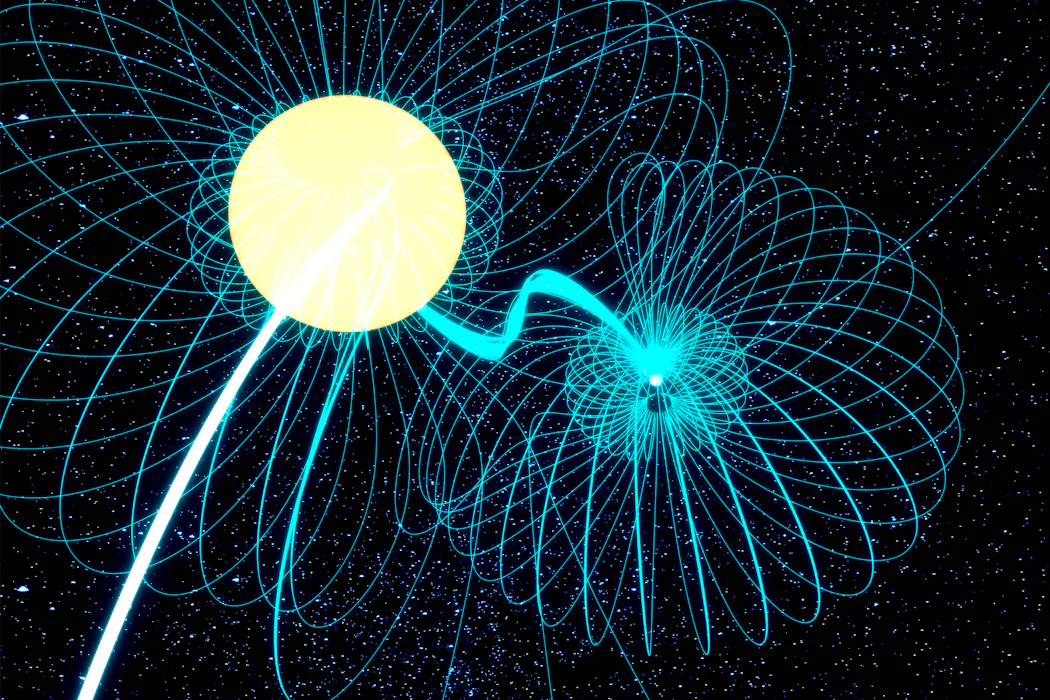
Simulated magnetic field lines for a binary system that is close enough for the stars to interact. Carl Knox (OzGrav/Swinburne) & Joshua Preston Pritchard (CSIRO)

A pair of stars spiralling around each other. That’s the origin of a new source of repeating radio bursts we’ve detected, called ASKAP J1745.

In recent years, astronomers have been puzzling over mysterious bursts of radio signals, known as long-period transients because of how slowly they repeat. They were first discovered by chance with telescopes scanning large chunks of the sky.

To date, astronomers have only found a dozen of these weird sources, and we’re still trying to understand exactly what they are.

In a new study published today in Nature Astronomy, we describe a first-of-its-kind detection – both radio and X-ray bursts repeating with each orbit.

ASKAP J1745 is exciting because we’ve figured out what it is, unlike 10 of the 12 known long-period transients. Even better, we were able to detect it with a bunch of different telescopes that observe all different kinds of light.

Bearing the same message in three forms of writing, the famous Rosetta stone once helped scholars decipher ancient Egyptian hieroglyphs. Similarly, this extra information we found about ASKAP J1745 will help astronomers better understand the mystery of all long-period transients.

What do long-period radio transients look like?

Long-period transients are things in space that produce bright, repeating bursts of light at radio wavelengths. Little is known about the origins of most long-period transients. In addition, many have been discovered close to the dusty region in the middle of our galaxy, so it can be hard to see them with visible-light telescopes.

Even with just a dozen of these strange sources discovered so far, they seem to come in a few different shapes and sizes. Their radio bursts repeat on timescales of minutes to hours.

Some have been making regular pulses for more than 30 years, while others turn off for days at a time or go permanently radio-silent.

Galactic map of long-period transients (LPTs), including those with evidence of binary systems, and galactic centre radio transients (GCRTs). Author-provided composite. Background image: ESA/Gaia/DPAC, A. Moitnho

Where do they come from?

Astronomers initially thought long-period transients were just very slowly spinning neutron stars, called pulsars. These are the fast-rotating dense cores left after the supernova explosions of massive stars.

The first few of these radio transients discovered were repeating roughly every 20 minutes. That’s much slower than the average pulsar, which repeats every few seconds.

Furthermore, when pulsars slow down their spin, they should stop producing radio light. This means we shouldn’t see radio bursts from neutron stars rotating so slowly.

So astronomers investigated other theories involving white dwarfs – the slowly cooling dead centres of less massive stars. And recently we discovered some long-period transients in binary systems (two stars in a close orbit) with evidence of both a white dwarf and a lower-mass red dwarf star.

The ASKAP radio telescope at Inyarrimanha Ilgari Bundara, the CSIRO Murchison Radio-astronomy Observatory on Wajarri Yamaji Country in Western Australia. Alex Cherney/CSIRO

The discovery of ASKAP J1745

ASKAP J1745 is a new long-period radio transient we found with the ASKAP radio telescope, owned and operated by CSIRO, Australia’s national science agency. It’s the first one of these strange sources that we’ve identified as a “cataclysmic variable”.

Cataclysmic variables are systems with two stars – one of them a white dwarf – that orbit each other closely enough to interact. If the stars are close enough, the white dwarf’s gravity can pull (or “accrete”) material from the other star. That’s why these systems are also known as accreting white dwarf binaries.

Another long-period radio transient was recently discovered with X-ray bursts, repeating with the same regularity as the radio. However, the origin of the bursts and their shared timing remained unclear.

Now, for the first time, we have combined observations from radio, X-ray and optical telescopes to find that ASKAP J1745 produces both X-ray and radio bursts with each orbit of its two stars.

Simulation of magnetic fields in a closely orbiting binary system. Carl Knox (OzGrav/Swinburne) & Joshua Preston Pritchard (CSIRO)

In these rapidly orbiting systems, the X-ray light is thought to come from the material heating up as it streams onto the white dwarf.

The bright radio bursts were a bit more of a mystery. But knowing that this is an accreting binary system helped us figure things out.

The type of pulsed radio light we detected is typically caused by energetic particles interacting with strong magnetic fields. Here, we have the perfect combination: two stars with strong magnetic fields (typically thousands of times stronger than an MRI machine), with charged particles flowing towards the white dwarf from the other star.

What this means for the future of astronomy

This discovery is unique because we have more information and at more different wavelengths than any other previous long-period transient.

Just like the Rosetta stone was key to decoding ancient Egyptian symbols, ASKAP J1745 will be key to deciphering the origins of other long-period radio transients that lack information at other wavelengths.

ASKAP J1745 is the first long-period transient showing signs of accretion across the spectrum of light – from radio waves to visible to X-rays. And this stream of charged material is a crucial ingredient for making the radio light we detect from these systems.

Exploring the mechanism that produces long-period radio bursts gives us a new laboratory to learn about extreme physics such as plasma flows and magnetic fields in conditions we can’t recreate on Earth.

We acknowledge the Wajarri Yamaji as the Traditional Owners and Native Title Holders of Inyarrimanha Ilgari Bundara, the CSIRO Murchison Radio-astronomy Observatory where ASKAP is located.

The Conversation

Kovi Rose does not work for, consult, own shares in or receive funding from any company or organisation that would benefit from this article, and has disclosed no relevant affiliations beyond their academic appointment.

Exoskeletons for people with cerebral palsy are now a reality – but there’s still much to figure out

Cerebral palsy is the most common disability that starts in childhood, affecting about 50 million people worldwide.

Cerebral palsy can impact a person’s ability to move their body. This can result in mobility problems, muscle stiffness or weakness, and abnormal movements. There are often other neurological issues as well, such as epilepsy or visual impairment.

Physiotherapy can help people with cerebral palsy across the lifespan. It uses a range of interventions to improve mobility and function. Conventional physiotherapy includes treadmill training, strength training and task-specific training (such as practising getting in and out of a car).

But there’s another therapy tool that’s been showing promise – exoskeletons. These wearable devices support a person’s body from the outside, helping their posture and movements.

For two decades, lower limb robotic exoskeletons have been a major focus in neurological rehab for adults. The majority of research has been about people with stroke and spinal cord injury.

Can they help with cerebral palsy too? Published in Disability and Rehabilitation Journal, our new systematic review of robotic exoskeletons for cerebral palsy reports promising findings – and more questions to tackle.

From the lab to everyday life

The first exoskeletons to help people walk were developed in the 1960s. These were clunky, complex devices, and took several decades to leave the lab.

Over the past 60 years, exoskeletons have become much more streamlined. In Australia, several have been approved by the Therapeutic Goods Administration in recent years.

There are three main categories of medical exoskeleton. Two of them are essentially stuck in place – these are devices paired with treadmills, such as the Lokomat, and “end-effectors” (static devices similar to an elliptical machine), such as the Innowalk.

The third category are devices which can be used overground, such as the Atlas 2030. With overground devices, users can have more choice in where they move, and interact with their environment more.

They even show promise as longer term assistive devices – something the person might wear in everyday life.

What does the evidence say?

An advisory committee for Australia’s National Disability Insurance Scheme (NDIS) is currently reviewing various supports for people with disability, including robot-assisted gait training.

The results will advise Australia’s peak disability funding body on whether and how to fund therapy with this technology. So, it’s timely to look at the evidence. That’s exactly what our systematic review did.

We asked: what are the effects of wearable overground exoskeleton-assisted therapy on physical, functional, quality of life and participatory domains for people with cerebral palsy? “Participation” refers to being truly involved, rather than just present, in chosen activities.

We included 21 studies representing 241 people with cerebral palsy, with an average age of nine. Then, we extracted and analysed data for all clinical outcomes. This included walking speed, endurance, balance, high-level mobility (running and jumping), strength, goal attainment and more.

Robotic rehabilitation outperformed conventional therapies for four outcomes:

  • walking speed
  • walking endurance
  • balance
  • high-level mobility.

This means using exoskeletons could provide meaningful benefits in these areas for people with cerebral palsy.

For other outcomes, there was not enough data to make recommendations, or results were inconsistent. Skin irritation was reported in some studies, but never prevented ongoing use of the exoskeleton. Where mentioned, user experiences were generally positive, although most studies didn’t evaluate them.

More to discover

Despite our review showing some encouraging benefits of exoskeleton therapy for people with cerebral palsy, there’s much we still don’t know. Very few of the included studies reevaluated outcomes after the person stopped the therapy. So we can’t say whether benefits are sustained.

We also couldn’t categorise results by type or severity of cerebral palsy, or by age. And with only seven adult participants represented in this systematic review, results can be confidently applied to children, but not adults.

There’s some evidence this technology is beneficial, compared to conventional therapy. However, no studies explicitly compared the use of the exoskeleton with the next most equivalent, and more readily available intervention – bodyweight supported treadmill training.

Staff at a hospital in Bilbao, Spain working with a child using the ATLAS 2030 exoskeleton.

Exciting is not enough

Recently, therapy with overground exoskeletons is becoming more available in Australia. Costs for these sessions with trained and experienced clinicians can be supported through NDIS funding. However, currently no scheme in Australia will fund a person to have an exoskeleton of their own.

It’s very common for families to want to “try it all”, particularly new and exciting therapy options. Exoskeletons are definitely exciting and attract significant interest.

However, it’s important that families don’t waste money and time on inappropriate therapies.

Our systematic review supports the use of overground exoskeletons for walking speed, walking endurance, balance and high-level mobility for people with cerebral palsy.

It’s crucial for clinicians to provide appropriate and evidence-based advice on the best treatment options. If someone with cerebral palsy wants to try robotic exoskeleton therapy, the clinician should set clear goals for what results to expect, and step forward with caution.

The Conversation

Nicola Postol does not work for, consult, own shares in or receive funding from any company or organisation that would benefit from this article, and has disclosed no relevant affiliations beyond their academic appointment.

In an ant colony, the queen isn’t in charge. So who is?

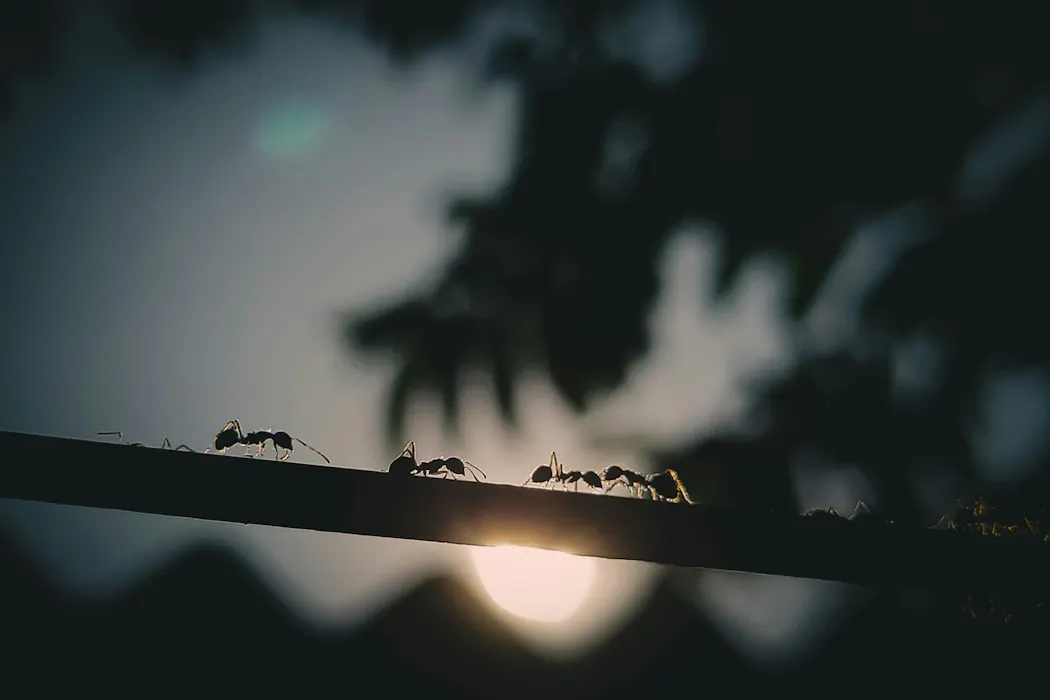
Photo by Prabir Kashyap on Unsplash

Imagine trying to build a house without a blueprint, find a shortcut through an unfamiliar city without a map, or govern a large organisation with no leaders and no meetings.

It sounds impossible. Yet tiny-brained ants, working without leaders or blueprints, have been solving problems like these for millions of years – and no, the queen isn’t the boss telling them what to do.

By almost any measure, ants are a wildly successful group of animals – there’s an estimated 20 quadrillion of them on Earth and they thrive on every continent but Antarctica.

How have these minuscule animals managed to take over the world (and our kitchens)? The answer is teamwork.

Bustling colonies

Ants are social animals that live in colonies ranging from a few individuals to vast continent-spanning supercolonies containing billions of ants.

Bustling ant colonies display many of the features we associate with human societies, including:

In humans, this level of social complexity usually involves clear governance hierarchies, with leaders and middle managers directing our activities.

But ants don’t work that way. So who is in charge in an ant colony?

The answer is simple: no one.

The queen isn’t in charge

Ant colonies are a classic example of a self-organised system, where complex behaviour emerges from the combined actions of many ants. Each follow relatively simple rules while communicating and interacting with each other.

The human brain works in a similar way: individual neurons have simple behaviours and cannot think on their own, but together they give rise to the full range of human thought and behaviour.

An ant climbs over a flower.
No boss, no problem. Tanya Latty

The queen, whom many people assume is in charge, has little involvement in decision-making or leadership.

Instead, her role is to maintain the colony’s workforce by producing new ants.

In some ant species, workers will even kill their queens under particular conditions, such as declining productivity!

By working together, ant colonies are capable of complex behaviours and problem-solving skills far exceeding the abilities of an individual ant.

For example, some ant species run sophisticated transportation networks linking their colony to many food sources.

When a foraging worker finds a good source of food, such as some crumbs in your kitchen, she lays down drops of attractive chemicals called “pheromones” as she walks home.

Other ants in the colony are attracted to the trail, reinforcing it with more pheromones as they go. As a result, the colony can rapidly deploy large numbers of workers to quickly collect food.

While an individual ant is only aware of the foods she herself has visited, the trail network allows the colony as a whole to be “aware” of many foods.

Should a food source disappear or decline in quality, the colony can quickly refocus its efforts.

Ants can also optimise their trail networks by finding shortcuts.

Since pheromone trails evaporate over time, shorter paths that are traversed more quickly get reinforced more often. Longer paths, by contrast, receive less traffic and get reinforced less often, which in turn causes the pheromone trail to fade and become less attractive.

This simple feedback loop allows the colony to “discover” shorter routes that take less time to traverse while eliminating longer routes.

The resulting transportation network can be remarkably efficient.

Remarkable architects

Nest construction is another impressive example of the power of self-organisation.

Ant nests can be vast and intricately structured, with chambers for raising the young, food storage, and waste.

Yet no ant has a blueprint for the final nest design, nor is a boss ant in charge of directing construction activities.

Instead, ants use simple rules to create their remarkable nest architecture.

For example, in the black garden ant Lasius niger, nest building ants excavate soil and form it into small pellets.

These pellets carry chemical cues making other ants more likely to deposit their own pellets nearby.

Over time, this leads to the formation of structures such as pillars, walls, and eventually roofs, without any ant understanding the overall design.

This process, where individuals respond to cues left behind by other individuals, is called “stigmergy” and it underpins the construction of other insect-built structures such as termite mounds and honeycomb.

More humans, more problems – but not so for ants

The use of simple behavioural rules enables ants to coordinate remarkably effectively as a group.

In a study where groups were tasked with moving a T-shaped object through a tight space, human performance did not improve with group size.

When participants were instructed not to speak, performance actually declined as groups got bigger.

Similarly, it has long been known that as human group size increases, the performance of individual team members tends to decrease, a phenomenon known as the Ringelmann effect.

Ants, by contrast, showed the opposite pattern: as group size increased, their performance actually improved.

So next time you see a line of ants marching around your house, resist the urge to spray or whack them away.

Instead, take a moment to appreciate these tiny masters of teamwork.

The Conversation

Tanya Latty co-founded and volunteers for conservation organisation Invertebrates Australia, is former president of the Australasian Society for the Study of Animal Behaviour and is on the Education committee for the Australian Entomological Society. She receives funding from the Australian Research Council, NSW Saving our Species, and Agrifutures Australia.

370 billion crickets are farmed for food every year. Scientists have discovered they may feel pain

House Cricket (_Acheta domesticus_). mani_raab/iNaturalist, CC BY-NC

You’re cooking dinner, distracted, and your hand brushes a hot pan. Nerve signals race to your spinal cord and back to yank your arm away in a fraction of a second, with no thought required.

Then comes the pain. A sharp, spreading sting gives way to a pulsing ache, and you cradle your hand and run it under cold water until it subsides. That felt experience is distinct from the reflex that preceded it. While the reflex moved your body out of danger, pain drives you to protect the wound, recover, and learn to avoid similar mistakes in the future.

We readily accept that other people feel pain by reading cues in their behaviour, like the inspection and nursing of an injury. We extend this to some animals too – a dog licking its paw or a cat favouring a limb rightly stir our sympathies. But what happens when we turn that lens on animals far less like us?

In our new study, published in Proceedings of the Royal Society B, we searched for behavioural signs of pain in house crickets, one of the most widely farmed insects. After applying heat to an antenna, we found that crickets didn’t just reflexively flinch and recover. They nursed the harm, returning again and again to groom the affected site, much as we rub a burned hand.

The frontiers of feeling

French philosopher René Descartes considered animals unfeeling biological machines, and for centuries the circle of moral concern barely extended beyond our own species.

But the boundaries have steadily crept outward. Recognition that mammals experience pain came first, followed by birds. Fish too, once assumed to lack the necessary brain structures, are now widely accepted as capable of pain-like states.

The leap into invertebrates has been greater and more contentious. Their nervous systems bear little resemblance to our own, so arguments from brain anatomy alone don’t carry us far. Instead, we look to behaviour. Does the animal respond to harm in ways that go beyond reflex, ways that are flexible, persistent, and sensitive to context?

Over the past decade, testable indicators for pain in non-humans have been developed and are increasingly accepted. These include learning from unpleasant events, trading off harms against rewards, and actively protecting the site of injury. Evidence meeting these criteria helped crabs and lobsters gain legal recognition as sentient under United Kingdom law in 2022.

Among insects, the evidence has been accumulating fast. Yet most of this evidence comes from bees. Bumblebees weigh the risk of harm against the richness of a food reward, and groom the site of an injury. Honeybees learn to associate particular smells with harmful stimuli and avoid them.

Far less attention has been paid to Orthoptera, the group that includes grasshoppers, locusts and crickets. That gap matters, because the house cricket (Acheta domesticus) is the world’s most widely farmed insect, with more than 370 billion reared annually.

A large warehouse, divided into separate pens, each filled with thousands of crickets.
A cricket farm in Thailand. Afton Halloran

Do crickets feel pain?

We tested 40 male and 40 female crickets, each experiencing three conditions in random order: a hot probe to a single antenna (65°C, to activate damage receptors but not cause lasting injury), the same probe unheated, or no contact at all.

We filmed their behaviour for ten minutes. Observers scoring the footage did not know which treatment any animal had received.

The results were clear. After the hot probe, crickets were more than twice as likely to groom the affected antenna compared to controls, and spent roughly four times longer doing so.

Could this simply reflect general disturbance rather than targeted care? Unlikely: grooming was directed specifically at the heated side, not spread evenly across both antennae as it was after gentle touch or no contact.

And the behaviour wasn’t a brief, reflexive reaction. It was elevated from the outset and tapered gradually over minutes, much like rubbing a burned hand as the felt sting slowly fades.

Small minds, big feelings

Subjective experience cannot be directly observed in any animal, not even humans.

But we have shown crickets respond to harm in a way that satisfies a key criterion many scientists and philosophers use to infer pain: flexible, directed self-protection. Combined with the knowledge that crickets possess damage receptors, can learn to avoid harms, and respond less to injury under morphine, the weight of evidence for an inner life is growing.

The practical stakes are real. Hundreds of billions of farmed insects are slaughtered each year by freezing, boiling and baking. Pesticides kill trillions more, optimised for lethality with no consideration of potential suffering.

If we take a precautionary approach, credible evidence of suffering should motivate proportionate protections well before we are certain.

Insects have been around for more than 400 million years and are far more behaviourally and cognitively sophisticated than once assumed. The question, then, may not be whether some insects feel, but why we ever assumed they couldn’t.

The Conversation

Thomas White receives funding from The Australian Research Council, the Arthropoda Foundation, and The Australia and Pacific Science Foundation. He is a scientific advisor for the registered charity Invertebrates Australia.

Kate Lynch receives funding from the Australian Research Council, the Arthropoda Foundation, and the Australia & Pacific Science Foundatio. She has previously received funding fromand the John Templeton Foundation.

From ancient kings to Trump and Xi: when did humans start shaking hands? And why?

On Thursday, United States President Donald Trump and Chinese President Xi Jinping shook hands outside China’s Great Hall of the People, in Beijing, for 14 seconds. Almost immediately, we saw various pundits trying to interpret the meaning of the interaction.

A brief look at the history of the handshake, however, reveals the complexity of this gesture’s symbolism.

Handshakes can be traced back to ancient societies, but the exact origins are somewhat mysterious. It is often said – although difficult to prove – that the gesture developed as a symbol of good faith, with the participants showing their hands to be empty of weapons.

A further theory is that the shaking was intended to jiggle any hidden weapons loose from the sleeves – somewhat undermining it as a display of trust.

Assyrian diplomacy

The oldest known depiction of a handshake comes from the 9th century BCE, and represents a diplomatic display of unity.

On a limestone relief found in modern-day Iraq, King Shalmaneser III of Assyria and King Marduk-zakir-shumi I are shown shaking hands, symbolising renewed treaty relations between Babylon and Assyria, and an alliance between the two rulers.

Relations between the two great Mesopotamian powers had long been problematic, but the peaceful image of the handshake lingered in this artistic depiction, even as the rivalry grumbled on.

A stone carving shows two men shaking hands. Both are surrounded by guards and stand below a fringed canopy supported by poles.
Shalmaneser III greets Marduk-zakir-shumi, King of Babylon, surrounded by guards. This dais was carved in the 9th century BCE, and is on display at the Iraq Museum in Bagdad. Wikimedia, CC BY-SA

Hello, but also goodbye

Although more commonly considered a signal of greeting, the handshake has also been used as a powerful farewell gesture.

In Classical Greek art, grave reliefs depict the dead clasping hands with the living. This motif is known as dexiosis, meaning the “joining of the right hands”. It signals the end of the embodied connection between the pair, as well as the continuation of their loving bond in the afterlife.

An ancient Greek jug depicts two people shaking hands.
A dexiōsis (handshake) scene in a funeral context, on an ancient Greek jug. Wikimedia

Handshakes can sometimes also have a religious meaning. In ancient Rome, the right hand was strongly associated with Fides, the divine force of trust and good faith, so the hand clasping was a sacred bond.

The “joining of right hands” (known as the dextrarum iunctio) was a gesture of unity that could be used to symbolise weddings, as well as other social and political bonds. It was also closely linked with the Roman goddess Concordia, who was the divine personification of harmony.

A misleading symbol?

The image of peace and harmony presented by the handshake shouldn’t always be taken at face value; the handshake symbolism can also be used to conceal a union in trouble. The Roman emperors Caracalla and Geta offer a clear example.


Read more: Who were Caracalla and Geta, the cruel and unhinged Roman brother emperors depicted in Gladiator II?


After the death of their father, emperor Septimius Severus, in 211 CE, the brothers ruled together. Imperial imagery shows them with right hands extended in harmony.

Yet before the year was out, Caracalla was plotting his brother’s murder. He arranged a meeting with Geta under the pretence of reconciliation, where Geta was killed – reportedly in the arms of their mother.

Even among heroes, a handshake didn’t guarantee a happy ending. In ancient Greek art, Herakles is depicted shaking hands with the centaur Pholos, symbolising a warm welcome from the hybrid being. Sadly, their greeting ends in tragedy: Herakles is attacked by intoxicated centaurs, and Pholos dies after being struck with a poisoned arrow.

Peacocking politicians

Closer to home, Australian politics has its own (significantly less bloody) version of the doomed handshake. On the eve of the 2004 federal election, the two party leaders, Mark Latham and John Howard, met outside ABC studios.

Latham’s exaggerated handshake made good political theatre but is generally viewed as a misstep. His party went on to lose the election, with the image looming large in the minds of voters.

In Assyrian art, the handshake is static. But in modern politics, handshakes are filmed in motion, replayed on news bulletins, clipped for social media, and analysed by audiences the world over. In this context, the handshake can become something of a power play.

Donald Trump’s handshakes are frequently read as tests of dominance, with long grips and close stances.

When Trump and French president Emmanuel Macron met in Brussels in 2017, their handshake was widely described as a white-knuckled contest. Macron later characterised the exchange as a deliberate “moment of truth” designed to show he would not be pushed around. Macron said he wished to signal he wouldn’t make concessions – “not even symbolic ones”.

Last year, the pair once again clasped hands in front of the cameras, for 26 seconds.

The symbolism attached to handshakes also means the rejection of an offered hand carries a powerful sting. During the 2020 Australian Black Summer bushfires, Prime Minister Scott Morrison tried shaking a firefighter’s hand while visiting the fire-ravaged town of Cobargo, New South Wales.

“I don’t really want to shake your hand,” the firefighter said. Morrison took his hand anyway.

COVID almost killed the handshake

When COVID came, people wondered if the new era might mark the end of the handshake. There were widespread health warnings against shaking hands, resulting in a rise of alternative physical greetings.

These included the fist bump – a gesture with complex origins of its own. The fist bump is a type of “dap” greeting associated with Black American soldiers during the Vietnam War.

Yet, from ancient Assyria to modern China, the handshake endures. More than a greeting, it’s a deeply symbolic tradition carrying a multitude of meanings.

The Conversation

Louise Pryke does not work for, consult, own shares in or receive funding from any company or organisation that would benefit from this article, and has disclosed no relevant affiliations beyond their academic appointment.
What is ‘cycle syncing’, and how might it affect menstruation?

Yan Krukau/Pexels

Menstruation is once again a hot topic on social media, thanks to a new health trend known as “cycle syncing”.

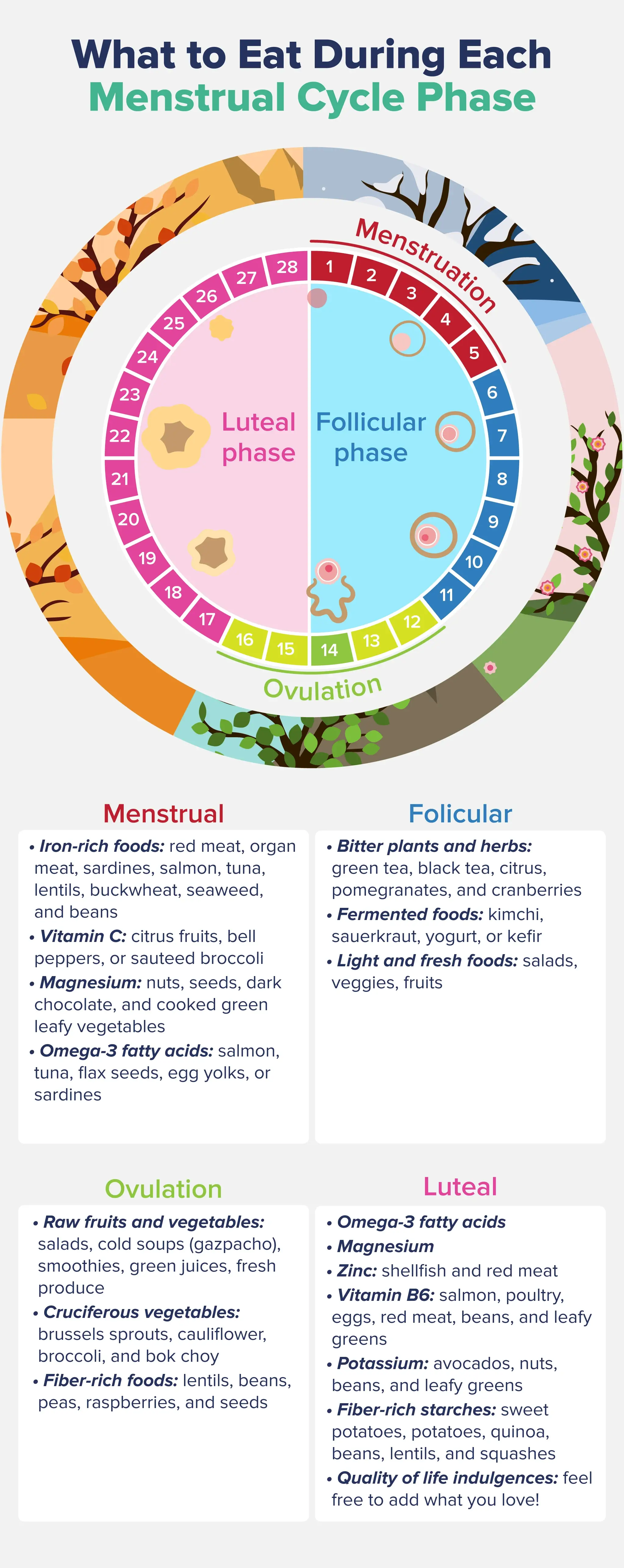
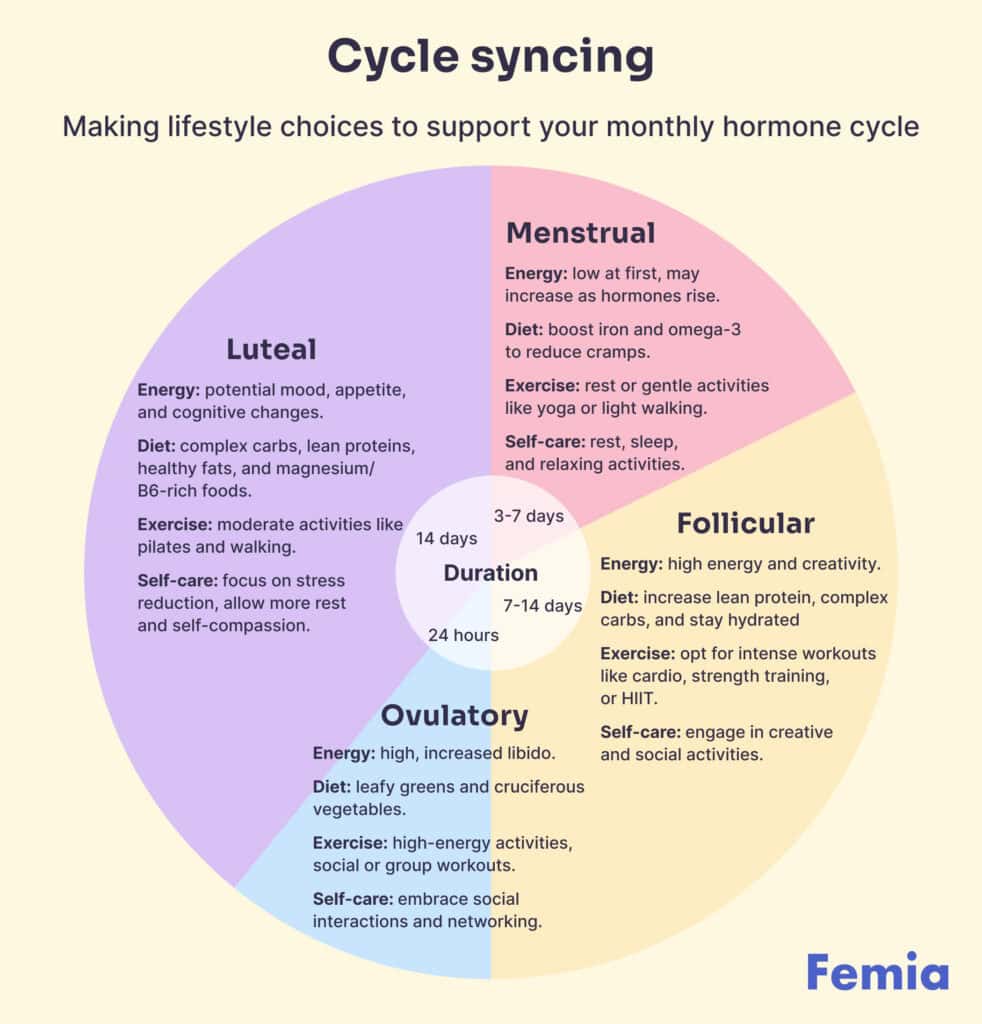
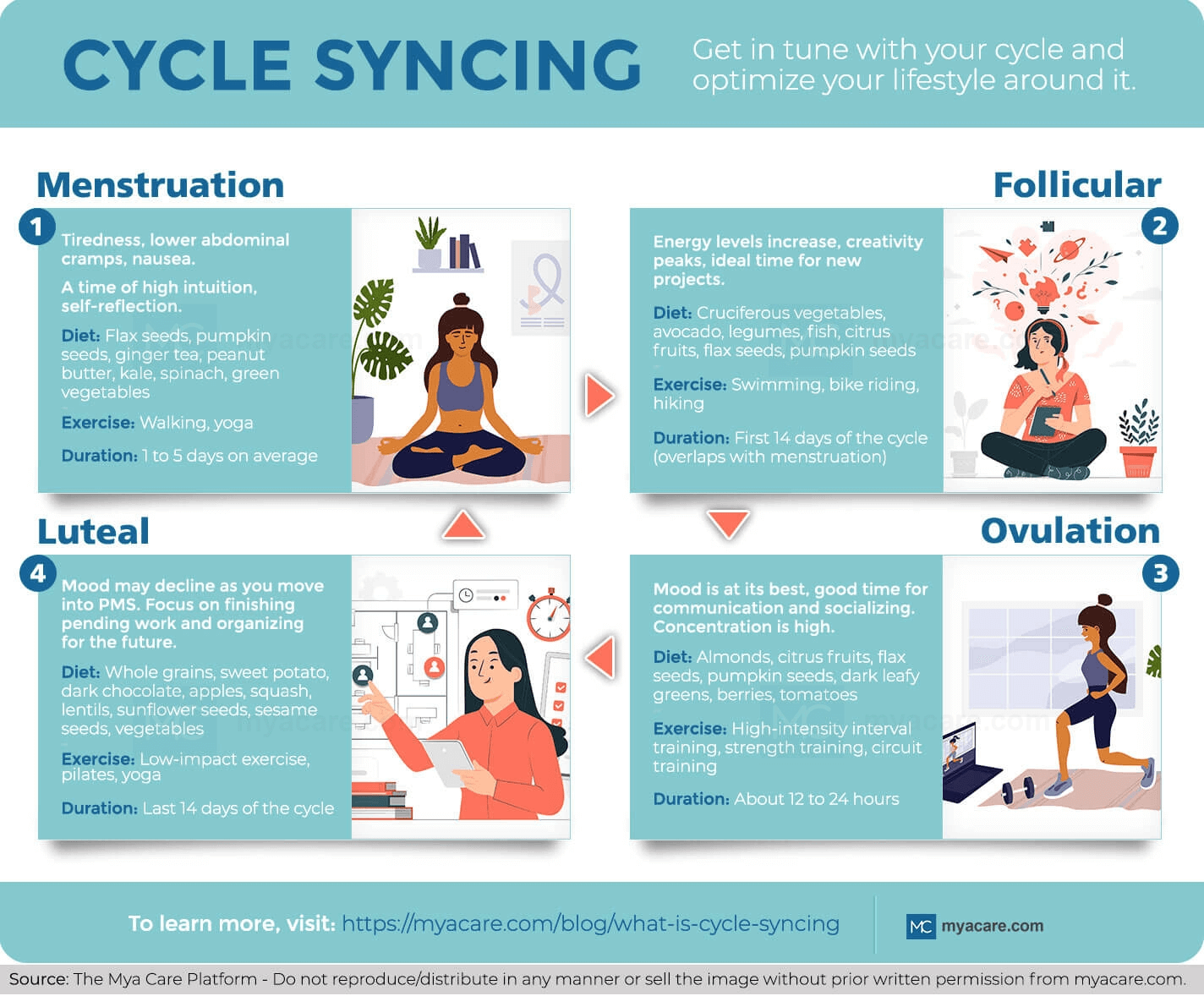
It involves aligning your diet and exercise habits to each phase of your menstrual cycle. For example, you may only do gentle exercises such as yoga or eat more fermented foods during the first phase of menstruation.

Social media influencers are spruiking cycle syncing as a more natural way for women to manage negative symptoms, such as period pain, and be more in tune with their bodies.

So how does it work? And is it supported by research?

The menstrual cycle

During menstruation, the body sheds the uterus lining to prepare for pregnancy. This usually happens every 28–35 days. But bleeding is only one part of the menstrual cycle. The menstrual cycle can be divided into three main phases:

  1. follicular phase, where the body releases a hormone called the follicle-stimulating hormone to help follicles grow in the uterus

  2. ovulation, where the ovary releases a mature egg that may or may not be fertilised

  3. luteal phase, where the body releases a hormone known as progesterone that thickens the lining of the uterus, in preparation for pregnancy. But if the egg is not fertilised, the uterus will shed its lining and this cycle repeats.

Throughout the menstrual cycle, fluctuating hormone levels can cause symptoms such as fatigue, cramps, bloating, mood swings and changes in appetite.


Read more: Planning a baby? A fertility app won’t necessarily tell you the best time to try


Does ‘cycle syncing’ work?

Advocates of cycle syncing say it helps women manage period symptoms and meet the the body’s changing energy needs during menstruation.

However, specific claims often conflict with each other. For example, some who promote cycle syncing suggest eating fermented foods and fresh vegetables during the follicular phase, while others recommend eating lean proteins and wholegrains. Certain cycle syncing advocates emphasise doing cardio workouts and other high-intensity exercise in the follicular phase. Meanwhile, others say swimming or cycling are better options to manage period symptoms.

However, there is little evidence to support these claims.

Various systematic reviews – which summarise all the available research on a specific question – have found no evidence that doing exercise during certain phases of the menstrual cycle improves muscle development or performance. This is the case with both resistance training which aims to build strength, and aerobic exercise, which increases your heart rate.

It also does not appear to reduce your risk of muscle injuries. Research shows immune function may fluctuate throughout the menstrual cycle, but one systematic review found this variation is unlikely to impact exercise.


Read more: Can exercise reduce period pain? And what kind is best?


However, research suggests female athletes may feel less motivated or confident playing sport in the late luteal phase. They were also more likely to think they performed worse at the start and end of their period. This may be because symptoms such as cramping, back pain and tiredness make exercise seem much harder during menstruation.

But research suggests certain types of exercise, including strength training and relaxation-based exercises, may help relieve period pain.

There’s even less evidence examining the link between nutrition and different phases of the menstrual cycle. One 2024 study suggested women may be hungrier or eat more during their luteal phase, compared to the follicular phase. This may be because during the luteal phase, the body consumes more energy to prepare for a potential pregnancy.

However, one systematic review found no conclusive evidence that changing your diet reduces symptoms such as cramps, bloating and fatigue.

What to do instead

Existing studies looking at the relationship between diet, exercise and different menstrual phases have produced extremely varied results. And there are still many gaps in current research, including what the mechanism behind cycle syncing actually is and what its benefits may be.

So for those who want to manage period symptoms, the best approach is to be patient with yourself and listen to bodily cues. For example, if you slept badly because of night-time cramps, you don’t need to do a high-intensity workout the next morning. Consider going for a walk instead. And if you feel extra hungry near the end of your period – in the luteal phase – it’s fine to eat a little more.

The jury’s out as to whether cycle syncing actually works. But making small lifestyle tweaks could help make your time of the month that bit more manageable.

The Conversation

Emmalee Ford is employed by Family Planning Australia, a non-government sexual and reproductive health organisation.

Could the Democrats win control of Congress in the US midterms? All eyes are on these pivotal races

US presidential elections are always about a choice for the future. Who do you want to lead the country? Who will best address your needs?

But the US midterm elections – where all the seats in the House of Representatives and one-third of the Senate are on the ballot – are always a referendum on the president and his party in Congress.

So, given US President Donald Trump’s current popularity, what does this mean for the Republicans’ chances in November?

Struggling with key demographics

In short, Trump is in terrible shape politically at the moment. His net-approval rate is in negative territory in 44 of the 50 states in the country. His national approval rating is also well below 40%, and is heading lower.

Polling consistently shows most voters do not approve of Trump’s management of major issues, including the economy, inflation, jobs, health care, immigration and foreign policy. His decision to launch the Iran war in late February had the lowest approval of any war in American history. It remains among the most unpopular wars.

Inflation is accelerating in the US. Credit card delinquencies are at a 15-year high. With no end to the war in sight, and petrol so expensive, consumer sentiment has crashed to historic lows.

While Trump has broadly retained support among Republicans, his approval rating has declined among independent and Latino voters – two key demographic groups that were crucial to Trump’s election two years ago.

A clear path in the House

Does this mean the Democrats will stroll to victory in the midterms? It’s not quite that simple. US politics is extremely volatile, and there are fewer and fewer seats that are truly contestable.

To control the House, the Democrats need a net gain of three seats, and in the Senate, four seats. Based on my calculations of the six midterm elections this century, the president’s party has lost an average of 27 seats in the House and three seats in the Senate.

The only president to buck the trend was George W. Bush in 2002. Bush’s approval rating was still extremely high – 65% – one year after the September 11 terrorist attacks. The US invasion of Iraq, which would prove deeply unpopular, was still six months away. The Republicans gained eight seats in the House and two in the Senate in those midterms.

This year, the Republicans are more vulnerable in the House than they are in the Senate.

To protect their tiny majority in the House, Trump and the Republicans have launched a war to gerrymander congressional districts in several Republican-controlled states to boost the number of seats they can win this year. Democrats countered by redrawing the maps to favour their party in California.

And last month, the conservative US Supreme Court gave the Republicans another edge when it ruled that protections under the Voting Rights Act to help ensure Black-held seats in the South were unconstitutional. This could threaten up to six black Democratic members in November.

But several Republicans are expected to be ousted from their marginal seats across the country. Amy Walter of the Cook Political Report predicts:

It’s more likely than not that almost all of the closest races break toward the party out of power (in this case, the Democrats). So winning 60 to 70 percent of the closest races is not a huge lift [to capture the House].

Senate up for grabs?

By contrast, the Republicans have been relatively confident of their position to retain control of the Senate.

The seats up for election this year are mostly in states that voted for Trump. That gives Democrats a very narrow path towards winning control of the Senate through states like Texas, Ohio, Alaska, Maine and North Carolina.

In both Ohio and North Carolina, the Democratic candidates are both popular politicians – former Senator Sherrod Brown and former Governor Roy Cooper – and are doing well in the polls. In Alaska, Republican incumbent Dan Sullivan is facing a very well-regarded former House member, Mary Peltola.

Republican Senator Susan Collins is also looking very vulnerable in Democratic-leaning Maine, though the presumptive Democratic candidate, Graham Platner, has been dogged by some controversies lately.

The race that could decide the Senate, however, is in suddenly competitive Texas, a state that has not elected a Democrat to the Senate in 38 years.

Trump successfully urged Republicans to support the controversial former attorney general, Ken Paxton, over veteran incumbent John Cornyn in last week’s primary. Paxton, who has previously been indicted on felony securities fraud charges and impeached by the Texas legislature, will now face the rising political star James Talarico, a progressive Christian Democrat. Talarico is leading in some polls.

The Democrats probably have to worry about one seat in Michigan. The Republican candidate, former House member Mike Rogers, is running his second campaign for the Senate there after losing by less than 20,000 votes two years ago. The Democratic candidate will be decided in an August primary. This is a true tossup that could take away a Democratic seat.

Republicans can afford to lose four seats and still keep control of the Senate with the tie-breaking vote of Vice President JD Vance.

What does this mean for 2027 and beyond?

There is a stark difference between Democrats winning just the House versus the entire Congress.

If Democrats take control of the House, they will put a check on Trump through greater oversight and investigations of his actions. He may well be impeached – for a remarkable third time. This is exactly what happened to Trump after the Democrats won the House in the 2018 midterm elections.

If Democrats are in charge of both chambers, however, they will be able to pass bill after bill that Trump will likely veto. This would further weaken Trump’s political strength – as well as the Republicans – in advance of the 2028 presidential and congressional elections.

Under either scenario, Trump’s legislative agenda will be dead.

After two years of acquiescing to the president by the Republican-held Congress, the midterms will offer a chance to shift the balance of power. If Democrats win the House, Congress will gain a voice again. And the guardrails that have been missing for two years will again be in place to safeguard American democracy.


Correction: This piece has been updated to correct that George W. Bush was president in 2002, not his father, George H.W. Bush.

The Conversation

Bruce Wolpe is a non-resident Senior Fellow at the United States Studies Centre, University of Sydney and is author of two books on Trump and Australia. He served on the Democratic staff in the US Congress in President Obama's first term. He has contributed to Democratic candidates for elected office.

If AI can translate instantly, why learn another language?

From live speech translation in video calls to auto-dubbing on TikTok, the technology to dissolve language barriers has arrived. Real-time translation powered by artificial intelligence (AI) is now embedded in everyday life.

Tools from OpenAI, Meta, Google and many others now offer near-instant translation across dozens of languages, and they keep improving.

All this raises a vital question. If machines can do this faster and more accurately than humans, is investing years in learning another language still worth it?

The logic is appealing. Humans have always offloaded cognitive work onto tools. Writing reduced demands on our memory. Calculators removed the burden of mental arithmetic. AI sits within this long tradition. Used well, it can support learning and expand access in ways that matter enormously.

But there’s a difference between using a tool to extend your capabilities and using it to avoid doing something altogether. That distinction becomes important when you are not just replacing a skill, but a form of cognitive and cultural engagement.

The effort is the point

Effort plays a central role in how we acquire knowledge.

Psychologists use the phrase “desirable difficulties” to describe challenges that may feel inefficient, but produce stronger long-term retention and understanding.

Struggling with grammar, searching for the right word, or constructing meaning across multiple languages engages brain networks that support memory, attention and cognitive flexibility. Over time, they consolidate knowledge far more deeply than passive exposure.

Sustained mental engagement contributes to what researchers call cognitive resilience – the brain’s capacity to maintain function as we age. Managing multiple languages is one form of this engagement. It requires the brain to resolve competition, monitor context and adapt dynamically.

These are not trivial demands. And they’re difficult to achieve if you just use translation tools passively, such as resolving the meaning of a foreign phrase with the click of a button.

What multilingualism research actually shows

The evidence on multilingualism is often presented as a simple “bilingual advantage”, a shorthand that obscures a more complicated picture. Some studies report benefits for attention or working memory, while others find no differences. The truth appears to be more selective.

Our recent study examined cognitive performance in 94 adults aged 18 to 83, using both visuospatial and auditory tasks across working memory, attention and inhibition. Put simply, we looked at how people process and respond to information they see or mentally map out in space (visuospatial) and information they hear (auditory). Examples include remembering sounds, focusing on visual patterns, or ignoring distractions.

Our study measured multilingualism as a spectrum, not a category. This allowed us to capture diverse language backgrounds and experiences. Multilingual participants spoke a range of languages with varying levels of proficiency and daily use, reflecting the linguistic diversity common within multicultural communities.

Across most tasks, multilinguals and monolinguals performed similarly. However, one pattern was striking. Individuals with richer, more diverse multilingual experience showed markedly better performance in visuospatial working memory. These effects were most pronounced in older people.

This suggests that multilingual experience doesn’t broadly enhance cognition, like some headlines claim. Instead, it may help preserve specific functions over time.

Separate population-level research has also linked multilingualism to later onset of Alzheimer’s disease and better overall ageing outcomes, though the mechanisms continue to be debated.

Overall, however, it appears that sustained use of multiple languages represents a form of mental activity with effects that accumulate across a lifetime.

What AI translation can’t replicate

AI translation excels at speed and accessibility. For many practical purposes, it works remarkably well. But it operates through pattern recognition, not lived understanding. It can struggle with cultural context, humour, register and emotionally embedded meaning, especially for languages with less representation in training data.

At best, AI captures literal dimensions of language while missing social ones. Consider the scene in the 2003 film Love Actually where Jamie, played by Colin Firth, delivers an awkward but sincere proposal to Aurelia in broken Portuguese.

It is moving because of the effort, vulnerability and intent his imperfect words carry. Resort to real-time translation software and what remains is information, not expression.

This is the deeper distinction: translation is not the same as participation. Learning a language involves understanding how people think, their values, and how meaning is shaped by context and history. This cultural literacy develops through interaction and experience. We can’t fully outsource that to systems that translate on demand.

The multilingual participants in our research spoke to this directly:

I definitely think in Telugu, but I remember numbers and count using English.

Afrikaans is the language of my heart and best used to express intense emotion. English is the language of business and used mostly in everyday life.

These are not descriptions of switching between translation modes. They are descriptions of inhabiting different selves.

AI will continue to change how we engage with language learning. It can personalise instruction, minimise barriers and provide feedback at scale. What it can’t do is replace the cognitive and cultural work that comes from learning a language. This work leads to a deeper relationship with how other people see the world, and with how you express yourself. And that difference still matters.

The Conversation

Olivia Maurice completed her PhD at the MARCS Institute, Western Sydney University.

Mark Antoniou receives funding from the Australian Research Council.

❌
STEM and Knowledge