Reading view

US proposes new tariffs on 60 economies, including Pakistan, over failure to act on forced labour

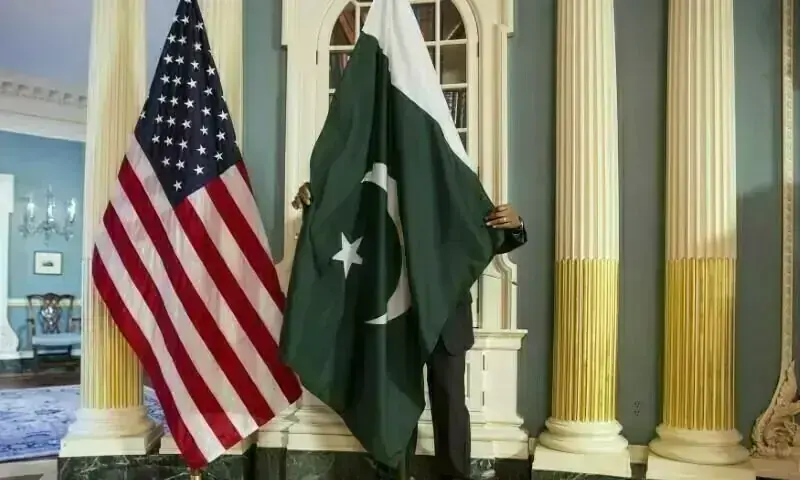
The US Trade Representative has proposed new duties targeting 60 economies, including Pakistan and India, for alleged failures to act against forced labour, as the Trump administration seeks to rebuild its tariff agenda following legal setbacks.

The proposed tariffs range from 10 per cent to 12.5pc, according to a government filing, and they will undergo a public comment period before a final decision is made.

The move comes months after Washington launched investigations into trading partners, including China, the European Union (EU) and Japan.

The probes looked into whether they took action against the import of goods made with forced labour, and if this impacted US commerce.

On Tuesday, the USTR said that 54 of the economies “failed to impose and effectively enforce a forced labour import prohibition”.

This group includes China, Vietnam, Taiwan, the United Kingdom and India.

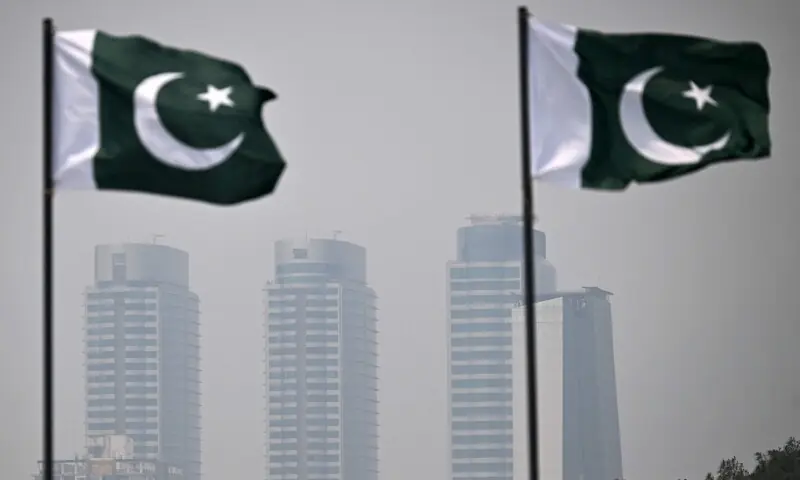
Six other economies — Canada, Ecuador, the EU, Indonesia, Mexico and Pakistan — were deemed not to have effectively enforced such prohibitions.

“The failure of our most important trading partners to address the importation of goods made with forced labour is unacceptable,” USTR Jamieson Greer said in a statement.

“This creates a dynamic where American workers are forced to compete globally on an unlevel playing field,” he added.

“We will no longer tolerate this disparity,” he said, adding that “each of our trading partners must do more to ensure that trade does not perversely encourage and entrench forced labour globally”.

The USTR said it determined that it would impose 10pc duties related to the forced labour investigation on imports from Canada, Ecuador, the EU, Indonesia, Mexico, Pakistan, Argentina, Bangladesh, Cambodia, El Salvador, Guatemala, Indonesia, Malaysia, Taiwan and Britain.

The trade agency said it would impose additional duties of 12.5pc on the remaining 45 countries that it investigated.

But the proposed tariffs come with various exemptions such as beef, coffee and certain fruits and nuts.

Goods from Canada and Mexico that comply with a North American free trade pact will also be exempt — as will certain textiles and apparel.

The public is invited to provide written comments by July 6, and the USTR will subsequently hold hearings.

The announcement comes ahead of the July 24 expiration of a 10pc temporary tariff imposed by the Trump administration on February 20, the day the Supreme Court struck down US President Donald Trump’s tariffs under the International Emergency Economic Powers Act.

‘Unjustified’

Following the latest tariff proposal, China said on Wednesday it opposed all forms of “unilateral” tariffs and denied allegations of forced labour.

“There is no so-called forced labour in China, and we oppose using this as an excuse for political manipulation,” Mao Ning, a spokesperson for China’s foreign ministry, said at a regular press briefing.

Meanwhile, the European Commission said the tariffs proposed by the US were unjustified and reiterated its commitment to the trade deal sealed with Washington last year.

“The EU considers tariffs imposed on these grounds to be unjustified,” a spokesperson said. “On the EU side, we are on track to ensure implementation of our Joint Statement tariff commitments by the end of June.”

The Swiss government also rejected US findings on how dozens of economies, including Switzerland, deal with goods produced by forced labour.

The Swiss economy ministry said US industry was not being harmed by Switzerland’s practices, and that it had already set out its position on the issue to US authorities.
  •  

At least 18 foreign nationals among 21 killed in Delhi hotel fire

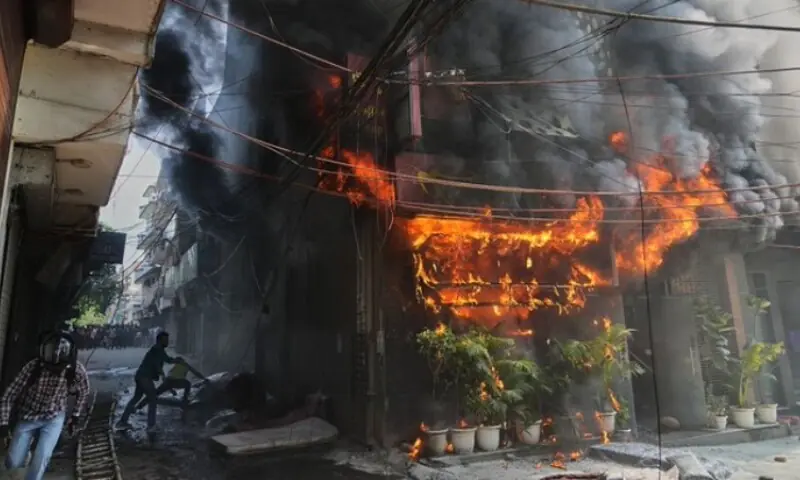
At least 21 people, including 18 foreign nationals, were killed in a fire at a hotel in New Delhi on Wednesday, police and broadcaster CNN-News18 said, in one of the worst such incidents in the national capital since 2022. The dead included people from Bangladesh, Nigeria, Mozambique and Liberia, the broadcaster said.

Building fires are common in India due to a lack of firefighting equipment and routine disregard for safety regulations.

The fire broke out in the morning at Flourish Stay, a bed-and-breakfast in a congested neighbourhood in the south of the city, Delhi Police said in a statement.

“It is with profound sorrow that 21 persons have been declared dead in this tragic incident,” the force said.

Reuters could not immediately confirm the nationalities of the victims. Several people had jumped out of the burning building in South Delhi’s Malviya Nagar to escape the flames, witnesses said, with residents dragging mattresses from a nearby store to try to break their fall.

“People spread mattresses, and a woman from the third floor jumped on it with a little kid,” witness Sher Khan said.

Television footage showed two people jumping from a higher floor of the building as it was engulfed in flames, with smoke billowing out.

Local people who helped in the initial rescue said the fire broke out on the ground and first floors of the four-storey building, trapping those on higher floors.

“There is a mattress shop here … We took the mattresses from there and laid them on the road to help those who were jumping out of the building,” Wasim Raja, a local resident, told news agency ANI.

The police force said rescue and search operations were continuing, with more than 40 people taken to nearby hospitals for treatment.

The blaze was eventually brought under control with the help of eight fire engines, police said.

“All concerned agencies remain deployed at the spot to ensure every possible assistance to those affected,” the force added.

Prime Minister Narendra Modi called the incident “tragic”.

“My condolences to those who have lost their loved ones,” his office said in a statement on X.

The cause of the fire was not immediately clear.

Electrical short circuits, often caused by poorly maintained wiring, remain the leading cause of fire incidents in India.

In March, a fire at a government-run hospital in eastern India killed at least 10 critically ill patients.

  •  

Israel, Iran trade fire despite Trump's call for restraint

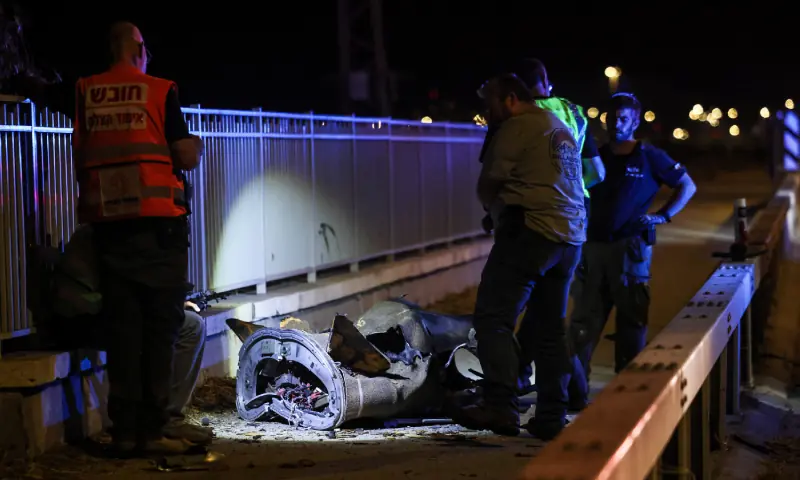
Israel and Iran traded fire on Monday, seriously testing a fragile truce and threatening hopes for a deal to end the Middle East war.

The new attacks, including a strike on an Iranian petrochemical complex, came hours after US President Donald Trump called on Israel to refrain from retaliating against Tehran’s missiles.

Iran’s Islamic Revolutionary Guard Corps (IRGC) said Tehran retaliated for the strike on its petrochemical complex by attacking similar industrial targets in Israel’s Haifa.

AFP journalists in Jerusalem heard a series of explosions as they took shelter and the Israeli army said it worked to intercept a new wave of Iranian missiles.

The retaliation followed Israel saying it fired on western and central Iran, tit-for-tat action against Tehran’s strikes on Sunday of 11 missiles, all of which were intercepted, with no casualties.

Israel’s military and Iranian local media said Monday that Israel struck a petrochemical company in Mahshahr in southwestern Iran.

Trump had sought to rein in Israeli Prime Minister Benjamin Netanyahu, as Israel accused Tehran of making a “grave mistake”.

Trump has also said new strikes by Israel and Iran would not affect his administration’s peace talks with Tehran, adding that Israeli Prime Minister Benjamin Netanyahu “doesn’t call the shots.”

He has leaned on Israel to stop its attacks in Lebanon to allow room for a deal to end the wider war with Iran, including rebuking Netanyahu with obscenities in a phone call last week.

However, earlier on Sunday, Israel launched strikes in the Beirut area for the first time since the US announced a truce plan for Lebanon last week.

Iran fired a salvo of missiles at Israeli targets in retaliation, putting US-Iran peace talks at risk. But Trump insisted that an agreement to end the wider war remained well within reach.

“It’s not going to have any impact on the deal,” Trump told the Financial Times. “I call the shots. I call all the shots. He (Netanyahu) doesn’t call the shots.”

A few hours later, Israel’s defence forces said they had struck Iranian military targets.

Iran’s Revolutionary Guards said Israel used air-launched ballistic missiles in its attacks.

“Everyone has had enough of this maniacal Iranian regime,” Israel’s ambassador to the United States, Yechiel Leiter, said on X, adding that Iran had fired 11 ballistic missiles at Israel. “No self-respecting country in the world would tolerate such an attack, and neither will Israel,” he said, adding that Israel was targeting Iran’s surface-to-surface missile launch sites and infrastructure facilities unrelated to the energy sector.

The latest hostilities drove oil prices up more than three per cent in early trading on Monday, with benchmark Brent futures back above $96 a barrel.

Iran’s Revolutionary Guards said they had targeted Ramat David air base, near Nazareth. The Israeli military said it identified missiles launched from Iran and its defence systems had intercepted them. As air raid sirens sounded in Tel Aviv, according to a Reuters witness, the Israeli military added it had identified the launch of a missile from Yemen toward its territory with aerial defence systems activated to intercept the threat.

The attack is also the first from Yemen on Israel since the April 8 truce.

Trump urges Netanyahu

Trump spoke with Netanyahu by telephone from his golf club in Bedminster, New Jersey, for a little less than half an hour on Sunday, an Israeli official said, without giving details.

The White House and the Israeli prime minister’s office did not immediately respond to requests for comment.

Trump told Netanyahu during the call to refrain from further strikes because “we are close to doing something good in terms of a deal,” according to a US official quoted by Axios.

In a separate interview with Fox News, Trump said: “What I would suggest to Iran: You’ve shot your missiles, that’s enough, get back to the table and make a deal.”

Since the start of the talks, Israel has kept up attacks in Lebanon in a conflict with Hezbollah that Israeli officials insist should be treated separately from any Iran ceasefire. Tehran has long said any peace deal with the US would depend on a ceasefire also holding in Lebanon, which Israel invaded in March.

Iran’s chief peace negotiator, Parliamentary Speaker Mohammed Baqer Qalibaf, said US bases and Israeli assets were legitimate targets because of hostile acts, including the “violation of agreements over Lebanon.”

Before Sunday, Iran had not attacked Israel since a ceasefire in the wider war started in April, although Hezbollah had done so.

Trump has repeatedly insisted that Washington and Tehran were close to an agreement on ending the war.

“We’re very close to a deal, or I’m going to blow the hell out of them,” Trump told NBC News’ ‘Meet the Press’ in a recorded interview that aired on Sunday to mark 100 days of the conflict.

Trump wants no attacks in Lebanon

Israel has never halted its Lebanon campaign, which has killed thousands of people and driven hundreds of thousands more from their homes.

Hezbollah, which kept out of truce talks, has also continued its attacks and says it will not give up its weapons unless Israel halts its attacks and withdraws from Lebanon.

Netanyahu said Israel’s Sunday strikes on Beirut’s southern outskirts, a district known as Dahiyeh and a longtime Hezbollah stronghold, were ordered in response to Hezbollah firing toward Israel.

The wider war has been stalled since the US and Israel paused attacks on Iran in early April, with Tehran blocking most shipping through the Strait of Hormuz, the main transit route for a fifth of the world’s crude oil and liquefied natural gas.

Washington has imposed its own blockade of Iranian ports.

Though Washington and Tehran have said they are close to a preliminary deal to reopen the strait, they have repeatedly traded strikes, with escalations in recent days that included attacks on nearby Arab states hosting US bases.

Trump has said any agreement to end the war must prevent Iran from developing a nuclear weapon, and he is under pressure to deliver terms tougher than those agreed in 2015 under then-President Barack Obama in a deal Trump later repudiated.

Tehran’s demands include the lifting of US and international sanctions, recognition of its sway over the strait and the release of billions of dollars in frozen assets.

  •  

In pictures: 'Cockroaches' descend on New Delhi as party of social media fame stages protest

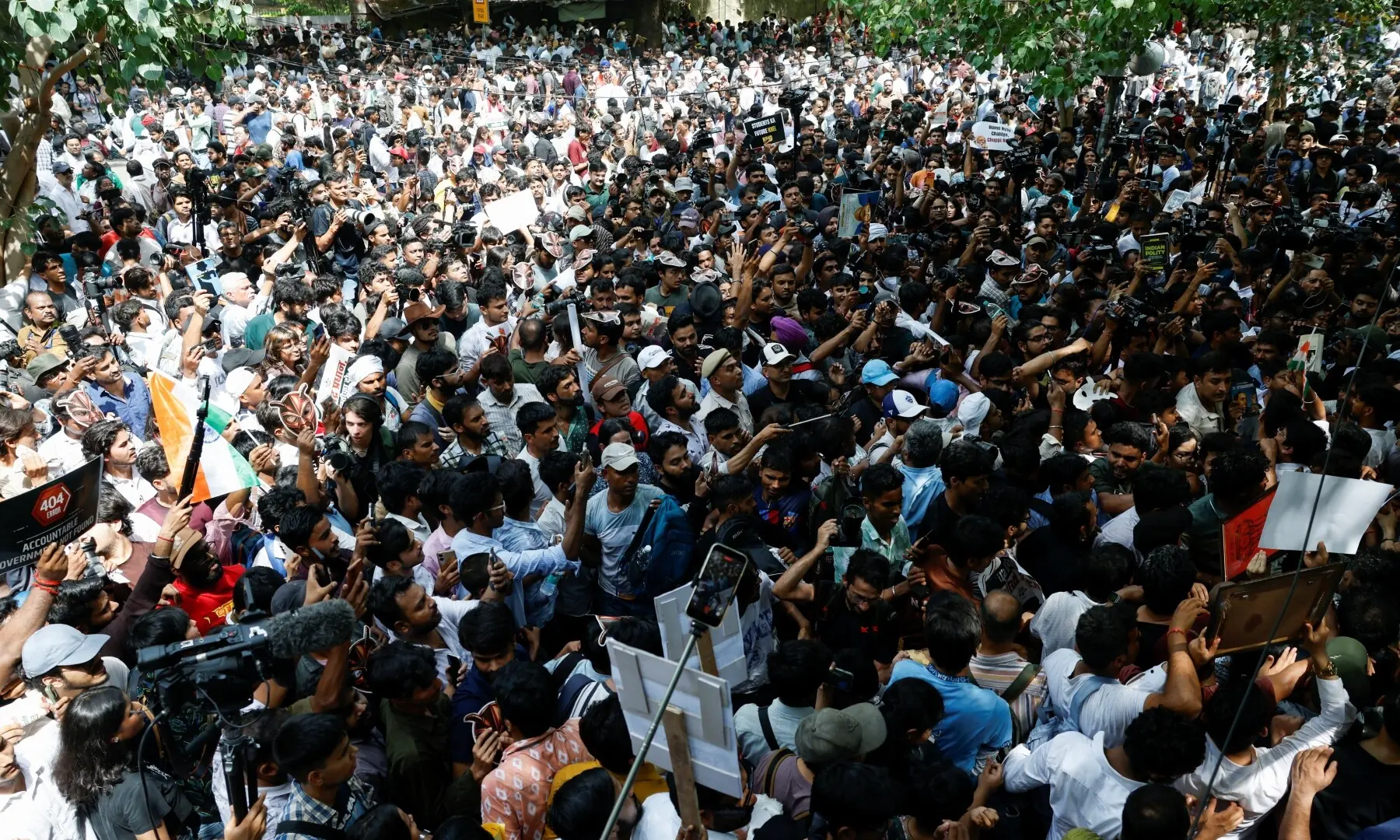
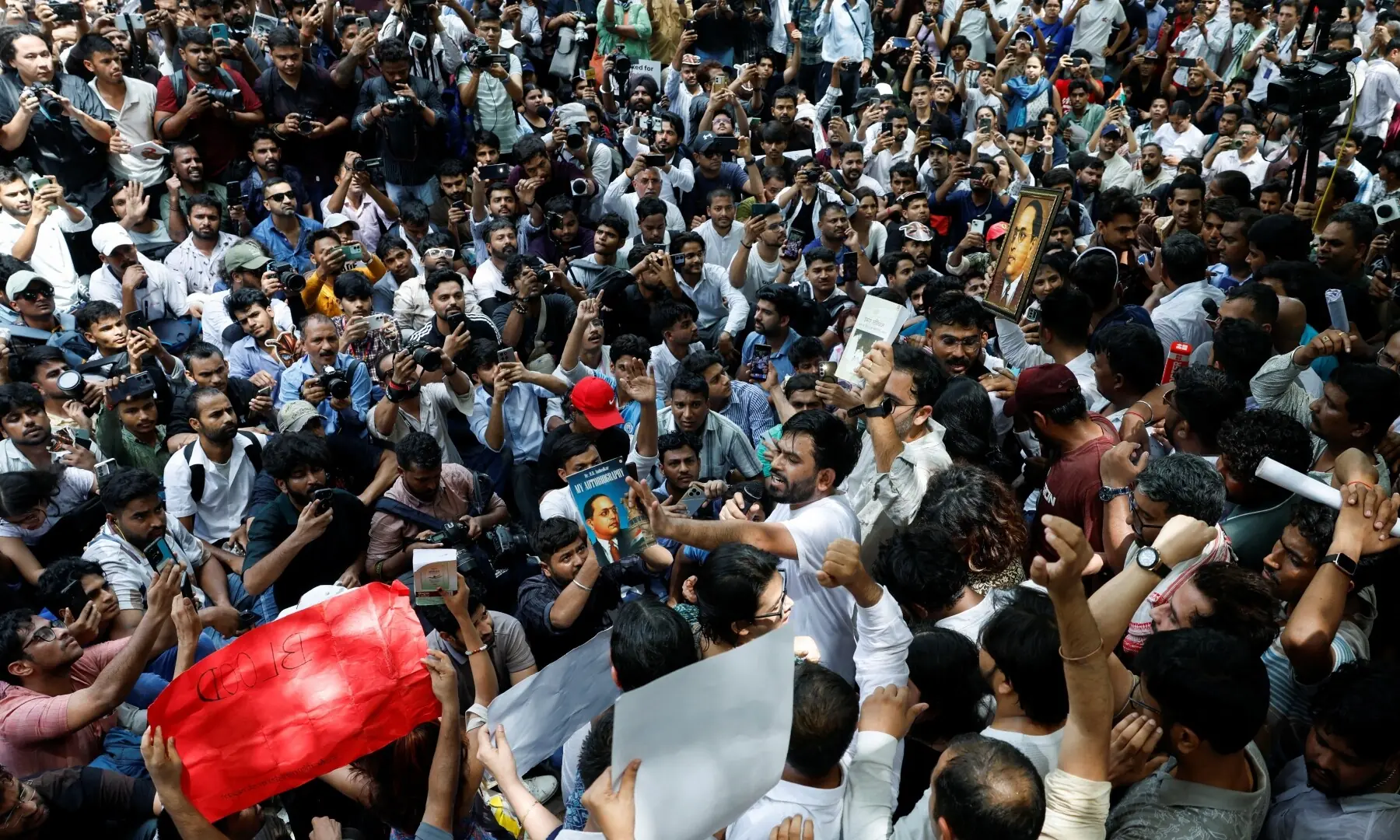
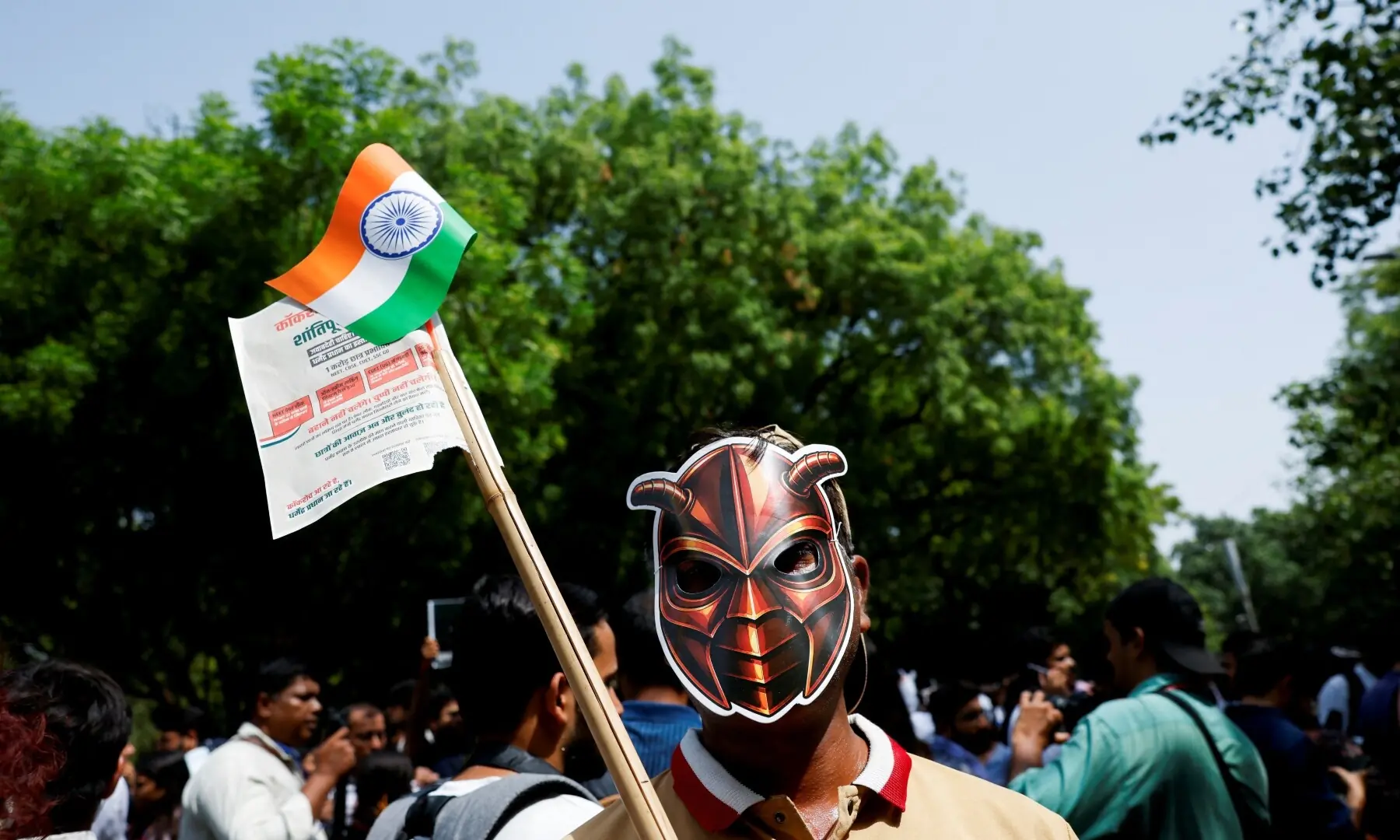
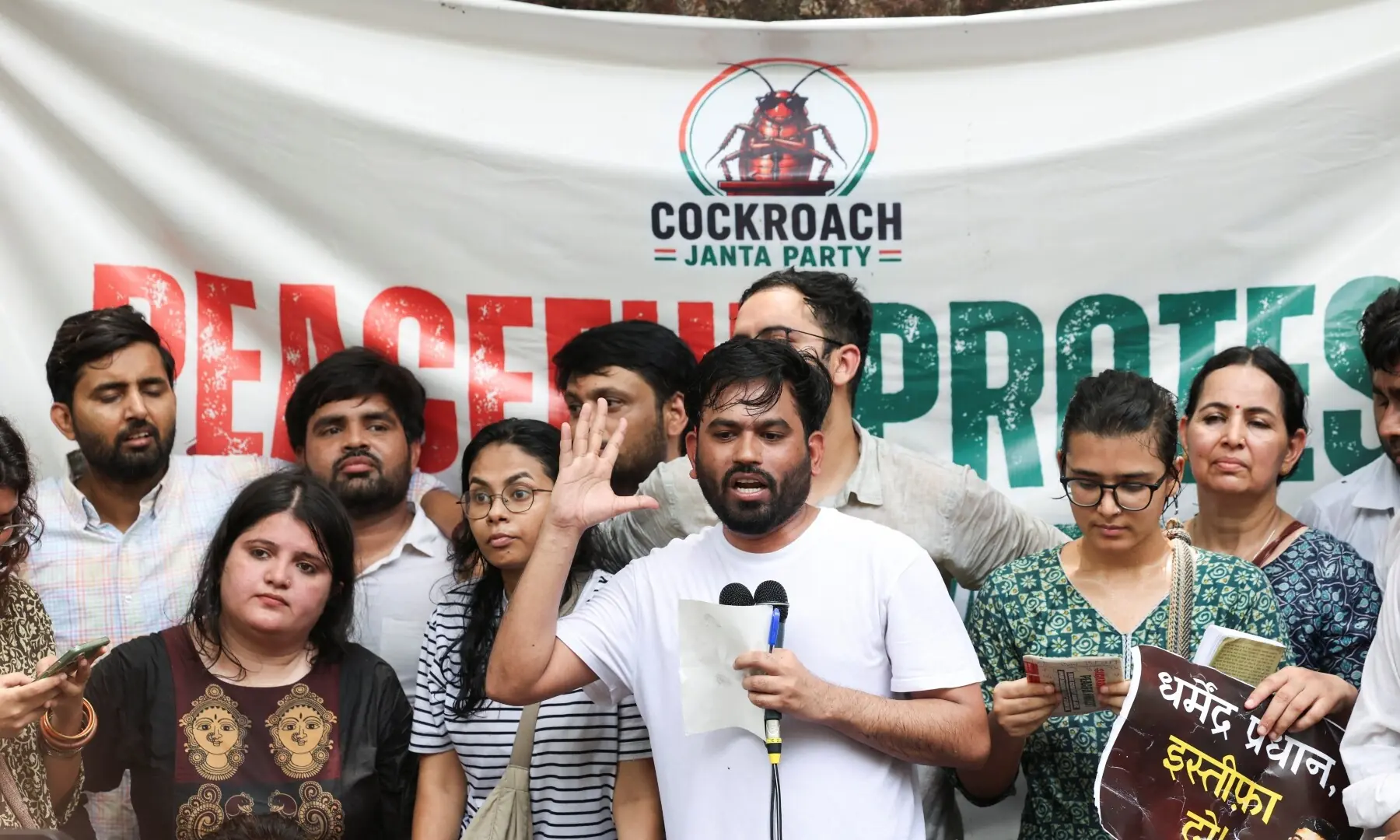
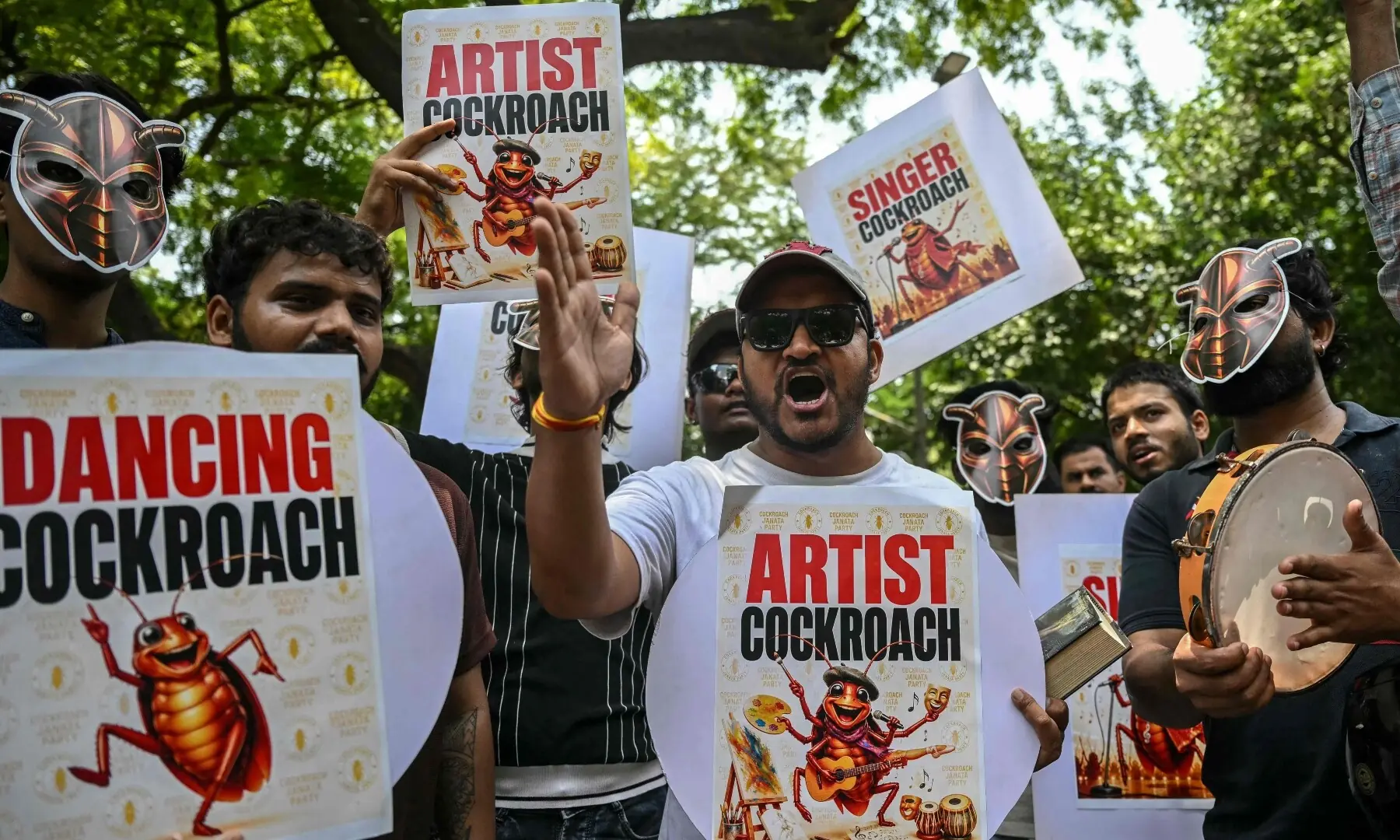
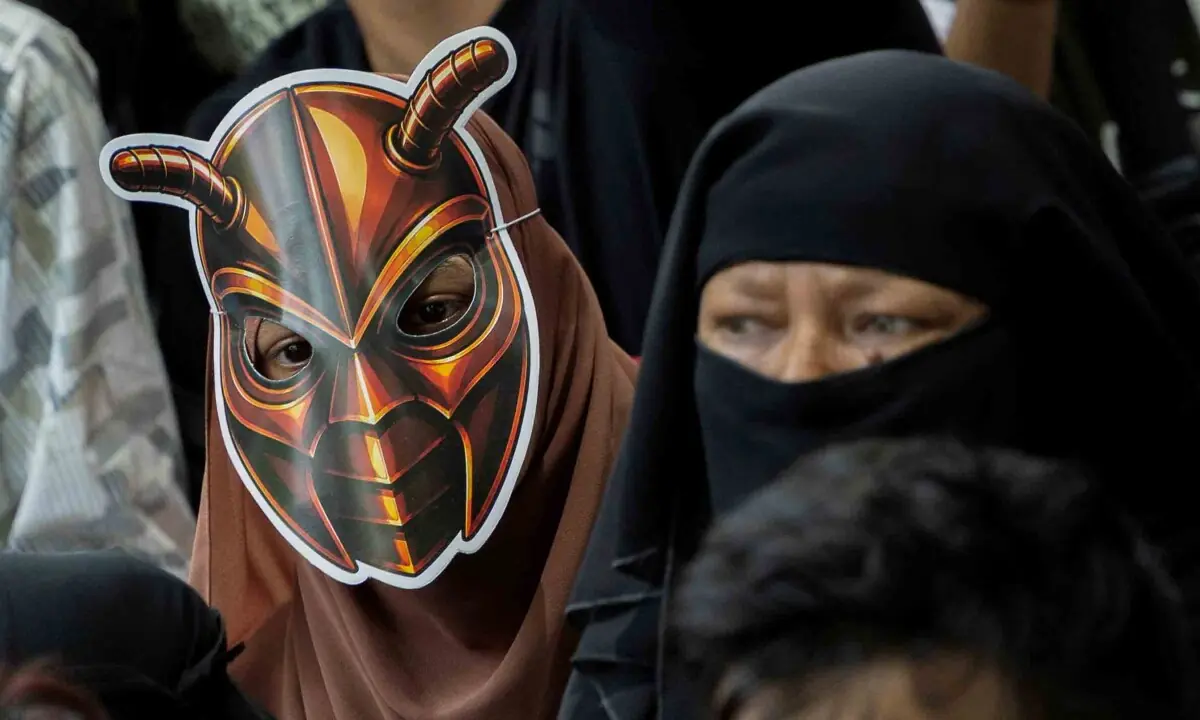
Young students gathered in New Delhi on Saturday for the first street protest by the satirical “Cockroach Janta Party” (CJP) over alleged irregularities in recent major examinations.

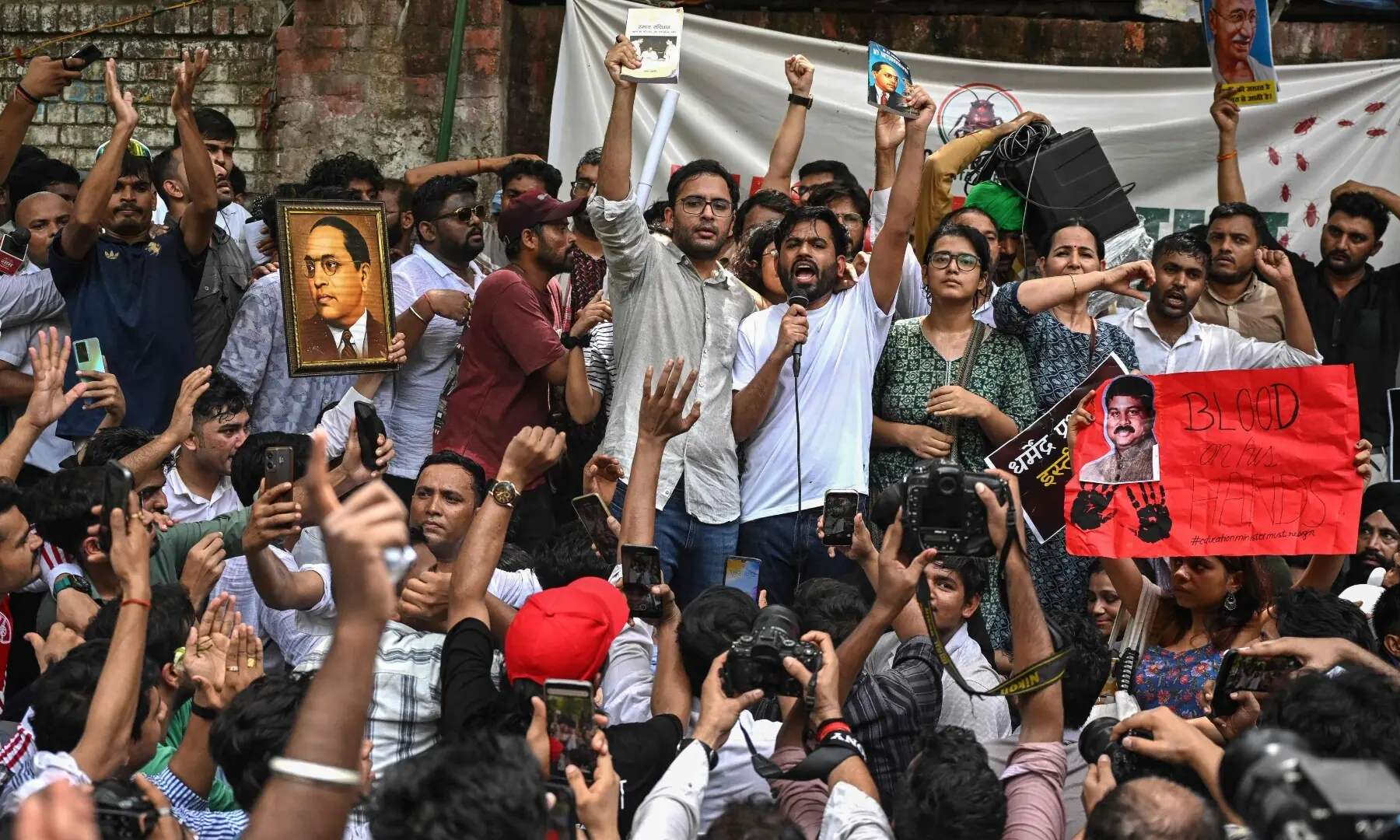
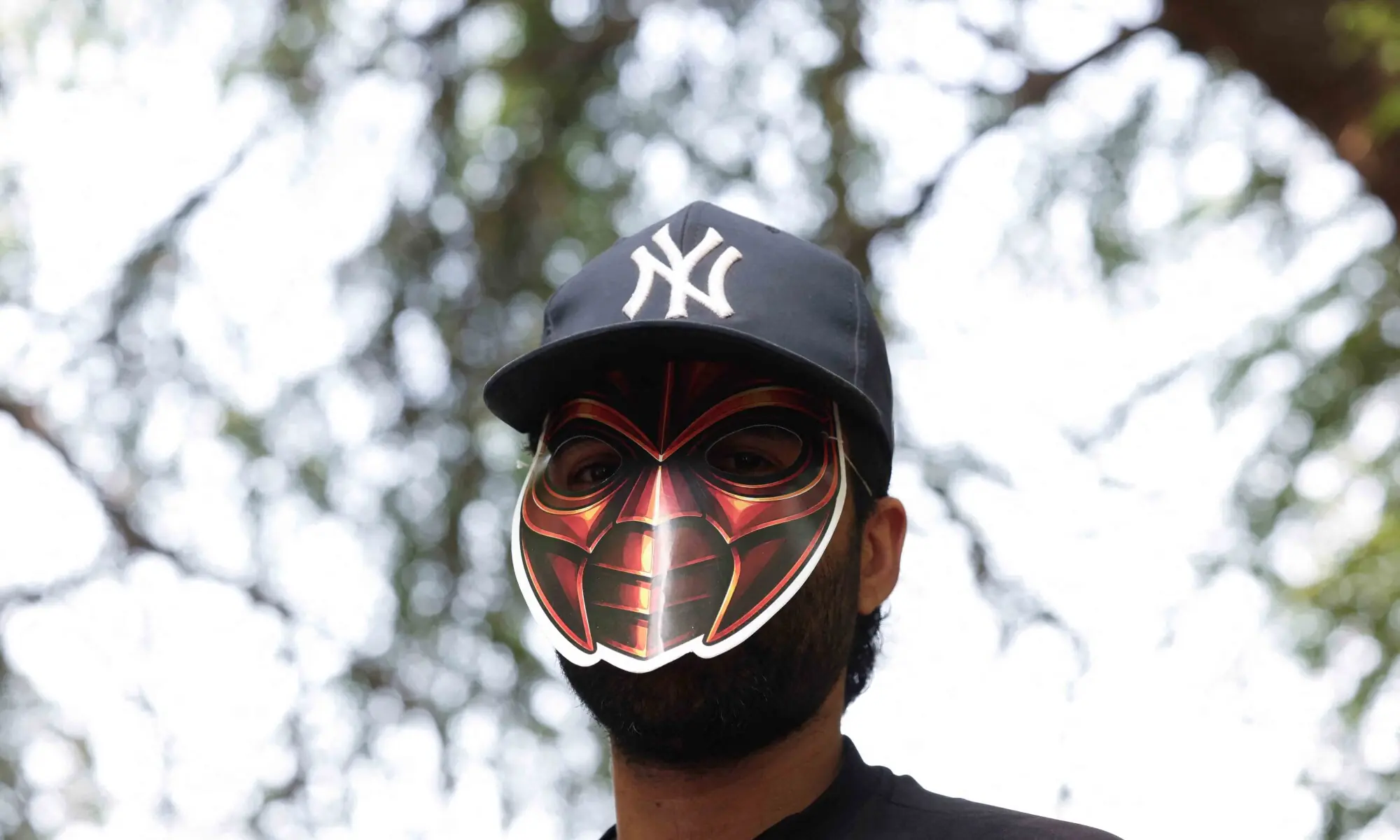
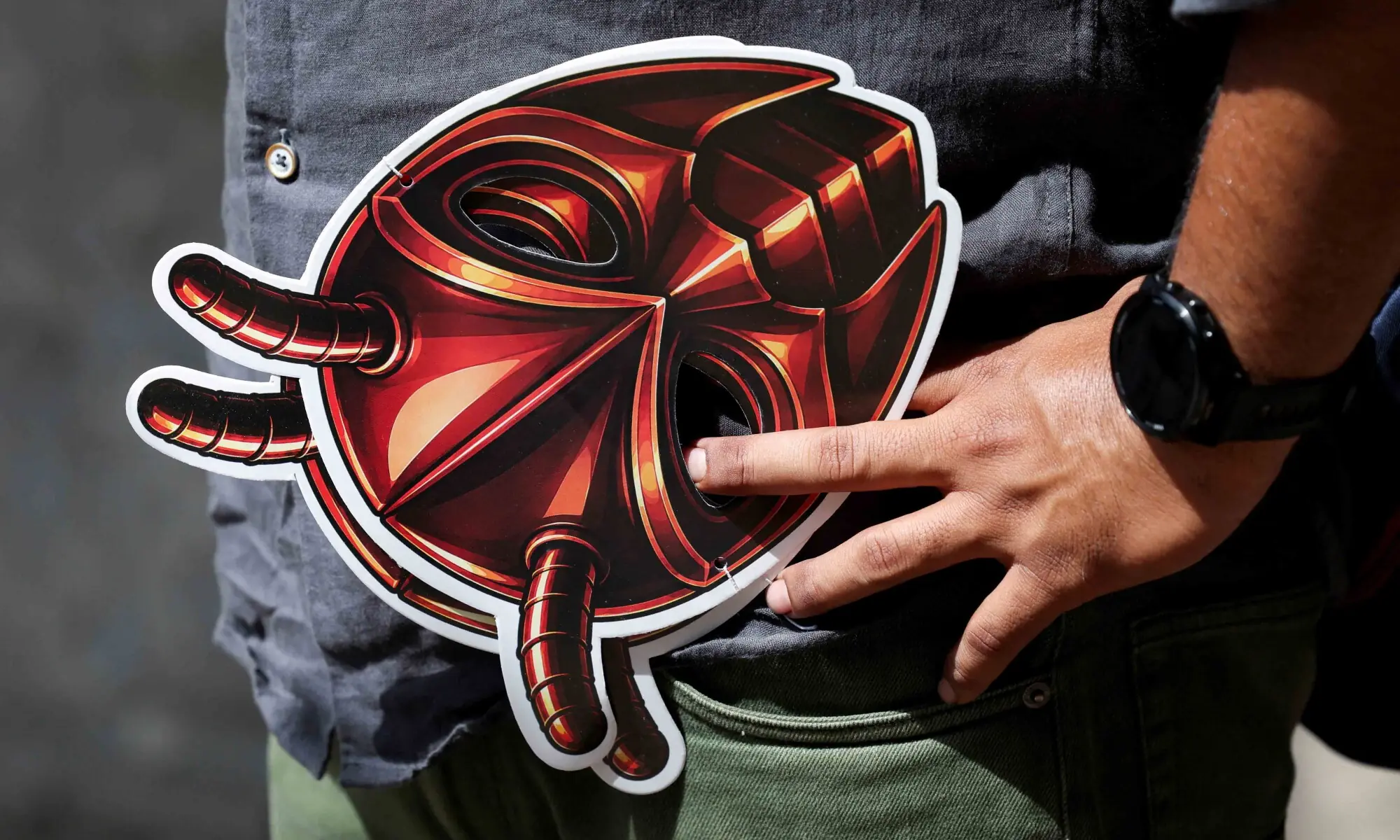
Carrying paper cockroach masks and pamphlets, the protesters called for the resignation of Education Minister Dharmendra Pradhan who has faced criticism over the irregularities, including question paper leaks and technical glitches.

The CJP has garnered millions of followers on social media since its launch last month.

Modi’s government has blocked the movement’s X account in the country, a move the CJP has challenged in a Delhi court.

Political analysts say the group’s popularity has begun to dent Modi’s image despite his party’s recent victories in key state elections, even as wider frustration grows over rising fuel prices and gas shortages brought by the Iran war.

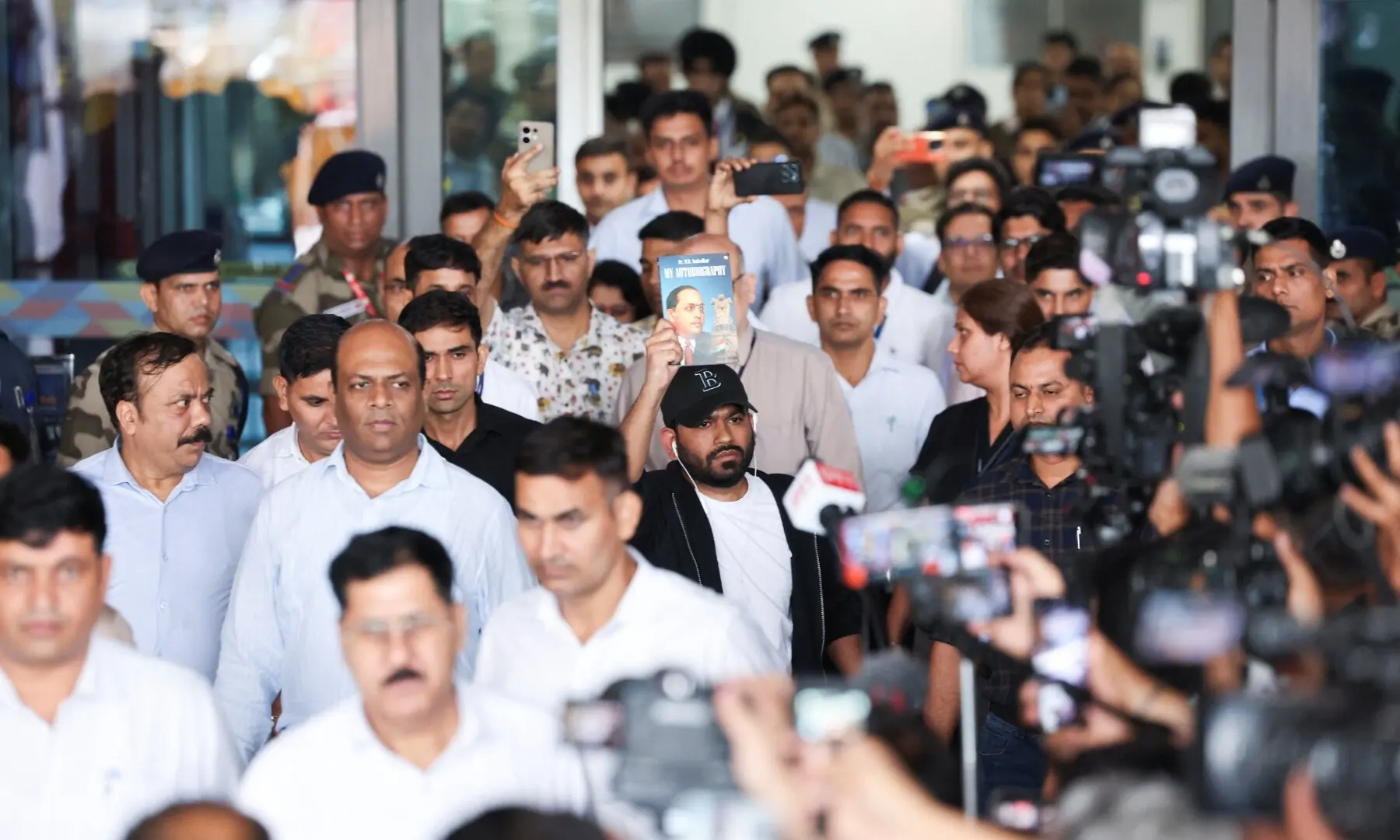
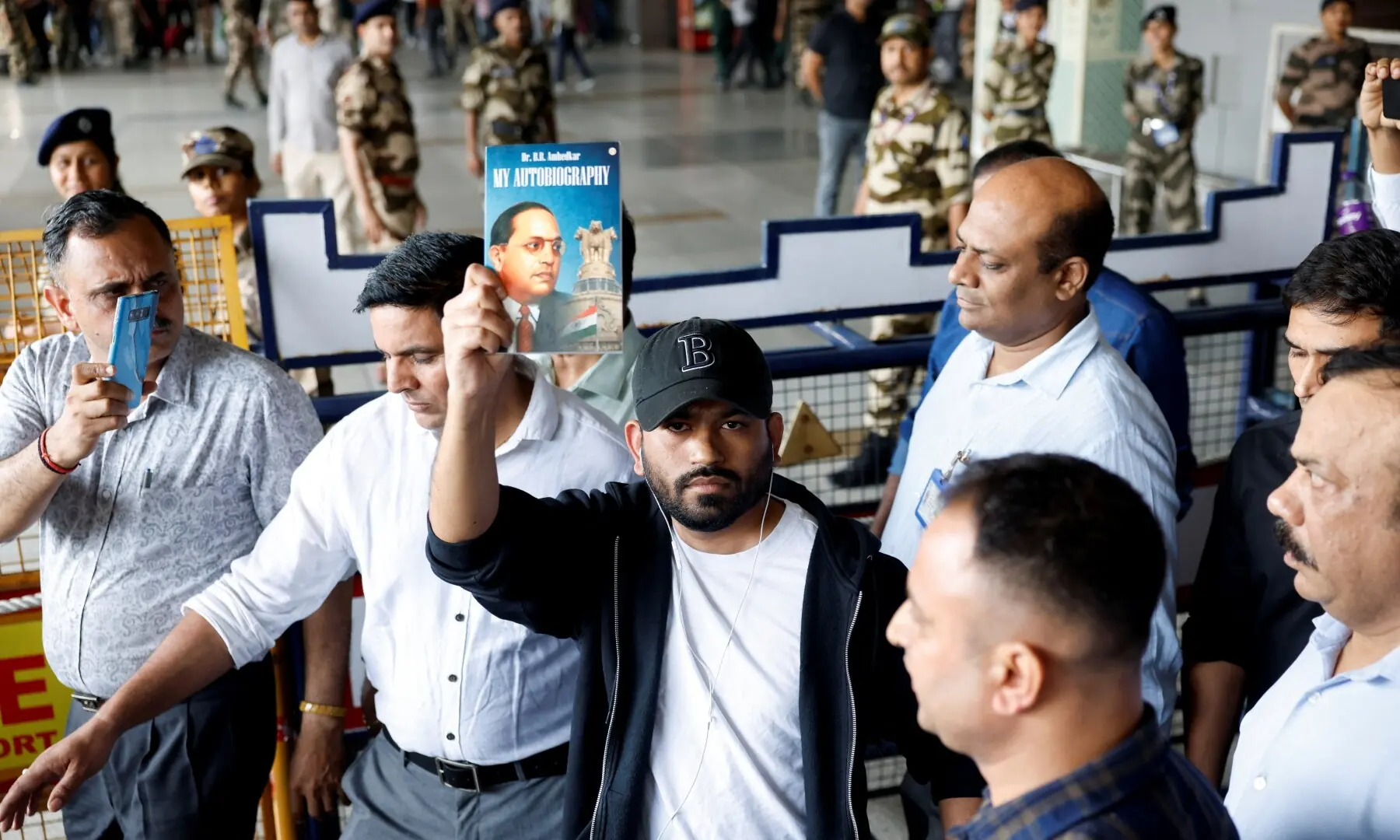
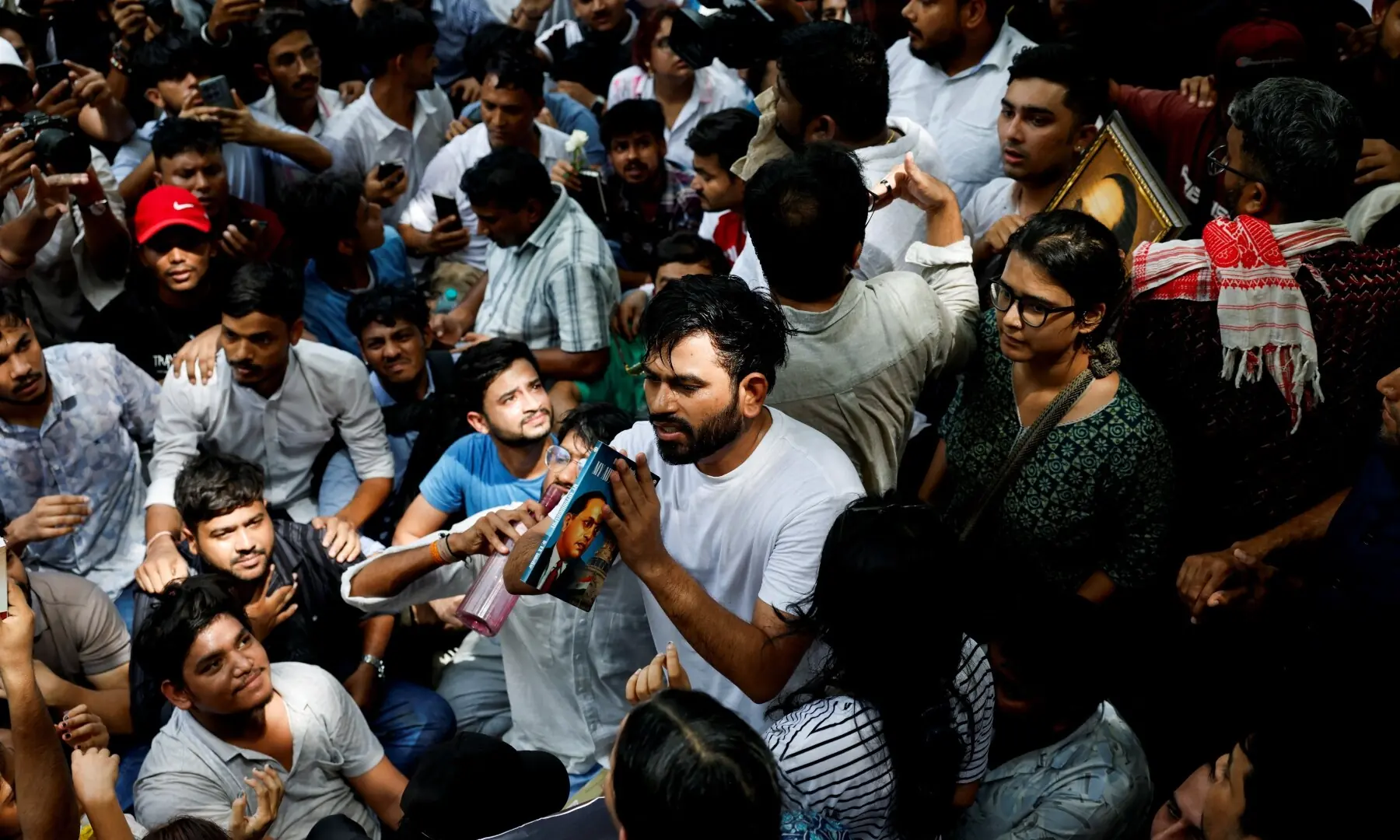
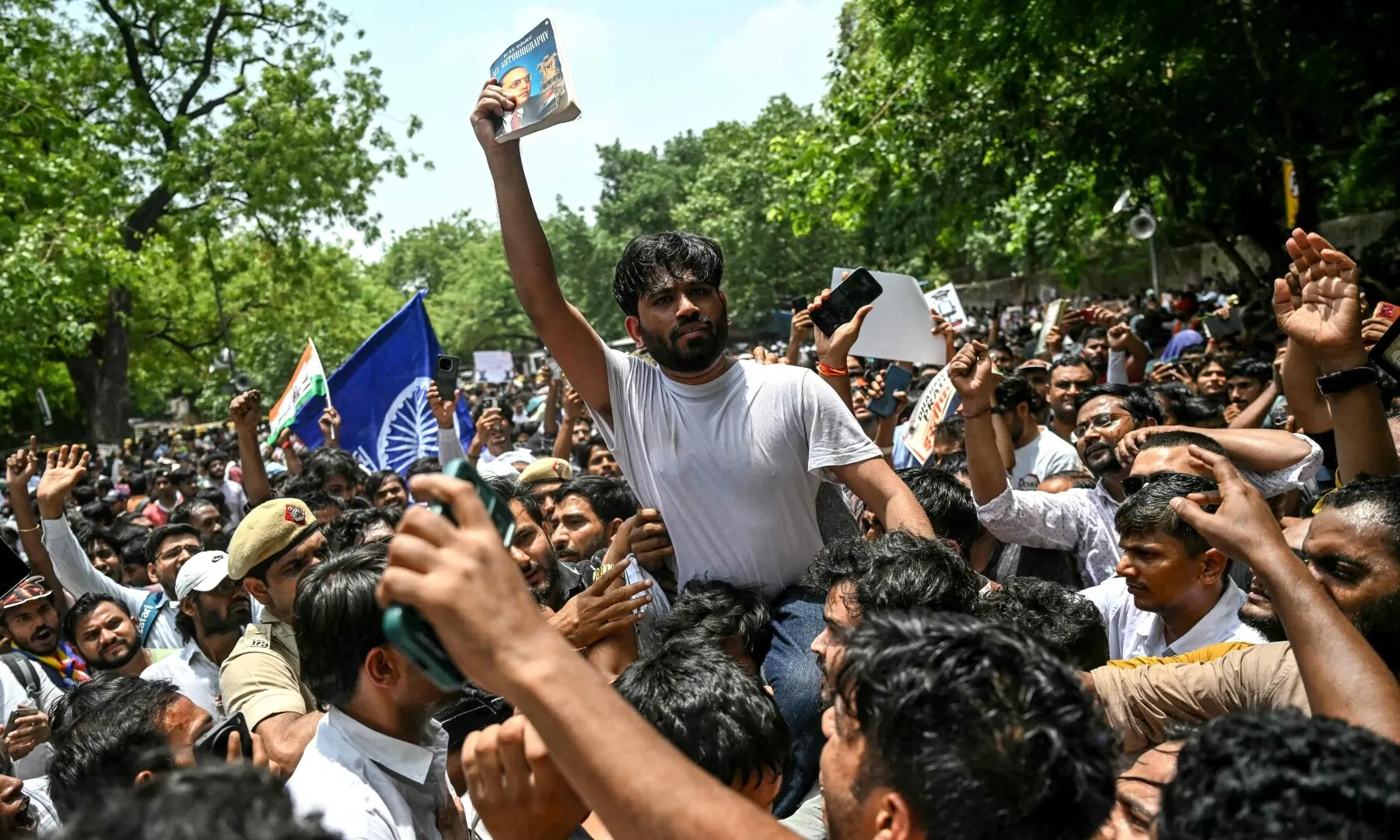
 Abhijeet Dipke, head of the Cockroach Janta Party (CJP), holds a copy of “My Autobiography” by Dr. B. R. Ambedkar as he gestures towards his supporters upon his arrival at an airport in New Delhi, India on June 6, 2026. —Reuters
Abhijeet Dipke, head of the Cockroach Janta Party (CJP), holds a copy of “My Autobiography” by Dr. B. R. Ambedkar as he gestures towards his supporters upon his arrival at an airport in New Delhi, India on June 6, 2026. —Reuters
 Abhijeet Dipke, head of the Cockroach Janta Party (CJP), holds a copy of “My Autobiography” by Dr. B. R. Ambedkar upon his arrival at an airport in New Delhi, India, June 6, 2026. —Reuters
Abhijeet Dipke, head of the Cockroach Janta Party (CJP), holds a copy of “My Autobiography” by Dr. B. R. Ambedkar upon his arrival at an airport in New Delhi, India, June 6, 2026. —Reuters
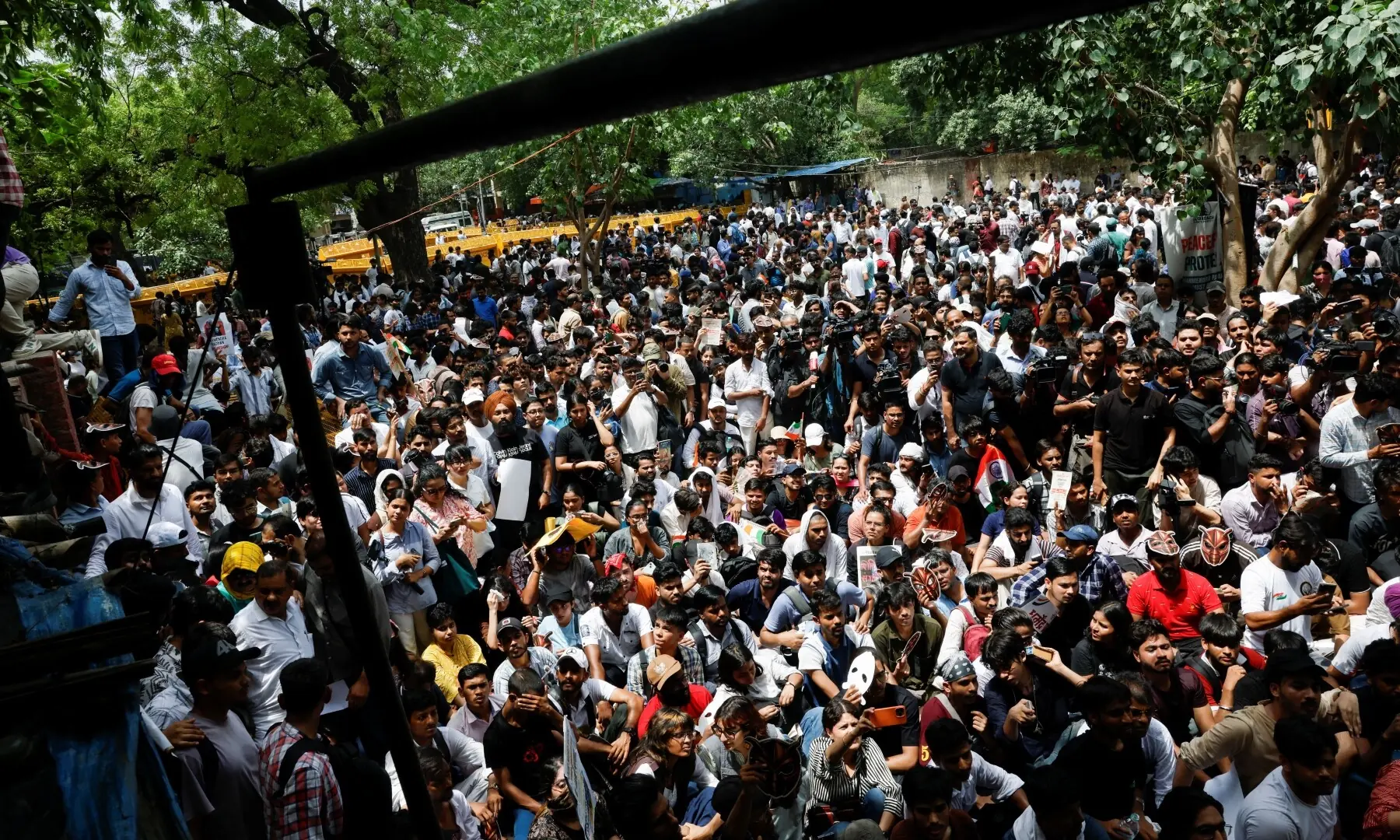
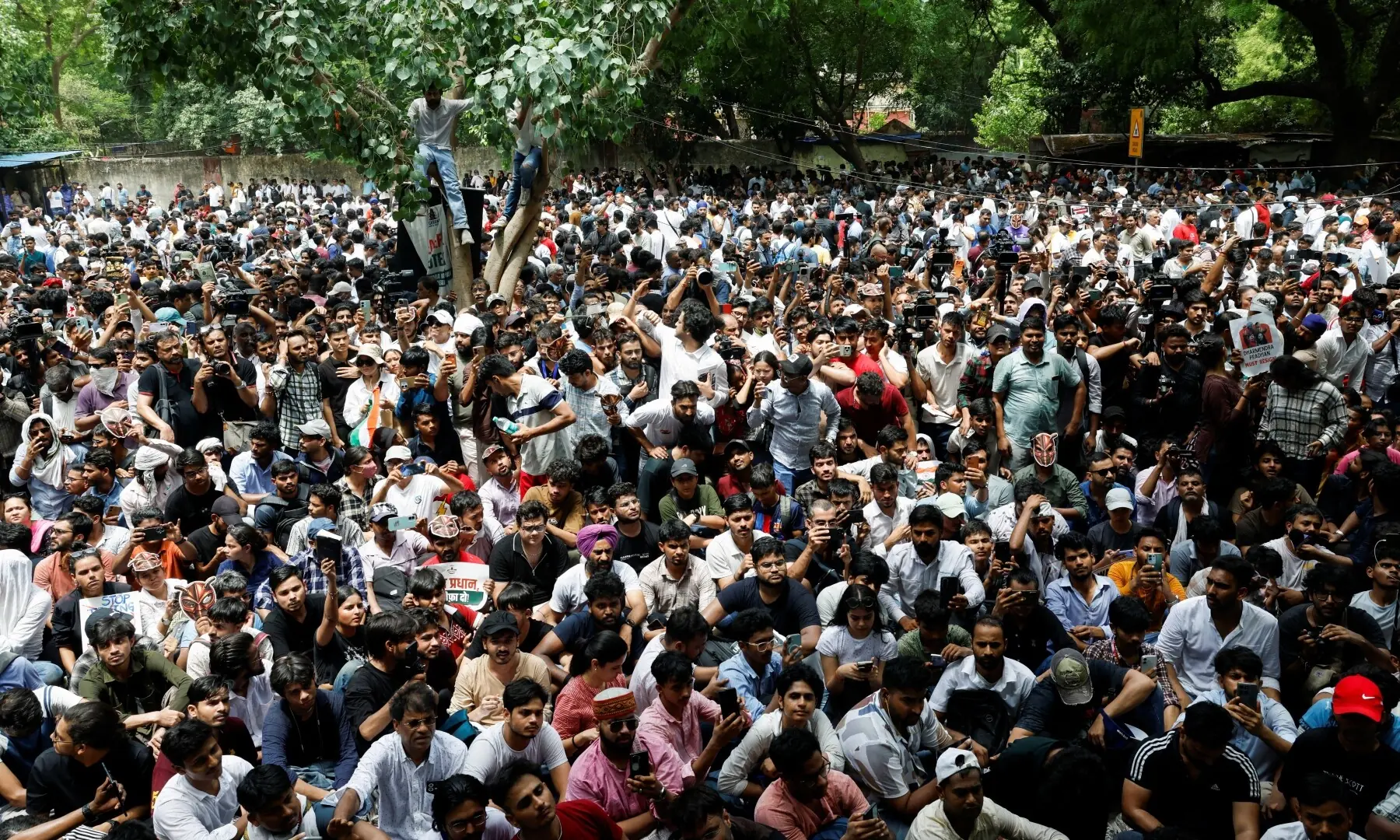
 Supporters of the Cockroach Janta Party (CJP) gather during a sit-in protest demanding the resignation of Indian Education Minister Dharmendra Pradhan, in New Delhi, India on June 6, 2026. —Reuters
Supporters of the Cockroach Janta Party (CJP) gather during a sit-in protest demanding the resignation of Indian Education Minister Dharmendra Pradhan, in New Delhi, India on June 6, 2026. —Reuters
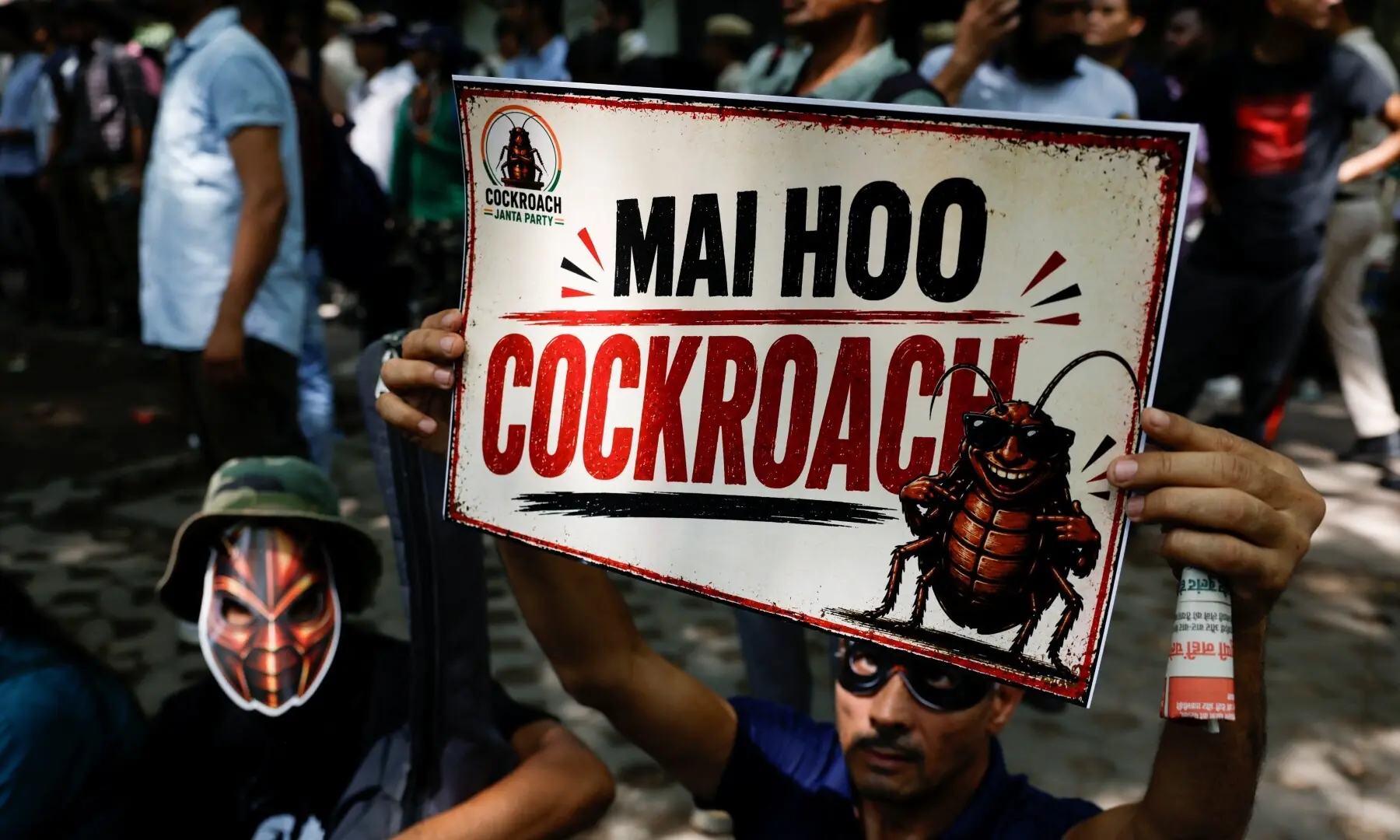
 A person wearing a mask holds a poster which reads “I am a Cockroach”, as supporters of the Cockroach Janta Party (CJP) await the arrival of Abhijeet Dipke, head of the CJP, on the day of a sit-in protest demanding the resignation of Indian Education Minister Dharmendra Pradhan, in New Delhi, India on June 6, 2026. —Reuters
A person wearing a mask holds a poster which reads “I am a Cockroach”, as supporters of the Cockroach Janta Party (CJP) await the arrival of Abhijeet Dipke, head of the CJP, on the day of a sit-in protest demanding the resignation of Indian Education Minister Dharmendra Pradhan, in New Delhi, India on June 6, 2026. —Reuters
 Supporters of the Cockroach Janta Party (CJP) gather during a sit-in protest demanding the resignation of Indian Education Minister Dharmendra Pradhan, in New Delhi, India on June 6, 2026. —Reuters
Supporters of the Cockroach Janta Party (CJP) gather during a sit-in protest demanding the resignation of Indian Education Minister Dharmendra Pradhan, in New Delhi, India on June 6, 2026. —Reuters
 Abhijeet Dipke, head of the Cockroach Janta Party (CJP), speaks to supporters of the CJP during a sit-in protest demanding the resignation of Indian Education Minister Dharmendra Pradhan, in New Delhi, India on June 6, 2026. —Reuters
Abhijeet Dipke, head of the Cockroach Janta Party (CJP), speaks to supporters of the CJP during a sit-in protest demanding the resignation of Indian Education Minister Dharmendra Pradhan, in New Delhi, India on June 6, 2026. —Reuters
 Cockroach Janta Party (CJP) founder Abhijeet Dipke (C, right) shouts slogans during a protest over alleged irregularities in the country’s major examinations, in New Delhi on June 6, 2026. —AFP
Cockroach Janta Party (CJP) founder Abhijeet Dipke (C, right) shouts slogans during a protest over alleged irregularities in the country’s major examinations, in New Delhi on June 6, 2026. —AFP
 Abhijeet Dipke, head of the Cockroach Janta Party (CJP), requests supporters to maintain peace during a sit-in protest demanding the resignation of Indian Education Minister Dharmendra Pradhan, in New Delhi, India on June 6, 2026. —Reuters
Abhijeet Dipke, head of the Cockroach Janta Party (CJP), requests supporters to maintain peace during a sit-in protest demanding the resignation of Indian Education Minister Dharmendra Pradhan, in New Delhi, India on June 6, 2026. —Reuters
 A person wears a cockroach themed mask, as supporters of the Cockroach Janta Party (CJP) await the arrival of Abhijeet Dipke, head of the CJP, on the day of a sit-in protest demanding the resignation of Indian Education Minister Dharmendra Pradhan, in New Delhi, India on June 6, 2026. —Reuters
A person wears a cockroach themed mask, as supporters of the Cockroach Janta Party (CJP) await the arrival of Abhijeet Dipke, head of the CJP, on the day of a sit-in protest demanding the resignation of Indian Education Minister Dharmendra Pradhan, in New Delhi, India on June 6, 2026. —Reuters
 Abhijeet Dipke, head of the Cockroach Janta Party (CJP), speaks to supporters of the CJP during a sit-in protest demanding the resignation of Indian Education Minister Dharmendra Pradhan, in New Delhi, India on June 6, 2026. —Reuters
Abhijeet Dipke, head of the Cockroach Janta Party (CJP), speaks to supporters of the CJP during a sit-in protest demanding the resignation of Indian Education Minister Dharmendra Pradhan, in New Delhi, India on June 6, 2026. —Reuters
 A person wears a cockroach themed mask, as supporters of the Cockroach Janta Party (CJP) await the arrival of Abhijeet Dipke, head of the CJP, on the day of a sit-in protest demanding the resignation of Indian Education Minister Dharmendra Pradhan, in New Delhi, India, June 6, 2026. — Reuters
A person wears a cockroach themed mask, as supporters of the Cockroach Janta Party (CJP) await the arrival of Abhijeet Dipke, head of the CJP, on the day of a sit-in protest demanding the resignation of Indian Education Minister Dharmendra Pradhan, in New Delhi, India, June 6, 2026. — Reuters
 Cockroach Janta Party (CJP) founder Abhijeet Dipke (C) takes part in a protest over alleged irregularities in the country’s major examinations, in New Delhi on June 6, 2026. —AFP
Cockroach Janta Party (CJP) founder Abhijeet Dipke (C) takes part in a protest over alleged irregularities in the country’s major examinations, in New Delhi on June 6, 2026. —AFP
 Cockroach Janta Party (CJP) supporters shout slogans during a protest over alleged irregularities in the country’s major examinations, in New Delhi on June 6, 2026. —AFP
Cockroach Janta Party (CJP) supporters shout slogans during a protest over alleged irregularities in the country’s major examinations, in New Delhi on June 6, 2026. —AFP
 Supporters of the Cockroach Janta Party (CJP) gather during a sit-in protest demanding the resignation of Indian Education Minister Dharmendra Pradhan, in New Delhi, India on June 6, 2026. —Reuters
Supporters of the Cockroach Janta Party (CJP) gather during a sit-in protest demanding the resignation of Indian Education Minister Dharmendra Pradhan, in New Delhi, India on June 6, 2026. —Reuters
 A person holds a cockroach themed mask, as supporters of the Cockroach Janta Party (CJP) await the arrival of Abhijeet Dipke, head of the CJP, on the day of a sit-in protest demanding the resignation of Indian Education Minister Dharmendra Pradhan, in New Delhi, India, June 6, 2026. — Reuters
A person holds a cockroach themed mask, as supporters of the Cockroach Janta Party (CJP) await the arrival of Abhijeet Dipke, head of the CJP, on the day of a sit-in protest demanding the resignation of Indian Education Minister Dharmendra Pradhan, in New Delhi, India, June 6, 2026. — Reuters

Header image: A girl wears a cockroach themed mask, as supporters of the Cockroach Janta Party (CJP) listens to Abhijeet Dipke, head of the CJP, during a sit-in protest demanding the resignation of Indian Education Minister Dharmendra Pradhan, in New Delhi, India, June 6, 2026. — Reuters

  •  
❌