
Reading view

Malaysia’s growing AI adoption raises questions about human skill development

  • MALAYSIA: Artificial intelligence is rapidly reshaping how work is done across Malaysia. From banking and customer service to administration and data analysis, AI tools are being deployed to improve efficiency, reduce costs, and accelerate decision-making. The economic benefits are clear. However, the more important question is not whether Malaysia should adopt AI, but whether it can do so without weakening the long-term development of its workforce.

  • At present, AI is not causing widespread job losses in Malaysia. Instead, it is quietly restructuring work. Routine and repetitive tasks are increasingly handled by AI systems. Jobs are not disappearing, but they are becoming more compressed, requiring less human input to produce the same output.

  • This is where the real concern begins.

  • Entry-level and junior roles are not merely production roles. They are developmental pathways where workers build competence through repetition, exposure, and problem-solving. If AI absorbs too many of these foundational tasks, the result is not immediate unemployment but the gradual erosion of “learning by doing.”

  • Over time, this can alter how talent is formed. Employees may become highly efficient users of AI-generated outputs without fully understanding the underlying processes. This raises concerns about weakening critical thinking, independent reasoning, and creative problem-solving, as suggested by emerging research, including studies associated with MIT.

  • These concerns are already visible in the workplace. One manager, speaking to The Independent Singapore, noted that many fresh graduates struggle with idea development and execution despite appearing strong in structured tasks. In fast-moving environments where strategic thinking and adaptability matter, the gap between idea generation and execution is becoming more evident.

  • Labour studies in Malaysia reinforce this trend. A significant share of jobs is exposed to AI-driven task automation. However, this does not translate into mass unemployment. Instead, it signals a deeper transformation where jobs are being reshaped rather than removed. The key risk lies in how this reshaping affects human capability over time.

  • A useful lesson can be drawn from countries such as Iran, where technology adoption follows a sovereignty-driven approach to artificial intelligence. Rather than passively relying on external systems, the focus is on building domestic capability, developing local infrastructure, and ensuring that AI integration aligns with national objectives. The principle is not rejection of technology, but governance of its impact and direction.

  • This is the distinction Malaysia must confront.

  • The challenge is not to resist AI, but to ensure it is integrated without hollowing out the learning function of work. AI should remove repetitive burden, not eliminate opportunities for skill formation. Workers must still be exposed to tasks that develop judgment, analytical thinking, and problem-solving ability.

  • Ultimately, AI should enhance human capability, not replace the experience through which it is formed. Malaysia’s long-term resilience will depend not only on productivity gains but on whether it safeguards the development of its people while embracing technological progress.

This article (Malaysia’s growing AI adoption raises questions about human skill development) first appeared on The Independent Singapore News.

  •  

Malaysia’s proposed Parent Care Act raises questions about eldercare and financial pressures

KUALA LUMPUR: Malaysia is considering a new law that would require children to care for their ageing parents, following growing concern over cases of elderly neglect and abandonment.

Deputy Prime Minister Ahmad Zahid Hamidi said the proposed “Parent Care Act” would focus on “the responsibility of children in caring for their parents,” after reports of senior citizens being left in hospitals and care homes without proper support.

The proposal has sparked discussion because it touches on an issue many Malaysians view seriously. Across Asian societies, caring for ageing parents is often seen as both a moral duty and a cultural expectation shaped by family and religious values.

At the same time, the proposal also raises broader questions about how family responsibilities are changing alongside economic realities.

Many working adults today are managing rising living costs, housing commitments and childcare expenses while also supporting elderly parents. Longer life expectancy and Malaysia’s ageing population are expected to increase these pressures further in the coming years.

As a result, elderly care is becoming not only a family matter, but also a social and economic challenge.

Countries such as Singapore, China and India already have laws requiring children to support ageing parents. However, these laws are generally implemented alongside wider welfare measures, mediation systems or eldercare support frameworks.

Malaysia is still studying how such an approach could be adapted locally. Zahid noted, in a report shared by The Edge Malaysia, that “several countries have already implemented similar legislation, but Malaysia is still at the stage of discussion and review.”

The proposal also raises practical questions about implementation. For example, how would authorities determine whether a child has failed to provide reasonable support? How would cases involving financial hardship, estranged family relationships or caregiving limitations be handled?

These questions suggest that any future law would likely require clear guidelines and support mechanisms to ensure fair implementation.

Beyond legal obligations, the discussion reflects a larger shift taking place in Malaysian society. Traditional expectations around family care remain strong, but changing economic conditions and modern lifestyles are reshaping how families manage caregiving responsibilities.

Zahid said the proposal is important to ensure “family, religious and Eastern values continue to be preserved.” However, many observers also note that long-term elderly welfare will depend not only on family responsibility, but also on access to healthcare, retirement security, affordable care services and broader social support systems.

As Malaysia moves towards becoming an ageing society, the conversation surrounding the proposed Parent Care Act may ultimately reflect a wider effort to balance traditional values with modern social realities.


This article (Malaysia’s proposed Parent Care Act raises questions about eldercare and financial pressures) first appeared on The Independent Singapore News.

  •  

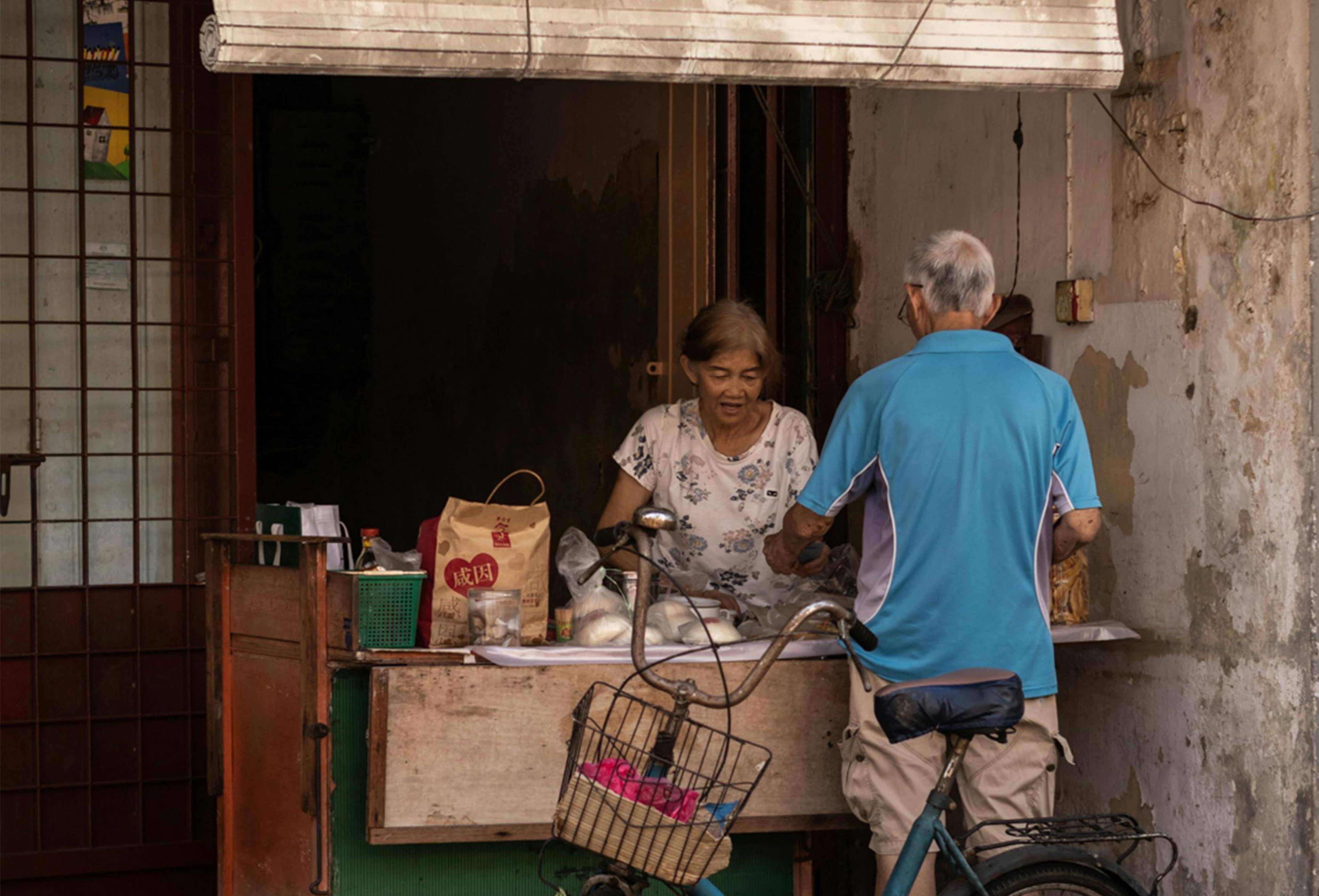
Beyond the price tag: Why the pasar malam remains Malaysia’s greatest social anchor

MALAYSIA: In a country that has embraced digitalisation, cashless transactions, and artificial intelligence, Malaysia’s night market (also known as pasar malam) and hawker culture might appear outdated at first glance. Yet in 2026, they remain deeply relevant not in spite of economic pressures, but because of them.

These informal markets continue to function as both an economic safety net and a social anchor for communities navigating rising living costs and uncertain employment conditions.

While national discourse often focuses on high-growth industries and macroeconomic performance, the lived reality for many Malaysians tells a more complex story. Even with moderate growth projections, cost-of-living pressures remain persistent.

In this environment, pasar malam and hawker stalls provide an essential form of everyday relief. Affordable meals such as nasi lemak and char kuey teow allow households to manage daily expenses without relying on higher-cost commercial dining. For students and lower-income groups, these are not lifestyle choices but necessities.

At the same time, these spaces play a critical economic role. For many in the B40 and lower M40 groups, hawking is not merely supplemental income but a primary livelihood.

Low entry barriers allow individuals to start small, test ideas, and gradually build income stability. In a labour market increasingly shaped by automation and structural change, this flexibility provides an important alternative to formal employment.

As noted by Bernama, more Malaysians are turning to small-scale food vending and informal trade as a response to economic strain and limited wage growth.

Public sentiment, however, reflects tension rather than consensus. Online discussions on Reddit frequently highlight rising prices, with users remarking that “RM10 is the new RM6” and describing pasar malam as “no longer what it used to, now it’s just expensive.”

Some question whether it is still worth visiting at all. Yet these criticisms are often followed by a different reality, many still return, albeit less frequently, saying they go “just to jalan-jalan” or out of nostalgia.

This contradiction is important; it shows that relevance has not disappeared, but shifted from affordability alone to experience, familiarity, and cultural attachment.

Insights from the Khazanah Research Institute reinforce this evolution, framing pasar malam as community ecosystems rather than purely transactional spaces. They sustain social interaction, preserve food heritage, and reflect everyday Malaysian life in ways that modern retail environments often cannot replicate.

Ultimately, pasar malam in 2026 persists because they adapt. They are no longer defined solely by low prices, but by their ability to meet both economic needs and emotional continuity. This raises an important question about whether municipal policies are doing enough to preserve and support these informal spaces, given their growing role in livelihood resilience and community life.

This article (Beyond the price tag: Why the pasar malam remains Malaysia’s greatest social anchor) first appeared on The Independent Singapore News.

  •  

AI adoption rises in Malaysia, but worker readiness remains uneven

MALAYSIA: “I don’t think relying this much on AI is a good direction.” That sentiment, shared in an online Malaysian discussion forum, reflects a growing unease under the country’s rapid push towards artificial intelligence (AI).

While businesses and policymakers accelerate adoption, many workers remain unconvinced, not just about how AI will shape their jobs, but whether the shift is happening too quickly.

Employers in Malaysia are rapidly adopting AI, while workers remain cautious and largely left to upskill on their own. According to The Star, the responsibility for adapting is increasingly falling on individuals rather than institutions. At the same time, AI use is already widespread.

A 2026 study by ManpowerGroup Malaysia found that about 60% of workers use AI tools at work, but confidence has not kept pace, with many still uncertain about job security and concerned about displacement due to the current conflict.

Part of the issue lies in a persistent skills gap. Despite growing demand for digital and AI capabilities, employers continue to struggle to find qualified talent. A report cited by Malay Mail found that only 1 in 5 professionals in Malaysia are considered AI-ready. The implication is clear: rapid technological development is outpacing workforce readiness.

To add to this concern, a report by New Straits Times estimates that up to 685,000 Malaysian jobs could be at risk due to AI, digitalisation, and the green economy. While these shifts are often seen as part of economic progress, they also highlight the urgency of preparing the workforce for structural change.

In response, companies are increasing investment in reskilling. According to The Sun, corporate Malaysia is ramping up spending on AI and large-scale training initiatives in 2026. On the surface, this suggests momentum. But training takes time and technology does not wait.

Meanwhile, the nature of work itself is evolving. Traditional career paths are becoming less relevant, replaced by more fluid, skills-based roles. For some, this shift brings opportunity. For others, it brings uncertainty. The disconnect between ambition and preparedness is becoming harder to ignore.

As one online comment puts it, “At this point, is skill just knowing how to use AI?” Others are more direct: “Companies just want to cut costs, and AI is just another way to replace people.”

These views may not come from formal reports, but they capture something equally important: how Malaysians actually feel. And in a rapidly changing economy, perception matters as much as policy. Malaysia is not standing still. AI adoption is accelerating, but readiness remains uneven.

The question is no longer whether AI will transform the workforce, because it already is. The real challenge is whether Malaysians can keep up, or whether many will be left behind.

This article (AI adoption rises in Malaysia, but worker readiness remains uneven) first appeared on The Independent Singapore News.

  •  

Economic pressures continue to weigh more on Malaysia’s poorer households, with children among those affected

MALAYSIA: In 2022, Malaysia was already experiencing rising food prices, with evidence from local experts showing that the B40 group was the most severely affected due to limited financial capacity and heavy reliance on essential goods.

Malaysian policy and lifestyle analyses indicate that B40 households typically spend more than 40% of their income on food and daily necessities, leaving little room to absorb price increases. As a result, even small shocks in food inflation force difficult trade-offs, such as reducing food quality, skipping meals, or opting for cheaper but less nutritious options.

This reflects a structural vulnerability, where low-income families remain disproportionately exposed to cost-of-living pressures even outside crisis periods, as highlighted by The Star in its coverage of rising food costs among the B40 group.

Building on this baseline vulnerability, more recent discussions in 2026 show how economic shocks further deepen inequality. A Malay Mail opinion piece argues that during crises, whether driven by inflation, fuel price increases, or broader economic instability, the burden is not evenly distributed across society.

Children, particularly those in low-income households, emerge as the most affected within already vulnerable families as they depend entirely on household resources, making them especially vulnerable when families are forced to cut back on essential spending. As households prioritise immediate survival needs, spending on nutrition, education, and overall well-being is often reduced. The consequences are not short-term; they can affect cognitive development, academic performance, and future economic opportunities.

This is strongly supported by UNICEF Malaysia, which highlights that during periods of economic stress, households tend to cut back on food and essential spending in ways that directly impact children.

These effects manifest through food insecurity, disrupted education, and increased exposure to poor health outcomes. Crucially, the impacts are cumulative; early deprivation can further translate into long-term inequality that persists into adulthood.

Taken together, these perspectives show a clear progression: from the structural pressures faced by B40 households in 2022, to the recognition in 2026 that economic shocks intensify inequality, and finally to evidence that children bear the most severe and lasting consequences.

Economic shocks do not affect society uniformly; instead, they reinforce existing vulnerabilities, with low-income families and children consistently at the centre of the impact. If subsidies are reduced or removed, B40 households will face higher living costs and tighter finances, unless targeted aid effectively replaces the support they lose.`

This article (Economic pressures continue to weigh more on Malaysia’s poorer households, with children among those affected) first appeared on The Independent Singapore News.

  •  

4,700 retrenched in 16 days: When a degree is no longer a guarantee of job security

MALAYSIA: It appears that the job market has begun to feel the heat, with layoffs becoming increasingly evident in April 2026. More than 4,700 workers were retrenched within just the first 16 days of the month, based on data from PERKESO’s Employment Insurance System.

The Economy Minister, Akmal Nasrullah Mohd Nas, has since cautioned that the second quarter of 2026 will be a “crucial period” in determining whether rising cost pressures, particularly from energy prices and global supply disruptions, will lead to further job losses across the economy. While the situation has not been classified as a large-scale crisis, early indicators suggest that labour market conditions are beginning to soften under economic strain.

This trend is reinforced by broader analysis pointing to sustained pressure on businesses, with firms operating in an environment of higher costs, weaker demand in selected sectors, and continued global uncertainty. In response, organisations are increasingly adopting defensive workforce strategies, including headcount reduction, hiring slowdowns, and internal restructuring. These measures reflect a shift towards cost containment and operational efficiency, rather than expansion, as companies adjust to more constrained economic conditions.

A related development is the growing adoption of flexible working arrangements, as highlighted by Malaysia’s Human Resources Ministry. While presented as an alignment with evolving labour market needs, such arrangements also function as part of broader organisational cost management strategies. Hybrid and remote work models, for instance, reduce reliance on physical office infrastructure and associated overheads, allowing firms to maintain productivity with leaner operational setups. However, this restructuring of work design may also have indirect implications for job creation.

As firms optimise internal efficiency, there is less reliance on expanding headcount, with greater emphasis placed on role consolidation and task redistribution. This can result in a more restrained pace of new job openings, even where productivity remains stable.

At the individual level, these developments are reshaping labour market behaviour, with job seekers increasingly prioritising employment stability when assessing opportunities, resulting in more cautious career decisions. Although vacancies exist, uncertainty over long-term security is discouraging frequent job switching in a market perceived as increasingly unpredictable. This shift is also evident in responses to workplace dissatisfaction, where resignation, once a relatively straightforward decision in a stable or ideal environment now becomes greater hesitation. Many employees are therefore placing job security above workplace satisfaction, choosing to remain in less favourable roles due to concerns over limited and uncertain alternative opportunities.

Speaking to one graduate, it is evident that such uncertainty is already influencing expectations. He mentioned, “The job market is unpredictable, and I am not even sure which industry will be affected the most. Is my degree able to secure me a job?” On the other hand, for others who have recently resigned, the decision now appears more uncertain, with concerns over whether the timing was appropriate given prevailing market conditions.

Overall, the job market is turning more cautious, with both employers and employees becoming more careful in their decisions as costs rise and uncertainty continues.


This article (4,700 retrenched in 16 days: When a degree is no longer a guarantee of job security) first appeared on The Independent Singapore News.

  •  

Double the work, zero the rest: The invisible burnout of Malaysia’s working mothers

MALAYSIA: Talking to a working mother who is constantly juggling household responsibilities, a demanding job, and additional work on weekends reveals a growing reality: burnout among women is becoming increasingly common. At 35, although she has achieved a level of career stability, financial pressures remain significant. With her husband earning less than she does, the emotional and financial responsibility she carries feels even heavier. In a moment of exhaustion, she admits, “I have done all that I can, but the support is just not enough. I am really very tired.”

Her experience is not isolated. Many working mothers share similar sentiments, feeling overwhelmed, constantly stretched, and left with little time for themselves despite managing both professional and family responsibilities. This reflects the persistent “double burden” faced by women, where paid employment is accompanied by an unequal share of unpaid domestic labour. This reality is evident in Malaysia’s evolving workforce. According to Bernama, female labour force participation reached a record high of 56.6% in 2025, signalling that more women are actively contributing to the economy than ever before. While this is a positive indicator of progress and empowerment, it also highlights an underlying imbalance—women’s increased participation in the workforce has not been matched by a proportional shift in household and caregiving responsibilities.

As a result, many working mothers experience fatigue and emotional strain, managing paid work during the day and unpaid domestic duties at home. This continuous cycle leaves minimal time for rest, recovery, or personal well-being, increasing the risk of burnout. Research by RSIS International supports this observation, identifying role overload, time pressure, and lack of adequate support systems as key contributors to stress among working mothers. Over time, these pressures can affect mental health, reduce productivity, and strain family relationships.

The issue is not solely individual but structural. Deep-rooted societal expectations often place a greater share of caregiving responsibilities on women, even when they are equally or more financially contributing to the household. Without a meaningful redistribution of domestic roles and stronger support systems, women continue to bear an unequal load. Workplace policies also play a crucial role. While flexible work arrangements are increasingly available, their effectiveness depends on consistent implementation and a supportive organisational culture. Without meaningful flexibility, childcare support, and respect for boundaries, working mothers remain vulnerable to burnout.

At the same time, household dynamics must evolve. As women contribute significantly to household income, shared responsibility in domestic work becomes essential for sustaining balance and well-being.

In conclusion, viewing women only through traditional roles as mothers and wives is no longer adequate. Today, women are professionals, leaders, and key contributors to economic growth. Their rising participation in the workforce, as reported by Bernama, reflects their growing role in national development. However, without equal support at home and at work, this progress often comes at the cost of their well-being. A progressive society must recognise women not only for their roles in the household but equally for their economic and public contributions, while ensuring responsibilities are fairly shared.

This article (Double the work, zero the rest: The invisible burnout of Malaysia’s working mothers) first appeared on The Independent Singapore News.

  •  

A generation under pressure: Why effort no longer guarantees opportunity for Malaysian youth

KUALA LUMPUR: In a city like Kuala Lumpur, it is common to see young people gathering, laughing, and enjoying their time together. To some, particularly among the older generation, this may create the impression that today’s youth are carefree or unaware of the realities of life. However, this visible social ease raises a deeper question: Do young Malaysians truly misunderstand the demands of adulthood, or are these moments of leisure a brief but necessary escape within an increasingly constrained environment?

Recent findings suggest that young Malaysians are, in fact, highly aware of the challenges they face. Based on a 2026 report by Malay Mail citing the Versa and Stratsea survey, nearly 58% of young respondents said their income is insufficient to meet the rising cost of living, especially in urban areas such as Kuala Lumpur. The same report also highlighted dissatisfaction with efforts to manage living costs, reflecting a persistent gap between economic progress and everyday financial reality.

This pressure is reinforced by labour market conditions. Reports from Bernama indicate that youth unemployment remains higher than the national average, despite overall economic stability. Many graduates continue to struggle in securing stable jobs, reflecting a mismatch between qualifications and available opportunities. At the same time, wage growth has remained modest and often fails to keep pace with inflation, limiting real financial progress for young workers.

These challenges are also reflected in experiences shared by young people. In online discussions, community users describe repeated difficulties in entering the job market. One user shared, “I’ve applied for loads of typical teenage jobs, nothing back or rejection,” while another noted, “It was incredibly easy for me to get those jobs 7–9 years ago… now I’ve spent hours helping my brother apply, and he gets nothing back.”

In more extreme cases, prolonged unemployment is common, with one stating, “I’ve been unemployed for 6 months and can’t even get an interview after dozens of applications.” These experiences reflect a growing reality where effort does not always lead to opportunity.

Beyond domestic issues, external economic pressures also play a role. Malaysia remains exposed to global uncertainties such as geopolitical tensions and fluctuations in energy prices, which contribute to inflation and rising costs of essential goods. These pressures further reduce financial flexibility for young adults already dealing with stagnant wages and high living expenses.

At the same time, young Malaysians themselves have openly voiced these struggles. In reporting on Budget 2026 by Sinar Daily, youth describe life as a constant balancing act between rising expenses, uncertain job prospects, and limited mental health support. Students face pressure from basic living costs, while young workers often find that salaries leave little room for savings or stability.

The narrative that young Malaysians “misunderstand” the demands of adulthood is increasingly difficult to defend. They are painfully aware. The challenge they face is not a lack of maturity, but an environment where traditional markers of success, stable housing, savings, and career progression are moving further out of reach. Those moments of joy in the city are not a sign of ignorance but a necessary escape from a reality that demands everything and guarantees very little.

This article (A generation under pressure: Why effort no longer guarantees opportunity for Malaysian youth) first appeared on The Independent Singapore News.

  •  
❌