Indonesia’s central bank took aggressive action to reverse a market selloff and support its currency, hiking interest rates in a surprise decision to halt foreign outflows triggered by policy uncertainty under President Prabowo Subianto.
Indonesia’s finance and central bank officials said they will step up efforts to stabilize the currency and attract inflows after a week where the nation’s stocks tumbled at the fastest pace worldwide and its currency sank to all-time lows.
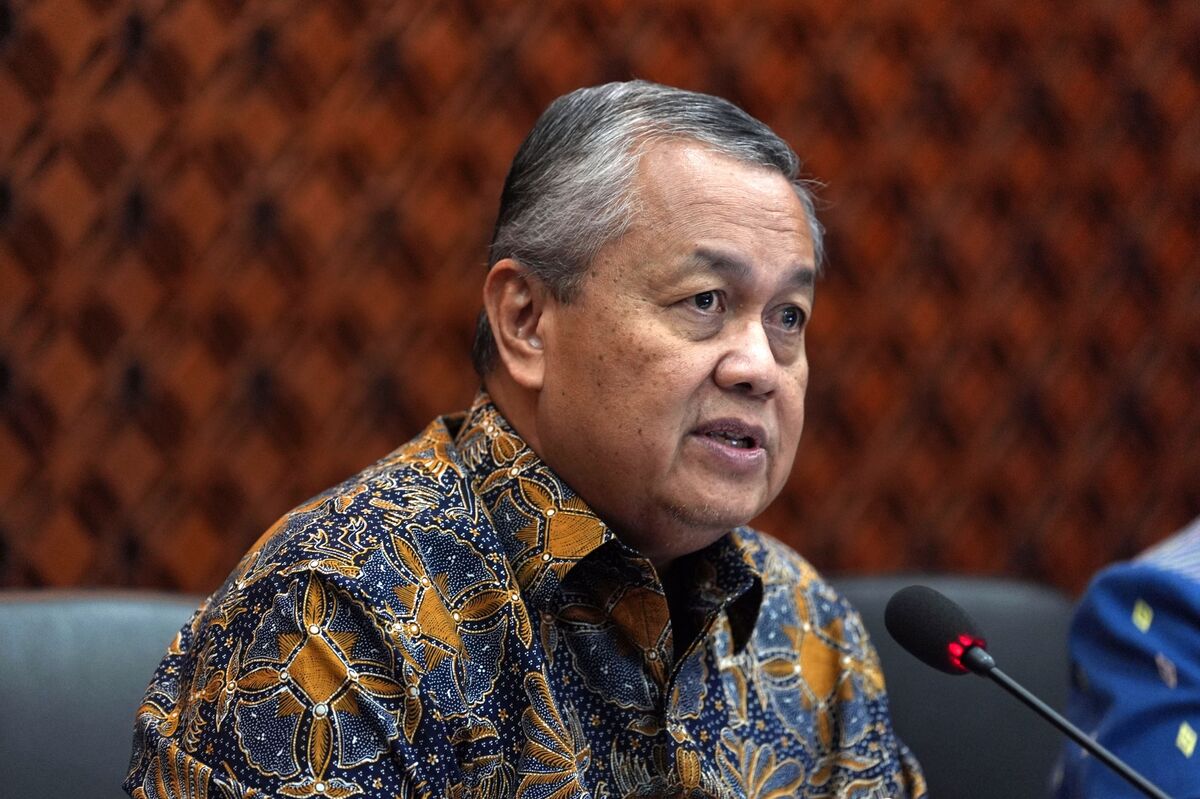
Perry Warjiyo Photographer: Dimas Ardian/Bloomberg
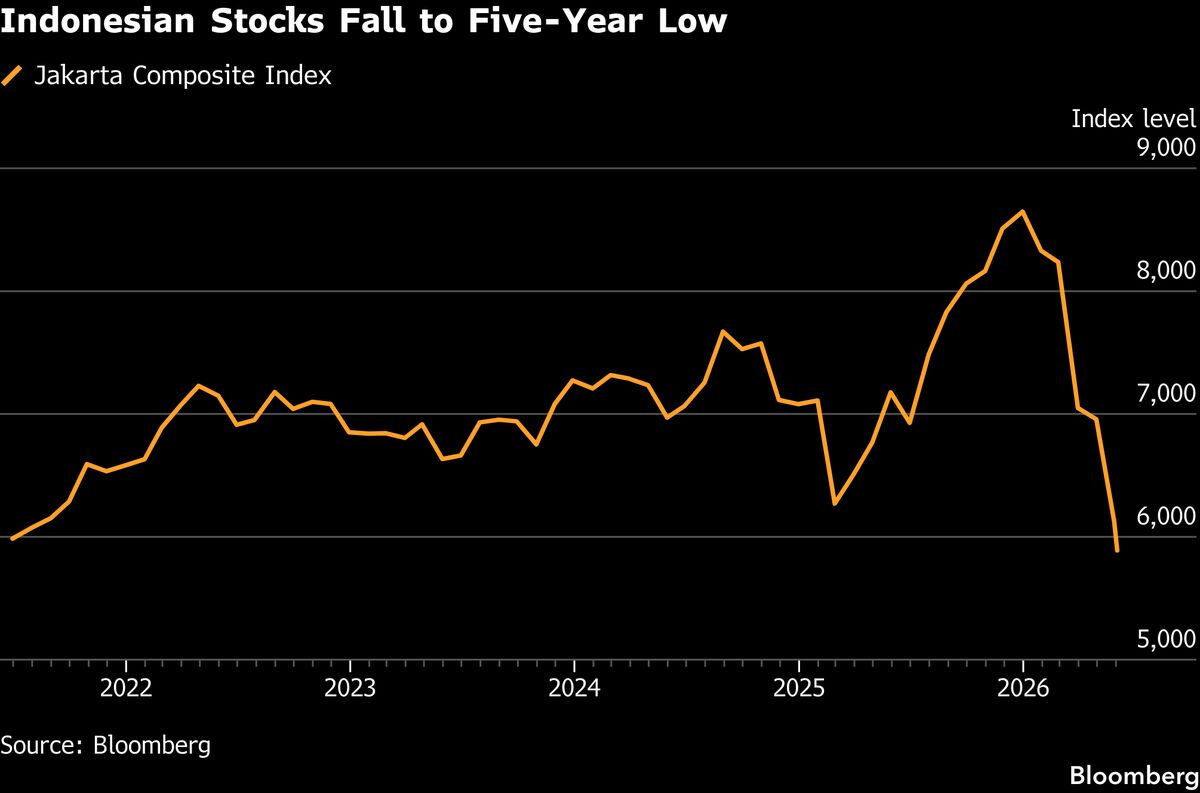
Indonesian stocks plunged to their lowest level in five years and the rupiah hit a record low in another stark reminder of the multi-faceted challenges confronting Southeast Asia’s biggest economy.
Indonesian markets tumbled on Thursday, with the rupiah breaching the key 18,000-per-dollar level and stocks hitting a near six-year low, as mounting policy uncertainty and macro headwinds spooked investors.
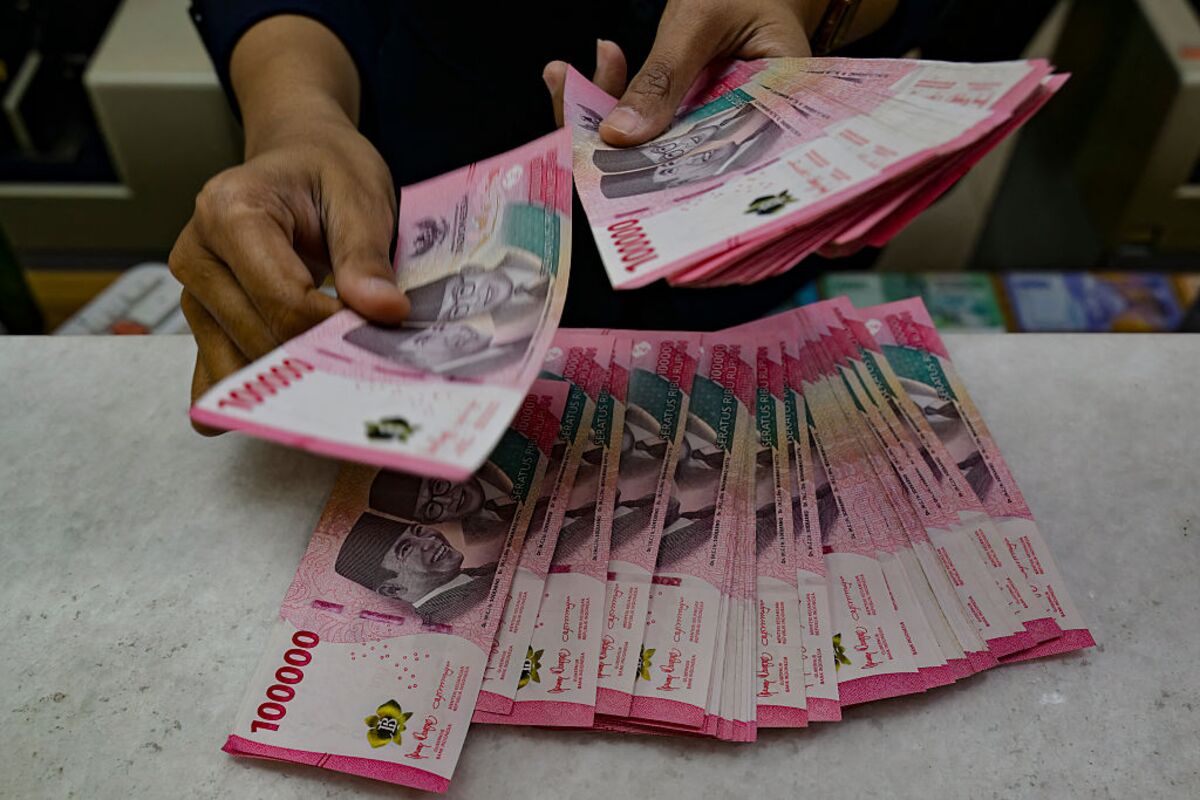
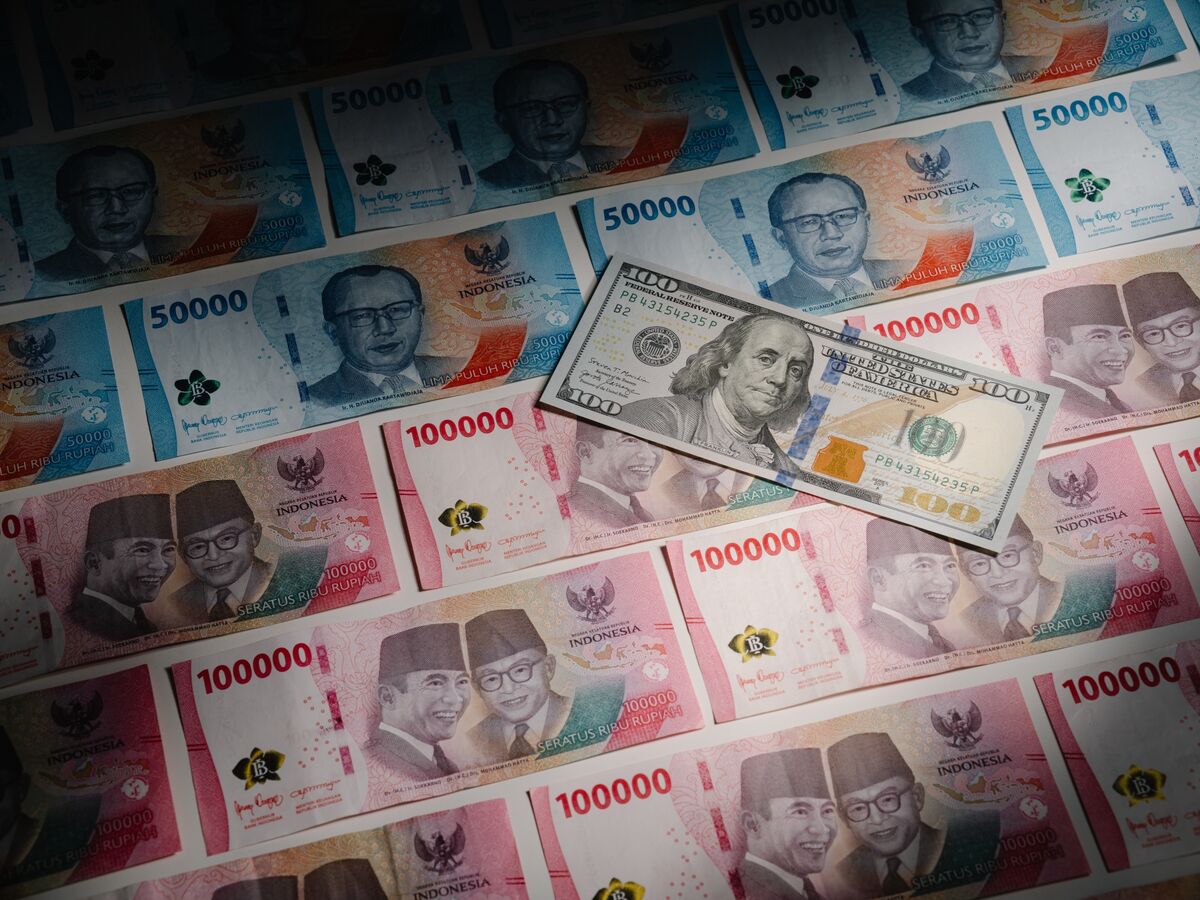
A US 100 dollar and Indonesian 50,000 and 100,000 rupiah banknotes arranged in Bogor, West Java, Indonesia, on Wednesday, Sept. 10, 2025. Indonesia’s new finance minister unveiled a roughly $12 billion cash injection to stimulate lending, proving his commitment to President Prabowo Subianto’s growth agenda barely two days into the job.
Indonesia’s bonds and stocks resumed their selloff Thursday, underscoring expectations that the central bank will have to raise interest-rates again to limit capital outflows.
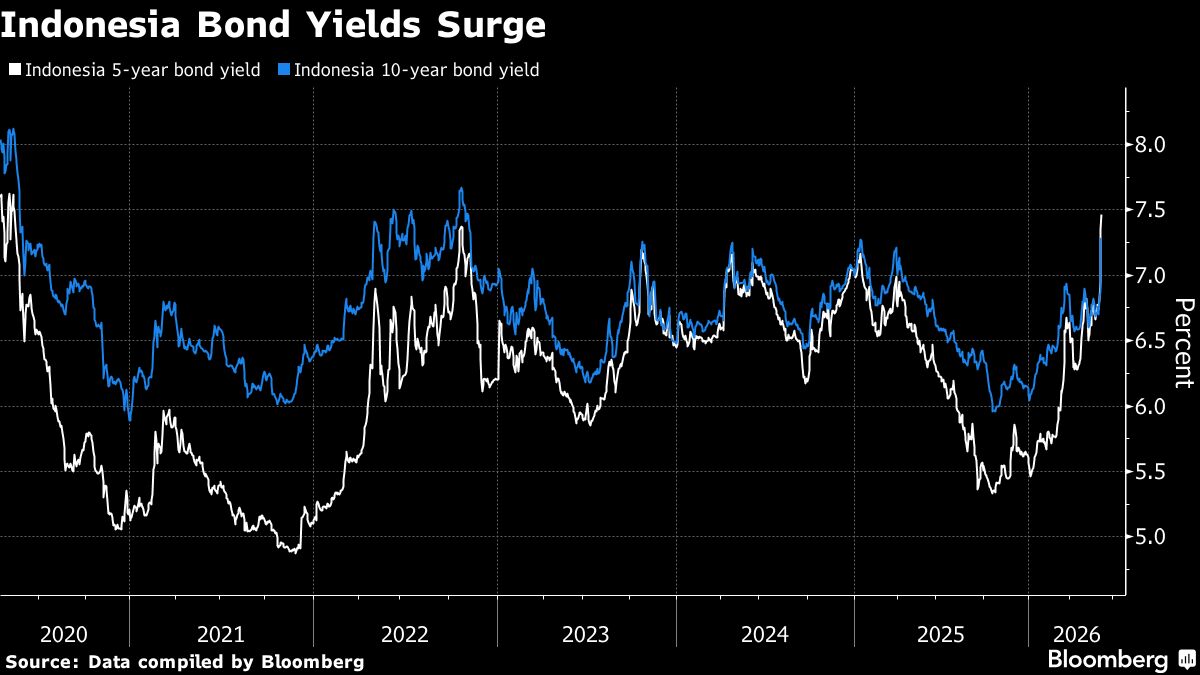
Indonesia’s markets slumped on Monday, led by a sharp selloff in sovereign bonds, after the government’s latest attempt to shore up the currency failed to ease concern over its economic management.
Global investors are increasingly losing confidence in Indonesia on President Prabowo Subianto’s more populist and interventionist agenda.

 Login
Login