Reading view

Europe seeks to open a new era for antibiotics 80 years after industrial penicillin production

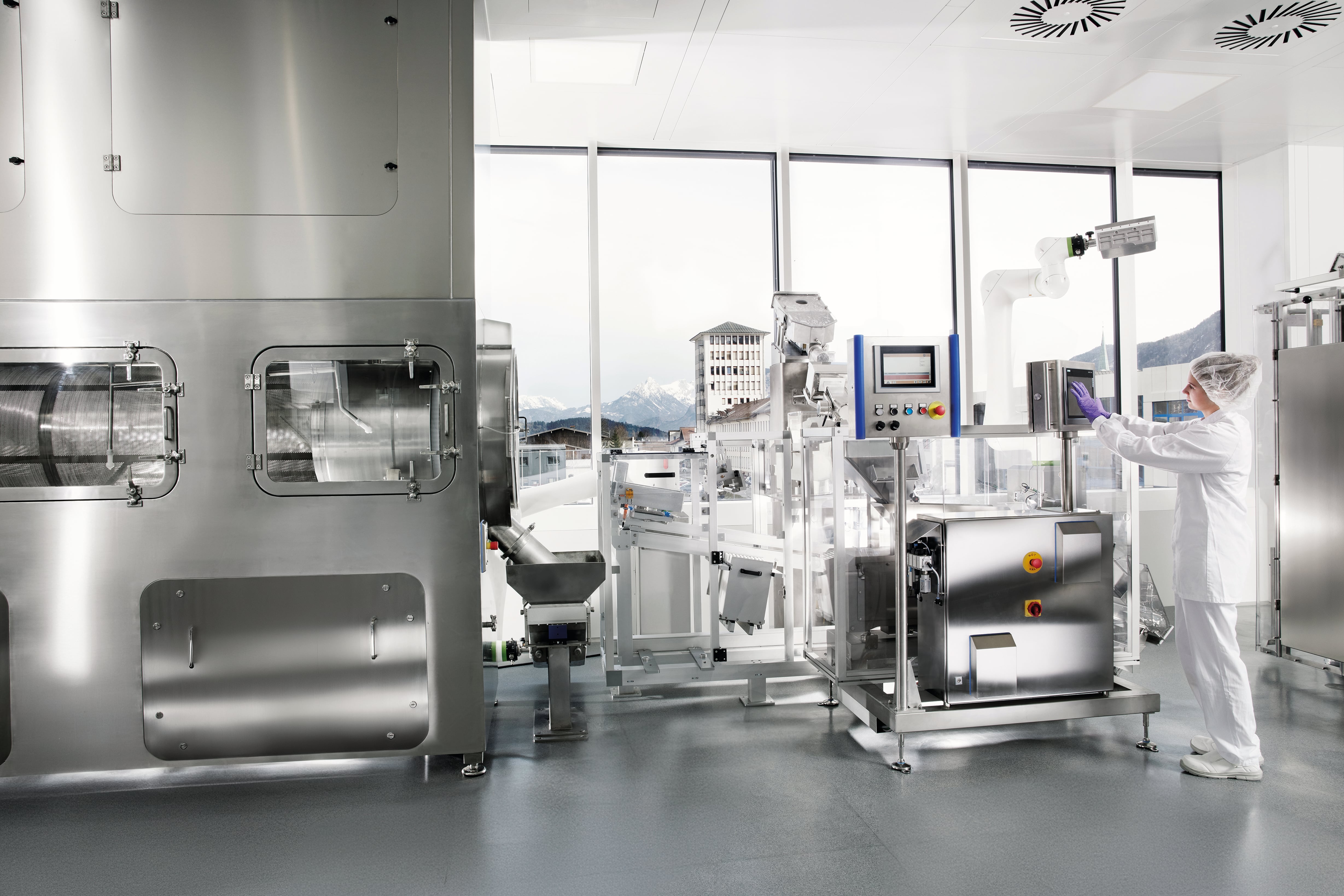
In 1946, in a Europe devastated by World War II, a small, abandoned brewery in a valley of Austria’s Tyrol region was converted into an antibiotics factory. Michel Rambaud, a chemist and French officer with the Allied occupation forces, devised the project based on the fact that the fermentation process by which yeasts make beer is, in essence, the same process that Penicillium fungi use to synthesize the active ingredient in penicillin. The change of use for the facilities opened a new era: the start of industrial penicillin production saved millions of lives and helped drive a rapid economic recovery across the continent, powered partly by the pharmaceutical sector.

Seguir leyendo

Interior of the Sandoz antibiotics factory in Kundl, Austria.
  •  

Bouts of vomiting, nausea and abdominal pain: The little-known syndrome stalking daily cannabis users

A young man lights a joint.

During a shift in the emergency department at the Ramón y Cajal Hospital in Madrid, Beatriz Mexía treated a 19-year-old man with severe nausea, vomiting, and abdominal pain. “He could not tolerate even a sip of water and was dehydrated. We gave him intravenous fluids, but the usual anti-emetics could not stop the vomiting,” she recalls. This fourth-year family medicine resident, who works at the Los Alpes Health Center in Madrid, that night witnessed a chronic, common — but little-known in Spain, even among health staff — clinical scenario caused by daily cannabis or marijuana use: cannabinoid hyperemesis syndrome (CHS), characterized by severe, cyclical episodes of vomiting and nausea.

Seguir leyendo

  •  
❌