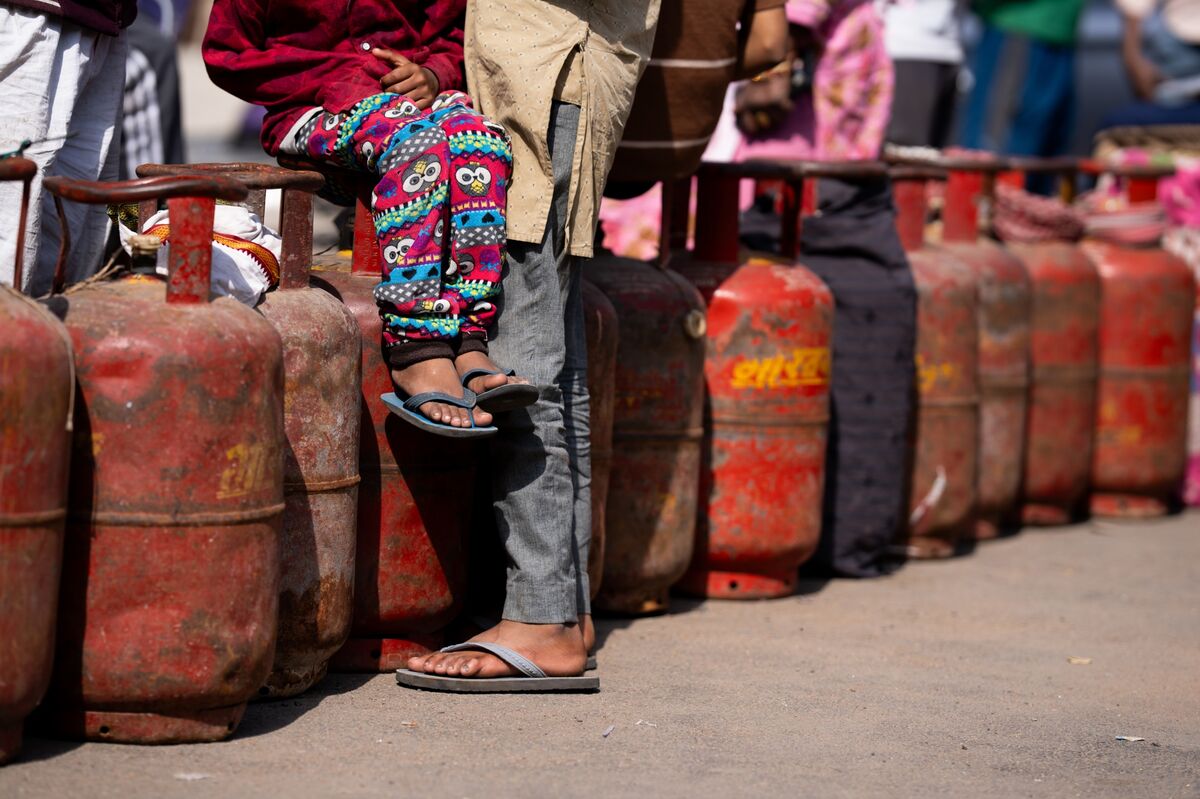
Some buyers of US liquefied petroleum gas canceled shipments that would typically be bound for Asia following a surge in freight rates sparked by the conflict in the Middle East.
Buyers queue for liquefied petroleum gas (LPG) at a depot in Noida, Uttar Pradesh, India. Photographer: Anindito Mukherjee/Bloomberg
Oil gained after President Trump said the US would keep attacking Iran, while also threatening to seize the Kharg Island oil terminal that is vital for Tehran’s exports.
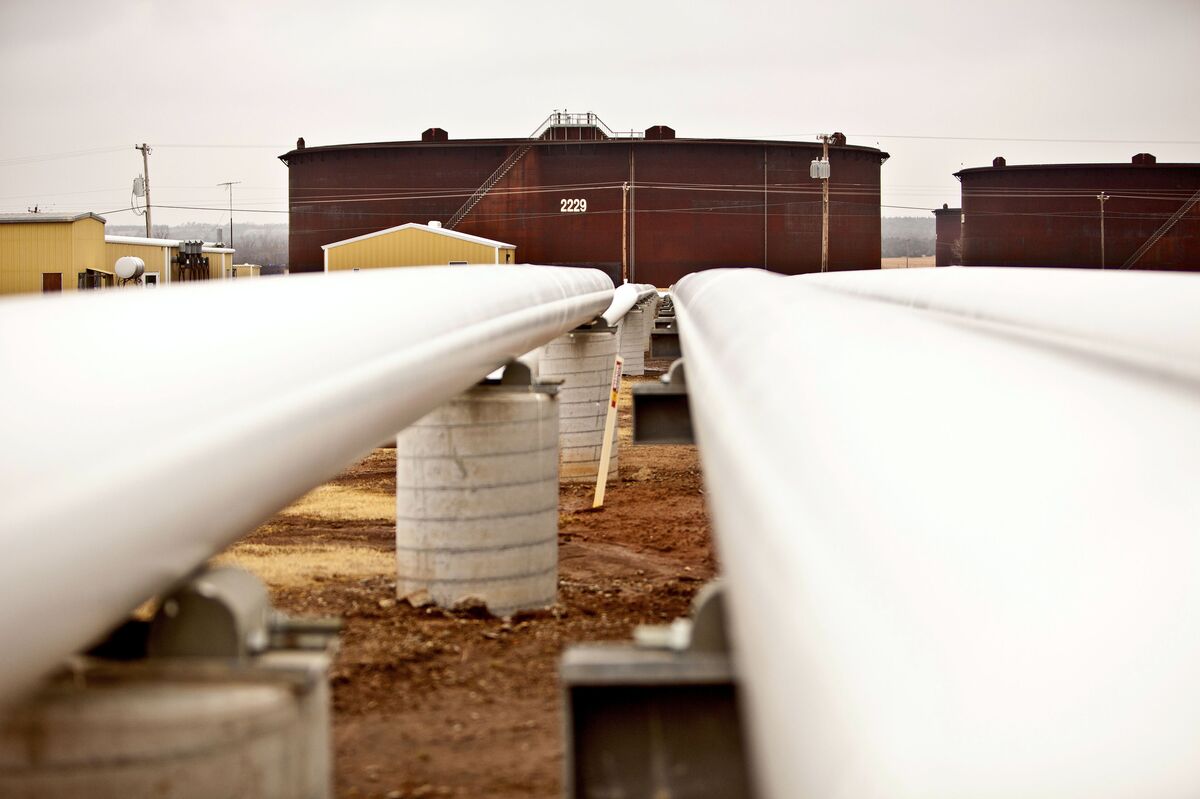
Oil pipelines run near storage tanks at the Enbridge Inc. Cushing Terminal in Cushing, Oklahoma, U.S., on Friday Feb. 24, 2011. Oil in New York surged to a 29-month high of $103.41 a barrel on Feb. 24 as Libyan leader Muammar Qaddafi vowed to crush an uprising that threatens his 42-year rule.
Saudi Arabia cut the price of its main crude grade to Asia for a second straight month, though the premium for barrels to the kingdom’s largest market remained near the highest in decades.
Oil rebounded as fresh clashes between the US and Iran clouded the outlook for an interim deal to reopen the vital Strait of Hormuz.
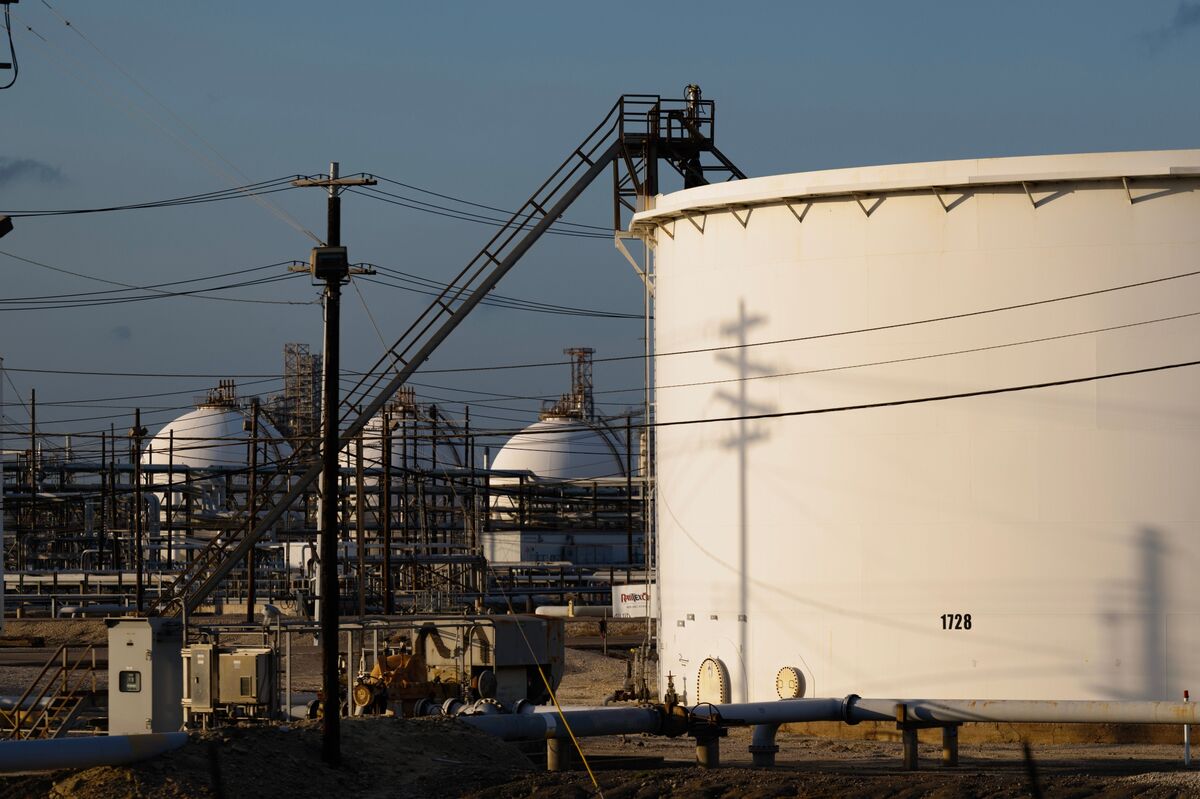
The Motiva Port Arthur Refinery in Port Arthur, Texas, US, on Tuesday, April 14, 2026. US natural gas futures ended lower for a fifth consecutive session, erasing earlier gains as traders weighed plunging oil prices against mixed weather outlooks.
Oil sank to a six-week low as the US and Iran tentatively agreed to extend a ceasefire, stoking optimism that the Strait of Hormuz may soon reopen.
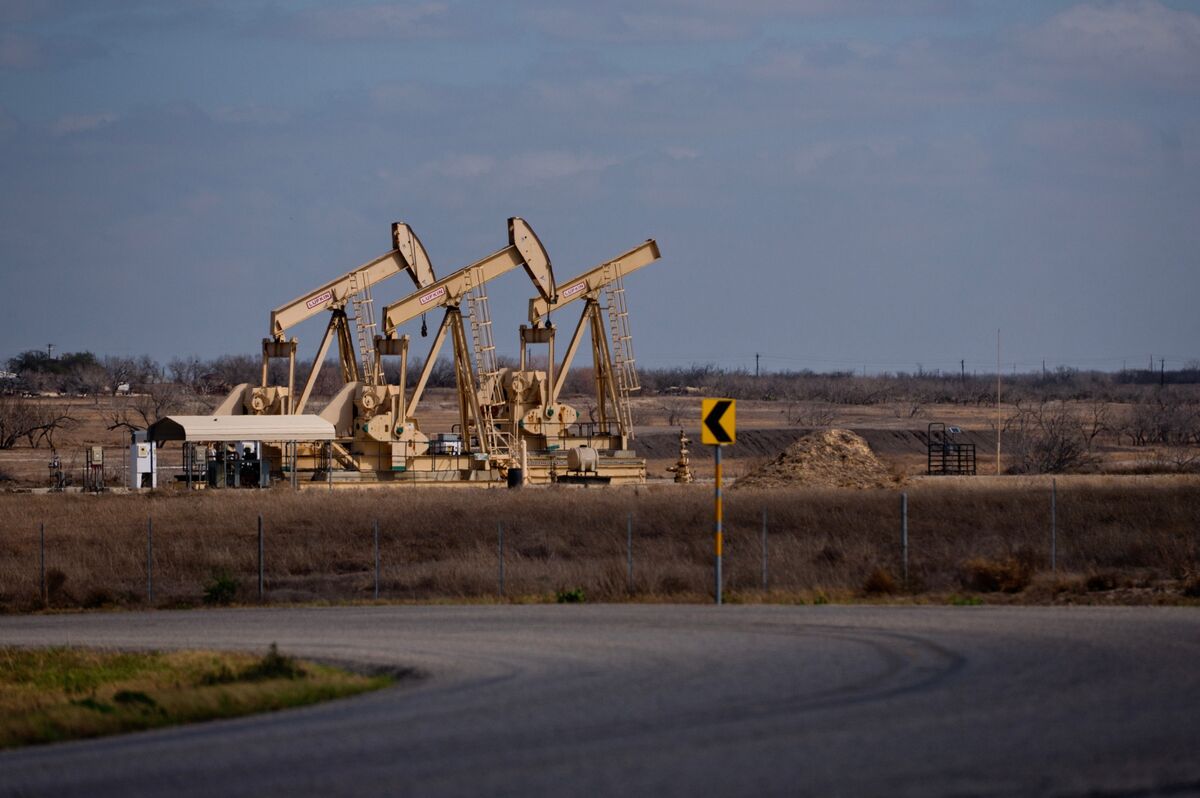
Pumpjacks near Three Rivers, Texas, US, on Sunday, March 1, 2026. Oil surged by the most in four years, as the US-Israeli war against Iran plunged the global crude market into turmoil, with the effective closure of the Strait of Hormuz. Photographer: Eddie Seal/Bloomberg
Oil surged after Israel said it struck military targets in Iran following missile attacks by the Islamic Republic, threatening a fragile ceasefire in the Middle East as talks to end the war falter.
Missiles launched from Iran toward Israel, over the skies of Hebron on June 7, 2026.

 Login
Login