Oil edged lower as traders assessed the extent of demand destruction against a backdrop of ongoing US-Iran peace talks, which have so far yielded little progress toward reopening the critical Strait of Hormuz.
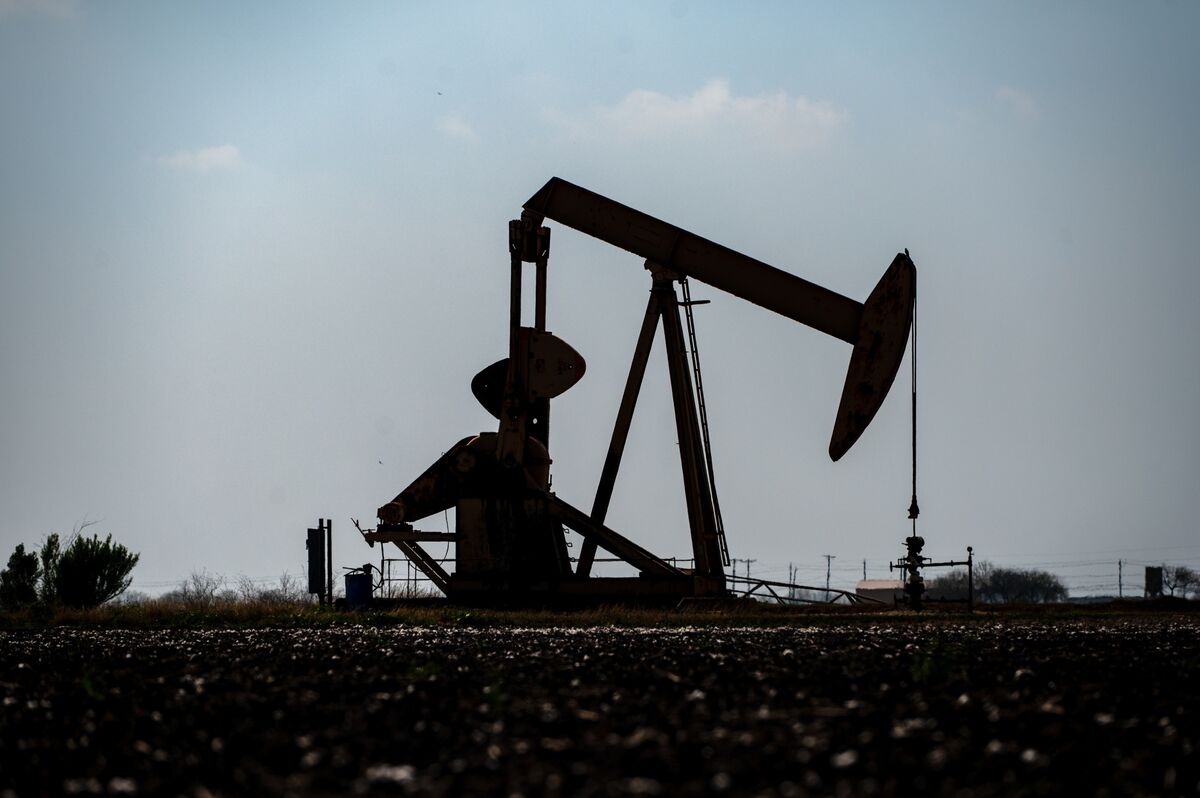
An oil pump jack in Corpus Christi, Texas, US, on Saturday, Feb. 28, 2026. President Donald Trump's decision to strike Iran creates new risks for a significant chunk of the world's oil supply. Photographer: Eddie Seal/Bloomberg
Oil turned higher as President Donald Trump warned of imminent US attacks against Iran and domestic crude inventories posted another steep drop.
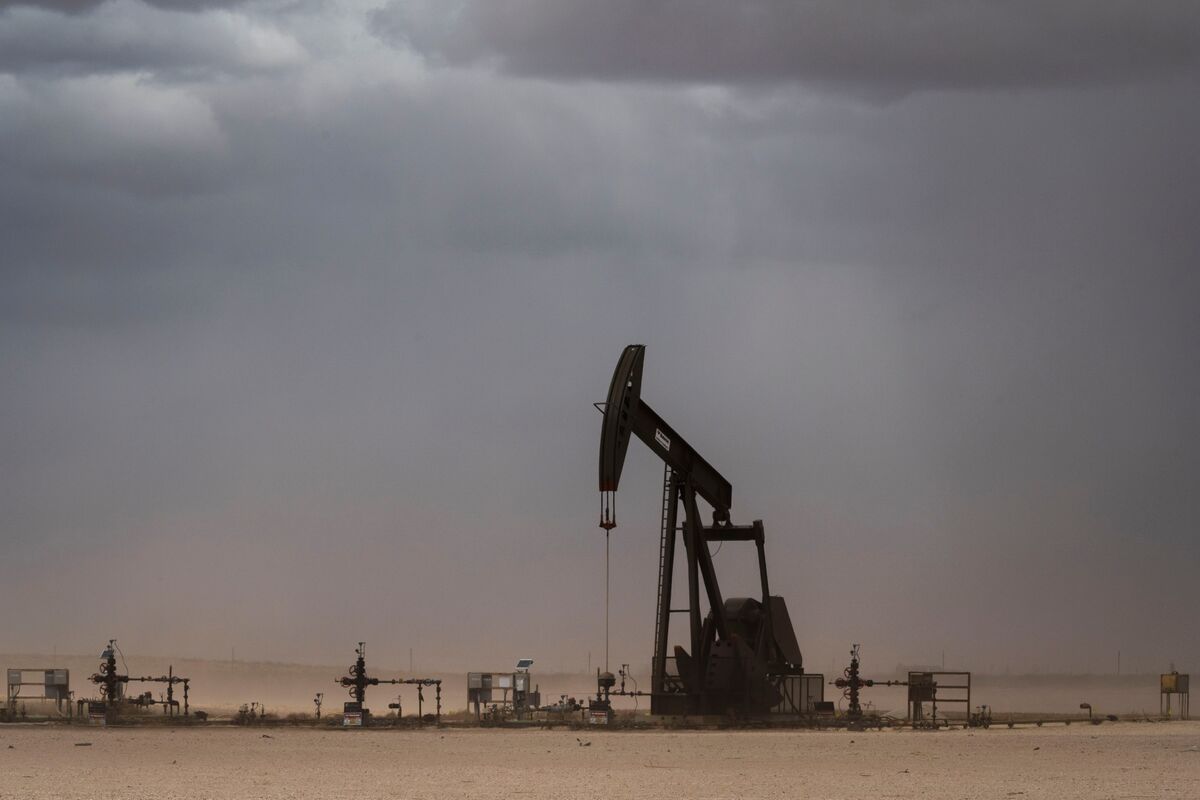
A pumpjack in Martin County, Texas, US, on Saturday, March 15, 2025. The Permian Basin, a sprawling shale patch that lies beneath Texas and New Mexico, is North America's most prolific shale patch. Photographer: Justin Hamel/Bloomberg
Oil rose by the most since early May as traders priced in signals that energy flows out of the Middle East could be curtailed further.
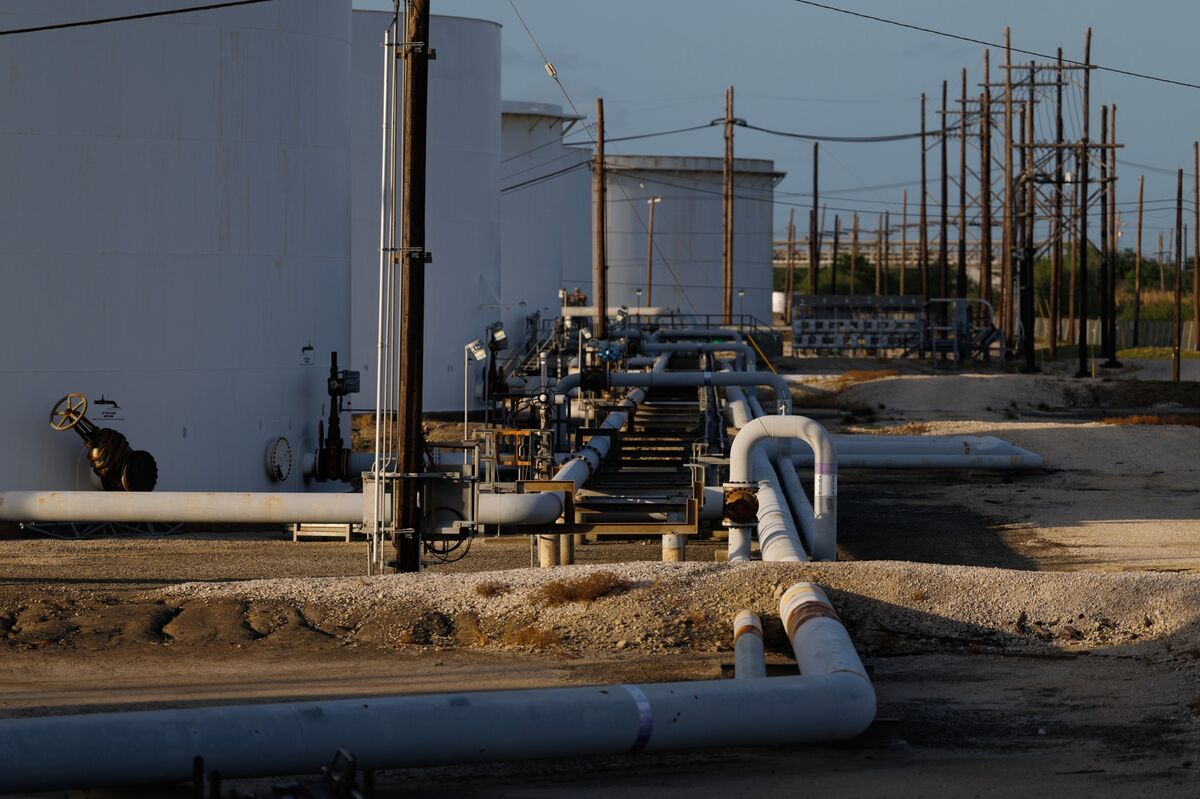
The Motiva Port Arthur Refinery in Port Arthur, Texas, US, on Tuesday, April 14, 2026. US natural gas futures ended lower for a fifth consecutive session, erasing earlier gains as traders weighed plunging oil prices against mixed weather outlooks.
Oil rose for a third day as a fresh exchange of strikes between the US and Iran cast doubt on the prospects of a peace deal that would reopen the Strait of Hormuz.
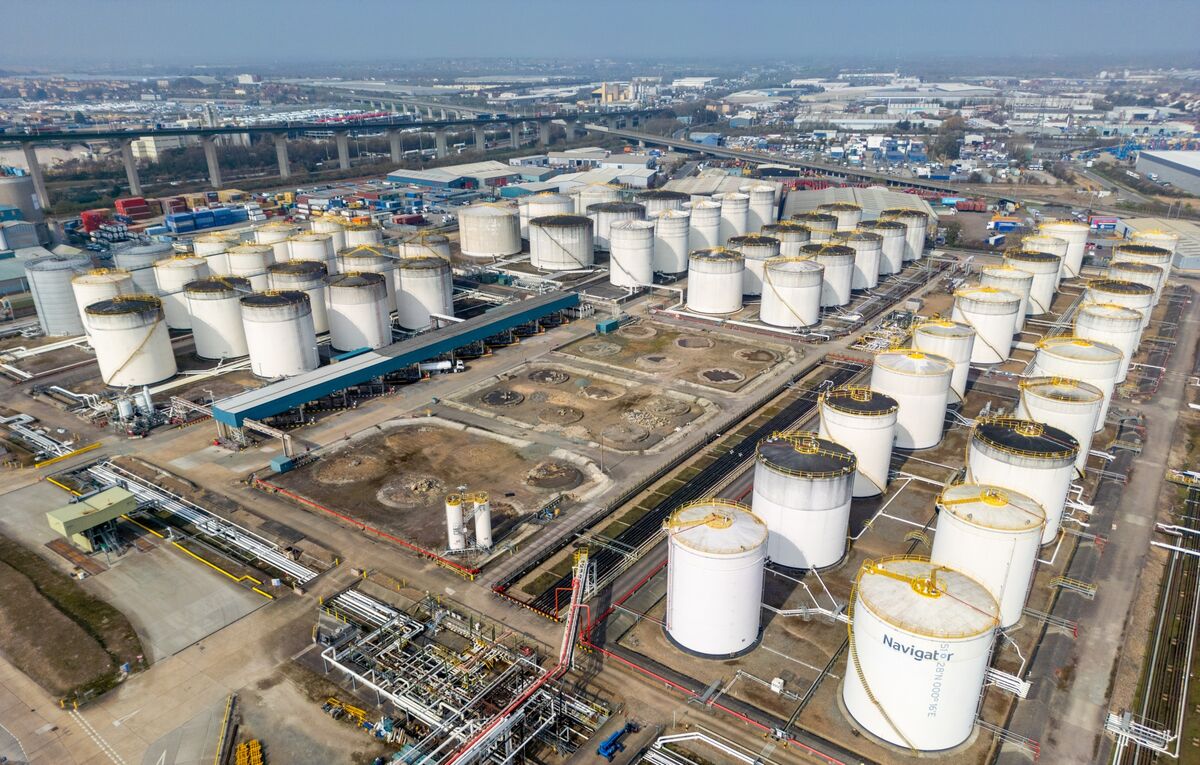
Storage tanks for transport fuels and petroleum products at the Navigator Thames oil depot terminal on the outskirts of London, UK, on Monday, March 23, 2026. Brent crude plunged from $112 a barrel to as low as about $96 a barrel as US President Donald Trump signaled negotiations were underway even as Iran denied the talks.

 Login
Login