Oil tumbled on optimism that the US and Iran will reach a peace deal, even as President Donald Trump signaled that the warring sides remain far apart in negotiations.
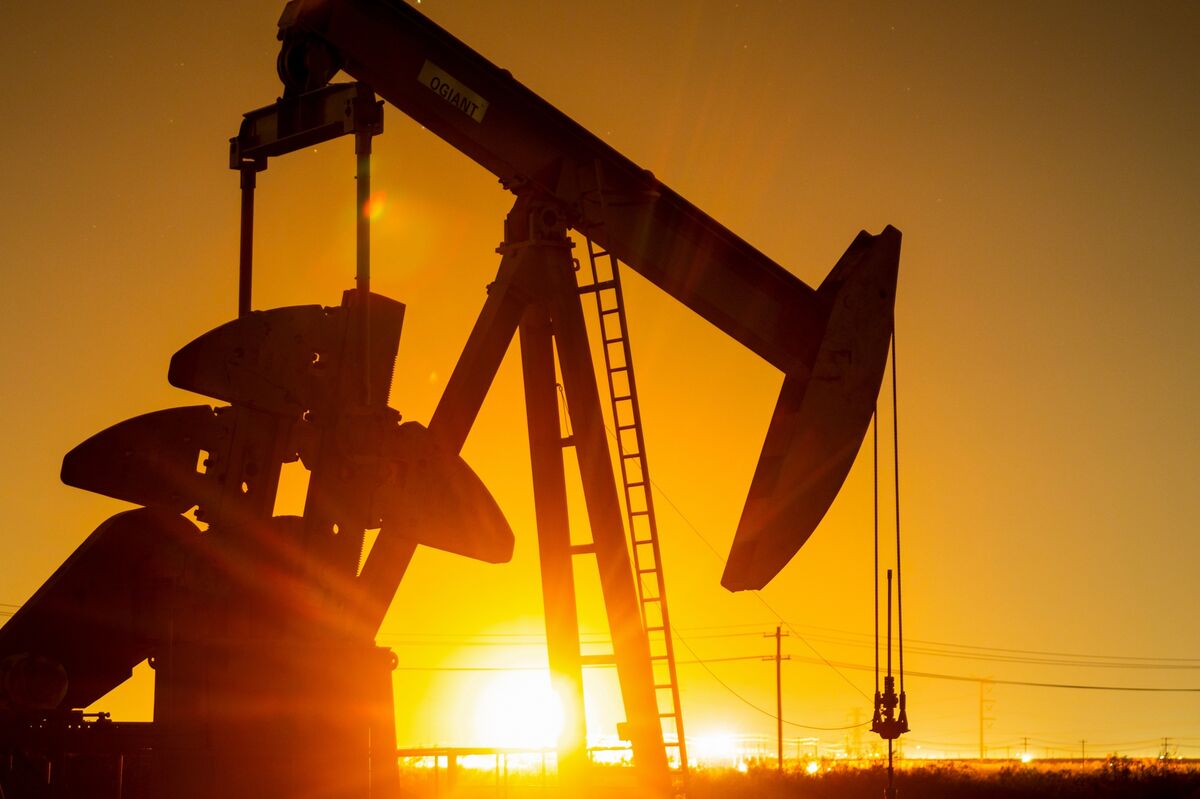
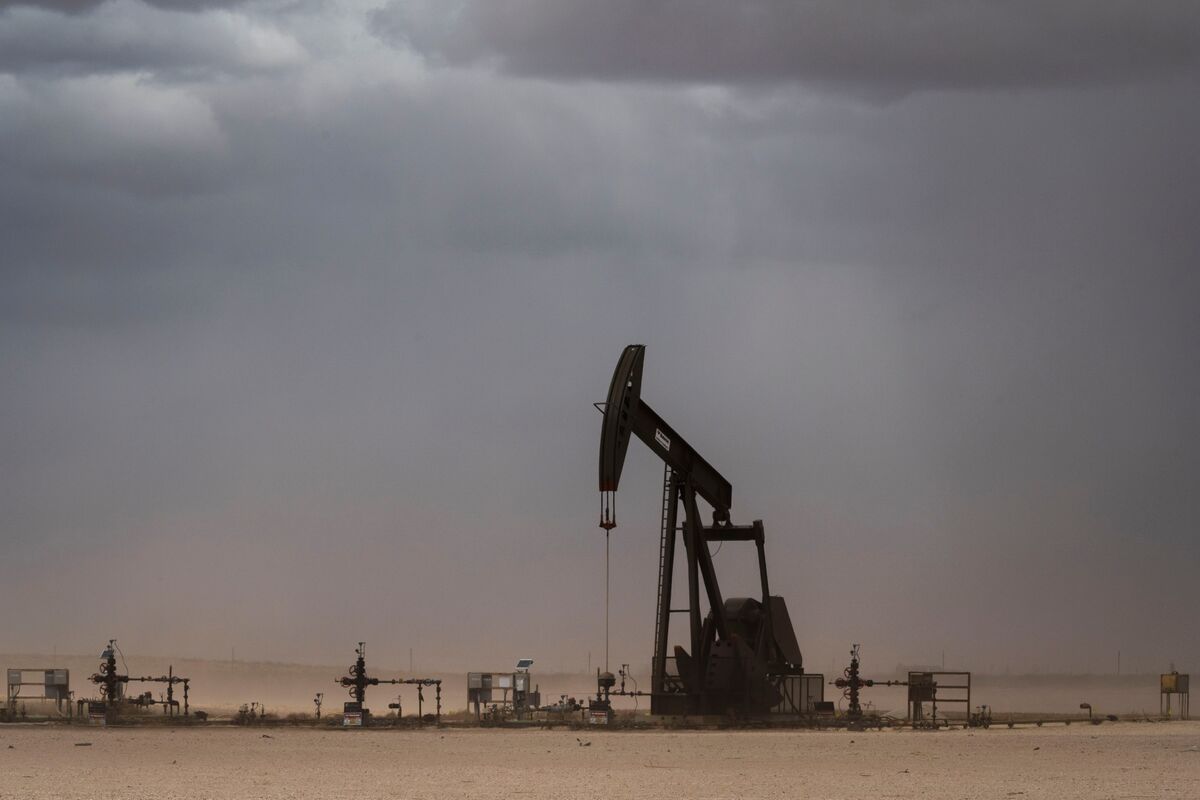
A pump jack in Midland, Texas. Photographer: Anthony Prieto/Bloomberg
Oil edged lower as traders assessed the extent of demand destruction against a backdrop of ongoing US-Iran peace talks, which have so far yielded little progress toward reopening the critical Strait of Hormuz.
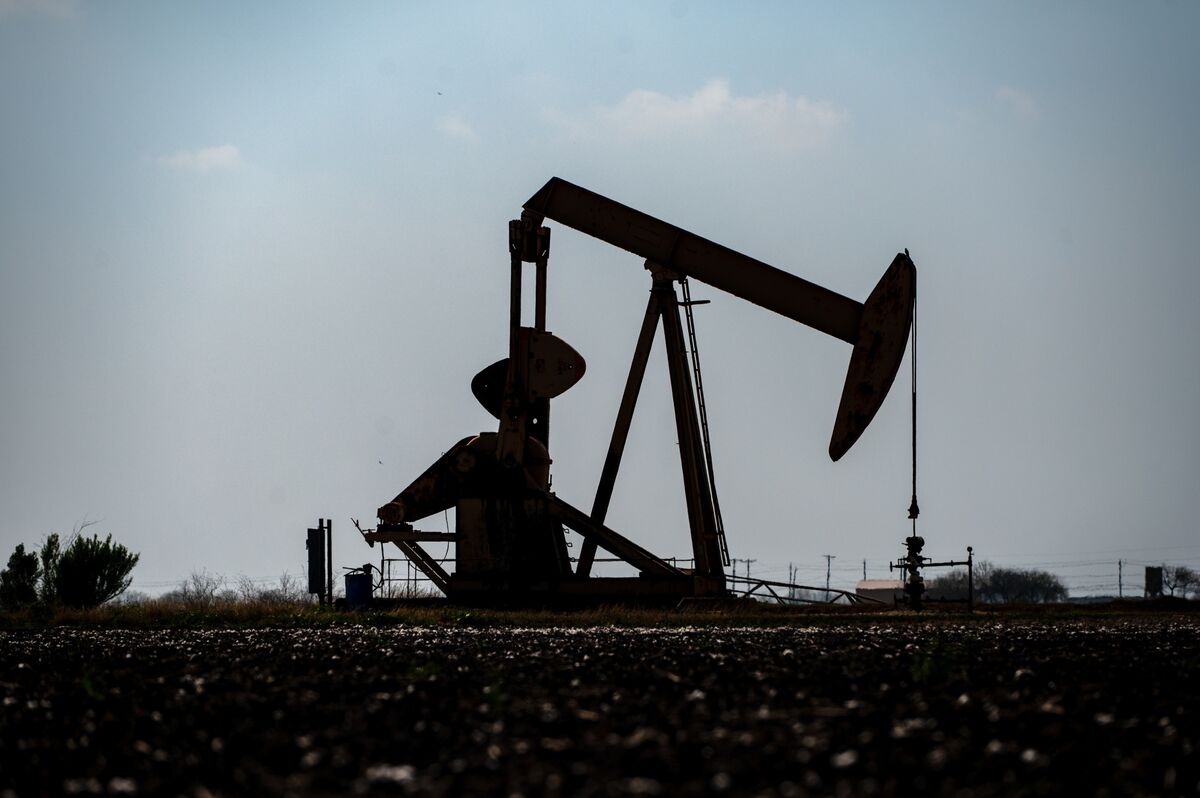
An oil pump jack in Corpus Christi, Texas, US, on Saturday, Feb. 28, 2026. President Donald Trump's decision to strike Iran creates new risks for a significant chunk of the world's oil supply. Photographer: Eddie Seal/Bloomberg
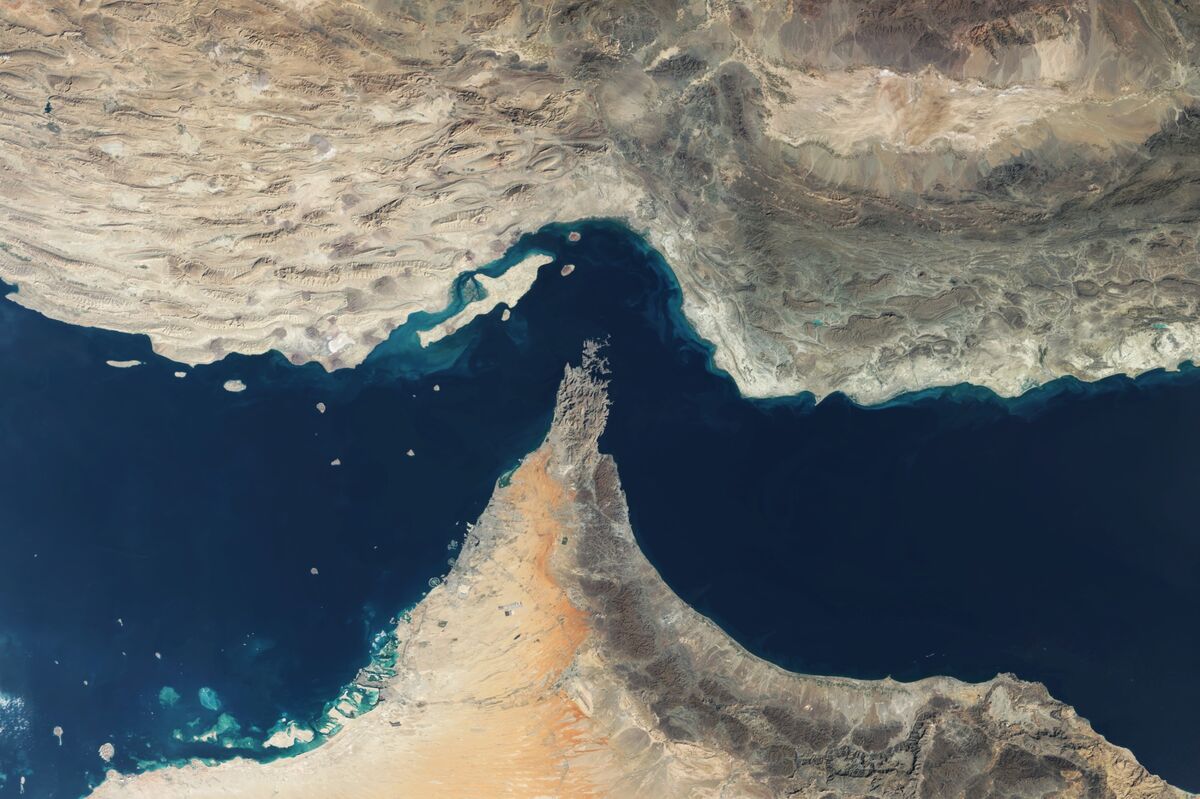
No region of the world produces more oil and gas than the countries straddling the Persian Gulf. Most of this energy can only be exported aboard tankers that cross the Strait of Hormuz — a waterway that’s effectively been blocked for more than three months.
A satellite view of the Strait of Hormuz Photographer: Gallo Images/Orbital Horizon/Copernicus Sentinel Data 2025/Getty Images
Oil rebounded as fresh clashes between the US and Iran clouded the outlook for an interim deal to reopen the vital Strait of Hormuz.
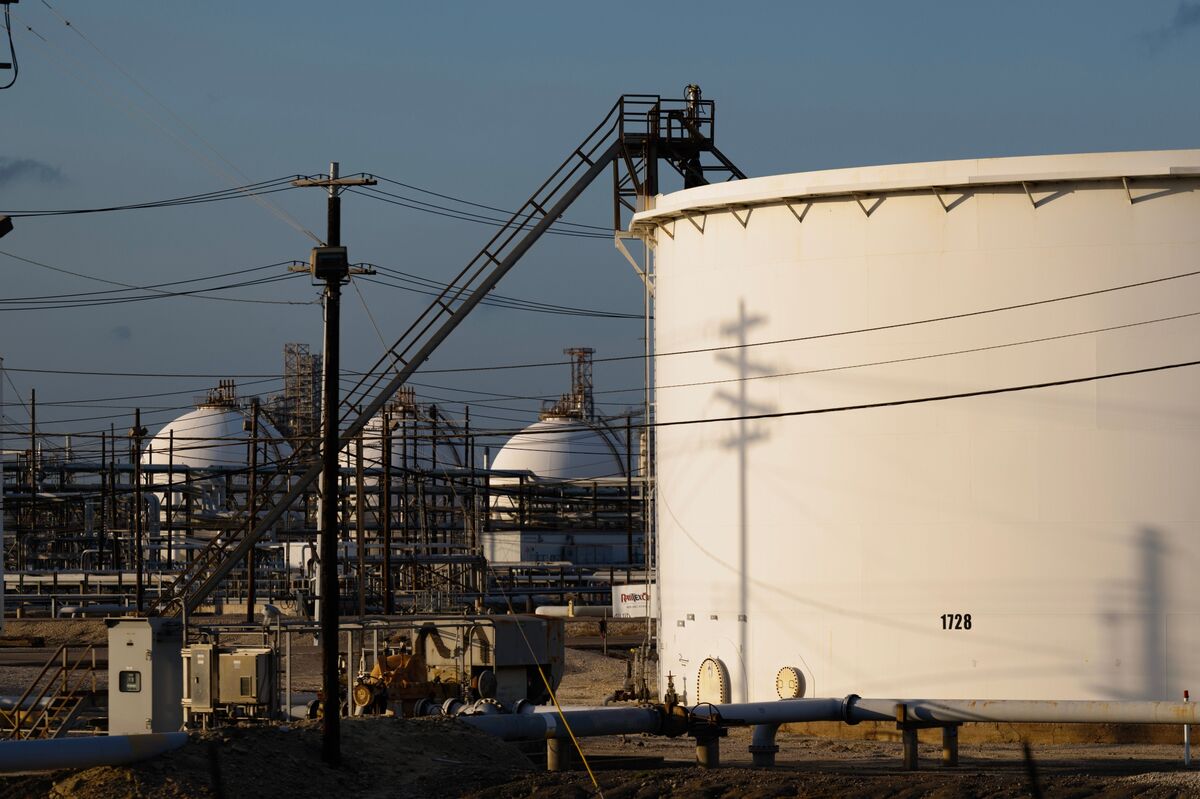
The Motiva Port Arthur Refinery in Port Arthur, Texas, US, on Tuesday, April 14, 2026. US natural gas futures ended lower for a fifth consecutive session, erasing earlier gains as traders weighed plunging oil prices against mixed weather outlooks.
Oil turned higher as President Donald Trump warned of imminent US attacks against Iran and domestic crude inventories posted another steep drop.
A pumpjack in Martin County, Texas, US, on Saturday, March 15, 2025. The Permian Basin, a sprawling shale patch that lies beneath Texas and New Mexico, is North America's most prolific shale patch. Photographer: Justin Hamel/Bloomberg
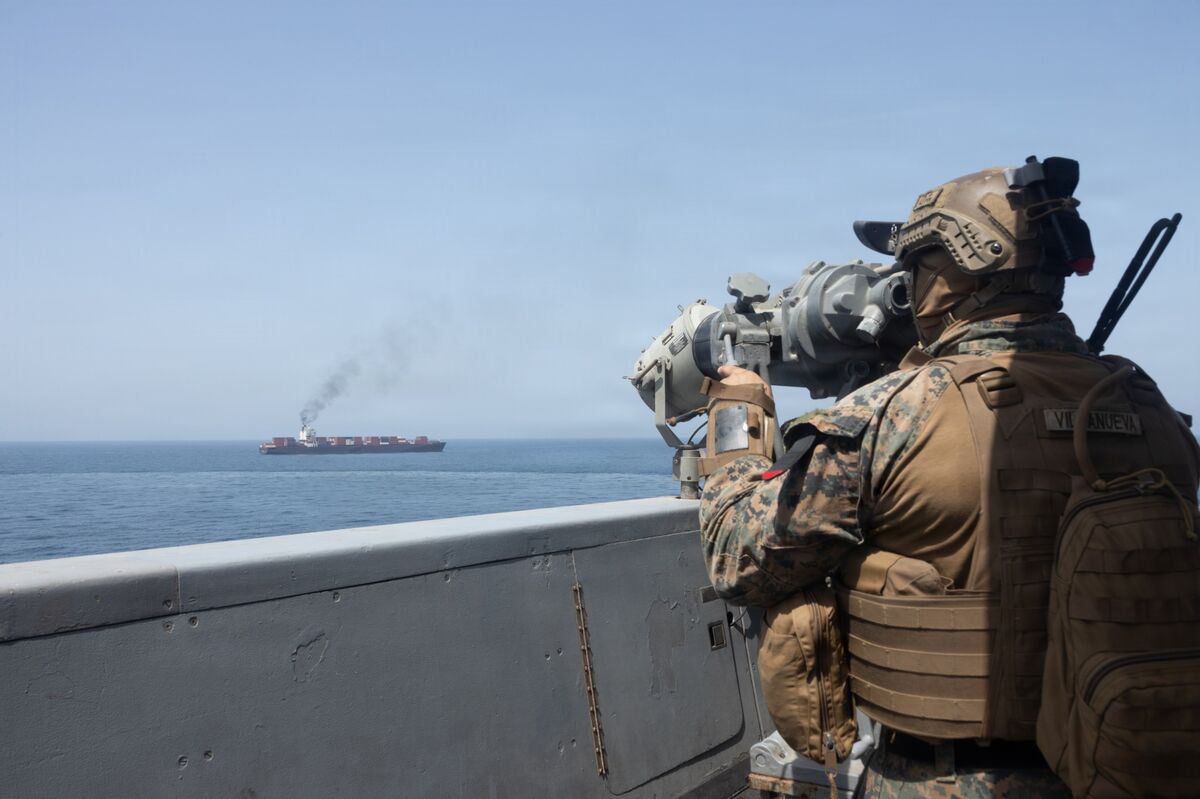
Shipowners are increasingly optimistic about a pickup in traffic through the Strait of Hormuz after more vessels left the waterway this week with the US providing information to aid those making the journey.
Oil sank to a six-week low as the US and Iran tentatively agreed to extend a ceasefire, stoking optimism that the Strait of Hormuz may soon reopen.
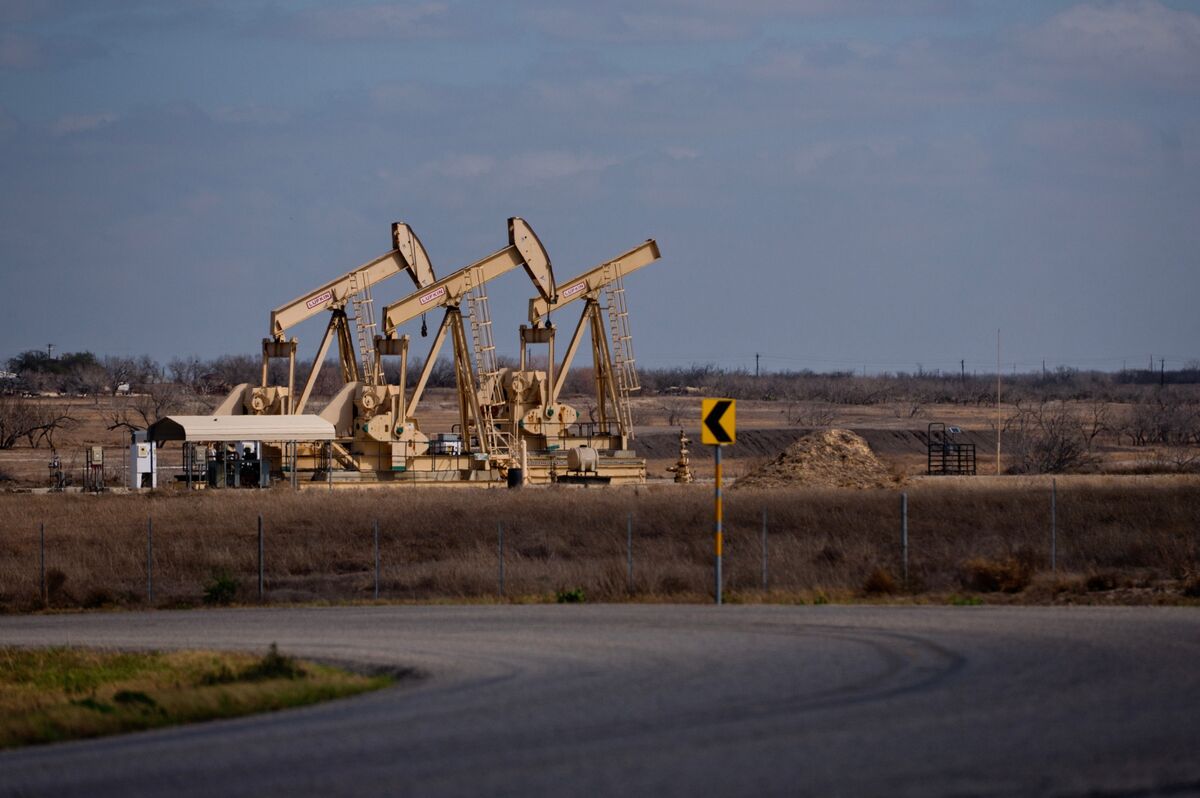
Pumpjacks near Three Rivers, Texas, US, on Sunday, March 1, 2026. Oil surged by the most in four years, as the US-Israeli war against Iran plunged the global crude market into turmoil, with the effective closure of the Strait of Hormuz. Photographer: Eddie Seal/Bloomberg
Oil erased an earlier increase as concerns over fresh attacks between the US and Iran were offset by signs of rising oil flows through the Strait of Hormuz and depressed Chinese consumption.
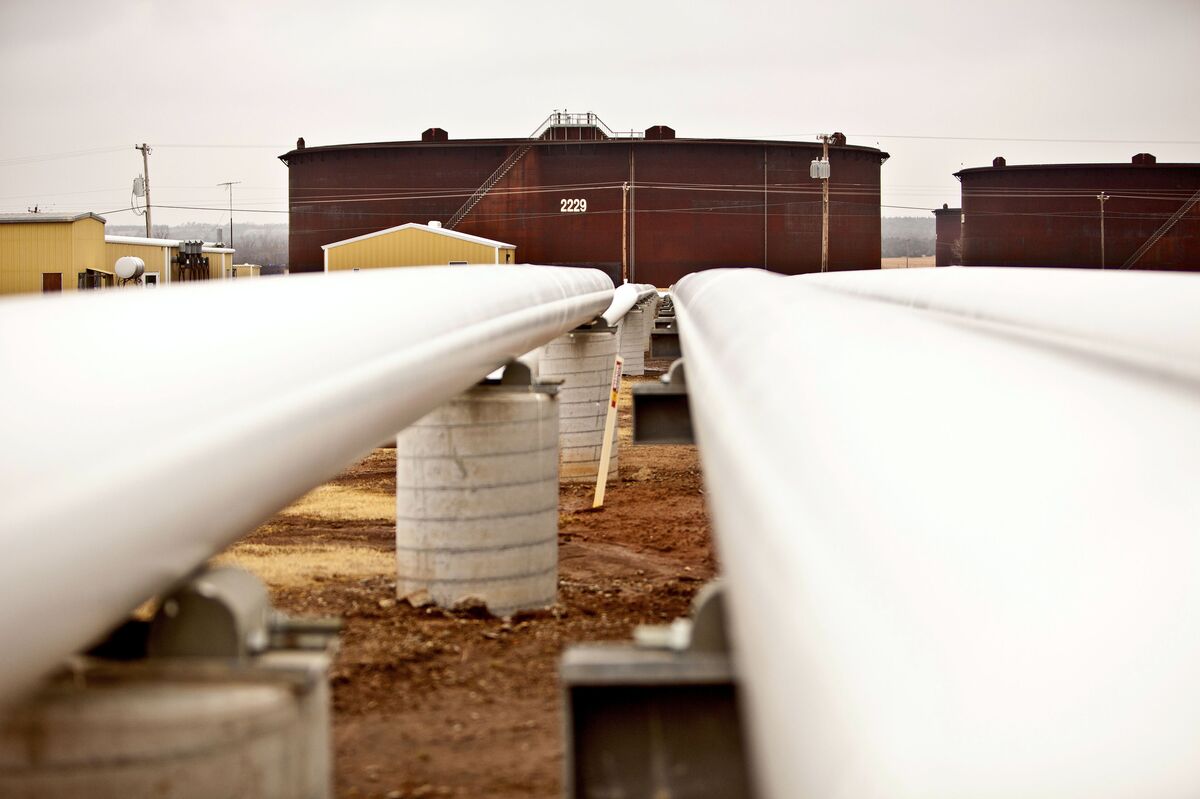
Oil pipelines run near storage tanks at the Enbridge Inc. Cushing Terminal in Cushing, Oklahoma, U.S., on Friday Feb. 24, 2011. Oil in New York surged to a 29-month high of $103.41 a barrel on Feb. 24 as Libyan leader Muammar Qaddafi vowed to crush an uprising that threatens his 42-year rule.

 Login
Login