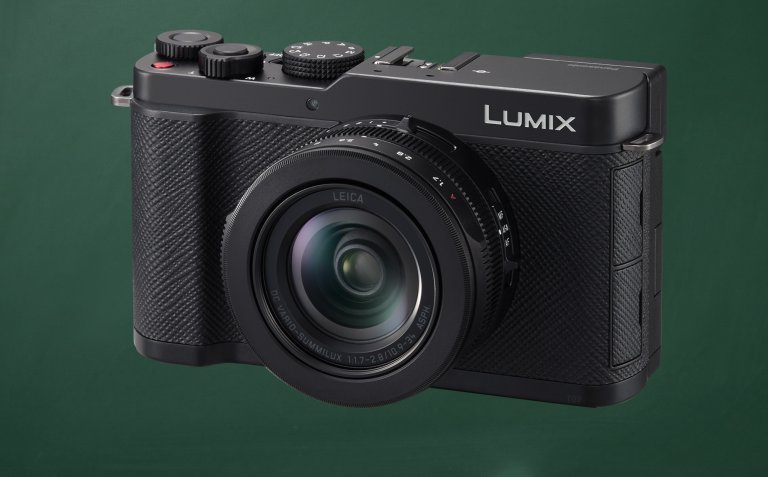
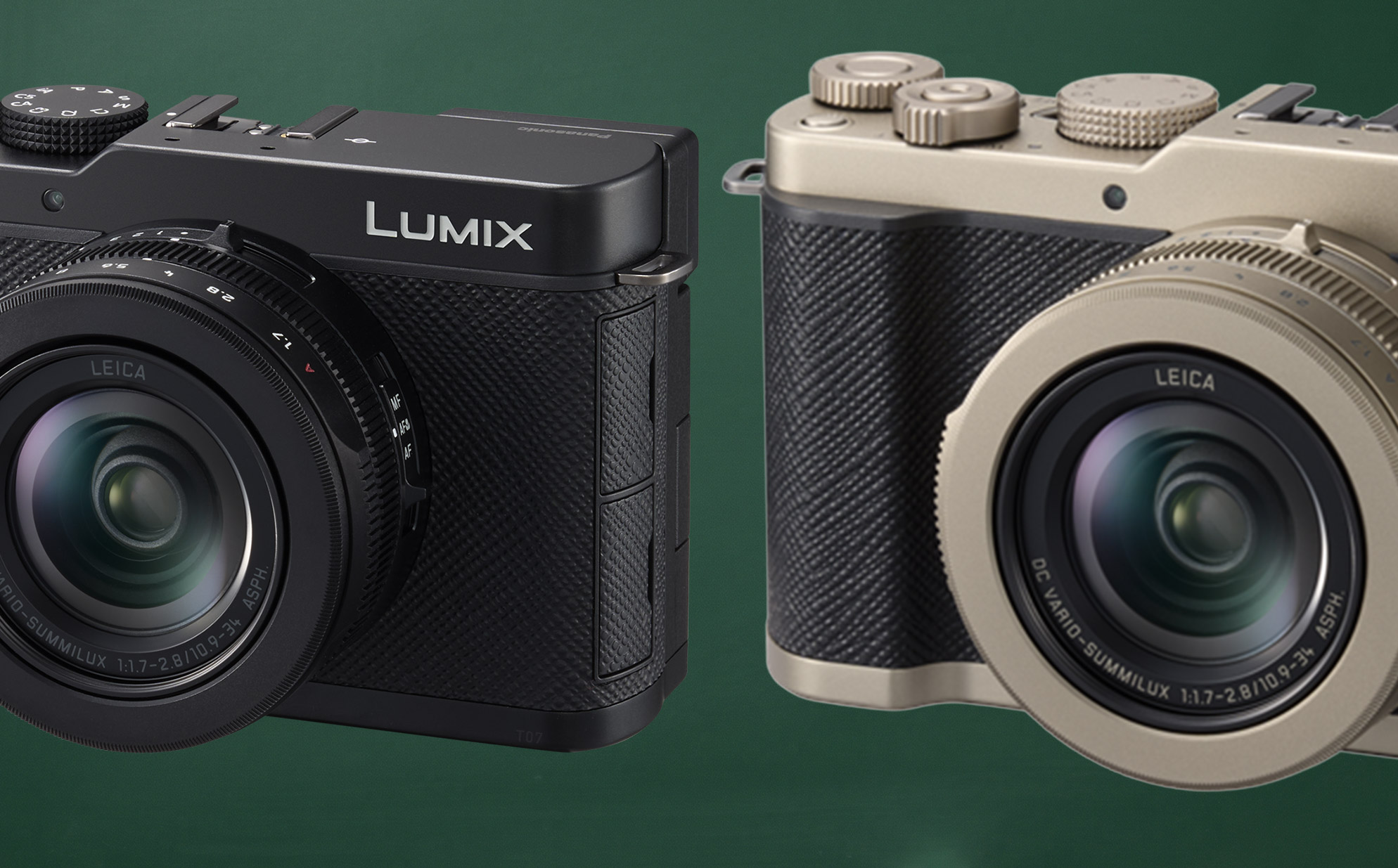
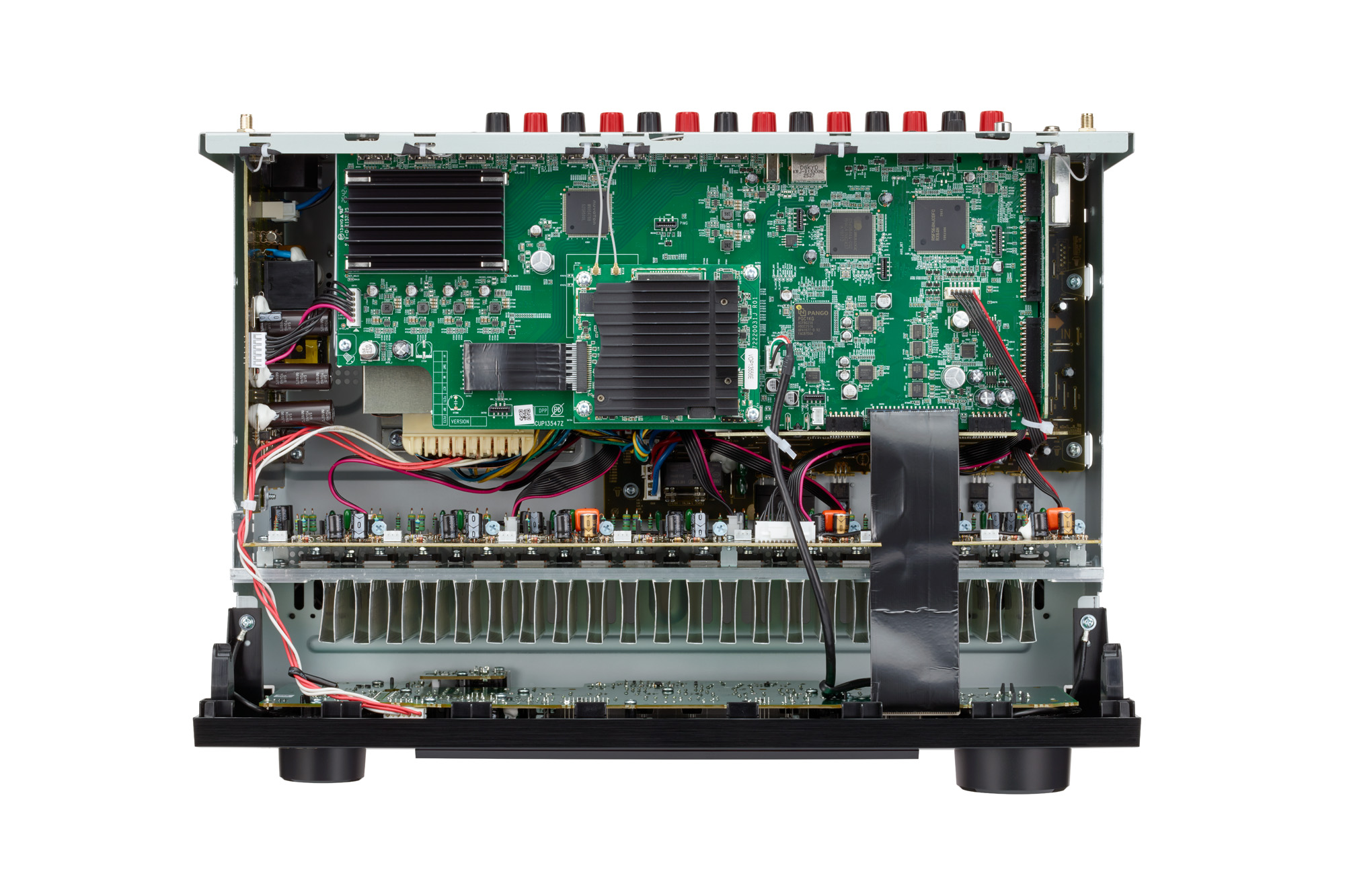
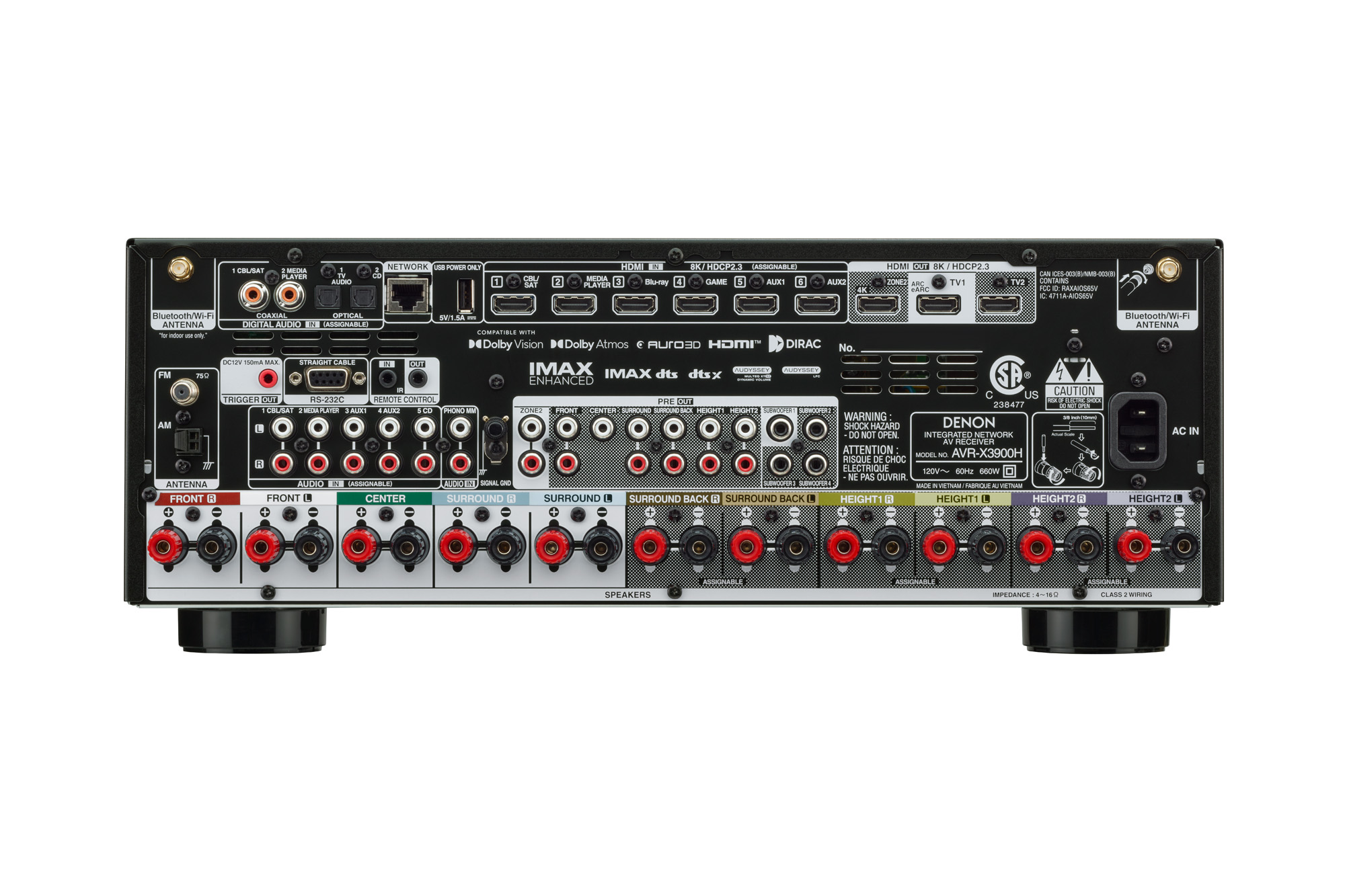
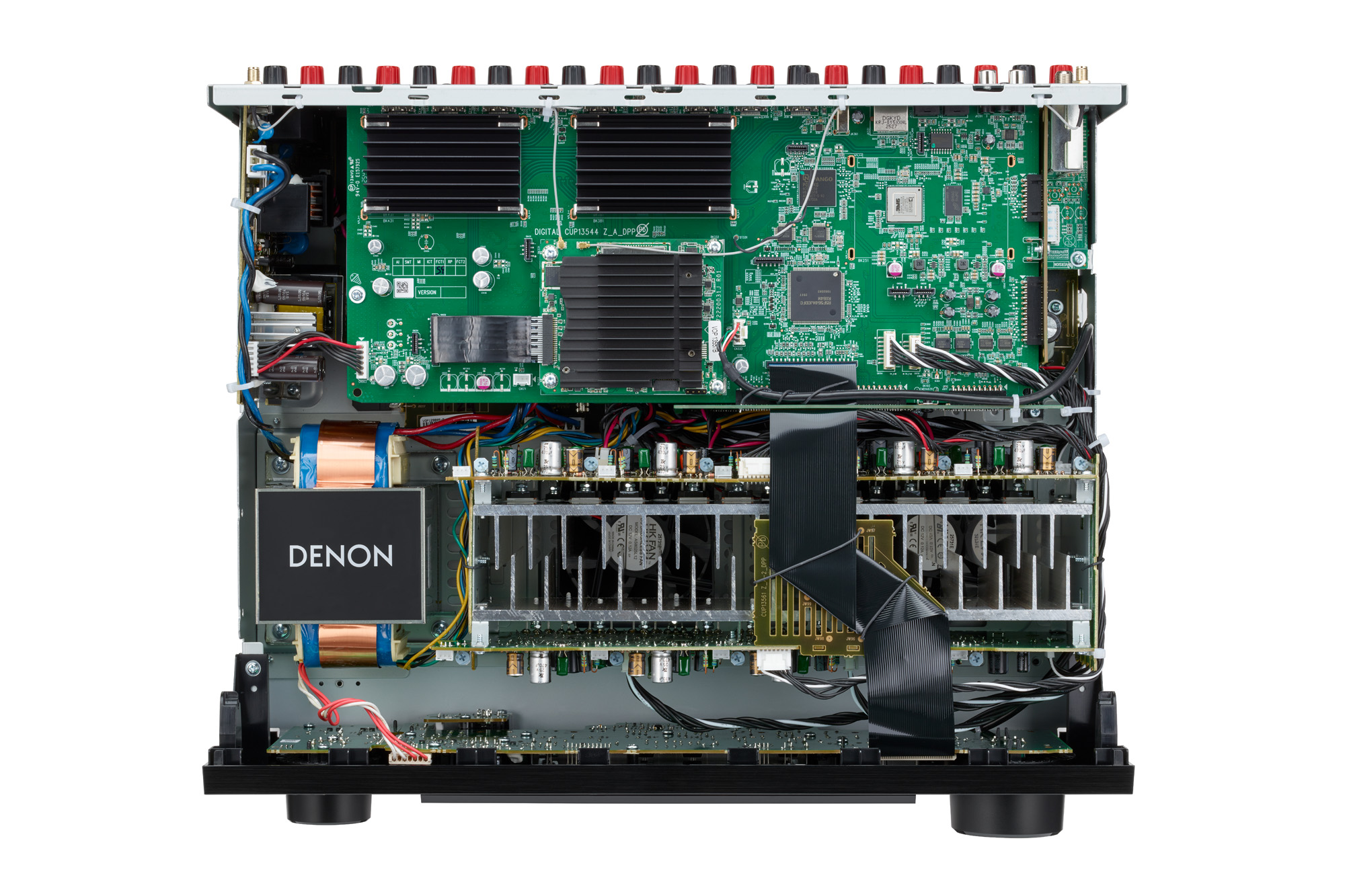
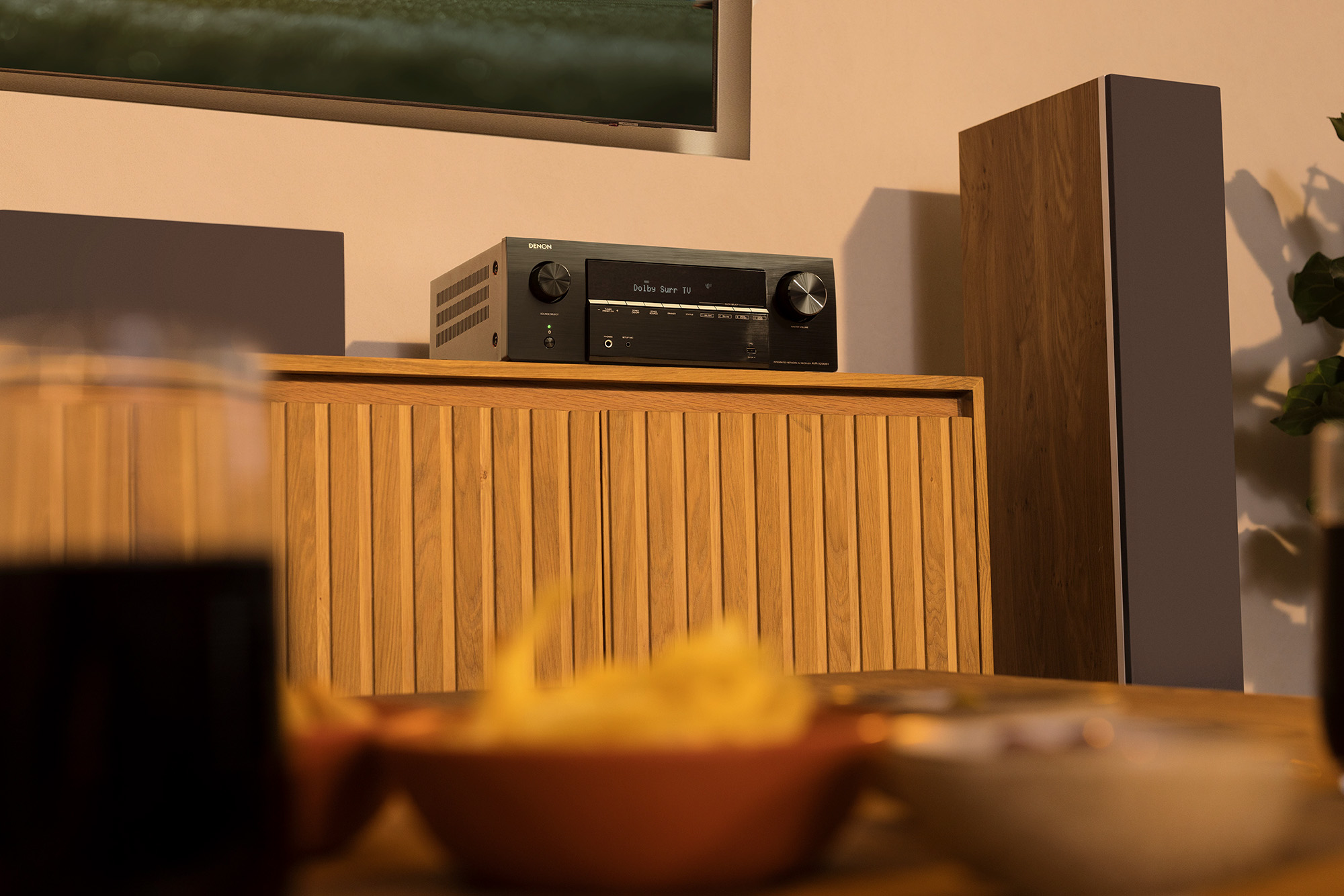
If you’ve tried to buy a Canon G7X or a Fujifilm X100V-series camera lately, you may already know that advanced compact cameras have made a real comeback. It’s not a full-on boom like the early 2000s, when every manufacturer cranked them out by the dozen, but there’s real demand for small cameras that produce high-quality images outside what a typical smartphone can pull off. Panasonic has introduced the new LUMIX L10 to court that growing audience, and the result is a very promising (if a little familiar) looking camera designed to handle just about every typical photography scenario.
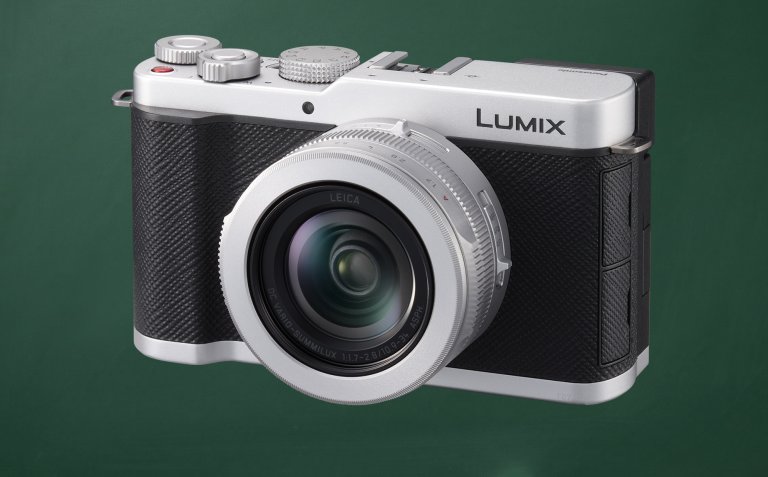
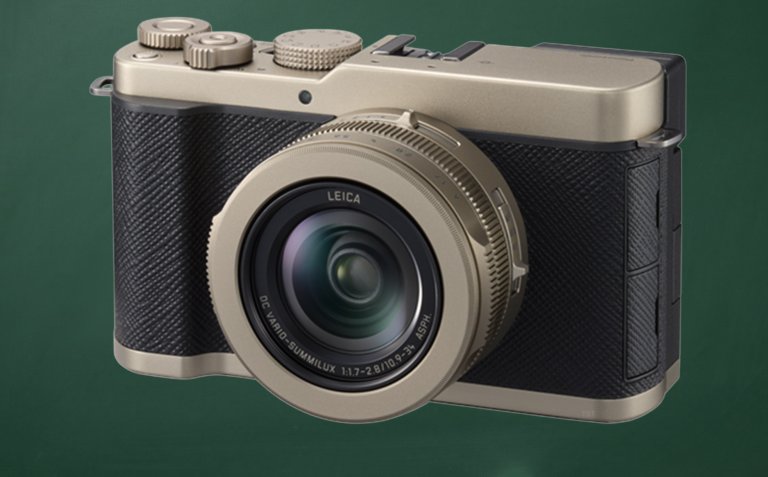
The L10 ships in June for $1,499 in black or silver, with a limited $1,599 Titanium Gold special edition for LUMIX’s 25th anniversary. At its core is a Leica DC Vario-Summilux 24-75mm F1.7-2.8 zoom mounted to a 20.4-megapixel Four Thirds sensor, a pairing anyone who shot with the popular LX100 II compact will recognize on sight. The body lands between Fujifilm’s APS-C X100VI and Canon’s 1-inch G7X Mark III on both sensor size and price, slotting into territory Panasonic hasn’t covered since the LX100 II went off the menu.
The Leica zoom and Four Thirds sensor
An F1.7 maximum aperture at the wide end and F2.8 at the long end is unusual for a compact zoom at this price tier, and most compact zooms taper to a slower aperture as they extend. This one holds wide across the 24-75mm range. The same lens formula appeared on the LX100 II and powers Leica’s current D-Lux 8, though neither pairs it with a 779-point Phase Hybrid AF system. The manual aperture ring on the precision-machined metal barrel lets you change apertures without diving into a menu, and AF macro from 3 cm at the wide end opens up close-up work.
The 4/3-type BSI CMOS sensor sits in a useful spot in the size hierarchy. It’s almost twice the area of the 1-inch chip in the Canon G7X line and noticeably smaller than the APS-C sensor in the Fujifilm X100VI. The 20.4-megapixel effective resolution comes from a 26.5-megapixel total count, because the L10 uses a multi-aspect sensor design that maintains a consistent angle of view across 4:3, 3:2, and 16:9. Switching aspect ratios doesn’t recompose your shot, which is a quietly useful feature for anyone working between print and social. Dynamic Range Boost adds shadow detail in still images, though Panasonic hasn’t specified the stop count.
Fast AF, 30 fps burst
Phase Hybrid AF spreads 779 focus points across the frame, with AI-based subject recognition that covers eyes, faces, bodies, animals, vehicles, and what Panasonic calls Urban Sports. That last category is the catch-all for skateboarding, BMX, parkour, and the kind of action you’ll find in Mountain Dew commercials. Burst tops out at 30 fps with the electronic shutter and 11 fps with the mechanical, fast enough to catch peak action without abandoning a tactile shutter feel. POWER O.I.S. handles stabilization, though Panasonic hasn’t quoted a CIPA-rated stop count yet.
Composition runs through a 2.36-million-dot OLED viewfinder and a 1.84-million-dot free-angle monitor that flips out for waist-level or vertical shooting. Both displays support a vertical UI, a nod to anyone shooting primarily for phone-format video and social.
Color science from camera to phone
REAL TIME LUT (look up table) is Panasonic’s in-camera color system, and the L10 makes it easier to use than past models did. A dedicated LUT button on the body gives one-press access, and up to two LUTs can be layered for more complex grades. Two new film-inspired Photo Styles ship as defaults: L.Classic for soft, muted tones, and L.ClassicGold for warmer amber highlights with a nostalgic contrast curve. It’s similar to Fujifilm’s film “recipes” which apply specific looks to images as you shoot.
Magic LUT in the LUMIX Lab app uses AI color analysis to generate a custom LUT from a reference photo. Find an image whose color treatment you like, the app builds a profile, and you can load it back into the camera as a REAL TIME LUT. RAW editing, MP4 (Lite) clips for social sharing, and high-speed wired transfer all live in the same app. The Lab workflow pushes a step that traditionally lived in Lightroom or DaVinci onto the phone where most readers actually edit now.
Pricing across three colorways
Black and silver L10s ship in June for $1,499, both wearing a saffiano leather-textured finish over a magnesium alloy front case. At 508g with battery, card, and hot shoe cover, the body sits between a small mirrorless rig and a true pocket camera in carry weight. Panasonic is pricing the L10 about $100 below Leica’s D-Lux 8, which uses the same Leica zoom formula in a different chassis.
The Titanium Gold special edition arrives at $1,599 in limited quantities, primarily through the Panasonic Store. The kit adds a special edition lens hood, a leather strap, a threaded shutter button, and a gold-themed menu system that carries the finish from the body into the UI. The rear branding sits in a position visible only to whoever is holding the camera. The $100 premium covers the accessories and cosmetic upgrades.
The standard black L10 carries the saffiano leather-textured finish in a flat, professional matte. It ships with the standard kit and is the configuration most likely to show up on retailer shelves at launch. The Lab app, REAL TIME LUT, dedicated LUT button, and Leica DC Vario-Summilux zoom are all standard. We’re working to get one in for a full review.
The silver L10 is mechanically identical to the black model at $1,499 and leans into the LX100 II nostalgia for buyers who remember the original. It’s the same color treatment Panasonic favored across the LX100 series, and the rangefinder-adjacent look Leica has long favored for its M-line cameras. The silver model ships in June alongside the black.
Panasonic LUMIX L10 Titanium Gold Special Edition $1,599
The 25th anniversary Titanium Gold edition runs $1,599 and includes a special edition lens hood, a leather strap, a threaded shutter button, and a gold-themed menu system that carries the finish from the body into the interface. The rear branding is positioned to be visible only to the person holding the camera. Limited quantities ship through the Panasonic Store in June.
The best deal at RYOBI Days at The Home Depot right now isn’t a price cut, it is a free tool. Right now, you can buy one of the qualifying RYOBI ONE+ 18V kits and pick a second ONE+ tool at no extra cost. The priciest free options on the higher-tier kit are worth up to $229. I haver a number of Ryobi tools in my kit and they almost always perform way above their price tag. And that’s even before the discounts. The free-tool menu changes as stock moves, so the good picks tend to disappear before the kits do.
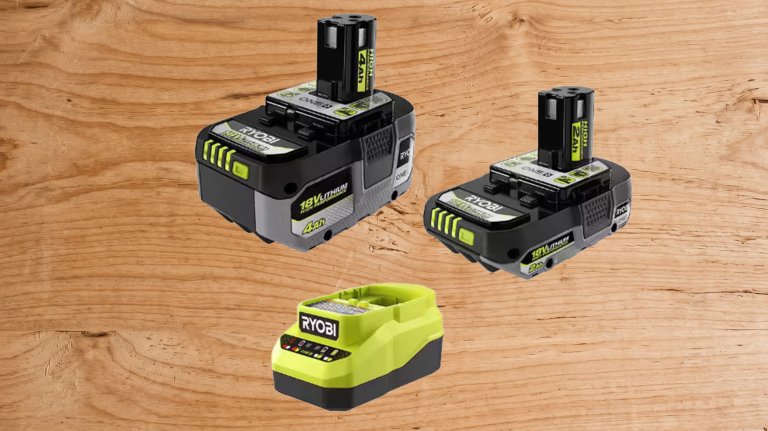
RYOBI ONE+ 18V Starter Kit with 2.0Ah and 4.0Ah Batteries and Charger $99.00 (was $228.00)
57% off the most useful entry point, and it unlocks a free ONE+ tool
The RYOBI ONE+ 18V Starter Kit (PSK1212SB) is the one to grab first at $99, down from $228, because it covers the two battery sizes you actually use. You get a 4.0Ah HIGH PERFORMANCE pack for high-draw tools like saws, a lighter 2.0Ah pack for drills and lights, and a charger, and the kit qualifies for a free ONE+ tool worth up to $89. Any RYOBI 18V ONE+ battery runs the entire 300-plus tool ONE+ catalog, so this is the cheapest honest way into the system.
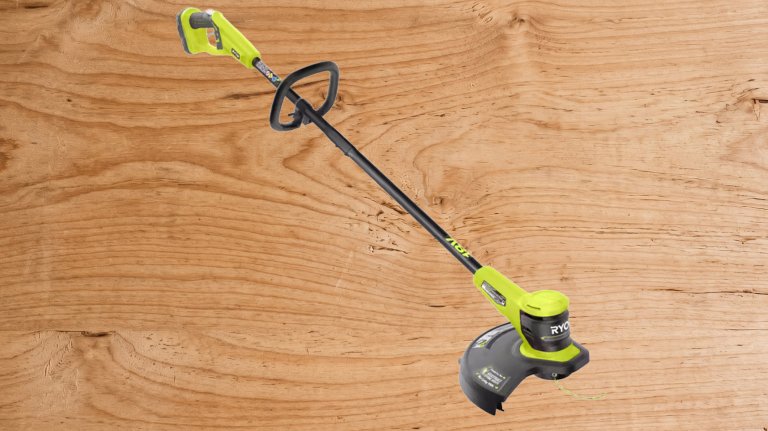
RYOBI ONE+ 18V 13-Inch Cordless String Trimmer with 2.0Ah Battery and Charger $99.00
A finished yard tool at $99 that still comes with a free ONE+ tool
The RYOBI ONE+ 18V 13-inch String Trimmer (P20150) is the better $99 buy if you also need to cut grass, since it ships ready to run with a 2.0Ah battery and charger and still qualifies for a free ONE+ tool. It handles edging and trimming on a typical lot, and the included battery drops straight into any other ONE+ tool you own. Pairing it with a free blower or hedge trimmer from the offer list basically builds a starter yard kit for the price of one tool.
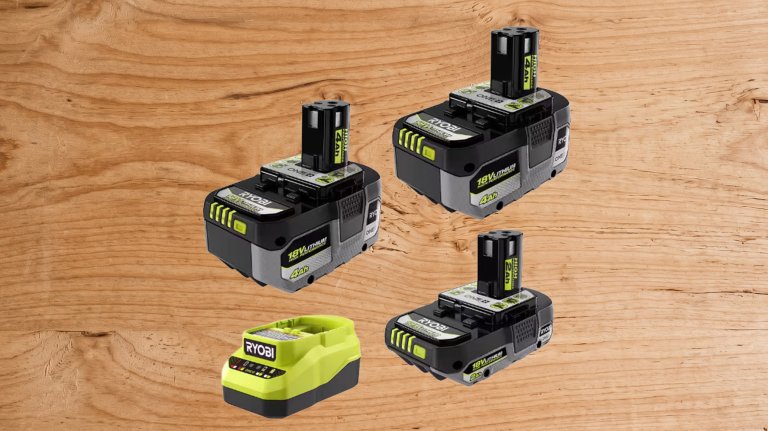
RYOBI ONE+ 18V HIGH PERFORMANCE Starter Kit with 2.0Ah and Two 4.0Ah Batteries and Charger $199.00 (was $361.97)
Three batteries, 45% off, and the longest free-tool menu in the event
The RYOBI ONE+ 18V HIGH PERFORMANCE Starter Kit (PSK108SB) is the pick if you want the strongest free tool, because at $199 it opens a 20-item menu that includes options worth more than the kit itself. You get three HIGH PERFORMANCE batteries (one 2.0Ah and two 4.0Ah) plus a charger for $199, down from $361.97, and the free-tool list runs up to a $229 battery two-pack. If you are starting from zero and want to skip the upgrade later, this is the kit that pays for itself fastest.
How the RYOBI Days free-tool deal works
The RYOBI Days free-tool offer is structured around three qualifying purchases: the $99 ONE+ Starter Kit, the $99 ONE+ String Trimmer, and the $199 HIGH PERFORMANCE Starter Kit. Add a qualifying kit to your cart, then choose one tool from that kit’s eligible list and it lands in the order at $0. The $99 kits draw from a 13-tool menu topped by an $89 reciprocating saw, while the $199 kit expands the menu to 20 tools and adds the high-dollar options. Stock is the only real catch, since the offer is limited to what The Home Depot has on hand and the best free tools sell through first.
Free RYOBI ONE+ tools you can claim with a $99 kit
With either $99 kit, the RYOBI ONE+ 18V Reciprocating Saw is the highest-value free pick on the 13-tool menu at a regular $89.00, followed by the 18-inch Hedge Trimmer at $79.97. Every option below is a real ONE+ tool that runs on the battery your kit already includes, and the price shown is what you would otherwise pay.
The $199 HIGH PERFORMANCE kit unlocks bigger free tools
Step up to the $199 HIGH PERFORMANCE Starter Kit and the free RYOBI ONE+ 18V 4.0Ah Battery Two-Pack becomes the standout claim at a regular $229.00, more than the kit costs. The same menu adds the brushless Pet Stick Vacuum at $199.00, the 4-Mode Impact Wrench at $179.00, and the 7-1/4-inch brushless Circular Saw at $139.00, none of which appear on the $99 list.
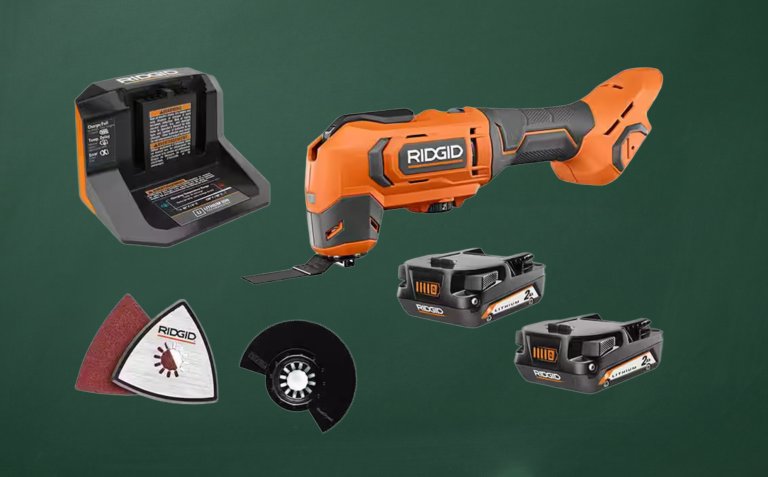
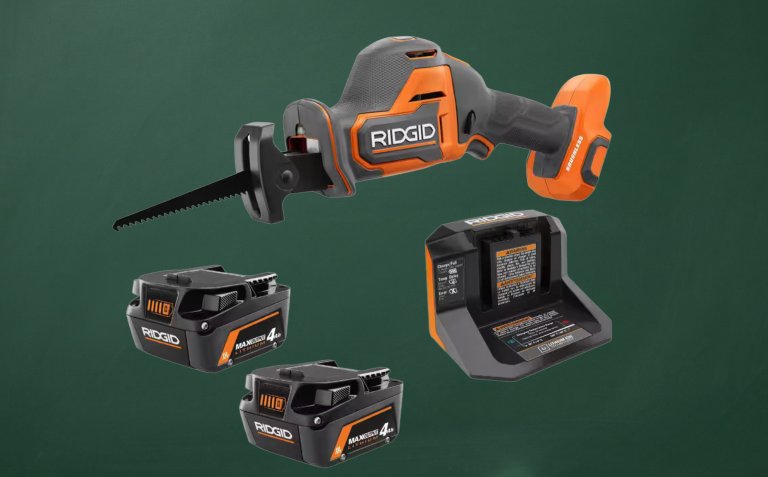
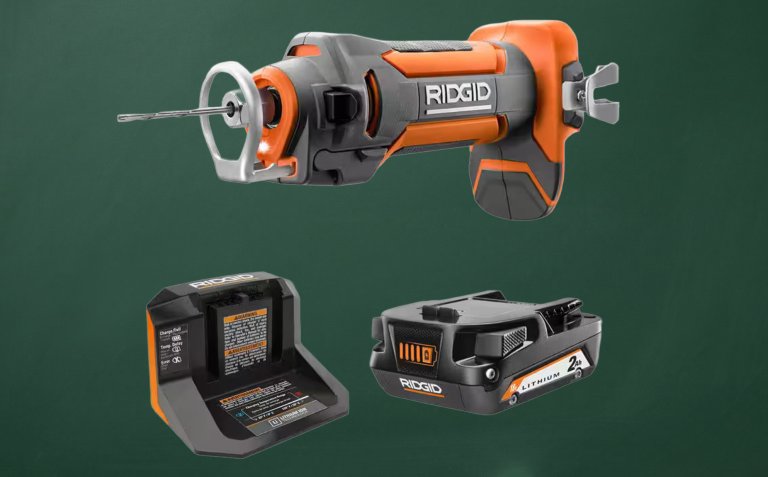
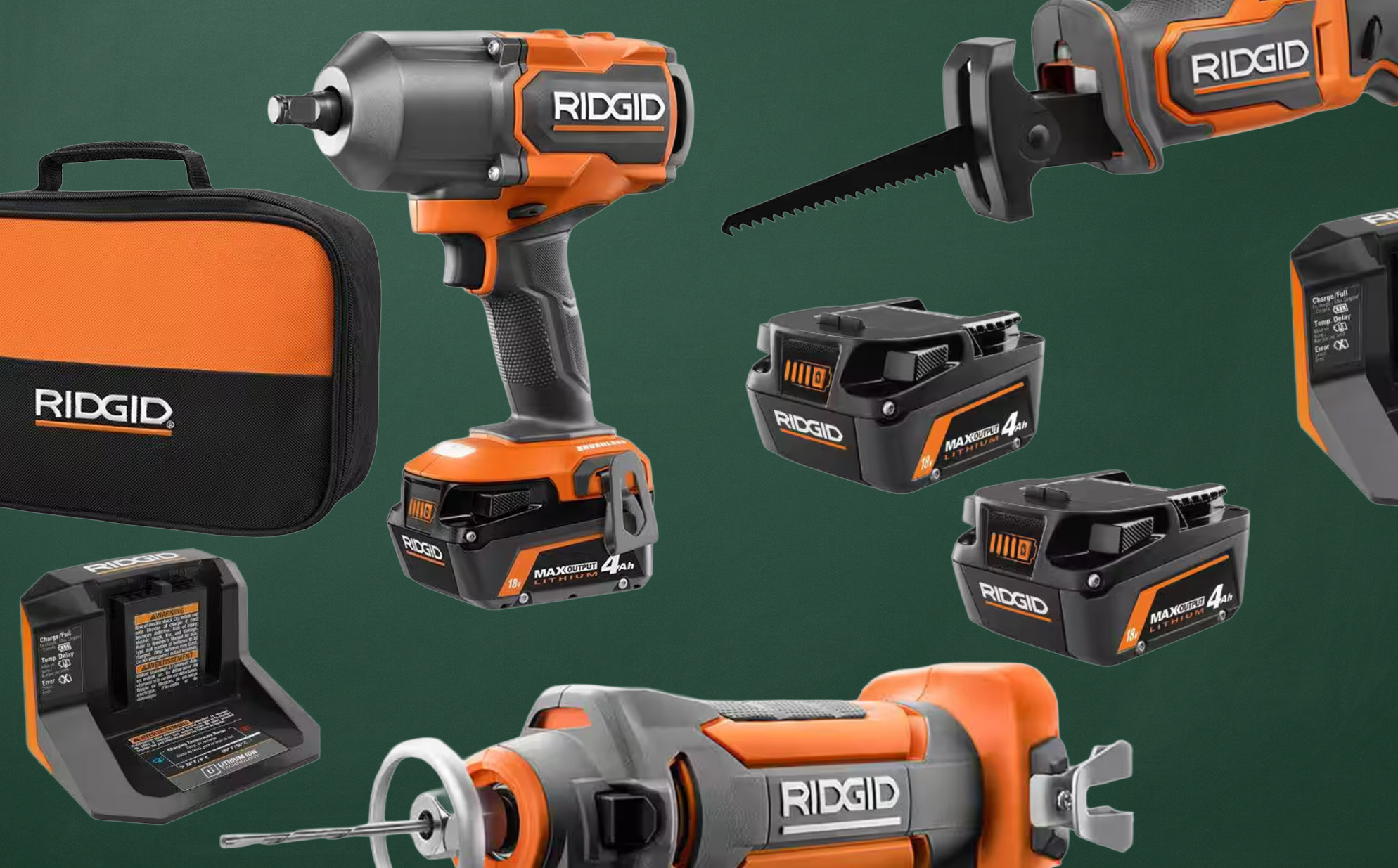
The Home Depot is running a sprawling spring sale on RIDGID tools with cuts on cordless kits, combo bundles, jobsite gear, and corded shop equipment. The 18V Cordless Oscillating Multi-Tool Kit with two 2.0Ah batteries and a charger drops to $109 (down from $316), a battery starter kit comes with a free SubCompact Brushless one-handed reciprocating saw for $169 (down from $446.97), and the 18V Drywall Cut-Out Tool Kit hits $79 (down from $207). If you have been waiting to buy into the RIDGID 18V platform, this is the kind of pricing that makes the case for you.
RIDGID 18V Cordless Oscillating Multi-Tool Kit with 2 2.0Ah Batteries and Charger $109.00 (was $316.00)
Oscillating multi-tools are the do-everything cleanup tool in any toolbox. It can take on flush cuts, plunge cuts in drywall, scraping, sanding tight corners, and chopping through stubborn hardware. This kit pairs the cordless multi-tool with two 2.0Ah batteries and a charger, which means you get the platform and the runtime to actually use it without buying batteries separately. At 66 percent off, it is the cheapest meaningful entry point to the RIDGID 18V system we have seen in a while.
RIDGID 18V MAX Output 2 x 4.0Ah Battery Kit and Charger with FREE SubCompact Brushless One-Handed Reciprocating Saw $169.00 (was $446.97)
Battery deals are usually boring, but this one is not. You get two 4.0Ah MAX Output batteries and a charger, plus a SubCompact Brushless one-handed reciprocating saw thrown in for free, for $169. The recip saw alone is a useful little tool for trimming hardware, cutting plastic conduit, and notching framing. Together this bundle adds up to about $277 in savings, which makes it a better deal than just buying the batteries by themselves.
RIDGID 18V Drywall Cut-Out Tool Kit with 2.0Ah Battery and Charger $79.00 (was $207.00)
A dedicated drywall cut-out tool sounds niche until you have one, at which point it earns its keep on every project that touches an outlet box, a recessed light, or a register cutout. This kit includes a 2.0Ah battery and charger and runs on the same 18V platform as the rest of RIDGID’s lineup. At 62 percent off, it is hard to think of a better way to spend $79 if you spend any time working on walls and ceilings.
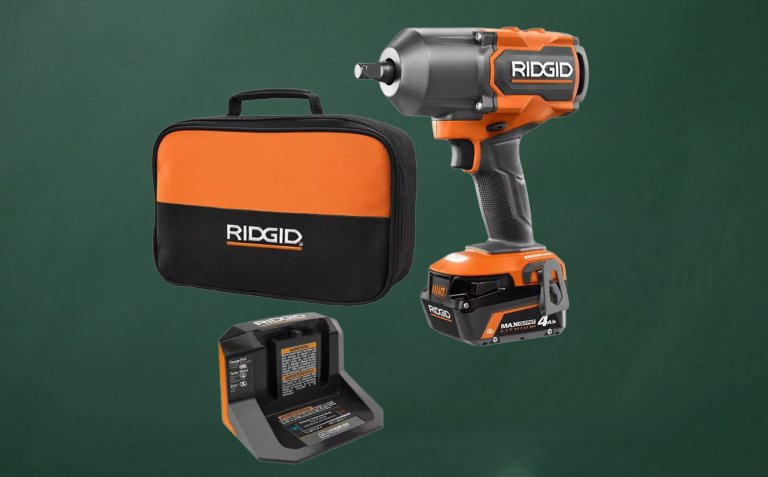
RIDGID 18V Brushless 4-Mode 1/2 in. High-Torque Impact Wrench Kit with 4.0Ah Battery and Charger $209.00 (was $329.00)
The 4-mode high-torque impact wrench is a workhorse that handles lug nuts, suspension bolts, deck screws, and rusted-on fasteners that defeat lesser tools. RIDGID’s brushless version has four selectable modes for dialing in torque without snapping smaller hardware, and this kit ships with a 4.0Ah battery and a charger so you can start working immediately.
Graduation is a huge event in someone’s journey. It’s a monumental shift from one phase of life to the next. You don’t want to show up to something like that with a $20 coffee gift card. You want a real gift. Luckily, we’re experts when it comes to gift giving (and gift receiving if you’re feeling generous). We’ve crafted this guide to help find the perfect present for anyone graduating from high school, college, trade school, or the beginner’s class at the local yoga studio. Every accomplishment deserves a celebration.
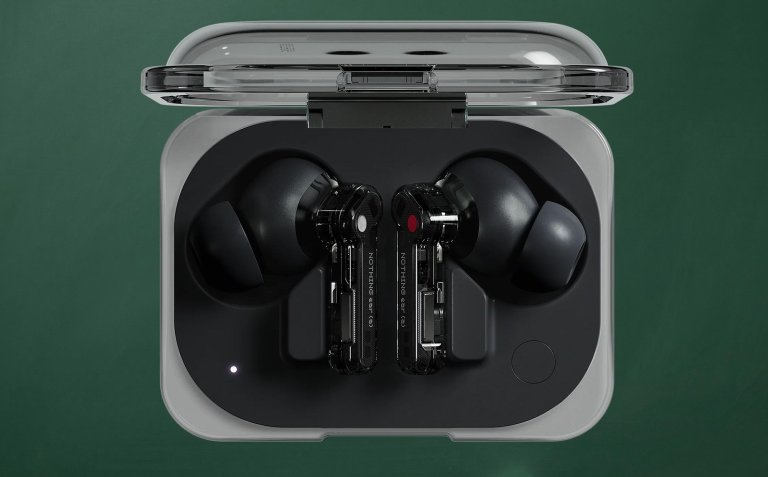
The Ear (a) is the under-$100 pick for a grad who’d rather not have white earbuds blending into every other pair on campus. They include active noise cancellation and transparent plastic earpieces with the Nothing brand’s all-caps industrial-design language, and they run about 42 hours on a charge counting the case. The IP54 rating means a sudden downpour won’t kill them. They sound closer to a $200 pair than a $99 one, and they pair with both iPhone and Android.
Hungry Minds The Book: The Ultimate Guide to Rebuilding Civilization
This is a 400-page illustrated encyclopedia of the inventions, discoveries, and systems that got society this far, covering medicine, materials, mechanisms, agriculture, music, and much more. Every illustration is hand-drawn, and every fact was vetted by a working scientist. The cover is silver-embossed and the binding is sewn rather than glued, which is the difference between a book that survives a decade in a bookcase and one that sheds pages by year three. This is the kind of reference a grad might actually keep when their bookshelf gets thinned out at the next move. Hungry Minds is taking 10% off The Book for graduation season with the code KEEPLEARNING10 at checkout.
A grad already has a laptop. What they do not have is a 32-inch screen on the desk in their first apartment. LG’s UltraFine 4K is the work-from-home upgrade that turns a coffee-table laptop setup into something that won’t tank their posture by month two. It swivels into portrait orientation for code or long PDFs, runs at 60Hz UHD with HDR10, and at $349 it lands well under the price of a higher-end display while doing the same job for a job-interview Zoom. The included stand handles most desks, and the screen mounts on a regular VESA arm if your grad wants to fully commit to a real setup.
For the engineering or CS grad who’d rather rebuild a laptop than replace one, Framework’s Laptop 13 Pro is the rare Windows machine you can disassemble with the screwdriver that comes in the box. The RAM, SSD, ports, screen, and even the board are all user-replaceable, and the company sells those components individually for a decade after launch. It costs roughly the same as a comparable model from a big manufacturer, but the math changes when you upgrade in year three instead of buying new.
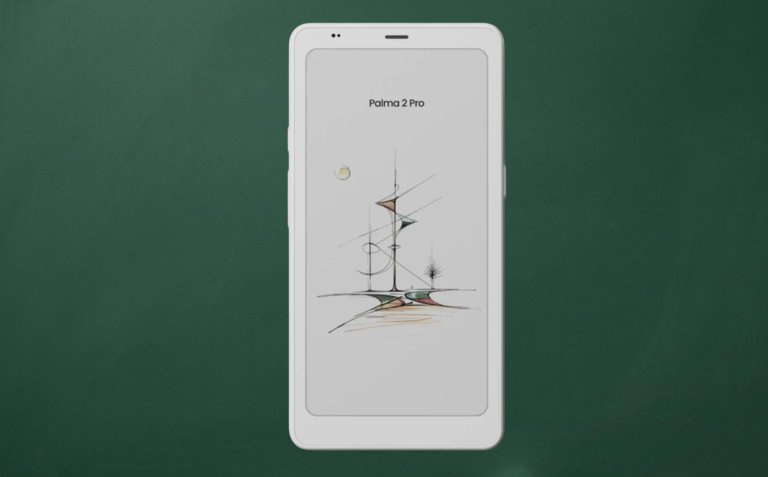
The Palma 2 Pro is an e-reader the size and shape of a smartphone, which is the entire point. It runs Android, so the grad can install Kindle, Libby, Spotify, and Pocket on the same device and then read e-ink without the scroll-prompted dopamine loop of an actual phone. The Pro upgrade adds a fingerprint reader and a fingerprint-magnet glass back, but the win is still the original idea: a device that fits in a back pocket and doesn’t pretend to be a phone. This is the kind of gift the grad shows their roommate, who immediately wants one.
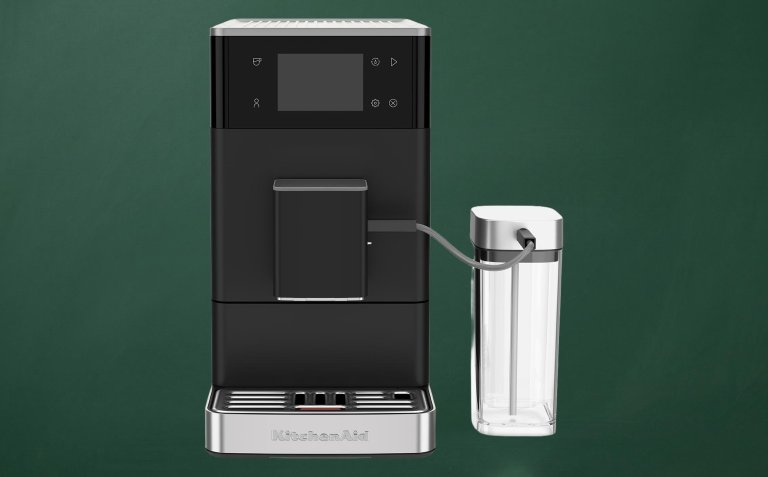
KitchenAid Fully Automatic Espresso Machine with Iced Coffee
For the grad whose first apartment will have a coffee bar before it has curtains, KitchenAid’s new fully automatic does the entire process at the touch of a button. It grinds the beans, doses the puck, tamps it down, brews the shot, and foams the milk on its own. Iced coffee is built into the menu, which sounds gimmicky until you’ve used it. I’m reviewing one now, and the early read is that it nails milk texture better than most superautomatics in its price tier. The price tag puts this in splurge territory, but it replaces a daily $6 coffee shop habit and the math gets reasonable around month nine.
All-Clad D3 Stainless 3-ply Bonded Cookware, Mother of All Pans with lid, 6 quart
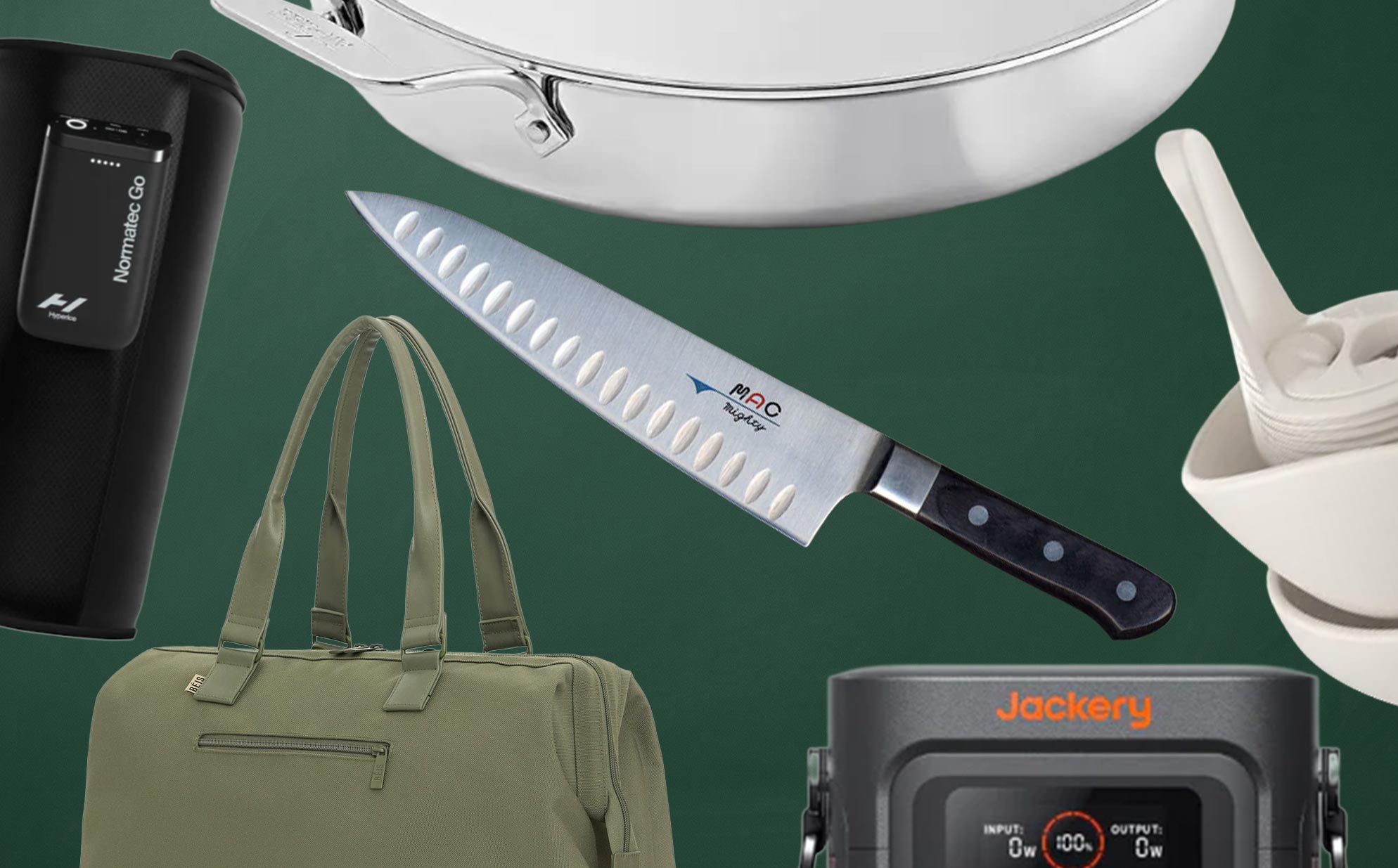
All-Clad’s Mother of All Pans is the largest cooking surface in the brand’s lineup at 6 quarts. It’s a single piece of fully bonded tri-ply, with an aluminum core sandwiched in stainless steel all the way out to the flared rim. That construction matters because cheaper pans cut corners there and end up with a hot spot in the middle. That’s instant death for pancakes. The pan is big enough for a four-person braise without crowding the meat, and it’s deep enough that a sauce won’t boil over before you’ve reduced it. All-Clad has been making this in Pennsylvania since 1971, the pan is oven-safe up to 600°F, it works on induction, and it carries a lifetime warranty. Right now it’s $149 down from $299. This is a first-apartment workhorse the grad will still cook on a decade after the move.
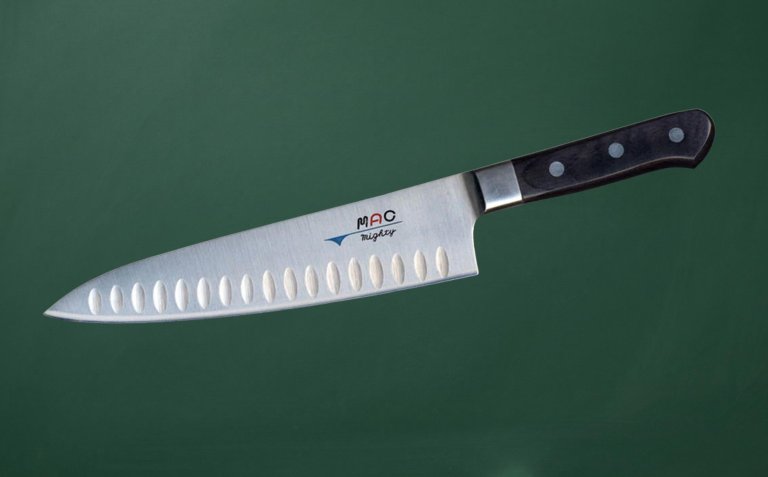
Review sites have been extolling the virtues of this knife for years, and the reasoning still holds. The steel takes a thin Japanese edge, the dimpled blade releases sticky food cleanly, and the handle balances right at the bolster. Sharpen it once a year and they’ll cook with it through their first three apartments.
Buffy makes a duvet insert filled with recycled-PET fiber, encased in a washed-cotton shell that has the loft of down without the feathers stabbing through the cover. It’s hypoallergenic, it goes in a regular washing machine, and a queen size runs about $159. A grad outgrowing their dorm comforter shouldn’t be sleeping under polyester from the campus bookstore.
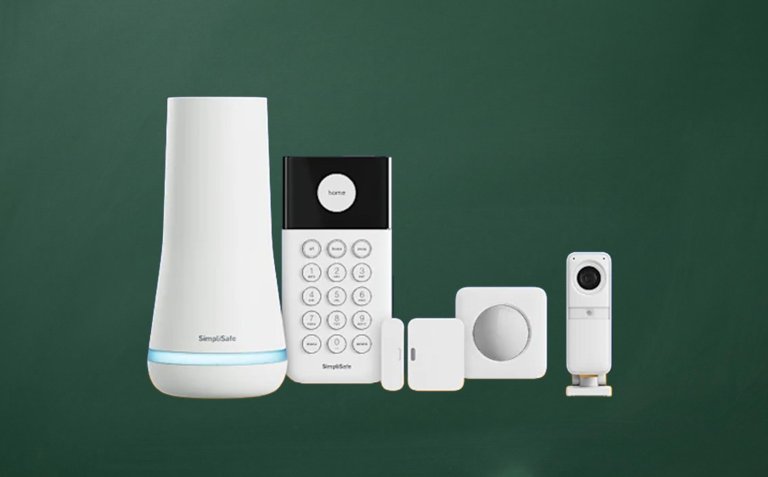
This is the least sentimental gift on the list and one of the most useful. SimpliSafe’s Starter System is renter-friendly, it sticks on with adhesive instead of screws, and it doesn’t require a contract. Three sensors and a base station cover a one-bedroom apartment, and the grad can add cameras and smart locks later when they care to.
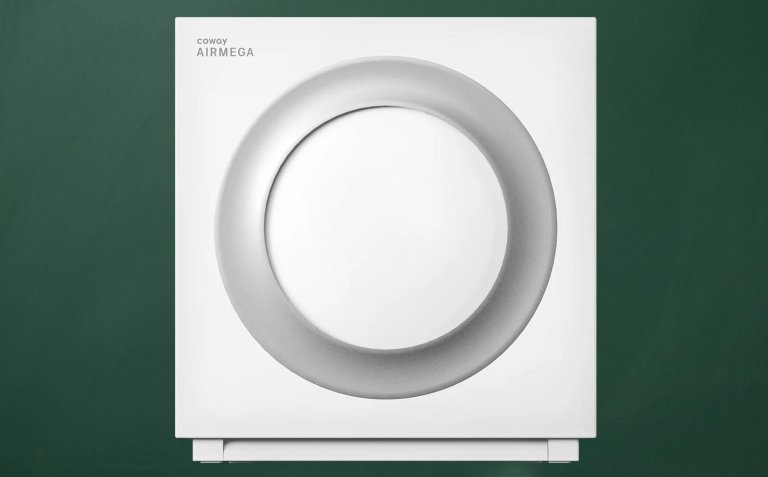
Coway just refreshed the Mighty AP-1512HH, the True HEPA box that’s been a top pick for nearly a decade. The new Mighty2 keeps the same 360-square-foot core and addresses the long-running requests. The pre-filter slides out from the side instead of forcing a full disassembly, the filter set runs 12 months between swaps instead of six, and a front-mounted MegaScan sensor reads PM1, PM2.5, and PM10 in real time.
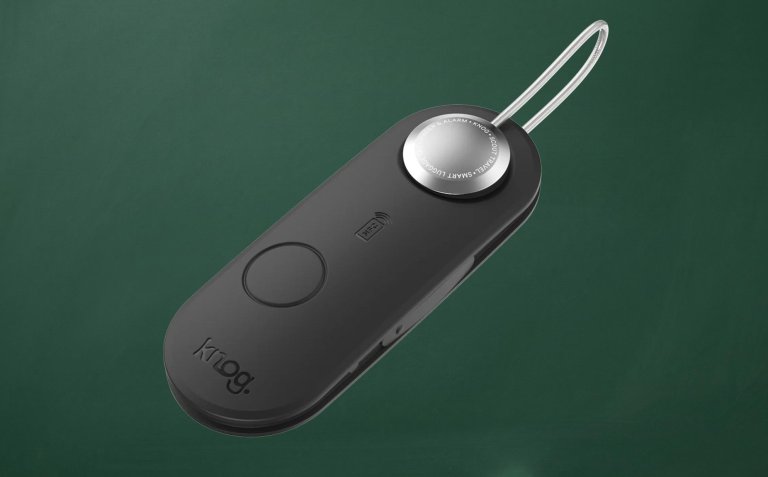
The Scout is an AirTag tucked inside an actual luggage tag, with an 85dB motion alarm built into the housing. Apple’s Find My works through it the same way it does on a standard tracker, except now the bag screams when somebody else lifts it off a carousel. It’s 50% off at $30 right now.
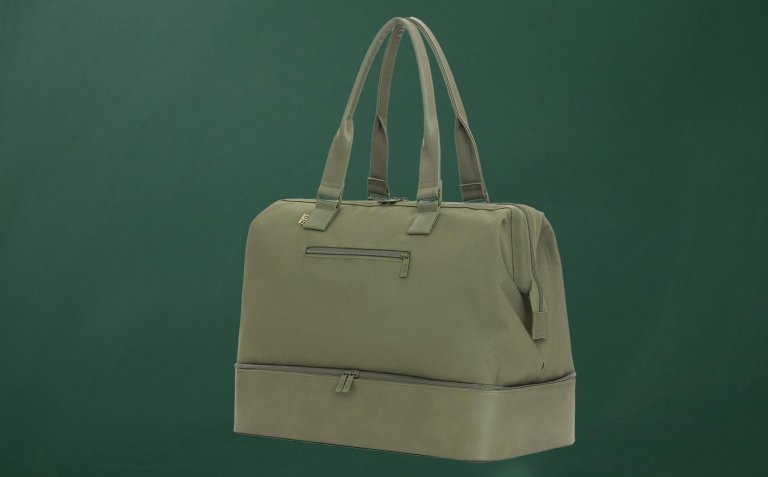
The Weekender is the duffel that’s been all over college campuses for three years running, and it earned that placement honestly. The body is vegan leather, the bottom has a dedicated shoe compartment, and a trolley sleeve lets it slide over a roller bag for airport tag-team travel. It holds two nights of clothes plus a laptop without bulging. The interior is light-colored, which sounds dumb until your grad is rifling for a charger at 5 a.m. and can actually find it.
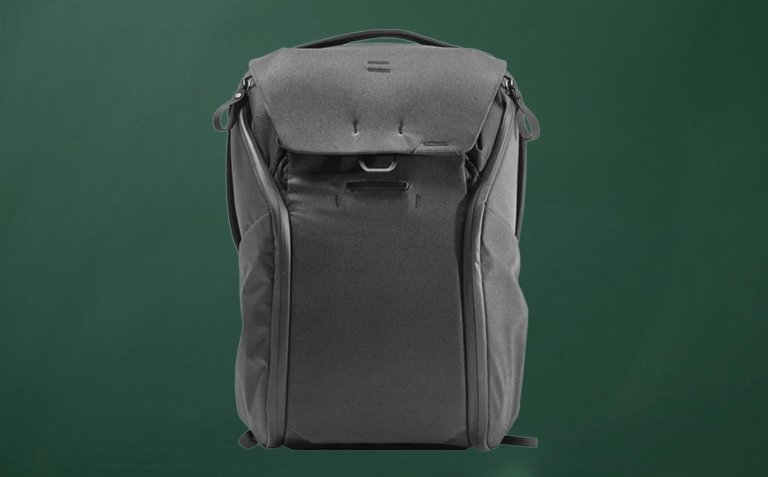
The 20L Everyday is a standard for photographers and commuters alike. The magnetic FlexFold dividers reorganize for whatever’s getting hauled today, the side access doesn’t fight a laptop, and the weather-resistant shell handles a surprise downpour without wetting the books. It comes with a lifetime warranty and real customer service, and the body holds up for a decade of daily abuse.
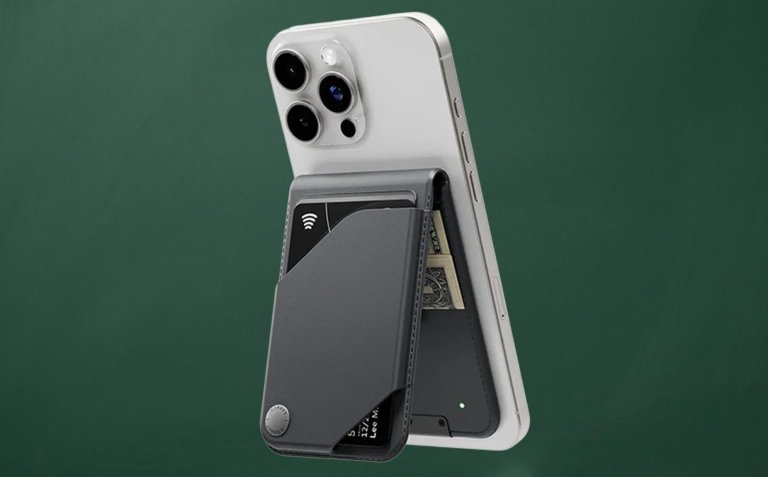
The LOC8 VERSA is a slim MagSafe wallet that doubles as a phone stand and a tracker, and it’s compatible with both Apple’s Find My and Google’s Find Hub. The grad whose wallet is constantly half a campus away from where they thought it was now has receipts. A metal money clip on the back keeps a couple of bills handy, the leather softens with use, and the whole thing weighs less than a deck of cards. It works with an iPhone or pretty much any Android in a magnetic case.
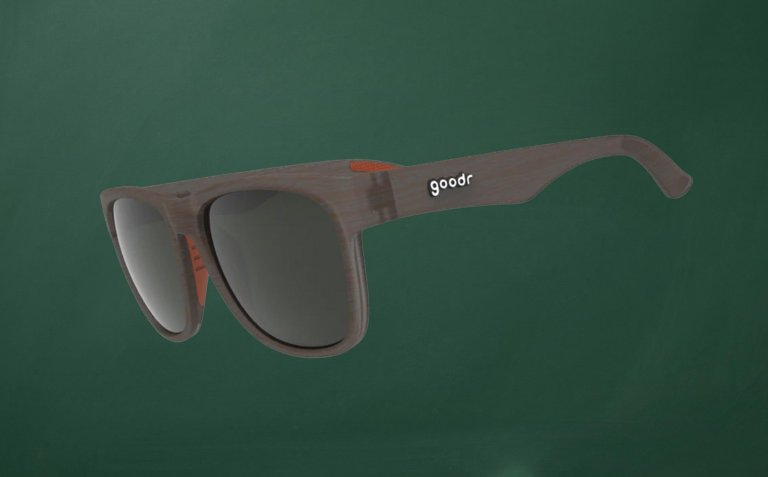
I have a large skull, and Goodr’s BFG line is one of the very few sub-$40 sunglasses that don’t look tiny on me. The lenses are polarized, the rubber temples don’t slip when you sweat, and the polycarbonate handles a drop on a parking lot without scratching. The grad with a normal-sized head will still wear them because the styling holds up.
For $25, EarPeace’s EVERYDAY plugs drop about 14 decibels off the world without making it sound like you’re underwater. They work for concerts, dorm hallways, and the loud bus ride to the airport. They live on a keychain in a tiny aluminum case, which keeps them findable so the grad doesn’t lose the pair by Tuesday. They’re cheap enough that you can gift two sets and have them keep one in every bag.
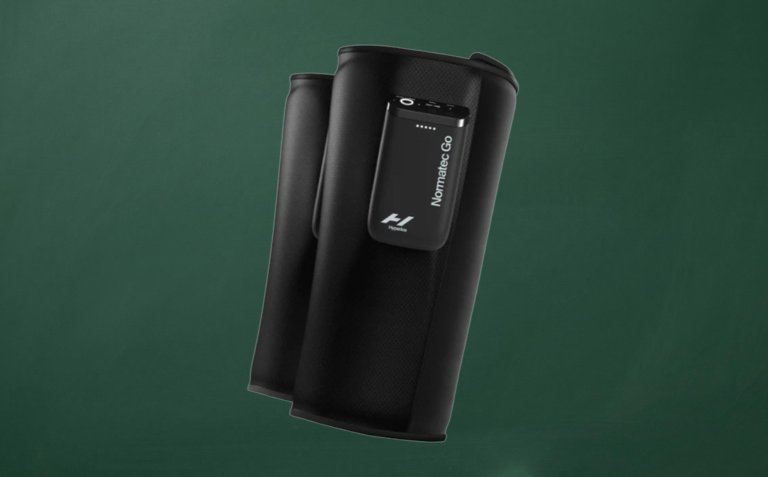
Most recovery gifts default to the same percussive massage gun. The Normatec Go is the alternative: a pair of pneumatic compression sleeves that wrap each calf and pulse through a full massage cycle while the grad watches a movie on the couch. The original Normatec system was an NFL training-room staple. The Go shrinks the same idea into two cordless sleeves that tuck into a backpack and run three hours per charge. At $399, this is the single piece of recovery gear the marathon-running grad will never buy for themselves.
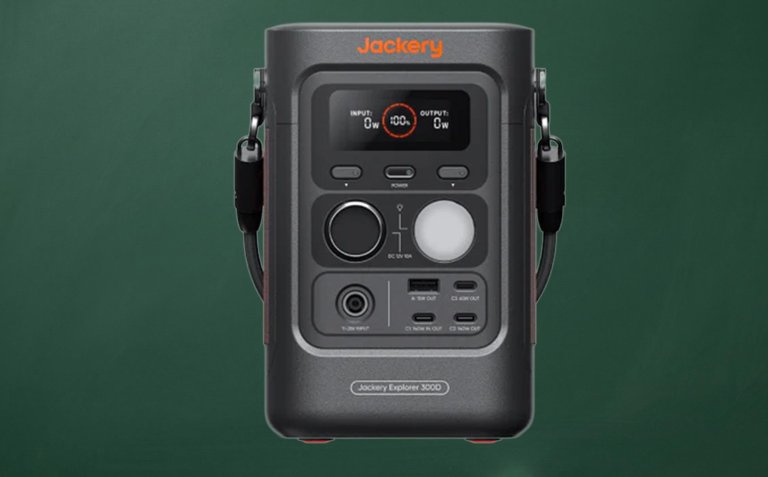
Jackery’s smallest serious power station weighs 5.5 pounds and is about the size of a hardback book. It packs 288Wh of LiFePO4 capacity rated for 4,000+ charge cycles, which Jackery puts at roughly a decade of daily use. The carrying strap is the clever part. It doubles as a 140W USB-C cable, which means the handle of the unit is also the charger. The 300D will fully charge a phone about 11 times, run a Starlink Mini for around ten hours, or power a laptop and a couple of accessories at the desk where dorm outlets gave up two cables ago. It costs $219.
We test hundreds of products every year, ranging from hardcore outdoor gear and power tools to home theater systems and kitchen appliances. Seriously, you should see our offices. They’re cluttered with products and we wouldn’t have it any other way.
While we love gear and gadgets, not all of them deliver on their promises. We know what it’s like to buy a new device only to find that it doesn’t solve the problem you wanted it to solve. That’s why we created the Popular Science Proven badge.
We put everything we review through rigorous testing. That includes empirical testing when appropriate, but more importantly, we use these items. After all, a TV’s stated contrast ratio doesn’t mean much if that 4K Blu-ray of Alien you bought doesn’t look perfect.
What makes a product worthy of the PopSci Proven badge?
While the specific methods vary, any product with a Proven badge meets a set of criteria developed by the staff across decades of combined experience reviewing products.
It does what it says
When a product makes a claim, you want to know that it’s being honest. That rain jacket will keep you dry on a hike. Those headphones will block out the crying baby three seats behind you on your flight. We decode all the marketing speak you’ll read in the press release and see how well these things actually work.
It’s worth your money
Words like “value” and “budget” get a bad rap when used synonymously with “cheap.” We don’t think that way. An expensive home pizza oven can be a great value if it will last for years and totally eradicates your costly delivery habit. Whether something is $15 or $1,500, it has to earn its price tag.
It solves a problem real people actually have
Scroll through social media for five minutes and you’ll find products that make ridiculous promises and address problems that don’t exist. A Proven product makes life simpler, more accessible, more sustainable, more enjoyable, or more productive.
It’s designed to last, not break and make you buy a new one
We can’t tolerate planned obsolescence. Products with the Proven logo have to be built to last and offer a reasonable warranty should something go wrong. We give bonus points to products that actually get better with age. Nothing beats the patina on a well-crafted pair of boots or the unique brassing that happens to a camera that goes everywhere with its owner.
While Proven will mostly apply to new products, we’ll also be retroactively applying badges to products we’ve loved for years. Some items have already stood the test of time and we appreciate that.
If you see the badge going forward, know that it’s something we’d use ourselves. In fact, check our offices and you’ll find that most of them, we’re already using on the regular.
I’m watching Oslo wake from Vigeland Park, the grass and granite glazed by a North Sea sigh. Hundreds of figures hold poses around me. Angry children, entwined couples, and elders all wear features smoothed by 80-plus winters … and nothing else. Carved and cast by namesake Gustav Vigeland, these nude statues are stripped of uniforms in favor of unifiers. They display no decorations or discernible hierarchies. Yet they share textured stone expressions of unshielded experience. This mineral musculature exists to remind those bearing witness that we are born bare, equal before weather and time. It renders Norwegian humanism into a physical manifesto celebrating intrinsic dignity and communal resilience.
It’s a philosophy that follows me from Oslo’s bustling Havnepromenaden west to the wonky timber alleyways of Bryggen and the rain-varnished, pine-lined Mount Fløyen switchbacks above. It accompanies me north along the rocky slopes and 360-degree fjord views at Bruviknipa.
It’s a mindset that seems stitched into the design details coming out of Norwegian technical outerwear company Helly Hansen’s waterfront headquarters. It becomes the lens through which I experience several stimulating days in June 2025, learning about hydrophobic face fabrics, RECCO reflectors for searchability, friluftsliv (“open-air living”), and the annual Open Mountain Month. [Disclosure: Helly Hansen provided travel accommodations during the creation of this story.]
Founded in 1877 by sea-captain Helly Juell Hansen, the brand’s first products were coarse-linen slickers soaked in linseed oil. This workwear was makeshift armor against squalls that could soak sailors and sink fortunes. Today, Helly Hansen patterns that same survival instinct into performance textiles with 3L HELLY TECH membranes and LIFA waterproof/breathable fibers.
In a building staring out at the harbor, nestled roughly 70 km north of its origins, the company produces garments that are pressure-tested by lab scientists and professional partners before they ever reach storefronts. These include Search-and-Rescue (SAR) organizations like the Norwegian People’s Aid (NPA), alpine medics, and mountain guides who can’t afford a single wardrobe malfunction.
Whereas Vigeland’s frozen choreography memorializes the cycle of life, Helly Hansen’s taped seams and articulated sleeves celebrate the comfort to go about daily life. From commuting to summiting, a hardshell makes endurance something achievable. From contemplating cultural psychology in a drizzle to a simulated helicopter rescue demo, this clothing enables my curiosity.
My private thoughts on Oslo’s public spaces are echoed in Helly Hansen’s introductory presentation. The company declares its guiding light to be producing professional-grade gear “to help people stay and feel alive.” But its protective gear isn’t meant to separate you from the elements so much as allow you to endure nature’s power.
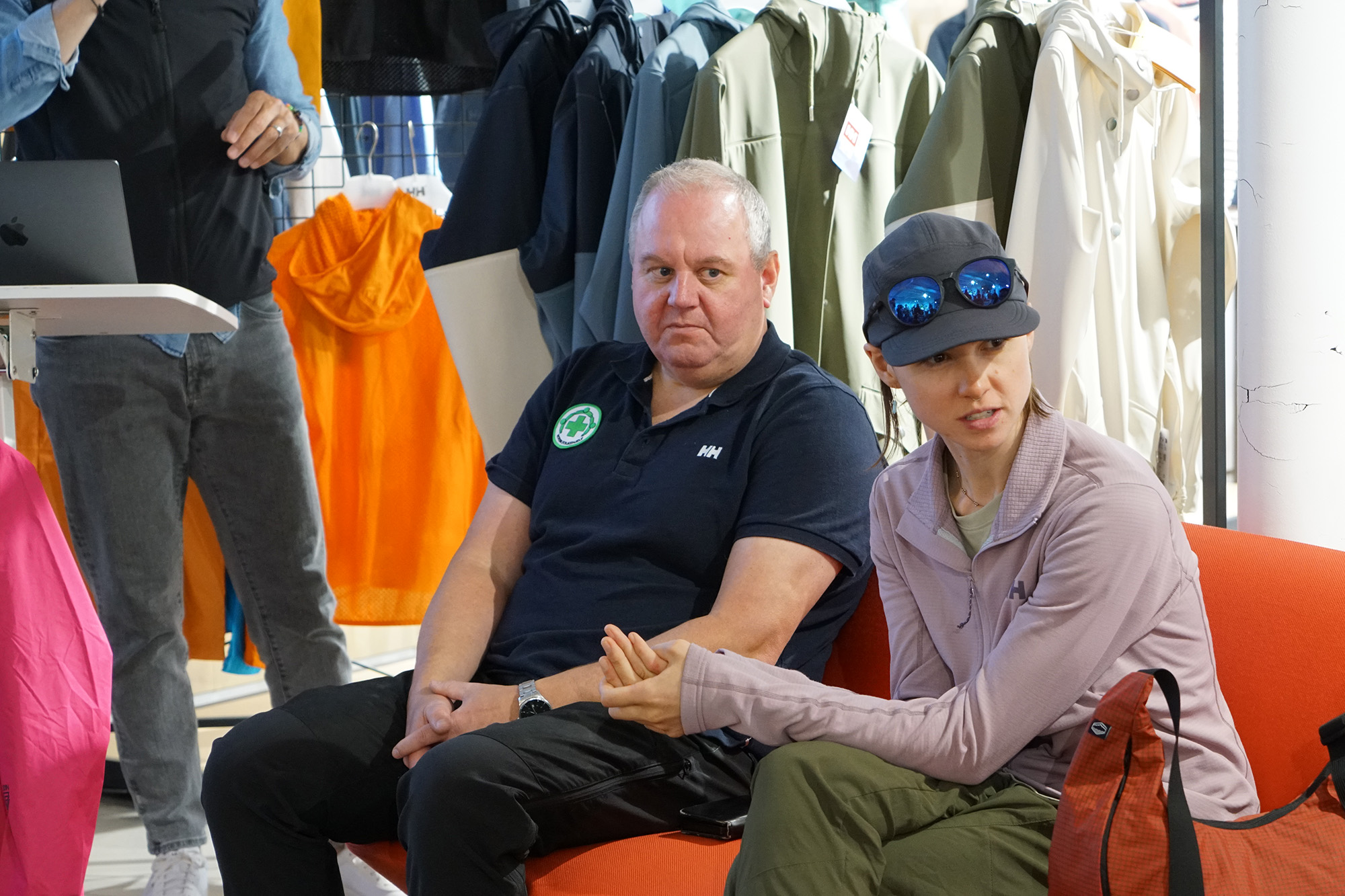
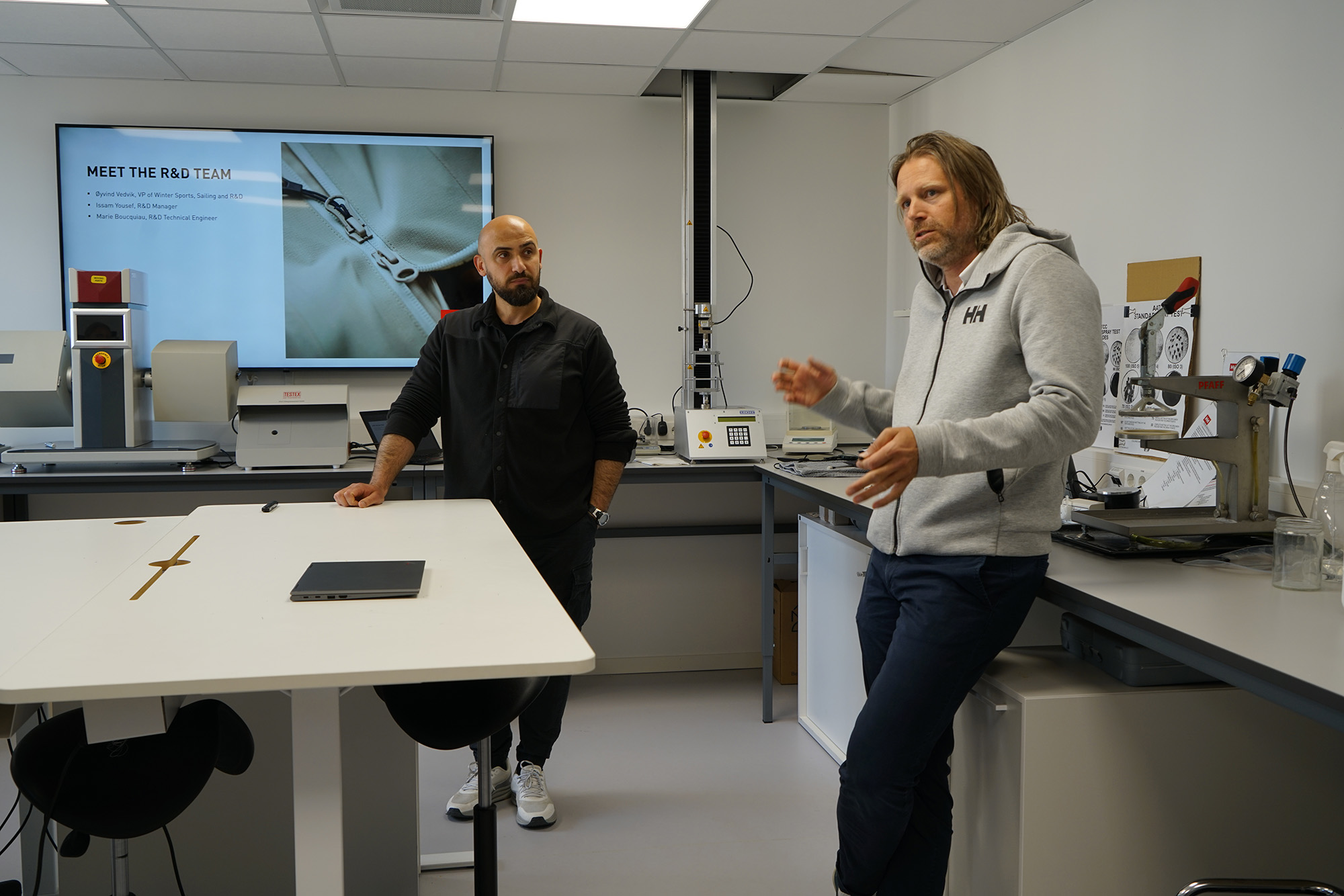
We proceed to a product overview with Philip Tavell, then-vice president at Helly Hansen. He gives us insight into how Helly Hansen delivers its “Trusted By Professionals” promise to 55,000 of them worldwide. It’s a process built on conversations and observations. “Sometimes people say [they need] something but act differently when they actually use the product,” Tavell explains.
“They make us improve. They make us be curious. They force us to find solutions that we didn’t know existed.”
When Helly Hansen designs a product, the company asks ski patrol, sailors, SAR volunteers, and other sleet-proof stoics to complain about what exists and what doesn’t. They try prototypes, destroy prototypes, and in the process expose what a garment should and could withstand. Their worst-case scenarios inform everyone else’s everyday rainwear.
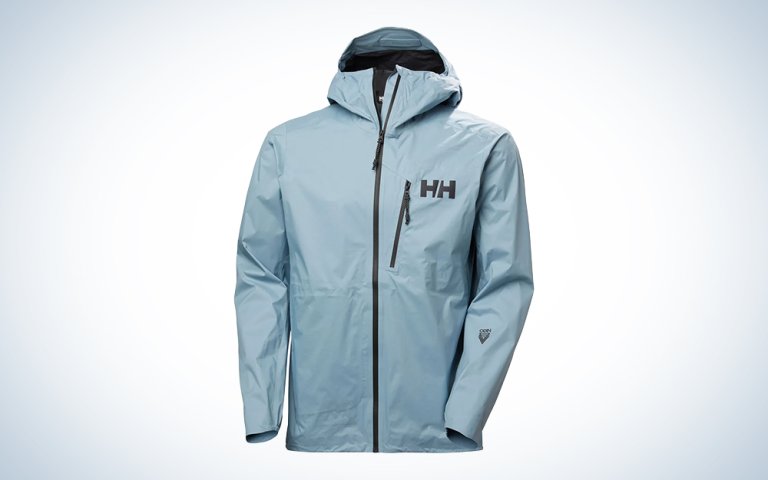
Helly Hansen ambassador Izzy Holmes gives a professional’s perspective on the input that goes into something like an Odin Infinity Minimalist Jacket. Mountain guides were searching for a waterproof, windproof shell in their pack that they “don’t even want to be able to feel,” Holmes explains. But they also needed something they could always count on when fast-moving alpine weather turns. What they (and us) got is just 7.6 ounces but still 3.5 layers, breathable and packable for high-output adventuring.
And Tavell acknowledges the women’s shell must be built with the same technical ambition as the men’s. Women in the field are doing the same work and facing the same hazards, so they voiced frustration that brands thought they should get a “dumbed-down version.”
Helly Hansen Odin Infinity Minimalist Jacket
An NPA representative reinforces the stakes: when conditions have everybody heading home, volunteers have to go out and help those who can’t get in, and at that point, “we can’t discuss if the clothing is good enough; it should just work.” For this reason, zippers are shortened because a waist belt needs space, and a pocket is removed because a harness makes it ornamental.
The accumulated failures that inform successful workwear then trickle down to aestheticized rainwear, even if the reflective details that make a SAR uniform recognizable are less likely to. But one thing that’s shared is a repairability focus when new products are constructed. Replaceable zippers, snaps, Velcro, and other mechanical spare parts that can keep a jacket in service are a cornerstone of sustainability.
In-the-field anecdotes and accidents make for dramatic scenes and adjusted seams, but the stress tests begin way before fabric sees any vistas for validation. Off an unassuming corridor, Helly Hansen’s lab is where the indignities begin. Here, passing a standard test is merely a starting point. Shedding water for 30 seconds in controlled intervals doesn’t answer the questions asked by real-world exposure, which can last for hours. Something needs to address the grind of rain-soaked backpack straps on shoulders or the rub of salt-stiffened sleeves on sides. Somebody needs to account for the drag of oily hands on zippers or being dried badly, then stuffed into/pulled from a pack repeatedly.
The lab does its best to recreate and stretch past the conditions most clothes encounter. That means withstanding pressures, wet and dry abrasion, and punctures that bridge the gap between industry expectations and real-life weather, friction, and sweat, not to mention the lazy violence of daily use. We’re shown a waterproof test of the HELLY TECH Professional system that goes up to a 50,000-millimeter hydrostatic-head (HH) rating, though the promise communicated is an expedition-grade 20,000mm to be on the safe side.
Next to more traditional ways of measuring prolonged hydrostatic pressure or air permeability sit the custom chambers. There’s the cut-testing machine built around an actual ski edge, inspired by real Norwegian national team incidents. And then there’s the shock box. First, fabric samples, new and old, are turned into small bags loaded with tennis balls. Then, they are soaked, dropped, tumbled, scraped, contaminated, and just rudely treated with salt, sand, Velcro, sandpaper, and metal edges to watch the material age in fast-forward.
This accumulated abuse is all part of the proving ground for Helly Hansen’s signature waterproofing technologies. It’s also part of addressing the larger PFAS puzzle facing every shell maker. A waterproof jacket has to keep liquid out and let body vapor escape. And it has to do it through a laminate whose face fabric is absorbing physical punishment. So, it’s the lab’s job to make that contradiction measurable. They take field feedback and provide product managers with data that shows the full picture of what’s achievable.
Resisting wet-out used to be achieved in part with Durable Water Repellent (DWR) chemistries that repelled both water and oils. Per- and polyfluoroalkyl substances (PFAS) treatments moved surface energy down to roughly 6-12, good for both water and oils, we’re told in the lab. But the regulatory and industry-wide transition to PFAS-free hydrocarbon finishes hit roughly 25-30, enough for water repellency but only moderate oil resistance.
Helly Hansen’s top-tier no-added-DWR solution, LIFA Infinity Pro, took proprietary fibers developed in the 1970s for base layer moisture management and applied advanced textile engineering to heat and stretch them into a waterproof/windproof membrane. They then paired this sweat siphon with a highly breathable backer and a woven, inherently hydrophobic LIFA face fabric. In the lab’s language, the goal is to “let water-hating fabric do all the work by itself,” rather than overloading it with chemical treatments. That system came to market in 2020.
A newer iteration of LIFA Infinity is found in the Odin Infinity Minimalist Jacket. It utilizes a bicomponent ePP microporous membrane made without solvents and a recycled face fabric with a PFC-free DWR to facilitate an even softer, lighter, more pliable product. It’s a lot of invisible engineering … putting chemistry and construction and thought into a garment so reliability is the thing you don’t have to think about.
If Oslo supplied philosophy, and headquarters provided proof, the next stop offers perspective.
Pack on my back, To Helly & Back playlist of black metal and blackened rock in my ears, we shuffle to early a.m. shuttles. A short flight to Bergen and we’re back on a bus heading to Osterøy, one hour northeast and Northern Europe’s largest inland island. We’re welcomed at Klyvvikje, a greeting complete with folk costumes and hand-hammered artistry made in a blacksmith’s forge on the farm, a property in our hosts’ family for over 100 years. We’ll stay here overnight, not far from the village of Bruvik—though we only see that from above.
We have just enough time to snack and repack before we hit the trail. We arrive expecting one of the 200 to 240 days of downpours that annually sweep Bergen, the rainiest city in Europe, then continue into the nearby fjords. What we encounter is balmy, suspiciously kind. It’s downright disorienting. Temperatures pushing the 70s, out go the rain layers and out comes the Solen UPF 50+ sun protection. We’re only going on a day hike, but ounces matter when you’re ascending over 500 meters (1,873 ft). We head relentlessly uphill until we summit the Bruviknipa massif at 822 meters (2,697 ft).
After many, many stone steps and stacked curves, we’re greeted by a Norwegian flag at the summit register, plus a panoramic view of the Sørfjorden’s deep blue mountain mirror [shown above]. My Cascade Mid-Cut Hiking Boots maintain stability, and Helly Hansen Blaze Softshell Hiking Pants stretch stylishly as we complete our trek, around five hours and 9 kilometers (5.76 mi) round-trip.
Back at the farm [shown below], we set up our tents along the edge of the property, guests appreciating the hospitality you don’t get hut-to-hut hiking. But if there had been any more space between the farm and the water, we might not have even had to ask permission. Norway’s 1957 Outdoor Recreation Act codified that anyone and everyone has the right to hike through and camp on any land at least 150 meters from an occupied structure. Just leave no trace. This makes it easier to access the 20,000 kilometers of marked hiking trails and over 500 cabins maintained by Den Norske Turistforening, the Norwegian Trekking Association.
The mountains’ lavender silhouettes soften against the luminous half-light sky as we crowd around a fire and raise Aquavit to a rewarding day of good weather and goodwill. Skål! (“cheers!”) rings out repeatedly alongside the would-be clink of our paper cups. The sun may not want to go to bed, but I do.
We wake up to homemade waffles and dockside yoga, all safely recovering from yesterday’s calf-burning climb.
But what if we hadn’t? That’s the question posed as part of the morning’s dramatic RECCO demo.
Using a makeshift fjord-side landing pad, pilots from a SAR team based in northern Norway land a helicopter [shown below]. With them are representatives of the Swedish reflector-and-detector system, which is incorporated into several products we’ve been carrying, like the Odin 9 Worlds 3.0 Shell Jacket and Resistor Backpack, and could be key to a successful recovery mission.
But the product’s origin story begins with tragedy: founder Magnus Granhed lost a friend in an avalanche and, according to RECCO’s Gustav Crenér, “just sort of walked around with a ski pole trying to locate his friends.” From that helplessness came a mission “to make people in the outdoors searchable and help organize rescue, to save lives.”
Developed with friends at Stockholm’s Royal Institute of Technology, the technology [shown below] is almost disarmingly simple at the wearer’s end. The reflector is “a piece of copper, pretty much, with a diode in the middle,” Crenér explains. It weighs about 4 grams, contains no battery, and is “100% passive,” meaning it is always functional unless physically destroyed. These thin metal wafers are easily sewn into garments and equipment: jacket brims, pack top lids or haul handles, near sleeve cuffs or lower legs. They are not typically placed against the chest, however, because the water content of the human body can block effectiveness, especially if a buried wearer is face down.
A detector sends out a radio signal that, when it hits the reflector, echoes back an audio cue rescuers can follow. A handheld version, used by ski patrols, police, military, ambulance personnel, and other professional responders, weighs roughly 950 grams. Crenér describes it as standard avalanche-rescue kit alongside transceivers, dogs, and probes, but he is careful to frame RECCO as “an additional layer of safety,” not a replacement for comprehensive gear or common sense.
The helicopter serves as the ultimate extension of the RECCO detector. An airborne detector, which hangs roughly 10 meters below the helicopter to send energy downward, is about “100 times more powerful” than the handheld unit. Crenér explains that its mass, about 80 kilos, helps hold it steady as it operates about 100 meters up and 100 kilometers per hour, scanning a corridor roughly 100 meters wide. This allows it to cover a square kilometer in six minutes.
All of this is weather permitting, of course. The helicopter system is best deployed for bigger summer searches, like finding a mountain biker, mushroom picker, or hunter. Or for finding a hiker, as we soon see simulated. While the trail we took the day before seemed benign on our idyllic afternoon, that same path could be dangerous once the light dips or someone slips. Taken up in small groups, we do a sweep in the direction of the mountain we traversed. In our headsets, we hear quickening feedback and watch a meter flash red [shown above] as we approach a reflector stashed strategically in a gully.
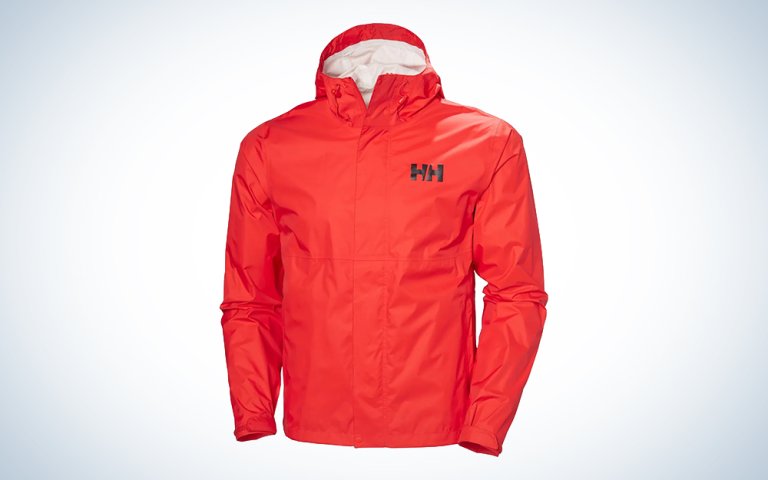
A RECCO-equipped jacket plays an important role for both the wearer and SAR organizations, as reflector sales help place detectors and train personnel without cost to rescue teams. Typically, however, the RECCO badge has been associated with winter and ski wear. Or, at the very least, a premium price point, like the $400+ Odin 9 Worlds or Odin Infinity Minimalist jackets. Helly Hansen, however, saw an opportunity to make more people searchable and fund more detectors in the market, so they started putting RECCO in the 2025 Loke Jacket, its most affordable, high-volume shell.
After all, Helly Hansen’s annual Open Mountain Month events encourage and empower people to connect with the outdoors and each other (with guidance from professionals). And if you’re going to push for that, part of the social contract is making safety feel less like a luxury upgrade and more like a shared responsibility.
Two days later, back on land and back in Bergen, it’s finally rainy enough to put the Odin 9 Worlds 3.0 Shell to good use. Taking advantage of my limited time and growing tolerance for precipitation, I wander the harbor’s cobblestone contours, secure in a garment that will hold up. And, should curiosity carry me into some troll-infested, goat-inhabited forest beyond city limits, it could also help a rescue team narrow the search. Helly Hansen can’t make the elements disappear, but it can minimize the messiness of meeting them head-on, a technical expression of the old Scandinavian conviction that there’s no such thing as bad weather, only bad clothing.
In 2016, Sony introduced the MDR-1000X, establishing a legacy of active noise-canceling headphones that have accompanied commuters, frequent flyers, and remote workers for a decade. To celebrate 10 years of blissfully isolating iterations, Sony has introduced the 1000X The ColleXion [X = 10, you see]. Building on the premium ANC platform of 2025’s WH-1000XM6, this anniversary edition elevates the design language and digital signal processing into a luxury victory lap.
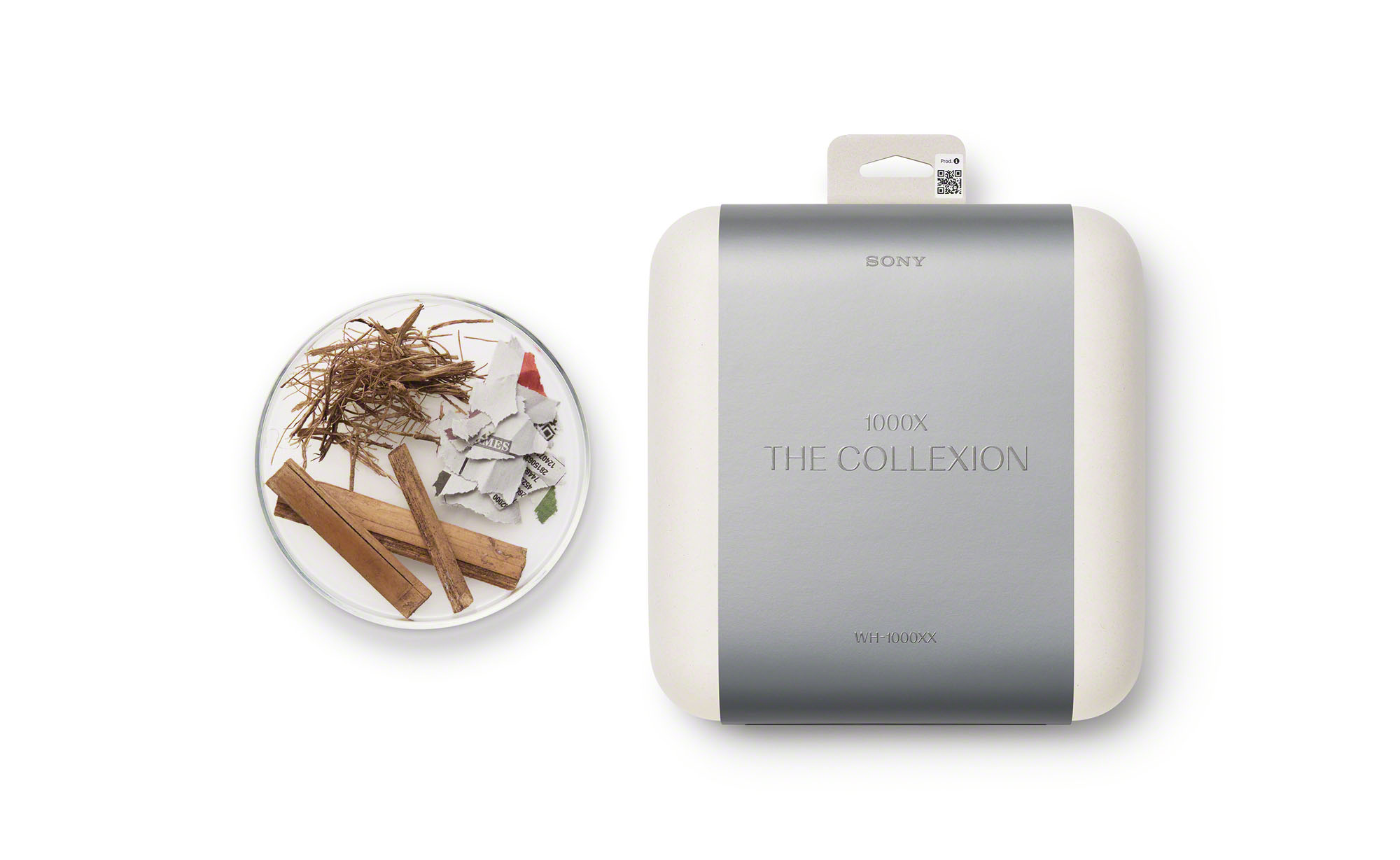
At $649, The ColleXion is almost $200 more than its functionality-focused sibling. What you get for that additional outlay is a mix of “emotional value” materials and refined acoustic architecture. Plastic is replaced by stainless steel for the arms, buttons, and other accents, while a custom vegan leather is integrated across the enclosure, replaceable earpads, and expanded head cushion for a seamless appearance and increased comfort. Adding to the sense of elegance and ease, the inner housing has been enlarged, while the overall profile has been slimmed by more than 5mm.
To ensure the sonic output doesn’t suffer from reduced displacement, the ColleXion features a newly developed 30mm soft-edge unidirectional carbon driver. Compared to a carbon fiber weave, this material has increased rigidity, allowing reduced distortion even under pressure, as well as enhanced high-frequency reproduction. Further improving the signal/noise ratio is circuitry with 1.5x the copper foil to reduce resistance. On the software side, a new Integrated Processor V3 enables The ColleXion to be the first headphones with DSEE ULTIMATE upscaling/Edge-AI sound enhancement, as well as three selectable 360 Reality Audio spatial upmix modes (Cinema, Music, Game). All this has been tuned in collaboration with GRAMMY-winning mastering engineers.
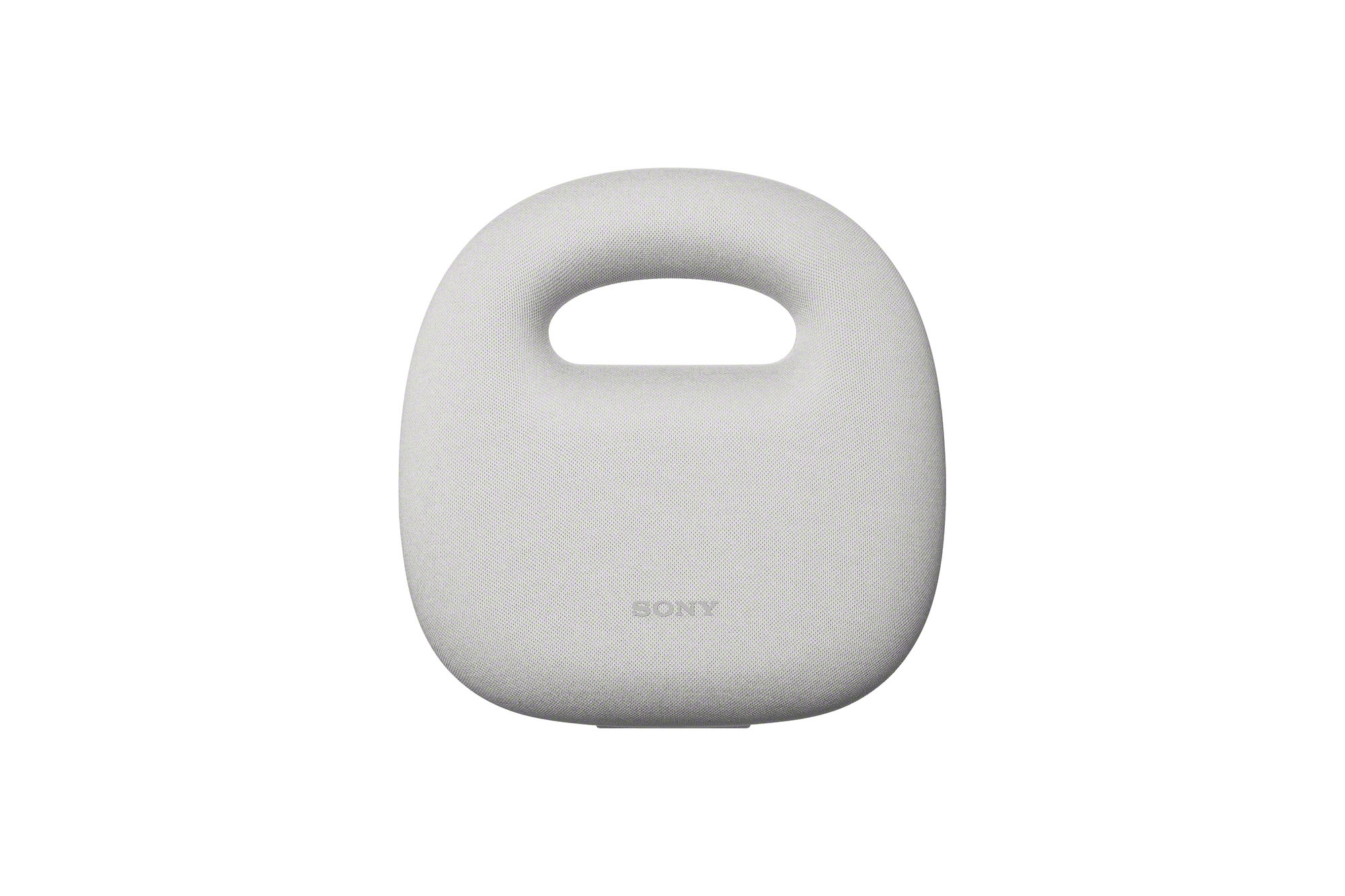
All of this comes in a magnetically secured, clutch-like carrying case with an integrated handle [shown below].
What remains the same is the QN3 processor, plus 12 strategically placed AI beam-forming microphones for optimized noise cancellation and call clarity. Some passive isolation has been traded for pressure relief, so the WH-1000XM6 will still offer the highest level of ANC, but the ColleXion shouldn’t lag far behind. And we’ll know for sure and share our thoughts once we spend some time with a pair in the near future.
Plan to stick with the WH-1000XM6, but in the mood for a new colorway? Sandstone, shown below, joins Platinum Silver, Black, Sand Pink, and Midnight Blue. Still the same top-tier noise cancellation and customizable sound. Still $459.
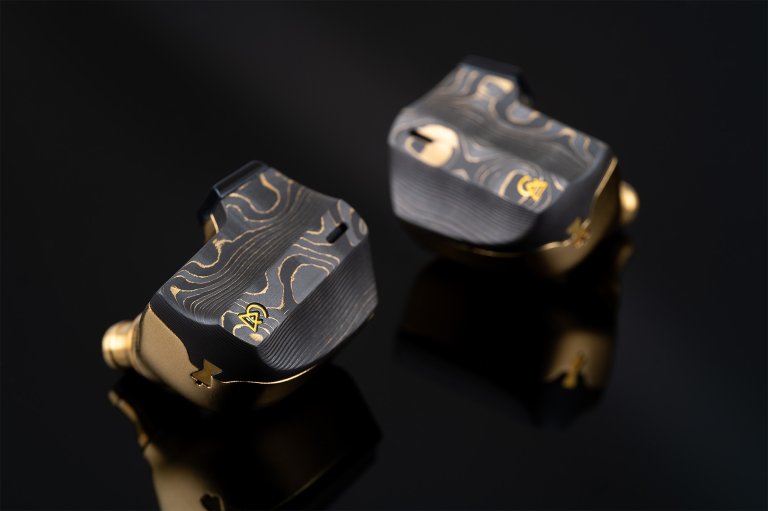
Portland, Oregon’s Campfire Audio launched in 2015 as the logical continuation of founder and lead engineer Ken Ball’s ALOaudio. ALO, or Audio Line Out, was a company obsessed with the signal chain. And Campfire Audio emerged to produce hand-assembled in-ear monitors capable of transforming what the bespoke cables and boutique portable amps were transporting. With the 2016 introduction of the Andromeda [an IEM whose 10th anniversary edition we’ll have more to say about in the future], Campfire Audio’s distinctive industrial enclosures were established alongside a layered and lucid house sound, the result of acoustic chamber experimentation focused more on overall organic timbre than eking out every millimeter of transients. That changes, however, with the introduction of the Chimera—a summit-fi statement that sets out to add all possible technicalities and physicality to the spaciousness-first foundation.
Campfire Audio
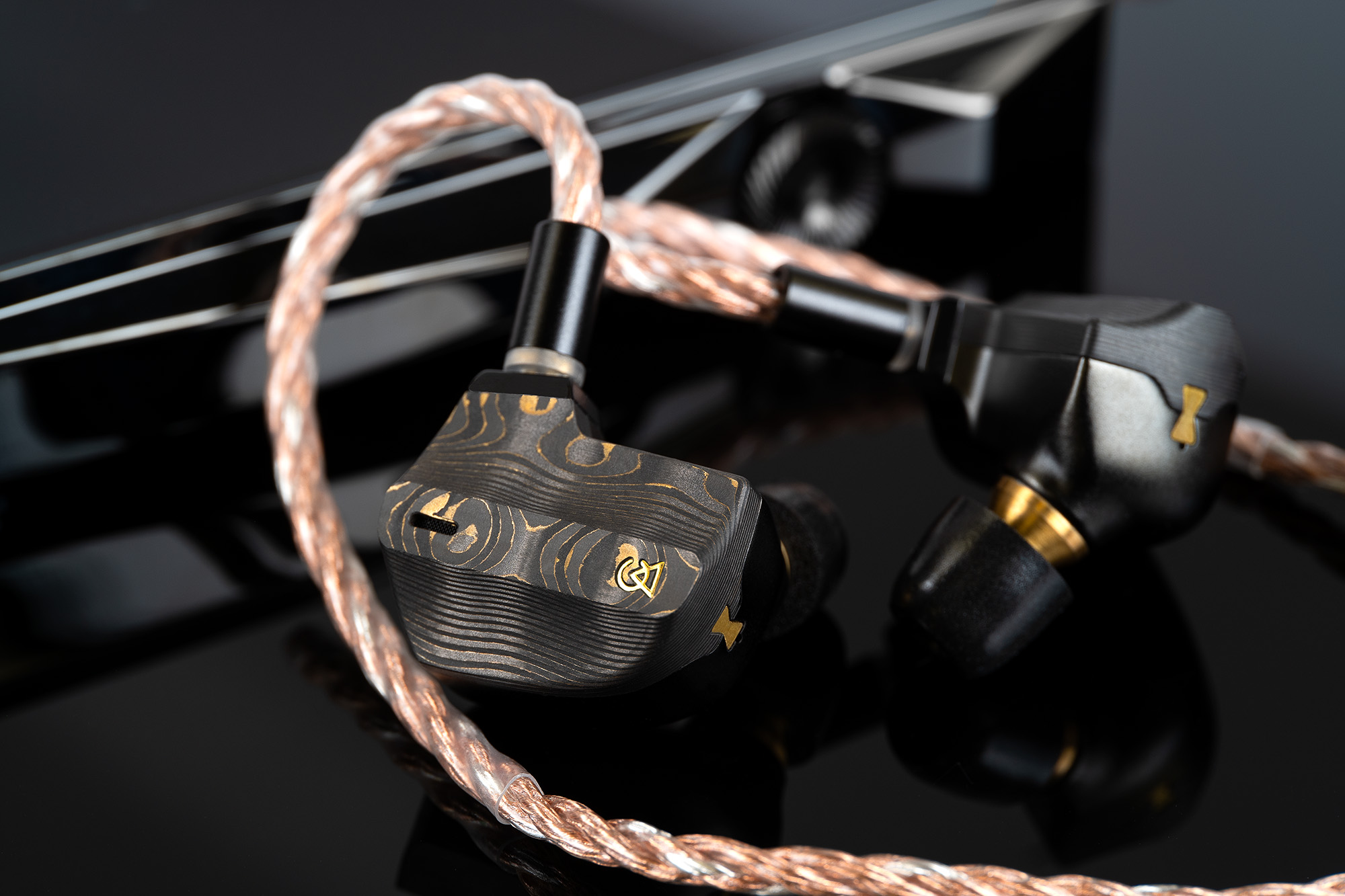
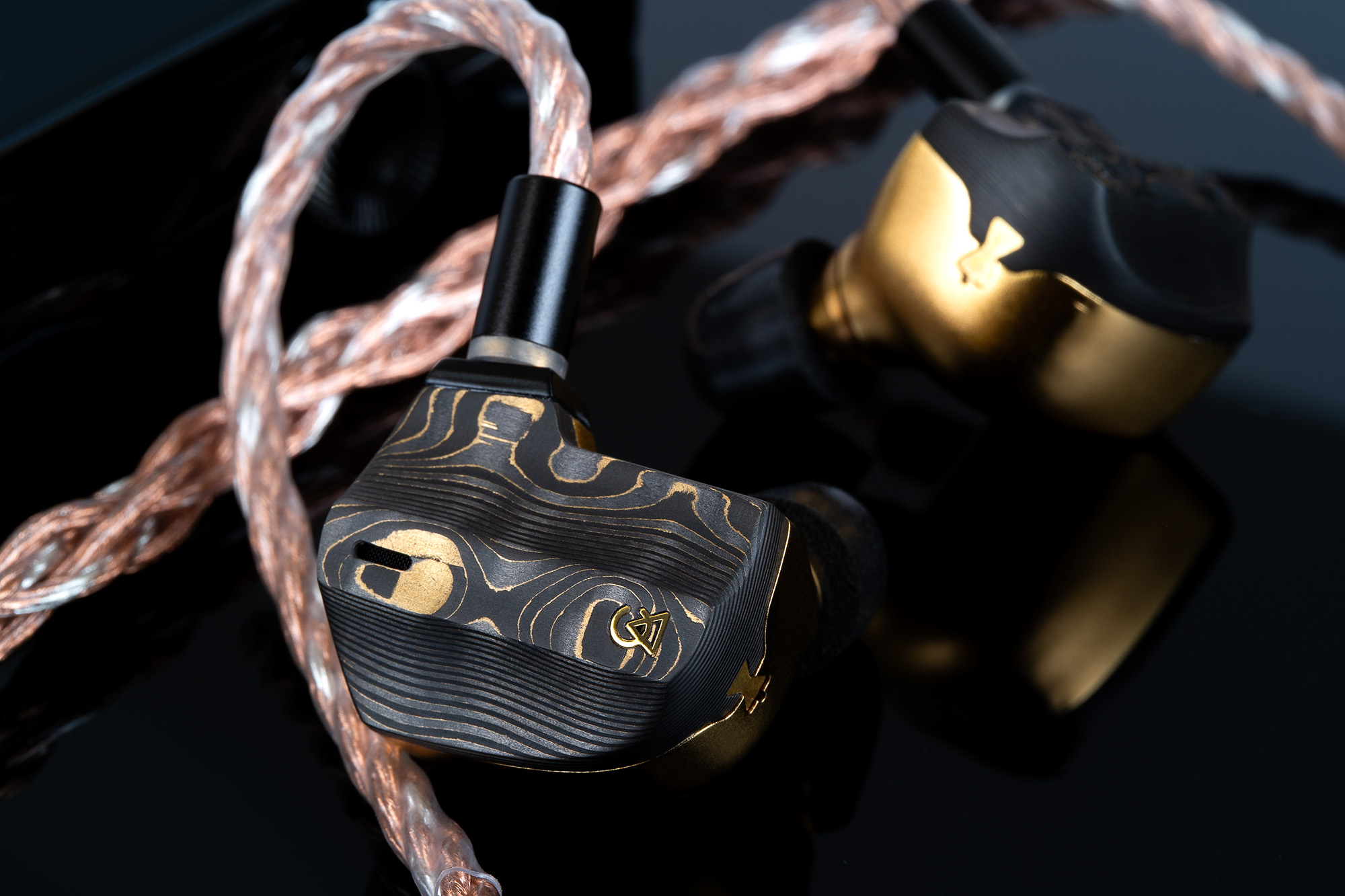
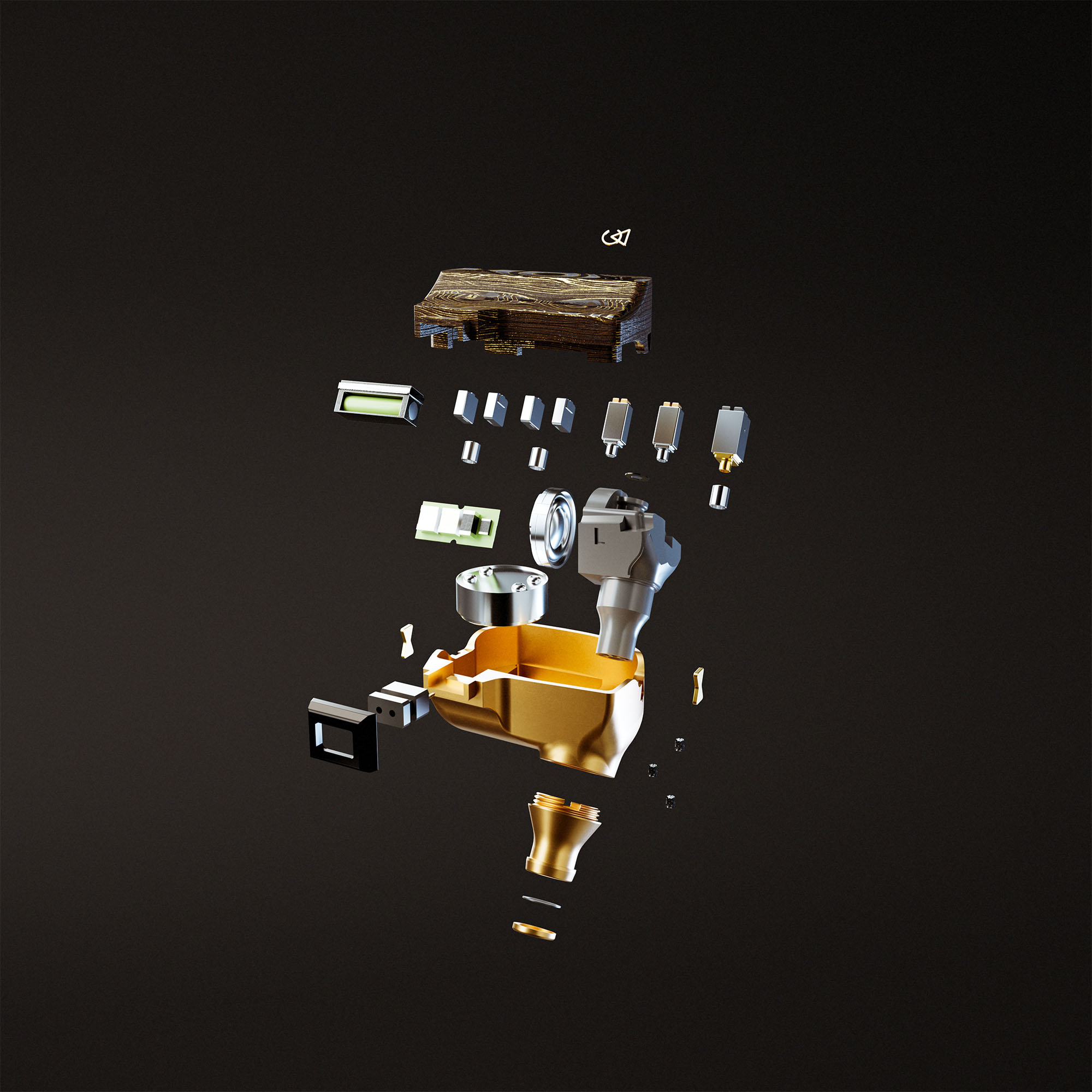
The Chimera is a $7,500, nine-driver platform for quad technologies, including Campfire firsts. Its architecture combines an all-new 10mm True-Glass dynamic driver for lows and low-mids, a dual-diaphragm balanced-armature driver for midrange detail, two high-frequency BAs, four Sonion EST (electrostatic) super-tweeters, and a shell-embedded 10mm bone-conduction driver for low-frequency resonance (the first time Campfire has integrated such a component). A targeted pressure value, acoustic routing, vintage ceramic-film capacitor, and a “Master Track” final-stage tuning damper in the nozzle contribute to dynamic control and coherence. Early impressions from CanJam Singapore suggest this complexity doesn’t stand in the way of articulate texture in a gently U-shaped, sometimes W-shaped, very protean monitor that, with the right eartips, is fast while weighty, precise but more about rich presence, and never preoccupied with injecting itself into the audio. And, at 5.5Ω @ 1kHz with a rated sensitivity of 94dB SPL @ 1kHz/14.6 mVrms, the Chimera isn’t difficult to drive from a range of DAC/amp/DAPs to achieve full expression of its 5Hz – 20kHz frequency response.
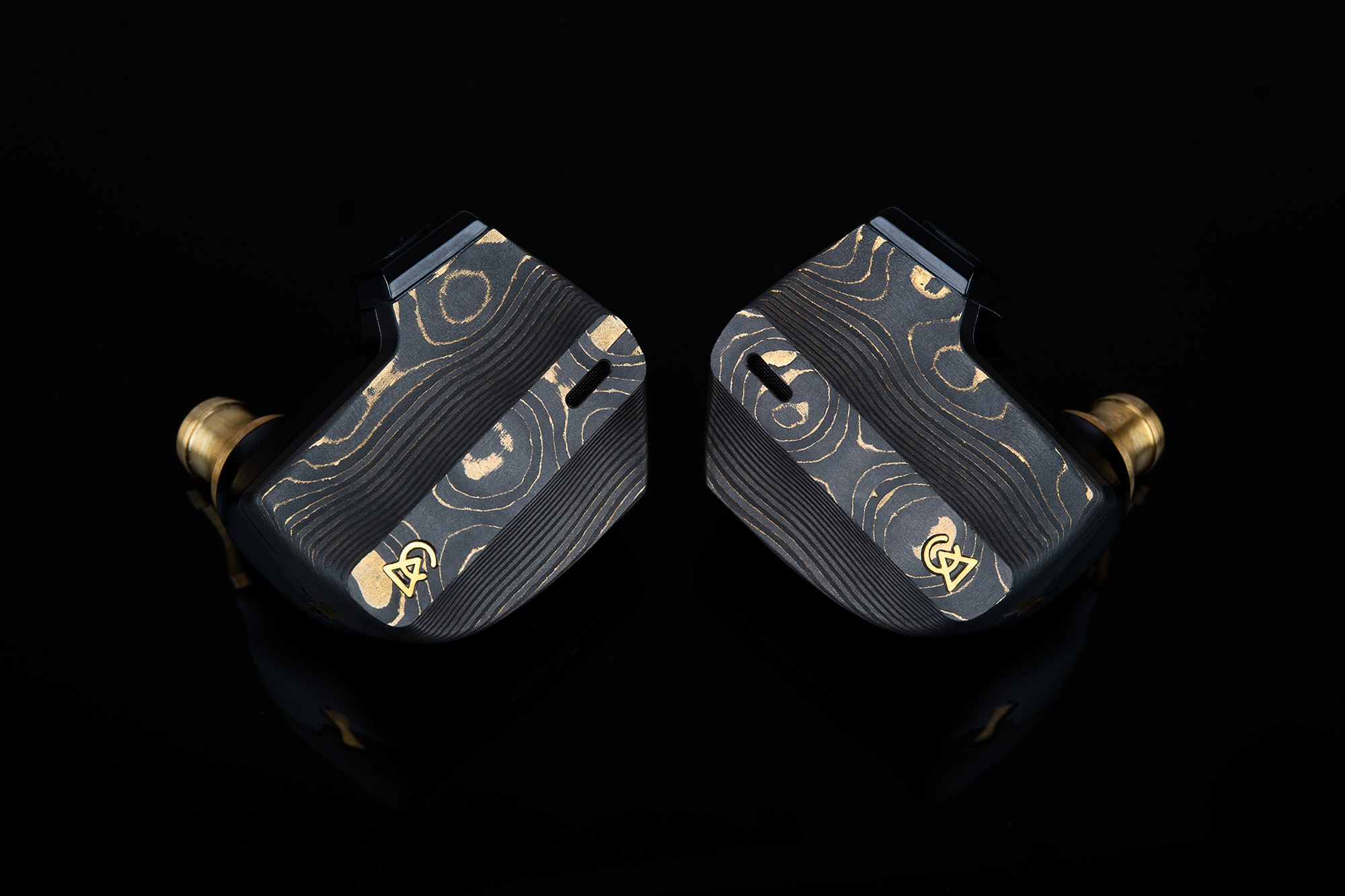
Further helping justify the cost are the materials, including CNC-machined billet magnesium finished with a durable PVD coating, a carbon fiber-brass Damascus faceplate, machined brass nozzle, custom fasteners and vents, 2-pin connectors, plus an ALOaudio Valence-6 cable featuring copper + silver-plated copper conductors and 4.4mm balanced termination developed for maximum synergy. There’s also a black leather zipper case, two-pocket mesh Breezy Bag, ear tip selection, and various cleaning tools.
The dreams of every young guitarist are born from another artist’s fingers. The virtuosos that came before forged the inspiration to hunt and to chase rhythms, lead lines, and ultimately a tone to adopt as our sonic fingerprint. It’s a chase that often takes many years and thousands of dollars to complete, making it an intimidating prospect for players of all stripes.
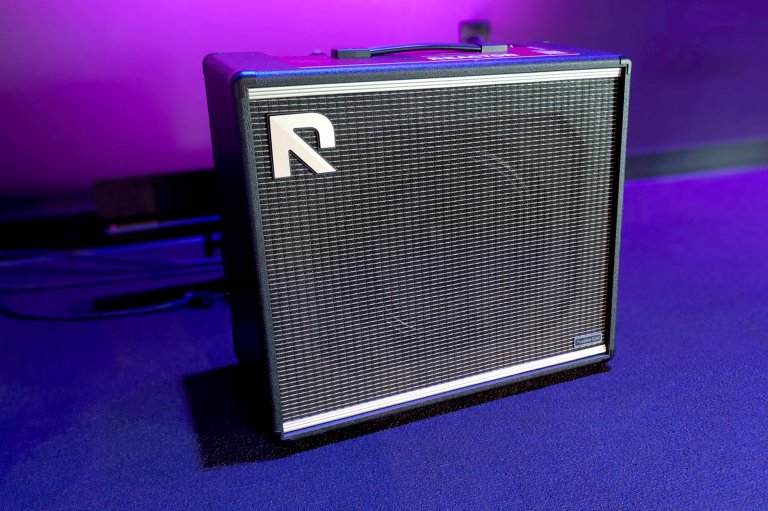
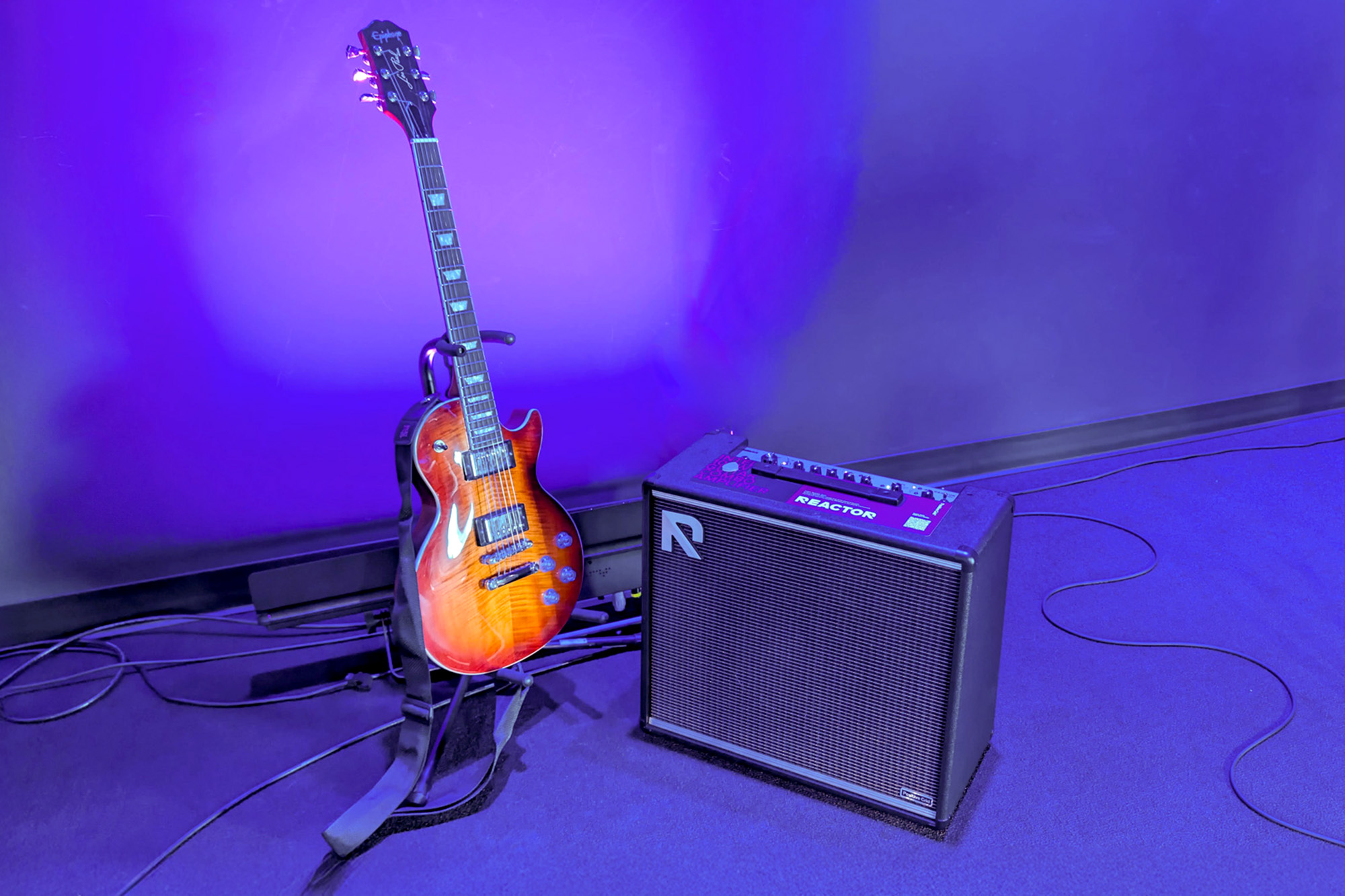
Enter the Positive Grid REACTOR. It’s a performance-ready guitar amplifier designed to close the gap between the tone you hear in your head and the sound it produces. It brings together Positive Grid’s years of experience designing amp and FX engines and combines it with a custom-trained AI model that can deliver any tone you can describe or capture in seconds. It’s no gimmick. I’ve played guitar for close to 30 years, and this is one of the most fun pieces of guitar tech I’ve used in years.
Wonderfully versatile—just as at home on that stage as in the bedroom
Powerful tone-shaping possibilities, impressive range
AI tone generation isn’t a gimmick—it’s genuinely useful and a lot of fun
Tones are generated in sets—rhythm, lead, back-up, all at once (usually)
Approachable and intuitive controls are easy to learn; RTFM, but you’ll be alright if you wait a jam session or two
Surprisingly well-priced
Cons
Advanced players may not benefit as much from its features
Bluetooth audio can be very hit or miss
Some of the best features of the Spark are entirely absent
Trial and error is still required
The short version
With years of software experience and generations of Spark amplifiers under its belt, Positive Grid knows a thing or two about helping guitarists craft the perfect tone. The REACTOR is the union of everything the company has learned about software and hardware. Refined, tight, and well-priced, it leverages AI for good, helping players stop fiddling and start dialing in their sound using natural language.
REACTOR, craft me a tone that captures …
The build and purpose
Positive Grid has been a major player in the guitar world for years, thanks to its excellent line of guitar software and impressively capable Spark practice amps. While the original Spark 40, the company’s first amplifier in 2019, has begun to show its age, the REACTOR doesn’t suffer the same learning curve as the Spark. Over the last seven years, the company honed its skills. The Spark may have been best suited for the bedroom, but the REACTOR is made for the stage. And also the bedroom.
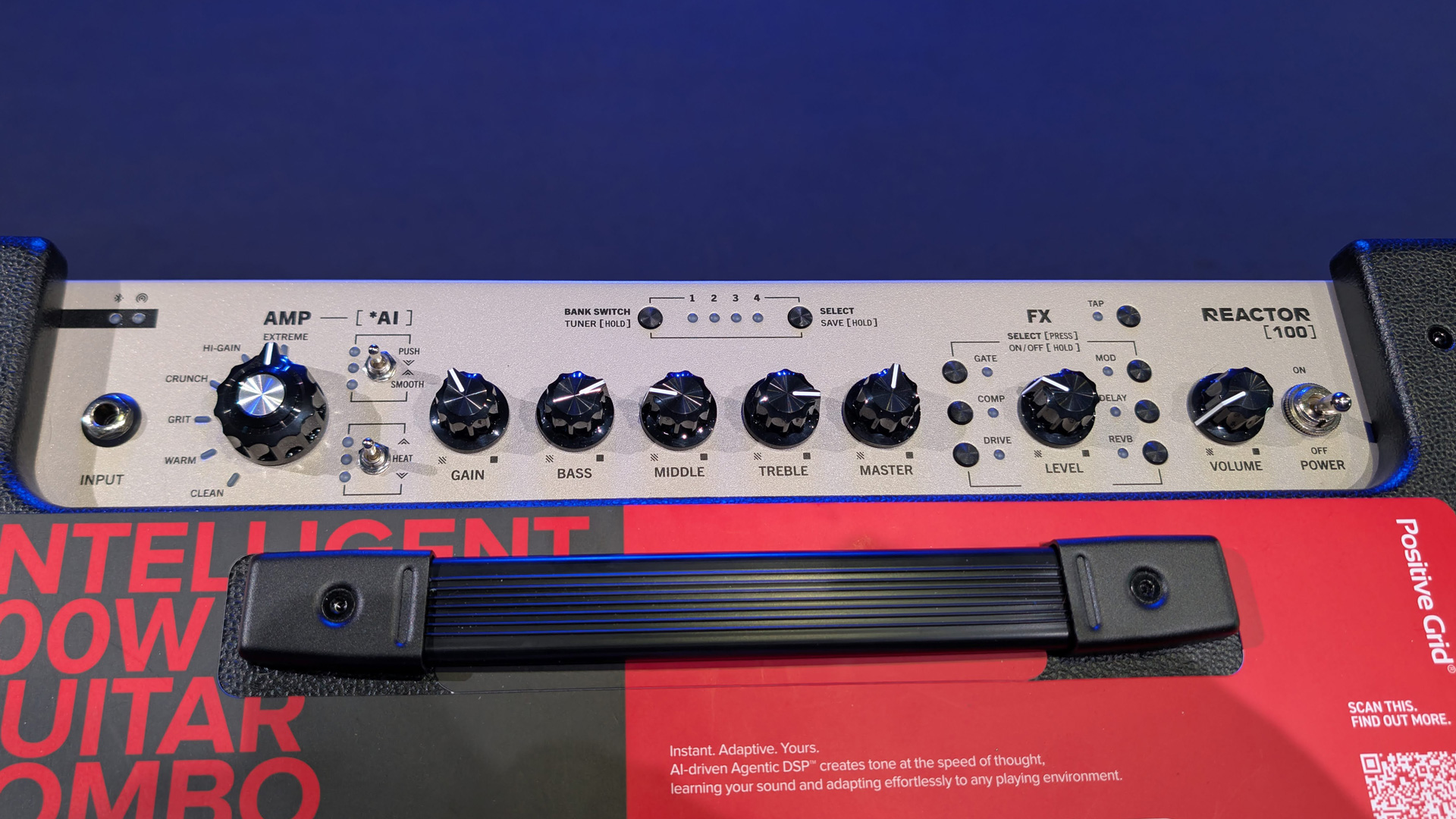
The REACTOR lacks nothing in terms of robustness, at least compared to my Fender Deluxe. The speaker enclosure is made of wood, thick and sturdy, with tight, hard leather surfacing. The controls live on the top panel, easily accessible mid-performance if you keep the REACTOR nearby. Each knob, switch, and button is tight with crisp, tactile feedback. As ever, time will be the ultimate judge of its build quality, but first impressions are exceptionally positive, especially compared to the company’s first hardware release.
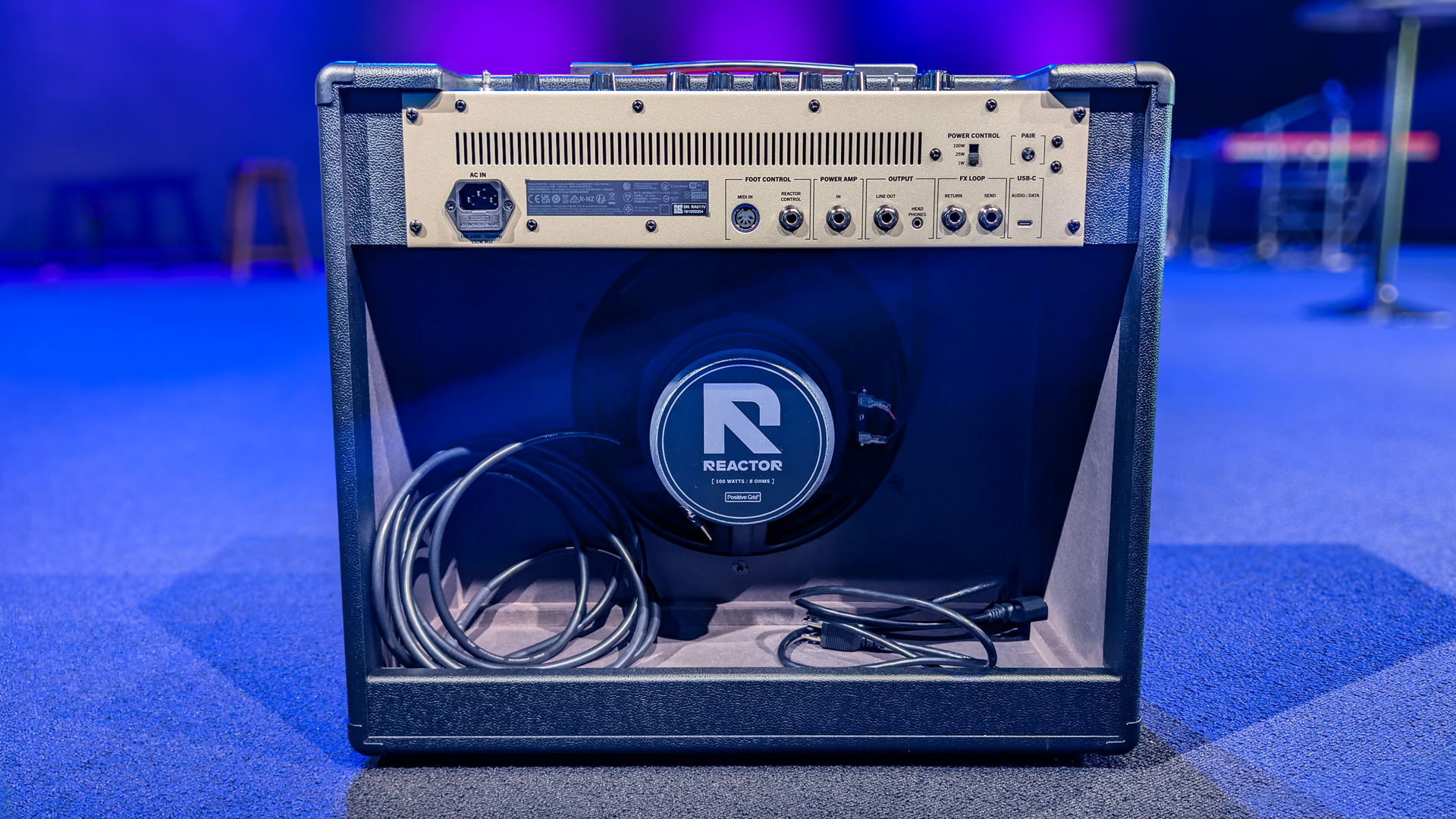
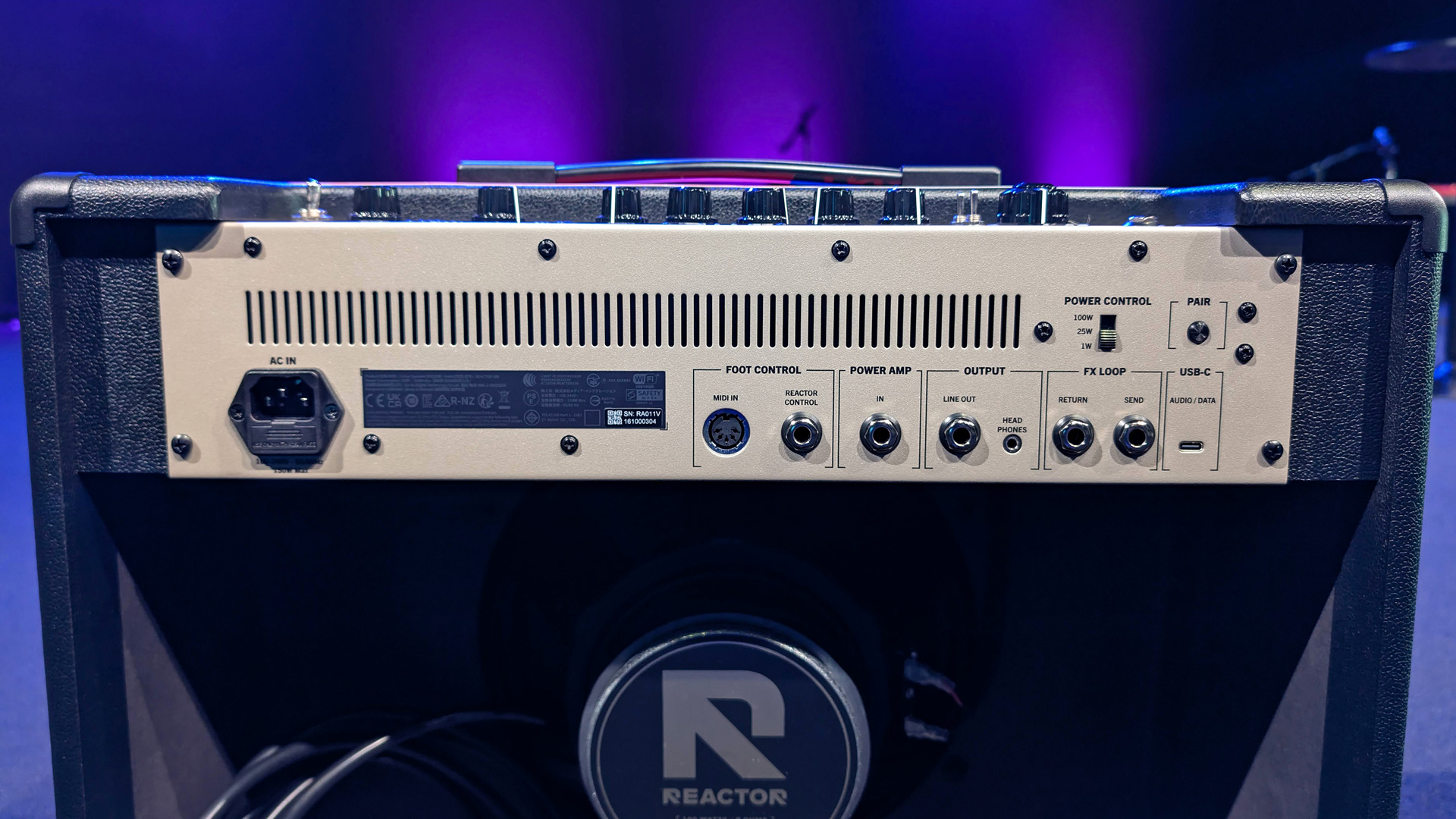
Positive Grid also deserves kudos for offering such a generous array of connectivity options. In addition to the guitar input, you’ll also find power amp and MIDI support, Bluetooth audio to jam along with, an FX loop, USB Type-C (the REACTOR doubles as an audio interface for home recording), and a headphone jack for when one watt is too much. It’s a full-featured, premium-feeling package and gives the Boss Katana a run for its money.
The REACTOR comes in two variants: 50-watt and 100-watt. I was sent the 100-watt version and, unlike most of the Spark series, it’s sized like a normal 100-watt amp. Inside is a custom-tuned 12-inch guitar speaker designed for each model (not a full-range, flat-response cone), and it gets loud. We’re talking 100-watt guitar-amplifier loud, not Bluetooth-speaker loud, and that means it will rattle the windows far before it reaches its peak. When Positive Grid says that REACTOR is performance-ready, it isn’t kidding.
There are far more interesting features than simple loudness, however. While you can play loudly, you don’t need to at all. Both versions feature 25W and 1W amplification modes that reduce volume without significantly altering your tone. The three power modes are well-suited to playing alone, playing with a group, and performing on a stage.
That’s the first hint that there’s some interesting engineering under the hood. For this release, Positive Grid outfitted the REACTOR with a powerful digital signal processor (DSP) and features powered by AI, which stands for “Amp Intelligence” in their parlance, making it an all-in-one solution perfect for both new and veteran players.
Between the amplifier’s eight built-in presets, endless cloud saves, two dozen amps, and eight simultaneous stomp boxes, and community sharing through PG’s ToneCloud service, there’s enough tonal possibility here that you can lose hours demoing—and that’s before getting to its “smart features.”
The REACTOR is so tightly tethered to its app that if you’re opposed to using it, this simply isn’t the amp for you. Once the REACTOR app is connected to the amplifier, you have full control over every setting and parameter, and a much easier interface for making those changes. The app also houses the Creator Hub: your digital home to create, edit, and save custom tones. It’s also where you’ll find the amp’s AI assistant, which is the prime driver of the REACTOR’s charm.
The sound and performance
It’s at this point that I should probably make a confession: Even though I’m a longtime fan of Positive Grid’s work with Bias FX and Bias Amp, a guitar amplifier had not entered my mind as something that could possibly be enhanced with AI. And yet, what Positive Grid has delivered here is an impressive showcase of how AI can support guitarists rather than steal from them.
While I was impressed with the out-of-the-box presets and their 24 included amp models, which make it entirely possible to simply plug it in and play without worrying about app or AI support, the real “a-ha” moment for me came when I experimented with the Creator Hub for the first time.
To generate a tone, all you need to do is upload a picture, sound sample, or describe your desired tone in a sentence. Admittedly, generating a tone from a picture is a little gimmicky unless you happen to be taking a picture of a guitar setup that you’d like to emulate, but text generation was nothing short of shocking.
Create a tone to match “Glass Eater” by Atreyu …
That was all I gave it, and I had four separate click-to-use tones within 10 seconds, two options each for both rhythm and lead parts. Not just one tone. Every tone, to play every guitar part, in the song. The quality of the tones was also exceptionally good. They weren’t always perfect, but they were usually close enough that a couple of manual tweaks were all it took to get them there. Once you get into the groove, dialing up a preset, even for obscure songs, becomes second nature.
The power of this simple functionality can’t be overstated. The REACTOR removes a barrier to entry so fundamental to progress and performance on the guitar that it has driven many to quit the instrument entirely. We all have a sound in mind: a searing lead or a djenty, brutal rhythm. Even if you master every note of a lead line you’ve been struggling with, the achievement feels incomplete without the tonal identity tying it all together.
With the Creator Hub and its resulting tones, you’re up and playing faster than ever, but you’re also learning how those tones are made, making you a more capable musician. Once they’re downloaded, you can navigate to another section of the app to study, tweak, and tailor every element of the signal chain. Over time, you’ll begin to notice how certain sounds or effects are achieved. That knowledge improves your craft.
As dependent on AI and machine learning as it is, things aren’t perfect. There are times that the tones it produces are off-base, and you need to try again or refine the prompt (“add more gain”, etc.). The amp features two toggleable Amp Intelligence modes, Heat and Push/Smooth. Turning up the Heat setting monitors your playing style and either pushes or draws back the amp to match your playing. The Push/Smooth toggle also changes how it responds, with Push feeling more lively and responsive to the touch and Smooth rounding out the rhythm and body tones. Both of these systems are fine, and they accomplish their job, but neither feels like a game-changing innovation in the way that the Creator Hub is.
As I’ve tested and explored the REACTOR, I’ve developed a sense that Positive Grid is putting it in a bit of a box. According to the company itself, the REACTOR occupies a different space in its lineup from the Spark. If the Spark series is about home practice, the REACTOR is all about tone and performance. It has better hardware and higher-resolution sound quality that puts the Boss Katana and other all-in-one modeling amps on notice.
Ahead of this review, Positive Grid told me that it had trained its tone engine through countless hours of studying hundreds of amps and effects it seeks to emulate, down to the gain stages, transformers, bias points, and harmonic response. Because of this, it can respond much more like its real-life inspirations. That’s impressive stuff, and after testing it for myself, I believe it.
Yet, even the AI behind the REACTOR has its limits. Ask it to recreate anything washed in multiple reverbs or delays, and you’ll see it struggle. If you’re hoping to emulate a Strymon BlueSky, you’ll be disappointed. Pretty much anything running on a proprietary algorithm for its soundscape will be outside of its scope to recreate entirely, as you would expect it to be.
Positive Grid
The verdict
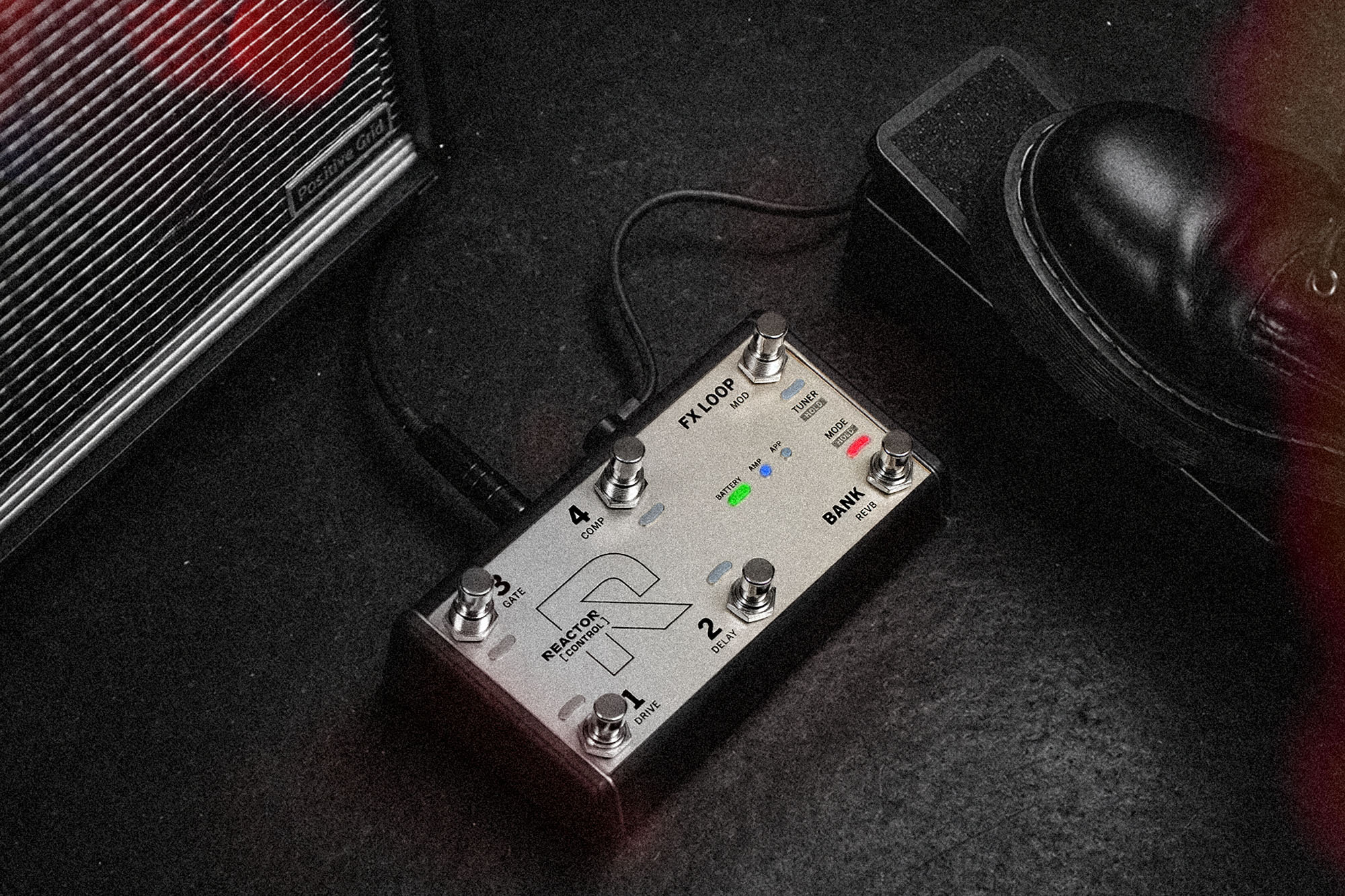
The Positive Grid REACTORamp retails for $349 for the 50-watt version or $449 for the 100-watt version. A wireless foot controller, the REACTOR Control [shown above], is also available for an additional $149 and allows you to control stompboxes and settings from afar—perfect for a silent stage setup. Together, that’s $498 to $598, but the quality and tone-shaping capabilities of the REACTOR make it a standout value even at that price and an easy recommendation.
1 x 12-inch, wooden cabinet, top-mounted controls, rear I/O
Inputs
¼-inch guitar input, Bluetooth, USB-C, MIDI, power amp, FX loop
Hardware memory and presets
Eight onboard presets, user-replaceable with custom settings
Amplifier and effect models
24 included amp models, eight simultaneous effects categorized by type
App and cloud features
Intelligent tone creation (text, audio, or image-based user inputs), cloud storage of user presets, signal chain editing and customization, tone refinement
Form factor
50W and 100W versions available
Best for
Practice, small to medium-sized gigs, intermediate-level practice, and guitarists looking for an all-in-one, budget-conscious solution
Father’s Day lands on June 21 this year, which also happens to be the longest day of the year. That gives you maximum daylight and minimum calendar left before it arrives. If our initial 2026 Father’s Day gift guide came and went while you procrastinated, this list is the safety net. You can still get the vast majority of these items before Sunday, whether that means instant digital delivery (the $80 America the Beautiful parks pass), an in-store pickup (an $8.78 King of the Hill WD-40 can at The Home Depot), or fast shipping on gear like the Wolfbox G900 Pro dash cam. If you can’t get it sorted with help from this list, it’ll be Slim Jims and oatmeal cream pies from the gas station.
Best instant gift: America the Beautiful annual pass
The America the Beautiful annual pass is an $80 ticket into every national park and federal recreation site in the country, and as of this year, it’s a fully digital purchase through Recreation.gov. Buy it Sunday morning, save it to Dad’s phone, and it works at the gate that afternoon. As of 2026, one pass also covers two motorcycles, which matters for dads who ride. No shipping, no wrapping, no apology note about the gift being “on the way.”
Best for backyard astronomers: Dwarflab Dwarf 3 smart telescope
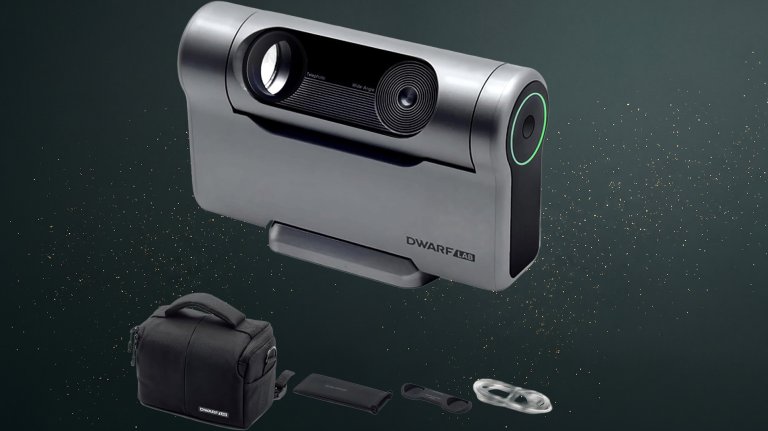
A 3.3-pound robotic observatory sounds like science fiction, but the Dwarflab Dwarf 3 is a $549 smart telescope that fits in a daypack. It finds and tracks galaxies, nebulae, and the moon automatically, stacking exposures into shareable images while Dad watches the progress on his phone. Telescopes used to mean an hour of squinting at setting circles before seeing anything. This one means setting it on the patio table and pressing go. Amazon stocks it with fast shipping.
Best for overlanding dads: Wolfbox G900 Pro mirror dash cam
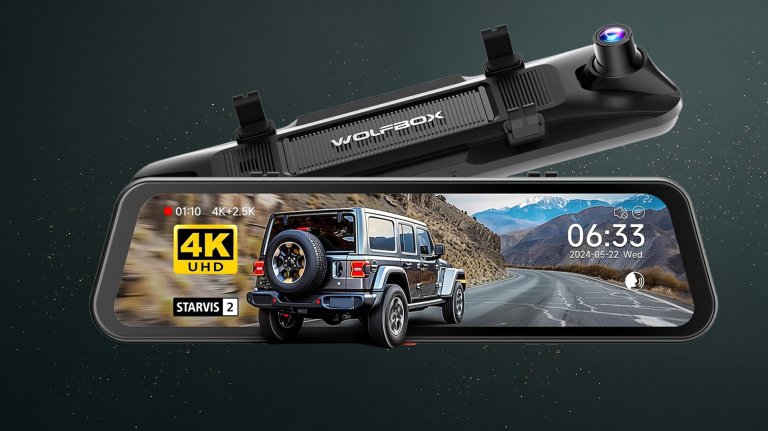
Rear visibility disappears the moment a truck camper, gear rack, or storage system goes on a vehicle. The Wolfbox G900 Pro is a $360 mirror-style dash cam that fixes that with a waterproof wide-angle rear camera feeding a 12-inch touchscreen mirror, recording 4K up front and 2.5K behind. Wolfbox recently added a 3-meter detachable waterproof extension cable, so truck-camper owners can unscrew one connector and drop the camper without rewiring anything. Amazon discounts it regularly, so the real price often lands closer to $250.
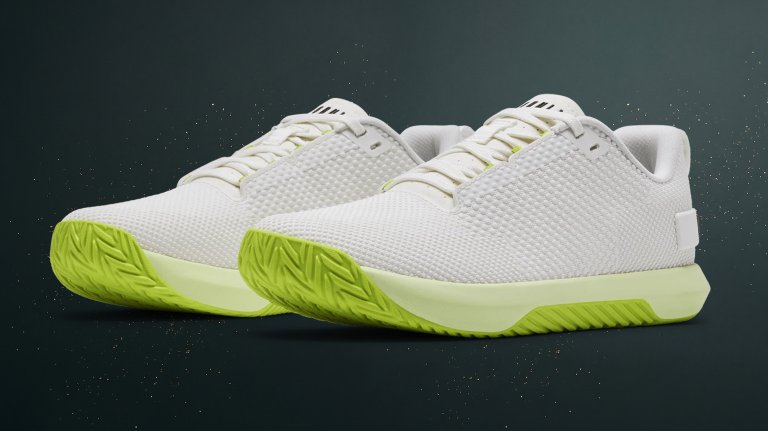
NOBULL released the Outwork Flex on June 11, so this $150 strength trainer is about as new as a gift can get. The original Outwork built its reputation on a flat, stable platform for lifting. The Flex keeps that stability and durability while loosening up the forefoot for lunges, sled pushes, and anything else that bends a foot. NOBULL is also running a Father’s Day sale with up to 40 percent off other gear, which makes the cart easy to pad.
Best for readers (it’s a pre-order): Boox Go 6 (Gen II)
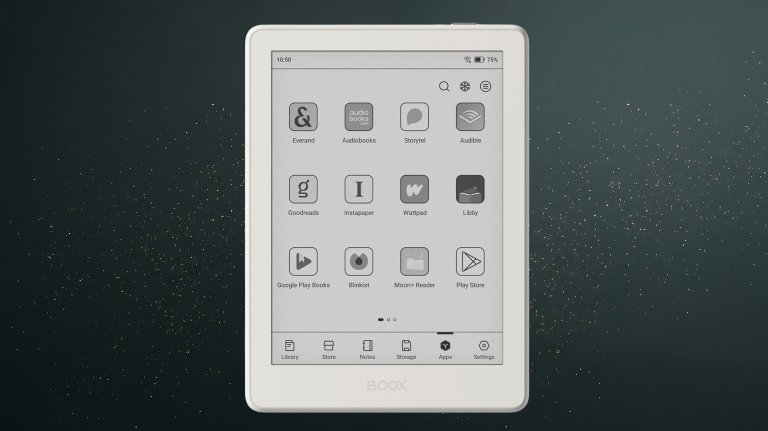
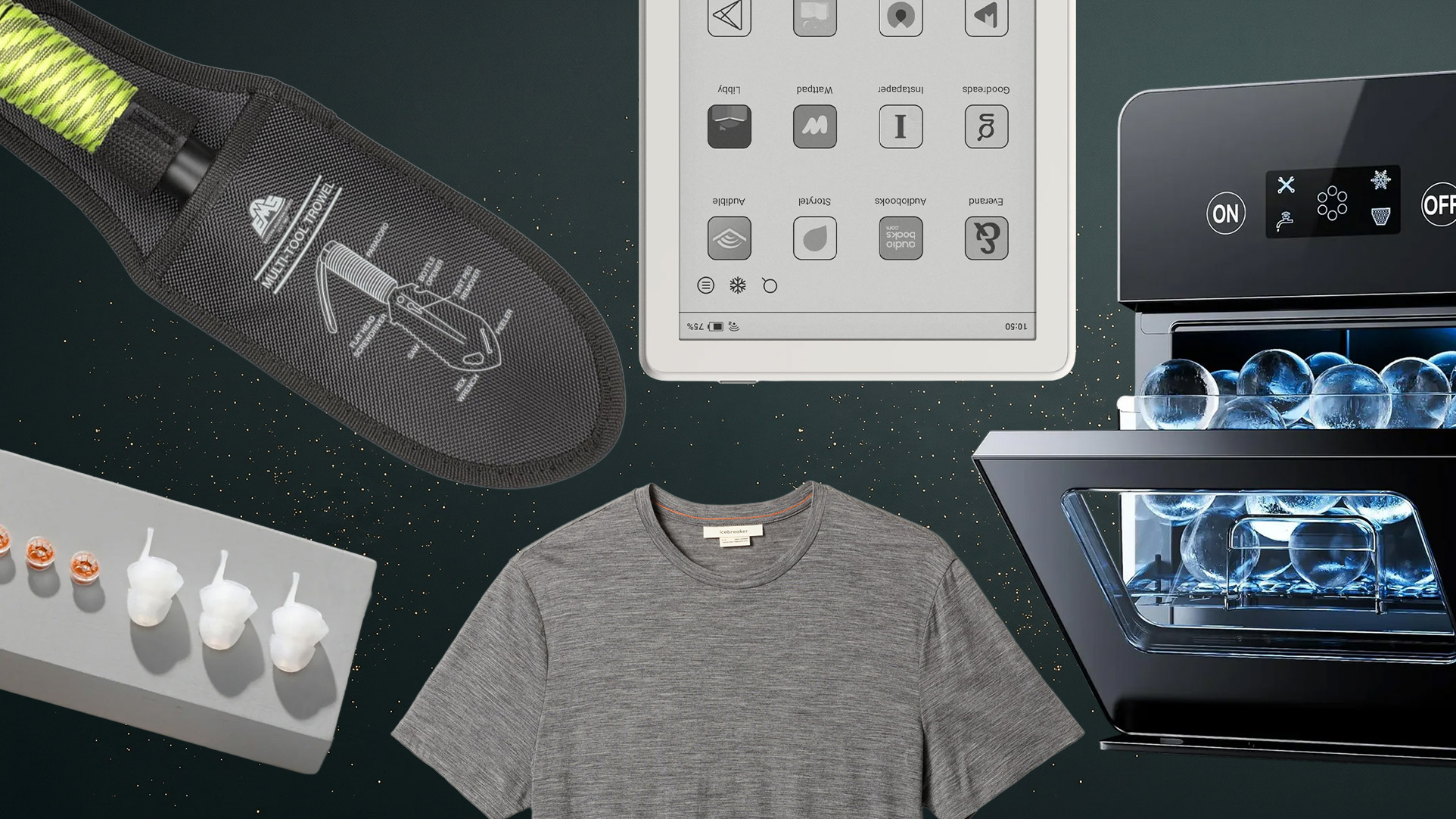
Full disclosure up front: the Boox Go 6 (Gen II) is a pre-order, with shipments starting around June 17, so it may arrive a few days after Father’s Day. We included it anyway because it’s the most interesting pocket reader of the year. The $199.99 Go 6 (Gen II) packs a 6-inch, 300-pixel-per-inch ePaper screen, 3GB of RAM, and new stylus support into a 160-gram body that runs full Android. Print the product page, tuck it in a card, and let Dad track the delivery himself.
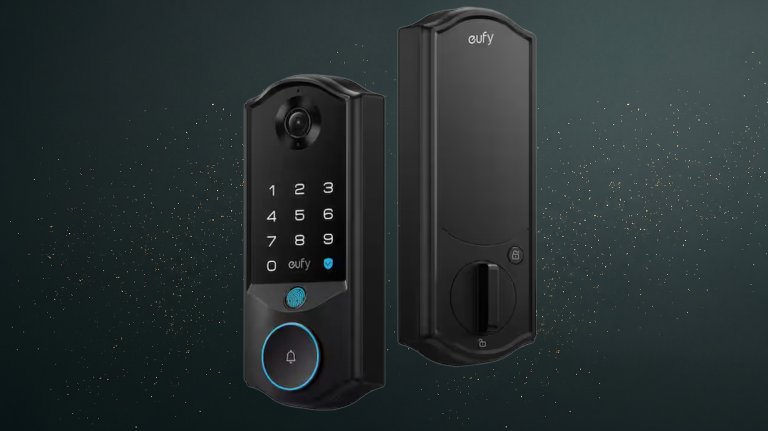
If your dad still hides a key under the mat, the eufy FamiLock E40 is a $299.99 intervention. The deadbolt recognizes faces on-device, stores up to 50 of them plus 50 fingerprints, and folds a 2K video doorbell into the same housing, all without a subscription. It launched this month as a Home Depot exclusive, online and in 30 stores, which makes it one of the few new smart locks you can physically grab on Saturday.
An $8.78 can of WD-40 wearing King of the Hill artwork is the most dad-coded object released this year. The limited-edition 12-ounce can shows the Hill family’s fence and the show’s animation style on the back, and it’s a fully functional Smart Straw can, so it’ll actually get used. The Home Depot carries it exclusively through August 31, in-store and online, and collectors are already flipping them. Strickland Propane is, regrettably, sold separately.
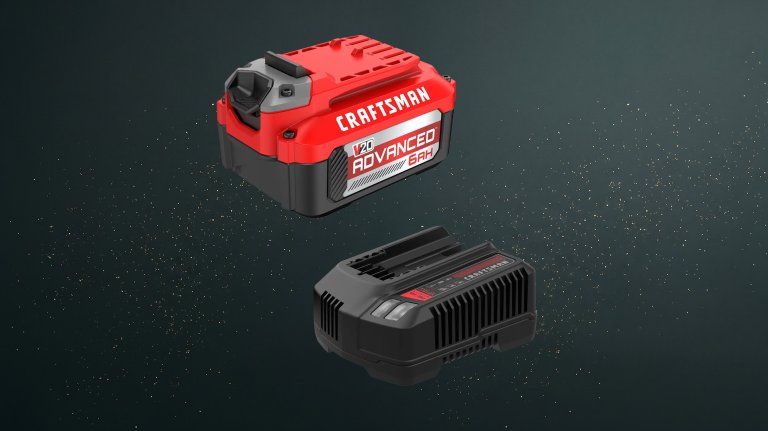
Best for DIY weekends: CRAFTSMAN V20 Advanced battery deal
Father’s Day doubles as the summer solstice this year, and CRAFTSMAN built a whole campaign around the extra daylight. The brand’s new Longest Day Build Hub collects family-friendly outdoor project plans with build guides and materials lists, and it links to $100 in savings on the V20 6Ah ADVANCED battery through Lowe’s, Amazon, and Ace Hardware. A battery sounds boring until you remember it’s the thing that dies mid-project. Pair it with a printed project plan from the hub and you’ve gifted an actual afternoon together.
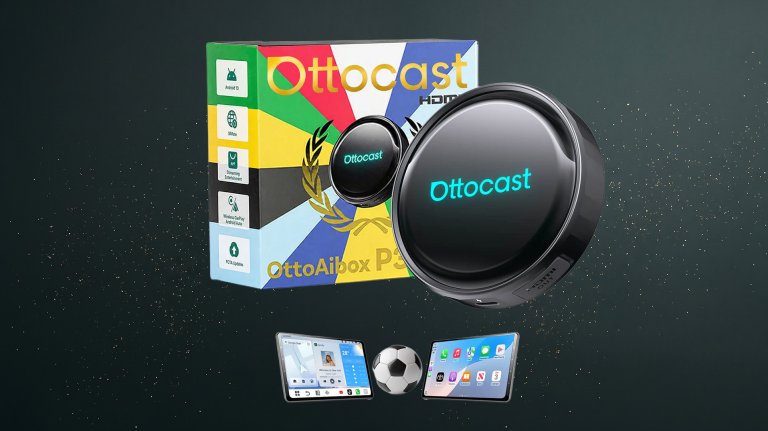
Plenty of dads drive cars with infotainment systems frozen somewhere around 2018. The Ottocast OttoAibox P3 Pro is a $249 box that plugs into the existing wired CarPlay port and converts it into wireless CarPlay and Android Auto running on Android 13, with 8GB of RAM, 128GB of storage, and an AI voice assistant on board. It even adds split-screen and HDMI output for backseat screens, and installation amounts to plugging it into the port his charging cable already uses.
Arccos screws a featherweight sensor into the grip of every club and turns each round into data: real shot distances, strokes-gained analysis, and AI caddie advice based on how Dad actually plays rather than how he remembers playing. The $249.99 Gen 4 kit includes 16 sensors and a year of the app membership. We covered the clubs in our main gift guide. This is the layer that tells him which ones to actually pull.
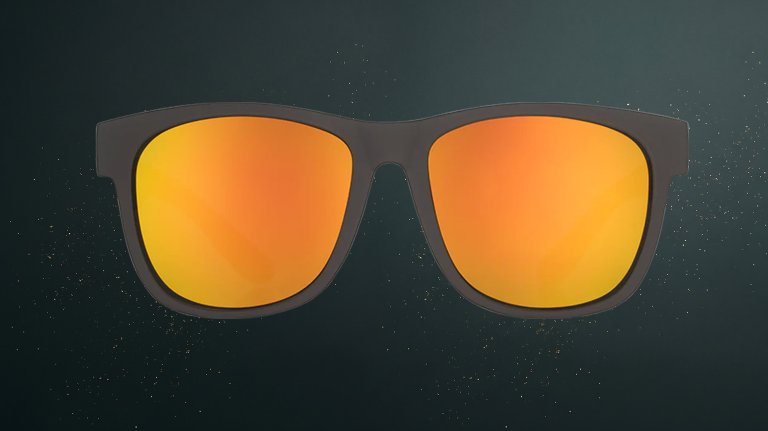
Goodr designed the BFG for big heads, wide faces, and dads who sit firmly in both categories. The $40 frames are built noticeably wider than the brand’s standard OGs, with polarized lenses and a grippy no-slip coating that stays put through a run or a round of mowing. Our main guide has a $330 pair of Vuarnets for the style investor. The BFG is for the guy who will eventually sit on his sunglasses, and we both know which one your dad is.
Best summer shirt: Icebreaker Merino 150 Tech Lite III
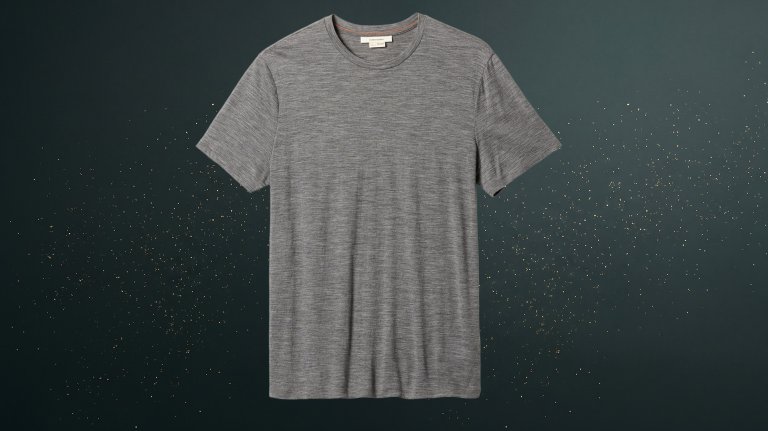
Merino wool regulates temperature and shrugs off odor in a way cotton can’t, which is why hikers wear it for a week straight without apologizing to anyone. The Icebreaker Merino 150 Tech Lite III is the $90 standard-bearer of the category: a 150-gram-per-square-meter jersey tee that works on a trail, at a barbecue, and on the flight between them. REI stocks it for pickup or fast shipping, and Dad will retire three drawer-filler shirts within a week of wearing it.
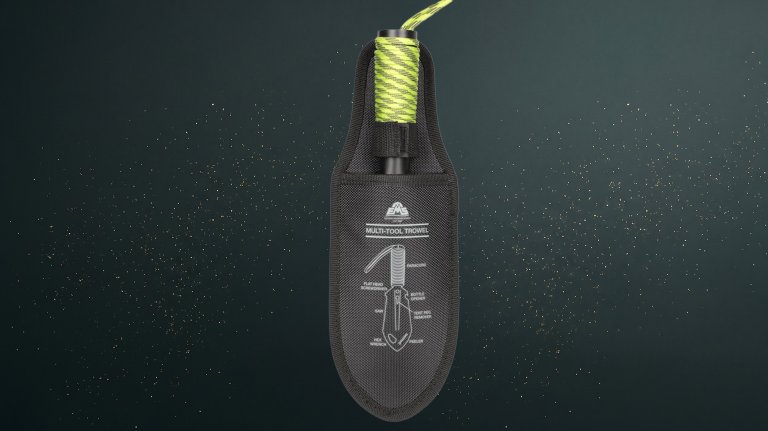
The EMS Multi-Tool Shovel crams a serrated cutting edge, a flathead screwdriver, a tent peg remover, a hex wrench, a bottle opener, and somehow a peeler into one folding spade with a rope-wrapped handle. It’s the kind of object a certain type of dad will narrate to guests at the campsite. Mountain Warehouse has it for $38.49 right now, down 30 percent from $54.99, which puts it squarely in impulse-add territory.
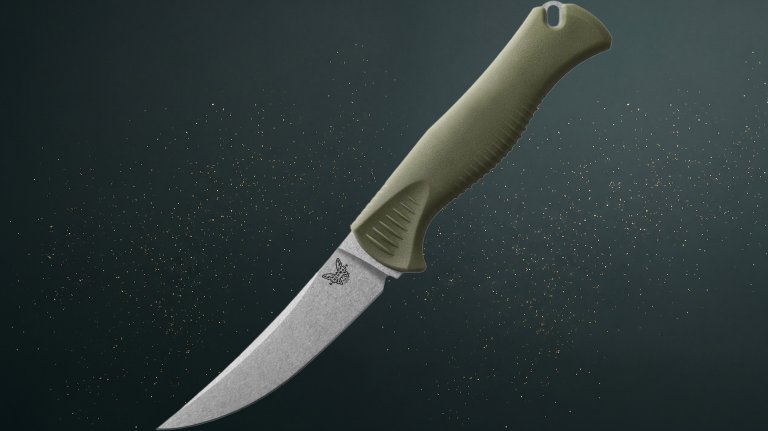
Trimming a brisket with a kitchen santoku is a compromise nobody talks about. The Benchmade Meatcrafter is a $179.99 fixed-blade trimming knife with a thin 4-inch trailing-point blade made in Benchmade’s Oregon facility, built to follow the seam between meat and fat instead of plowing through it. The grippy Santoprene handle survives wet hands and barbecue grease. It ships fast through Amazon, and it earns a permanent spot in the grill caddy.
Best concert companion: EarPeace Music Pro earplugs
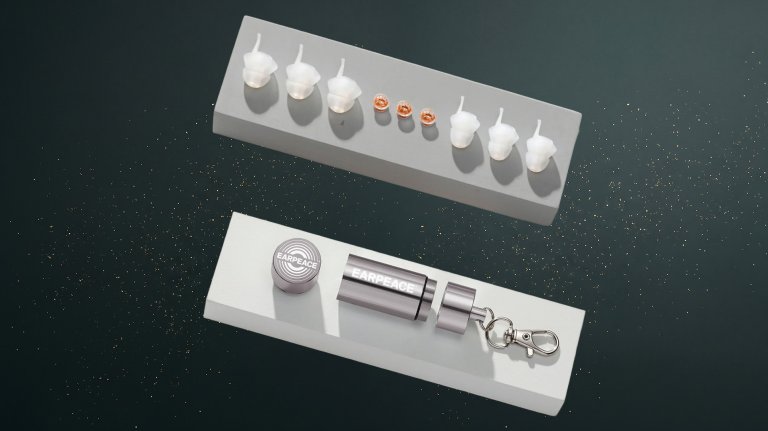
Concerts regularly run loud enough to do permanent damage over a long show, and foam plugs solve that by making the band sound like it’s playing inside a mattress. The EarPeace Music Pro takes a different approach: $39.95 buys swappable high-fidelity filters in 16, 20, and 24-decibel strengths that lower the volume while keeping vocals and instruments intact. The low-profile silicone tips disappear into the ear, so nobody at the show will even notice he’s wearing them.
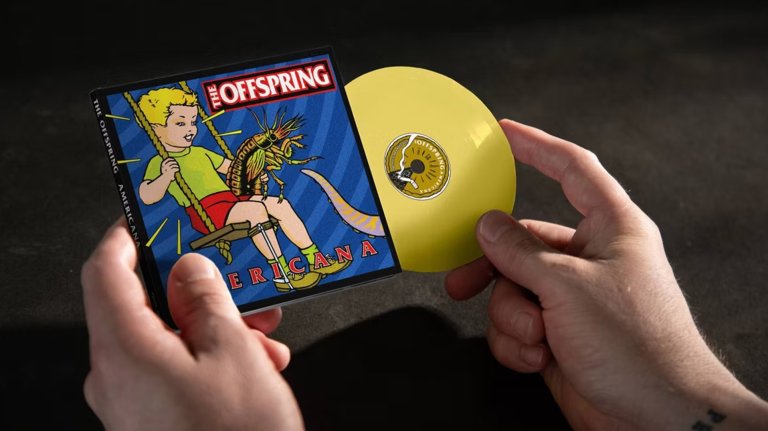
Tiny Vinyl presses real, playable records onto 4-inch discs that spin on any standard 33rpm turntable, with one song per side in a miniature gatefold jacket. At $14.99 each at Target, they’re the rare music gift that works as a stocking-stuffer-sized object with actual function. Vinyl dads already have the album. They don’t have the album in a format the size of a drink coaster, and that’s exactly the point.
AncestryDNA’s Father’s Day sale cuts the kit to $39 through June 22, a 65 percent drop from the list price. The kit itself is a saliva sample and a few weeks of waiting, which sounds like a terrible last-minute gift until you realize the reveal works on a printed card. Dads who claim they want nothing will still spend a full evening explaining the results to everyone within earshot.
Best for the family fixer: iFixit Pro Tech Toolkit
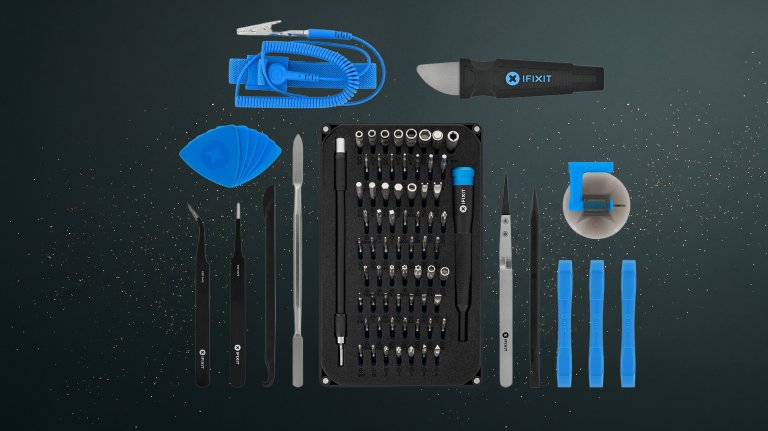
You know the dad who repairs everyone’s phones, laptops, and game controllers whether they ask or not. The iFixit Pro Tech Toolkit is his $74.99 service award: a 64-bit driver kit with precision bits for every fastener the electronics industry has invented to keep people out, plus opening picks, spudgers, tweezers, and a suction handle, all in a roll-up case. iFixit built its reputation on free repair guides, so the toolkit comes with a library attached.
Best garden shortcut: Lettuce Grow Original Farmstand
Hydroponics skips the part of gardening where things die. The Lettuce Grow Original Farmstand is a self-watering, self-fertilizing tower that grows 18 to 36 plants in four square feet of patio, starting from live seedlings instead of seeds, with first harvests in about three weeks. The 18-plant version runs $574, and code DAD20 takes 20 percent off growing systems through Father’s Day. It ships free, and the seedlings arrive after the stand does, which conveniently makes the timing problem disappear.
Best home bar flex: Euhomy Rock Pro Sphere Ice Maker
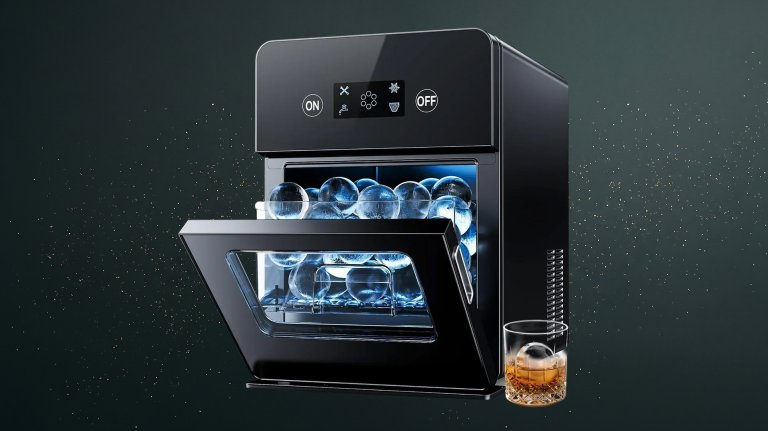
The Euhomy Rock Pro turns out 2.5-inch crystal-clear ice spheres, three at a time, and keeps up to nine of them frozen in a sub-zero bin so they’re ready whenever someone reaches for the bourbon. A sphere melts more slowly than any other shape, which means less watered-down whiskey, per the math behind our ice maker guide picks. The $499.99 machine shipped in late May, and Euhomy flags stock as limited, so this is the entry to grab first. Stainless steel, aluminum, and leather casework mean it lives on the bar, not in a cabinet.
Best bag for going from the office to off-the-grid: Peak Design Travel Weekender 25L
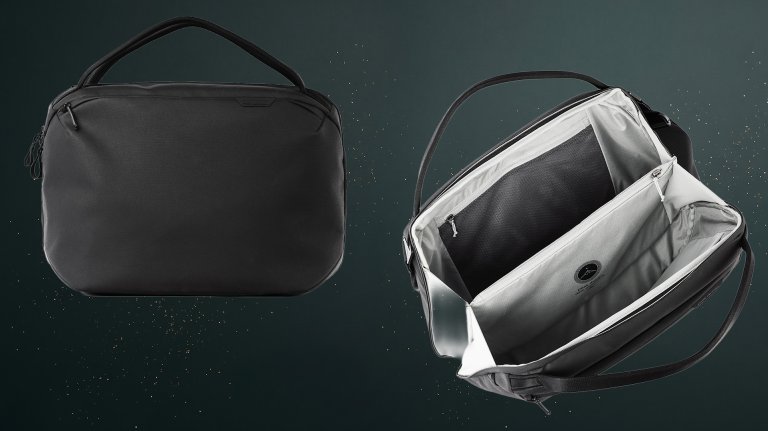
If your dad is the type to travel, but his favorite duffel is giving sports bag more than jet-set, give him an upgrade from the faint smell of gym socks and security-line sweat. After a successful Kickstarter, Peak Design has brought its Travel Weekender 25L to retail, a perfect clamshell carry-on for a quick trip. A structured, stand-up shape, with origami-inspired organization, it offers plenty of space for clothes and chargers, toiletries and a tablet, emergency snacks and an extra layer. And the smooth UltraZips plus internal stretch structure helps keep everything findable. With its luggage passthrough, it can ride shotgun on a roller, and its weatherproof Versa Shell fabric protects it on its perch. Whether it’s a work trip or a relaxing getaway, Dad will appreciate a bag you can throw anything in and anything at.
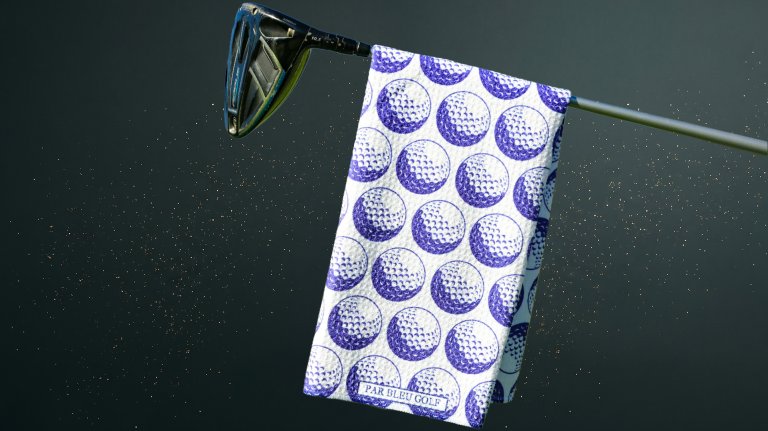
Best bag accessory with personality: Par Bleu Golf Towel
Dad’s golf bag deserves better than a rag that looks like it belongs in the garage, not on the green. Par Bleu Golf’s premium microfiber towels let him keep his clubs clean and his personality clear. These 16″ x 24″ towels come in designs ranging from argyle and plaid to vintage club art, patriotic patterns, fish, motivational mantras, the gold balls shown above, and more. They have three grommets and a silver carabiner for easy hanging, and the towels are machine-washable, so all that bunker dust doesn’t stick around.
Best big screen for the big games: Sony BRAVIA 9 II
If Dad talks about glare till your eyes glaze over, or is the type to talk BT.2020 color coverage until your brain fades to black, you owe it to him and yourself to upgrade his display with the best contrast and color. And Sony’s BRAVIA 9 II (currently available in 65″, 75″, 85″) does just that by bringing True RGB to the table (or is that to the credenza or wall mount). With its independently controlled red, green, and blue LEDs, Triluminos Max + Luminance Booster Pro for smoother gradation and measured hues, and Sony’s best anti-glare tech to date, the BRAVIA 9 II delivers OLED-like color volume and inky blacks with bloom control and Mini LED-level brightness. Combining that RGB Backlight Master Drive Pro with the XR Processor/AI scene recognition and X-Wide Angle Pro means real-time cleanup (without the soap opera effect) and more consistency across more seats, which is great for when Dad wants to invite friends over for the big game or to watch golf, etc. … even with the blinds open. Plus, trickle-down technology from Sony’s professional color-grading monitors lets Dad boast that his movie nights preserve creators’ intent with maximum accuracy.
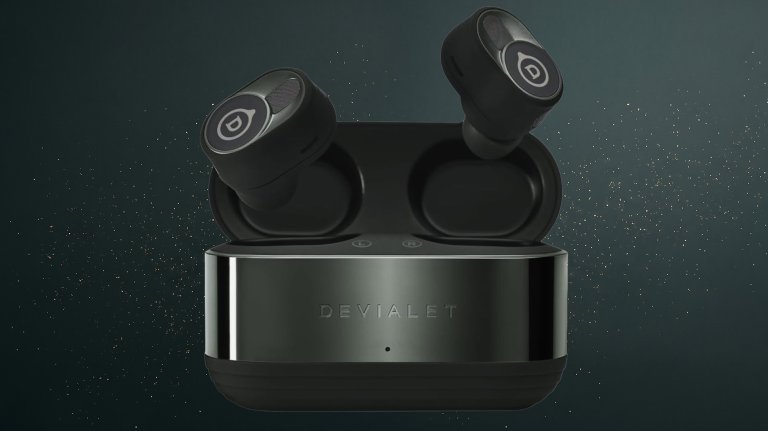
True wireless earbuds from audacious Parisian audio designers known for high-output, huge-impression wireless speakers, the Gemini II packs audiophile sound and polished hi-fi appeal into Dad’s pocket. The 10mm titanium-coated drivers bring low-distortion detail and precise speed to musical passages, no matter how busy. Bluetooth 5.2 with aptX/AAC/SBC codec support and the Adaptive Noise Cancellation ensures fewer artifacts and environmental intrusions come between Dad and jams. If Dad values soundstage and dynamics whether he’s commuting or decompressing, the Gemini II transforms streaming into a proper listening session.
Best sophisticated sipper: Chopin Family Reserve Vodka
The best quality of most vodka is that it’s neutral to a fault. But “you can barely taste it” is not your dad’s personality, so Chopin Vodka Family Reserve is more his speed. This super-premium spirit has the kind of backstory and flavor profile that will keep it on the bar cart, not in the freezer door (it doesn’t hurt that it comes in a stately gift-boxed bottle). It’s made from a rare young potato that imparts a sweeter, earthier character, and then it’s rested for two years in 50-year-old Polish oak barrels. That gives it a texture and talking points, letting Dad pontificate over a neat pour or martini when he needs a break from the Manhattans.
Best kung-fu crunch: WA-CHAA! Spicy Sichuan Peanuts
WA-CHAA! The Kung-Fu Cult Classic $49.99 (24 Pouches)
Dad loves the Shaw Brothers and Shaolin Soccer. Dad loves the Wu-Tang Clan’s kung-fu samples. Dad has excellent taste, and he wants a snack that tastes excellent. Dad is gonna love these peanuts seasoned with Szechuan peppercorns. Not a pepper in the traditional sense, they impart a citrusy sensation more than Capsaicin’s Scoville intensity. Think less Hole-Puckering Hellscape Hot Sauce and more licking a 9V battery, but in a good way. You can pick from four varieties, including ones with chili flakes if Dad likes to break a sweat. No matter what you pick, he gets crunchy, protein-rich peanuts roasted in avocado oil … the perfect snack for a Bruce Lee marathon.
Best way to lock in without getting tweaked out: magic mind Mental Performance Shots
magic mind Mental Performance Shots Starting at $45
Dad’s been running on long lists and lukewarm coffee for years. Maybe give his brain something with a little more intention. Magic Mind is a 2-ounce mental performance shot designed for sharper focus, steadier energy, and long-term cognitive support, built around clinically backed ingredients, third-party testing, vitamins, amino acids, antioxidants, and cognitive support compounds. The useful part is the caffeine choice: FREE has 0mg, Original has 55mg, and MAXX has 165mg, so you can match the gift to his actual tolerance instead of handing a caffeine-sensitive dad a tiny bottle of regret. It’s easy to stash in a bag, desk drawer, gym tote, or morning routine, which helps if his day tends to start fast and get weirder. Or, if he has the opposite problem after a long day, there is magic mind Sleep with no sugar and quickly delivered microdose melatonin to improve falling, and staying, asleep. For the dad with 47 tabs open in his head, this herbal supplement is a small-but-mighty reset. Brain fog, meet “already handled it” calm.
Best coffee beans for a man on a mission: Black Rifle Coffee Company
Black Rifle Coffee Company Whole Bean Starting at $16.99
Some dads make coffee. Yours initiates morning operations. And this military-themed roaster (founded by veteran and musician Mat Best) is the right fuel for a man who would see weak coffee as a failure of leadership and give you a lecture on readiness. Inside the patriotic packaging, you’ll find beans that are bright and crisp with wheels-up acidity or dark and briefing-room bold. Whether Dad’s mission is a workday, setting up the kettle for low-and-slow smoking, or an early tee time, Black Rifle has beans to give him some proper reveille energy—whole bean or ground, single bag or subscription.
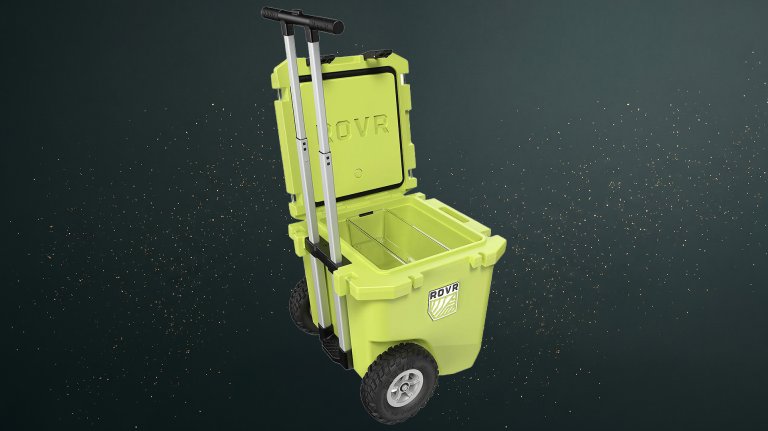
Best towable tailgate: RovR RollR Wheeled Hard Cooler
Whether Dad is in the parking lot, at the beach, or on the sidelines, he can turn anywhere into party central with the right provisions. And a RovR RollR lets him establish base camp with less hassle. The 9-inch inflatable all-terrain tires ensure drinks, grill ingredients, and anything safe from meltwater in the DryBin Mini gets across asphalt or sand and over grass or gravel, with assistance from the telescoping Dual MotoGrip handle. And the durable hard-sided build holds up, whether it’s 30 qt or 45 qt of hospitality that Dad’s hauling.
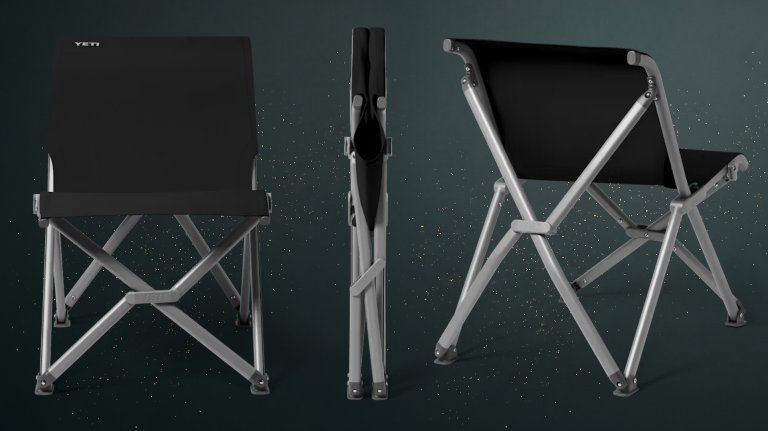
Every dad has a chair that he claims. Not officially, not out loud, but everyone knows not to sit in it. This is that chair, just portable. The Trailhead Field Chair takes YETI’s usual formula, overbuilt, deeply comfortable, but indulgently practical. It’s the newest model and now the lightest they make at under 9.5 pounds, so it can move from backyard to campsite to fishing spot without feeling like you’re hauling patio furniture into the wild.
It opens the way a chair should: no instructions, no levers, no minor engineering project. Just unfold it and sit down. The seat has enough structure to feel supportive, but enough give to stay comfortable long after the burgers are gone and someone’s telling a story that should’ve ended 10 minutes ago. The materials are doing some quiet work here. Instead of the usual tight mesh, YETI uses its Twilite fabric, which feels softer and more forgiving, less “gear,” more “actual place you want to sit.” It still has that solid, planted feel YETI is known for, the kind that doesn’t shift or sink every time you lean. It’s not a casual purchase. But it’s the kind of gift that slowly becomes part of the routine, dragged outside for “just a minute,” then still there hours later, occupied, of course, by dad.
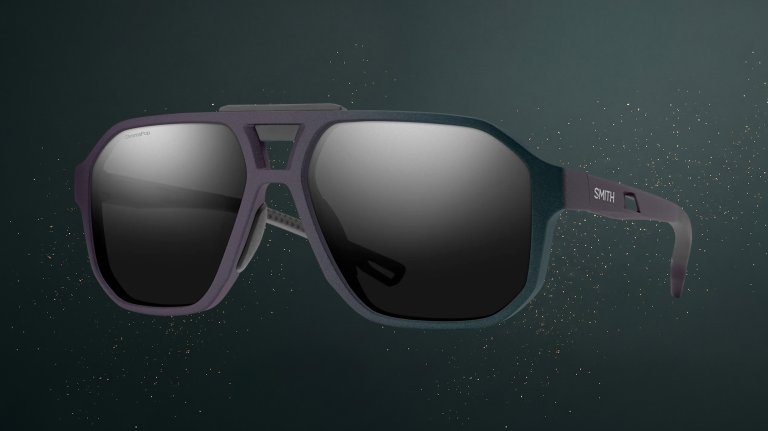
If Dad has strong opinions about gear (or just sweats through most of summer), these hit a nice middle ground between sporty and actually wearable off the trail. The Truss is lightweight to the point where you forget you’re wearing it, with soft, grippy nose pads and arms that keep them in place whether he’s biking, hiking, or just standing in direct sun pretending he’s fine.
Smith’s ChromaPop lenses are the main draw here—they boost contrast and color so everything looks a little sharper, with polarized options to cut glare. The retro aviator shape is very right now, and there are multiple colorways to choose from, depending on how bold you want to go. (Worth noting: the non-polarized versions have small vent cutouts for airflow, while polarized lenses skip that detail. They also come with a surprisingly useful roll-top case that can clip onto a bag, plus a built-in microfiber cloth, which is one of those small things that ends up mattering more than expected.
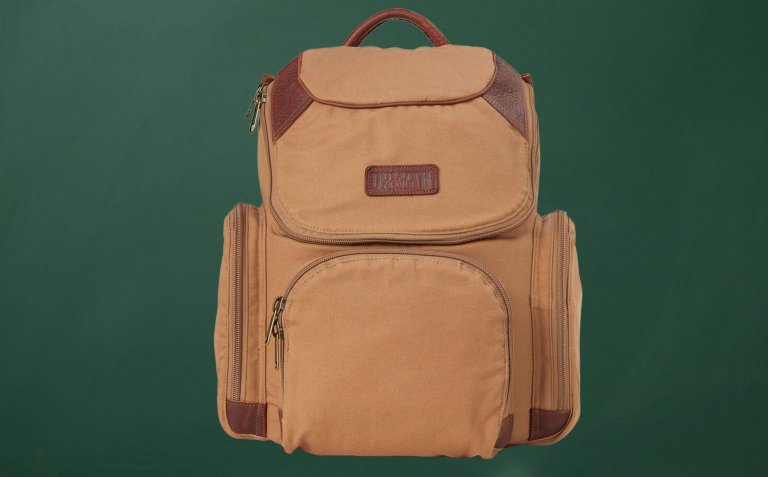
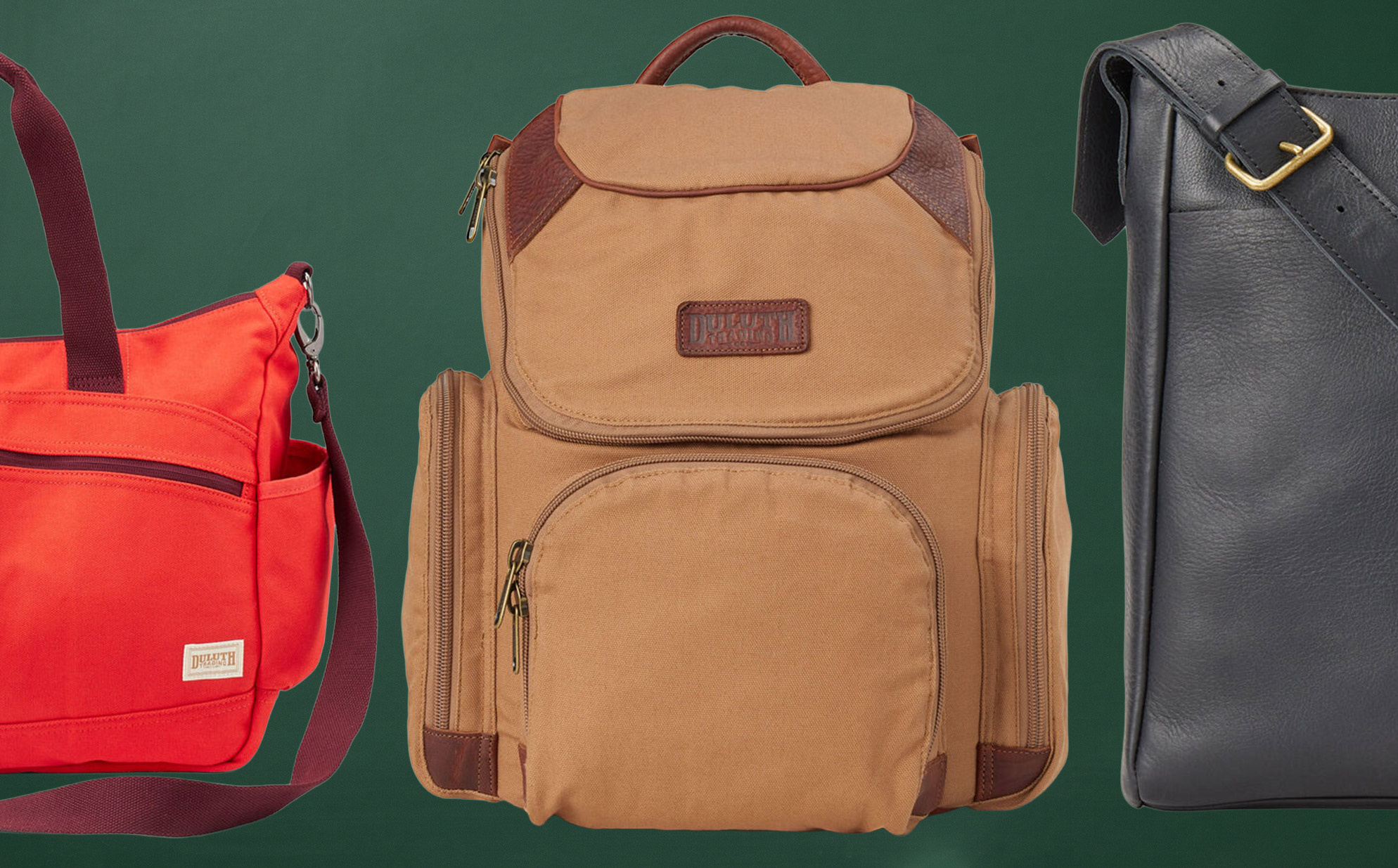
If you’re still using an old backpack from college to lug your stuff around, it’s time to upgrade your bag. The entire bags and travel gear category on the Duluth Trading site is 20 percent off through Sunday as part of a site-wide promo. Duluth makes tough, work-oriented gear, but many of the bags are also great looking, which is unusual for true work gear. Buy a bag now and it’ll last for years.
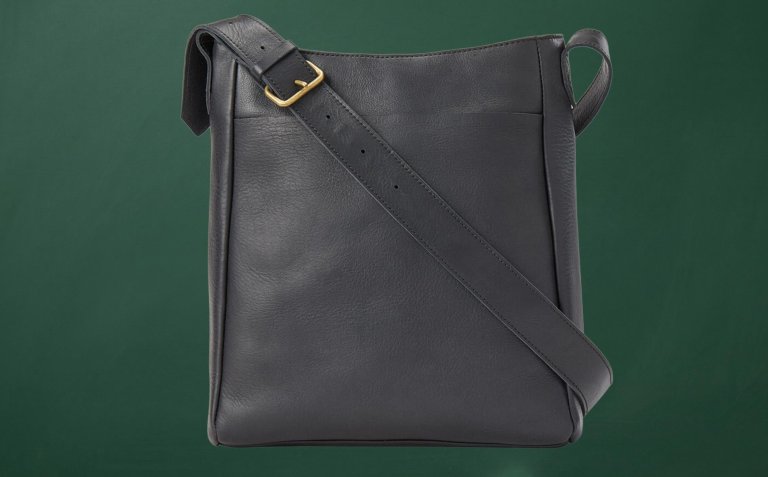
Lifetime Leather Crossbody Bag $75.18 (was $189.50)
The Lifetime Leather Crossbody Bag is the kind of full-grain piece that does not show up at this price very often. It is a clean shoulder bag with a magnetic flap and an interior zip pocket, sized for a paperback, phone, and wallet without trying to be a daypack. The 60 percent cut is by far the deepest in this sale, and Lifetime Leather is the line Duluth backs with their permanent guarantee.
Fire Hose Bulldozer Backpack 2.0 $183.96 (was $229.95)
The Fire Hose Bulldozer Backpack 2.0 is the bag most associated with Duluth Trading. It uses the brand’s namesake Fire Hose canvas with a full-grain cowhide leather bottom panel, fits a 17-inch laptop, and has enough internal organization to function as an actual work pack rather than a glorified commuter sack. The 20 percent discount drops it to $183.96, which is the lowest the current 2.0 generation goes outside of seasonal events.
Backpacks and Briefcases on Sale at Duluth Trading
Beyond the Bulldozer, the Lifetime Leather Backpack drops to $175.96, and the leather AWOL Bag and Bashful Billionaire’s Bag are both at $263.96, which is the kind of price point you almost never see on Duluth’s full-grain heritage line. The Superior Street Fire Hose Briefcase is also in the mix at $119.96 if you want a more buttoned-up daily carry.
Weekender and Travel Bags on Sale at Duluth Trading
For one or two nights out of town, the Heritage Canvas Weekend Travel Tote at $67.96 is the value pick of the bunch. If you would rather upgrade, the Leather Travel Bag 2.0 is the heritage version of the same idea at $175.96.
The Lifetime Leather Tote at $151.96 is the heritage choice in this group, and the Whole Shabag at $35.96 is a cheap, useful canvas hauler that has earned its name. The AKHG Gear Tote at $63.96 is a newer, outdoor-leaning entry from Duluth’s AKHG line.
The Lifetime Leather Sling at $103.96 is the unisex pick if the featured Crossbody Bag is too horizontal in shape for you. On the canvas side, the Heritage Canvas Travel Sling Bag drops to $47.96 and the slimmer Heritage Canvas Travel Crossbody is $35.96.
Denon has updated two of the more consumer-friendly home-cinema centerpieces in its X Series audio/video receivers, their first refresh since 2022. While the new AVR-X2900H ($1,349 USD) and AVR-3900H ($1,849 USD) retain a familiar chassis with a few cosmetic changes, more extensive internal changes reinforce amplification for more emotionally physical audio while staying faithful to the source material. And the design goal was not just about what you hear, but also what you don’t. We were given the opportunity to preview these products at Denon headquarters in Kawasaki, Japan (a broader experience we’ll share more about in the future), and we heard the sound of the sound, never undue pressure put on the hardware. [Disclosure: HARMAN International, the parent company of Denon, provided travel accommodations during the creation of this story.]
Demoed on a 7.2.2-channel system featuring Bowers & Wilkins 800 Series speakers, these Dolby Atmos AVRs delivered soundstage, dynamics, and detail throughout film scenes and orchestral scores, combining subtle dialog with heavy effects and full-range impact with low-frequency speed. Throughout both models, purposeful mechanical design introduces new digital features while managing EMC/noise conflicts. System architecture, including a new 32-bit eight-channel DAC, focuses on heightened stability and spaciousness. Balancing measurements with careful listening is Denon’s Sound Master, Shinichi Yamauchi, who ensures any changes to circuit geometry and/or components maintain suppleness, resonance, and spatial realism.
Denon AVR-X2900H 7.2 Ch. 95W 4K/8K Dolby Atmos AV Receiver Powered by HEOS
While Denon offers reinforced-rack/custom-install closet-grade receivers, the AVR-X2900H is for folks who want control without needing as big an investment in space and cash. A power tier above the recently refreshed AVR-S980H, it’s a 7-channel AVR rated at 95W per channel into 8 ohms, with dual subwoofer outputs. That makes it capable of running a 5.2.2 system, with support for both Dolby Atmos and DTS:X. Audyssey Silver MultEQ XT calibration software out of the box, plus Dirac Live with a license purchased separately, allows for quick to comprehensive room correction. HDMI/gaming features include six inputs supporting VRR, ALLM, 8K/60 Hz or 4K/120 Hz, 8K/HDCP 2.3 with Dolby Vision/HDR 10+, high-resolution audio support, 1440p passthrough, and AMD FreeSync. There are also two HDMI outputs (one eARC). There are four analog audio inputs, including a moving-magnet preamp for a turntable, plus Bluetooth, AirPlay 2, Spotify Connect/Qobuz Connect/Roon Ready, and Denon’s own HEOS wireless platform for other services. This means streaming music gets as much attention as other content, and that it’s easy to integrate the AVR-2900H into a whole-home audio system alongside Denon Home speakers, which can be used as wireless rear surround channels after a future firmware update.
Denon AVR-X3900H 9.4 Ch. 105W 4K/8K Dolby Atmos AV Receiver Powered by HEOS
The step-up AVR-X3900H, meanwhile, moves to 9.4 channels of amplification, 11.4 channels of processing, and 105W per channel, backed by higher-grade components and flagship-derived DSP. With four independent subwoofer outputs and the ability to add an outboard 2-channel amp, this allows for even more immersive 5.4.4 or 7.4.2-channel setups. And if speaker upgrades demand it, use the 11 preamp outputs to keep the 3900H as a hub while accessing even more power. Dolby Atmos and DTS:X are still supported, as is Sony 360 Reality Audio, AURO-3D, and IMAX Enhanced. Audyssey is upgraded to Platinum MultEQ XT32, and Dirac Live ART (Active Room Treatment) and Dirac Bass Control can be added. The HDMI inputs are the same, now joined by an additional output (one eARC). Five analog inputs are available, including the turntable, as are the streaming/HEOS ecosystem/connected speaker capabilities. Plus, there is a deep suite of IP-based Web UI setup tools, HDMI diagnostics, and additional control interfaces for CI and running dedicated rooms.

 Login
Login