❌

Reading view

Medicine supply stable in Malaysia despite monitoring of select drugs, says Health Ministry
Malay Mail

PUTRAJAYA, June 16 β€” The Ministry of Health (MOH) has assured that medicine supplies in Malaysia remain stable and sufficient, although a small number of products continue to be closely monitored.

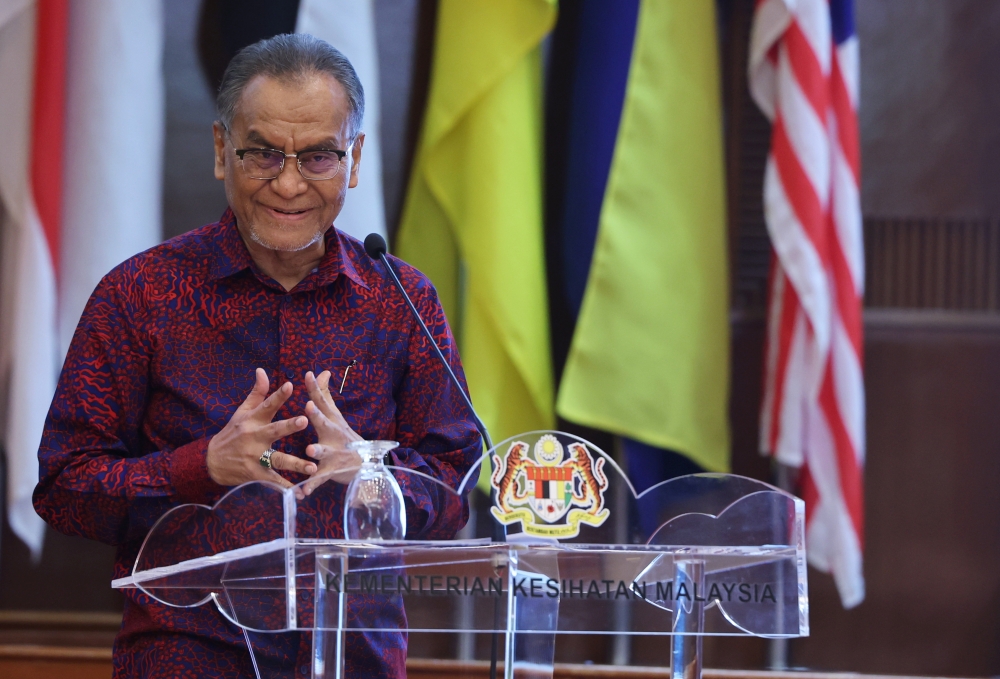
Health Minister Datuk Seri Dr Dzulkefly Ahmad said the ministry tracks 702 medicine types covering 3,739 registered products through monthly reports submitted by registration holders.

β€œAs of May 8, 2026, 505 medicine types, or 72 per cent, had stock levels exceeding 90 days and were classified as low risk.

β€œAnother 79 types (11.3 per cent) were categorised as moderate risk with supplies lasting between 60 and 90 days, while 118 items (16.8 per cent) had stocks below 60 days and were considered high risk,” he told Bernama in a written reply today.

The moderate and high-risk categories include antibiotics, cancer drugs, vaccines, antidotes, psychiatric medicines and cardiovascular treatments.

β€œOf the 118 high-risk items, only 14 were deemed critical due to reliance on a single registration holder or delays of more than a month for incoming supplies,” he said.

These include Fluorouracil (cancer treatment), Methylene Blue (used in diagnostic procedures), Linezolid (an antibiotic) and Coal Tar Solution for psoriasis treatment.Β 

However, Dr Dzulkefly said checks with MOH facilities and concession companies found that 13 of the 14 critical medicines still have stock levels exceeding 90 days. The remaining item, Carbinoxamine Maleate/Pseudoephedrine Hydrochloride, is not listed in the MOH Drug Formulary.

β€œThis means medicine supplies for patients at MOH facilities remain sufficient and are not currently affected,” he said.

Additional shipments of critical medicines are scheduled to arrive between June and September, while the ministry continues to work closely with industry players, suppliers and healthcare facilities to address potential supply disruptions early.

On June 14, Prime Minister’s economic adviser Nurhisham Hussein said that over 70 per cent of public healthcare medicine supplies currently have stock levels exceeding three months, while most critical medications have alternative treatment options available. β€” BernamaΒ 

  •  

Dengue cases up 27pc nationwide, with Sabah among the hardest hit, says Dzulkefly

Malay Mail

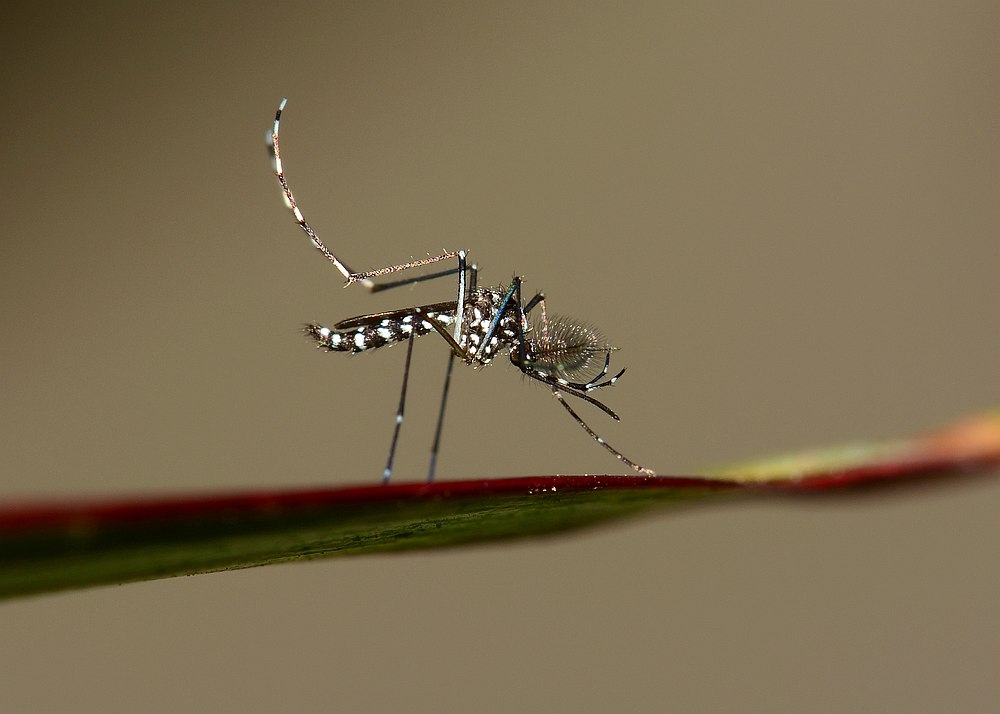
KOTA KINABALU, June 14 β€” Dengue cases nationwide rose 27 per cent to 33,367 as of June 13 (Epidemiological Week 23), compared with 27,640 cases recorded during the corresponding period last year.

Health Minister Datuk Seri Dzulkefly Ahmad said the situation in Sabah was more concerning, with the state recording a sharp 50.4 per cent increase to 2,866 cases, compared with 1,905 cases during the same period last year.

He said several districts in Sabah had been identified as the main contributors to the state’s caseload, namely Kota Kinabalu, Kota Marudu, Tawau, Sandakan, Penampang and Putatan.

β€œWe know that this surge falls within the expected cyclical trend of infections that occurs every four to five years, but we must remain vigilant in dealing with the situation,” he told reporters in Manggatal here today.

Earlier, he officiated the national-level Asean Dengue Day, World Malaria Day and Mega Gotong-Royong held in conjunction with the 2026 National Healthy Malaysia Agenda (ANMS) Roadshow at the Manggatal Community Hall here.

Dzulkefly said that, apart from the cyclical trend, the Health Ministry had also identified a shift in the circulating dengue virus sub-variants, with the DEN-3 sub-variant now becoming dominant, as a contributing factor to the rise in cases.

To address the challenge, he said the ministry had introduced a new strategic approach based on Behavioural Insights (BI) through the Dengue-Free Community (Kombat) programme.

β€œWe are introducing several new initiatives, particularly through the application of the BI approach, which draws on behavioural economics and examines human behaviour, including how people can be influenced or nudged towards positive change.

β€œThe nudging strategy is aimed at encouraging behavioural change. People may be aware of what needs to be done, but that alone does not necessarily lead to action. Awareness and literacy are not enough. We need to create conditions that enable people to change, with support from both the federal and state governments,” he said.

He said Kombat focuses on three key strategies: environmental interventions, community empowerment and a whole-of-society approach, including the strengthening of entomological surveillance. β€” Bernama

  •  
❌