
 Login
Login
First-term MP under fire after saying Singaporeans aren’t having babies because they have ‘tasted a good and rich life at a young age’
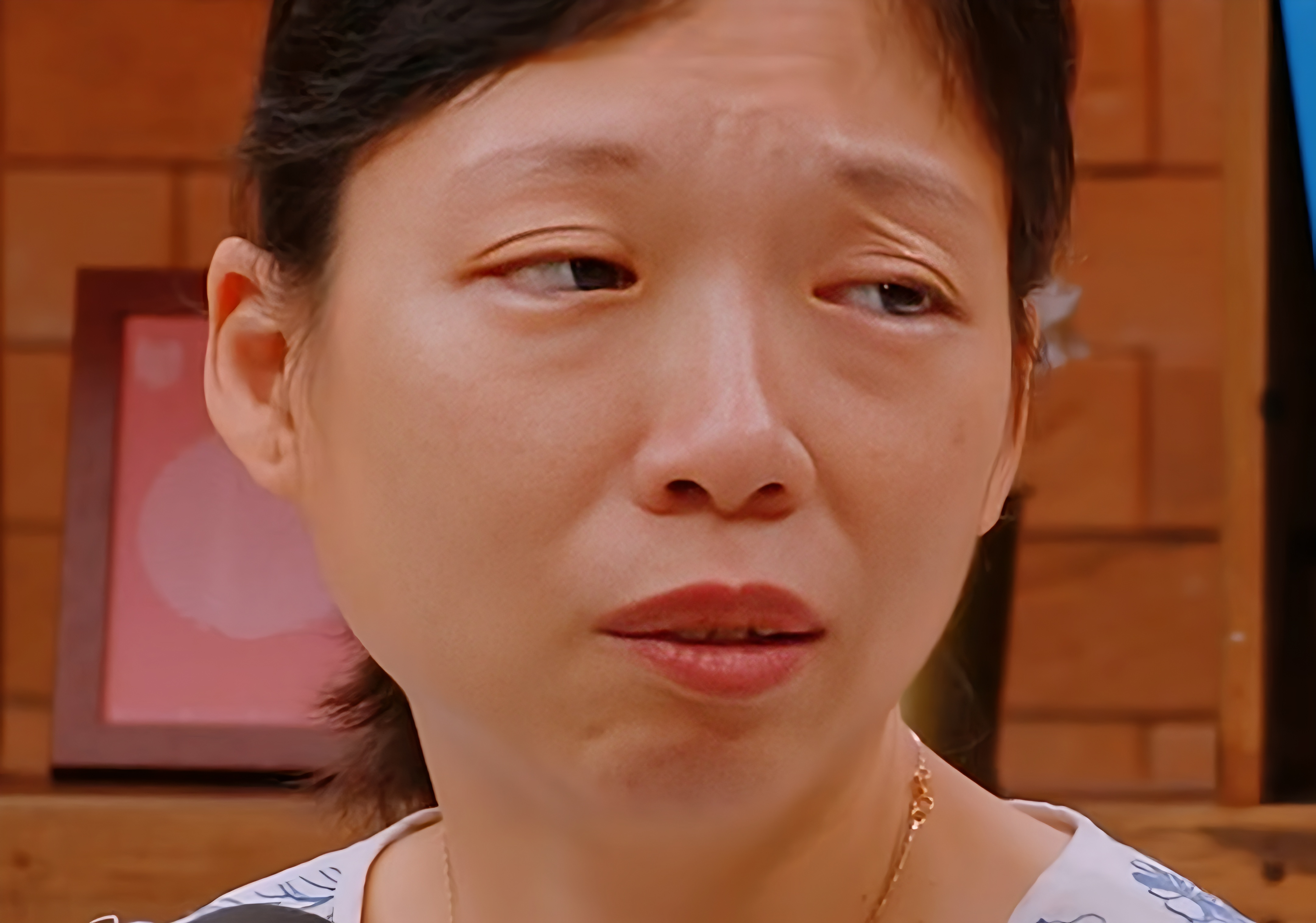
SINGAPORE: First-term People’s Action Party (PAP) parliamentarian Jasmin Lau has come under fire for being “out of touch” with the challenges, aspirations and lived realities of ordinary Singaporeans, after she shared her theory about the cause of Singapore’s falling birth rate.
Ms Lau was a civil servant for close to two decades before she resigned just ahead of the 2025 general election. She coasted into Parliament as part of the team Senior Minister Lee Hsien Loong led at his Ang Mo Kio Group stronghold.
The 42-year-old, who is currently part of the Government’s Marriage & Parenthood Reset Workgroup, had been discussing Singapore’s low fertility rate of 0.87 per cent during a recent CNA podcast appearance.
During the podcast, Ms Lau was asked what she believed was the “biggest thing” stopping people from having children.
“I have my own theory about this,” she said, “I think a lot of our people have tasted a good and rich life at a younger age, and the thinking is, I don’t want to give that up.”
She added that many young adults view parenthood as requiring sacrifices in lifestyle, including travel, housing choices and other comforts they worked hard to attain. She said:
“…they look at the parents who talk about parenthood like, in such a stressful way, it feels like a loss. Like, for them to think about having children feels like a loss because they cut something out from their life. They have to cut travel or the size of the house they buy, the type of car that they would have. Like, it feels like they have to lose something in order to have a child.
“…it’s already so hard to enjoy what they have now. They have worked so hard to get to where they are. Finally, they can taste a little bit of the sweetness of life. And then to go into a phase of life where you have to give up some of that, I think that’s what’s stopping a lot of adults from thinking about the next step.”
She added, “Now, is there a solution for that? Very hard.”
Noting that countries around the world are struggling with declining fertility rates, she suggested that more people openly sharing positive experiences about parenting and family life could encourage others to reconsider having children.
“I do think that if many more of us just talk about the fulfilment from parenting, the joys of it, it could shift the concepts about it a little bit, so you can tilt someone from 50-50 to all right, let’s give it a shot. You could shift it a bit.”
She said she does not think the TFR can be “rescued to 2.0”.
“But I think, if more of us just shared about what family life could look like and how our own lives have been enriched by our children, and how our children have taught us so much more about life than we could otherwise teach ourselves. Then maybe you have some people who start to consider, why not?” she said.
Her remarks, however, quickly drew backlash online, with many Singaporeans arguing that financial pressures and structural issues, not lifestyle preferences, are the primary reasons couples are delaying or avoiding parenthood.
“I feel so disconnected from her words,” one commenter wrote.
Another said, “Excuse me, not everyone has a good and rich life.”
Several commenters accused Ms Lau of speaking from a position of privilege and failing to understand the financial stress many Singaporeans face.
“She is talking about her circle,” one person remarked.
Others pointed to bread-and-butter concerns such as housing prices, job insecurity and the rising cost of raising children.
“Her theory is wrong, the stressful living environment that is not conducive to having kids,” one commenter said before listing concerns including the “cost of having a kid”, “no stable employment”, and rising expenses related to housing, education and daily living.
Another added that “BTO flats have become quite expensive and smaller”, making it harder for couples to plan for larger families.
Some commenters said the Government appeared disconnected from public sentiment despite years of feedback on the issue.
“I am surprised that the committee has all along been deaf to the feedback,” one person wrote.
Another argued that policymakers were unfairly placing responsibility on citizens instead of addressing systemic issues.
“Instead of fixing systemic problems, the responsibility is conveniently pushed back to citizens,” the commenter said.
Parents also weighed in on anxieties surrounding the future their children may face.
“As a parent, I feel anxious & nervous for my kids staring into a future of immense uncertainties,” one commenter wrote, citing intense competition, economic pressures and concerns about whether children would be able to cope in adulthood.
Others criticised what they viewed as an overly simplistic understanding of why Singaporeans are not having children.
“OMG. Does she really know what the people on the ground think?” one netizen asked, “It’s not that young people want to enjoy wealth in life. But there’s no support for parents to raise a child in Singapore.”
The commenter then pointed to expensive healthcare, costly childcare, long working hours, small flats, insufficient leave arrangements and postpartum mental health challenges.
Several people compared Singapore unfavourably with countries they felt offered stronger support systems for parents. One commenter cited Australia’s postnatal home-visit programmes for mothers and newborns, while another pointed to South Korea’s extensive subsidies for families.
Others questioned whether highly paid political officeholders could truly relate to the struggles of ordinary Singaporeans. “When ministers can have a million-dollar salary, how much do they understand about the problem of having kids?” one commenter asked.
Another wrote: “Nothing like a millionaire politician hectoring us about the intangibles of having children when the cost of living is going up.”
Some commenters also suggested the Government should directly consult young Singaporeans and parents instead of relying on internal theories.
“Why not ask your young people to be in a forum and get the answers straight from their mouths?” one netizen said.
Others pointed to the irony that some political officeholders themselves have small families or no children. Singapore’s Prime Minister Lawrence Wong does not have any children. Nor does Indranee Rajah, the Minister who chairs the parenthood workgroup, who remains unmarried.
“Questions the workgroup should start asking all MPs in Parliament — why they are single, married, no kids or married one child,” one commenter wrote.
This article (First-term MP under fire after saying Singaporeans aren’t having babies because they have ‘tasted a good and rich life at a young age’) first appeared on The Independent Singapore News.
