Former OpenAI CTO Mira Murati testified that Sam Altman created distrust and confusion among senior leaders, describing his actions as "creating chaos" and deceptive. Her testimony came during Elon Musk's lawsuit against OpenAI. Murati also revealed her close contact with Microsoft CEO Satya Nadella during the company's leadership turmoil.
Microsoft is reorganizing its leadership following Rajesh Jha's retirement. Key divisions like Windows, Office, and Copilot are being reassigned to senior executives. This shake-up aims to align product groups with the company's AI and cloud focus. Several leaders will now report directly to CEO Satya Nadella as part of this significant internal shift.
Elon Musk's xAI has leased its Colossus 1 supercomputer to Anthropic, a move that follows Musk's public shift from criticizing the AI lab to expressing confidence in its leadership. This deal provides Anthropic with significant GPU capacity, addressing its urgent compute needs and enabling immediate inference workloads. The partnership also hints at future collaborations for orbital AI compute infrastructure.
Anthropic's Boris Cherny, creator of Claude Code, says software engineering is already dead inside his own company—no one writes code by hand anymore, and Claude AI instances autonomously communicate over Slack to resolve problems across teams. As Google, Meta, Amazon and Snap race to set aggressive AI coding targets, Cherny believes IDE tools like VS Code and Xcode are next to disappear—and Anthropic CEO Dario Amodei's "centaur phase" warning suggests the window for human coders is closing fast.
Australia has deported American YouTuber Sneako. The government cancelled his visa and imposed a lifetime ban. Home Affairs Minister Tony Burke stated the country is better without his divisive presence. This action follows legislative amendments allowing the government to protect the community from those spreading hatred. Sneako was ordered to leave immediately or face detention. The decision received cross-party support.
New Mexico is suing Meta, seeking $3.7 billion and platform changes, arguing its social media fuels a youth mental health crisis. The state accuses Meta of designing addictive platforms and failing to protect minors from exploitation. A judge is considering if Meta's platforms constitute a public nuisance, a designation that could force significant reforms.
An American entrepreneur's X post downplaying H-1B visa holders' impact on US jobs has ignited a fierce online debate. He argued H-1B workers are a tiny fraction of the workforce, especially in STEM. Critics, however, countered that his analysis overlooks crucial factors like spouse visas and the true scale of H-1B employment, asserting real job losses for Americans.
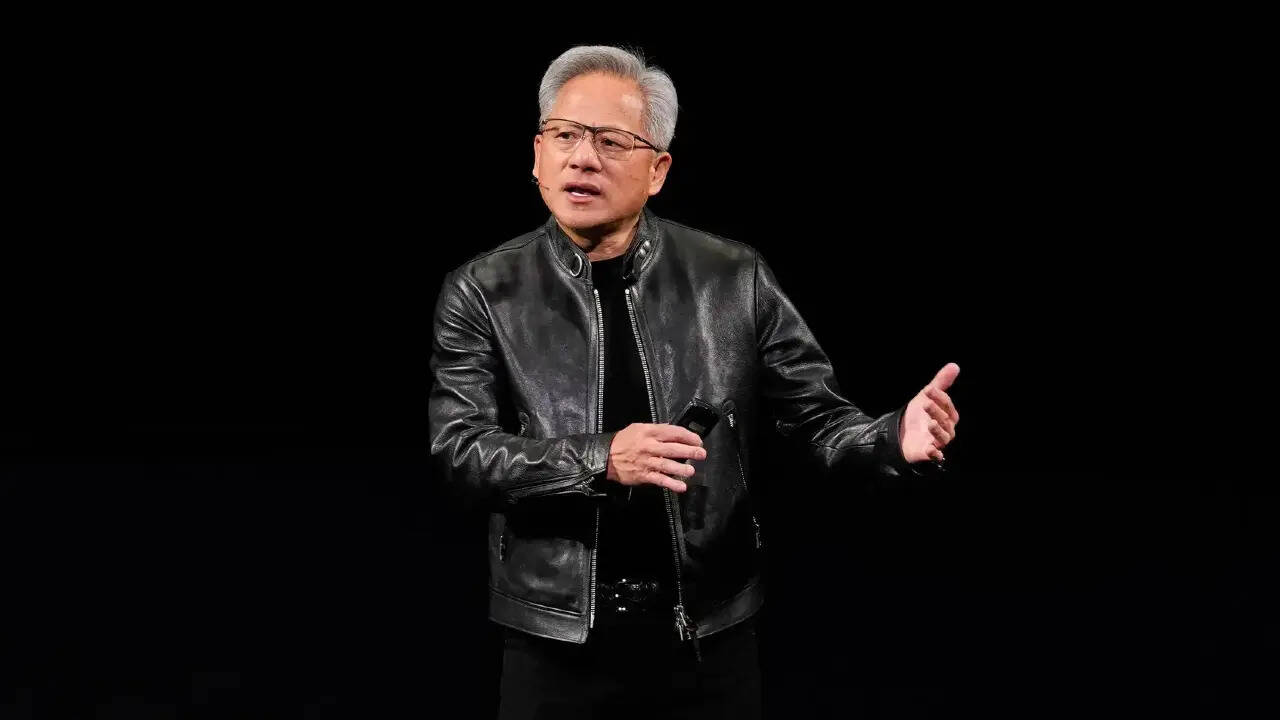
Nvidia CEO Jensen Huang declared America a priority for advanced chip sales, stating China should not have access to the "latest and greatest" AI technology. However, he urged the US not to abandon the Chinese market entirely, arguing that global sales and increased tax revenues strengthen American economic and national security.
Google DeepMind UK employees are forming the world's first union at a frontier AI lab to protest the company's AI deal with the US government. Workers aim to halt the use of Google's AI tools by the US Department of War and the Israeli military, seeking to reinstate ethical commitments and gain a voice in company decisions.
AI pioneer Yann LeCun urges students to disregard alarmist CEO pronouncements and fears of AI-driven job losses and extinction. He emphasizes that higher education, particularly in fields like physics and electrical engineering, will become more valuable as AI tools require human oversight and strategic direction, leading to job evolution rather than elimination.
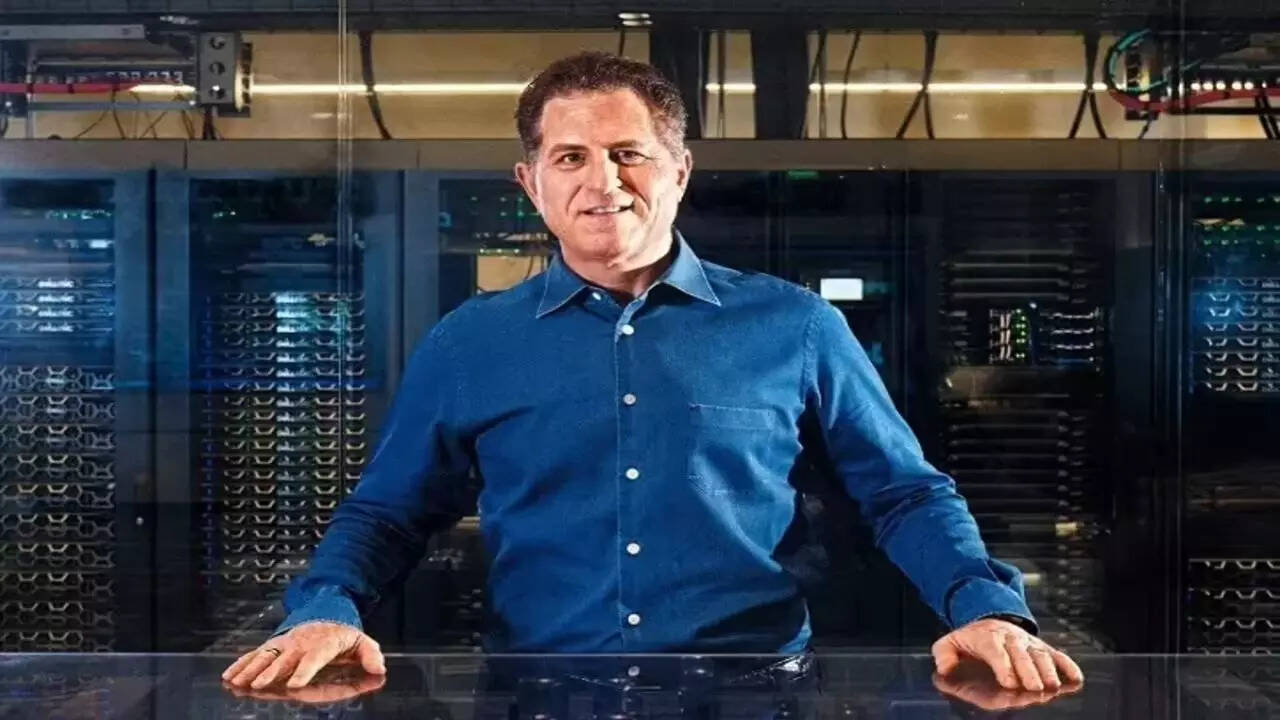
Dell Technologies is moving its legal home from Delaware to Texas. This change is set for approval at the company's annual stockholders meeting on June 25, 2026. Texas Governor Greg Abbott welcomed the tech giant, highlighting its long history in the state.
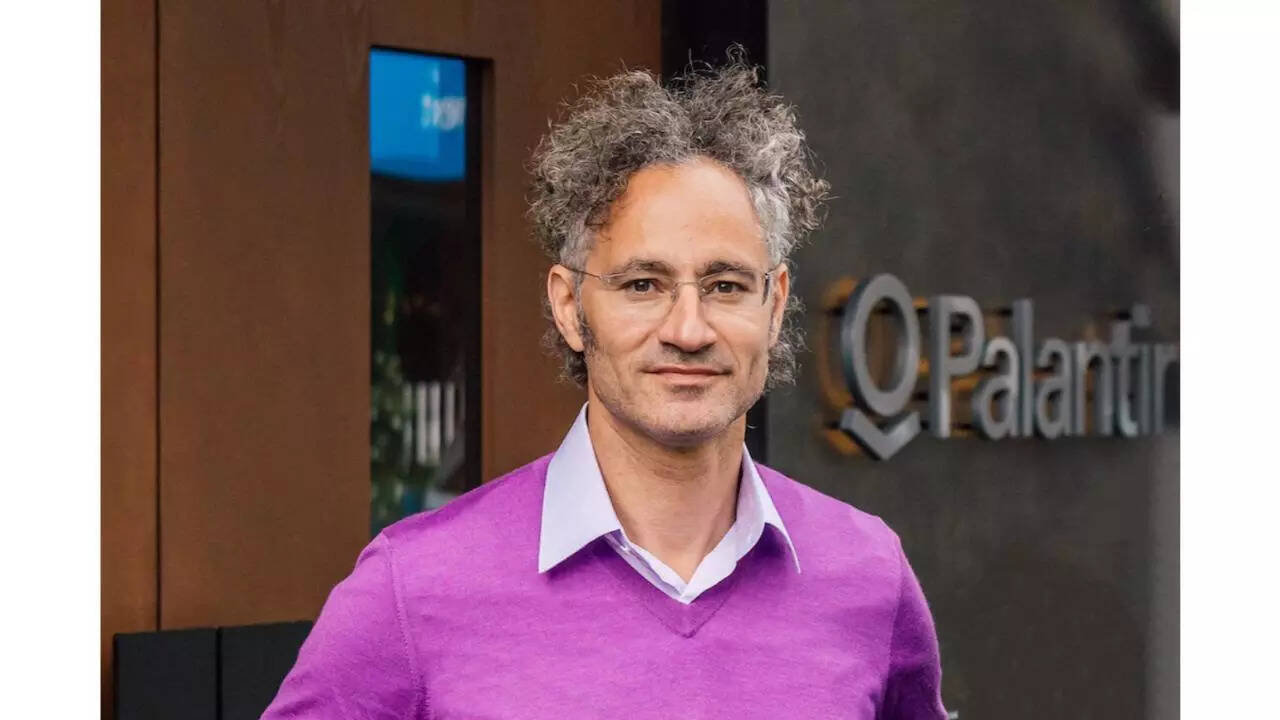
Palantir CEO Alex Karp urges AI companies to abandon "AI slop" and focus on functional software services, citing the company's significant growth driven by demand for its platform. He contrasts Palantir's "actual results" rooted in data with low-quality AI content, emphasizing the platform's impact on essential infrastructure and the battlefield.

 Login
Login