
 Login
Login
Tennis players’ body says French Open prize money row shows need for reform, warns of boycott risk
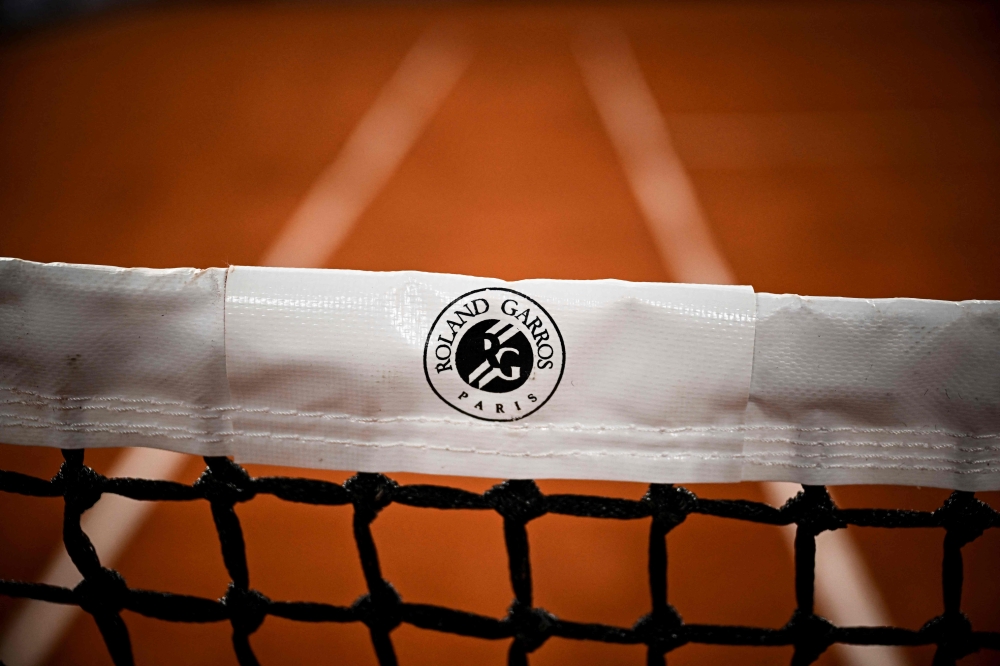
- Top players threaten Grand Slam boycott over prize money
- PTPA supports fight for fair share of tournament revenue
- Dispute brings focus on lawsuit against governing bodies
BENGALURU, May 6 — The Professional Tennis Players Association said the row over French Open prize money shows precisely why it is challenging the way tennis is run, warning that without reform the sport will be stuck in cycles of disputes and incremental change.
Leading players have sought a bigger share of the pie from French Open organisers, whose prize purse of €61.7 million (RM283 million) lags well behind the other three Grand Slams despite a 9.5 per cent increase for 2026.
Aryna Sabalenka and other leading players expressed their “deep disappointment” to organisers in a statement this week and have said a boycott is possible if the gap is not closed to the Australian Open, the US Open and Wimbledon.
“We commend and fully support the players for stepping up and fighting for what they deserve: a fair share of the revenues they help create,” the PTPA advocacy group said in a statement to Reuters.
“There are deep structural changes desperately needed in tennis.”
The Australian Open offered an improved prize pot of A$111.5 million (RM316 million) in January while the US Open paid out US$90 million (RM353 million) and Wimbledon £53.5 million (RM284 million) in 2025.
Reuters has sought comment from the organisers of the French Open, which begins on May 24.
Help players
The tournament said last month that it had committed to supporting the qualifying tournament and early rounds of the main draw with bigger prize money increases to help those players who needed it the most to finance their season.
Grand Slams operate under different financial models from the ATP and WTA Tours, with prize money set independently rather than through a centralised framework.
Sabalenka said players undoubtedly put the spotlight on the sport’s biggest tournaments and deserved a greater share of the revenues, backing calls for a 22 per cent allocation in line with what the ATP and WTA offer at combined 1000-level events.
“I feel like the show is on us,” the four-times Grand Slam champion said in Rome ahead of this week’s Italian Open.
“I feel like without us there wouldn’t be a tournament and there wouldn’t be that entertainment. We definitely deserve to be paid more.”
Broader concerns
While the latest standoff has been driven by leading names, players in the lower rungs have long maintained that prize money structures affect their ability to cover travel, coaching and medical costs across a crowded calendar that lasts 11 months.
It has also brought the focus on other pressing concerns, with players saying this week that their welfare proposals had gone unanswered and there was no meaningful progress towards fair representation in Grand Slam decision-making.
The grievances mirror issues under legal scrutiny in a class-action lawsuit filed last year by the PTPA, co-founded in 2020 by Novak Djokovic and Vasek Pospisil with the intention of being the voice of the players and the catalyst for change.
“Tennis is falling behind other global sports on every meaningful metric because of its structure,” the PTPA added.
“Until that is addressed directly and comprehensively, progress will remain incremental, and players will remain stuck in the same cycle, pushing for more prize money season after season.
“That is exactly what the PTPA and the lawsuit against the Grand Slams and the ATP and WTA Tours are designed to change.” — Reuters
