Reading view

India-linked LNG ship drops anchor en route to Hormuz, delaying key transit

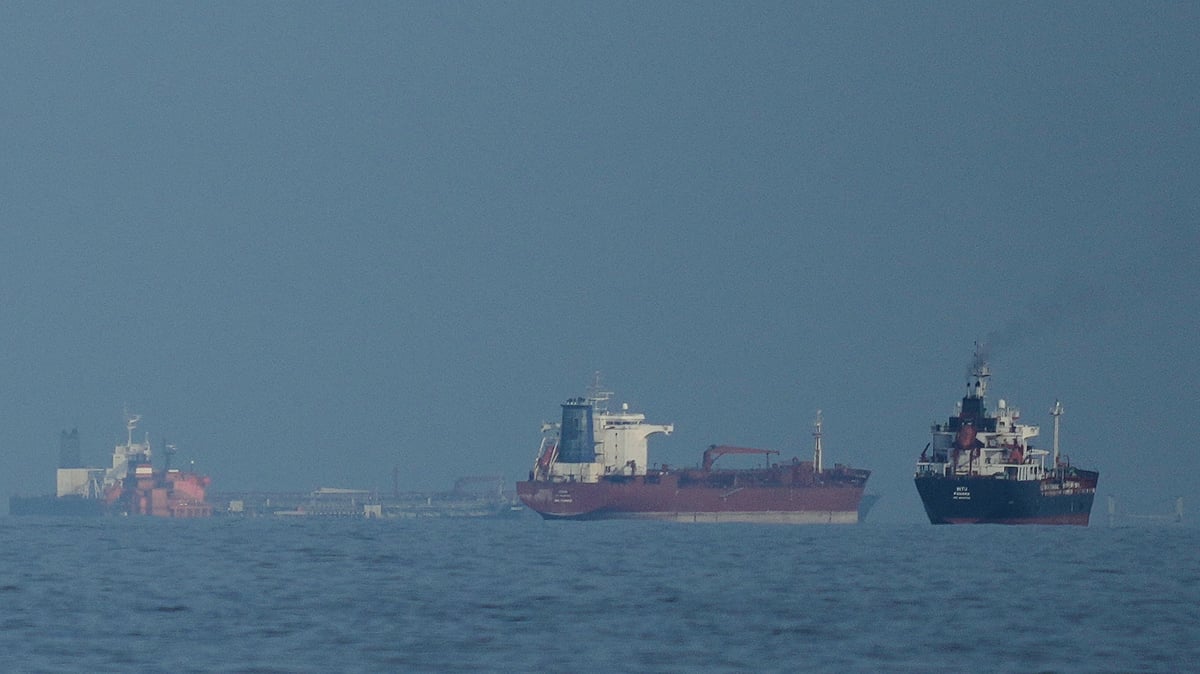
An India-linked LNG carrier that had been closely monitored for signs of a return to routine shipping through the Strait of Hormuz has anchored before making the crucial crossing, raising fresh concerns about stability in the region.

The vessel, Umm Al Ashtan, had departed from Dahej in Gujarat and was expected to pass through the Strait on Friday, 1 May, to load cargo in the Persian Gulf. Its scheduled transit had been widely viewed as a potential indicator that maritime operations in the strategically vital corridor were returning to normal after recent disruptions, The Hindu reported.

Instead, the ship has dropped anchor at Khor Fakkan, just outside the Strait, according to vessel tracking data from marinetraffic.com. The unexpected halt has cast doubt on assumptions that conditions had sufficiently stabilised for uninterrupted commercial movement.

During its journey, Umm Al Ashtan maintained a course closer to Oman rather than following the Iranian coastline, a route more commonly associated with established transit patterns in the area. The choice of route, combined with the subsequent anchoring, points to continued caution among shipping operators navigating the region.

In contrast, other vessels appear to be proceeding more conventionally. The supertanker Idemitsu Maru, bound for Nagoya, Japan, has reportedly followed a path closer to the Iranian coast, suggesting a divergence in risk assessments within the industry.

The stalled passage of Umm Al Ashtan is particularly significant because it had been seen as a test case for the resumption of normal traffic through the Strait of Hormuz, a critical artery for global energy supplies. Its decision to hold position instead of proceeding has tempered expectations and highlighted the ongoing fragility of the situation.

The episode underscores that, despite tentative signs of easing tensions, shipping through the Strait remains influenced by strategic caution, with operators weighing security concerns alongside commercial imperatives.
US boards Iran-linked oil tanker in Indian Ocean, Pentagon confirms
  •  

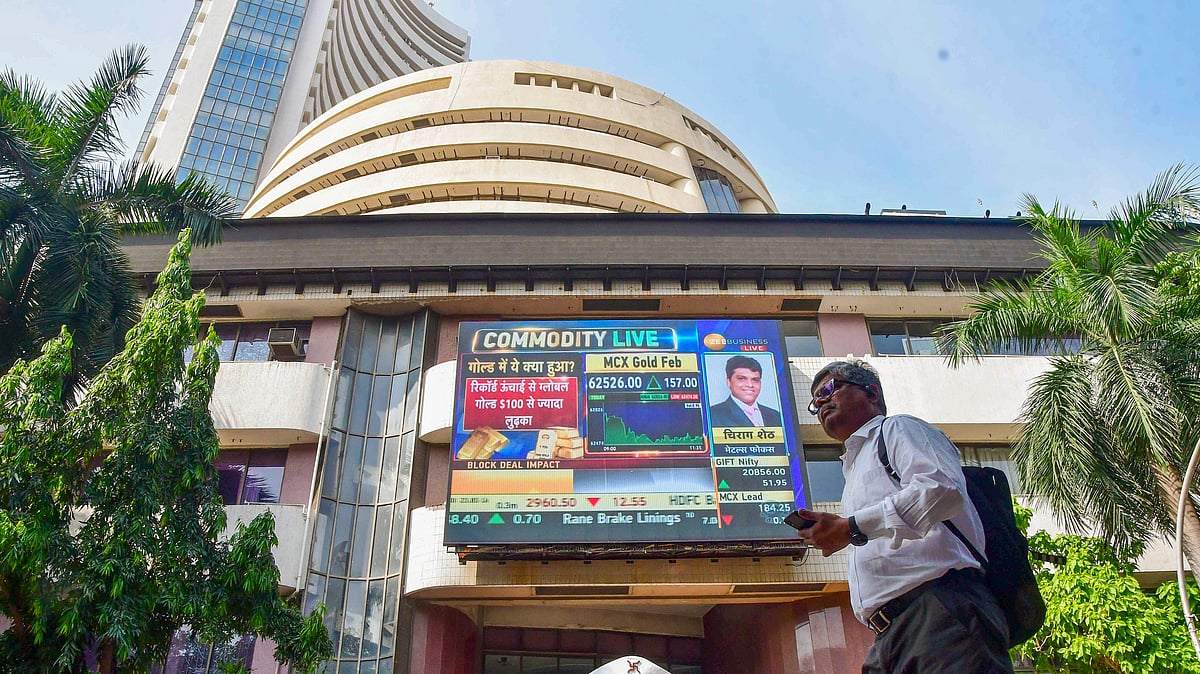
Sensex, Nifty end week lower as global tensions and oil surge weigh on markets

Indian equity markets closed the week on a weaker note, with benchmark indices slipping amid sustained foreign investor selling and a sharp rise in global crude oil prices.

The Nifty 50 declined by 0.73 per cent over the week and fell 0.74 per cent on the final trading session to settle at 23,997. Meanwhile, the BSE Sensex dropped 582 points on the day, ending at 76,913, marking a weekly loss of 0.97 per cent.

Market sentiment remained cautious as geopolitical tensions, particularly disruptions in the Strait of Hormuz, continued to unsettle global markets. The situation has contributed to elevated crude oil prices, which climbed to around $126 per barrel — their highest level in four years — raising concerns over inflation and potential fuel price increases.

The surge in oil prices has also put pressure on the Indian rupee and heightened fears of capital outflows, given India’s dependence on energy imports.

Sectorally, most indices ended in negative territory. Metal, public sector banking, realty and FMCG stocks were among the worst performers. However, information technology and pharmaceutical shares showed relative resilience, providing some support to the market.

Broader markets presented a mixed picture. While the Nifty Midcap100 index edged down by 0.28 per cent, the Nifty Smallcap100 index managed to gain 1.62 per cent during the week, indicating selective buying interest beyond large-cap stocks.

Despite the overall weakness, early corporate earnings for the fourth quarter of FY26 offered some optimism. Investors appeared to favour defensive and consumption-driven sectors such as healthcare, telecom and energy, which outperformed amid the volatility.

Analysts noted that persistent geopolitical risks and inflationary pressures could keep the US Federal Reserve inclined towards a tighter monetary stance through 2026, adding to uncertainty around interest rates globally.

Looking ahead, the Nifty 50 is expected to trade within a narrow range of 23,500 to 24,500 in the near term. The banking index underperformed the broader market, with the Bank Nifty ending the week at 54,863, down 2.56 per cent.

Experts anticipate continued consolidation in banking stocks, with the index likely to move within a broad band of 54,000 to 57,500, driven largely by stock-specific action during the ongoing earnings season.

With IANS inputs

  •  

Labour Day jolt: Commercial LPG prices surge, new booking curbs kick in

Businesses and bulk users woke up to a sharp spike in fuel costs on Labour Day, with state-run oil marketing companies raising prices of commercial LPG cylinders by an average of Rs 993 — a move that came without any prior public discussion and is expected to ripple through food and service sectors.

In Delhi, a 19 kg commercial LPG cylinder now costs Rs 3,071.50, up from Rs 2,078.50, while in Mumbai the price has climbed to Rs 3,024 from Rs 2,031. This is the third increase since late February, when geopolitical tensions in West Asia began driving up crude oil prices. Restaurants, caterers and small businesses are likely to pass on the burden, potentially pushing up prices of meals and delivery services.

The price shock coincides with tighter rules for LPG access. From 1 May, new booking restrictions have come into force: urban consumers must now wait 25 days between cylinder bookings, up from 21 days, while the interval in rural areas has been extended to as much as 45 days.

In addition, a Delivery Authentication Code (DAC) system has been made mandatory. Consumers will receive a one-time password on their registered mobile number when booking a refill, which must be provided at delivery, replacing earlier verification methods such as physical documents.

'महंगाई मैन मोदी' का चाबुक फिर चला। आज कमर्शियल सिलेंडर 993 रुपए महंगा हुआ।

मोदी ने पिछले 4 महीने में कमर्शियल सिलेंडर के दाम ऐसे बढ़ाए

• 1 मई: ₹993
• 1 अप्रैल: ₹218
• 7 मार्च: ₹115
• 1 मार्च: ₹31
• 1 फरवरी: ₹50
• 1 जनवरी: ₹111
--------------
टोटल: ₹1,518

जी…

— Congress (@INCIndia) May 1, 2026

The twin moves — higher commercial prices and stricter booking norms — have drawn attention for their timing, landing on Labour Day and affecting both businesses and households dependent on regular fuel access.

Even as these changes take effect, oil companies have kept several key fuel prices unchanged. In a statement issued early on Friday, IndianOil said there has been no revision in aviation turbine fuel (ATF) for domestic airlines, nor in the retail rates of petrol, diesel and subsidised LPG cylinders.

According to the company, about 80 per cent of petroleum products have seen no price change, around 4 per cent have become cheaper, and 16 per cent — mainly industrial fuels — have recorded increases in line with global benchmarks.

Modi on April 12: “India is moving beyond energy security towards energy independence.”

Modi’s government on May 1: ₹993 hike in commercial LPG. Overnight. No debate. No warning.

Jan 2026 → ₹1,740
Apr 2026 → ₹2,078
Today → ₹3,071

That’s a 76% jump in 4 months.

90% of… https://t.co/nP432VAG24 pic.twitter.com/KeLKA7cbmT

— Sincere Dibya (@TheSincereDude) May 1, 2026

ATF prices, usually revised at the start of each month, were left untouched as companies opted to absorb rising input costs. Household LPG cylinders (14.2 kg), used by roughly 330 million consumers, also remain at existing rates, as does kerosene supplied through the public distribution system.

Despite holding retail prices steady, reports indicate that oil marketing companies are facing mounting financial strain as they continue to sell fuels at unchanged rates while procuring crude at elevated prices exceeding $120 per barrel. Industry sources suggest they may seek government support to offset growing under-recoveries.

सिलेंडर महंगा नहीं होता, रोटी-थाली महंगी होती है। ये बात वही जानता है जो ख़ुद ख़रीदकर खाता है, वो नहीं जो दूसरों के यहाँ जाकर खाता है या दूसरों की थाली से चुराता है।

सिलेंडर महंगा करना था तो सीधे 1000 रूपये महंगा कर देते। 1000 में 7 रुपये कम करके ये भाजपावाले किस पर एहसान कर रहे…

— Akhilesh Yadav (@yadavakhilesh) May 1, 2026

Selective price increases, however, have been implemented for premium petrol, bulk diesel and ATF used in international aviation, aligning those segments more closely with global trends.

The developments underscore a calibrated but uneven pricing strategy — shielding household consumers on paper while shifting a growing share of the burden onto commercial users and tightening access through new booking constraints.

With PTI inputs

  •  
❌