
 Login
Login
Rising ramen prices in Japan signal Asia hit harder by oil shock than the 1970s, says Bloomberg
SINGAPORE: Rising prices of everyday goods and services are an indicator that the current oil shock will be harder on Asia than the one that took place in the 1970s, according to a Bloomberg opinion piece.
Its author, David Fickling, included a list across different countries in the region that shows how higher oil prices are being felt by Asians, including the price of ramen in Japan.
All this began just two months ago, when the United States and Israel started bombing Iran. This resulted in the closure of the Strait of Hormuz, a chokepoint for around 20% of the world’s fuel supply, a majority of which was bound for Asian countries. This has led to the government’s dealing with surging oil prices and the scramble to ensure an adequate supply for domestic needs.
The energy shock has led to higher input costs, which have meant an increase in everyday prices.
Soup and bathhouses
Mr Fickling gave the example of soup in both Korea and Japan. As inflation rose to 2.2% in March, the price of a bowl of traditional noodle soup in Seoul called kalguksu reached 10,000 won (around S$8.65) for the first time.
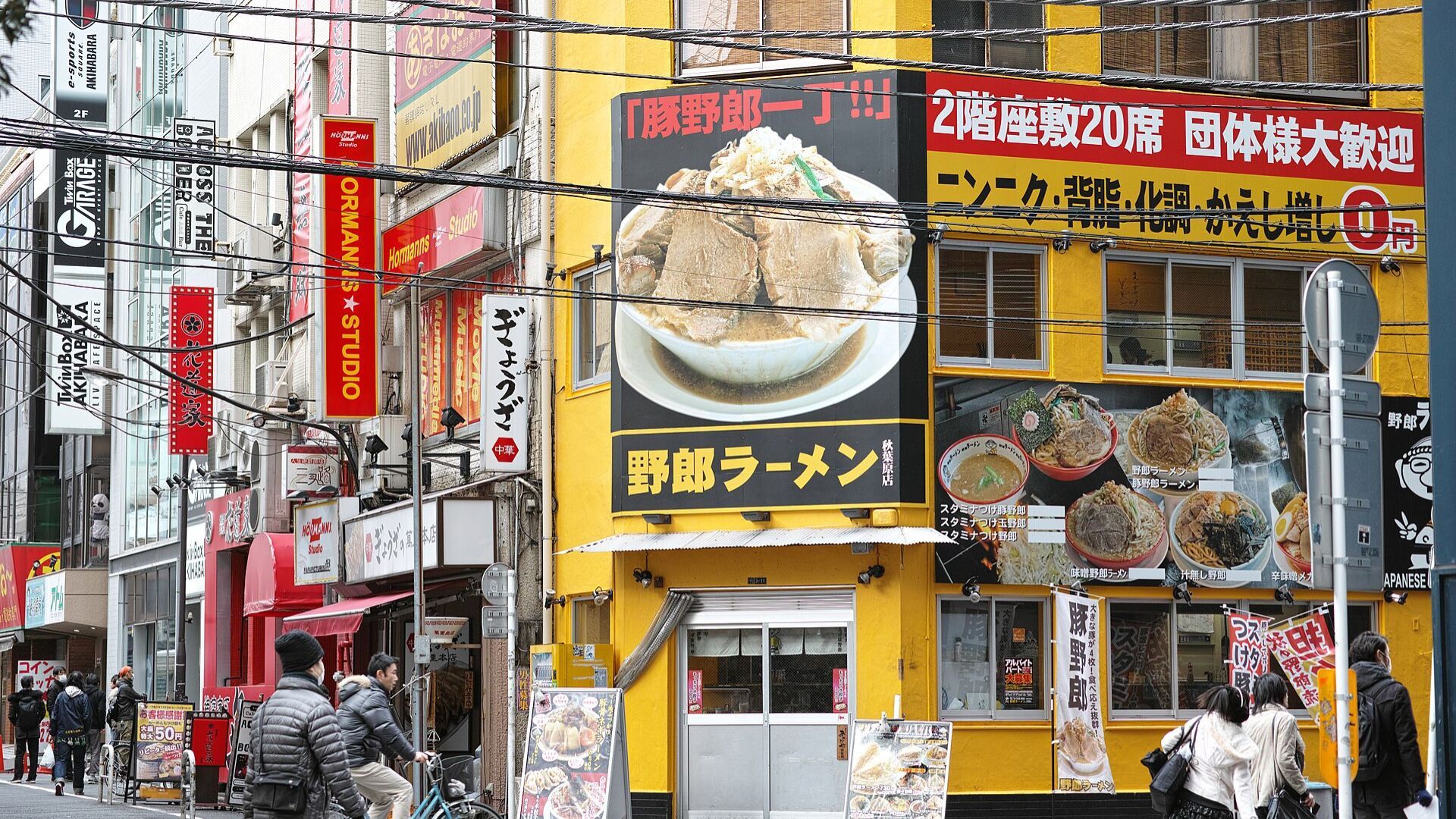
In Japan, where people already had to deal with food prices that were 6.8% higher last year, the price of ramen is approaching a “psychologically important” threshold of 1,000 yen (around S$8.13).
Moreover, “low-cost public bathhouses are facing tighter margins, squeezed between the rising cost of heating oil and government-regulated prices,” he added.
Ironically, at a time when many travellers are choosing Asian carriers, including Singapore Airlines, to bypass Middle East flight companies whose services have been disrupted by the war, Asian airlines have had to raise their prices somewhat substantially, due to the soaring price of jet fuel.
As a result, the number of flights is being cut, while ticket prices are seeing surcharges of hundreds of dollars.
Aside from these, there have been negative effects on transport livelihoods in the Philippines because of higher fuel prices, agriculture in India due to higher fertiliser prices, as well as hours-long power outages in Pakistan, resulting in a decline in the quality of living.
Mr Fickling is not the only person warning about the dire effects of the Middle East war on Asia. Reuters pointed out in an article earlier this week how Thailand’s rice farmers are feeling the effect of fertiliser prices that are now as much as 40% more expensive, raising production costs by a third.
In Indonesia, meanwhile, the drop in rice production may be higher than 10% this year, and the expected Super El Niño from midyear onward is likely to exacerbate matters. In March, the country saw a 3.4% rise in food inflation, with sharper spikes for specific staples such as rice, cooking oil, and eggs. /TISG
Read also: How Asia’s widespread fuel shock will also affect the US
This article (Rising ramen prices in Japan signal Asia hit harder by oil shock than the 1970s, says Bloomberg) first appeared on The Independent Singapore News.
