Reading view

Metal Credit Cards: Are They Worth the Upgrade?

By: PR

Metal credit cards have become a visible symbol of premium banking, often associated with exclusivity, higher spending limits, and luxury benefits. Their weight and finish set them apart instantly, but the real question for most users is a practical one. Do metal credit cards actually offer enough value to justify the upgrade, or are they more about appearance than usefulness? Banks such as IDFC FIRST Bank offer premium credit cards that focus on feature-driven value rather than novelty alone.

Understanding what metal credit cards truly offer helps consumers decide whether the upgrade makes financial sense.

What Is a Metal Credit Card? 

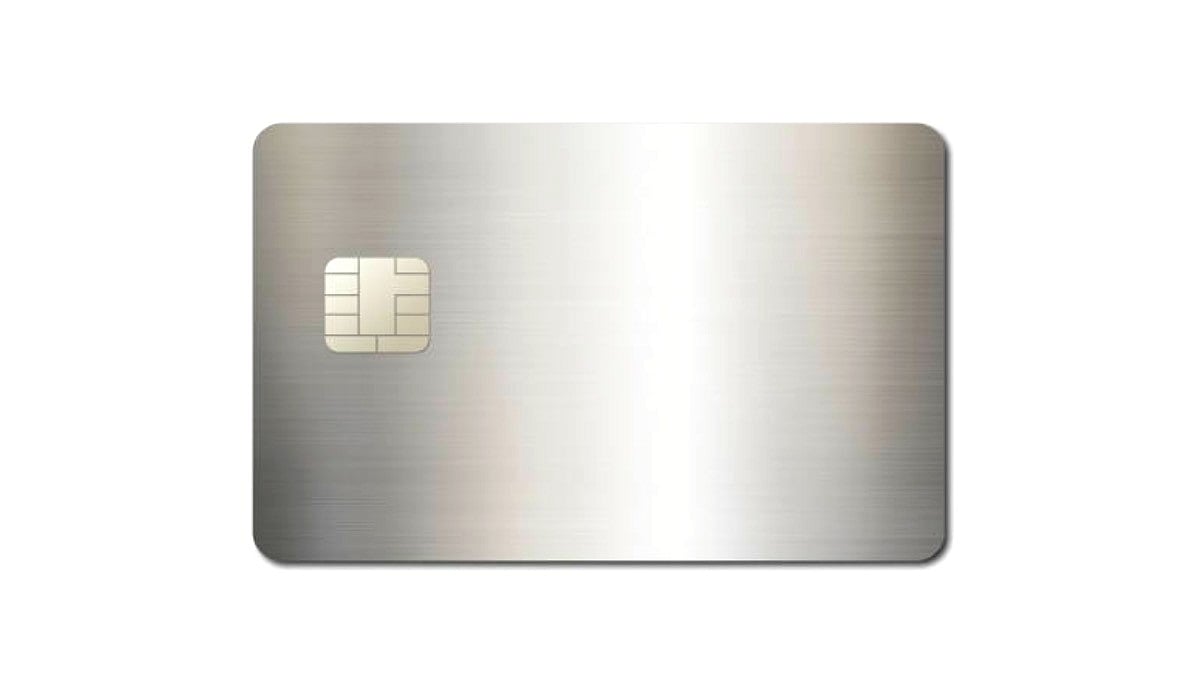
metal credit card is exactly what it sounds like. The card is made partially or fully from metal rather than plastic. This design choice is usually paired with premium positioning, higher eligibility criteria, and enhanced benefits.

However, the material itself does not change how the card functions. Payments, acceptance, and security remain the same as any other credit card. The difference lies in the benefits it offers and the user segment it targets.

Why Are Metal Credit Cards Appealing?  

Metal credit cards appeal to users who value premium experiences and visible differentiation. The physical feel of the card creates a sense of exclusivity that plastic cards cannot replicate.

Beyond appearance, metal cards are often positioned as top-tier products with added privileges such as higher reward rates, travel benefits, and lifestyle perks. For some users, this alignment of status and features is appealing.

The real test is whether the benefits justify the annual fee.
 
 Benefits That Usually Come with Metal Credit Cards 

Metal credit cards typically include a range of premium features, though the exact mix varies by issuer. Before considering an upgrade, it helps to understand what these cards generally offer.

  • Enhanced Rewards: Higher reward rates on travel, dining, or premium spends.

  • Travel Privileges: Airport lounge access, trip cancellation cover, and travel insurance.

  • Higher Credit Limits: Greater flexibility for large purchases and improved credit utilisation.

  • Priority Service: Dedicated customer support and faster issue resolution.

These benefits, not the metal itself, determine whether the card is worth holding.

Are Metal Credit Cards Worth the Annual Fee?
 
 
Most metal credit cards come with higher annual fees than standard cards. Some also have strict spend-based conditions to justify fee waivers.

Users must evaluate whether the benefits they actually use outweigh these costs. A card that looks impressive but remains underutilised offers poor value.

For many users, a premium plastic card with similar benefits may deliver better cost efficiency.

Who Truly Benefits from Metal Credit Cards? 

Metal credit cards are best suited for individuals with consistent high spending, frequent travel, and regular need of premium services.

For such users, benefits like lounge access, reward acceleration, and travel insurance can offset the annual fee over time. The card becomes a tool rather than a statement.

For moderate spenders, the same benefits may remain unused, making the upgrade unnecessary.

Digital Experience Still Matters More 

Regardless of material, the day-to-day experience of using a credit card is digital. Mobile apps, real-time alerts, spend tracking, and easy service requests matter far more than the card’s weight.

A metal credit card with poor digital support will always underperform compared to a well-designed card with strong digital features. Usability should never be sacrificed for aesthetics.

Applying With Clear Expectations 

Before user apply online for credit card upgrade, users should carefully review eligibility criteria, fee structures, and benefit limits.

Applying purely for prestige often leads to disappointment when the benefits do not align with lifestyle or spending patterns. A thoughtful credit card decision should always be based on usage, not appearance. Comparing features across premium cards helps avoid overpaying for design alone.

Conclusion 

Metal credit cards can be worth the upgrade for users who fully utilise their premium features and maintain high spending levels. However, the metal itself adds no functional value. What matters is whether the rewards, travel privileges, and service benefits justify the higher fees.

For many consumers, practical benefits outweigh visual appeal. Institutions like IDFC FIRST Bank continue to offer premium credit card options that focus on real usage value, allowing customers to choose substance over surface and make upgrades that genuinely fit their financial lifestyle.

  •  

Independent journalism punished: Kharge attacks BJP-RSS on press freedom

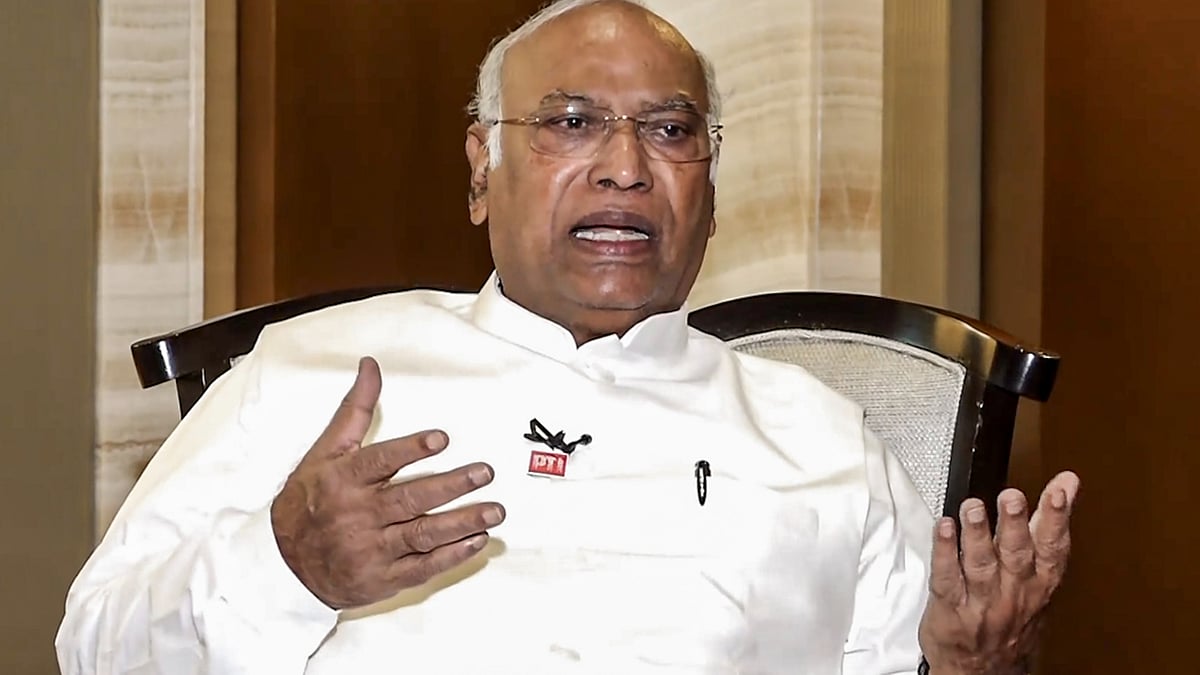
Congress president Mallikarjun Kharge on Sunday launched a sharp attack on the BJP and the RSS over press freedom, alleging that the current regime has created an atmosphere where “independent journalism will be punished, and compliance rewarded.”

In a post on X marking World Press Freedom Day, Kharge claimed that sections of the media have been reduced to echoing the government narrative, while those who question authority face sustained pressure.

“The message of the BJP-RSS is clear: independent journalism will be punished, and compliance will be rewarded… those who persist in asking questions are targeted relentlessly,” he said.

Kharge pointed to India’s declining position in the global press freedom rankings, alleging that it has fallen to 157th place since 2014 under the BJP government.

“A free press… does not exist to amplify the government's narrative or conceal its failures. It exists to question authority, scrutinise power, and hold those in office accountable,” he said.

On World Press Freedom Day, the nation must confront a stark and undeniable reality. Since 2014, India’s position in the World Press Freedom Index has steadily declined, falling to 157th place, under the BJP regime.

A free press, in its truest sense, does not exist to amplify…

— Mallikarjun Kharge (@kharge) May 3, 2026

Invoking Jawaharlal Nehru, Kharge stressed the foundational role of media in a democracy.

“The freedom of the press is not just a slogan but an essential attribute of the democratic process,” he quoted, adding that this principle now stands “gravely compromised.”

The Congress chief accused the “Sangh Parivar” of “weaponising” laws to silence dissenting voices in the media.

“Defamation laws, national security provisions, and sweeping criminal statutes are deployed not as instruments of justice, but as tools of intimidation,” he alleged.

Kharge also cited figures to underline his claims, stating that over 135 journalists were arrested, detained, or interrogated between 2014 and 2020, while 36 journalists were imprisoned between 2014 and 2023. He further alleged that stringent laws like the UAPA have been used against journalists.

Raising concerns over safety, he claimed that journalists reporting on corruption have faced violence in BJP-ruled states, naming cases such as Raghvendra Bajpai in Uttar Pradesh, Mukesh Chandrakar in Chhattisgarh, Rajeev Pratap Singh in Uttarakhand, and Dharmendra Singh Chauhan in Haryana.

“They stand as grim reminders of the cost of speaking truth to power,” Kharge said.

Kharge also accused the government of attempting to tighten control over social media platforms, calling it part of a broader push for “total dominance.”

He urged introspection on World Press Freedom Day, warning that erosion of press freedom could have long-term consequences for democratic institutions.

“Any deviation from democratic principles… risks becoming normalised, causing lasting damage to democratic norms, values, institutions, and the people they serve,” he said.

Emphasising accountability, Kharge added that governments must hold themselves to the highest standards to preserve the balance between power and the people.

With PTI inputs

  •  

Toddler among nine killed in Delhi multistorey fire

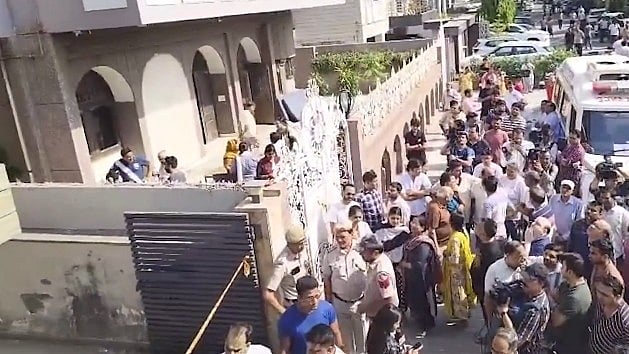
A devastating fire in a four-storey residential building in Vivek Vihar early Sunday claimed nine lives, including a 1.5-year-old child, officials confirmed, as authorities launched an investigation into the cause of the blaze.

The fire broke out around 4 am on the second floor of premises B-13, Vivek Vihar Phase I. At least 14 fire engines were rushed to the spot, and firefighters battled the flames for nearly two hours before bringing the situation under control by 6 am.

Most casualties were reported from the second floor, where five members of a family lost their lives — Arvind Jain (60), his wife Anita Jain (58), their son Nishant Jain (35), his wife Anchal Jain (33), and their young son Akash Jain (1.5).

On the third floor, another family of three perished: Nitin Jain (50), his wife Shailey Jain (48), and their son Samyak Jain (25).

One fatality was reported from the first floor, where Sikha Jain (40) died, while her husband Naveen Jain (48) sustained injuries and is currently undergoing treatment.

Police teams, including the local SHO and ACP, reached the site soon after the incident, alongside fire services and a crime investigation unit. During the rescue operation, more than 10 residents were pulled out of the building, with around 15 people evacuated in total.

Two individuals sustained minor injuries and were taken to Guru Teg Bahadur Hospital for treatment.

Officials said the identities of all nine victims have been confirmed. Preliminary findings indicate that the fire originated on the second floor, but the exact cause remains unknown.

A detailed inquiry is underway, with authorities examining possible safety lapses and structural conditions as part of the investigation.

The incident has once again raised concerns over fire safety compliance in densely populated residential areas of the capital.

With IANS inputs

  •  

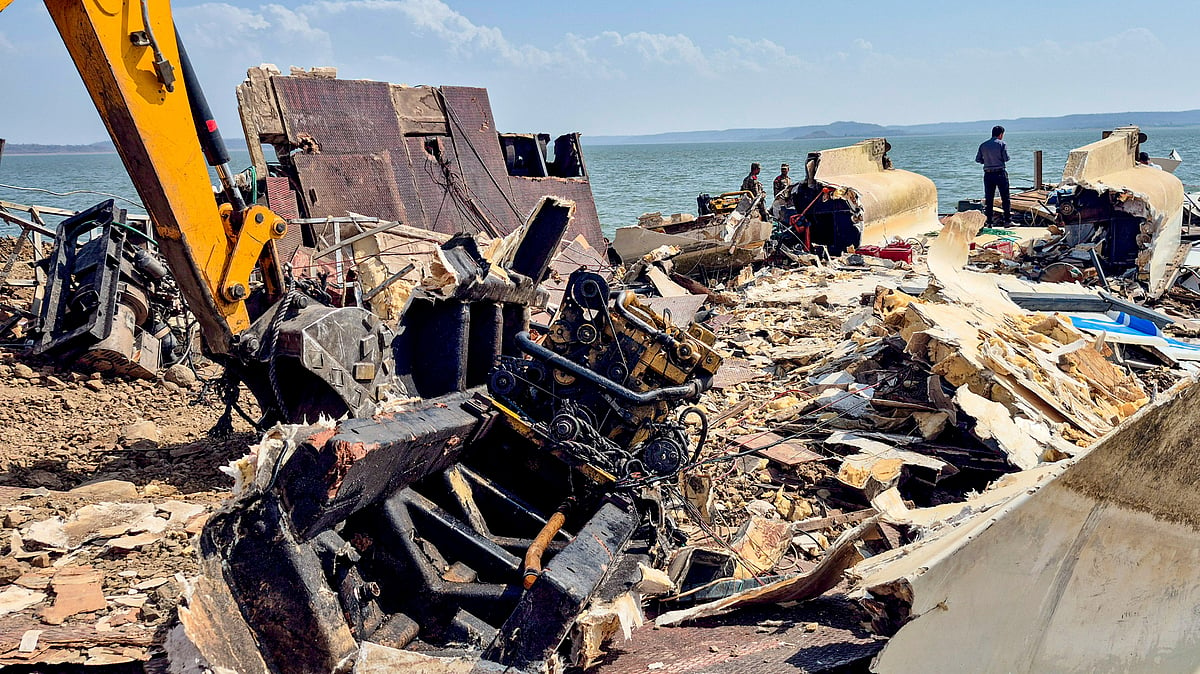
MP boat tragedy: Death toll climbs to 12; search on for one missing person

The death toll in the cruise boat tragedy at Bargi Dam in Jabalpur rose to 12 on Sunday after the body of a five-year-old boy was recovered, while rescue teams continued an intensive search for one missing person, police said.

The child, identified as Mayuram, was found in the reservoir early Sunday morning. Efforts are ongoing to locate Kamraj, around 50 years old, an employee of the Ordnance Factory in Khamaria, said Bargi police station house officer Neelesh Dohare.

“The body of the child has been fished out. Search is underway for the remaining missing person,” Dohare said.

The incident occurred on Thursday evening when a nearly 20-year-old boat, operated by the state tourism department, capsized during a sudden storm.

A large-scale rescue operation is underway, involving more than 200 personnel. Teams include divers from the army — around 20 of whom were airlifted from Agra — along with the National Disaster Response Force, State Disaster Response Force, and local divers.

Search efforts are focused on depths of 40–50 feet, covering a radius of nearly 5 km in the reservoir, officials said.

Of the 41 identified passengers on board the ill-fated vessel, 28 were rescued soon after the accident. However, CCTV footage from the boarding point showed 43 people heading towards the boat, raising questions about discrepancies in the passenger count.

The Madhya Pradesh government has ordered a probe into the tragedy. In immediate action, three crew members have been dismissed, and the operation of similar vessels across the state has been suspended pending safety reviews.

With one person still unaccounted for and questions mounting over safety lapses, the tragedy has triggered fresh scrutiny of tourist boat operations in the state.

With PTI inputs

  •  

Bengal: EC orders repoll in 285 Falta booths on 21 May

The Election Commission of India (ECI) has ordered a complete repoll in all 285 polling booths of the Falta Assembly Constituency in West Bengal’s South 24-Parganas district, citing “severe electoral offences and subversion of the democratic process” during voting on 29 April.

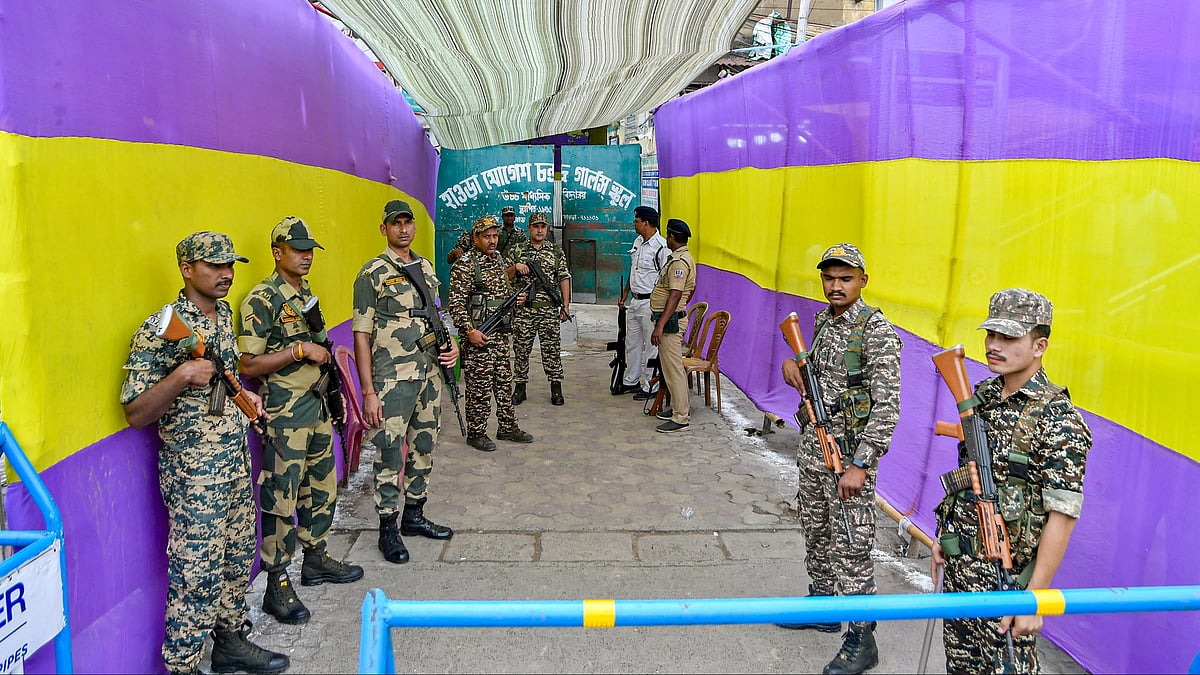
According to an EC official, the fresh polling will be conducted on 21 May from 7 am to 6 pm under “stringent security arrangements to ensure a free, fair and transparent exercise”. Counting for the constituency will take place on 24 May.

The decision follows an extensive review of reports from the chief electoral officer, district election officer, returning officer, field officials, and independent observers. The commission said these reports flagged serious concerns, including voter intimidation, unauthorised presence inside booths, and possible tampering.

Ten lifetimes won't be enough for your Bangla Birodhi Gujarati gang and their stooge Gyanesh Kumar to put even a dent in my DIAMOND HARBOUR MODEL.

Bring everything you have got. I challenge the entire Union of India- Come to Falta. Send your strongest, send one of the… https://t.co/Db7yIsQXj7

— Abhishek Banerjee (@abhishekaitc) May 2, 2026

“In view of the gravity of the incidents reported and the vitiation of the poll process, the commission hereby declares the poll held on 29 April in Falta assembly constituency as void and orders a fresh poll in all polling stations,” the EC said in its order.

To prevent any recurrence, the poll body has directed deployment of adequate central forces, micro-observers, and webcasting facilities wherever necessary. It also mandated full videography and close monitoring of the entire voting process.

The 29 April voting in Falta was part of the second phase of the two-phase assembly elections held on 23 and 29 April, with overall counting scheduled for 4 May.

The decision triggered sharp political reactions. Sukanta Majumdar welcomed the move, calling it a vindication of voters.

“This is a victory of the women of Falta over the atrocities of local TMC leader Jahangir Khan,” he said.

Falta is witnessing a multi-cornered contest, with TMC’s Jahangir Khan facing BJP candidate Debangshu Panda, Congress leader Abdur Razzak Molla, and CPI(M)’s Sambhu Nath Kurmi.

Responding strongly, Abhishek Banerjee launched a blistering attack on the BJP and the Centre.

“Ten lifetimes won't be enough for your Bangla Birodhi Gujarati gang and their stooge Gyanesh Kumar to put even a dent in my DIAMOND HARBOUR MODEL,” he wrote on X.

He also issued a direct political challenge: “Bring everything you have got… Come to Falta. Send your strongest, send one of the godfathers from Delhi. If you have got the nerve, contest in Falta.”

With the EC stepping in decisively and political rhetoric intensifying, the Falta repoll is now set to become a high-stakes test of electoral credibility in West Bengal.

With PTI inputs

  •  

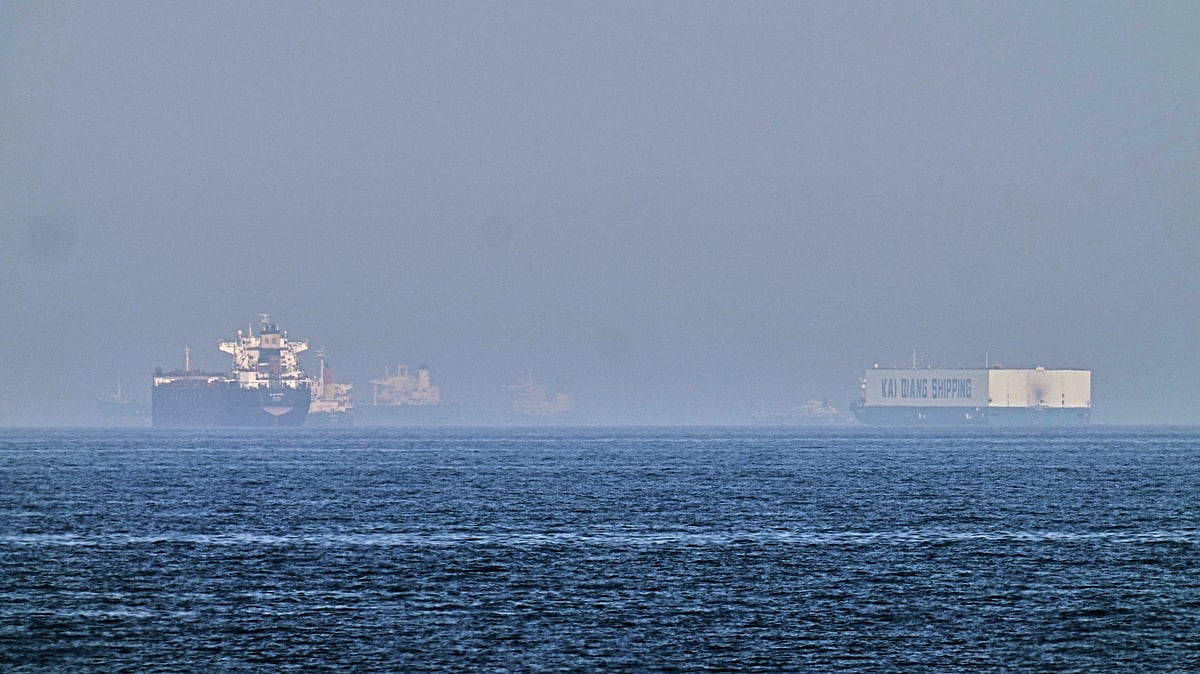
No passage without permission: Iran claims control over Strait of Hormuz

Iran has dramatically escalated its stance in the Persian Gulf, with senior military and political leaders asserting full control over the strategically vital Strait of Hormuz — declaring that no vessel, “friend or foe,” can pass without Tehran’s approval.

Iranian army spokesman Mohammad Akraminia said the country’s forces are now firmly in command of the waterway, describing such control as a sovereign right long left unused.

“At present, Iran's Islamic Revolution Guard Corps in the west and the country's army in the east are controlling the strait with power, and no ship, friend or foe, will have the right to pass without the permission and authorization of our forces,” Akraminia said.

He added that controlling the strait is “an inherent right” of Iran, signalling a decisive shift in Tehran’s maritime posture after years of restraint.

The move has triggered urgent reactions worldwide. According to Iran’s deputy foreign minister Hamid Ghanbari, several countries are already seeking safe passage for their vessels through diplomatic channels.

“Different countries are anxiously and urgently requesting Iran… to let their ships pass,” Ghanbari said, as quoted by Iranian media.

The tightening of control dates back to 28 February, when Iran restricted passage for vessels linked to the United States and Israel following joint strikes on its territory — marking a significant escalation in the ongoing conflict.

Iran’s Supreme Leader Mojtaba Khamenei framed the development as part of a broader strategic shift, declaring that a “new chapter” is being written in the Persian Gulf.

In a message marking National Persian Gulf Day, he announced plans for a new legal and administrative framework governing the strait — one he claimed would benefit regional nations.

“The new legal framework and management system for the Strait of Hormuz will advance comfort and development for all the region’s nations,” Khamenei said.

He also invoked Iran’s historical resistance against foreign powers, criticising Western involvement in the region.

“This strategic asset has long provoked the greed of many evildoers… the repeated invasions by European and American foreigners reflect the malicious schemes of global oppressors,” the message read.

Khamenei further projected a future vision of the region independent of US influence.

“The future of the Persian Gulf will be bright and free of America, devoted to progress, peace, and prosperity,” he said.

The Strait of Hormuz is one of the world’s most critical oil transit routes, handling a significant share of global shipments. Any disruption — or even the threat of one — can quickly impact energy markets and global trade.

Iran’s assertion of control raises the stakes in an already volatile region, with the risk of confrontation increasing as global powers weigh their response to what could effectively amount to a maritime chokehold.

With Tehran doubling down on both military control and a new legal framework, and international pressure mounting, the Strait of Hormuz is fast becoming the focal point of a high-stakes geopolitical showdown.

With IANS inputs

  •  

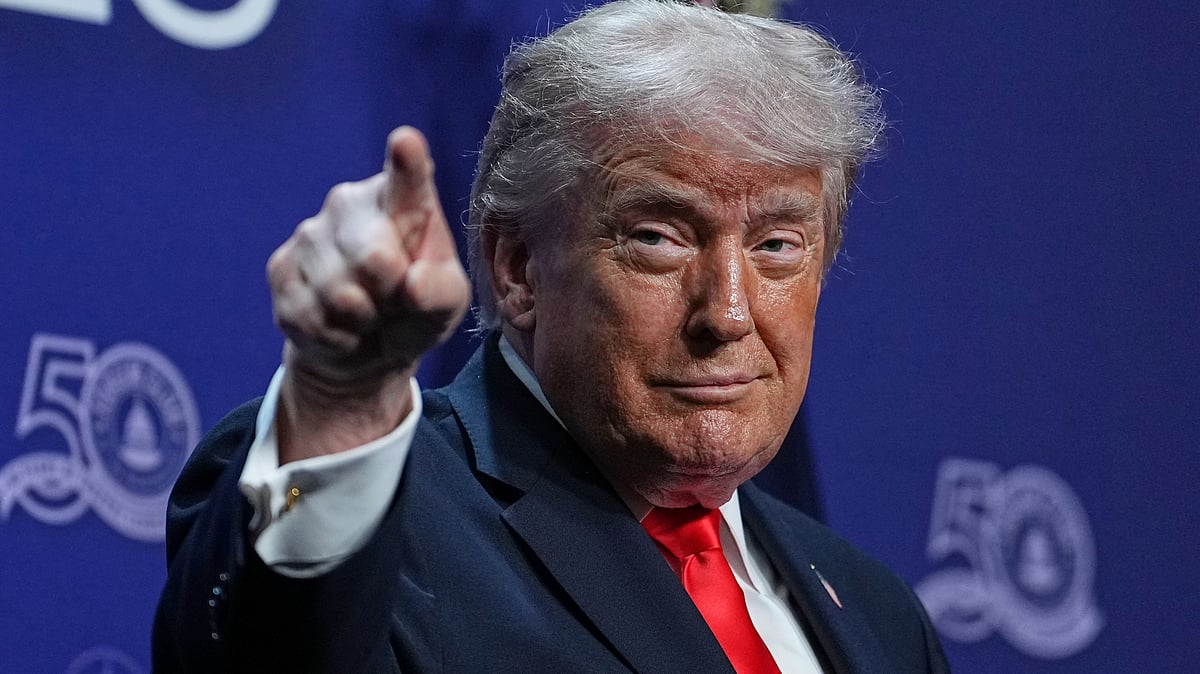
Reviewing fresh Iran proposal, can resume strikes if they misbehave: Trump

US President Donald Trump has warned that military strikes against Iran could resume “if they misbehave”, even as Tehran signalled willingness for a negotiated end to the conflict under a fragile, three-week ceasefire.

Speaking to reporters at Palm Beach airport before departing for Miami, Trump balanced diplomacy with deterrence, making clear that Washington remains prepared to escalate if provoked.

“If they misbehave, if they do something bad… it’s a possibility that could happen, certainly,” he said.

Trump confirmed he was reviewing a fresh Iranian proposal mid-flight, but expressed doubts about its acceptability.

“I'm looking at it… They told me about the concept of the deal. They're going to give me the exact wording now,” he said, before adding later on social media: “I can’t imagine that it would be acceptable… they have not yet paid a big enough price for what they have done to Humanity, and the World, over the last 47 years.”

Iranian officials, however, struck a measured but firm tone in response, defending their proposal as a credible pathway to de-escalation while rejecting what they described as “threat-based diplomacy”.

A senior Iranian diplomat, quoted in state media, said Tehran is “serious about reaching a sustainable agreement” but warned that continued US military pressure and blockade tactics undermine trust.

“Negotiations cannot succeed under threats or coercion. If the United States is genuinely seeking peace, it must demonstrate it through actions, not ultimatums,” the official said.

Iran also reiterated that its proposal is structured to ensure mutual de-escalation, not unilateral concessions — pushing back against Trump’s assertion that Tehran has yet to “pay a price.”

According to a report by Axios, the Iranian proposal lays out a phased roadmap. It calls for a one-month negotiation window focused on reopening the crucial Strait of Hormuz, lifting the US naval blockade, and formally ending hostilities in Iran and Lebanon.

Iranian sources have indicated that these steps are essential confidence-building measures. Only after their implementation, they say, can talks progress to a second phase addressing Tehran’s nuclear programme.

“Security in the region, including freedom of navigation, must be restored as a first step,” an Iranian official said, emphasising the importance of reopening Hormuz.

Despite diplomatic signals, both sides appear to be hedging. Trump was recently briefed by Brad Cooper on updated military strike plans, while US naval deployments in the region remain active.

Cooper has already travelled to the Arabian Sea, meeting troops aboard the USS Tripoli, in a show of operational readiness.

Iran, meanwhile, has warned that any renewed strikes would invite a “proportionate and immediate response,” raising concerns that the ceasefire could quickly unravel.

The standoff is also taking a toll on the US economy. Gasoline prices have surged to $4.39 per gallon — a 47 per cent jump since the conflict escalated in late February — adding pressure on the Trump administration.

Trump acknowledged the domestic impact, linking rising fuel costs to the ongoing crisis.

“Now gasoline is high. As soon as the war ends, the gasoline prices will come down,” he said.

Iranian officials, however, argue that the US naval blockade is a key driver of global supply disruptions, and have called for its immediate lifting as part of any deal.

With PTI inputs

  •  
❌