 Login
Login
Studio decor for newborn photoshoot
Dóres posted a photo:

Wooden basin decor for newborn studio photoshoot filled with knitted blanket closeup. Infant baby photo furniture and flower bouquet


Dóres posted a photo:
Wooden basin decor for newborn studio photoshoot filled with knitted blanket closeup. Infant baby photo furniture and flower bouquet

.
You’re supposed to be exciting enough to pull people away from their phones, their families and the comfort of online shopping. You’re competing with everything else demanding their attention.
Here’s the big secret: You don’t have to create all that energy yourself.
Your community probably already has regular events that pull people out of their homes.
Art walks. First Fridays. Girls night out shopping events. Farmers markets. Chamber mixers.
People are already planning to attend these, or thinking about it. Some are already coming downtown or to your area.
Your job is to give them one more reason to show up.
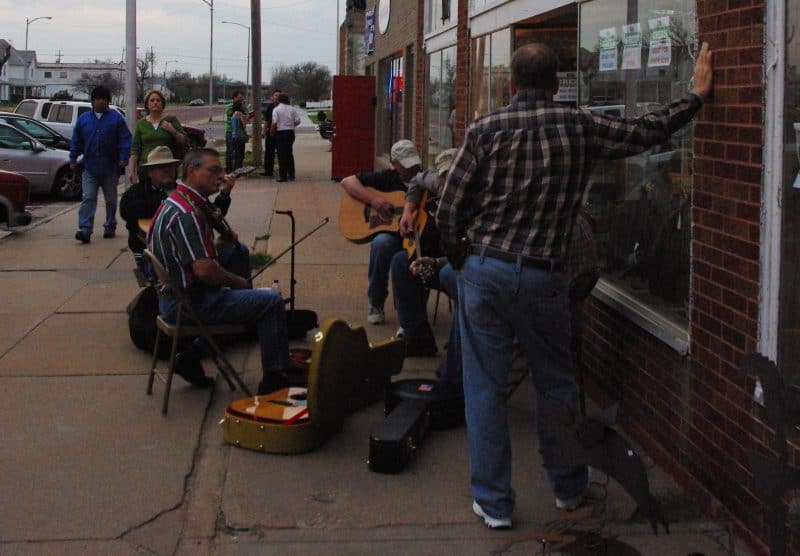
.
No experience. No transformation. Just… open, like you are every other day.
That’s not enough.
You have to create something special that happens during that regular community event. Here are ideas:
Pick one. Make it yours. Do a fresh edition of it every time that community event happens.
Someone was thinking about coming to art walk. Then they heard you’re doing that demo they’ve been curious about. Now they’re definitely coming.
You’re not competing for attention. You’re adding value to something people already plan to attend. Or at least thought about attending.
And here’s your new go-to move: When anyone expresses interest in your business but never seems to make it in person? Don’t just “follow up.” Invite them to your special thing during the next community event.
“Hey, I’m doing a live demo during First Friday – would love to see you there!”
You still have to do your regular marketing like mailing postcards, sharing photos, but you’re supercharging it with a deadline. And then you’re layering it with repeated messages.
“Our demo was packed! We’re doing another (a little different) next month!”

Yes, rural areas have fewer people. That means fewer potential attendees. Less momentum each time. It’s harder to keep events going on your own.
That’s exactly why piggybacking on existing events is brilliant for small towns. The event is already happening. People are already considering attending. You’re just giving them one more reason to come.
That’s it. That’s the whole strategy.
You don’t need elaborate planning or big budgets. You need one good reason for people to experience your business, timed to when they’re already planning to be out.
Some businesses might stay open during community events. But most are not creating experiences.
You will stand out.
When you’re the business that always has something interesting happening during art walk, or First Friday, or girls night out – people start planning around you. You become part of why they attend the community event in the first place.
So what’s your thing? And which community event will you tie it to?
I walked into a local retail shop in Alva, Oklahoma, population 4,000. It’s called Bates & Co., and they are best known for their handcrafted hairbows for infants and kids.

But when I walked into their store, they had all kinds of things under one roof: women’s clothes, fashion jewelry, travel accessories and more. It was a rural women lifestyle kind of shop.
I asked the owner where she found all her products, did she go to the Dallas Markets to find them? She said no, she bought from the wholesale apps on her phone.
I was floored! I’d heard local stores talking about the difficulties of going to market, arranging purchases, waiting on deliveries, and finding items that wouldn’t also be available in other stores in town. I had no idea the power of a simple wholesale app on your phone!
So I bet there are other business owners or hopeful future store owners who don’t know that either.

If you’ve only ever bought inventory through licensed distributors or in-person markets, this feels almost unreal. But for many retail categories — especially clothing, gifts, accessories, home décor, and boutique-style items — there are wholesale marketplaces that live right on your phone.
And no airfare or hotel bill.
That’s powerful in a town of 4,000.
But it also means you need to be a smart buyer.
I did a little research on this, and I’m excited about the potential for rural retail businesses. But not all the apps are trustworthy, and like any business decision, it takes some discernment.
Here are some tips and suggestions I found that seemed the most useful, as well as some of my own rural business takes.
Legit apps usually require:
That’s a good sign. It means they’re trying to keep retail shoppers out of the wholesale pool.
You should see:
You don’t need massive quantities in your small town boutique, so look for apps that understand that.
Look for:
If you can’t tell who you’re buying from, slow down.
Some items ship in days. Others are preorder and ship in weeks. Both are fine — as long as it’s clearly stated, and as long as that works for your business.
These are the things that would make me nervous:
If the “wholesale” price seems too good to be true, or you could pay that at Walmart, something is off. Either quality will disappoint, or you’re not really buying wholesale.
Stuff happens in shipping. If there’s no explanation of what happens when it does, assume you’re on your own.
If the app openly sells single items to consumers and claims to be wholesale, that’s a warning sign. It puts you in direct competition with your own supplier.
Countdown clocks, “only 3 left!” warnings, or constant push notifications are designed to lead to bad buying decisions. Does it remind you of a gross online casino? Delete it and move on.
Small-town retailers like you actually have built-in advantages when it comes to using wholesale apps, advantages that big-city shops often don’t.
You don’t need to win on volume because you win by knowing your people. You’re closer to your customers. And you’re used to paying attention.
That makes these apps more useful to you, not less.
Big-city stores often need big orders to justify shelf space and staffing. They live and die on volume. In a rural shop, you can bring in a handful of scarves, see what happens, and decide from there.
That makes low minimum orders a feature, not a limitation.
Corporate retail plans seasons months in advance. With faster turnarounds via apps, you can react in real time. If customers start asking for cute new bags or travel accessories, you can go looking that afternoon.
That kind of responsiveness is hard to match.
Take a moment to appreciate the unique local flavor you create in your store. You offer experiences and items that can’t be bought online.
Bates & Co didn’t replace those handmade hair bows with cheaper versions from an app, they used the app to thoughtfully add new products that their customers would want.
Your locally-produced items, personalization and special services give you an advantage.
In store classes, demonstrations and hands-on crafts are memorable experiences that no online competitor can copy.
Use these new apps to add even more value, not to replace your amazingness.
In the past, rural retailers were fighting to catch up to trends because markets were far away, minimums were too high and there was always too much to do.
Wholesale apps flip that. You can now buy the same styles as a boutique in any big city, without leaving your store and without waiting for the next big trade show.
That doesn’t guarantee success, but it removes one huge barrier.
If you’re using wholesale apps in a small town, I’d love to hear which ones you’ve tried and what surprised you. Or your challenges, tips or what to avoid.
