
 Login
Login
Leave the crocs alone: Sabah rejects proposal for unlicensed shooting of crocs
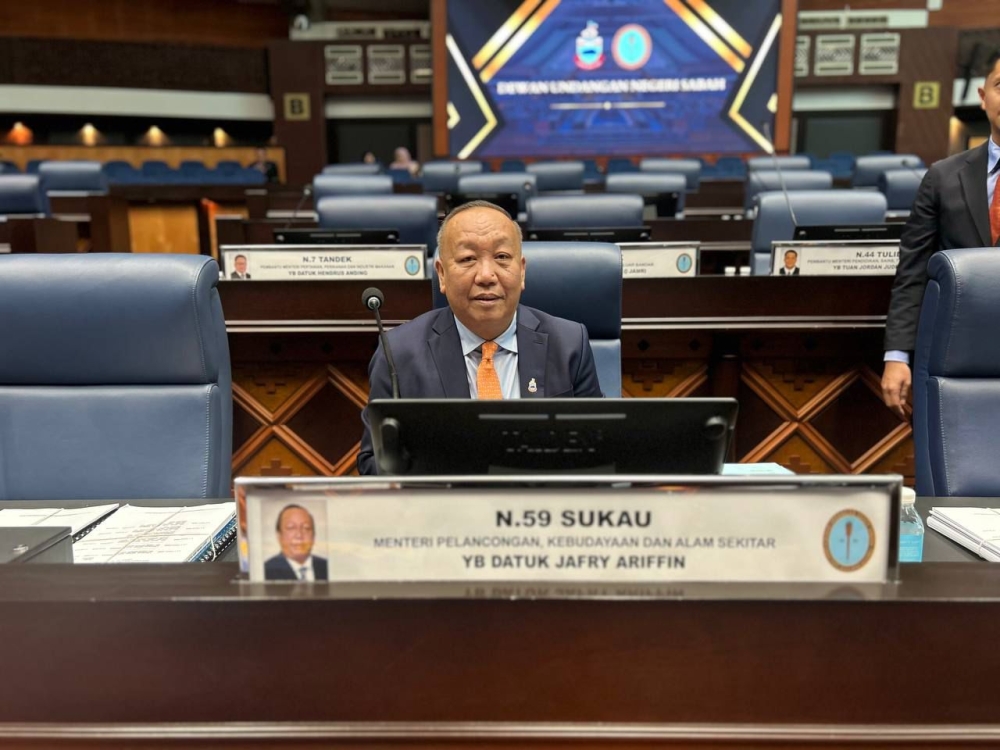
KOTA KINABALU, April 29 — Sabah will not allow unlicensed crocodile hunting despite rising human-wildlife conflict, with the state government warning that such a move would breach existing laws and risk damaging fragile ecosystems.
State Tourism, Culture and Environment Minister Jafry Ariffin said proposals to permit open hunting cannot be considered, stressing that regulation — not deregulation — is key to managing crocodile populations.
“As such, the government cannot consider proposals to allow unlicensed hunting at this time, as it would contravene existing laws and could jeopardise ecosystem sustainability,” he told the State Legislative Assembly.
Crocodiles in Sabah — specifically the saltwater species Crocodylus porosus — are protected under state law and also regulated internationally through the Convention on International Trade in Endangered Species of Wild Fauna and Flora.
While Sabah and Sarawak are allowed controlled farming and trade under Appendix II, Jafry said this does not justify unregulated hunting in the wild even with increasing conflict.
The policy comes amid growing concern over crocodile attacks in the state, with 11 fatalities and three injuries recorded in 2025.
Many of the incidents occurred in oil palm plantation areas, particularly during fishing activities.
Sabah maintains a licensing system to control both hunting and the trade of crocodile products, including skins and meat.
The framework is aimed at preventing unchecked exploitation while curbing illegal sales, which authorities say are still taking place on social media and digital platforms.
Jafry said enforcement and structured management remain the most effective approach.
Recently, Lamag assemblyman Mohd Ismail Ayob said the proposal should be seriously considered, particularly in critical situations that threaten the lives of residents along the Kinabatangan River to address growing safety concerns.
He noted that the Kinabatangan River is not only renowned for its natural beauty and biodiversity, but also serves as a vital transport route and daily source of livelihood, especially for local fishermen.
“However, the presence of crocodiles in the river also poses significant safety risks to the local community.
As a control measure, the state offers permits to hunt crocodiles, conducts public awareness campaigns, installs warning signboards in high-risk areas, and carries out scientific studies and pilot programmes in hotspots such as Kinabatangan.
Jafry acknowledged growing unease in some districts, where rivers have effectively become off-limits due to crocodile presence, affecting daily activities and even emergency response operations.
However, he maintained that existing standard operating procedures — including targeted hunting through licensed operators — are sufficient if properly enforced.
Beyond crocodiles, the state is also grappling with human-elephant conflict, which has resulted in fatalities and crop destruction in rural areas. Authorities have introduced mitigation steps such as GPS tracking of elephant movements, electric fencing in hotspot areas, and community-based response teams.
