Reading view

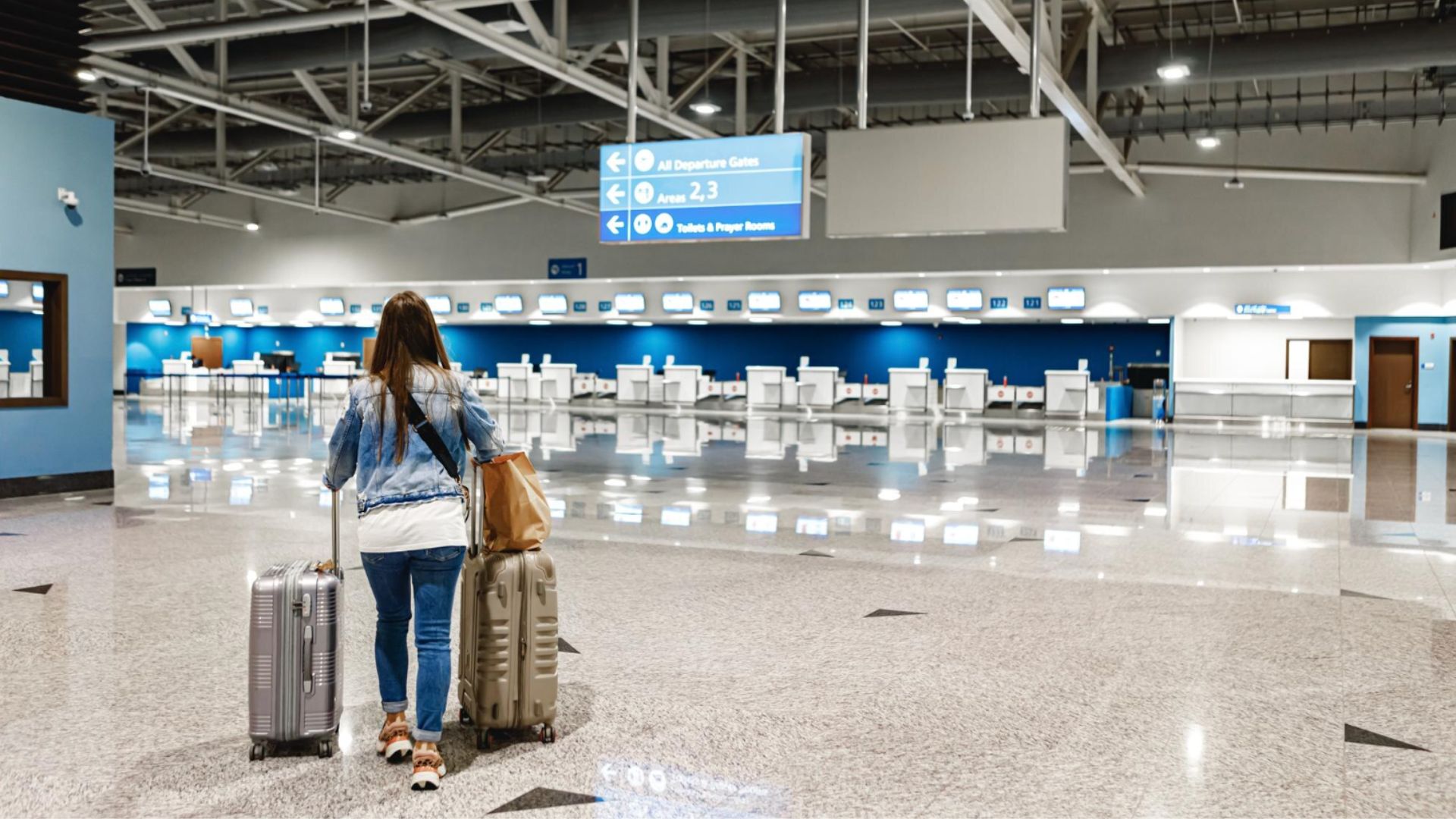
Thinking of migrating? Here are the countries Singaporeans consider when searching for a new country

SINGAPORE: A Reddit thread started a very interesting conversation with Singaporeans sharing their dream destinations for relocation. A netizen asked: “What are some countries where Singaporeans love to move and migrate to? And if so, which specific city or state where it’s common to find large groups?” 

Many expressed their responses and suggestions. One explained that it really depends on one’s purpose as to why one is choosing a specific country for migration. If it is for retirement, Malaysia is suggested because it is very easy to commute back to Singapore.

“Sell your 3-bedroom HDB with 50 years left for a landing there, and you’ll still have enough left over for a car,” one claimed. 

“That’s my retirement plan. My wife was originally thinking of Indonesia, but I insisted on Malaysia because our kids could access us easily, and they backed me up for the same reasons,” a netizen shared. However, some claimed that it is difficult to get a visa in Malaysia for a long-term stay. 

If the reason is for working, the United States and Australia were the top options. A netizen claimed: “In the US, for 10 years, my area has about 700 Singaporeans. Big holiday celebrations always turn out. We also have direct flights, so it’s about 17 hours.” 

Furthermore, many Singaporeans also apply for permanent residency in Australia, especially in Perth and Melbourne. 

“Perth felt like a Singaporean retirement home the one time I visited,” another shared.

Moreso, Thailand, Japan, and New Zealand were also mentioned as their choice of country to migrate. 

“Multiple possibilities depending on the country,” a comment concluded. 

This thread shows that there are Singaporeans who are still dreaming of a life abroad. It is important to remember that what’s important in finding the right country is to live a life with more peace and ease, especially based on one’s goals and what being at home truly means. 

This article (Thinking of migrating? Here are the countries Singaporeans consider when searching for a new country) first appeared on The Independent Singapore News.

  •  

‘What would you do if this happened to you?’: Angry mom bangs on bus glass after driver blocks pedestrians to cross the road in Bukit Batok

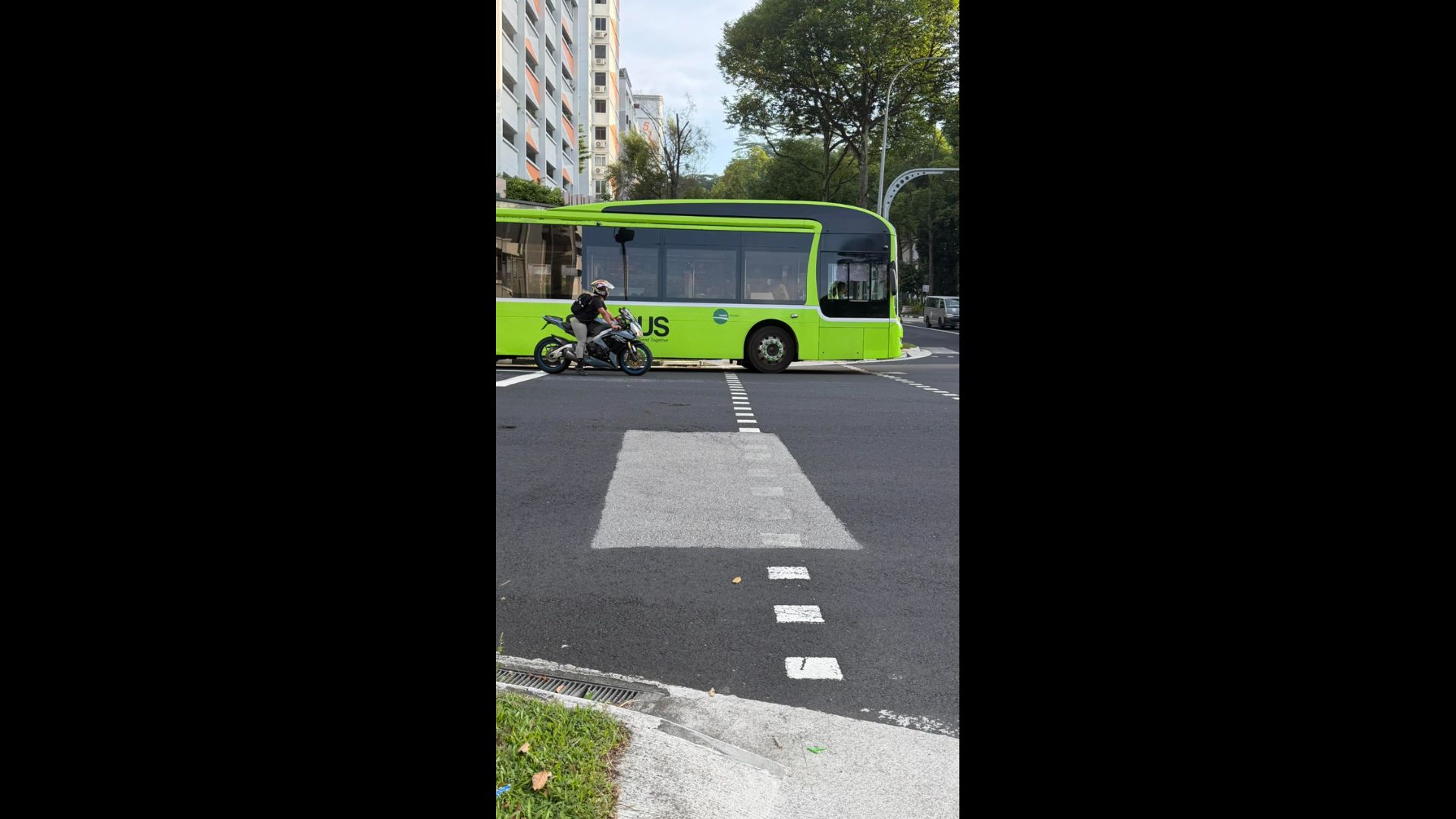
SINGAPORE: A frustrated parent was heading to drop off her daughter at school when she encountered a bus blocking a pedestrian crossing at Bukit Batok junction. The incident happened at 8:06 AM on May 12, when the driver obstructed the traffic light and prevented pedestrians from crossing safely. 

In a Facebook post, the woman said: “What would you do if this happened to you? Would you cross or just wait until the bus goes?

The woman then shared that when the green light appeared, and she started walking, she knocked on the glass in front of the driver’s side to let him know his mistake. She also admitted that when she took the photo as evidence, there was no vehicle behind the bus. 

With this, netizens shared their thoughts and opinions on what had occurred. One admitted that buses, cars, lorries, and other forms of transportation rarely respect the mandatory stop lines at junctions, similarly to what the driver had done. 

Another netizen urged the woman to send the photo to the bus company with the number plate to report the incident. The woman responded, stating that she had already sent it to the LTA and hoped that the authorities would take the appropriate action needed. 

One more netizen concluded that maybe the driver forgot that he was driving a bus. 

“Bus Captains are acting like road generals nowadays,” a comment concluded. 

This post serves as a reminder that incidents like this happen in the streets of Singapore. Netizens hope that there would be stricter enforcement for such lapses to prioritise the safety of everyone. 

Other related news 

In related news about road incidents in Singapore, there was a report where a cyclist was seen riding while also walking her dog on a leash in Serangoon Road. 

This prompted an online appeal for people to provide dashcam evidence to identify the woman behind it. 

Read more about the news story here

This article (‘What would you do if this happened to you?’: Angry mom bangs on bus glass after driver blocks pedestrians to cross the road in Bukit Batok) first appeared on The Independent Singapore News.

  •  

Singapore police to launch new SPF Cyber Command unit as AI-powered scams and crypto fraud become increasingly sophisticated

SINGAPORE: Singapore is giving its fight against scams and cybercrime a major upgrade, with the Singapore Police Force (SPF) launching a new Cyber Command in July, bringing together its scam-fighting, cybercrime, and intelligence units under one roof as online threats become more organised and harder to track.

The announcement came during an anti-scam conference on May 11, where Minister of State for Home Affairs Goh Pei Ming said the new frontline command will begin with about 200 officers before eventually expanding to more than 400.

The Cyber Command will absorb existing scam and cybercrime teams already operating within SPF, including the Anti-Scam Command and the cybercrime unit under the Criminal Investigation Department. Instead of several units working in parallel, Singapore now wants one central force focused on digital threats.

Scam syndicates today move fast, cross borders easily, and increasingly use artificial intelligence (AI), fake websites, and cryptocurrency to cover their tracks. Authorities are no longer dealing with isolated fraudsters sending random messages. Many cases now involve organised networks running operations like businesses.

According to a Channel NewsAsia (CNA) report, Mr Goh described the Cyber Command as the “tip of the spear” against cyber threats, but beyond the strong language, the bigger point is that Singapore is trying to shorten the time between detecting a scam and shutting it down.

Real-time action instead of just cleanup work

One major feature of the new command will be a cyber operations centre designed to detect suspicious activity in real time. The centre will monitor phishing campaigns, trace scam infrastructure and identify tools used by syndicates, including fake websites and malicious phone numbers. SPF said officers will work to dismantle these operations before more victims lose money.

The police are also expanding cryptocurrency tracing capabilities, with officers from the anti-scam centre using blockchain intelligence tools to follow digital money trails and working with banks and financial institutions to recover stolen funds where possible.

Assistant Superintendent of Police Lee Hua Sheng said SPF’s crypto tracing team has handled more than 2,800 cases since March 2025. He explained that investigators are switching from reacting after victims lose money to trying to stop losses earlier.

Assistant Superintendent of Police Shariff Munshi said scammers usually move cryptocurrency across multiple wallets and countries within seconds to make tracing harder.

Special Constable Bryant Neo added that many victims are drawn in by promises of fast profits. He warned that people frequently assume stolen crypto can be recovered easily, but that is rarely guaranteed.

Scam numbers fell, but the threat is still growing

Singapore recorded 37,308 scam cases last year, down from the 51,501 reported in 2024. On paper, that looks encouraging, but officials are not relaxing just yet.

The anti-scam centre has recovered more than S$730 million since 2019, but authorities say that criminals continue to adapt fast through AI tools, social engineering, and automated systems. Mr Goh also pointed to an Interpol report, which found AI-enabled fraud can be up to 4.5 times more profitable than traditional scams.

That warning lands differently in Singapore because the country runs heavily on digital systems and public confidence. Almost everything from banking to government services now happens online. Singapore’s high internet use and strong social trust also make it attractive to scammers posing as banks, officials, or legitimate businesses.

SPF said the Cyber Command will also work more closely with overseas law enforcement agencies and private companies. This includes sharing intelligence and targeting the infrastructure supporting scam syndicates operating across borders.

Online scams are now evolving like tech startups

Singapore’s anti-scam push has steadily expanded over the years through tougher laws, platform regulations and public education campaigns. The Online Criminal Harms Act and Protection from Scams Act were both introduced as authorities tried to keep pace with online threats.

Setting up an entire Cyber Command suggests scams and cybercrime are no longer treated as side threats linked to technology. They are becoming central policing challenges in their own right.

The uncomfortable reality is that scams are now evolving like tech startups, testing methods fast, scaling quickly, and adapting the moment authorities close one loophole.

Singapore’s response appears to be moving in the same direction: faster systems, specialised officers and stronger coordination before scams spiral further.

Public vigilance still matters as well. Technology can help track syndicates, but most scams still begin with an unassuming message, phone call, or fake promise that catches someone off guard, so the smartest defence may still be to slow down before clicking, transferring money, or chasing deals that sound too good to be true.

This article (Singapore police to launch new SPF Cyber Command unit as AI-powered scams and crypto fraud become increasingly sophisticated) first appeared on The Independent Singapore News.

  •  

Workers’ Party: We oppose when it’s the right thing to do

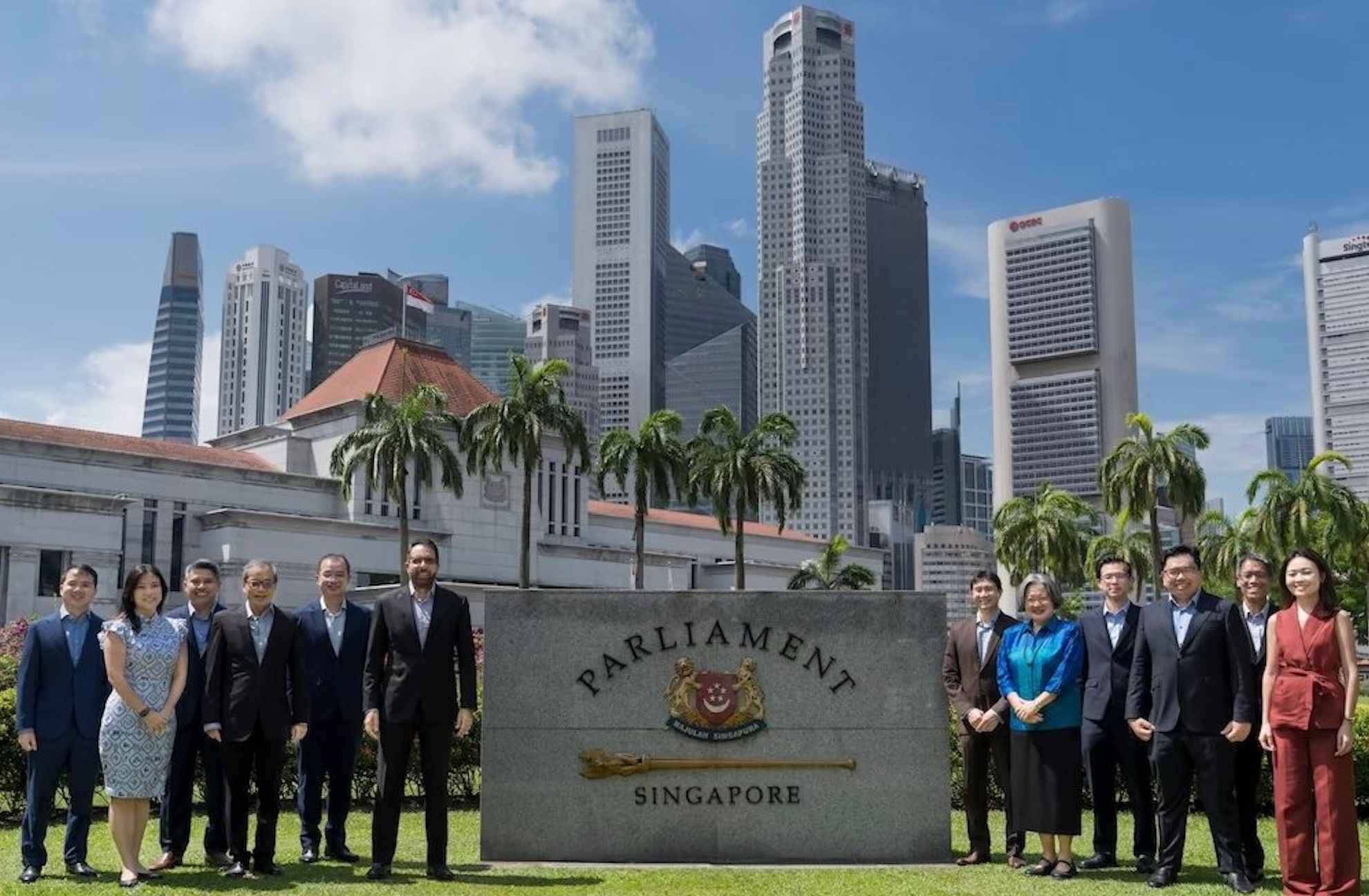
SINGAPORE: In a social media post, the Workers’ Party (WP) explained why it had voted against the Statutes (Miscellaneous Amendments) Bill on May 7, writing, “We do not oppose for the sake of opposing. We oppose when it is the right thing to do.”

It was the first time in this term of Parliament that the WP opposed new laws.

The WP Members of Parliament (MPs) had raised questions about the fees charged by four agencies under the Ministry of National Development: the Building and Construction Authority, the Housing and Development Board, the National Parks Board, and the Urban Redevelopment Authority.

These include charges involving the expedited inspection of buildings and processing of temporary occupation permits, as well as fees for towing and detention of illegally parked cars.

The party had asked questions concerning whether the fees had been unlawfully collected in the past, whether they should be legalised now, how many people had been affected, and the total quantum of fees collected, although National Development Minister Chee Hong Tat had answered that comprehensive figures were not easily at hand.

In its post, the WP wrote that its MP had voted “no” on the bill because “tucked inside Part 4 of this Bill was a significant provision about past fee collections.”

The party asked if anyone had ever paid to release a clamped vehicle, to register as a renovation contractor, or to expedite the import of a pet. While these had been routine transactions for many, for others who’ve faced financial hardship, they involve charges paid to the HDB even as their flats had been acquired compulsorily.

“However, according to the Attorney-General’s Chambers, these fee collections should have been prescribed in the law—but were not,” the WP wrote, going on to ask whether this is a matter of righting a past wrong, or if it is just wrong.

Furthermore, the Bill had asked to validate the collected fees by backdating the law.

“In other words, these fee collections of the past will not only be declared ‘validly collected,’ they would ‘have always been validly collected.’”

“On top of this, the Bill removes the right of anyone affected to challenge past collections,” wrote the WP, adding that anyone who did not start legal proceedings by April 7, 2026, the date of First Reading of the Bill, had lost their right to do so.

“This is where The Workers’ Party draws the line,” the party wrote, adding that in voting against the Bill, it called for transparency, by which it meant the “full disclosure by the Government of the scale of the issue,” fairness for those affected to retain their legal rights, and high standards, for administrative lapses to be addressed with clarity.

The WP added that it could not support a provision that validates the collection of fees retroactively that are not provided for by legislation, as well as removes legal rights from Singaporeans, “without providing Parliament with the full facts.”

It clarified that it is not against other parts of the Bill that are beneficial, but that administrative errors need to be corrected, and underlined that it is committed to doing right by Singaporeans. /TISG

Read also: Workers’ Party to raise concerns and questions about the Middle East situation in Parliament

This article (Workers’ Party: We oppose when it’s the right thing to do) first appeared on The Independent Singapore News.

  •  

15 months’ jail for Singaporean man who sent pork-filled letters to mosque

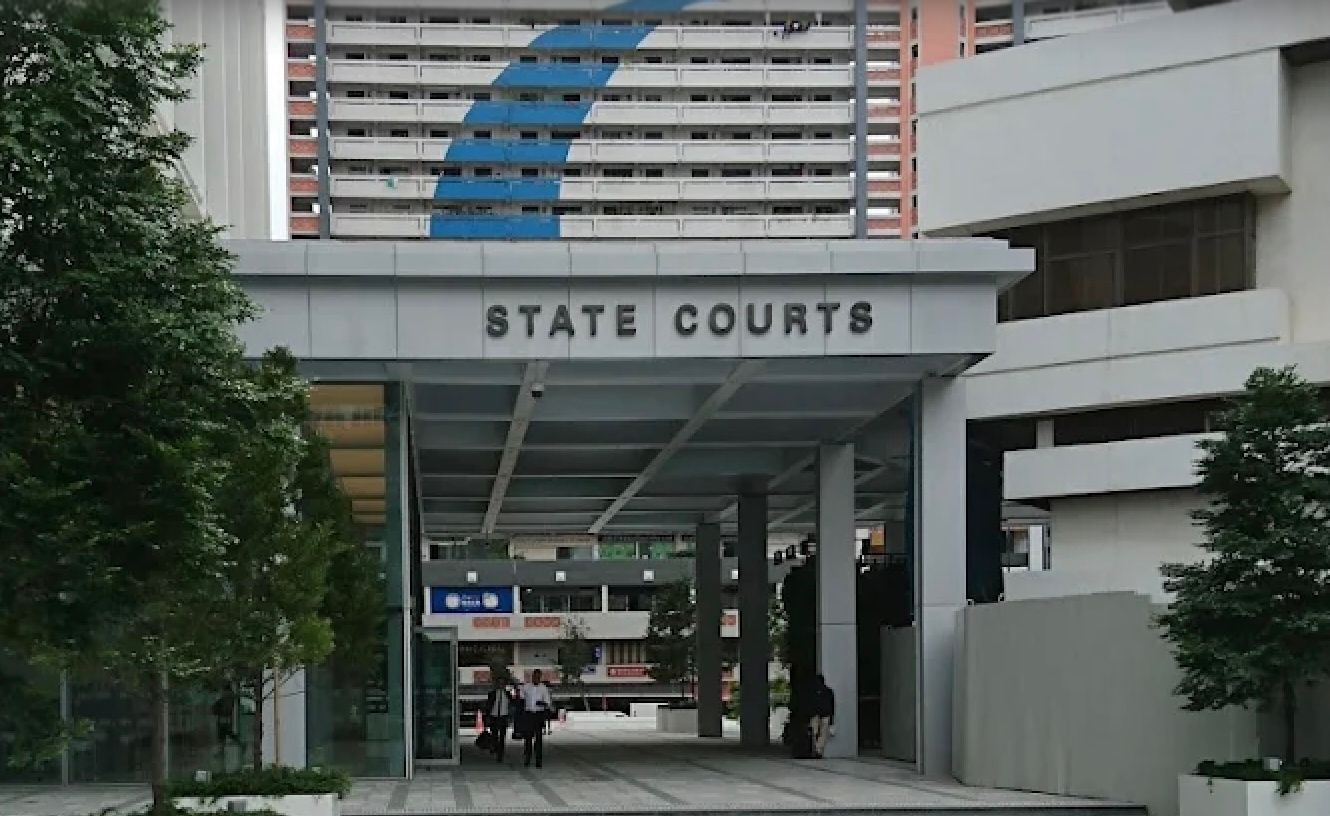
SINGAPORE: A Singaporean man who sent slices of pork along with letters to seven mosques was sentenced to 15 months of jail on Monday (May 11). He had also included details concerning a woman whom he held responsible for the non-renewal of his work contract.

Sixty-two-year-old Bill Tan Keng Hwee pleaded guilty to three counts of wounding religious feelings under the Maintenance of Religious Harmony Act, as well as to one count of harassment under the Protection from Harassment Act. Five additional charges were considered for his sentencing.

For knowingly wounding religious feelings, Tan could have faced a maximum jail sentence of five years, been made to pay a fine, or both. For the charge of harassment, meanwhile, he could have been jailed for as long as six months, been fined a maximum of S$5,000, or both.

The backstory

In December 2024, Tan was employed as an operations support officer, but by the following September, he was told that he would be let go from his job. He believed that the woman, whose details have not been disclosed, was to blame for the company’s choice to no longer employ him, CNA reported.

In his anger, he worked out a plan to send slices of pork in letters to mosques that he picked out randomly. By including the woman’s information in the letters, he planned that the recipients would turn their ire against her.

He sent the letters to seven mosques on Sept 15, 2025. Upon receiving the letters, the police were called. Because a staff member from one of the mosques also called the woman, whose phone number was in the letters from Tan, she also filed a police report.

Tan was arrested shortly afterwards and has been in remand since then.

During his sentencing, Deputy Public Prosecutor Selene Yap called for “a clear signal” to be sent that would deter other individuals from “engaging in such anti-social and divisive behaviour.”

She asked for a 15 to 18-month jail sentence for Tan, saying that his “actions threaten the very fabric of our multiracial and multi-religious society” as he had “essentially weaponised religion to get the outcome he wanted, which is to harass the victim.”

District Judge Sharmila Sripathy-Shanaz called religious and racial harmony “the very bedrock” of Singapore’s public order and national cohesion, and is therefore something that must be carefully guarded.

She characterised Tan’s actions as calculated and deeply offensive, adding that they had been meant to exploit religious sensitivities and wound the religious feelings of the Muslim community. /TISG

Read also: Changes to Religious Harmony Act includes making restraining orders effective immediately

This article (15 months’ jail for Singaporean man who sent pork-filled letters to mosque) first appeared on The Independent Singapore News.

  •  

Singapore’s Mandai rainforest and House of Tan Yeok Nee among 2026 World’s Greatest Places

SINGAPORE: Two attractions in Singapore have been included in TIME Magazine’s list of World’s Greatest Places of 2026: Mandai Wildlife Reserve’s Rainforest Wild Asia and the House of Tan Yeok Nee.

The list of 100 extraordinary new tourist destinations that opened in this past year includes Netflix House in Philadelphia, Songtsam Lodge in Cizhong, China, and Soori Penang in George Town, Malaysia.

“At its best, travel is a bridge—an opportunity to encounter new cultures, welcome visitors, and discover how much the unfamiliar can feel surprisingly familiar,” TIME wrote regarding its list.

Audrey Phoon, who wrote about the two entries from Singapore, noted how over 2,500 hotels alone open across the globe every year. Therefore, having two out of all 100 entries on the list, 32 of which are in Asia, is “pretty remarkable representation” given how small Singapore is.

“It’s also fascinating that the two places sit at opposite ends of the spectrum – one is a 19th-century heritage project that has been meticulously restored; the other is an AI-driven initiative leading the way in zoo tourism. I think it’s an accurate snapshot of how Singapore is evolving, with one eye on preserving the past and the other forging the future,” she added in a LinkedIn post.

Mandai Wildlife Reserve’s Rainforest Wild Asia

In writing about Rainforest Wild Asia, Ms Phoon noted how it does not look like a traditional zoo, and called it a “radical take on traditional zoo tourism.”

The park has new adventure activities included in admission prices, including the Ravine Swing and the Canopy Glider, the Apex and Cavern adventures, and invites visitors to spend time with 58 species of free-roaming animals, including the Okapi and Diana Monkey, which are in Singapore for the first time.

House of Tan Yeok Nee

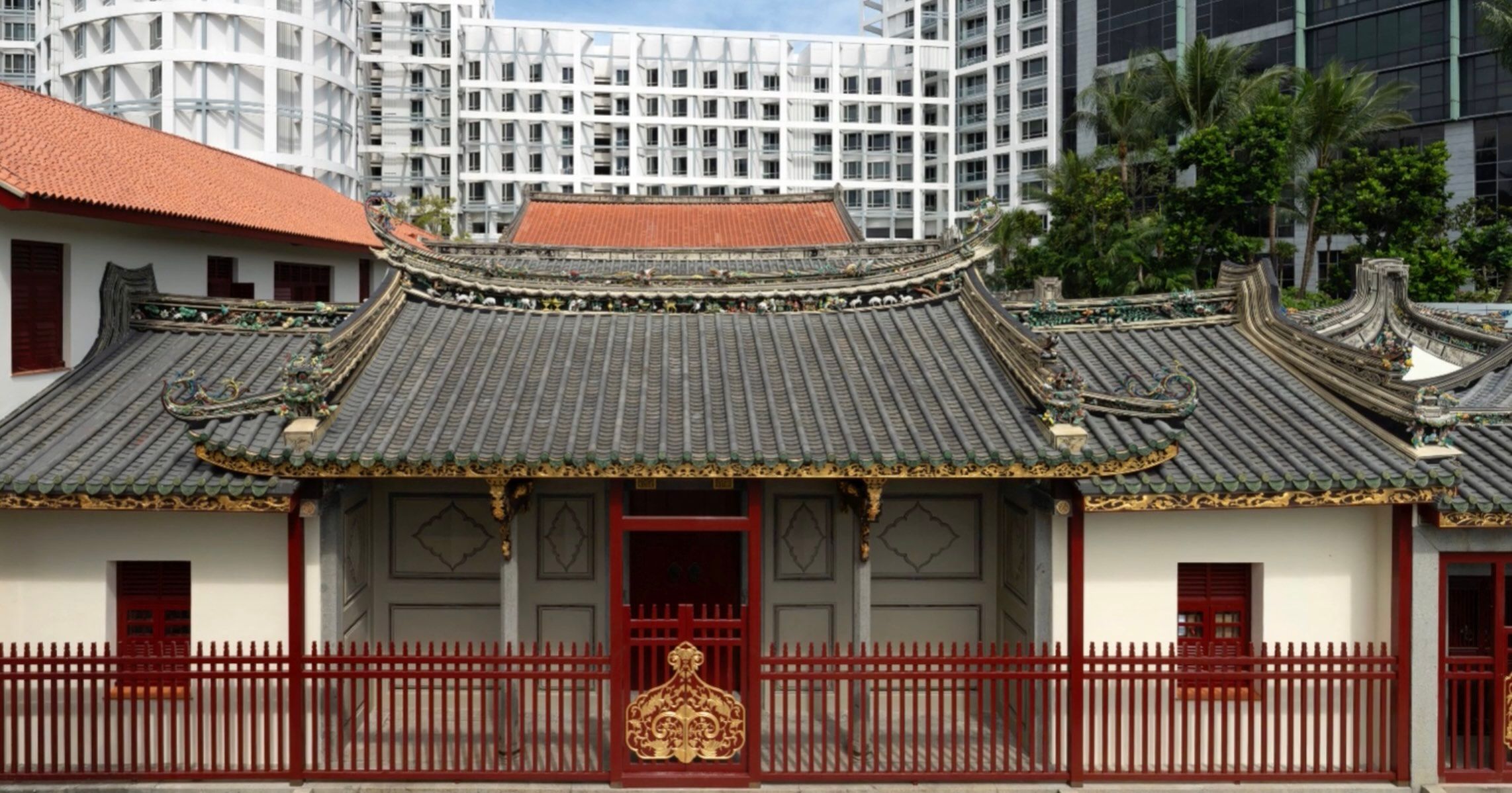
The House of Tan Yeok Nee, meanwhile, is a national monument found at the gateway to Orchard Road.

It was originally built in the 1880s and is the only survivor among the “Four Grand Mansions” of Singapore. The home of Teochew businessman Tan Yeok Nee, whose fortune came from opium and alcohol, features craftsmanship from its time.

Its $100 million restoration came under the stewardship of the Karim Family Foundation, which has since reopened it as a living heritage space, with four galleries, a restaurant, offices, and event venues.

“The real draw lies in the craftsmanship: phoenixes assembled from porcelain shards crown the rooflines, beams are hand-painted with 24-karat gold, and even the drainpipes take the form of flourishing pomegranate trees. Architectural imprints from the house’s past—like Gothic lancet windows added when an orphanage used the space as a chapel—only add to its singular character,” wrote Ms Phoon. /TISG

Read related: Gardens by the Bay claims global recognition as world’s #3 tourist attraction

This article (Singapore’s Mandai rainforest and House of Tan Yeok Nee among 2026 World’s Greatest Places) first appeared on The Independent Singapore News.

  •  

Johor Bahru’s new transit push could change how Singaporeans work, travel, and spend across the Causeway while boosting JS-SEZ growth

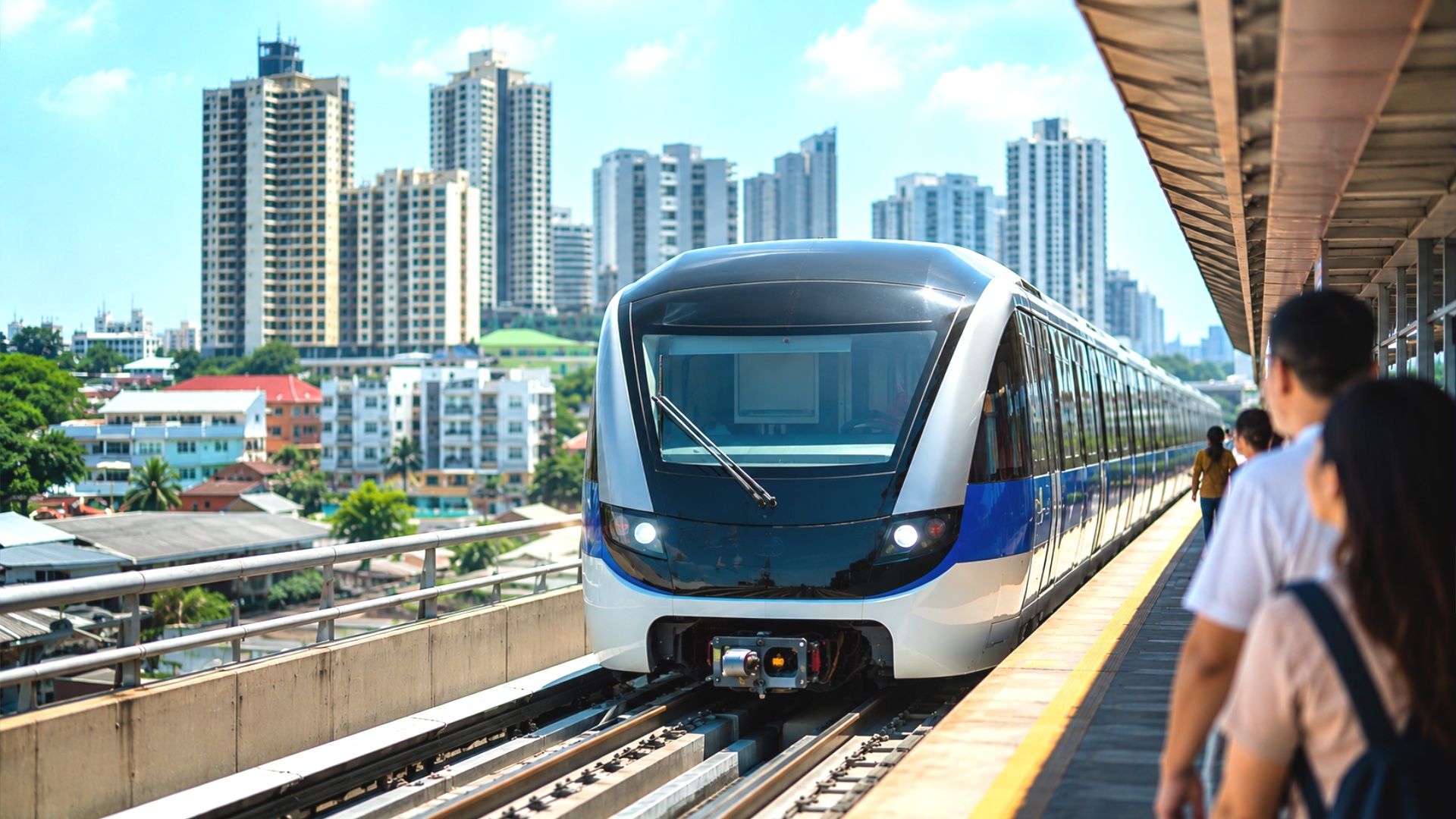
SINGAPORE/MALAYSIA: Johor’s plan to roll out new transit systems linking key parts of Johor Bahru to the Johor Bahru-Singapore Rapid Transit System (RTS) Link is shaping up as more than another transport project. According to property analysts, it may become the backbone of the Johor-Singapore Special Economic Zone (JS-SEZ).

Business Times reported on May 11 that Johor is proposing an automated people mover (APM) and elevated autonomous rapid transit (e-ART) system to support the growing cross-border economy between Singapore and Malaysia.

For many Singaporeans and Malaysians crossing the Causeway daily, the bigger problem has always been getting from one side to the other without losing hours every week in traffic jams, long queues, and unpredictable travel times. This daily grind may finally be getting serious attention.

Reducing heavy travel dependence on cars to ease traffic congestion

According to Olive Tree Property Consultants founder and chief executive officer Samuel Tan, the proposed transit system could reduce Johor Bahru’s heavy dependence on cars while easing congestion across the city.

Residents from areas such as Skudai, Tebrau, and Iskandar Puteri could eventually take feeder transit services directly to the RTS Link instead of driving into the city centre first. This would be helpful to many, as an estimated 300,000 people cross the Johor-Singapore border daily who experience long travel times that waste fuel, drain energy, affect family time and wear people down mentally over time.

For Singaporeans watching housing costs climb at home, the project also feeds into a growing shift already happening across the border. More professionals are considering Johor as a weekend destination and a possible long-term base for work, business, or living, so a reliable transport network like this changes the calculation.

Transit-linked growth already reshaping Johor

Tan told Business Times that areas near RTS stations have already seen land values rise, but he said the next phase of growth may be more practical rather than purely speculative.

That means properties near transit hubs may gain value because people genuinely need them for daily movement, on top of investors betting on future hype.

The proposed RM7 billion (S$2.26 billion) project is also expected to create jobs during both construction and long-term operations. Contractors, suppliers, and maintenance providers are likely to benefit if the plans move ahead at scale.

Johor is positioning the Ibrahim International Business District as a stronger commercial hub tied closely to Singapore’s economy. Better connectivity could encourage Singaporeans to spend more time and money in Johor, outside of short weekend trips.

There is also a regional competition angle behind this as cities across Southeast Asia are racing to attract investment, skilled workers and international companies.

Efficient public transport is usually one of the first things global investors consider when assessing whether a city feels organised, reliable and ready for growth. Johor’s push towards driverless and high-frequency transit signals its intent to compete at that level.

The real test comes later, if the system can actually work reliably every day

Transport promises are easy to announce, but daily commuters care more about reliability, pricing, frequency, and whether the system genuinely saves time.

Singaporeans are already familiar with how fast cross-border travel can become chaotic during peak periods and holidays, so expectations will be high once these projects move from presentation slides into real operations.

Still, if Johor manages to build a transport system that reduces congestion and makes cross-border movement predictable, the JS-SEZ may start to feel like an actual, connected economic zone rather than a policy concept discussed at conferences.

Because at the end of the day, regional cooperation only works when ordinary people can move around without turning every commute into an endurance test.

This article (Johor Bahru’s new transit push could change how Singaporeans work, travel, and spend across the Causeway while boosting JS-SEZ growth) first appeared on The Independent Singapore News.

  •  

At ASEAN Summit, Lawrence Wong tries halo-halo, dons Philippine Barong Tagalong

SINGAPORE: Prime Minister Lawrence Wong shared a short video clip of his time at the Association of Southeast Asian Nations (ASEAN) summit held in Cebu, the Philippines, from May 7 to 8.

In it, PM Wong can be seen trying out the popular local dessert halo-halo, a mixture of shaved ice, evaporated milk, and various sweet toppings layered together, and warmly greeting various leaders from Southeast Asian countries, including Malaysian Prime Minister Anwar Ibrahim. 

PM Wong and Philippine President Ferdinand Marcos were seen in matching Barong Tagalog, and the Singapore leader’s wife, Loo Tze Lui, donned a Filipiniana dress as well.

“A little halo-halo, a lot of hellos. ASEAN gatherings are all about good conversations, practical cooperation, and a shared sense of purpose,” wrote the Prime Minister in the caption to his video, which he posted on Instagram and TikTok.

In keeping with the theme, the background music for the video was a song from the Filipino group BINI, which has grown more popular after a Coachella appearance last month.

Although the tone of PM Wong’s post was upbeat, the meetings themselves dealt with serious matters, especially the fuel crisis that has badly affected much of the region. 

The summit, originally planned for five days, was reduced to three, and over 600 face-to-face meetings that had been scheduled in preparation for the summit had been moved online to cut costs.

“The recent crisis is a stark reminder of how vulnerable our economies remain to sudden shifts in the international order and, consequently, the global economy,” the Philippine President said in his opening statement. 

While the bloc has renewed its pursuit to ratify an energy pact, the ASEAN Petroleum Security Agreement (APSA), how it will immediately help countries already in the midst of a crisis is unclear, and while Mr Marcos spoke of a strong consensus to ratify APSA, a Foreign Policy report pointed out that details as to coordination, stockpiling, and implementation are yet to be worked out.

In attendance at the Summit as well was Singapore’s Foreign Affairs Minister, Vivian Balakrishnan.

“Developments in the Middle East have implications far beyond the region: rising energy prices, supply chain disruptions, and growing uncertainty are already being felt in Southeast Asia. The Summit is a timely opportunity for us to discuss how ASEAN can respond collectively to these challenges,” he wrote in a social media post. /TISG

Read also: Energy pact pursued by ASEAN amid fuel crisis due to Iran War

This article (At ASEAN Summit, Lawrence Wong tries halo-halo, dons Philippine Barong Tagalong) first appeared on The Independent Singapore News.

  •  

OMG: Singapore now offers Malaysian doctors S$110K salary, even before their graduation

SINGAPORE/MALAYSIA: A healthcare Instagram post is drawing attention to how early Singapore is now moving to secure Malaysian medical talent.

In a post published on April 18, the healthcare media platform One Milligram (OMG) Digital Health @omg_digital_health claimed that recruiters linked to Singapore hospitals are already approaching Malaysian medical students even before their final MBBS exams, offering salaries of around S$110,000 a year, along with permanent employment and pension benefits.

The claims were based on an earlier New Straits Times report published on March 29, headlined, “Brain drain worsens as trainee doctors turn to Singapore.”

Recruitment starts even before medical student graduation

According to the Facebook page, recruitment agents have reportedly been targeting students from Universiti Malaya, Universiti Kebangsaan Malaysia, and Universiti Sains Malaysia (USM), with graduates signing Singapore employment contracts almost immediately after finishing medical school.

The page also pointed to Singapore’s recent recognition of USM graduates through the Singapore Medical Council, saying the move expanded the eligible Malaysian talent pool by an estimated 30% to 40%.

Malaysia’s healthcare brain drain worsens as trainee doctors turn to Singapore

The New Straits Times reported that only 529 out of 5,000 housemanship placements offered by Malaysia’s Health Ministry in January 2026 were filled. The newspaper cited a research note by MBSB Research, which described the situation as a worsening brain drain within Malaysia’s healthcare sector.

Salary differences appear to be a major factor, as the report said Singapore’s starting pay for doctors can reach about S$110,000 (RM385,000) annually, roughly five to six times higher than Malaysia’s entry-level public healthcare offers.

Singapore also offers permanent employment pathways and pension benefits, while many Malaysian junior doctors still face contract-based appointments and uncertainty over long-term career progression.

Healthcare workers want stability, not just salary

Online reactions to the Facebook post expressed a mix of frustration and resignation. Some commenters argued that it’s no longer so straightforward for Malaysia to retain healthcare workers, especially when neighbouring countries are offering more attractive pay packages and career structures.

Others said the matter involved burnout, long working hours and uncertainty over permanent placements, alongside concerns about salary.

For Singaporeans, the news also shows how regional healthcare competition is intensifying as countries race to secure doctors, nurses and specialists amid ageing populations and rising healthcare demand.

Retention issue vs pipeline issue

Malaysia’s Health Ministry is reportedly working on reforms expected by the end of 2026, including plans to end the contract doctor system and restore permanent appointments for new graduates, according to the New Straits Times report.

Still, the deeper concern remains difficult to ignore. Once medical graduates begin planning their careers overseas before even entering the local healthcare system, the problem ceases to be a retention issue and becomes a pipeline issue, an early loss of future talent.

This article (OMG: Singapore now offers Malaysian doctors S$110K salary, even before their graduation) first appeared on The Independent Singapore News.

  •  

Know Singapore’s senior-friendly zones, with significant upgrades to facilities

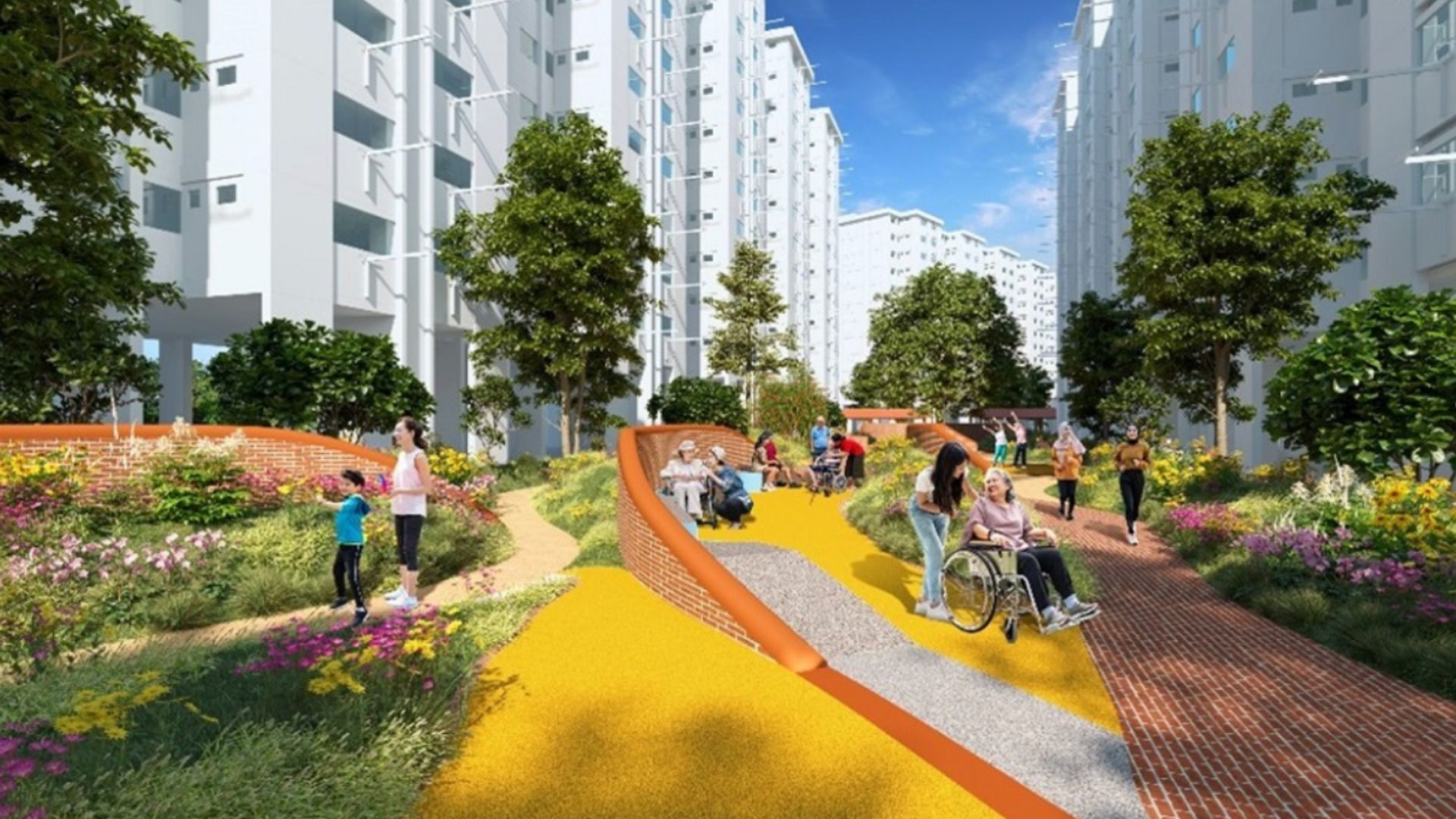
SINGAPORE: The Housing and Development Board (HDB) has recently named Bedok, Bukit Panjang, and Tiong Bahru as ‘senior citizen zones’, in which the government will invest in upgrading public facilities to better suit the needs of over 110,000 elderly residents. 

The government’s choice of sites is very clear—these locations are already established towns with great convenience, and further investments to these areas will make things even better. 

Bedok is known to be a town in the east with a major transport hub and commercial center. Significantly, it is next to Changi General Hospital, making healthcare easy to reach and readily available for senior citizens. 

Tiong Bahru is a traditional and cultural area with high land prices. In this location, the government wants to establish top-notch facilities to create a model for aging at home. 

Furthermore, Bukit Panjang is a location in western Singapore near Jurong East, with great green spaces and easy access to major hospitals as well. 

What are the upgrades? 

As reported by Yan.sg, the HDB’s “Neighbourhood Renewal Scheme” allots S$6,600 renovation budget for each beneficiary household. More so, key changes included in this program will have health gardens and rehab centres right in the neighbourhood, so seniors can manage long-term illnesses and therapy without hospital queues, covered walkways with benches from HDB blocks to bus stops and shops, keeping elders dry and safe from slipping, and fun fitness and social events just for seniors to fight loneliness when living alone.

Overall, this initiative claims that senior zones will feel like having a full community with hospital and care systems within reach. 

This is a game-changer for families living with elders because as time passes by, responsibilities change. With these senior citizen zones, it allows seniors to handle most needs alone, easing family stress, all within a familiar environment and community. 

Indeed, these senior citizen zones hope to provide a brighter future for Singapore’s ageing population and their families. These locations aim to bring convenience, care, and community in one place. These upgrades can set a new standard of living, easing family burdens while also boosting property sales in the long run.

This article (Know Singapore’s senior-friendly zones, with significant upgrades to facilities) first appeared on The Independent Singapore News.

  •  

Opposition politician slams system that forces elderly Singaporeans to ‘work till they drop’

SINGAPORE: Concerns over the treatment of low-income seniors in Singapore have resurfaced after an elderly amputee was killed while he was out collecting recyclables.

Red Dot United (RDU) member Harish Mohanadas shone a spotlight on the case as he criticised what he described as a system that forces vulnerable elderly Singaporeans to continue working despite serious health issues and financial hardship.

In a Facebook post, Mr Mohanadas said he, Emily Woo, and the RDU West team had spent time speaking to residents living in rental units in Holland–Bukit Timah GRC. He said many of the residents they met were elderly Singaporeans coping with health problems and limited income.

Among the stories shared during the visit, Mr Mohanadas said one in particular left a deep impression on him, that of a 68-year-old taxi driver who is bankrupt and still struggling to work despite chronic pain following spine surgery.

According to Mr Mohanadas, the man underwent surgery about a year ago but was unable to rest long enough to recover properly because he needed to return to work. He said the resident continues to drive part-time despite ongoing pain from sitting for extended periods, and wears a bandage on his lower back that offers little relief.

Mr Mohanadas added that the man told him he needed to continue working in order to pay taxi rental fees as well as rent for his HDB flat. He said the resident’s HDB rent had recently increased from $59 to $99, and the man feared it could rise further to $165 if his income increased slightly.

“I did not understand this. Really, I don’t,” Mr Mohanadas wrote, “What kind of a system expects a 68-year-old man to work till he drops?”

The opposition politician linked the taxi driver’s situation to the recent death of a 69-year-old amputee near Blk 647B Senja Close. The elderly man had reportedly died after being struck by a garbage truck while collecting recyclables near a rubbish collection point.

Referring to reports that the man was often seen collecting cans and bottles in the area while moving around in a wheelchair after losing his right leg, Mr Mohanadas questioned whether poverty was the deeper cause behind the tragedy.

“When I read that news, I remember thinking: was it the garbage truck that killed him, or was it poverty?” he wrote.

“Poverty that meant he had to work, and work collecting rubbish, at the age of almost 70. Don’t tell me he was collecting recyclables ‘just to exercise’.”

He was referring to a controversial comment former ruling party politician Tan Chuan-Jin had made in 2015, when he implied that some senior citizens who collect cardboard do it as a form of exercise.

Mr Mohanadas argued that many elderly Singaporeans from older generations had spent their lives working during periods when wages were lower and social support schemes were less extensive than they are today.

“These are not people who coasted,” he wrote, They are the generation that worked when wages were low, CPF was thin, and there was no Workfare or Progressive Wage to top up their incomes.”

He added that while Singapore today has the cost structure of a wealthy country, support systems for low-income seniors remain inadequate.

“Food, utilities, medical bills, and basic necessities are priced like a rich country,” he said, “Their protection is still designed like we are a poorer one.”

Mr Mohanadas also used the post to highlight proposals from Red Dot United’s Shadow Budget 2026. He said the party had proposed monthly payouts of at least $500 for the poorest 30 per cent of seniors, and $700 for seniors above the age of 80 living in small flats with little CPF savings remaining.

He argued that stronger support would allow elderly Singaporeans to continue working only if they genuinely wished to do so, rather than out of necessity.

“That way, they could work if they wanted to – really to exercise, or to pass time – but not because the system requires them to break their bodies as a sacrifice to keep the wheels churning,” he wrote.

Netizens responding to his post agreed with the need for greater support for struggling seniors. One commenter said, “Yeah its a sad state of affairs when so many of such cases fly under the radar or rather off the radar of our government. The policies and plans we have in place definitely lack the compassion and humanity required to serve those truly in need.”

He also suggested that the Government consider lifting up those in dire straits with more payouts instead of launching schemes like the CDC voucher scheme to ensure that no Singaporean is left behind.

Another commenter quipped, “Those who have not experienced poverty can never imagine the plight of the poor.”

This article (Opposition politician slams system that forces elderly Singaporeans to ‘work till they drop’) first appeared on The Independent Singapore News.

  •  

Garbage bin caught fire at Punggol HDB Block caused by people smoking, sparking residents’ safety

SINGAPORE: A disturbing incident happened at a HDB block in Punggol when a recycling bin caught fire, prompting the Singapore Civil Defence Force to take action. 

As reported by Shin Min Daily News, a 37-year-old resident claimed that when he passed by the area at 8:20 in the morning last May 8, he saw several fire trucks and firefighters extinguishing the blaze. According to investigations, the fire started at approximately 7:55 in the morning. 

Fortunately, there were no other items near the recycling bin that might have caused the blaze to spread. 

What caused the accident? 

The resident revealed that the accident was allegedly caused by the people who were smoking nearby, or those who decided to throw their cigarette butts into the recycling bins. As seen in the photos shared by the resident, the blue recycling bin truly melted, and the contents of the bin were burned black. 

The authorities admitted that they had received the report and that members of the public were brave enough to assist in extinguishing the fire. Thankfully, no one was injured in the accident, and the true cause of the blaze is still under investigation. 

Other related news 

In similar news related to fire accidents in Singapore, there was a recent report where a 32-year-old Malaysian man pleaded guilty to arson after setting fire to a debtor’s home for a promised payment of S$2,500.

This incident had put a family of seven at risk, in an HDB unit occupied by a 41-year-old man, his wife, their two children aged nine and three, his parents, and his sister.

Read more about the news story here

This article (Garbage bin caught fire at Punggol HDB Block caused by people smoking, sparking residents’ safety) first appeared on The Independent Singapore News.

  •  
❌