Reading view

Malaysia’s ruling coalition shaken by fresh bout between UMNO and DAP

MALAYSIA: The United Malays Organisation (UMNO) and Democratic Action Party (DAP) are entangled in yet another exchange of words between top leaders after UMNO responded to criticism from former finance minister Lim Guan Eng, who said UMNO and Barisan Nasional are unreliable partners.

His remarks on the attempt by UMNO in Negeri Sembilan to topple the Pakatan Harapan-led state government did not go down well with UMNO members.

UMNO Vice President, Wan Rosdy Wan Ismail, reminded the DAP Advisor not to become an instigator who could spark bigger problems in the relationship between parties in the Unity Government.

“I want to remind Lim Guan Eng not to be an instigator who could spark bigger problems.

“If he has negative views towards UMNO and BN (Barisan Nasional), he also needs to understand that many in UMNO and BN have the same views towards him,” he said in a media statement.

However, Wan Rosdy also added that as senior leaders, the responsibility is to unite and strengthen the Unity Government, “not to issue statements that could damage relations between parties in the government. The people want stability and solutions, not prolonged political disputes.”

Lim Guan Eng not only describe UMNO and BN as unreliable partners in the unity government, but he also urged the people to reject them in the upcoming election.

“Clearly, BN and UMNO have shown themselves as unreliable partners in the unity government. Their coup attempt in the Negeri Sembilan assembly by withdrawing support from the legitimate menteri besar and cooperating with PN assemblymen to destabilise the state government is a clear example,” he said in a statement.

Another example, Lim said, was the repeated claim that BN and UMNO would contest solo in the next general election against Pakatan Harapan (PH), despite holding key cabinet posts in the unity government. UMNO President Zahid Hamidi had said the party is willing to go in the next general election on its own, which sparked criticism and concerns among Pakatan members.

“This repeated backstabbing of PH by BN and UMNO clearly shows they must continue to be rejected by the people,” he said.

Last year, the two parties were at each other’s throats over former Prime Minister Najib Razak’s failed bid for house arrest.

DAP’s Yeo Bee Yin remarked that Najib Abdul Razak’s home arrest bid hitting a legal brick wall was a cause for celebration. The former minister faced intense backlash from UMNO and BN leaders in late December 2025 for her social media post.

UMNO deemed her “another reason to celebrate” comment “rude” and “inhumane,” with some divisions, including Puchong UMNO, halting cooperation with her. 

This article (Malaysia’s ruling coalition shaken by fresh bout between UMNO and DAP) first appeared on The Independent Singapore News.

  •  

Van runs red light in Bukit Panjang, pedestrian nearly struck in front of traffic police

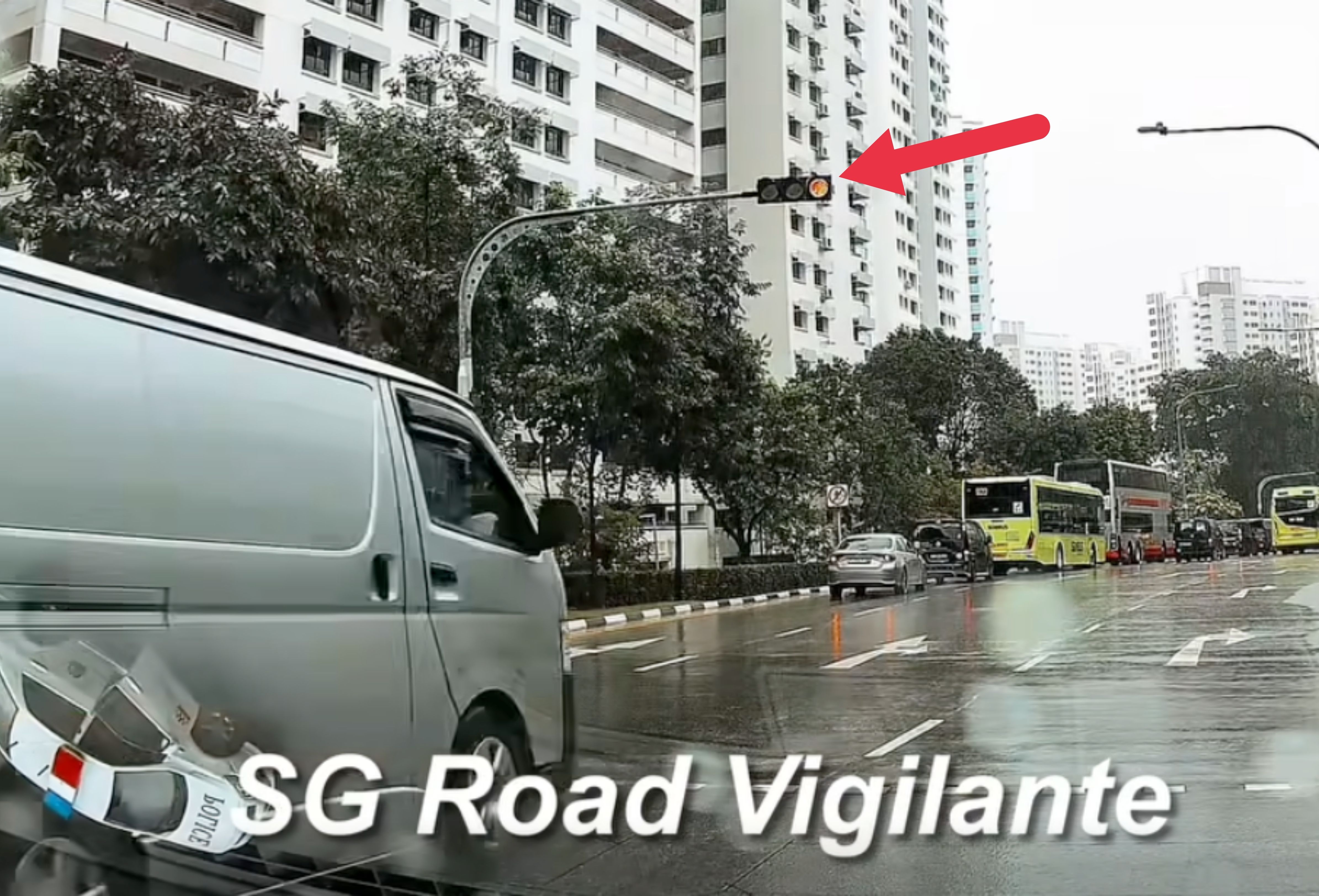
SINGAPORE: A Toyota Hiace was caught on video running a red light along Bukit Panjang Ring Road on a rainy day, narrowly missing a pedestrian at a crossing.

In the clip circulating online, the van speeds past the crossing just as a pedestrian steps forward — all while a Traffic Police officer stands nearby at a bus stop.

No injuries were reported, but the close call has raised fresh concerns about road safety.

Online, reactions were swift. Some questioned whether enforcement cameras were even functioning, with one asking, “Traffic camera for show only?” Others said they did not notice any camera flash in the footage.

Another commenter called the incident “ridiculous,” adding that it could have easily ended in serious injury if the pedestrian had moved faster or if a cyclist had been crossing at the same time.

Some also urged stricter checks on drivers, including verifying whether motorists are properly licensed.

Others pointed out that pedestrians should remain cautious, even at designated crossings. One netizen noted that people should practise “defensive crossing” — staying alert despite having the right of way.

Authorities continue to remind motorists to obey traffic signals and remain vigilant on the road. Running a red light can result in fines, licence suspension, or even court action.

Related story

In a separate incident, a car that ran a red light struck a boy riding a bicycle at a crossing.

The impact sent the boy airborne before he lost control of his bicycle.

Read more about the news story here.

This article (Van runs red light in Bukit Panjang, pedestrian nearly struck in front of traffic police) first appeared on The Independent Singapore News.

  •  

Salary review for political office holders deferred amid global uncertainty

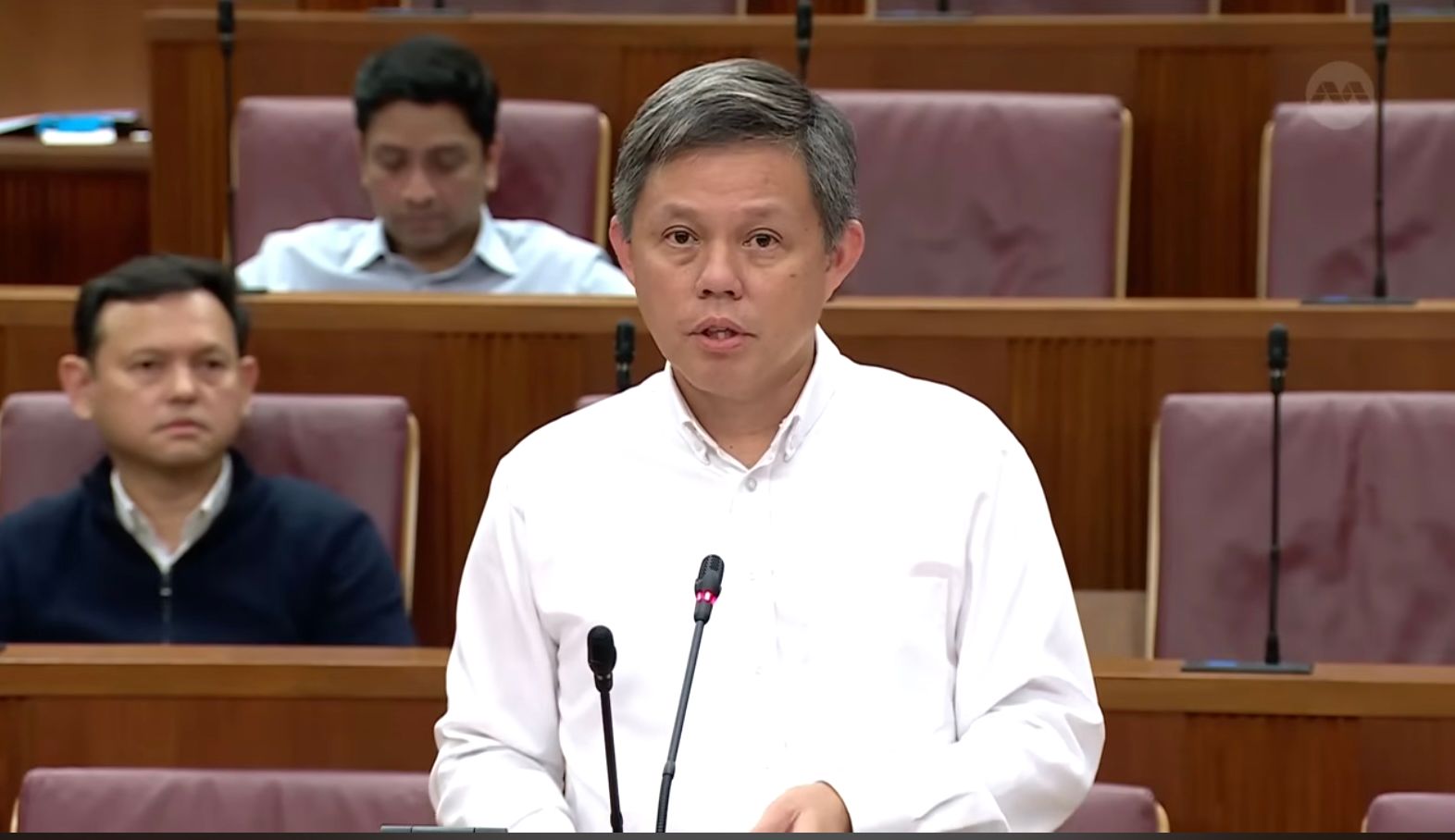
SINGAPORE: The review of political office holders’ salaries, which had been announced earlier this year, has been put on hold for the time being, Chan Chun Sing, the Coordinating Minister for Public Services and Minister-in-charge of the Public Service, announced on Wednesday (May 6).

Mr Chan said this in Parliament in response to a question from Alex Yam (PAP Marsiling-Yew Tee), who had asked about the status of the review in view of recent global events.

In January, Mr Chan had informed Parliament that an independent committee had been convened to conduct a review of the framework for political salaries laid out in 2012. 

In response to Mr Yam, the minister said that this review has since been completed, and recommendations by the committee were submitted to the Government last month.

“The Government recognises that the Middle East conflict is still ongoing, causing major economic uncertainties and clouding the outlook for Singapore. Against this backdrop, the Government has decided to defer consideration of the Committee’s recommendations until the impact of the conflict on Singapore is clearer,” Mr Chan said.

The report from the committee, as well as the government’s response to it, will be released at “the appropriate time,” he said, adding that MPs will have the opportunity to review the report and the government’s response together at that point “for a more meaningful debate.”

Ministers’ salaries

The last time that ministers’ salaries went up was in 2017, after former Prime Minister Lee Hsien Loong formed a committee to review these salaries. The committee recommended that they be adjusted to reflect “annual benchmark movements,” given a 9% increase in benchmark salaries.

At that point, then-Deputy Prime Minister Teo Chee Hean said that the salaries would be reviewed once more after five years, “or when it becomes necessary.”

Mr Chan said earlier this year that from 2012 to the present, the norm annual salary for an entry-level minister has stayed at S$1.1 million. /TISG

Read also: Debate on high ministerial salaries resurfaces as SM Lee says Govt must work harder to keep Singapore exceptional

This article (Salary review for political office holders deferred amid global uncertainty) first appeared on The Independent Singapore News.

  •  

Singapore to test SG Alert system with Singtel users on May 10

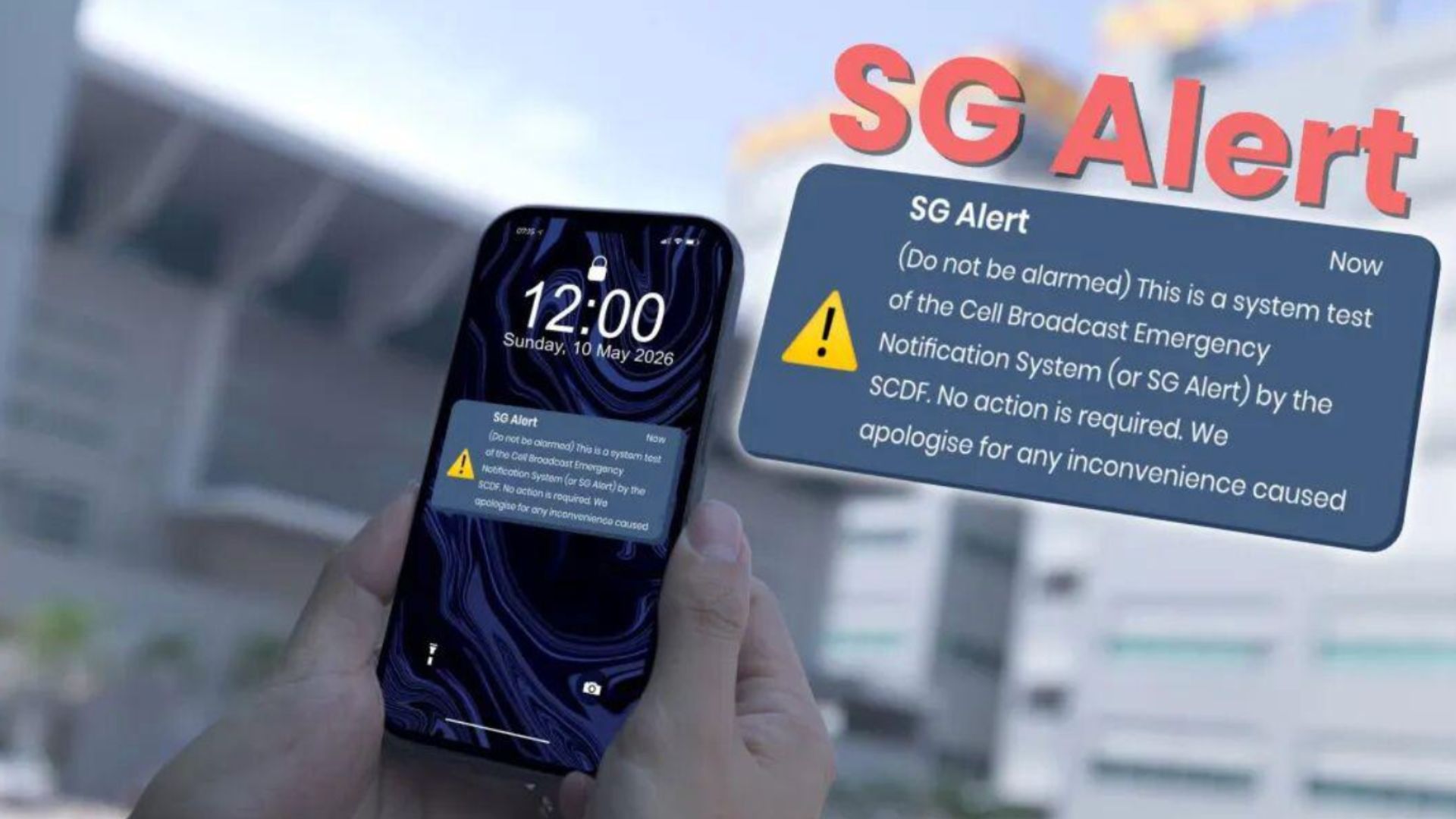
SINGAPORE: Singtel users in Singapore will receive a 10-second ringing and vibration alert on their mobile phones at noon on May 10.

The alert will sound even if devices are on silent or do not disturb mode.

Authorities have advised the public not to panic, as this is part of a test for the new “SG Alert” emergency system being rolled out by the Singapore Civil Defence Force.

What is SG Alert?

The SG Alert system is designed to send urgent messages to mobile phones during major emergencies, public safety threats, or disasters.

Unlike regular SMS or app notifications, it uses cell broadcast technology, allowing alerts to be delivered even when mobile networks are congested. The alerts also cannot be disabled by users.

According to the authorities, the system will only be activated in real situations that require the public to take immediate action.

“SG Alert will only be activated during emergencies that require the public to take immediate action to protect themselves. Upon receiving the alert, members of the public should read the message carefully and follow the instructions provided,” they said.

Rollout across telcos

Singtel will be the first telecommunications provider to test the system.

Other operators will follow in phases:

StarHub users are expected to receive test alerts by the end of 2026

M1 and SIMBA users are expected to be included by mid-2027

The system is part of a wider effort to ensure timely communication during emergencies, especially in situations where traditional communication channels may be disrupted.

Similar alert systems are already used in countries such as Japan, the United States, and South Korea.

Authorities also plan to expand the system to support alerts in different languages and location-based messages for specific areas.

Know more about the SG Alert here.

This article (Singapore to test SG Alert system with Singtel users on May 10) first appeared on The Independent Singapore News.

  •  

Malaysia’s MITI placing effective minimum price for foreign EVs at RM300,000

MALAYSIA: Malaysia’s Ministry of International Trade and Industry (MITI) has introduced new regulations for fully imported (CBU EVs), effective July 1, 2026. All CBU EVs must now have a minimum CIF value of RM200,000 (S$64,800) and a power output of 180 kW (245 PS). This effectively raises retail prices to at least RM300,000 (S$97,230), pushing mid‑range EVs out of the market and leaving only premium options. 

Popular models like the BYD Atto 3, MG4, and Honda e:N1 will be barred, while Proton’s eMas 7 and other CKD EVs gain a competitive edge. The move is seen as protectionist, promoting local assembly and shielding Proton.

Social media users are voicing strong dissatisfaction with the new regulation. Many highlight the irony that just a few years ago, the government was actively championing EV adoption, yet today, the policy shift seems to undermine that push. Public frustration is mounting, amplified by the ongoing Iran war and the daily headlines about Malaysia’s petrol subsidies. 

One user on X sarcastically remarked that Malaysians only have themselves to blame, suggesting that eating out and buying iPhones explain why they cannot afford a RM300,000 (S$97,300) foreign EV. In reality, cutting back on such expenses would barely make a difference. The comparison is stark: a Mercedes C200 in Malaysia costs around RM249,888 (S$80,963) — at least RM50,000 (S$16,200) cheaper than the new minimum threshold for imported EVs.

Furthermore, another argued that average Malaysians are being denied the benefits of a free trade market. He pointed out that foreign competitors have made significant advancements in EV technology, often pricing their models lower internationally compared to Malaysian manufacturers. By restricting imports, he claimed, the ministry is effectively holding back affordable and superior EVs from reaching consumers.

Not all reactions are negative. Some users welcome the arrival of more expensive EVs in Malaysia, seeing it as a step toward raising standards. One commented that premium EVs from China will surpass what conventional luxury carmakers currently offer. He added that maintenance costs for EVs are generally lower than those for standard petrol vehicles, making them more practical in the long run despite higher upfront prices. 

Fifty years ago, protecting national companies was considered paramount. Yet from a Southeast Asian perspective today, many argue that such protectionist policies risk stifling innovation while imposing high costs on consumers. 

Social media users reflect this sentiment, noting that when governments prioritise shielding local manufacturers over open competition, the public often loses access to affordable and advanced technologies.

This article (Malaysia’s MITI placing effective minimum price for foreign EVs at RM300,000) first appeared on The Independent Singapore News.

  •  

Removing petrol subsidies for top tax payers in Malaysia unfair says netizens

MALAYSIA: Economist Ahmed Razman Abdul Latiff suggested limiting the BUDI95 fuel subsidy to Malaysia’s B40 and M40 groups, potentially saving Putrajaya RM1.5 billion monthly. He noted that the T20 consumes over 30% of RON95 subsidies, arguing that restructuring would better target those in need. Fellow economist Afzanizam Abdul Rashid also urged rationalisation, proposing reduced quotas for high‑income users.

In Malaysia, the B40 category refers to households earning below RM3,000 (S$966) monthly. The M40 group includes households earning under RM7,000 (S$2,254). At the top, the T20 represents households with incomes exceeding RM15,000 (S$4,830) per month. These classifications are widely used in policymaking to determine subsidy eligibility, social assistance, and economic planning. 

On social media, users are debating whether Malaysia’s top taxpayers, the T20 group, should continue receiving subsidies. Supporters argue that since the T20 contributes an estimated 86% of the nation’s tax revenue, excluding them from benefits would be unfair. 

Malaysia’s higher taxpayers, particularly the T20 group, according to a netizen, should be entitled to petrol subsidies since they contribute significantly to national revenue. He added that if the government’s priority is to help the poor, reinstating the GST would be a more effective measure.

Some Malaysians argue it is unfair for the country’s highest taxpayers to be excluded from petrol subsidies. An X user noted that while everyone else enjoys equal subsidies, certain individuals contribute at least 25% of their income in taxes. Now, they face being cut off from benefits, raising questions about fairness.

The definition of Malaysia’s upper‑income category remains complex. A commenter said that high taxpayers in single‑income households with children face heavy burdens. After taxes, unsubsidised petrol adds further strain on their household. 

However, some feel that the high taxpayers should not receive the subsidy. One pointed high earners in Malaysia are constantly showing that they’re driving out of state just to have an expensive lunch. He adds that there won’t be a difference in their budget if they were to pay more for petrol. 

Many Malaysians believe petrol subsidies should apply to all citizens, regardless of wealth. They argue the nation’s resources belong collectively to the people, and excluding the T20 group undermines fairness, as they too are Malaysians. 

This article (Removing petrol subsidies for top tax payers in Malaysia unfair says netizens) first appeared on The Independent Singapore News.

  •  

Singaporeans returning after 10+ years overseas share biggest reverse culture shocks: ‘MRT used to be empty at 3pm, now it’s always crowded’

SINGAPORE: Returning home after spending years overseas might sound like a dream, but it can also come with an unexpected adjustment period.

Things that once felt completely normal may suddenly feel unfamiliar or confusing, and some people may even struggle emotionally while trying to settle back in.

This experience is commonly known as “reverse culture shock.” 

In a recent discussion on Reddit, Singaporeans who came back after living abroad for over a decade shared the things that completely caught them off guard.

MRT stations

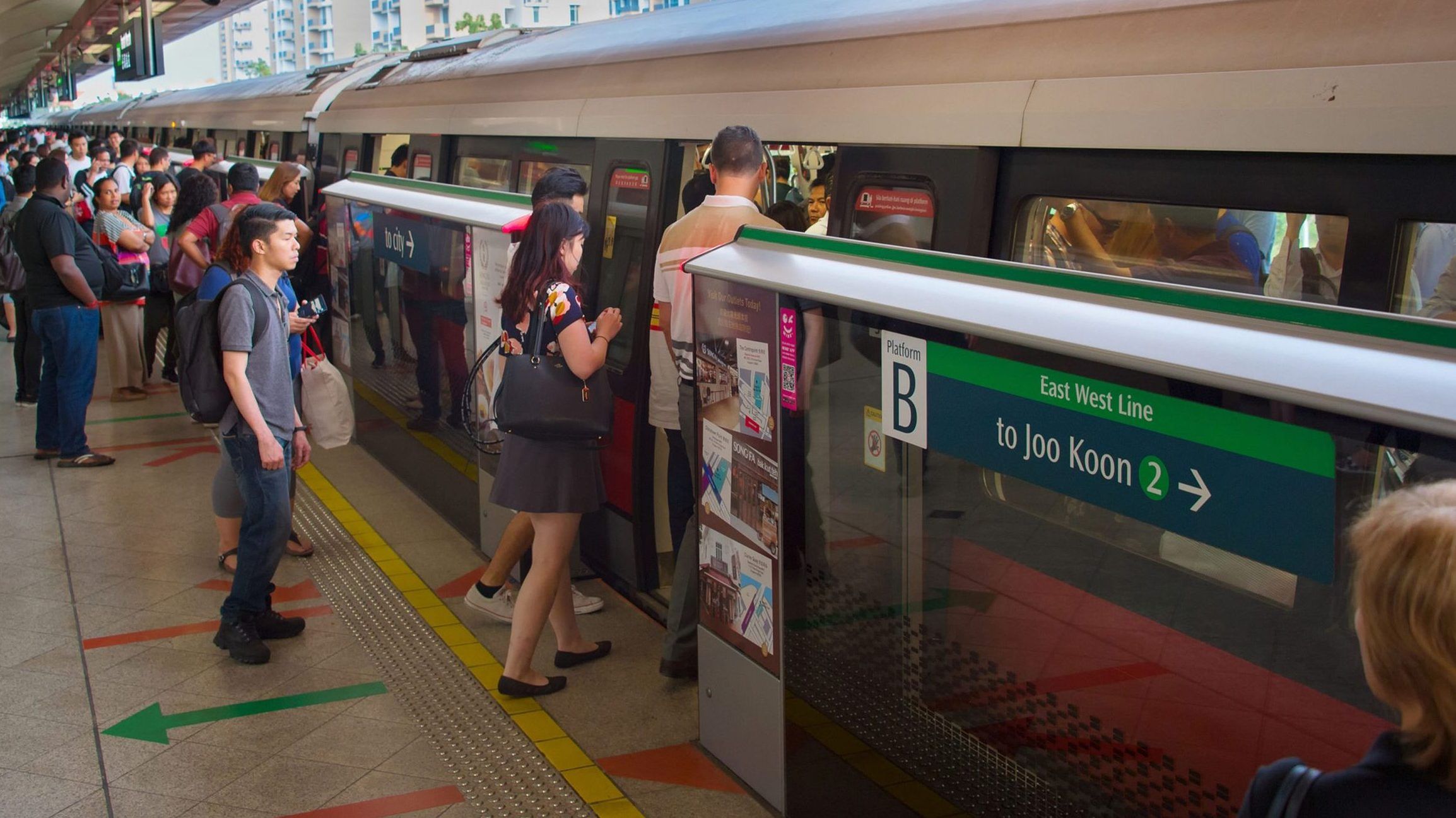
A common struggle was getting used to the MRT again. Many shared that they were overwhelmed not just by how crowded the trains have become but also by how much the network has expanded.

One individual who left in 1992 and only returned two years ago said, “Where did all these people come from? MRT used to be empty at 3 p.m. Now it is always crowded.”

They also pointed out how confusing the newer lines can be. “There’s so many new MRT lines, and a circle line that’s not a circle? Wtf? It’s a crescent line. I made the mistake of thinking it was a circle line and got stuck at an awkward station.”

Another person wrote, “The MRT lines… It’s fantastic, but bloody confusing.

Someone who had been away for a decade added, “I have lost track of all the new MRT lines!”

Cashless payments

Others were struck by how quickly Singapore shifted towards cashless payments.

One commenter said, “I was shocked at how quickly SG has adopted cashless payments, and I needed to learn what PayNow was.”

Another agreed, writing, “OMG me too, regarding the cashless payment options. I’ve been back for ~5 months (albeit with a lot of interspersed business travel), but I still freeze for a second as I try to work out the difference between PayNow, PayLah and PayWave.”

A third recalled, “I was at the neighbourhood coffee shop last year, and everyone in front of me in the line was scanning a QR code to pay, while I was nervously standing there with a S$10 bill and hoping they would accept cash (used to be that such stores would only accept cash or perhaps even NETS).”

New dining spots and malls

The food scene and city landscape also took some individuals by surprise.

One user wrote, “Was in Sydney for 10 years and returned after Covid borders were opened. Was shocked to see many mala and Chinese eateries.”

Another commented, “Donki is everywhere. Ma la pot is in every food court. Meanwhile, it’s harder to find my childhood favourite foods like hokkien mee, satay, etc.”

A third said, “Why are there so many shopping malls? One at each corner and every MRT station.”

Social behaviour

A few added that they had forgotten just how “entitled” some people in the country can be.

One wrote, “10+ years, completely forgot how entitled and rushing Singaporeans are. Every Singaporean I encounter always talks about how terrible Singapore is without even experiencing living overseas. At least we have CPF “cashless” housing. And every Singaporean has this angry face like I’ve offended them. Never really recovered from the reverse culture shock.”

Another pointed out a difference in social manners, especially in how men treat women.

“I realised there’s a noticeable difference in terms of how men treat women in Singapore versus other countries. In the western country in which I had lived, men would hold doors open, let women walk first, etc. Just seemed like a regular and ingrained behaviour. Over here in Singapore, I open doors for men instead.”

Chinatown is not the same

Some felt that familiar neighbourhoods have changed quite a fair bit.

One person said Chinatown no longer resembles the place they remembered from their younger years.

They added, “I know some Singaporeans don’t like to visit Chinatown because it is always so touristy, but the old charm of Chinatown is no longer around.”

“It is really a ‘China’ town now with a lot of Chinese restaurants and shops, F&B, and other retail stores. It is quite sad. Take a walk at Bugis too; the BBQ/hotpot streets have now become China food streets too. Try to visit Haji Lane. The old Haji Lane area used to have local charm, but now it is all a franchise.”

Conservative culture

One individual shared that the biggest adjustment was getting used to a more conservative social environment again. 

They explained that in Europe, “it was normal to be friendly with random strangers, make small talk, greet strangers, etc., but in Singapore, that kind of behaviour is considered weird.”

They continued, “Also in Europe I learned to ignore how others see me—[I didn’t care] about things like public displays of affection, how people would see the way I dress, etc.”

“But in SG wah people spend entire work lunchtimes discussing people who don’t fall in line with the conservative norm. I don’t think I will ever fully return to being a conservative person. I don’t see a problem with being nicer to others while also letting other people mind their own business.”

Read also: Man says parents take 15% of his pay, leaving him unable to save for a home

This article (Singaporeans returning after 10+ years overseas share biggest reverse culture shocks: ‘MRT used to be empty at 3pm, now it’s always crowded’) first appeared on The Independent Singapore News.

  •  

Why are only boys caned in schools? Netizens raise concerns over MOE policy

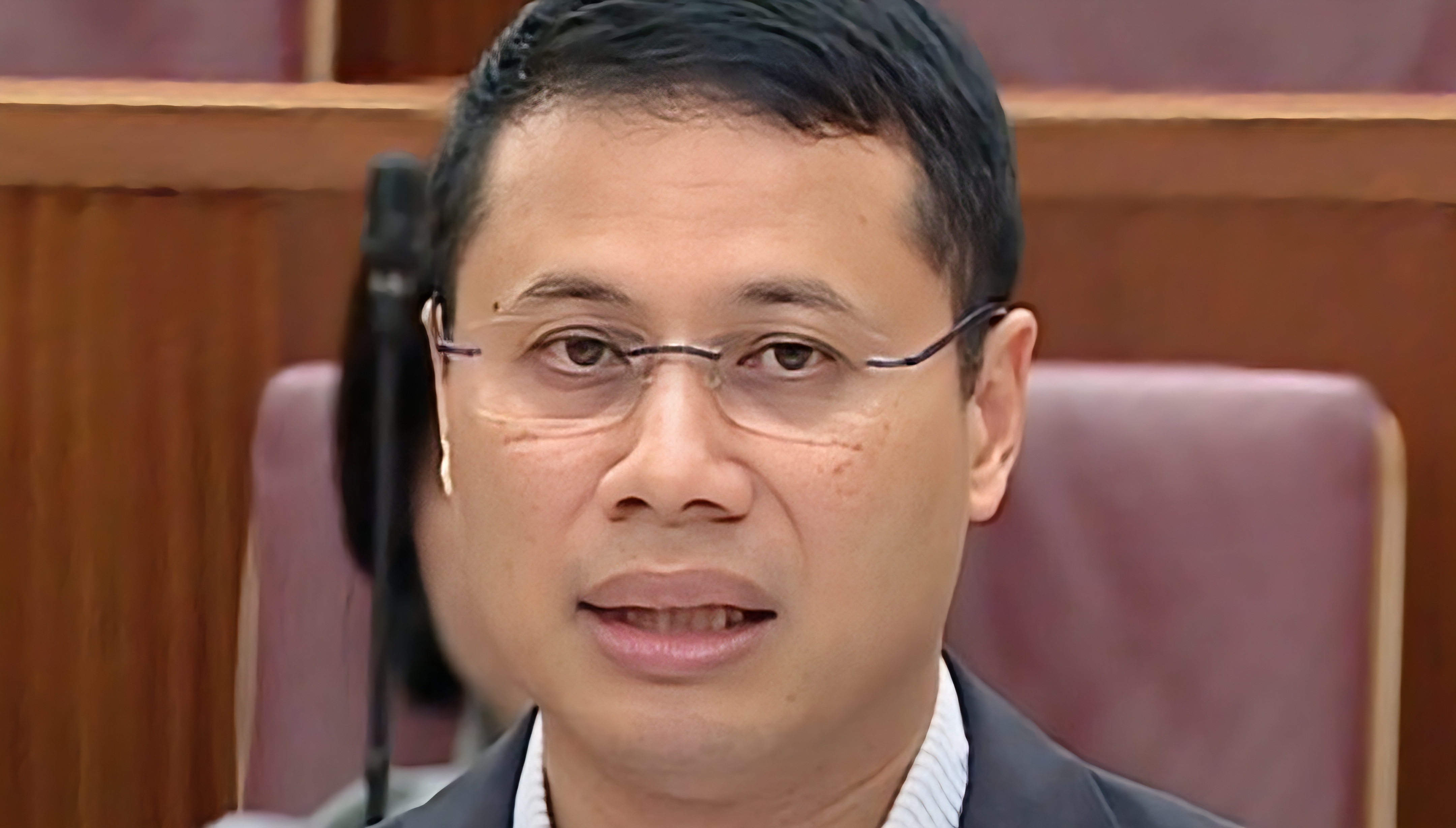
SINGAPORE: Concerns over fairness in school discipline policies have surfaced online after Education Minister Desmond Lee revealed in Parliament that public caning for bullying offences in schools applies only to boys, not girls.

Speaking in Parliament this week, Mr Lee said caning is reserved for “egregious” cases where “all other measures are inadequate” and is carried out under strict protocols.

He reiterated that bullying and hurtful behaviour have “no place” in schools but stressed that the Ministry of Education’s (MOE) disciplinary approach is intended primarily to educate rather than punish.

According to Mr Lee, schools adopt a tiered system when dealing with student misconduct, with harsher penalties such as suspension or caning imposed only for “egregious or repeated serious offences.” Disciplinary measures are accompanied by counselling and restorative practices aimed at repairing relationships and supporting victims through safety plans where necessary.

Addressing questions on corporal punishment, Mr Lee acknowledged research showing that “poorly administered and frequent” corporal punishment can lead to negative outcomes, particularly in unregulated environments such as the home.

However, he argued that the context in Singapore schools is different. Any caning must receive approval from the school principal and may only be carried out by authorised teachers. He added that it is never used as a standalone punishment, but forms part of a broader disciplinary and restorative process.

Mr Lee also said schools consider factors such as a student’s maturity and whether caning is likely to help the student reflect and learn from their behaviour before deciding on the punishment. Students’ well-being is monitored afterwards, with counselling provided to support reflection and rehabilitation.

He said MOE’s position is informed by research suggesting that “clear boundaries enforced by firm, meaningful consequences” can help young people make better choices and reduce bullying.

Mr Lee noted that caning in schools applies only to boys, in line with Singapore’s Criminal Procedure Code, which prohibits women from being punished with caning.

He stressed, however, that this does not mean girls who bully others are treated less seriously. Girls found guilty of bullying or hurtful behaviour may still face disciplinary measures, including detention, suspension, grade adjustments, and other school-based punishments, depending on the severity of the offence.

The minister added that MOE “regularly reviews” its discipline guidelines to ensure they remain appropriate and said the ministry will continue refining its approach based on feedback and research.

He also announced that all schools are expected to implement anti-bullying policies by the end of the year, following MOE guidelines aimed at ensuring consistency in case management across schools.

Despite those assurances, the revelation that caning applies only to boys has triggered criticism online, with some Singaporeans questioning why different punishments are being imposed based on gender. Some commenters went as far as describing the policy as “sexist” and calling for equal treatment in school disciplinary measures.

Among the comments circulating online was one parent who wrote: “As parents, I cane both my boy and girl. It works well.”

Another commenter argued that bullying is not confined to boys and that corporal punishment should apply across the board: “Cane if needed, whether it’s boys or girls. Cos bullying is everywhere in schools. Be it boy or’ or girls’ school. They should be taught, and cane works for all. The parents should sokong the cane and not pamper the kids.”

Some netizens suggested that female bullying can be equally, if not more, harmful than male bullying. One commenter remarked: “Minister need to watch more K-dramas to know gals bullying can be a lot worse.”

Others questioned what consequences girls would face in serious bullying cases. “So if girls are the bullies, what happens?” one commenter asked.

Several netizens framed the issue as one of gender equality, arguing that if corporal punishment remains part of the school disciplinary system, it should not be restricted to male students.

“If boys can be caned, then the girls also can be caned. Simple as that,” one comment read.

Another person said: “I don’t think the reason quoted to not cane girls is appropriate unless we are talking about exercising the same level of caning on kids vs prisoners.”

Some older Singaporeans also pointed to past school experiences, claiming that corporal punishment was once administered to both sexes.

“Those born in 80s era will experience teachers will cane both boys and girls. I agree with most comment there must gender equality. If boys can be cane, girls must also be cane,” one commenter wrote.

Others argued that girls can sometimes engage in more psychologically damaging forms of bullying.

One commenter asserted, “Some girls are more vicious than boys. Caning should not be a punishment reserve for the boys only.”

This article (Why are only boys caned in schools? Netizens raise concerns over MOE policy) first appeared on The Independent Singapore News.

  •  

‘Please ground policies in real lives, not assumptions’: Parents urge Gov’t to do more as workgroup to raise birth rate convenes

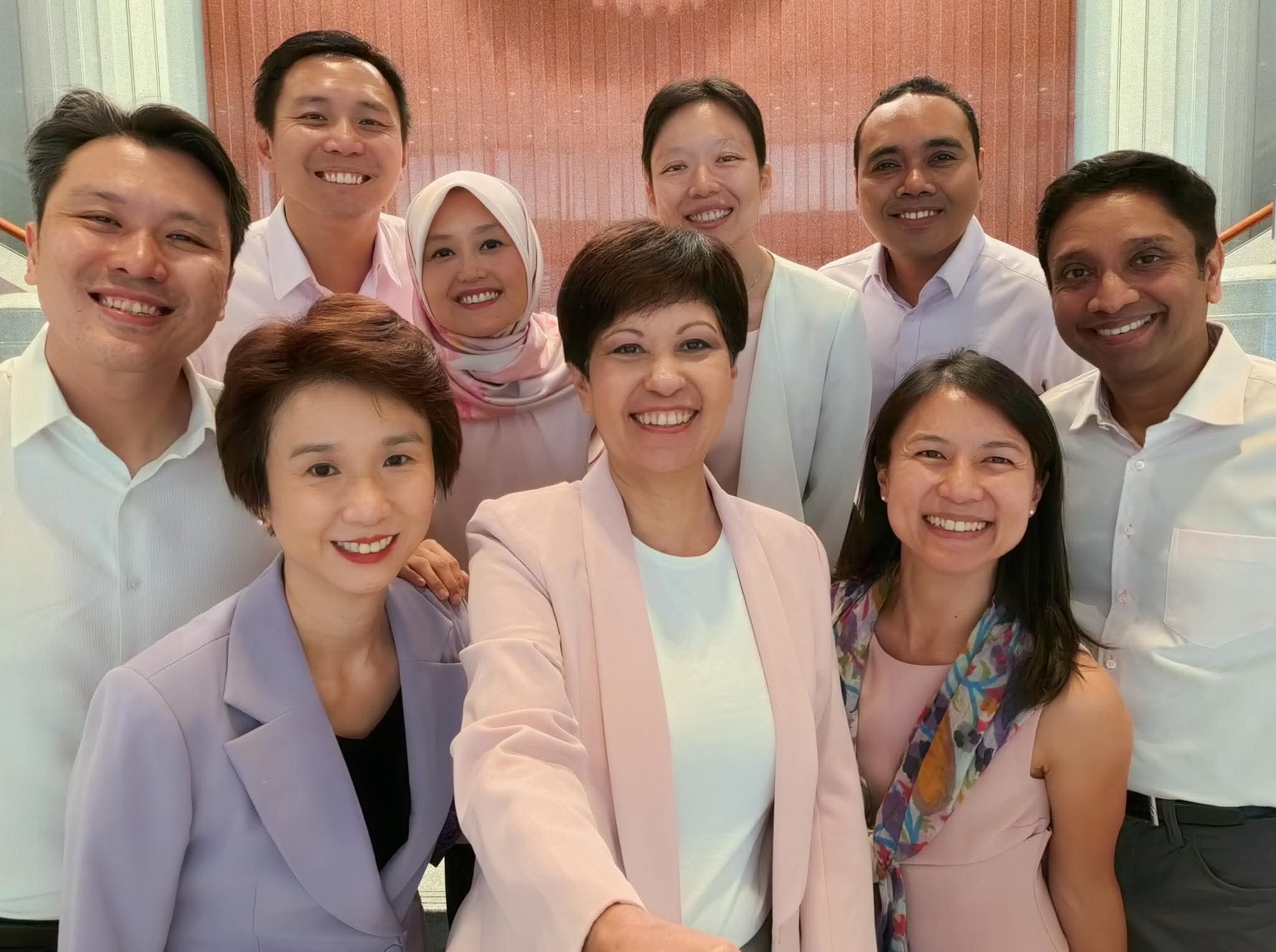
SINGAPORE: Parents in Singapore are urging the Government to consider the lived realities of families before making policies, as Minister in the Prime Minister’s Office Indranee Rajah announced that the workgroup to raise the nation’s birth rate has convened.

The new Marriage & Parenthood (M&P) Reset Workgroup was first announced in February this year after it was revealed that Singapore’s total fertility rate (TFR) plunged to a record low of 0.87 last year, from 0.97 in 2024.

Prime Minister Lawrence Wong tapped Ms Indranee to chair a committee to look at how to address the declining birth rate. It was announced last week that the workgroup will also include eight other political office holders, namely Low Yen Ling, Rahayu Mahzam, Dinesh Vasu Dash, Jasmin Lau, Goh Pei Ming, Zhulkarnain Abdul Rahim, Shawn Huang, and Goh Hanyan.

The National Population and Talent Division (NPTD) has since shared that the workgroup will study the factors influencing marriage and parenthood in Singapore, including financial pressures, housing, caregiving responsibilities, healthcare, preschool and education, as well as work-life support.

The group will also engage employers, businesses, community organisations and Singaporeans to encourage social norms and workplace practices that are more supportive of family life.

Announcing the formation of the workgroup last week, Ms Indranee said the committee aims to build a “long-term roadmap” to ensure a “social reset.” She wrote on Facebook, “…family formation and having more Singaporean babies has become even more important than ever.”

The Minister also called on members of the public to join the effort to raise the birth rate and urged, “We can all play a part in ways that make a real difference — at work, in our families and in our communities. Let’s make this change together!”

Following the announcement, parents across Singapore began sharing candid accounts of the pressures they face while raising children, with many describing exhaustion, financial strain, limited workplace flexibility and a lack of practical support.

Several parents stressed that the issue goes beyond financial incentives and childcare subsidies, arguing that daily realities for working families are often overlooked in policymaking.

One working mother of two said many families are heavily dependent on ageing grandparents for childcare because they have few alternatives. She shared that her own mother, despite being unwell, continues helping to care for her children while both parents work.

“The challenge many parents face today is not necessarily that childcare centres need longer operating hours,” she said. “In reality, many parents would prefer to personally spend that time with their children.”

Instead, she called for mandatory flexible work arrangements and earlier knock-off times for working parents, especially mothers and single fathers caring for young children. “If more parents could end work earlier, they would have time to fetch their children, cook meals, guide homework, and spend meaningful family time together,” she said.

She added that such changes could strengthen family bonding, reduce reliance on elderly grandparents and domestic helpers, improve emotional well-being and give couples greater confidence to have more children.

“Please speak to real mothers and fathers on the ground,” she urged. “Many of us would be more than willing to honestly share the challenges families face today.”

Another parent, who identified himself as the father of three children, cautioned against relying on feedback from a small segment of society.

“The committee should not rely on feedback from just a small group and draw conclusions,” he said, proposing a transparent public platform where Singaporeans can openly share and review ideas.

He also pointed to what he saw as stronger social support for families in countries like Japan, where parents with children are given priority in public services and facilities. “Locally, however, it often feels like there are very few accommodations,” he said, adding that Singapore could do more not only through policy but also through public education and social behaviour.

Other parents detailed the logistical and emotional pressures of balancing work and caregiving. One mother described racing across Singapore during peak-hour crowds to collect her children from student care before closing time after leaving work at 6 pm.

She said childcare and student care arrangements often fail to accommodate working parents whose offices are far from schools and homes. “Every day is a struggle and battle,” she said. “Every day I am exhausted.”

She also highlighted the cumulative financial burden of raising children, from rising milk powder prices to healthcare costs, tuition fees, insurance premiums and housing loans. She wrote, “Every time government increase baby bonus, the next moment, milk powder, child care, and student care increase in price.”

The mother also criticised what she viewed as outdated workplace expectations, saying many employers still penalise staff who leave work on time or take leave to care for children.

“We can be high contributors, but because we leave early or often have to take leave for family matters, during appraisals, we don’t excel for KPI and promotions are bypassed,” she said, questioning whether existing childcare leave policies adequately reflect the realities of parenting and whether they are sufficient when children fall sick frequently.

Several parents also raised concerns about support for shift workers. One father of three said childcare operating hours are designed mainly around standard office jobs, leaving parents in industries such as healthcare, food and beverage, security and technical services struggling to cope.

He shared that after trying childcare services and hiring a domestic helper, his family eventually decided his wife had to quit her job to become a full-time homemaker because of the demands of shift work and caregiving.

“Now we understand why many Singaporeans choose to be childless or only have one child,” he said.

Parents of children with special needs also appealed for stronger legal protections and practical support. One parent said even having the legal right to request work-from-home arrangements once a week would make a “meaningful difference” for caregivers of children with additional needs.

“A bit of structured flexibility isn’t a privilege; it’s a practical way to help parents stay in the workforce while still meeting their responsibilities at home,” the parent said.

Another special needs parent highlighted the difficulty of finding reliable and affordable care, especially for children who are non-verbal or require close supervision. The parent called for a system that provides flexible and affordable in-home care services so parents can continue working with peace of mind.

Parents repeatedly pointed to housing pressures, shrinking living spaces, rising costs of living, demanding workplace cultures and limited caregiving support as interconnected challenges that affect decisions about marriage and parenthood.

One parent summed up the sentiment shared by many others in a direct appeal to policymakers: “Please ground policies in real lives, not assumptions.”

Urging policymakers to engage the public on a large scale, she added, “Have meaningful, two-way conversations with parents and couples to understand their lived realities, the trade-offs, constraints, and daily pressures they navigate. Engage widely and at scale so insights are not drawn from a narrow group but reflect diverse experiences across different households.

“Only then can policies be thoughtfully designed, rigorously analysed, and truly responsive to what families need.”

This article (‘Please ground policies in real lives, not assumptions’: Parents urge Gov’t to do more as workgroup to raise birth rate convenes) first appeared on The Independent Singapore News.

  •  

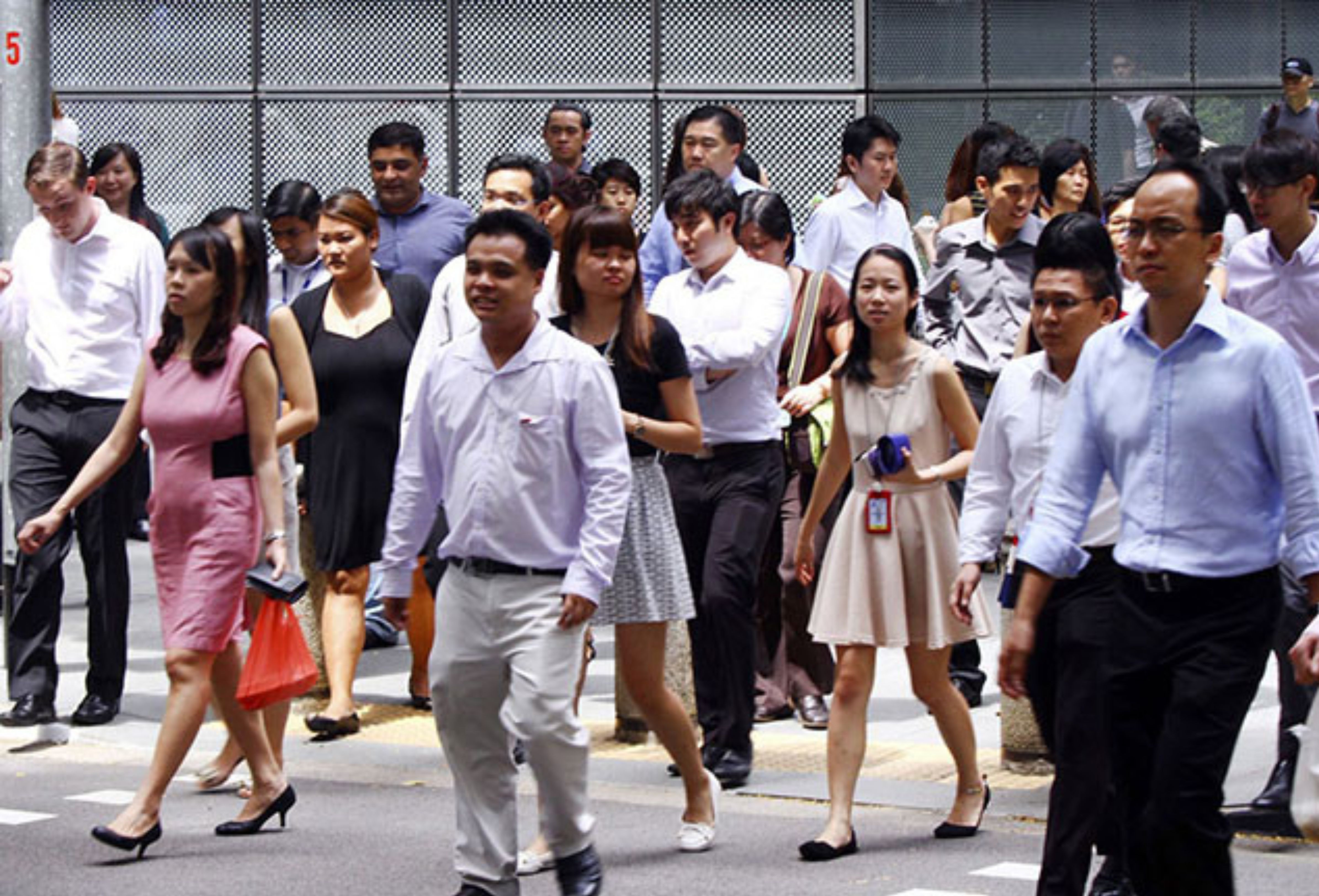
MOM: Non-residents filled nearly 80% of new jobs in Singapore last year

SINGAPORE: Singapore’s labour market continued to grow in 2025, but the bulk of new jobs went to foreign workers rather than locals, according to the Ministry of Manpower’s (MOM) latest Labour Market Report released in March.

The report showed that total employment, excluding migrant domestic workers, expanded by 55,500 in 2025, up from 44,500 in 2024. However, non-residents accounted for 43,900 of those jobs, or about 79% of total employment growth, while residents — comprising Singapore citizens and permanent residents — took up 11,600 positions.

The figures mean that for every new job gained by a resident worker last year, around four went to non-residents.

The report also showed differences in where employment gains were concentrated.

Among residents, most of the growth came from higher-skilled industries such as financial services and health and social services. Non-resident employment growth was driven mainly by labour-intensive sectors, particularly construction, which continued to depend heavily on foreign manpower for infrastructure and building projects.

In the fourth quarter of 2025, employment for both residents and non-residents increased in administrative and support services as well as retail trade, with MOM attributing the rise largely to seasonal hiring linked to events and year-end holiday demand.

The latest figures continue a trend seen over the past several years, with non-resident employment growth consistently outpacing that of residents.

In 2023, residents accounted for less than 6% of all new jobs created despite strong overall employment growth. Even in 2025, which recorded a stronger increase in resident employment compared to previous years, foreign workers still made up close to four in five of all new jobs added.

MOM said the pattern reflects structural constraints in Singapore’s labour market.

According to the ministry, Singapore’s resident labour force participation rate for those aged between 25 and 64 has reached 85.9%, among the highest globally. With most residents who are willing and able to work already employed or actively participating in the workforce, there is limited room for further expansion of the local labour pool.

At the same time, employers continue to face manpower demands that cannot be fully met by residents alone, whether due to business expansion, replacement needs, or challenges in attracting locals to certain sectors. Foreign workers have therefore continued to fill gaps in industries facing persistent labour shortages.

Looking ahead, MOM expects the trend to continue into 2026.

Resident employment growth is projected to remain at a similar pace or slow slightly compared to 2025, while non-resident employment is expected to keep expanding alongside economic demand, particularly in construction and other manpower-intensive sectors where hiring demand has remained strong in recent years.

This article (MOM: Non-residents filled nearly 80% of new jobs in Singapore last year) first appeared on The Independent Singapore News.

  •  

WP MPs Sylvia Lim, Dennis Tan visit residents after Hougang coffee shop fire

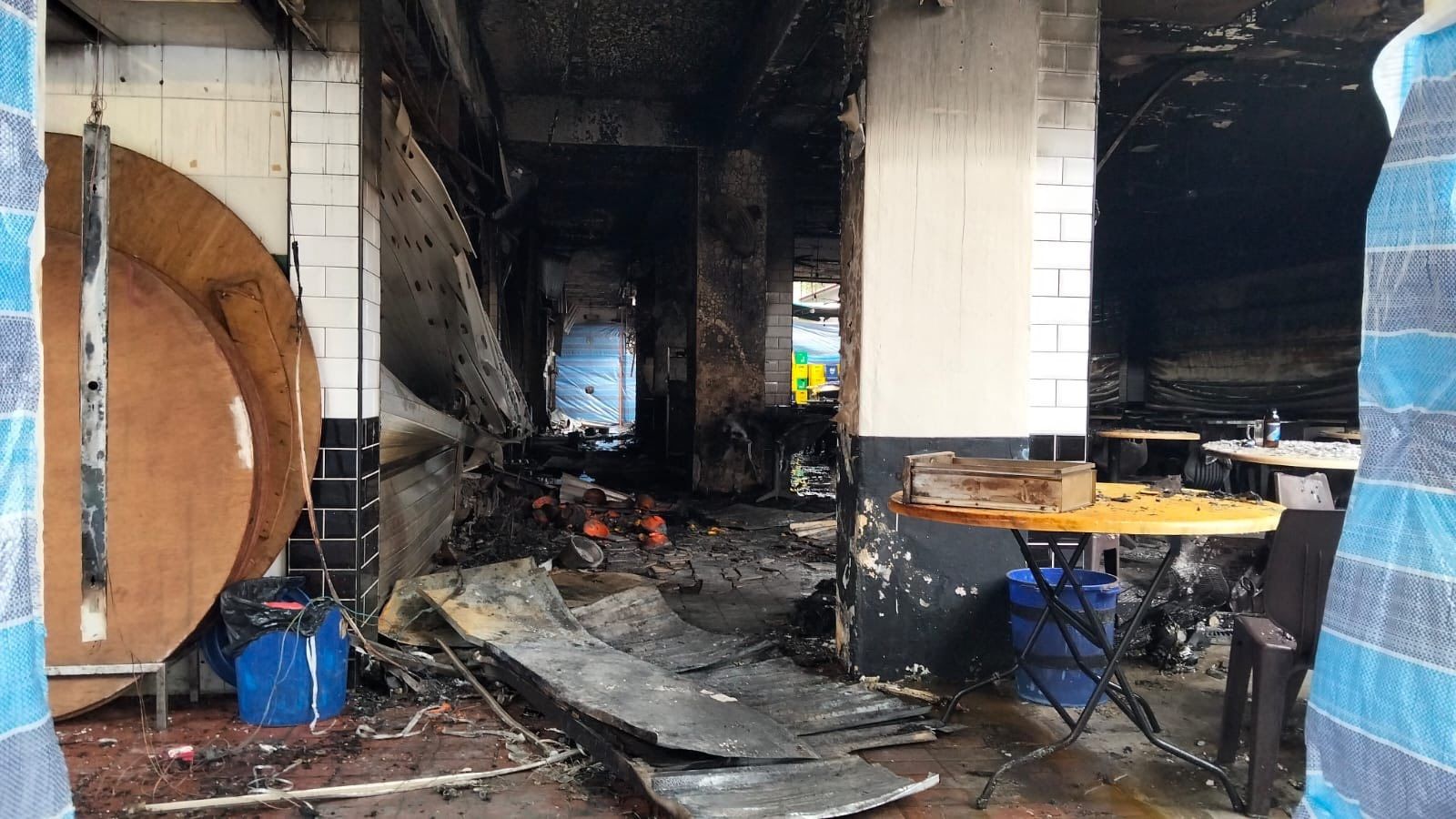
SINGAPORE: Members of Parliament from the Workers’ Party, Sylvia Lim and Dennis Tan, visited the scene of a fire that had broken out on Tuesday (May 5) at Block 106 Hougang Avenue 1.

Ms Lim, who chairs the WP, and Mr Tan, the vice-chair of the Aljunied-Hougang Town Council (AHTC), checked in on the households that had been affected by the fire, and wrote in a social media post, “Residents shared with us their harrowing experience while being grateful for making it through.”

Reports say that the fire had broken out in the early morning hours of May 5 and that the Singapore Civil Defence Force (SCDF) received an alert about it at around 4:50 a.m.

Before the SCDF officers arrived, around 40 people had been evacuated from the vicinity of the blaze, which involved a number of coffee shop stalls. 

In the aftermath of the blaze, five people were taken to the hospital to be assessed for smoke inhalation.

Officers from SCDF were able to extinguish the first using two water jets. What caused the incident, however, is still under investigation.

Ms Lim, who has been representing Aljunied in Parliament since 2011, wrote in a Facebook post: “On any other day or night, the Coffeeshop at Blk 106 Hougang Ave 1 would be bustling – with residents and workers from the vicinity enjoying the delicious food or sharing a bucket of beer.  Alas, a fire broke out this morning, which gutted the place.”

She added that Aljunied-Hougang Town Council (AHTC), together with contractors and agencies, including the Housing & Development Board (HDB), is working to restore normalcy to the area.

The WP chair thanked officers from the SCDF and the Singapore Police Force “for the tremendous work done.” 

“I wish everyone good health and safety in all endeavours,” she added.

This is not the first such incident in Hougang recently. On Feb 16, the day before Chinese New Year, a fire broke out at the void deck of Block 418 Hougang Avenue 8. SCDF officers were alerted to the blaze at around 12:45 pm. Together with members of the public, the police were fortunately able to put the fire out. However, three people were brought to Singapore General Hospital due to smoke inhalation.

Shortly afterwards, the area was visited by WP MP Gerald Giam, who chairs the AHTC.

“I spoke to several households, including those living directly above the site, to ensure they were safe and that their utilities remained functional,” he wrote in a social media post at the time. /TISG 

Read also: Man linked to three fires in Jurong arrested within two hours of report

This article (WP MPs Sylvia Lim, Dennis Tan visit residents after Hougang coffee shop fire) first appeared on The Independent Singapore News.

  •  

Malaysian PM faces risk of losing seat with party in limbo, says PKR analysis

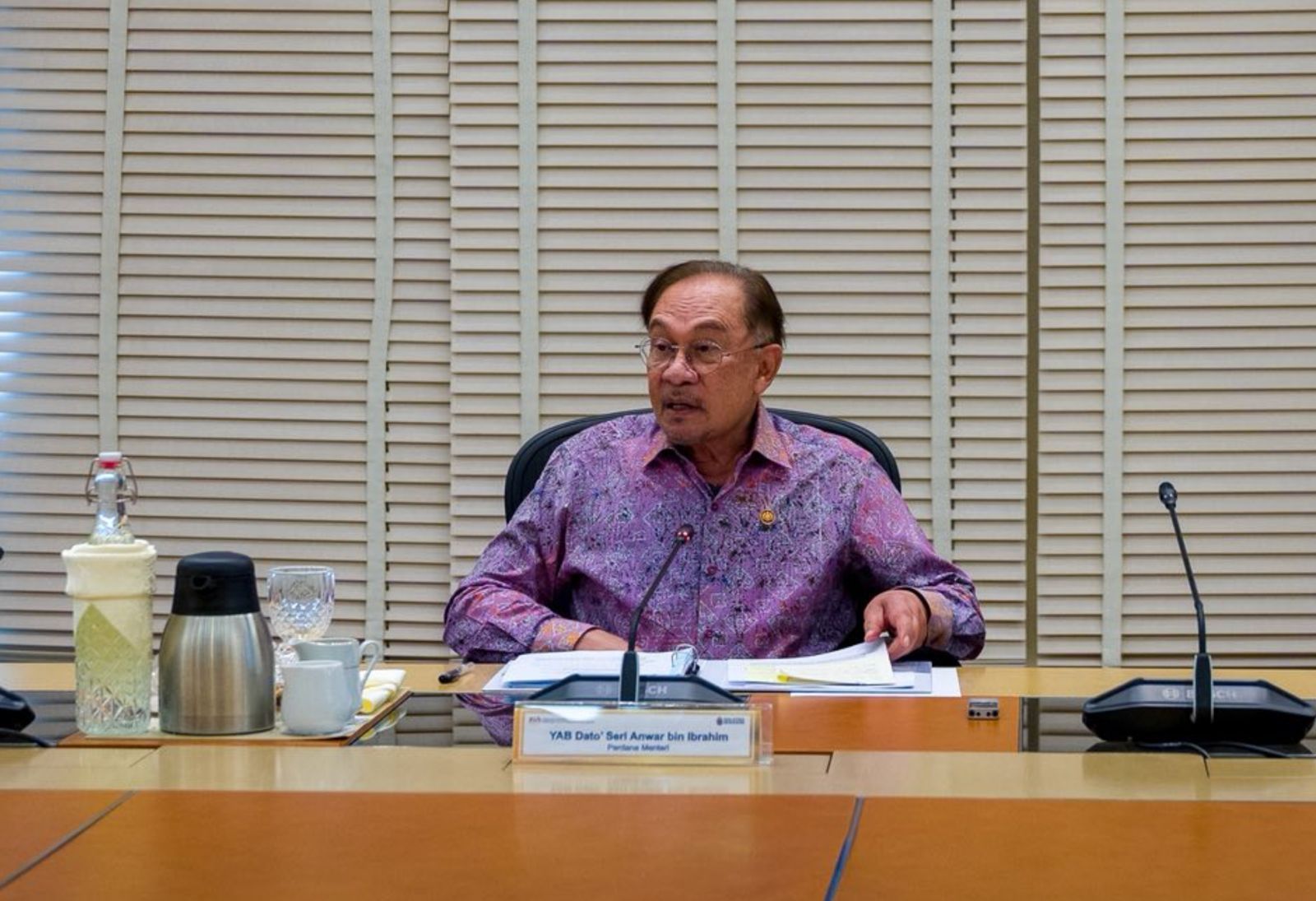
MALAYSIA: Prime Minister Anwar Ibrahim is at risk of losing his seat, while many of the current top leaders backing him in the government risk being toppled in the next General Elections in Malaysia.

This assessment comes from an internal PKR strategic analysis presented on May 2, 2026, at a party meeting.

It highlighted what most people already know, that Anwar’s party is damaged after it resisted calls to bring reforms and to implement its electoral programme.

It says only seven of their currently held 31 seats are considered safe. Many others are listed as high-risk or requiring significant recovery.

For a party that is said to have a target of 80 seats for the next election, this is very bad. Added to the internal rift opposing former Economy Minister Rafizi Ramli and his followers, which includes nine to 10 MPs, including Anwar, is also a very damaging blow to the party.

One of the most important elements in the analysis is that Anwar’s seat is at risk. Anwar was elected in the Tambun constituency in the state of Perak.

The seat has been classified as marginal, which is a startling development indeed for a sitting Prime Minister.

There are also reports that his former seat in Penang would not be secure altogether. Anwar’s daughter, Nurul Izzah Anwar, was defeated in the same seat in 2022.

The document titled “GE16 Strategic Analysis: Summary by Tier” is published by Malaysiakini. It says PKR is now a party operating in alert mode, struggling with the reality that its control over key seats is increasingly eroding.

The study focused on a total of 66 parliamentary seats for the coming general election.

PKR classified those seats into four categories (Tiers) to map out their strengths and risks ahead of GE16.

Seven seats are placed in Tier 1 (strong/safe), 13 seats in Tier 2A (almost strong), 17 seats in Tier 2B (marginal/competitive), and 29 seats in Tier 3 (difficult/recovery).

That means a majority of the seats, 46 in total in Tier 2B and Tier 3, are in high-risk zones or in danger.

Some mixed parliamentary seats listed in Tier 2A and 2B are Lembah Pantai (Fahmi Fadzil – Communications Minister), Nibong Tebal (Fadhlina Sidek – Education Minister), Johor Bahru (Akmal Nasrullah Mohd Nasir – Economy Minister) and Sungai Petani (Taufiq Johari – Youth and Sports Minister).

Without any surprises, four of the seats that are ‘safe’ are in the hands of the group headed by former deputy president Rafizi Ramli.

Besides Rafizi (Pandan), the parliamentary seats in the safest zone are Subang (Wong Chen), Petaling Jaya (Lee Chean Chung) and Ampang (Rodziah Ismail). These three leaders are labelled as Rafizi’s allies in PKR.

This article (Malaysian PM faces risk of losing seat with party in limbo, says PKR analysis) first appeared on The Independent Singapore News.

  •  
❌