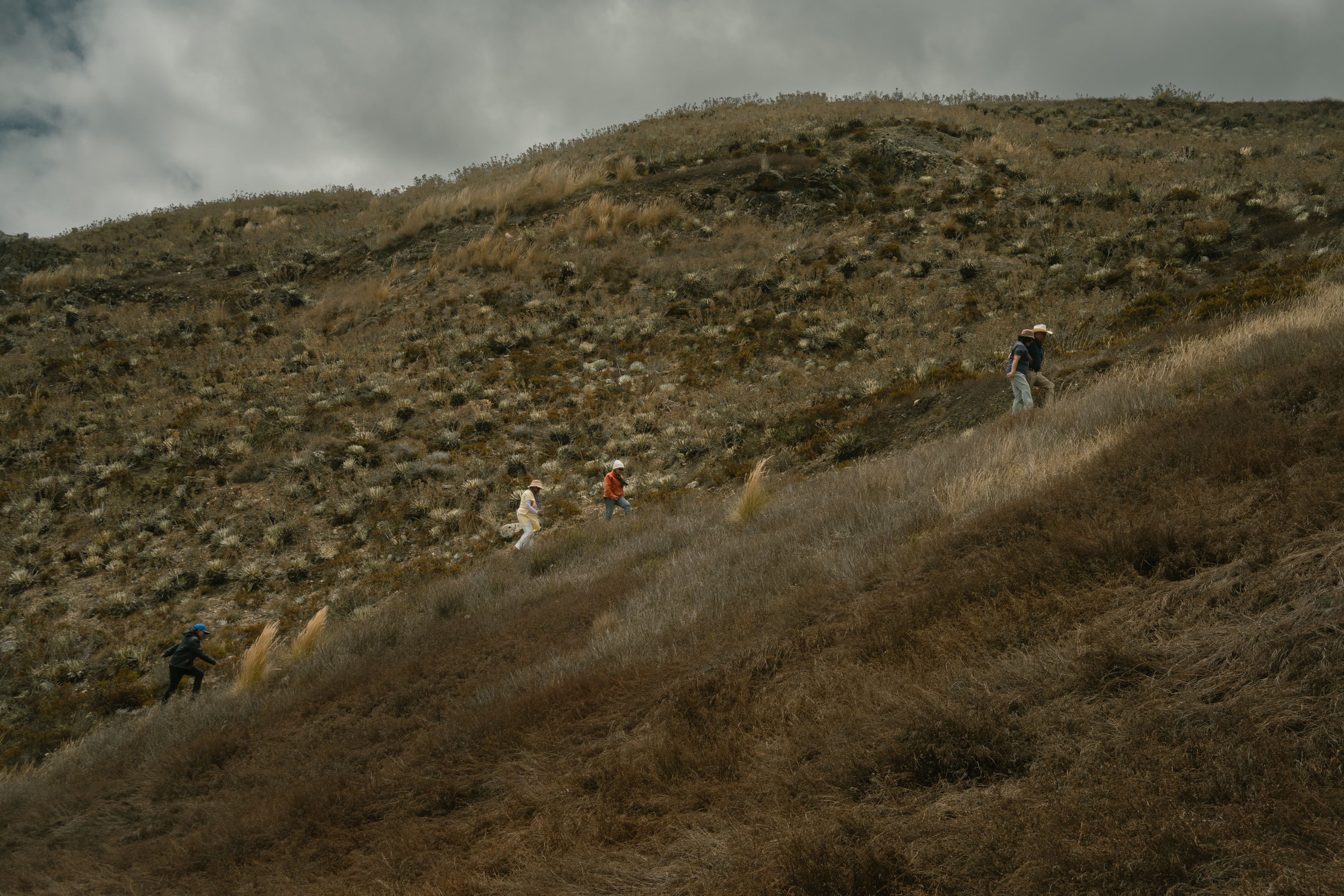
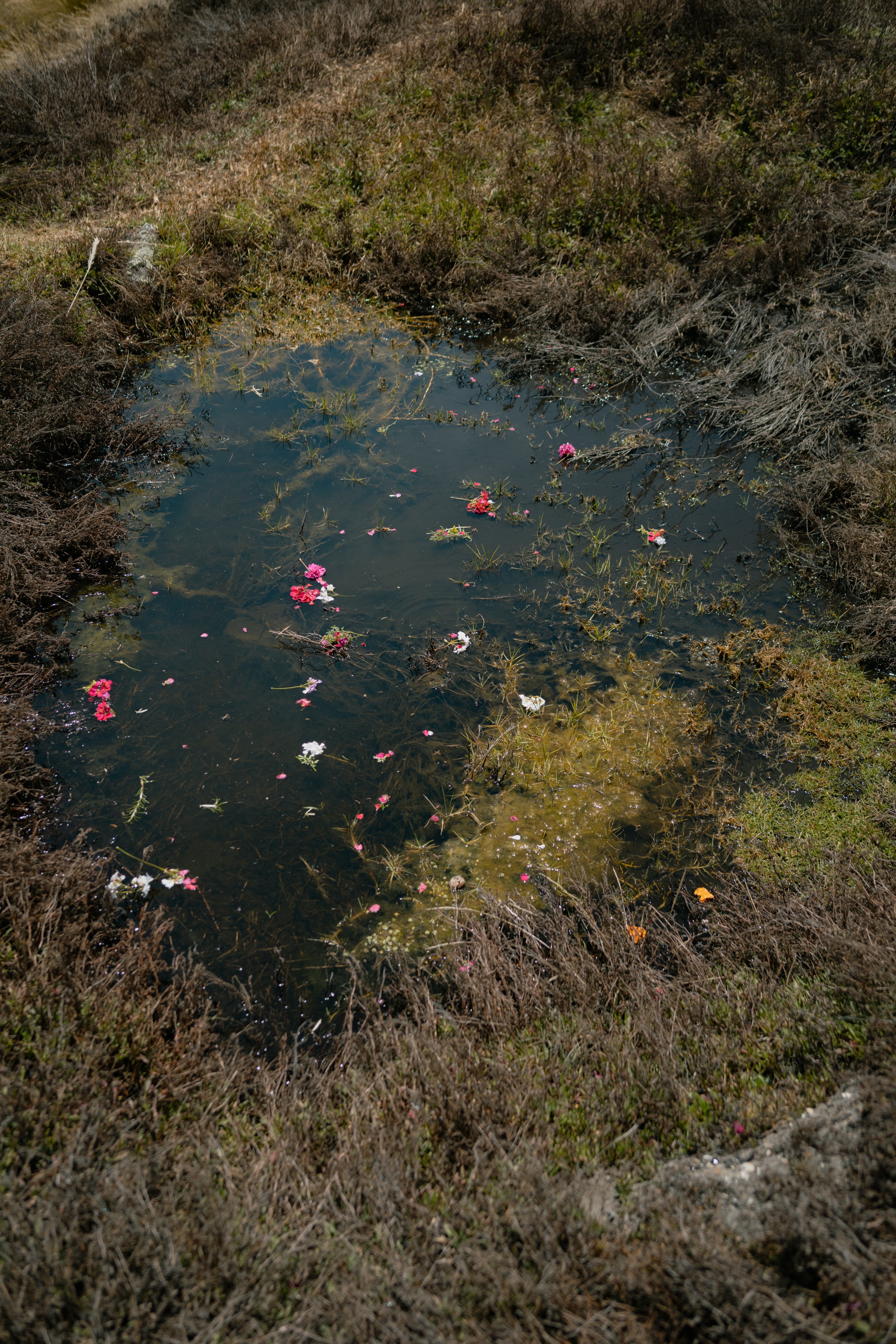
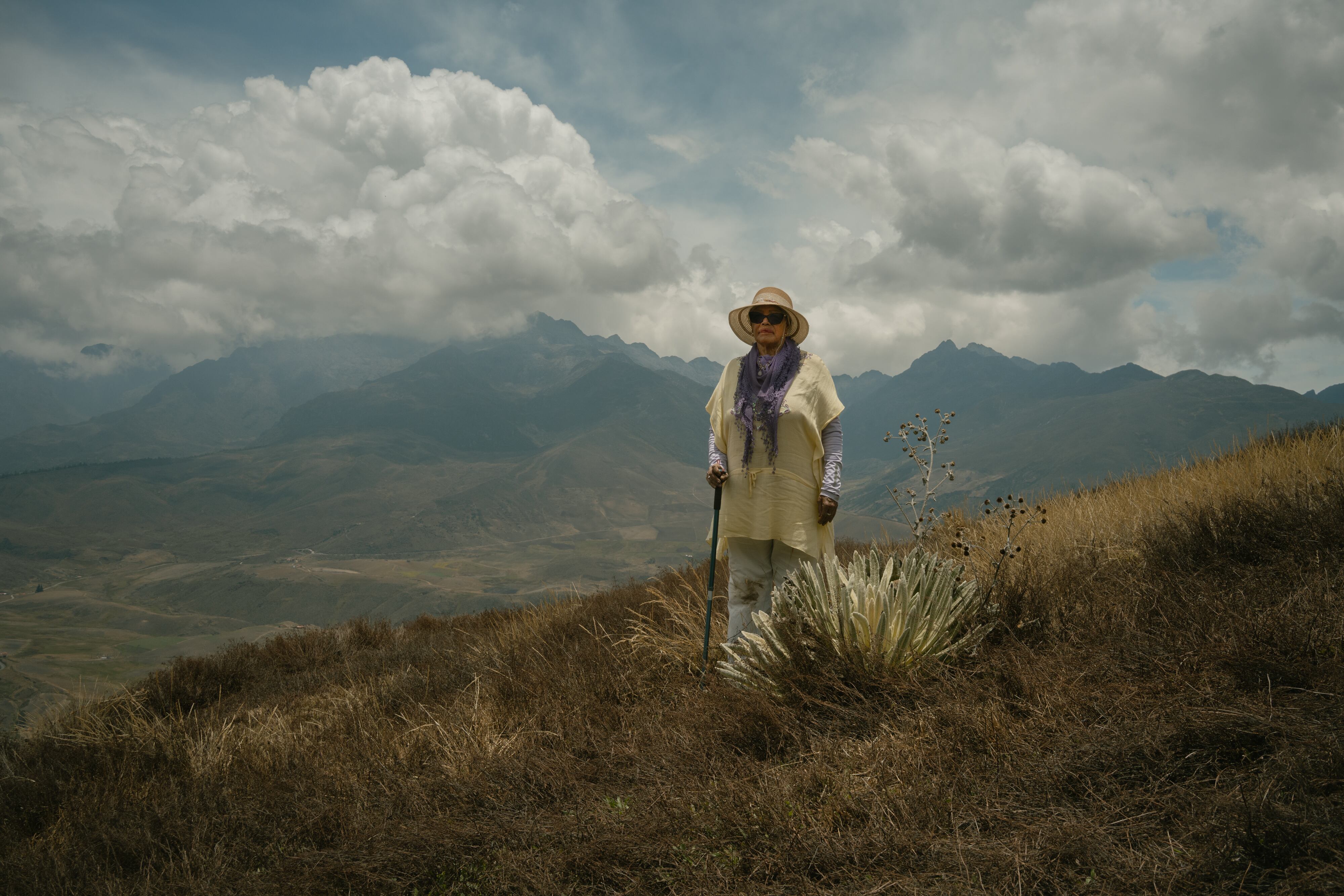
Ligia Parra, who leads the “water sowing” efforts, walks toward a new wetland that farmers have discovered in the Andean páramo of Venezuela. These ecosystems absorb rainwater to feed rivers and lagoons, regulate the climate, combat drought, and preserve biodiversity at more than 3,000 meters above sea level.
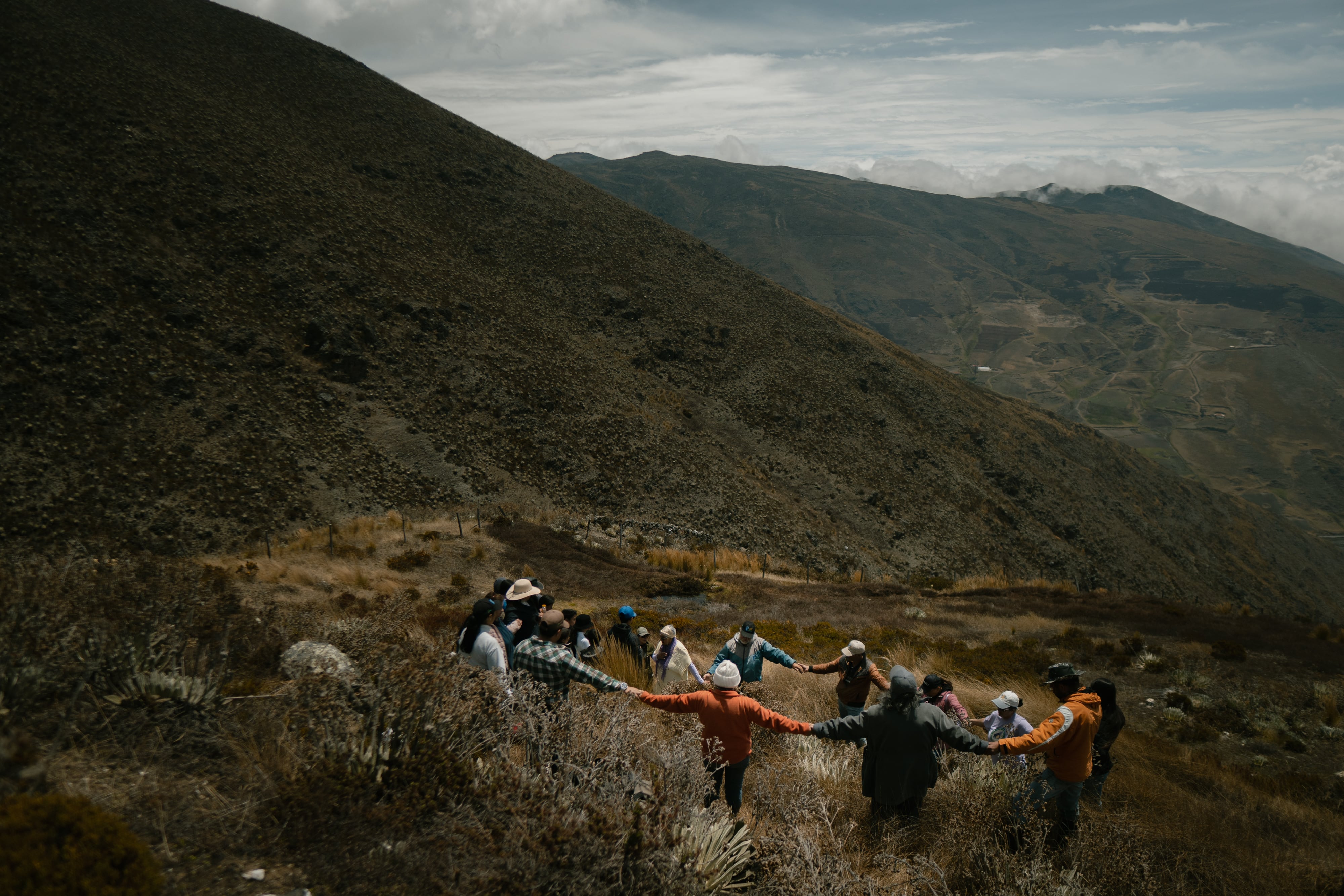
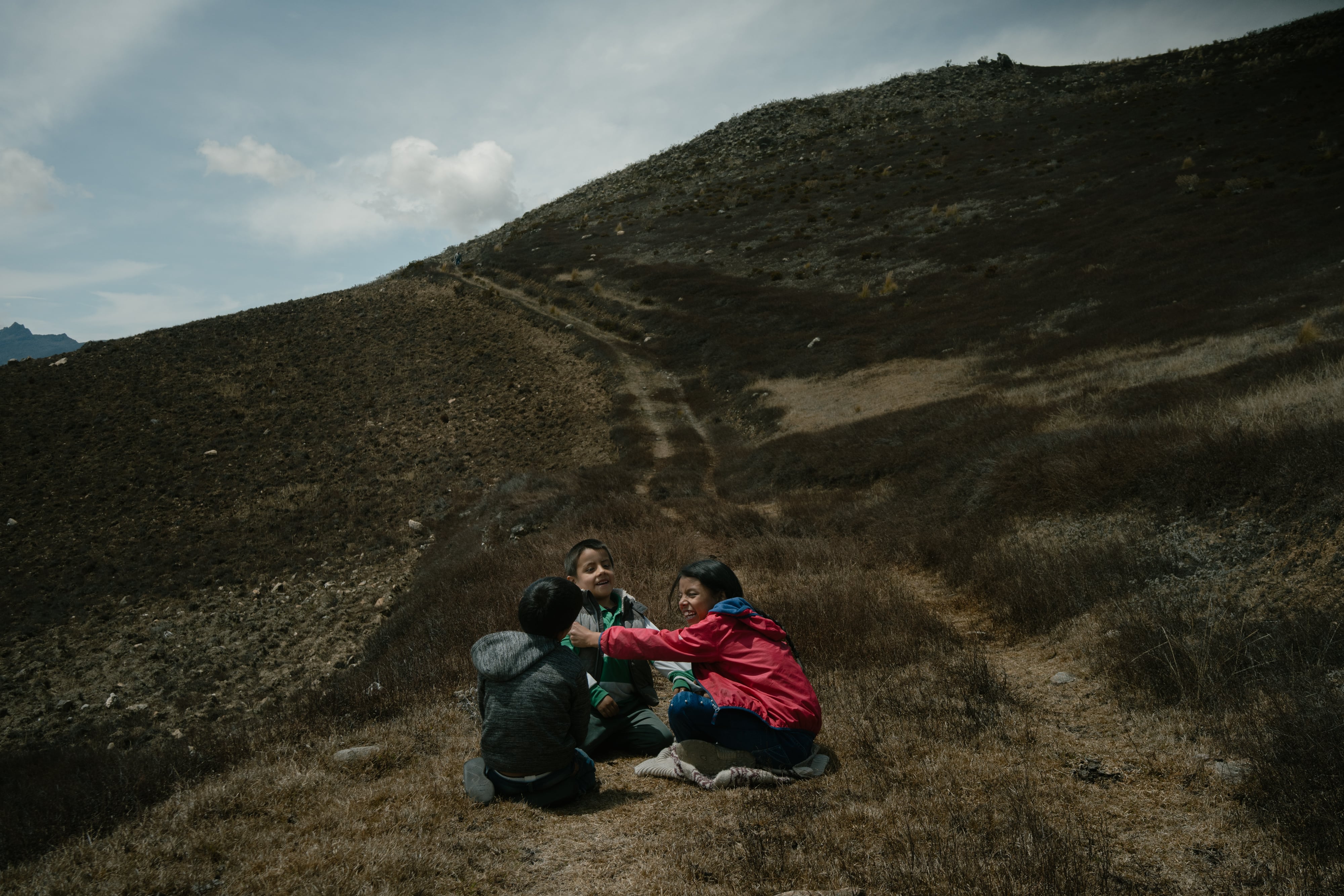
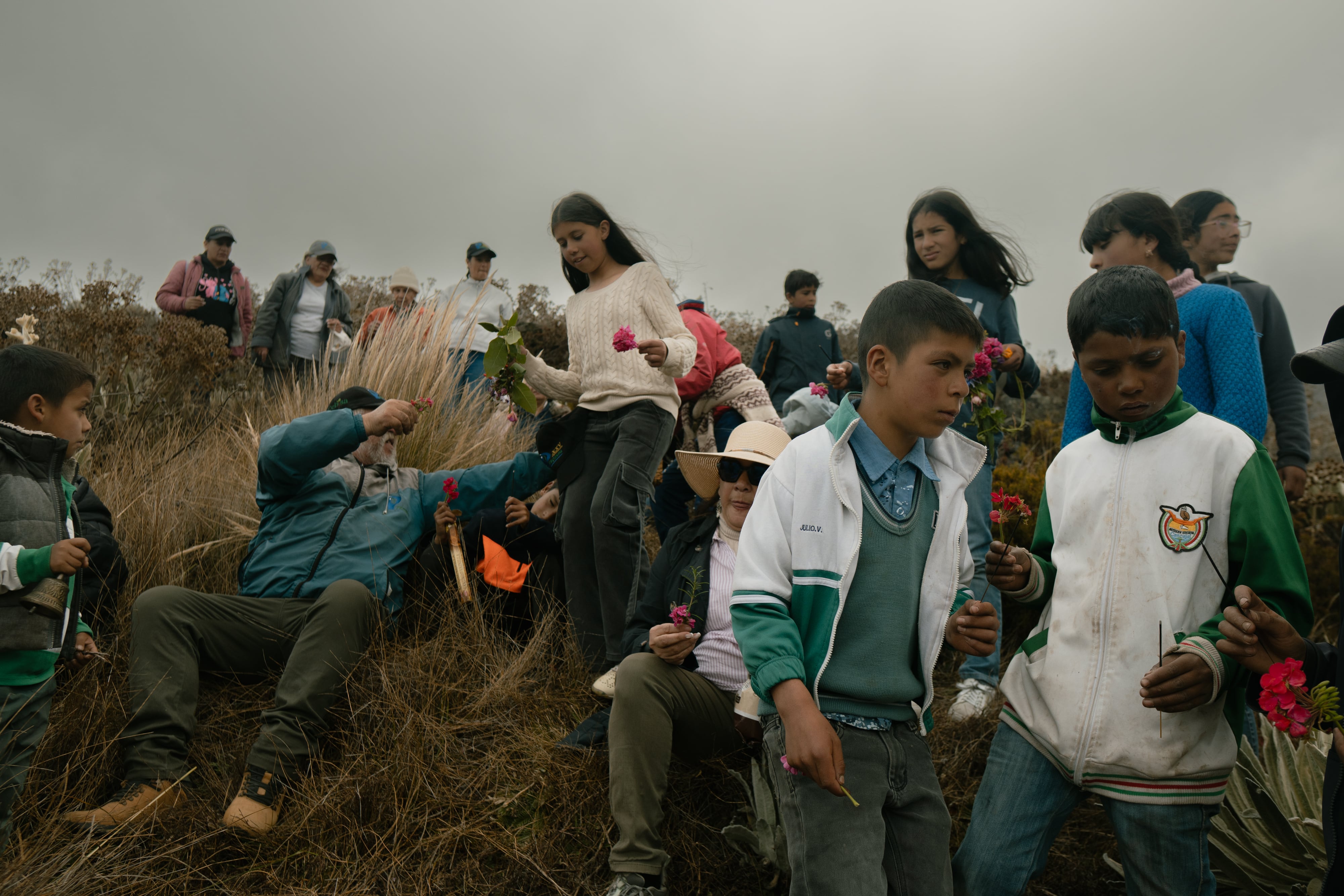
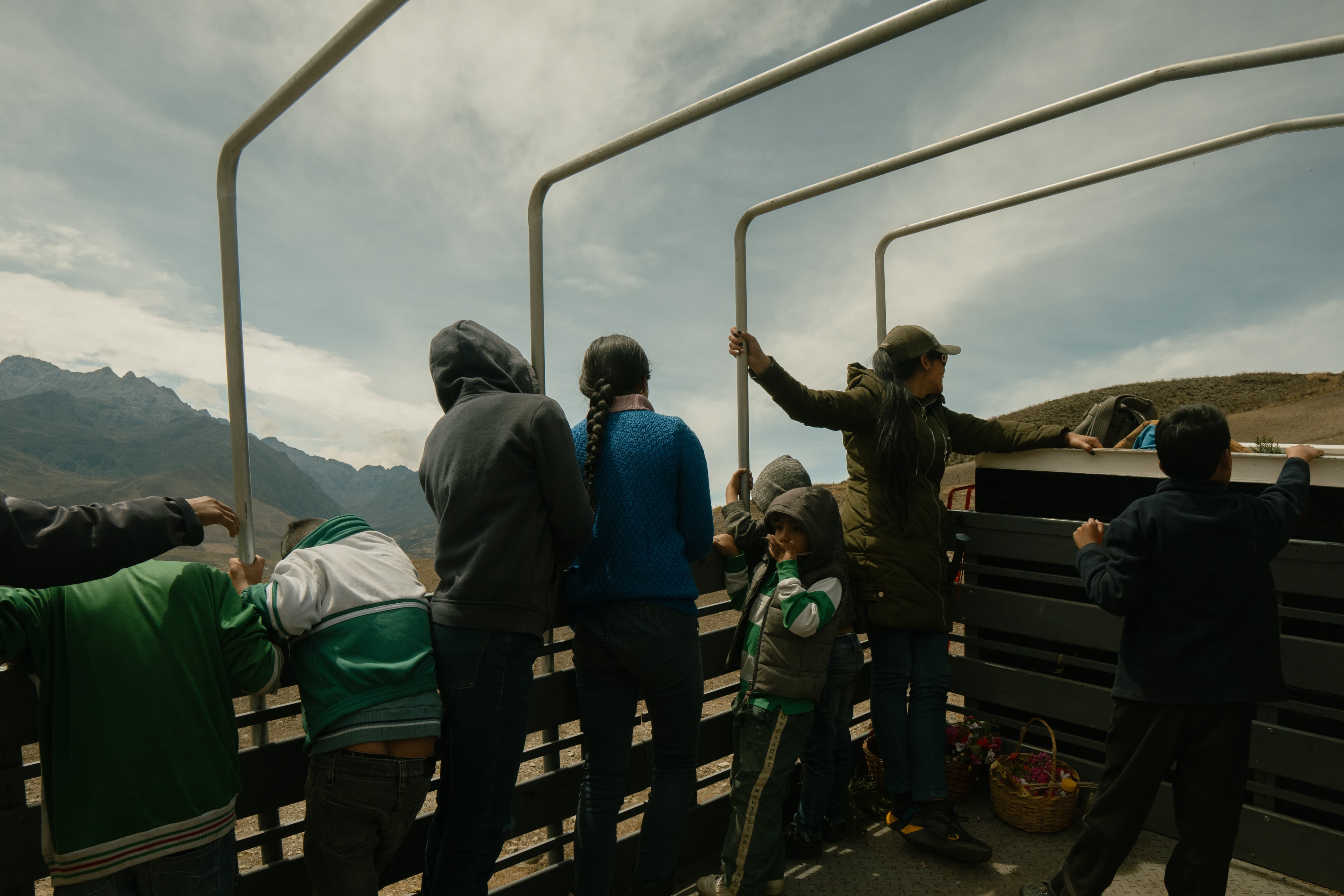
During the ritual on March 28, a group of farmers, parents, and children forms a circle around the spring to begin the “water‑sowing” ceremony. It is an environmental conservation strategy that protects the Andean ecosystem and secures water supply from two fronts: ecological measures and community‑spiritual practices.
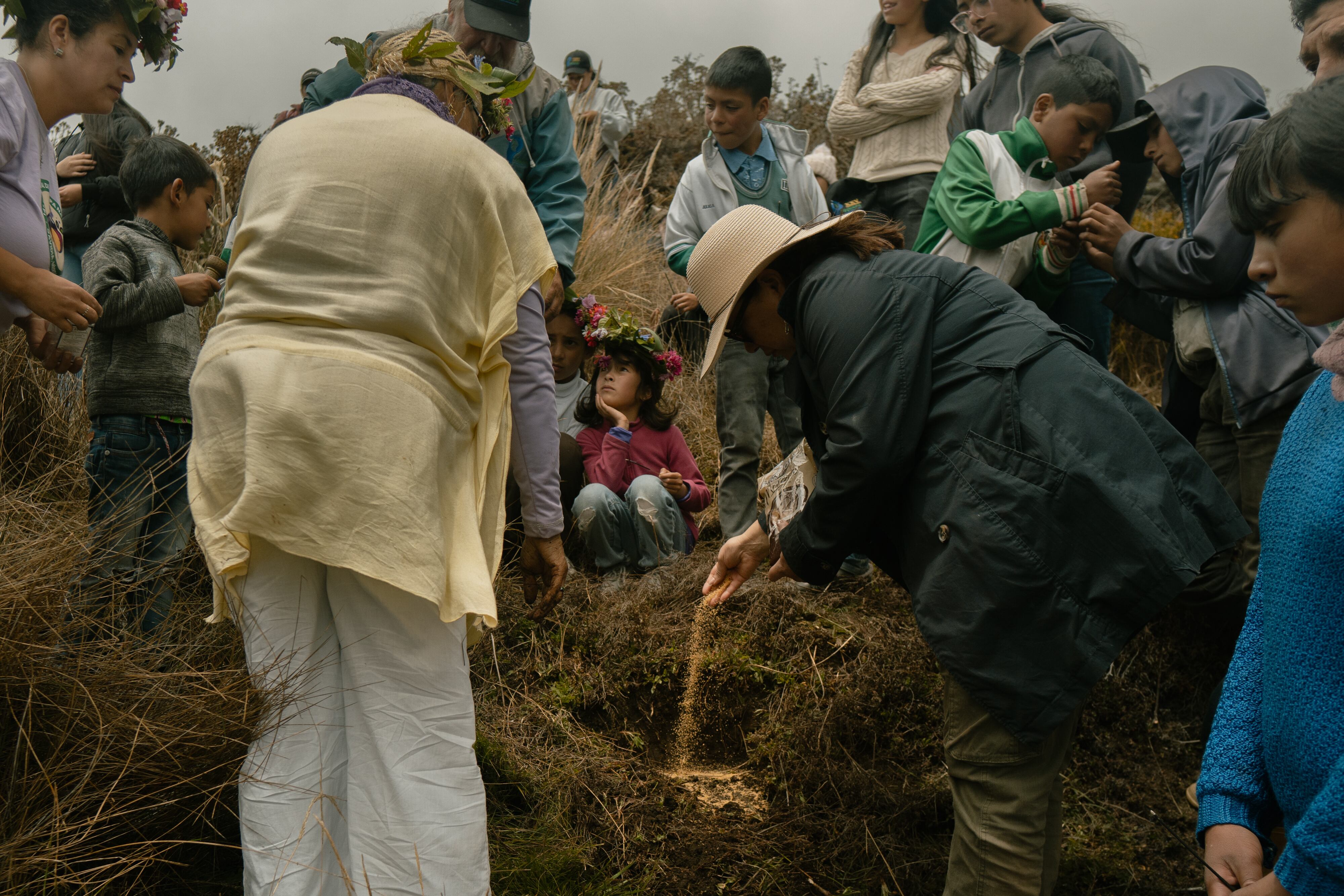
Children, their parents, and several farmers watch as Ligia Parra, the water‑sowing practitioner, sprinkles brown sugar onto the soil during the ceremony, standing beside Caroly Higuera.
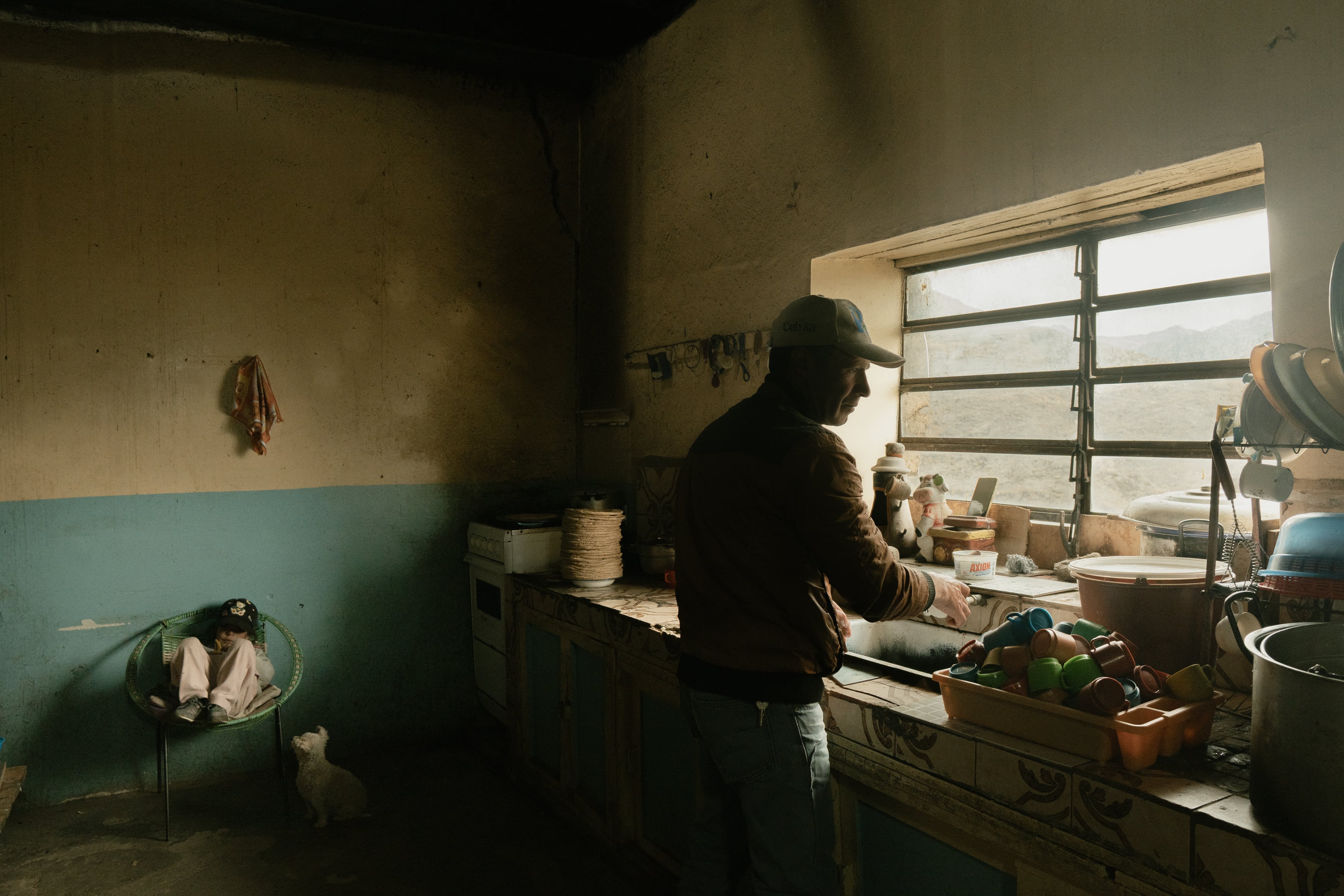
Crops in Venezuela’s páramos, mainly in Mérida and Táchira, are centered on cold‑climate vegetables such as potatoes, carrots, garlic, and strawberries. They are grown at very high altitudes.
Ligia Parra has spent 24 years protecting, tending, and reforesting the wetlands, while also preserving the ancestral knowledge of Venezuela’s Indigenous communities.
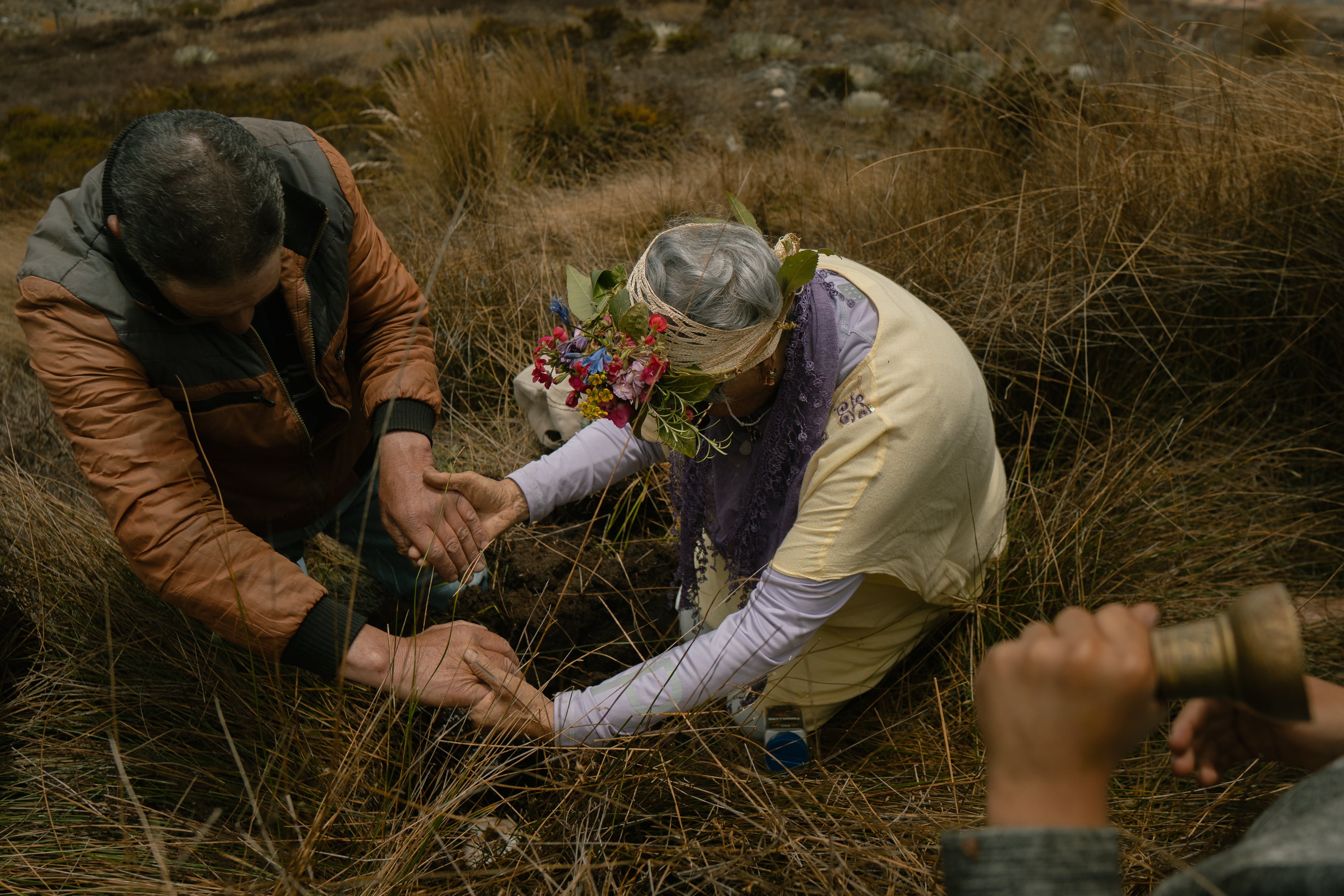
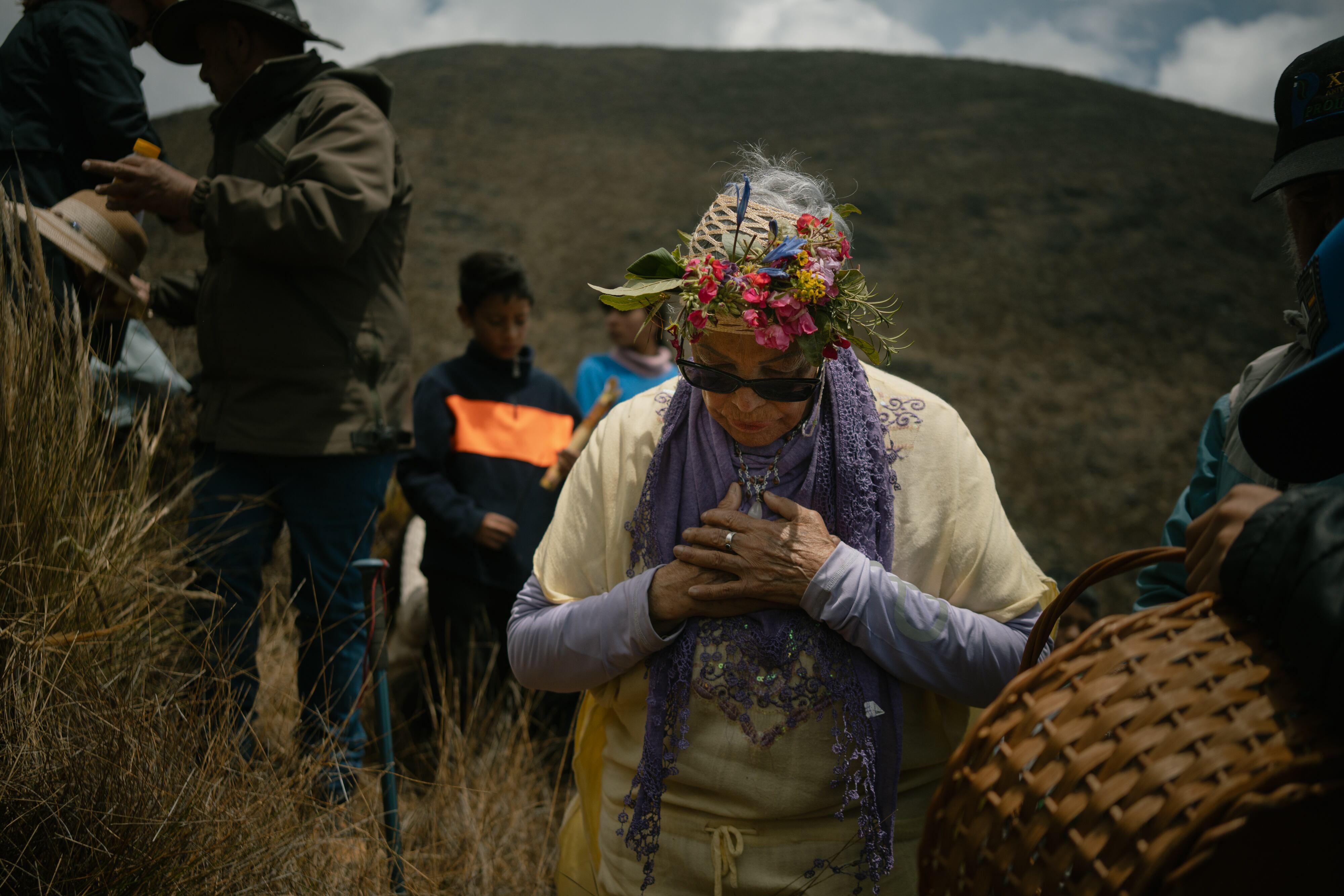
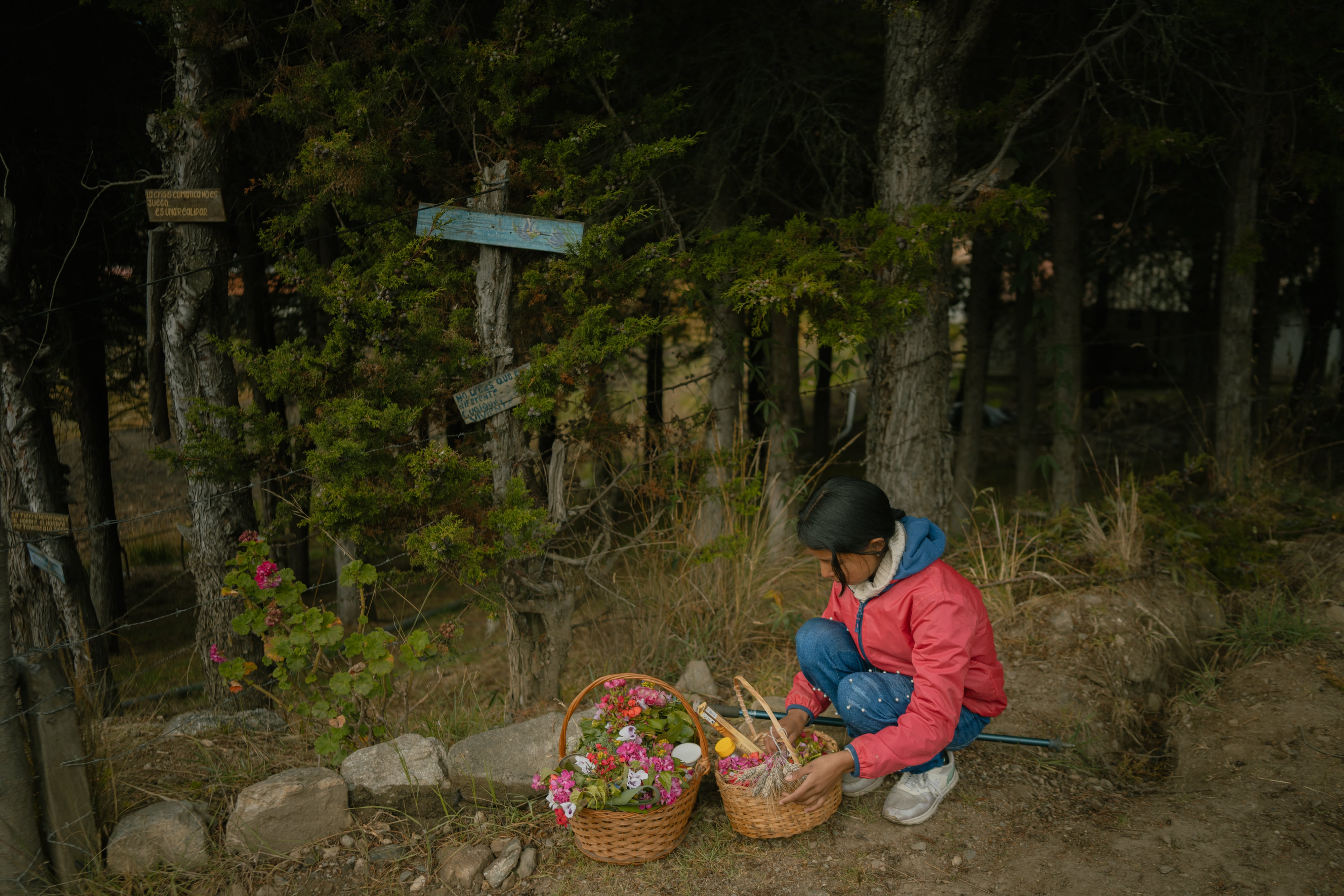
During the ceremony, Parra and the children offer green coconut, sea salt, and flowers to Mother Earth. “Water‑sowing used to be practiced in secret,” she recalls. Andean communities are deeply religious and tend to reject any activity that falls outside Christian norms. “My nonna [grandmother] taught me how to do it. She was of Misintajeo Indigenous origin.”
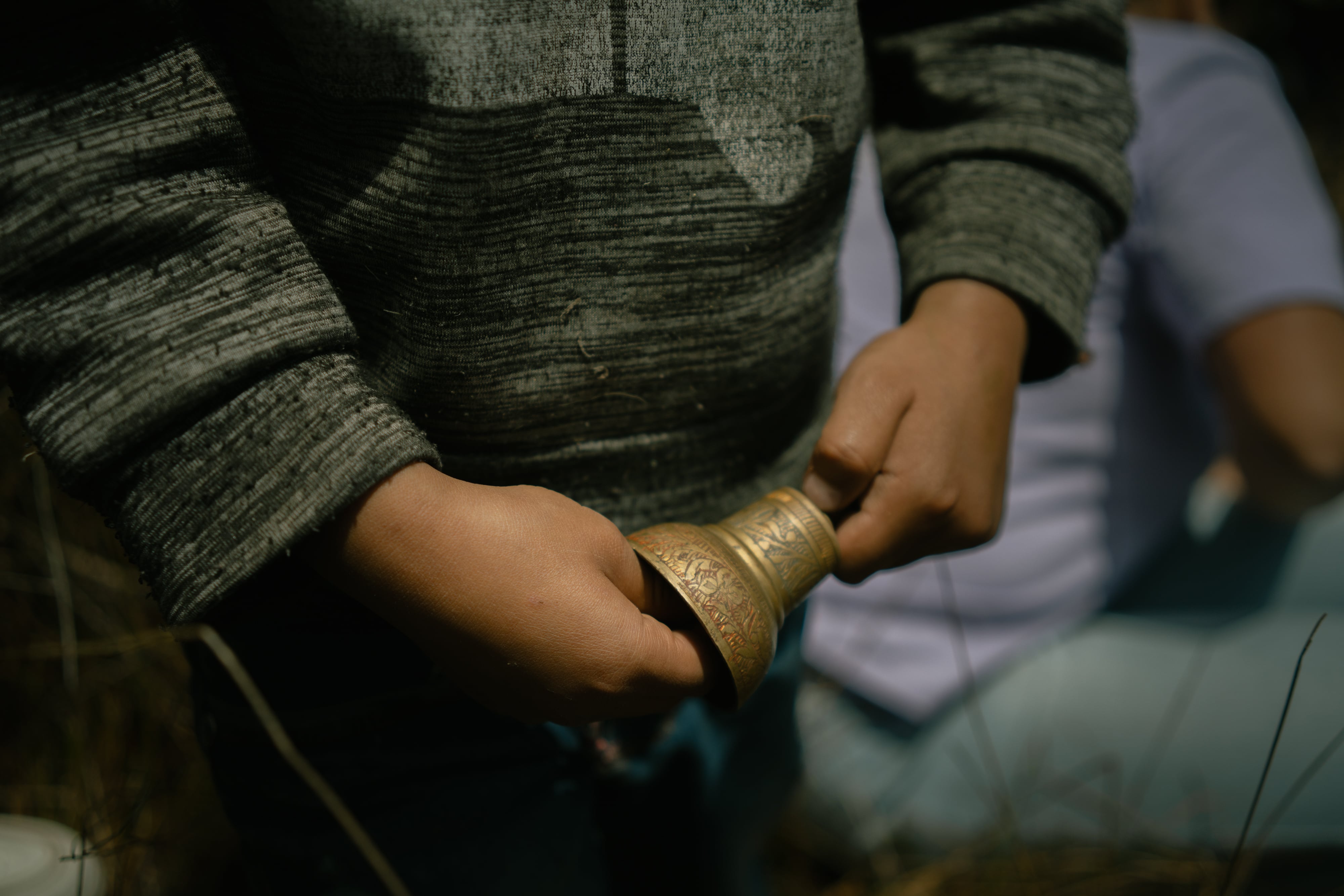
Camilo Peña rings the small bell as part of the ceremony. The high‑páramo region of the Venezuelan Andes was once a site for hunting and for the magical‑mystical rituals practiced by pre‑Hispanic Indigenous communities.
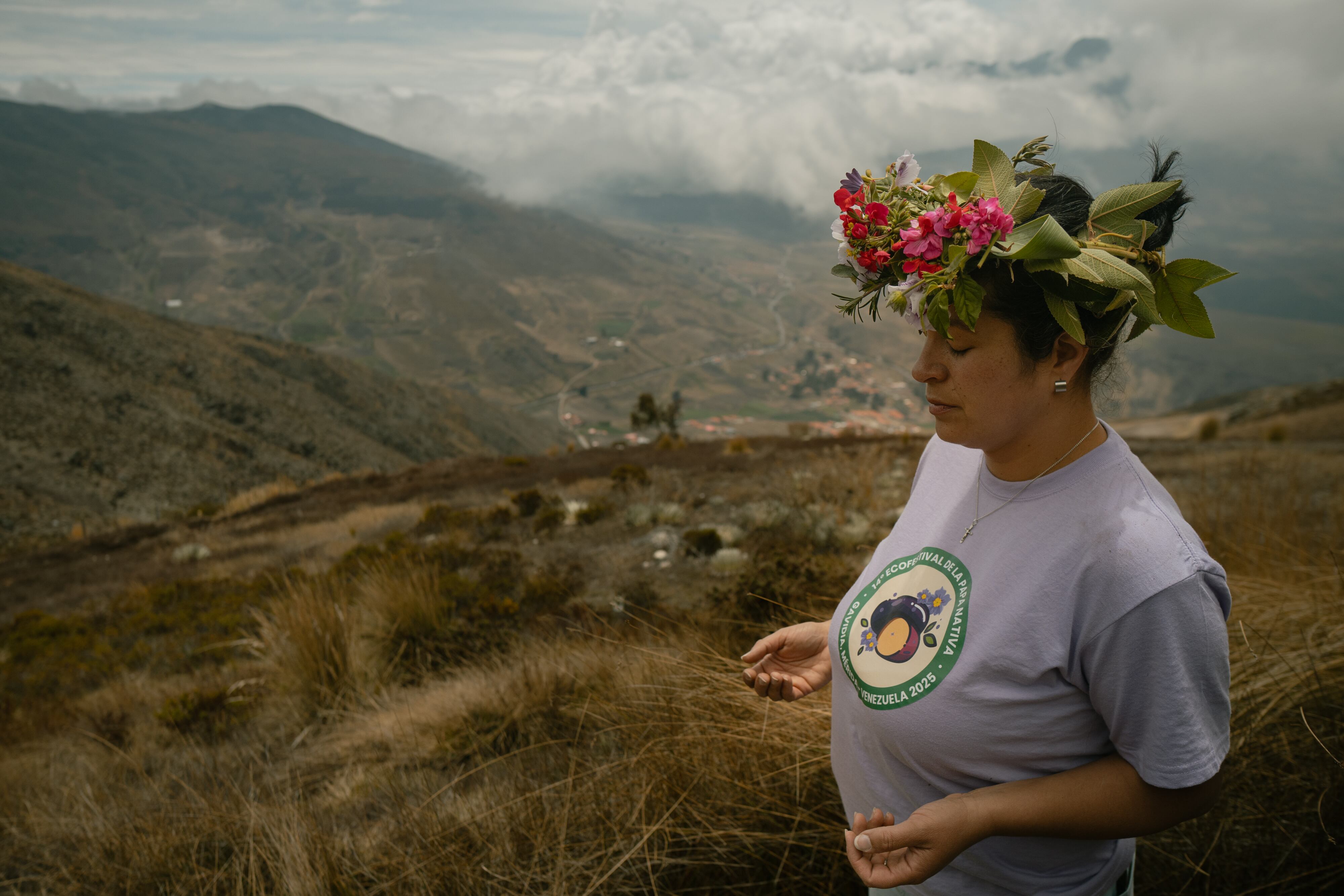
Biologist Raquel Romero closes her eyes during the “water‑sowing” ritual. She also works to protect the micro‑watersheds that supply local communities. She explains that the cattle grazed in the páramo trample the wetlands, compact the soil, and affect the diversity of the plants that capture mist to retain water.
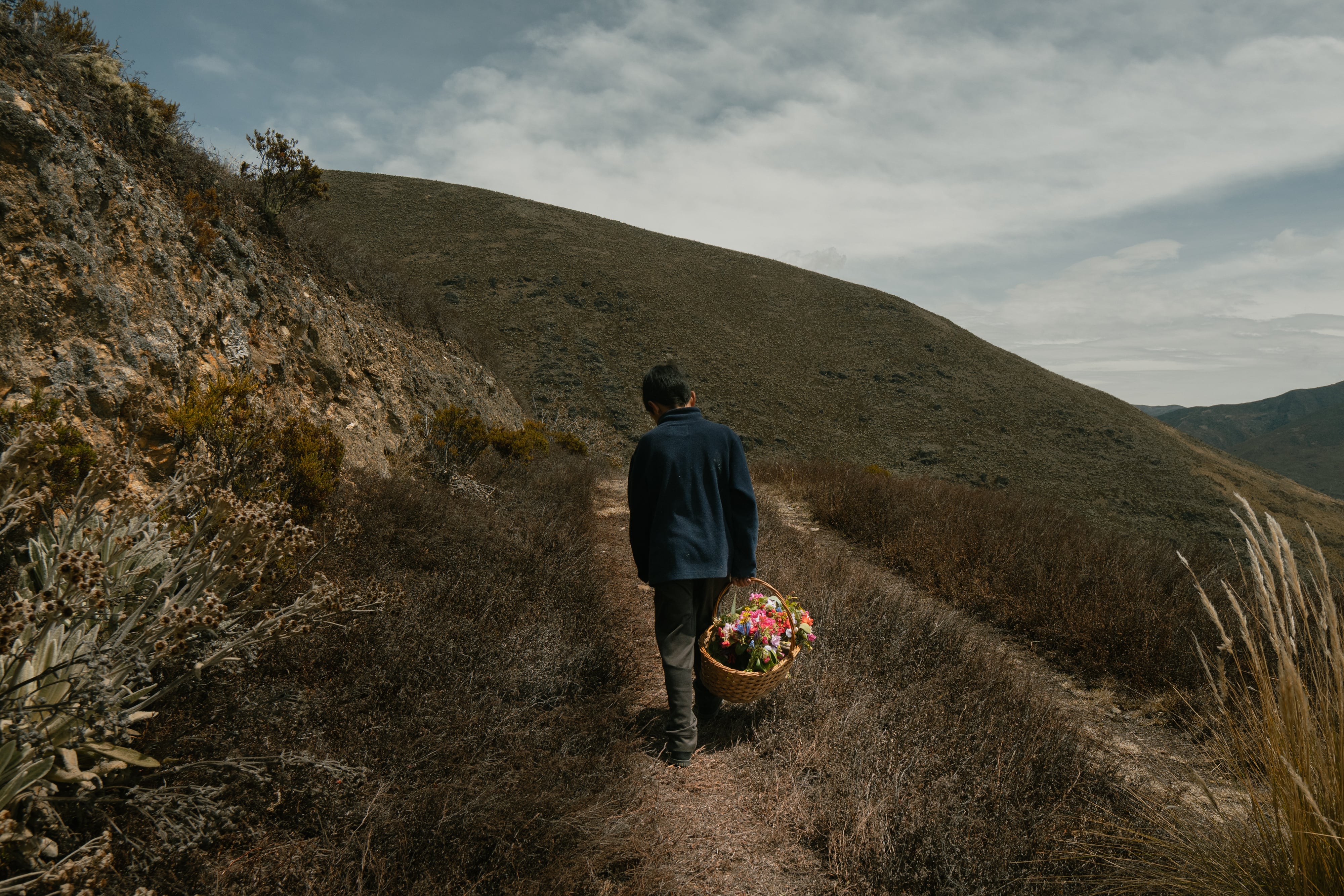
“For us farmers it’s even more important, because if we have soil and seeds but no water, there is no life,” says Néstor Monsalve. In the image, a child carries a basket with the flower wreaths, honey, and sea salt used in the ceremony.

 Login
Login