Reading view

Need a doctor or nurse after hours? How to get virtual or in-person care in Australia – including for free
Guido Mieth/Getty Images

If you or someone you’re caring for has a medical emergency, visit your nearest emergency department or call 000.

But what if it’s not an emergency, or you’re not sure? Sometimes you can’t wait wait until 9am or Monday morning to see a doctor or access health care.

You might have a fever that’s not subsiding, a sprain that could be a break, a painful urinary tract infection, or a distressing situation that demands immediate mental health support.

Here are your options for accessing timely health care, in-person and virtually – including some that are free.

Medicare Urgent Care Clinics

Medicare Urgent Care Clinics provide bulk-billed care by a general practitioner (GP) for non-life-threatening illnesses and injuries.

Patients can walk in without an appointment or referral, and can access other services such as blood tests and X-rays. There are no out-of-pocket costs.

You can find your local clinic here.

Search engines to find a GP appointment – in person or online

Health service search engines such as Healthengine and HotDoc can help you find GPs and book appointments.

You can filter search results by types of services and telehealth availability, including the “GP telehealth on-demand option within 15 minutes” on Hotdoc.

Many will come with out-of-pocket costs.

Home visits

In-person home doctor visits for urgent, episodic illness or injury can also be arranged through options such as 13SICK National Home Doctor Service, DoctorDoctor, Hello Home Doctor Service, Sydmed, 13 CURE and OnCallDrs.

These are often bulk billed.

A call with a nurse or doctor

The new 1800MEDICARE helpline is a free 24/7 service where you can speak to a registered nurse about any health concern.

They will listen to your concerns, assess your symptoms and provide advice on next steps. This might mean looking after yourself at home, getting help from a GP, or attending an Urgent Care Clinic, pharmacy or emergency department.

If the 1800MEDICARE nurse advises you to see a GP within 24 hours, you may be offered a telephone or video call back from a 1800MEDICARE GP. These GPs can provide prescriptions via SMS.

Virtual emergency departments for non-life-threatening emergencies

Virtual emergency departments are free, online emergency departments that treat non-life-threatening emergencies such as pain, sprains, infections, respiratory illnesses, gastroenteritis, high blood pressure, pain, infections, minor burns and rashes.

Examples include:


Read more: What is a virtual emergency department? And when should you ‘visit’ one?


Another similar option is My Emergency Doctor, which offers patients access to specialist emergency doctors via video call or telephone 24 hours a day, seven days a week. However, this service costs $150.

Medicines and pharmacists

Some pharmacies operate on extended business hours, including 24 hours. You can find a pharmacy near you at this link, with the option to filter by “extended hours”.

In some circumstances, pharmacies can issue a small amount of a medicine if you’ve run out.

In some states and territories, pharmacists can provide medicines such as antibiotics for simple urinary tract infections without a prescription.


Read more: It’s now easier to get antibiotics for UTIs. But here’s what to do if your symptoms don’t go away


For people living in remote Australia, the Royal Flying Doctor Service (RFDS) runs a Medical Chests program. Medical chests contain a range of pharmaceutical and non-pharmaceutical items, including prescription-only medicines, which RFDS doctors may prescribe after a phone consultation.

Pregnancy, birth and children

Pregnancy, Birth and Baby is a free national service that provides support to expecting parents, and parents of children from birth to five years of age.

You can speak to maternal and child health nurses via phone, by calling 1800 882 436, or video call about you or your baby, between 7am and midnight, seven days a week.
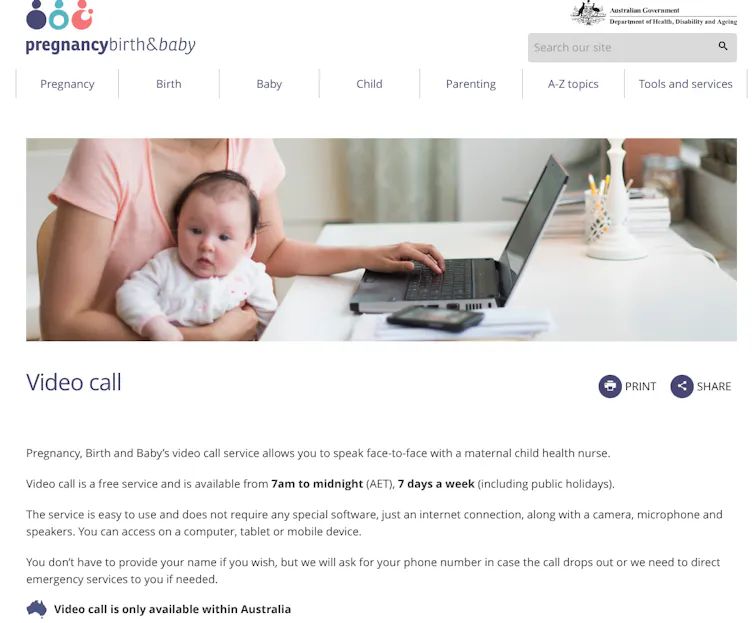
If video call isn’t an option, you can call 1800 882 436. Screenshot from Pregnancy Birth Baby

CubCare is another virtual urgent care option which provides access to paediatric emergency doctors, for a fee.

Dental care

The Australian Dental Foundation runs a free 24/7 Emergency Dental Hotline which can help you work out the urgency of your issue and your next steps.

National Emergency Dentist is a private health service which connects patients to emergency dentists offering same-day and after-hours appointments, for a fee.

Mental health phone support

Mental health support will depend on your individual needs and background. You can access mental health support after hours through these call services (some also have online chats):

Aboriginal and Torres Strait Islander services

  • 13 YARN: 24/7 crisis support phone line operated by and for Aboriginal and Torres Strait Islander Peoples

  • Yarning Safe'N'Strong: 24/7 support available to Aboriginal and Torres Strait Islander people who need to have a yarn with someone about their wellbeing

  • Brother to Brother: 24/7 crisis line providing phone support for Aboriginal men, staffed by Aboriginal men, including Elders.

LGBTQIA+ services

  • QLife: phone and webchat that operates during afternoons and evenings seven days a week to support LGBTQIA+ people.

Communication assistance

The National Translating and Interpreting Service offers support to non-English speaking people for their consultations. This service is typically free, covers 150 languages and can be accessed after-hours. Register here.

The National Relay Service provides assistance to people with hearing or speech difficulties during their medical consultations.

The Conversation

Mahima Kalla received previous funding from the Digital Health Cooperative Research Centre to help build a patient consultation summary application within Healthdirect's video telehealth platform.

Feby Savira Feby received a Priority Primary Care Centre Fellowship (2023-2025) supported by the Western Victoria Primary Health Network and was involved in the evaluation of Priority Primary Care Centres in the Western Victoria region.

Kara Burns receives funding from the Australian General Practice Foundation to research the scaling of digital maternity care in remote general practice. 

Sathana Dushyanthen does not work for, consult, own shares in or receive funding from any company or organisation that would benefit from this article, and has disclosed no relevant affiliations beyond their academic appointment.

  •  

One Nation’s banning of the ABC and abuse of journalists is shameful. It’s time other media took a stand

The day before the Farrer byelection on May 9 in which Pauline Hanson’s One Nation party delivered a seismic shock to the Australian political landscape, her party apparatchiks banned the ABC from attending its election-eve press conference.

Thirteen days later, another party apparatchik told a journalist from Guardian Australia to “shut up” during a press conference in Adelaide about the party’s policy on oil and gas. Hanson was later heard describing the journalist as a “nasty bitch”.

And a week before Farrer, at the byelection in the Victorian state seat of Nepean, the One Nation candidate, Darren Hercus, refused to speak to the ABC because, he said, the ABC was biased.

The response of the media industry and the profession of journalism to these antidemocratic outbursts has been supine: a shameful abrogation of their obligation to defend the freedom of the press.

In Farrer, the other journalists stood by and watched as the ABC reporters were ejected. In the ensuing two weeks, not a single word of condemnation has been uttered publicly by any industry or professional leader as one abusive episode followed another.

Yet across the Pacific we see exactly how this plays out in Trump’s America.

A far-right populist leader attains power and then turns on those elements of the media he does not like, branding them the enemy of the people, undermining public trust in their reporting, and shutting them out from the access they need to do their job.

Hanson is not there yet, but her party’s instincts are clear. The ABC and Guardian Australia have put her and her party under close scrutiny, and this is her party’s response. (Although in fairness it should be added that in terms of the Farrer incident, Hanson herself said the ABC should not have been ejected.)

However, the ABC has been in Hanson’s gunsights for years. As far back as 2017 she made a deal with Malcolm Turnbull’s government: you give me an inquiry into the ABC and I’ll support the changes you want to make to media ownership laws.

It was simply a stunt to divert resources within the ABC and generate negative headlines for the national broadcaster. It led to no change because there was no basis for change.

The proximate cause of her wrath this time was an ABC story revealing a One Nation candidate in the recent South Australian state election was wanted for questioning in the United Kingdom on allegations of sexual touching.

So less than 24 hours before the polls opened in Farrer, Hanson’s chief of staff, James Ashby, ejected two ABC journalists from the party’s press conference, saying contemptuously, “Bye, bye to the ABC”.

As The Age’s media writer later noted, it was straight out of Donald Trump’s playbook.

Yet we have not heard a word of condemnation from the ABC’s editor-in-chief, Hugh Marks, or the broadcaster’s chair, Kim Williams. Nor has there been editorial commentary or an opinion column in any of our major daily newspapers. What about the Media, Entertainment and Arts Alliance? Silence.

To its credit, the ABC TV program Media Watch did not pull its punches. Its presenter, Linton Besser, described One Nation’s attitude to the press, and in particular the ABC, as ugly. Alarm bells should be ringing, he said, because the slurs about “fake news” and “the enemy of the people” might very well be hurled at others too.

Tellingly, he reported the ABC had declined to comment on the Farrer incident.

Otherwise, the nearest any of Australia’s main media outlets came was an article in The Age and Sydney Morning Herald describing the events in Farrer and setting out the background. Useful as a reference, but it did nothing to defend the principle at stake: that in a democracy, the media must be free to cover matters of public interest, and their scope to do so must not be subject to the whims and vagaries of political leaders or parties.

Instead, the media has been consumed by One Nation’s historic victory and the prospect that it will make further gains.

Hanson is presented in an heroic light: the Nine papers quote the London Telegraph referring to Hanson as “Australia’s flame-haired answer to Farage”, a reference to the UK’s far right leader Nigel Farage, who also made historic gains in recent local government elections there.

Less heroically, she is also characterised by these newspapers as “mother duck”.

The Australian tells us “the shake-up is just starting”.

And The Age and SMH capture the mood of the electorate: “Voters tell Canberra: ‘Get stuffed’.”

None of this is to say her party’s result in Farrer, its winning of four seats in South Australia and its continuing high ride in the opinion polls is anything other than a story of immense significance. It deserves all the attention it is getting.

But to ignore her party’s anti-democratic behaviour shows wilful blindness to what is happening in the United States, and suggests a complacency that it can’t happen here.

Ironically, an American journalist, Sinclair Lewis, has a lesson in this for Australia’s media. In 1935 he wrote a novel called “It Can’t Happen Here”, predicting with terrifying accuracy what Trump is doing to the American republic.

On the face of it, the exclusion of the ABC from a party press conference may appear to be a small thing. Moreover, there is a healthy belief in newsrooms that the public are not interested in journalists writing about journalists.

But this is not a story about journalists. It is a story about the functioning of the Australian democracy. It is a story requiring the insight to see a large principle in a small thing, a quality we are entitled to expect in the leaders of the fourth estate.

The Conversation

Denis Muller does not work for, consult, own shares in or receive funding from any company or organisation that would benefit from this article, and has disclosed no relevant affiliations beyond their academic appointment.
  •  

Extreme heat at the World Cup: are FIFA’s safeguards enough?

On a midsummer day in Miami, temperatures can exceed 32°C with high humidity. In a full stadium of 65,000 fans, it can be several degrees hotter, posing a potential health risk to players.

These are the conditions some teams will endure at the 2026 FIFA World Cup in June-July, the hottest months across much of North America.

FIFA has already acknowledged the risk, introducing cooling breaks in each half of all matches for the first time at a World Cup.

But is this enough to protect players in the heat?

It’s not just the high temperatures

When we talk about heat stress in sport, we are not just referring to air temperature.

What matters for the human body is a combination of heat, humidity, solar radiation and airflow – often summarised by the “wet-bulb globe temperature” index, originally developed in the 1950s to curtail heat illness during military training.

Soccer presents a particular challenge under high wet-bulb globe temperature conditions. Elite players routinely cover 10-13 kilometres per match, repeatedly sprinting, decelerating and changing direction.

This produces substantial internal metabolic heat, while opportunities for heat loss are limited by clothing, match structure, restricted access to shade, airflow or other cooling technologies.

If heat production exceeds heat loss, core temperature rises. This places more strain on the cardiovascular system, elevates perceived effort, impacts performance and increases the risk of exertional heat illness, which can include ailments such as muscle cramps and heat exhaustion. At the extreme end, exertional heat stroke, a life-threatening medical emergency can develop.

What the forecasts show for 2026

Analyses of historical weather data across the 16 World Cup host cities indicate heat stress will be common, particularly for afternoon kick-offs in cities such as Dallas, Houston, Miami, Kansas City and Monterrey.

While some venues such as Dallas, Houston and Atlanta have retractable roofs that can modify temperature and airflow, most matches will be played in open-air stadiums, exposing players to heat stress.

Later kick-offs may only offer limited relief, especially in humid environments where sweat evaporation is impaired.

Until recently, most evidence on heat strain in professional soccer came from experimental simulations. Unpublished field-based research from our laboratory at the University of Canberra, measuring core temperature during real professional matches, provides insight into what players experience during competition.

Our data show that during competitive match-play:

  • average peak core temperature often exceeds 39°C, rising progressively before half-time or full-time

  • players’ peak core temperature can exceed 40°C even in conditions that would not traditionally trigger extreme heat policies and in some cases even when cooling breaks are applied.

Importantly, these observations were documented in elite Australian A-League players who are fit and seasonally heat-acclimatised.

Taken together, this shows elite soccer players can reach and sometimes exceed a 40°C core temperature during matches at wet-bulb globe temperatures that are already considered “high risk” for exertional heat illness.


Read more: Curaçao and Cabo Verde are into the World Cup. What impact can these ‘minnow nations’ make?


Are cooling breaks enough?

Cooling breaks are a sensible and evidence-based safeguard and FIFA’s decision to mandate them in every match at the World Cup is a proactive step.

Cooling breaks – particularly when combined with cold fluid ingestion and ice towels – can lessen rises in core temperature, heart rate and perceived effort, especially in male players.

However, two important caveats remain.

First, cooling breaks do not prevent large rises in core temperature – they reduce the rate or magnitude of that rise. Even with breaks, players can still reach very high core temperatures.

Second, emerging evidence indicates cooling breaks affect women differently. Although women athletes generally reach lower absolute core temperatures than men during match-play, standard FIFA-style cooling breaks appear to provide smaller additional reductions in physiological strain.

Women get more benefits when in-play cooling breaks are combined with longer half-time breaks, which include cooling in air-conditioned spaces.

In short, universal cooling breaks may help but are unlikely to be sufficient on their own.

What are other sports doing?

Most heat policies in sport rely solely on environmental measures such as the wet-bulb globe temperature index. While useful, these metrics describe the weather, not the physiological strain experienced by players.

Several sports have begun to anchor heat policies to the predicted rise in core temperature, linking environmental conditions and sport specific characteristics – heat production and clothing – rather than relying on environmental conditions alone.

This approach focuses on the body’s ability to maintain thermal balance through sweating – something administrators may increasingly need to consider as matches are played in hotter and more humid conditions.

World Rugby uses a similar approach, but tailored to the sport’s demands and clothing worn, as does Sport Medicine Australia for a variety of recreational sports.

Timing matters, a lot

One of the most effective heat-mitigation strategies requires no ice, no towels and no new technology: avoid playing at the hottest time of day.

Afternoon kick-offs consistently produce the greatest thermal strain because they combine peak solar radiation with high air temperature. Evening matches reduce – but do not eliminate – risk, particularly in humid cities.

From a player safety perspective, match scheduling may be as important as in-game cooling strategies. Yet broadcast considerations have historically driven afternoon kick-offs at World Cups.

An ongoing problem

Heat stress is already being reported more frequently in domestic soccer leagues, continental tournaments and youth competitions.

Heat policies must keep pace with a warming climate.

Protecting player health will require earlier decisions, stronger mitigation strategies and a willingness to rethink when and how matches are played – not just at World Cups, but at all levels of the sport.

The Conversation

Julien Périard has previously received funding from Professional Footballers Australia (PFA), the International Federation of Professional Footballers (FIFPRO) and the Fédération Internationale de Football Association (FIFA).

Brad Clark has previously received funding from Professional Footballers Australia (PFA), the International Federation of Professional Footballers (FIFPRO) and the Fédération Internationale de Football Association (FIFA).

Harry Brown has previously received funding from Professional Footballers Australia (PFA), the International Federation of Professional Footballers (FIFPRO) and the Fédération Internationale de Football Association (FIFA).

  •  

Kids on social media more than two hours a day at higher risk of mental illness

Sixteen Miles Out/Unsplash

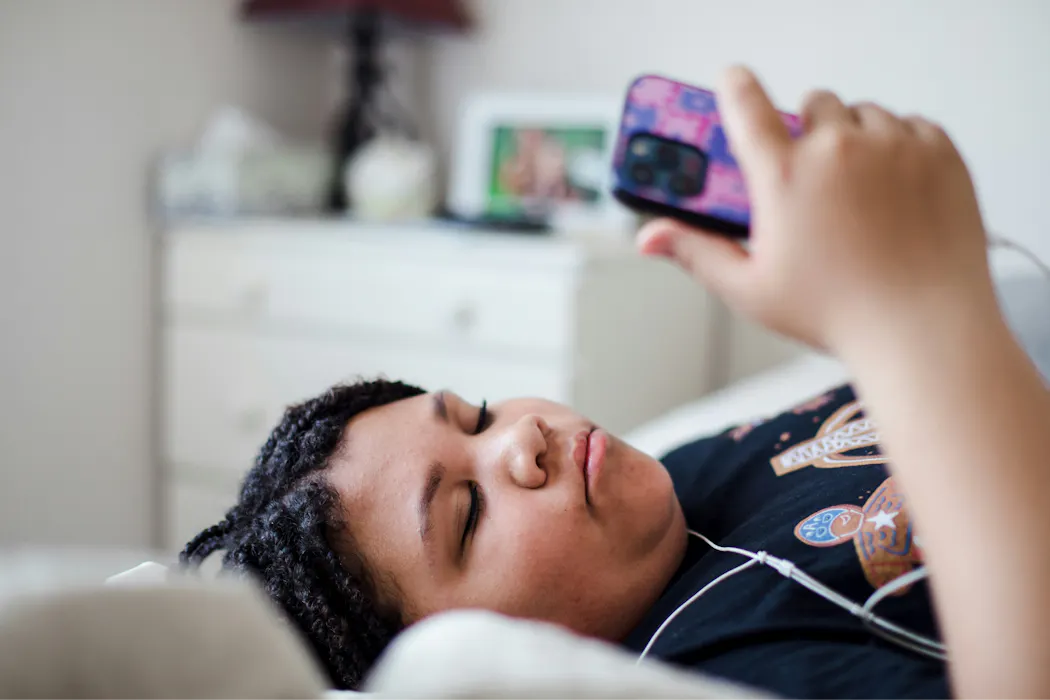
As the United Kingdom and other countries make moves to follow Australia’s lead in restricting access to social media for under 16s, there is still much we don’t know about how the technology impacts young people’s mental health over time.

For example, does using social media for a certain amount of hours each day lead to increased harm? Are younger adolescents more vulnerable than older ones? Is there any difference between boys and girls?

Our new study, published today in the Medical Journal of Australia, provides some important answers to these questions. It found clear risks from heavier social media use on young people’s mental health.

Alongside this, we also undertook a recent poll of Australian parents about efforts to restrict access to social media for young people. The findings suggests the law is changing parents’ views and practices around their children’s social media use.

A debate over age

When Australia restricted access to social media for young people under 16 last December, there was considerable debate about whether 16 was the appropriate age threshold.

There were a number of longitudinal studies that examined associations between adolescent social media use and mental health. But very few had systematically investigated whether risks of social media use differed across age during adolescence.

One large 2022 study from the UK found that increases in adolescents’ social media use over time were associated with lower life satisfaction during specific age periods – 11 to 13 years of age for girls and 14 to 15 years of age for boys. It focused on life satisfaction and did not assess symptoms of mental health.


Digging deeper

Our new study aimed to dig deeper into these trends.

We used data from 1,195 students in Melbourne whom researchers have followed annually from 12 to 18 years of age.

We examined whether their social media use was related to later mental health problems, and statistically accounted for a range of individual and family factors that are known to influence both social media use and mental health. Therefore, we were able to reduce alternative explanations and strengthen confidence in our findings – even though we couldn’t prove causation.

We found that adolescents who spent more than two hours per day on social media had a higher risk of developing mental health problems one year later, compared with those using social media for less than one hour per day. The mental health problems included elevated symptoms of depression and poor wellbeing.

Importantly, the risks of social media use were not evenly experienced across adolescence.

The strongest effects consistently emerged in adolescents aged 12 to 13 for both girls and boys. The estimated risk for symptoms of depression and anxiety, as well as poor wellbeing and self-harm, was roughly twice as large compared with adolescents aged 14 to 16 and those aged 17 to 18.

Overall, the estimated size of effects was modest. But in girls aged 12 to 13, more than two hours of daily social media use was associated with around 11 additional cases of high depressive symptoms per 100 adolescents.

Even small effects can become meaningful at a population level when large numbers of young people are spending more than two hours a day on social media.

Age-based restrictions alone aren’t enough

Our study cannot determine a precise age at which social media becomes “safe”. Nor should a single study inform national legislation on age-based restrictions.

However, combined with other research, our study suggests that younger adolescents are particularly vulnerable to the potential harms of social media, with the strongest effects emerging during early adolescence.

As a result, we expect that Australia’s social media law will have the greatest impact on the mental health of younger adolescents. But further research is needed to confirm this.

However, age-based restrictions alone are unlikely to eliminate all risks associated with adolescent social media use. We found evidence that some risks for mental health problems – namely elevated symptoms of depression – persisted for young people up to 18 years of age.

This highlights the need for continued supports for older adolescents.

This includes holding social media platforms accountable for algorithms and features that promote compulsive engagement and exposure to harmful content. One way to achieve this is through Australia’s proposed digital duty of care reform.

It also involves improving education on digital literacy and safety at schools and supporting parents to help young people develop healthier online habits.


Read more: Australia wants social media to be ‘safe by design’. What does that actually look like?


Changing the norm

We also recently undertook a poll of more than 2,000 parents of 0- to 17-year-olds about the law restricting access to social media in Australia.

The survey found that 59% of parents felt the law supported them to set rules around social media use. Also, 39% of parents reported that the law has changed their view on when children should first have their social media accounts, with 16 years being the most commonly endorsed age (38%).

These findings, which are yet to be published, demonstrate that public health policies can influence what is considered appropriate or expected behaviour.

While evidence on the impacts of Australia’s social media law is still emerging, it has already influenced global discussions on adolescent social media use.

Debates about age-based social media restrictions are now occurring in many countries. And the conversation is increasingly shifting from whether social media affects young people’s mental health to when young people may be most vulnerable and how we as a society should respond.

The Conversation

Nandi Vijayakumar receives funding from the National Health and Medical Research Council and the Australian Research Council.

Susan M. Sawyer receives funding from the National Health and Medical Research Council. She is a member of the Australian eSafety Commission's Academic Advisory Committee that is advising on the evaluation of Australia's Social Media Minimum Age Act.

Sylvia C. Lin does not work for, consult, own shares in or receive funding from any company or organisation that would benefit from this article, and has disclosed no relevant affiliations beyond their academic appointment.

  •  

Australia now has access to Anthropic’s Claude Mythos. It may improve cyber safety – but not for everyone

Google DeepMind

Artificial intelligence (AI) giant Anthropic has expanded access to a highly advanced model deemed too dangerous for public release, including Australia in the select handful of users.

The large language model, known as Claude Mythos, is now being rolled out to an additional 150 organisations across 15 countries, including the Australian government and several local businesses, as part of Project Glasswing.

In an era where large-scale AI launches are happening on a day-by-day basis, this limited, gradual release may seem particularly surprising. But Mythos is not like most other AI systems. Instead it’s an automated tool for assessing software to find critical bugs and vulnerabilities.

This managed release is deliberate, as the discovery of vulnerabilities in computer systems is useful for those who want to defend them and those who want to hack them.

However, the real nature of the impact of AI systems on cybersecurity is significantly more complex.

Finding hundreds of severe vulnerabilities

Under initial testing, Mythos has been able to identify multiple new high-risk vulnerabilities. Left unfixed, such flaws allow attackers to easily steal data or induce system crashes.

While these reports are promising, the raw data needs context. Of the 23,000 vulnerabilities flagged by Mythos, only 6,200 were estimated as high-risk by Mythos. However AI isn’t perfect, as human experts could only validate two in every three of these vulnerabilities as high-risk. Even still, the nature and severity of identified vulnerabilities has led developers to say that with Mythos “defenders finally have a chance to win, decisively”.

And winning this battle is extremely valuable.

Over the last few years, Australians have repeatedly been the victims of costly cybersecurity incidents, including Optus, Medibank Private, the Melbourne International Film Festival, and Canvas.

This barrage of attacks likely explain why the Australian Signals Directorate welcomed Australia’s inclusion in Anthropic’s Project Glasswing. While this AI-driven security offers huge potential benefits, the government so far has been tight-lipped on the specifics of how Mythos will actually be used.

Dangerous in the wrong hands

While discovering vulnerabilities is useful, defenders need to be able to respond to them. This is problematic when tools like Mythos produce large numbers of false reports, which have the potential to overwhelm unprepared cybersecurity teams.

More concerningly, while access to Mythos is currently tightly controlled, it will not be long until similar tools are available to help support hackers.

And it’s not just the vulnerabilities that AI can discover that pose risks.

AI systems more broadly are incredibly vulnerable to being tricked or exploited, with highly damaging consequences.

Just this week, hackers used Meta’s AI powered chatbot to gain access to high-profile Instagram accounts, including Barack Obama’s. They did so by tricking AI chatbots into changing account details. And, even after Instagram announced it fixed the issue, within hours there were reports of further accounts being compromised.

A similar attack known as Echoleak last year revealed how tying Microsoft Copilot to email accounts could introduce significant risks. This was made possible by sending emails to accounts monitored by Copilot’s AI. These emails tricked the AI into leaking large amounts of private and confidential information, without the email ever needing to be opened by a human. No longer do we live in a world where hackers need to convince users to click a malicious link, if they can instead convince the AI that reads emails to act dangerously.

Both Echoleak and the Instagram hacks underscore the risks we face as more and more organisations tie their critical functions to AI systems that are difficult to audit, and easy to exploit – even by just being persuasive.

A new balance point

All of this suggests the current cybersecurity landscape might be shifting to a new balance point, where defenders and hackers race to develop and exploit powerful AI tools.

Tools like Mythos aren’t a silver bullet. While they provide defenders with an additional set of eyes on where to look, it still will require expertise to work out what is real, and what isn’t.

But the advent of the AI era has already fundamentally changed the risks associated with poor cybersecurity practices. Every day a user or service provider delays a software update on one of their devices is a day where a vulnerability can be exploited.

For cybersecurity teams, ensuring compliance is already a difficult enough process that will only get worse when the speed of vulnerability discovery increases.

While they are high value targets for hackers, large organisations will likely remain safe, as they will have the resources to access and deploy tools like Mythos. But smaller, less resourced companies will likely not have the capacity to access these tools – or to react to the upcoming tsunami of cybersecurity updates.

And if they fall behind on these updates, these smaller companies will likely find themselves at far more risk than they ever have been before.

The cybersecurity divide between those with and without resources will only grow. Bridging this gap is not just an IT challenge – it’s a public safety concern that will affect us all.

The Conversation

Andrew Cullen does not work for, consult, own shares in or receive funding from any company or organisation that would benefit from this article, and has disclosed no relevant affiliations beyond their academic appointment.

  •  

What ‘biodegradable’ packaging really means – and 3 key questions to ask about it

John Cameron / Unsplash

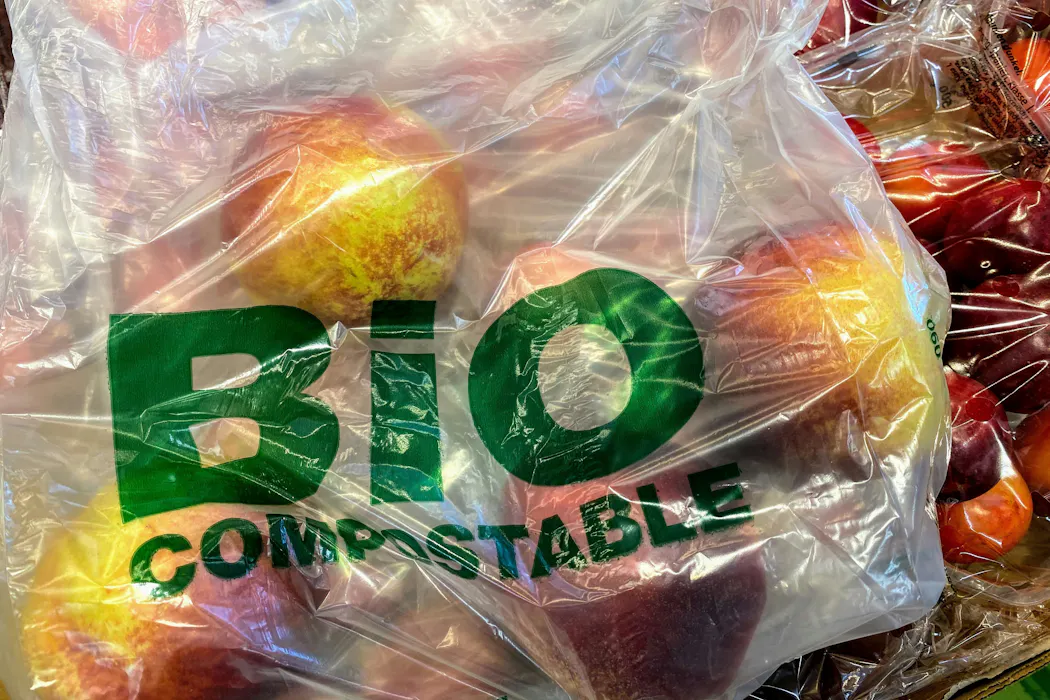
“Biodegradable” has become one of the most reassuring words in modern packaging. It appears on coffee cups, shopping bags and food containers, implying a promise: this product is better for the environment because nature will eventually take care of it.

However, biodegradability is not a simple yes-or-no property. It exists in shades, which we can measure.

Biodegradation is a complex process. Microbes and molecules present in an environment such as soil attack a material and digest it, much like what happens to food in our gut.

A material is typically defined as biodegradable if it is digested “well” by the environment in which it is placed. The more mass the material loses during digestion, and the more carbon dioxide it produces, the more biodegradable it is.

Different environments digest materials in different ways. Temperature, sunlight, oxygen, moisture and microbial diversity all influence how quickly materials degrade.

Even the most rigorous testing cannot fully capture the complexity of the real world – but it can help guide our choices.

Biodegradability is relative

In the lab we can simulate environments such as landfill, home compost bins and industrial compost facilities. If we understand in which settings a material breaks down better, we can tell the consumer how to best dispose of it and prevent pollution and other issues.

A material that decomposes quickly in an industrial composting facility may persist for years in the ocean or landfill.

Industrial composting systems maintain elevated temperatures, controlled aeration and consistent moisture. Hot, moist and oxygen-rich conditions generally aid biodegradation but they are not easy to come by in a backyard compost bin.

Home compost systems are typically cooler and more variable. The result: a material certified for industrial composting may not break down effectively at home.

Take polylactic acid (PLA), a biodegradable material generally considered to be a greener alternative to common plastics (like PET). PLA can biodegrade effectively in an industrial composting system. With temperatures above 60°C and controlled moisture, oxygen and microbial activity, microbes can convert PLA into carbon dioxide, water and biomass in just a few days.

Outside these conditions, the story changes. If PLA ends up in landfill, decomposition can be slow because oxygen is limited. In rivers or marine environments, it may persist for years and act as a raft for “alien” species. In your compost bin or worm farm it might disappear in a few months.

Time for standards

There are many ways to measure biodegradability. One common series of tests, OECD 301 assesses “ready biodegradability” in different environments as a material’s ability to biodegrade around 60% within 28 days under controlled conditions.

Industrially compostable materials are tested under very specific conditions. Standards such as EN 13432, used in Europe, assess whether packaging can successfully break down in industrial composting facilities.

To meet the standard, at least 90% of the material must biodegrade into carbon dioxide, water and biomass within six months. These tests typically involve elevated temperatures, controlled aeration, and moisture.

Most biodegradable plastic materials do not disappear cleanly. Instead, they fragment into progressively smaller particles before fully breaking down. During this period, the fragments will continue interacting with organisms and ecosystems.

Compost bins too can get indigestion

Biodegradability standards are helpful for consumers and waste regulators. Nevertheless, they are limited. They often do not test how much of any given material a specific disposal system can sustain at any one time.

This is an important parameter to take into account. Take food waste. When large quantities of food lie in landfill without oxygen, they generate methane, a greenhouse gas far more potent than carbon dioxide over short timescales.

Other biodegradable materials are no different and can throw out the balance of an ecosystem such as your compost bin, if added in excessive quantities.

Introducing certain materials to a compost bin might also cause certain microbes to thrive and others to suffer, sometimes with unintended consequences, such as making your compost bin smell bad.

In the future, biodegradability tests will likely be paired with ecotoxicity assessments, to help us understand whether a material breaks down safely and without generating harmful byproducts or microbial imbalances.

What can we do?

Few of us have an industrial composting facility nearby to take care of biodegradable materials. Industrially compostable products such as coffee cups often end up sent to landfill alongside conventional waste.

This does not mean individuals are powerless or that biodegradable materials are inherently bad.

You can start by checking local council guidance and choosing products certified for the systems available in your area, or your compost bin.

Ask yourself:

  • is this product home compostable or only industrially compostable?

  • is there infrastructure locally that can process it?

  • has it been independently certified?

As for industrially compostable coffee cups, check that you can return cups to participating cafes. They should not be placed in standard recycling bins or food and organics bins as they are considered contaminants. If unsure, place them in a bin destined for landfill.

Ultimately, the most sustainable option remains a reusable washable cup.

These may seem like small actions but they help push packaging design and waste systems toward greater transparency and accountability.

Moving beyond simple labels

As consumers, we want to make educated choices about their purchases and how they can be disposed of.

For now, we have simple labels. In the future, we will hopefully have more complete information about how materials degrade in industrial composting facilities, home compost bins, soil, freshwater, sea water and landfill sites.

Biodegradable materials offer clear advantages over highly persistent materials, but the term “biodegradable” should not be mistaken for environmentally harmless.

Let’s just remember that a biodegradable material released in the wrong place, at the wrong scale, or under the wrong conditions may behave not very differently from a non-biodegradable material.

Understanding the shades of biodegradability moves the conversation beyond simplistic labels. Nature can break many things down, eventually. The more important question is whether it can do so without getting indigestion.

The Conversation

Alessandra Sutti has received research funding from the Australian Research Council, the Marine Bioproducts Cooperative Research Centre, the Innovative Manufacturing Cooperative Research Centre and by companies participating in associated projects such as the ARC Research Hub for Functional and Sustainable Fibres and the ARC Training Centre in Sustainable Material and Responsible Technologies for Packaging (SMaRT-Pack), as well as from industry partners associated with these grants, such as HeiQ Pty Ltd, Xefco Pty Ltd, C. Sea Solutions Pty Ltd (trading as ULUU) and Simba Global Pty/Ltd. Alessandra is a paid member of the HeiQ Innovation Advisory Board, is a member of the American Chemical Society and serves as a volunteer member on Standards Australia ME-009 Committee (Microplastics). She collaborates closely with The GLOBE Program (through GLOBE Italy), The University of California Berkeley and San Francisco State University, co-developing microplastics monitoring protocols and is involved in environmental education programmes.

Martin Zaki does not work for, consult, own shares in or receive funding from any company or organisation that would benefit from this article, and has disclosed no relevant affiliations beyond their academic appointment.

  •  

Babies with older siblings have a higher infection risk, but are less protected through vaccination

Getty Images

Parents know how easily coughs, colds and other infections can move through a household after a child picks up a bug at childcare or school.

This puts babies with older siblings at greater risk of serious infectious illness, especially while their immune systems are still developing during the critical first months of life. Maternal vaccination during pregnancy helps boost babies’ protection.

But my new research shows a worrying mismatch: vaccination uptake falls during later pregnancies, leaving babies who would benefit most from maternal immunisation less likely to receive that protection.

In Aotearoa New Zealand, vaccination against pertussis, also known as whooping cough, and influenza is publicly funded and recommended during every pregnancy.

These vaccines do not only protect the mother. The maternal antibodies are also transferred to the baby and help protect them.

Previous studies confirm that maternal immunisation substantially reduces babies’ risk of infection and hospitalisation from pertussis and influenza, but my research shows a birth-order pattern of reduced protection.

Immunisation falls with each pregnancy

Vaccination uptake during pregnancy remains far from universal.

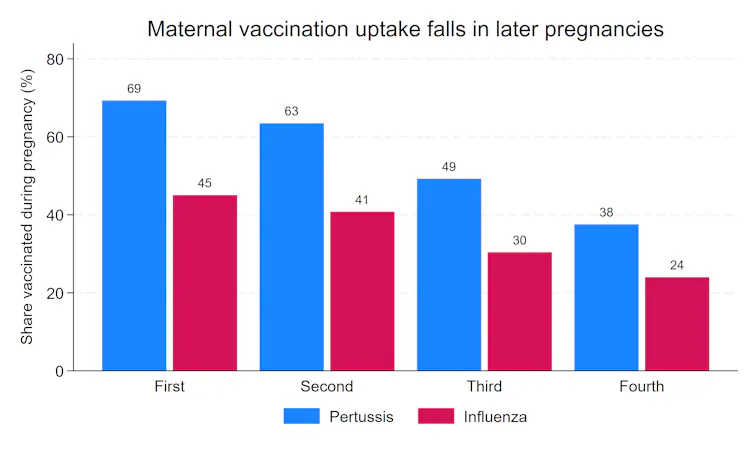
Analysis of current Aotearoa Immunisation Register data for births in the year to June 2025 shows 61% of mothers received a pertussis vaccine and 40% received an influenza vaccine during pregnancy.

But these overall figures hide a clear birth-order pattern. Among first pregnancies, uptake was 69% for pertussis and 45% for influenza. In second pregnancies, this decreased to 63% and 41% respectively. By the fourth pregnancy, these figures had fallen to 38% and 24%.

Share of mothers receiving pertussis or influenza vaccination during pregnancy, by birth order. Data cover pregnancies resulting in births in New Zealand from July 2024 to June 2025. CC BY

These recent figures show the birth-order pattern for one year of births. In my research, I examined a longer period, covering births from 2015 to 2023, which allowed me to compare vaccine uptake for the same mother across different pregnancies.

Part of the overall pattern reflects differences between families. Mothers who have more children tend to have lower vaccination uptake overall.

But the pattern also appears within families. The same mother is less likely to be vaccinated in later pregnancies than in earlier ones.

This finding fits with a growing body of evidence showing parents’ health-related decisions can vary with a child’s birth order. Previous studies have found later-born children are breastfed at lower rates and are less likely to attend health checks and receive childhood immunisations. These differences can also begin before birth, with lower use of prenatal care in later pregnancies.

A double disadvantage for later-born babies

While later-born babies receive less protection through vaccination, they may also face a greater risk of infection.

The family environment plays a role in the spread of infectious diseases. Older children can bring infections home, exposing younger siblings. Studies in other countries have found later-born children have higher rates of hospitalisation for respiratory conditions and receive more prescriptions for contagious diseases early in life.

My study shows this pattern also holds in New Zealand for two diseases targeted by maternal immunisation: pertussis and influenza. Later-born babies were more likely to be hospitalised for these diseases than their earlier-born siblings.

This is concerning from a public health perspective. Babies with older siblings face a greater risk of infection, while their mothers are less likely to receive recommended vaccinations during pregnancy.

How health services can respond

There are several possible reasons maternal immunisation and other parental behaviours vary by birth order.

As families grow, parents have to divide their time, attention and other resources among more children. This may influence the care and support available during later pregnancies and early childhood.

Parents may also learn and adapt as they become more experienced, changing how they approach pregnancy and infant care.

These explanations also point to possible solutions. Evidence from New Zealand suggests gaps in awareness, time constraints and difficulty accessing services can contribute to missed maternal immunisation. These barriers may be exacerbated in later pregnancies, when parents are already caring for older children.

Policy and service efforts that provide clearer information and make vaccination easier to access could therefore be particularly effective if they include a focus on later pregnancies.

New Zealand has already been moving in this direction by expanding the settings where immunisation can be delivered, including pharmacies and community midwives. There is evidence that making maternal pertussis vaccination available through pharmacies increased uptake, particularly for Māori women.

If these changes make vaccination easier to access for busy families, they could help protect babies who currently face the double disadvantage of higher infection risk and lower maternal immunisation uptake.

The Conversation

This research was supported by the Health Research Council of New Zealand. These results are not official statistics. They have been created for research purposes from the Integrated Data Infrastructure which is managed by Stats NZ. For more information please visit https://www.stats.govt.nz/integrated-data/.

  •  

Feral horse numbers in Australia’s alps are on the rise again. It’s time to act

Theo Clark/Getty

Last year, we noted early signs of recovery in Australia’s high country, following the reduction of feral horse numbers.

These had dropped from 17,000 in 2023 to around 3,000 in 2024 across Kosciuszko National Park, thanks to the management efforts of NSW National Parks staff and contractors.

But horse numbers are already bouncing back. The latest survey data estimate between 6,476 and 16,411 horses now roam the national park.

So, what happened?

A mild summer

The answer is simple. If feral horse eradication is impossible — or politically and legally off the table — then continuous management of horse numbers is essential.

With no aerial culling within the national park in 2025, two factors likely contributed to this rapid rebound.

First, horses move. Control efforts have largely focused on remote parts of Kosciuszko National Park, away from people, trails and roads. Once resident herds in these areas have been culled, horses from surrounding regions – particularly adjacent state forests – likely moved in.

Second, horses breed. After a mild summer with significant rainfall across the high country, most mares will have bred. During Autumn fieldwork, we observed large numbers of foals accompanying herds throughout the region.

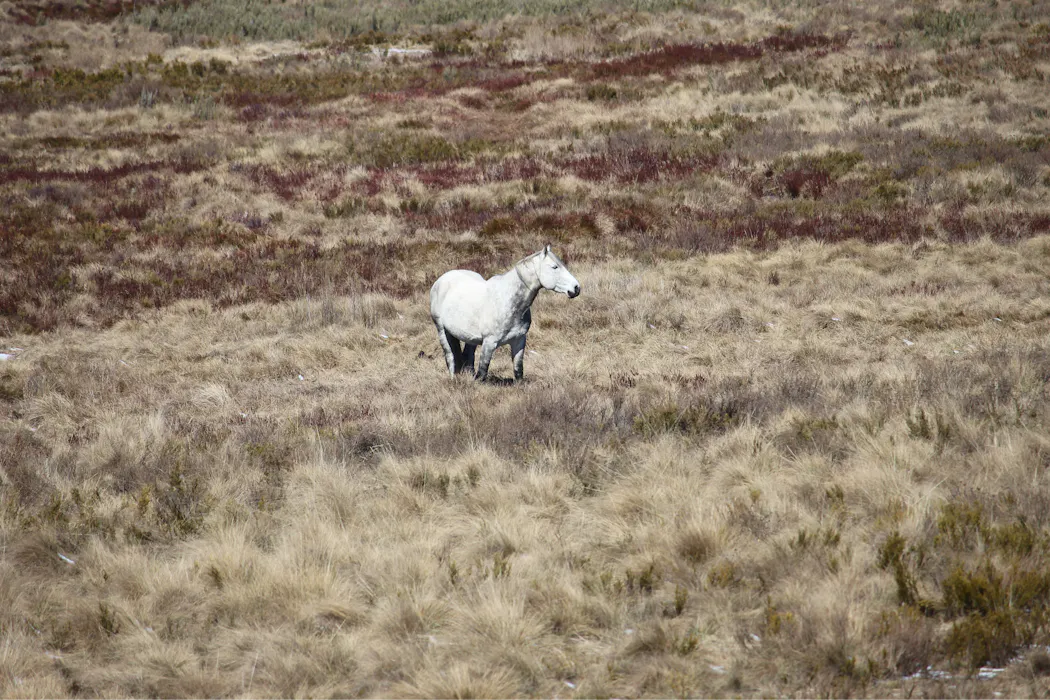
A herd of feral horses in an alpine meadow.
If feral horse numbers aren’t rapidly reduced again, things will get worse for the alpine environment and the horses themselves. crbellette/Getty

A numbers game

If numbers aren’t rapidly reduced again, things will only get worse, both for the fragile alpine environment and the horses themselves. With winter conditions imminent, many horses will struggle to maintain condition as snow covers grazing areas and energy reserves are depleted.

Ironically, some of the strongest opposition to culling overlooks these very real animal welfare consequences. Leaving horse populations unmanaged may ultimately result in prolonged suffering from starvation and exposure, compared with humane control conducted by trained professionals.

Forecast El Niño conditions may further compound these pressures, with drought likely to persist through spring and summer. As water and food become scarce, horses will likely concentrate around creeks, wetlands, alpine bogs, fens and meadows. These are precisely the alpine ecosystems most vulnerable to trampling, grazing and erosion.

And this is where hard-fought gains will be rapidly lost. Banks will become eroded, clear waters fouled and our fabled high plains replaced by overgrazed paddocks.

A long-term effort

We don’t need to look far to see what happens when a population of feral animals goes unchecked. Great Keppel Island, for example, is overrun with a thousand or more feral goats, denuding dune and forcing increasingly exasperated locals to erect fences around their properties

As with horses in Kosciuszko, political hesitancy and delayed action on Great Keppel have allowed ecological damage to escalate while management becomes increasingly difficult and expensive.

New South Wales Environment Minister, Penny Sharpe, recently said the latest Kosciuszko feral horse numbers confirmed the need for “continued management”, required to meet the target of reducing feral horse numbers to 3,000 by mid-2027.

But where did that target come from? It’s a holdover from the repealed Kosciuszko Wild Horse Heritage Act and, when even basic population growth models are applied, the implications become clear. Maintaining a population of 3,000 horses would still require the removal of well over 1,000 animals every two years — indefinitely.

In other words, there is no “set and forget” solution. If horse populations are to remain capped, ongoing culling will be necessary in perpetuity.

Alternative solutions?

Some have suggested that instead of culling, rehoming and fertility control should be used. While many Australians might like the idea of a “brumby” or two grazing in the back paddock, the number of landholders willing and able to care for these animals is far smaller.

Even retired racehorses struggle to find suitable long-term homes once their racing careers end, highlighting the practical limitations of large-scale rehoming programs.

Likewise, although various fertility control options have been suggested, vaccines, intra-uterine devices or surgical sterilisation are all invasive procedures for which horses need to be caught and sedated. These may be effective to maintain a small herd in an easily accessible area. But previous assessments have warned such an approach must be carried out in concert with large scale culling efforts.

Population dynamics vs politics

We don’t have to look far to find other examples of how invasive species management could be improved. In 2016, then New Zealand Prime Minister John Key introduced a bold plan to rid Aotearoa of all introduced predators in the next 30 years.

Predator Free 2050 is the first national-scale initiative to reduce the impacts of introduced predators, capitalising on the invention of new technologies including real-time automated species identification to trap targeted species and mobilising neighbourhoods across the country to join the effort.

Australia faces a different set of challenges — larger landscapes, divided jurisdictions and deeply entrenched cultural and political debates around invasive species management.

But the broader lesson remains the same: meaningful conservation outcomes require long-term commitment, clear targets and the willingness to act before ecological problems become too difficult to reverse.

The Conversation

David M Watson receives funding from the Australian Government (DAFF and DCCEEW).

Patrick Finnerty does not work for, consult, own shares in or receive funding from any company or organisation that would benefit from this article, and has disclosed no relevant affiliations beyond their academic appointment.

  •  

Washing machines could support skin health for First Nations people – if we get the wash settings right

Doing a load of laundry involves lots of decisions – from which cycle to choose to what detergent to use.

These choices may seem like simple personal preferences. But in communities where skin and other infections are common, doing laundry is often part of medical advice.

Washing clothes and bedding is widely recommended to help control skin and other infections. However, we haven’t known which wash settings are needed to kill or remove pathogens found on fabrics.

How hot? For how long? And with what detergent?

Our new research aims to answer these questions.

Why washing matters

Washing clothes and bedding may be one way to support skin health.

Rural and remote First Nations communities experience a particularly high burden of skin infections. These infections are driven by the consequences of colonisation, socioeconomic marginalisation and housing inequity, which disproportionately affect First Nations people.

Skin infections can have serious consequences. For example, skin infections caused by the toxin-producing bacteria, Corynebacterium diphtheriae, are driving the current diphtheria outbreak that has already claimed one person’s life.

Strep A skin infections can lead to acute rheumatic fever and rheumatic heart disease, conditions that can cause inflammation throughout the body and permanent damage to the heart. This has a big impact on the lives of children and families. Severe cases may lead to serious disability or death.

Improving access to effective washing may be one way to support wellbeing and curb the spread of skin disease. But we need to get our wash settings right.


Read more: Deep-rooted inequalities are driving the latest diphtheria outbreak. But we can fix them


What we studied

In our new study, we conducted a systematic review that analysed all the available research about fabric contamination and the effect of washing practices on skin pathogens.

Our results show temperature is the most important factor in preventing the spread of skin infections. This was true across all the pathogens and parasites we reviewed.

We found it is most effective to launder clothes at a minimum temperature of 60°C for at least 15 minutes to effectively kill off any bugs or pathogens. This can be in a washing machine set to hot, or in a conventional dryer.

However, reaching these high temperatures is not always possible. Under current regulations, hot tap water can only reach a maximum of 50°C to prevent scalds. And only some washing machines have internal water heaters, so even a “hot” wash might not be hot enough. Heating water and running dryers is also energy intensive and expensive.

Detergents containing activated oxygen bleach can effectively kill some skin pathogens at lower temperatures. But we need more research to know whether detergents and disinfectants can make cold water washing more effective.

Washing in First Nations communities

However, it’s often not possible to wash laundry in a way that effectively kills pathogens. This is especially true in remote Aboriginal and Torres Strait Islander communities.

Many households struggle to purchase a reliable washing machine that is large enough to suit the needs of families. Washing machines can be twice as expensive in remote communities than urban areas, and the cost of electricity is exorbitant. Environmental factors such as dust, wet seasons and hard water – meaning water with higher concentrations of certain minerals – can damage machines and shorten their lifespan.

In some areas, as many as 70% of First Nations households go without a functional washing machine. Even fewer households have access to a dryer.

Community laundries may be one way to improve access to washing facilities. Our research shows that in the past decade, more than 50 communal laundry facilities have been set up in at least 38 rural and remote First Nations communities. These facilities give people free access to industrial washing machines, machine dryers, hot water and detergent.

Last November, the federal government committed A$11.4 million in funding for new or upgraded laundries.


Read more: How we partnered with local communities to halve skin sores among Aboriginal children in remote WA


Where to from here

Washing facilities are tied to the human rights to water, sanitation and dignity. They also have clear benefits for wellbeing.

But more work is needed to understand how effective washing could help reduce skin infection rates, particularly in remote First Nations communities.

One reason is funding for these laundry facilities is often tied to potential health benefits. The Remote Community Laundries Project, for example, aims to prevent serious conditions that can arise from skin infections. However, we don’t have enough evidence for looking at the health impacts of having more laundry facilities, or how we can maximise them.

Another reason is we don’t currently have guidance to support communities and laundry providers delivering these services. Our research highlights that the Australian Standard for Laundry Practice, for instance, has no specific recommendations about how community laundry facilities should be established or run.

Everyone has the right to wash and dry their clothes and bedding. But more work is needed to ensure washing facilities and practices meet the needs, preferences and priorities of First Nations communities.

The Conversation

Rosemary Wyber is supported by an NHMRC Fellowship and receives funding from The Kids Research Institute Australia and Yardhura Walani at Australin National University.

Rachel Burgess receives funding from The Kids Research Institute Australia.

Kate Summer does not work for, consult, own shares in or receive funding from any company or organisation that would benefit from this article, and has disclosed no relevant affiliations beyond their academic appointment.
  •  

Would you buy milk from a gene-edited cow? Consumers may be more open than you think

Getty Images

As temperatures rise, New Zealand’s dairy farmers face a growing challenge: keeping cows cool enough to remain productive.

Heat stress can reduce milk production, harm animals and lower the environmental efficiency of dairy farming. For an economy so heavily reliant on dairy exports, the stakes are significant.

Over recent years, scientists have been exploring whether gene editing can deliver dairy cattle better able to cope with warmer temperatures, while producing fewer methane emissions. There is also potential for dairy products that carry valuable functions, such as being allergy-free.

Yet, regardless of the scientific promise behind such products, they still must gain consumer acceptance. Would shoppers actually buy gene-edited milk?

Our recently published study suggests they might, particularly if the products offer clear personal benefits and are priced competitively.

What we asked consumers

Gene editing enables specific tweaks to be made to an organism’s DNA. This can be done to promote desirable traits or remove undesirable ones – and without necessarily introducing new genetic material.

That sets it apart from traditional genetic modification technology and is seen by some researchers as a more precise approach that may prove more acceptable to consumers.

To understand how people would feel about milk from gene-edited “climate-smart” dairy cows, we surveyed nearly 1,100 New Zealand consumers. Rather than simply ask whether they supported the technology, we wanted to know the trade-offs they might make when faced with real purchasing decisions.

In a choice experiment designed to mimic supermarket shopping, they chose between conventional milk, organic milk and three forms of gene-edited milk.

These included a standard version, an allergy-free version designed to improve digestibility and a version incorporating a “COVID-protection” feature, based on research into milk carrying protective antibodies.

Because cows have not yet been gene-edited for commercial dairy production, our study did not provide participants actual gene-edited milk. Instead, they were asked to evaluate a series of hypothetical products and price points designed to reflect future supermarket choices.

They were first given information about gene editing and “climate-smart” milk before repeatedly selecting their most and least preferred options across a series of shopping scenarios.

This allowed us to examine not just attitudes towards gene editing, but how consumers weigh price, familiarity and potential benefits.

Price and benefits matter most

Overall, we found conventional milk to be the most preferred option. This wasn’t surprising. Consumers often trust familiar foods more than unfamiliar technologies, especially when it comes to products they consume regularly.

But the study also showed that consumer resistance to gene-edited milk is neither fixed, nor particularly high. When it was offered at a lower price than conventional milk, for instance, acceptance increased significantly.

We also found acceptance improved when the milk offered clear and easy-to-understand consumer benefits.

Among all the gene-edited products we tested, allergy-free milk was the most popular. This suggests consumers may be more open to food technologies when they can clearly see how the product benefits them personally.

Branding a product allergy-free, for instance, is tangible and easy to understand. By contrast, broader environmental or technical claims can feel more abstract or uncertain to many consumers.

While some consumers found the idea of milk with COVID-protection features appealing, others may have been sceptical or fatigued by pandemic-related messaging.

Compared with allergy-free milk, the health benefit was also more complex and potentially harder to understand.

A pathway to acceptance?

As climate pressures intensify, food systems around the world will likely face difficult trade-offs between sustainability, affordability and productivity.

Technologies such as gene editing may become more attractive, as they promise faster and more targeted solutions than conventional breeding methods.

Our findings suggest there may be a pathway towards greater consumer openness, particularly when innovations deliver direct and meaningful benefits, rather than vague promises of future sustainability.

At the same time, the study shows consumers still value familiarity and simplicity. Traditional products continue to hold a strong advantage, while price remains a major factor shaping purchasing decisions.

Gene-edited foods may therefore succeed not by replacing conventional foods overnight, but by gradually earning consumer trust through clear benefits, affordability and transparent messaging from producers.

For all the cutting-edge science that surrounds them, the future of these innovations ultimately depends on how well consumers believe they fit into their everyday lives.

The Conversation

Damien Mather has received research funding from the Ministry of Business, Innovation and Employment.

Götz Laible received funding from the Ministry of Business, Innovation and Employment with additional support from CRV Ltd and Livestock Improvement Corporation.

Kara Xiaohui Ma does not work for, consult, own shares in or receive funding from any company or organisation that would benefit from this article, and has disclosed no relevant affiliations beyond their academic appointment.

  •  

Too hot, too humid: why the sustained heatwave in India and Pakistan is so dangerous

India and Pakistan are no strangers to heat. This time of year is the worst, as heat peaks before the monsoon brings cooler conditions from June.

But this year’s heat is something else. Intense, sustained heat began in mid-April. Daily maximum temperatures have topped 46°C in many locations, with some areas running around 5–8°C above seasonal norms.

The unrelenting heat has driven record demand for electricity in India as people turn on air conditioners – and worsened drought conditions affecting more than a million square kilometres across both countries.

When extreme heat combines with humidity, it can be lethal. Human bodies cannot cool themselves easily in these conditions. The heatwave has claimed at least 37 lives in India and 10 in Pakistan. These figures are likely to be a major underestimate, as heat-related deaths are systemically undercounted in India.

Why is it so hot?

It’s usually a hot wait for the monsoon. But several factors can line up to make a bad season much worse.

One reason it’s been so bad this year is due to persistent high-pressure weather systems. When these systems sit in place, they make heatwaves more likely by suppressing cloud formation and reducing the chance of cooling rain. This year, strong high-pressure systems have lingered over parts of India and Pakistan, trapping hot air near the surface and allowing temperatures to build over many days.

With less rain, there’s more heat at ground level and soils dry out. Drier soils make things worse, because less heat is used up evaporating moisture in the soil and more goes into heating the land. High pressure systems can often hang around for many days, allowing extreme heat to build up.

It’s often worst in cities, as concrete and asphalt absorb heat during the day and release it slowly overnight. This means cities stay hotter overnight, boosting health risks for people without access to cooling.

Behind these immediate reasons is the big one: climate change. As the world gets steadily hotter, heatwaves get worse and worse. Estimates from World Weather Attribution suggest the first big heatwave from 15–29 April 2026 was made about three times more likely and about 1°C hotter due to climate change.

At current global levels of global warming (~1.4°C), this means the subcontinent faces similar events about once every five years. At present, we’re tracking towards 2.6°C of warming by 2100. At that level of heat, heatwaves like this would hit every 2-3 years and be 2.2°C hotter.

Humidity makes heat much more lethal

The number on a thermometer is only part of the danger.

Many parts of India and Pakistan are intensely humid. When sustained extreme heat arrives, humidity acts to intensify the threat to health. Humidity levels are worsening in parts of the region.

That’s because it’s harder to cool down naturally in humid conditions. Human bodies use sweating as the main method of cooling. When these beads of warm water evaporate off the skin, heat is carried away.

Humid air makes sweating a much less effective method of cooling. When the air already holds a lot of moisture, it takes longer for sweat to evaporate. The body can keep getting hotter even as it sweats.

This is why scientists are increasingly concerned about lethal humidity – when heat and humidity combine to rapidly sicken or kill.

Dying like this is deeply unpleasant. It begins with the core body temperature rising. People sweat more to try to shed the heat, but sweating doesn’t work well. If there’s no reprieve, the body temperature can keeps rising past 40°C and heatstroke can set in, damaging the brain and other vital organs. This can be fatal without rapid cooling and urgent care.

To gauge the combined danger of heat and humidity, scientists use measures such as the wet-bulb temperature. This reflects how much cooling is possible through sweating.

It used to be thought the limit for human survival was a wet-bulb temperature of 35°C. But new research shows heat and humidity can be lethal across a range of temperature and humidity combinations. For example, for older people who are outdoors, 35°C and 90% humidity is as deadly as 45°C and 30% humidity. These levels have already been reached during heatwaves in Southern Asia in recent years. For instance, even healthy 18-35 year olds are at risk of dying with humidity of 40% and temperatures of 45°C.

It’s likely some areas of the subcontinent have hit those limits at times during this intense period of heat. But we can’t say for sure, as most weather bulletins give air temperatures rather than wet-bulb temperature.

A threat faced unequally

The risks of heat and humidity are not faced equally. Wealthier people can turn on the air conditioner and avoid going outdoors.

But poorer people in informal settlements can’t escape the heat. Neither can construction workers, farmers, delivery riders and others doing physically demanding work outdoors.

There’s another risk too. The body needs cooler temperatures overnight to recover from intense heat. When the heat continues overnight, there’s no relief.

While cities are hotter than the surrounding areas, rural communities still face threats from heat and humidity. That’s because more work tends to be outdoors, healthcare is often far away and cooling is limited.

When could relief come?

When the monsoon arrives, it usually brings cooler conditions. Cloud cover and widespread rainfall help lower daytime temperatures, though humidity often stays high. The monsoon usually arrives in early June in southern India and covers the whole country by mid-July. In Pakistan, the monsoon typically arrives later, usually beginning in early July. The monsoon often lasts till September.

Relief can’t come too soon for the region.

Unfortunately, it won’t be the last threat. But as climate change ramps up, extreme heat and humidity will hit these nations more often – and more severely.

The Conversation

Oluwafemi E. Adeyeri receives funding from the Australian Research Council.

Sarah Perkins-Kirkpatrick receives funding from the Australian Research Council and is President of the Australian Meteorological and Oceanographic Society.

  •  

A right mess: how mining, media and political interests are combining to influence public debate in Australia

Mining billionaire Gina Rinehart is bankrolling the acquisition of a 9.5% stake in Southern Cross Media by Bruce McWilliam, who worked for Murdoch’s News Corp for nine years and is also a former Seven Network executive.

This venture is costing Rinehart $26 million. It does not buy her a direct stake in Southern Cross, but if McWilliam cannot uphold his side of a security deed he has signed with her, she could take control of it.

Southern Cross is one of Australia’s biggest media organisations. It owns the Seven Network, 7news.com.au, the Triple M and Hit radio brands, a raft of regional radio stations, and West Australian Newspapers.

The Rinehart-McWilliam-Murdoch axis is a formidable force, part of a new combination of media, political and mining interests, reminiscent of that which formed the Liberal Party in the 1940s. The other key figures are News Corp chair Lachlan Murdoch, One Nation leader Pauline Hanson and Liberal Party director Tony Abbott.

This is the lens through which it is instructive to assess the media’s coverage of One Nation’s rise since the Farrer byelection on May 9.

To see the parallels with the 1940s, we need to join a few dots.

Rinehart is a benefactor to Hanson. She recently bought her a light aircraft worth $1 million.

She is also a benefactor to Lachlan Murdoch. Her company Hancock Prospecting is sponsoring Sky News, owned by Murdoch’s News Corporation, to the extent of a little over $1 million for a Sky event in Dubbo called the Bush Summit.

Lachlan Murdoch is chairman of News Corporation. In 2023, he appointed Tony Abbott to the board of the News subsidiary, Fox Corporation, a day after Rupert Murdoch announced his retirement. In May this year, Abbott was elected unopposed as federal president of the Liberal Party.

Lessons from the 1940s

The parallels with the 1940s can be seen in volume two of Sally Young’s magisterial two-volume history of the Australia media, Media Monsters, where she describes the machinations that led to the formation of the Liberal Party.

The right was in disarray. Robert Menzies’ comically ill-named United Australia Party had been trounced by Labor at the 1943 election. In the aftermath, Menzies was re-elected leader but made it a condition that he had the right to form a new party.

He was backed by an entity called Collins House. This was a collection of companies connected by networks of powerful business figures who dominated mining and manufacturing. An influential figure was Lachlan Murdoch’s grandfather, Keith Murdoch. As managing director of the all-powerful Herald and Weekly Times (HWT) newspaper group, he provided a vital connection between the Collins House group and the most senior level of politics.

The HWT and other major media proprietors of the day anointed Menzies and his proposal for the new Liberal Party, at a dinner of Collins House magnates in Melbourne in 1944.

The difference between the political circumstances of the 1940s and those of today is that today there are two right-wing political parties contending for supremacy: the Liberal Party and One Nation.

Rinehart seems to be having a million quid each way on which will prevail. By contrast, if the recent coverage of One Nation by The Australian is any guide, Lachlan Murdoch has already cast his vote decisively for the Liberal Party.

The media sober up

For a fortnight after One Nation’s historic win in Farrer, the media, including News Corp media, were intoxicated by the attendant excitement and controversy: the shredding of Liberal Party support; Hanson’s ambition to be prime minister; the possibility of a Liberal-One Nation coalition.

Then, led by The Australian, the media began to sober up. On May 23, its editor-at-large, Paul Kelly, wrote that the Nationals, Liberals and One Nation were locked in a bitter competition with “life or death” consequences.

From that point on, The Australian applied the blowtorch of journalistic scrutiny to One Nation, and The Age and Sydney Morning Herald swiftly followed.

With its customary disregard for journalistic ethics, The Australian made a point of reporting that One Nation’s South Australian parliamentary team was looking like a “rainbow coalition”, one of its MPs having come out as gay with a partner who was an Indonesian Muslim.

But then it got into some serious public-interest journalism. For two days it pursued the party over its handling of rape allegations against an adviser, Sean Black.

It accused Hanson of shirking her parliamentary duties by being absent from 88% of Senate estimates hearings over the past decade. It also drew attention to the fact One Nation had failed to lodge audited financial records for three years in Queensland, and disparaged its policy proposal for citizen-initiated referendums.

On June 3 it drew on all this to publish a thundering editorial. One Nation was drifting further out to the fringes. It would be divisive and disruptive. It had appeared to lurch into blind confusion. Hanson was “not fit in any sense” for the role of prime minister.

On June 6, it led page one with a full-frontal attack, carrying the self-revealing headline: “Hanson hit”. It said Hanson had been caught out misleading voters, raising further questions about her capacity to be prime minister.

The Age and SMH were by then taking up the theme.

Suddenly Hanson was reportedly not sure if she would pitch for the prime ministership. She had admitted having had to close down party branches that had been “infiltrated by extremists”. She had insisted she would not be influenced by Rinehart despite having adopted one of Rinehart’s key policies. In other words, she was all over the place.

On June 6, the papers’ political and international editor, Peter Hartcher, described her as a firebrand provocateur who specialises in grievances without solutions and turns to scapegoats instead – Asians, First Nations people, Muslims. He pointed out that Hanson had answered “no” when asked by another journalist whether she could think of any error that Donald Trump might have made since taking power.

The same day another Age/SMH commentator, Paul Sakkal, wrote about what he called the collection of right-wing forces barracking for Hanson: openly white supremacists, people who rallied alongside neo-Nazis, supporters of the so-called sovereign citizen Dezi Freeman, who had killed two policemen. “A serious governing party cannot retain these relationships.”

A right mess

The big question after all this is how the forces brought together through the new media-politics-mining combination will resolve the obvious tensions involved in creating an effective force on the right of Australian politics.

Murdoch, through The Australian, has clearly signalled his contempt for One Nation, and already has Abbott on his team through Fox Corporation.

Rinehart, with her substantial holdings via McWilliam in Southern Cross Media, could go either way: backing Hanson or the Liberals. And her record indicates she would use her power to influence editorial decision-making to support her choice.

In 2012 she became the largest shareholder in the Fairfax company, with 14.99%. However, she refused to sign the company’s charter of editorial independence, and as a result was refused a seat on the board. She sold out in 2015.

Her history in refusing to sign the Fairfax charter is a strong indicator she would want the option of using her position on any media board to influence editorial decisions.

The old Fairfax newspapers, The Age, the SMH and the Australian Financial Review, are now owned by the Nine Entertainment Company, and stand outside the new cabal. A crucial question is whether they might prove to be a countervailing force.

One Nation set off this earthquake in Australian politics, but how the media play into the aftershocks will be a significant factor in the shaping of the new landscape.

Correction: this article originally referred to Gina Rinehart as “billionaire heiress to the Lang Hancock mining empire”. This has been amended to “mining billionaire”.

The Conversation

Denis Muller does not work for, consult, own shares in or receive funding from any company or organisation that would benefit from this article, and has disclosed no relevant affiliations beyond their academic appointment.

  •  
❌