Reading view

Aide’s murder throws focus back on mystery deaths around Suvendu Adhikari

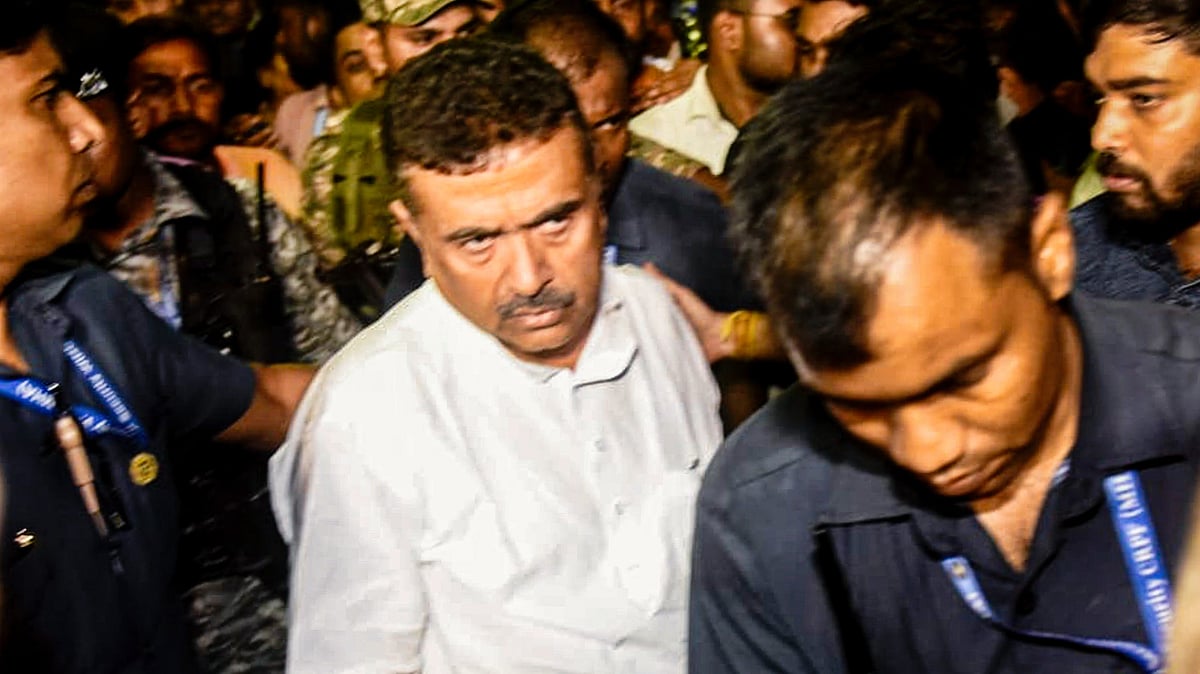
The murder of Chandranath Rath, executive assistant to BJP leader and outgoing leader of opposition in the Bengal Assembly Suvendu Adhikari, triggered a fierce political slugfest in West Bengal on Thursday, 7 May. As the BJP accused the Trinamool Congress of orchestrating a “revenge killing” for the recent Assembly election defeat, the controversy also brought renewed attention to the mysterious deaths of three other close associates of Adhikari over the past decade.

Smarting from their humiliating defeat in the Assembly elections, the BJP alleged, TMC leaders had hired assassins to target Adhikari, who defeated three-time chief minister Mamata Banerjee from the Bhabanipur constituency in Kolkata by a margin of over 15,000 votes.

TMC leaders, while condemning the killing, denied the allegations, claiming that the party had little to gain from the assassination. Rath’s family members, however, alleged that he possessed sensitive information relating to corruption in the outgoing government, illegal sand mining operations, criminal syndicates and various financial scams.

They further claimed that Rath was privy to politically sensitive information and was therefore silenced. Others believe the killing was intended as a warning to Adhikari, who is considered one of the frontrunners for the chief minister’s post.

An emotional Adhikari said, “His only crime was being the personal assistant to Suvendu Adhikari.” Describing the murder of his aide on Wednesday evening as “cold-blooded” and “premeditated”, he claimed that for the past two or three days, a vehicle bearing a fake number plate had been moving around the area. “Had I not defeated the chief minister in Bhabanipur, perhaps this young man would still be alive today,” he added.

He also appealed for calm. “I appeal to all BJP workers and supporters across the state: please do not take the law into your own hands,” he said.

At Rath’s ancestral home in Kulup village in East Medinipur, grief quickly gave way to fury. His 69-year-old mother Hasirani Rath alleged that her son had been murdered as an act of political revenge. Fighting back tears, she said, “Those who were in power have carried out what they threatened.”

Referring to inflammatory campaign rhetoric during the election period, she remarked, “Now that we have come to power, those who made those fiery speeches have fulfilled their threats.” It is widely believed that her remarks were directed at TMC MP Abhishek Banerjee.

BJP leader Arjun Singh alleged police complicity in the murder. He claimed the attackers appeared to have tracked Rath through technological surveillance and added, “Nowadays reconnaissance is technology-driven. Mobile phones can easily be tracked.”

The murder has also revived political controversy surrounding the violent deaths of three other aides of Adhikari since 2013, two of them coming while he was still a trusted lieutenant of Mamata Banerjee in the TMC.

In 2013, Adhikari’s former political secretary and personal assistant, Pradip Jha, was found unconscious on Strand Road in Kolkata and later died in hospital. Although the post-mortem cited asphyxiation linked to alcohol consumption, serious questions arose after his mobile phone disappeared and cash was reportedly missing from his wallet. His family alleged murder, but the case remained unresolved.

Five years later, in 2018, Adhikari’s long-serving bodyguard Shubhabrata Chakraborty was found with gunshot wounds inside police barracks opposite Adhikari’s residence in Kanthi. The death was initially described as a suicide, but Chakraborty’s wife later alleged murder and demanded a CID investigation. No arrests have been made in that case either.

In 2021, another aide of Adhikari, Pulak Lahiri, was found dead under suspicious circumstances. His family members alleged foul play, but the case was eventually buried.

“After the death of his bodyguard in 2018, police had received a complaint from his wife against Suvendu Adhikari, following which a CID investigation was initiated. But due to a court order, the investigation could not proceed as the court granted immunity to Adhikari,” TMC sources said.

The sources, speaking on condition of anonymity, further claimed that the timing of Rath’s assassination suggested that someone wanted Adhikari’s past to come under scrutiny and thereby damage his prospects for the state's top post.

Was Rath killed because of what he knew? Was the murder prompted by personal or political rivalry? Were financial dealings behind the brutal targeted killing? Why do mysterious deaths continue to surround individuals closely associated with Adhikari? Several such questions remain unanswered even as the state grapples with retaliatory violence, road blockades and inflammatory speeches.
  •  

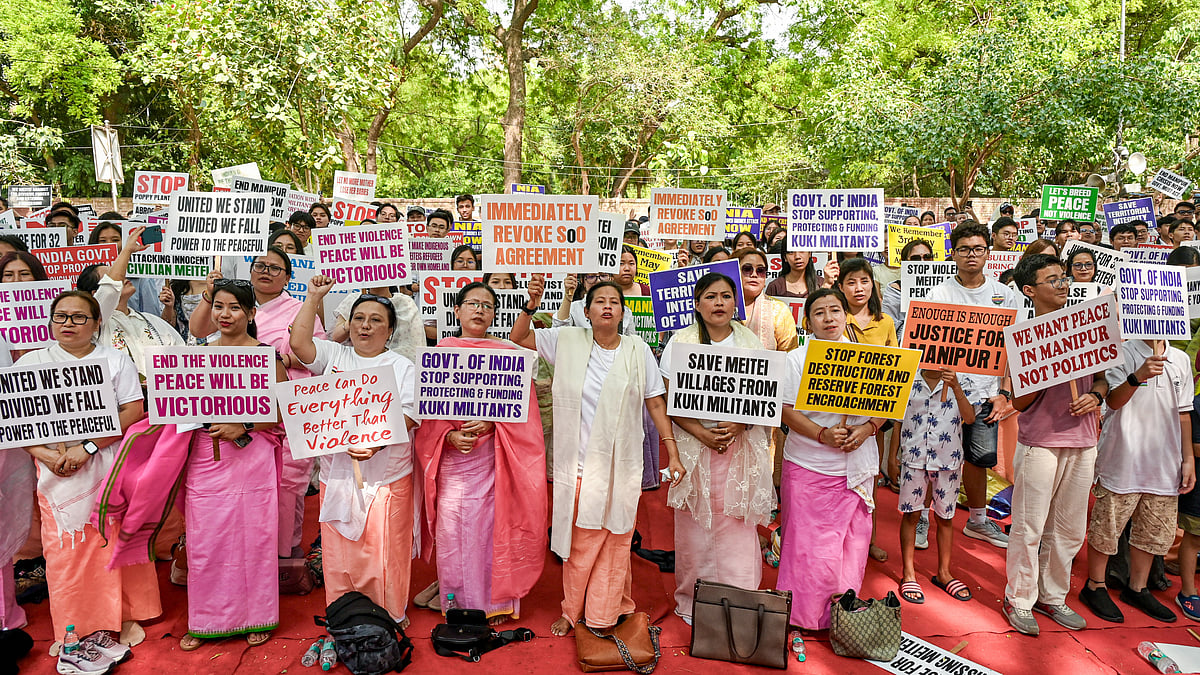
Manipur: Militants torch border villages in Kamjong; residents flee into forests

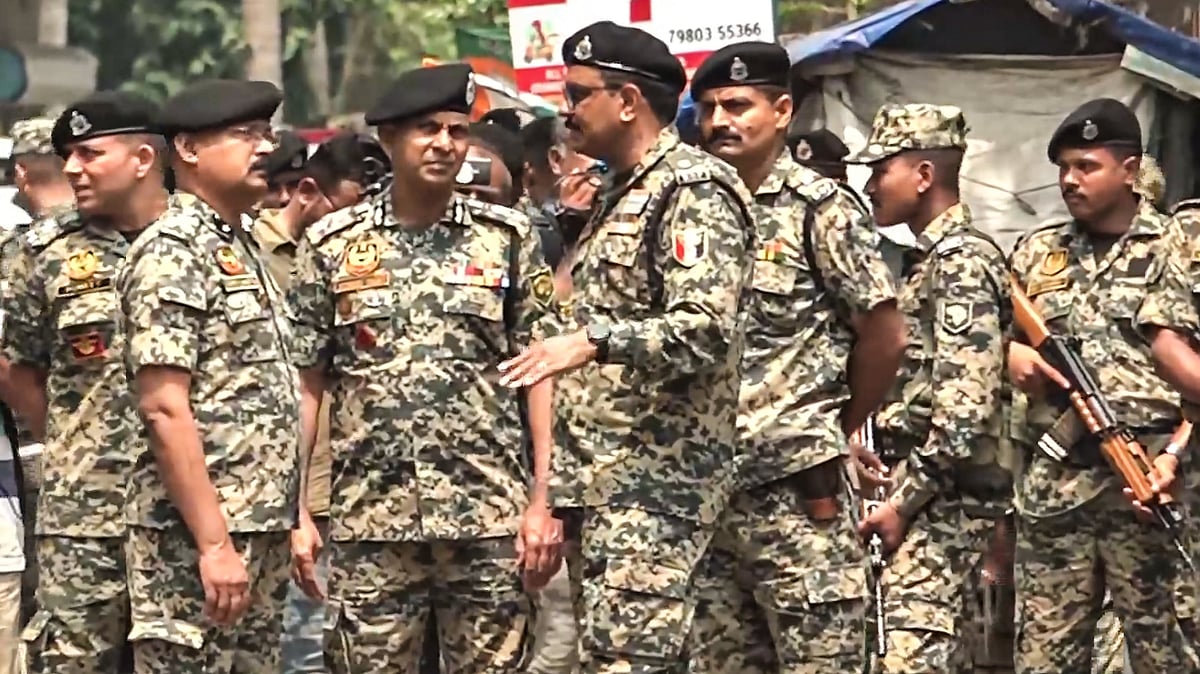
Heavily armed militants attacked several villages in Manipur’s Kamjong district near the India–Myanmar border early on Thursday, 7 May, torching houses and forcing residents to flee, officials said.

According to police, the attackers targeted the Tangkhul Naga villages of Namlee, Wanglee and Choro under the Kasom Khullen police station area at around 4.00 am. Residents of the border settlements reportedly escaped into nearby forests to save themselves.

The villages are situated less than a kilometre from the international border.

Officials said at least one elderly woman sustained injuries while trying to flee during the attack. Villagers claimed that two houses in Namlee, three to four houses in Wanglee, and several houses in Choro — barring a church — were gutted in the blaze.

Security personnel, including teams of the Assam Rifles, later reached the affected villages to assess the situation.

L. Keishing, the MLA from Phungyar, alleged that the attack had been carried out from across the border by Myanmar-based militant outfits — the Kuki National Army (Burma) and the People’s Defence Force (PDF).

“So far, the state had been seeing internal conflicts, but today there has been external aggression. A combined force of Kuki National Army-B and People’s Defence Force attacked four to five border villages at 3.30 am,” Keishing told reporters.

#BreakingNews: At least three Tangkhul Naga villages along the Indo–Myanmar border in #Manipur’s #Kamjong district came under attack by suspected Kuki National Army-Burma (KNA-B) militants on Thursday early morning. One civilian has been reportedly injured, though no fatalities… pic.twitter.com/DZ0xHvJwSo

— Ukhrul Times (@ukhrultimes) May 7, 2026

“Several houses have been reduced to ashes, though there have been no fatalities. Two persons, including a woman, remain untraceable. Eyewitnesses said they were taken away by the armed militants,” the Naga People's Front legislator claimed.

Describing the incident as an “external aggression”, the MLA said both the state and Central governments should not remain silent. “There is no presence of Manipur Police in the area,” he alleged.

The Kuki National Army–B, however, has denied any involvement in the arson attacks and rejected the accusations as “false and malicious”. In a statement cited by local news outlet Power Corridors, the group said: “KNA-B debunks the false and malicious reports blaming us for the arson in Namlee, Choro, and Wanglee village of Kamjong district this morning.”

Manipur: KNA-B Denies Role in Kamjong Arson Attacks https://t.co/p7muECFQdi #ManipurViolence#KamjongAttack #BorderConflict #NorthEastIndia #IndoMyanmarBorder #EthnicTensions

— POWER CORRIDORS (@power_corridors) May 7, 2026

Keishing also accused the Assam Rifles of failing to protect the villages. “Assam Rifles troops visited the villages yesterday, and the attack happened today. Villagers have expressed frustration over the developments,” he said.

Meanwhile, the Tangkhul Aze Katamnao Long (TAKL), also known as the Southern Tangkhul Students’ Union, expressed “extreme urgency and outrage” over the attacks on Tangkhul Naga border villages by alleged Kuki militants operating under the Kuki National Army-Burma.

The student body alleged that around 100 armed KNA-B militants crossed the Indo-Myanmar border into Kamjong district and attacked villages including Namlee, Wanglee, Ashang Khullen and Choro.

It demanded that the state government immediately deploy Manipur Police commandos in the affected villages and sought an explanation regarding the alleged security lapse that allowed nearly 100 armed militants to cross the international boundary undetected.

With PTI inputs

  •  

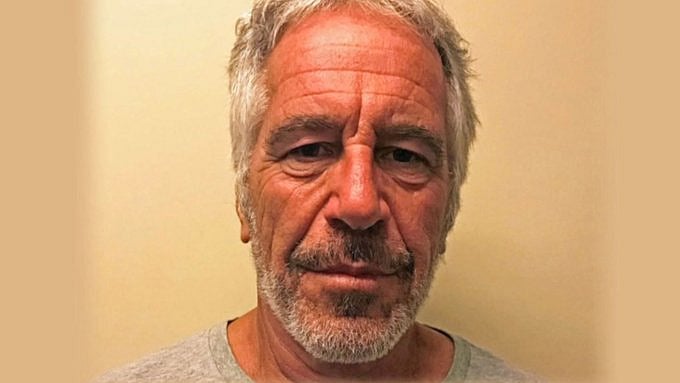
Judge orders release of Jeffrey Epstein's alleged suicide note amid renewed scrutiny over jail death

A US judge has ordered the release of a document purported to be a suicide note written by convicted sex offender Jeffrey Epstein roughly a month before his death in a federal jail cell in 2019, adding a fresh layer to longstanding public scrutiny surrounding the case.

The handwritten note was unsealed by a federal court in New York on Wednesday as part of proceedings linked to Epstein’s former cellmate, Nicholas Tartaglione. Tartaglione had claimed he discovered the note hidden inside a book after Epstein allegedly attempted suicide in July 2019.

Epstein was later found dead in his jail cell in August 2019 while awaiting trial on federal sex-trafficking charges involving underage girls. US authorities ruled his death a suicide, though the circumstances triggered widespread speculation and conspiracy theories amid reported security lapses inside the prison.

The BBC said it had not independently verified whether the document was genuinely written by Epstein, and US authorities have not formally authenticated the note.

According to the court filing, the seven-line handwritten note includes references to an investigation that had “FOUND NOTHING!!!” and states: “It is a treat to be able to choose one’s time to say goodbye.” The note also contains remarks including “NO FUN - NOT WORTH IT.”

The document had remained sealed for years as part of criminal proceedings involving Tartaglione, a former police officer convicted in a quadruple murder case. Tartaglione had earlier publicly discussed the existence of the note during a podcast interview in 2025.

Court cites public interest

The unsealing order was issued by federal Judge Kenneth M. Karas after a petition filed by The New York Times seeking public access to the document.

Federal prosecutors also supported the release, arguing there was no compelling justification for continued secrecy after Tartaglione publicly discussed the note’s contents.

In his ruling, Judge Karas said public access to the document would promote accountability and strengthen confidence in the justice system. He also held that Tartaglione’s repeated public comments amounted to a waiver of attorney-client privilege protections related to the note.

The US Department of Justice did not immediately comment on the latest court order. However, department officials had earlier stated that authorities had conducted an extensive review and public release of Epstein-related documents in recent years.

Epstein’s death continues to attract public attention globally because of his connections with prominent political, business and entertainment figures in the United States and abroad. Multiple investigations into prison failures on the night of his death identified serious lapses in monitoring and jail procedures.

Judge orders release of Jeffrey Epstein's alleged suicide note
  •  

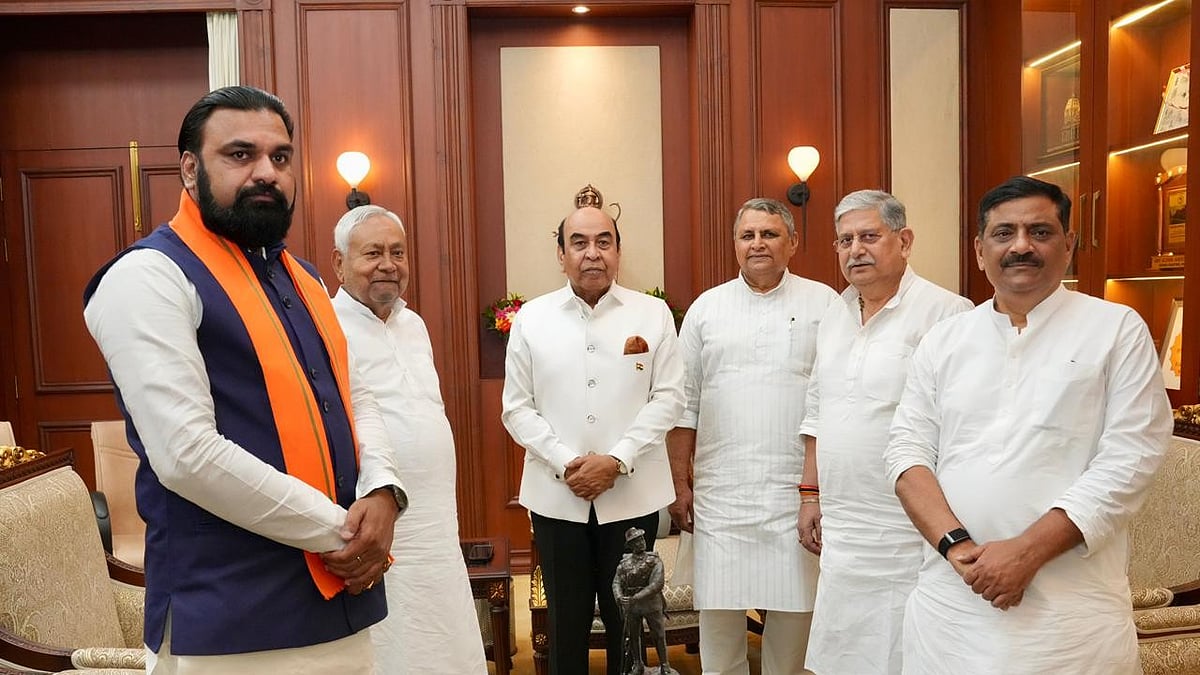
CM Samrat Choudhary expands Bihar cabinet, 32 new ministers inducted

Bihar Chief Minister Samrat Choudhary on Thursday carried out the first expansion of his council of ministers, inducting 32 new ministers into the state cabinet 22 days after the formation of the government.

Syed Ata Hasnain administered the oath of office and secrecy to the new ministers during a large ceremony held at Gandhi Maidan in Patna. The swearing-in ceremony was conducted in batches of five ministers each.

The event, organised outside the Raj Bhavan complex on a large scale, was attended by several senior leaders of the NDA (National Democratic Alliance), including Prime Minister Narendra Modi, Union Home Minister Amit Shah, Defence Minister Rajnath Singh, Union Health Minister J.P. Nadda and BJP (Bharatiya Janata Party) president Nitin Nabin.

Political focus on family representation

The cabinet expansion drew attention after several relatives of prominent NDA leaders were inducted into the ministry.

Among those sworn in was Nishant Kumar, son of former Bihar chief minister and former JD(U) (Janata Dal United) president Nitish Kumar. Deepak Prakash, son of RLM (Rashtriya Lok Morcha) chief Upendra Kushwaha, and Santosh Suman, son of Union minister and HAM chief Jitan Ram Manjhi, were also included in the council of ministers.

The inductions triggered discussion in political circles over the growing role of political families within the ruling alliance.

BJP, JD(U) retain balance in cabinet

From the BJP quota, leaders including Vijay Kumar Sinha, Ram Kripal Yadav, Nitish Mishra, Dilip Jaiswal, Shreyasi Singh and Mithilesh Tiwari were inducted.

However, former Union minister Mangal Pandey did not find a place in the expanded cabinet.

From the JD(U) quota, apart from Nishant Kumar, leaders including Shravan Kumar, Ashok Choudhary, Madan Sahni, Lesi Singh and Jama Khan were sworn in.

Senior JD(U) leaders Vijay Kumar Chaudhary and Bijendra Yadav were already part of the ministry.

The expansion retained most ministers from the previous Nitish Kumar-led government while also introducing several new faces, reflecting an attempt to balance caste, regional and alliance considerations ahead of future political contests in the state.

CM Samrat Choudhary expands Bihar cabinet, 32 new ministers inducted
  •  

ED raid sparks drama in Mohali as cash bags hurled from tower

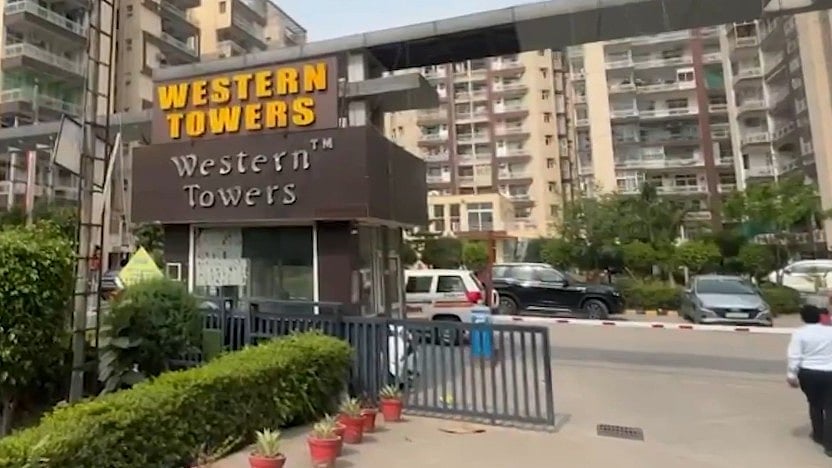
Bundles of Rs 500 notes came fluttering down from the ninth floor of Western Towers in Mohali’s Sector 127 on the morning of Thursday, 7 May, leaving residents and morning walkers stunned during an Enforcement Directorate (ED) raid at the residential complex near Kharar.

The ED was conducting searches at the residence of IT professional Nitin Gohal in Chajju Majra, Mohali, as part of a wider crackdown across the tri-city. According to sources, Gohal is considered close to an aide of Punjab chief minister Bhagwant Mann.

Officials claimed that during the raid, two bags allegedly containing cash were thrown from the ninth-floor apartment. Residents and eyewitnesses said currency notes were seen scattered across the society premises soon afterwards. ED officials reportedly chased and apprehended a driver who allegedly attempted to flee with one of the bags. A Punjab government spokesperson later said approximately Rs 21 lakh in cash had been recovered and that the matter remained under investigation.

The raids were not limited to Mohali alone. ED teams simultaneously conducted searches at nearly a dozen locations across Mohali, Chandigarh and Patiala, including a house in Chandigarh’s Sector 16 and premises linked to Bir Devinder Singh alias Biru in Mohali. Sources claimed Biru too was considered close to a senior political functionary.

WATCH

Enforcement Directorate teams raiding Suntec City project-linked properties in Mohali saw bags filled with ₹500 notes thrown from the 9th floor of a high-rise.

Raids underway at 12 locations over alleged CLU licence fraud & cheating investors of hundreds of crores.… pic.twitter.com/aJaPzINyoh

— Public News X (@PublicNewsX) May 7, 2026

According to ED sources, the searches are linked to alleged large-scale fraud in obtaining change of land use (CLU) licences from the Greater Mohali Area Development Authority (GMADA). Investigators suspect that builders and developers collected hundreds of crores from the public while defaulting on dues owed to GMADA.

Among the projects and firms reportedly under the scanner are Suntec City, promoter Ajay Sehgal, ABS Townships Pvt Ltd, Altus Builders and Dhir Constructions. ED sources alleged that Gohal helped certain builders secure political protection and facilitated defaults on payments owed to GMADA.

Reacting to the developments, Mann distanced himself from the individuals under investigation. “They are in connection with someone’s old company. They can check anywhere,” he told reporters in Amritsar.

Punjab's Aam Aadmi Party government also denied claims that the accused had close links with the chief minister’s office, stating that merely being photographed with AAP leaders did not establish proximity.

Leader of Opposition Partap Singh Bajwa targeted the government over the ED action. “If ED has started the raids, the investigation must reach its logical conclusion. It should not be sent to cold storage because of some political conclusion,” Bajwa told reporters.

The latest searches come amid increasing scrutiny of leaders and individuals linked to the ruling AAP in Punjab. Last month too, the ED had conducted raids linked to Punjab cabinet minister Sanjeev Arora in connection with alleged financial irregularities and suspected money laundering tied to real-estate ventures.

  •  

What is a GIFT City bank account, and who can open one?

By: PR

GIFT (Gujarat International Finance Tec-City) is India’s first International Financial Services Centre (IFSC) that competes with global hubs like Singapore and Dubai. Among its various services, it also offers banking services for NRIs. This opens a new avenue to manage your foreign income in India. If you’ve been curious about it, this blog explores everything you need to know about a GIFT City account for upgrading your banking experience in India.

What is a GIFT City bank account? 

GIFT City account is essentially a foreign-current bank account that IFSC Banking Units (IBUs) offer. You can hold and make transactions directly in foreign currencies like USD, GBP, EUR, etc., with this global bank account.

It is ideal for cross-border transactions. A GIFT City combines global access with a familiar banking setup in India. You are eligible to open the GIFT City account as an NRI, OCI, or PIO. You can use the account to save, make seamless transfers, and explore international markets.

Key features and benefits of the GIFT City account 

GIFT City account includes a host of features that enhance your banking journey as per the international standards within India. Some of them include:

  • Transact in foreign currency

With banking in GIFT City, you can hold and use your funds directly in currencies like USD, EUR, AUD, GBP, etc. This reduces the need for constant conversions and saves cost.

  • Access to global investment avenues

A GIFT City bank account opens up opportunities to explore international investments easily. Since your finances are already aligned with the global markets, you get easy access.

  • Tax-efficient structure

Under the IFSC framework, certain investments incur zero capital gains tax, no GST on offshore services, no STT on certain investments. This helps you earn efficiently from overseas markets.

  • Globally competitive interest rates

As the interest rates are linked to international benchmarks, your deposits get to grow in line with the global trends.

  • Simplified banking experience

Much like a regular NRI account, a GIFT City account also comes with seamless digital operations. You can perform day-to-day transactions through the convenient banking app.

  • Strong regulatory framework

The IFSCA, a government body, authorises banking activities within the GIFT City. Hence, you are assured of a transparent and globally compliant system.

  • Ease of remitting money

As the GIFT City global account is connected to the international markets, moving funds across borders is a breeze. There are no unnecessary delays or hefty charges.

  • Cheaper borrowing cost

You can access cheaper dollar loans or External Commercial Borrowing (ECBs) with your GIFT City bank account. This is possible thanks to IFSC entities that reduce borrowing costs and enhance capital access.

How to open a GIFT City bank account 

The process of opening a GIFT City account is straightforward with a fully digitised system. Follow these simple steps:

  1. Choose an IBU

Select a bank registered as an IBU. Compare the specialised bank-specific offers, the reputation, and service experience of each bank to finalise the GIFT City account.

2.       Fill out the application

Provide your basic identity-specific details and contact information. If you need assistance, you can seek the help of a relationship manager.

3.       Complete documentation

Provide basic documents like your passport, visa, residence proof, and PAN (if applicable). If you are an existing customer, you only need to fill out the application.

4.       Activate your account

Once approved, you can activate the account by remitting funds in foreign currency directly from your overseas account.

Final words 

As global financial services evolve, financial hubs like IFSC highlight growing potential. You can participate in this revolution as an NRI with a GIFT City bank account. It is easy to open through any of your preferred IBUs, and you can set it up in minutes. Once done, explore seamlessness of global transactions with India, investing in capital markets, and advanced investment avenues. The possibilities are endless for your foreign income to grow. This is yet another way to connect to your homeland besides NRI savings accounts.

What is a GIFT City bank account, and who can open one?
  •  

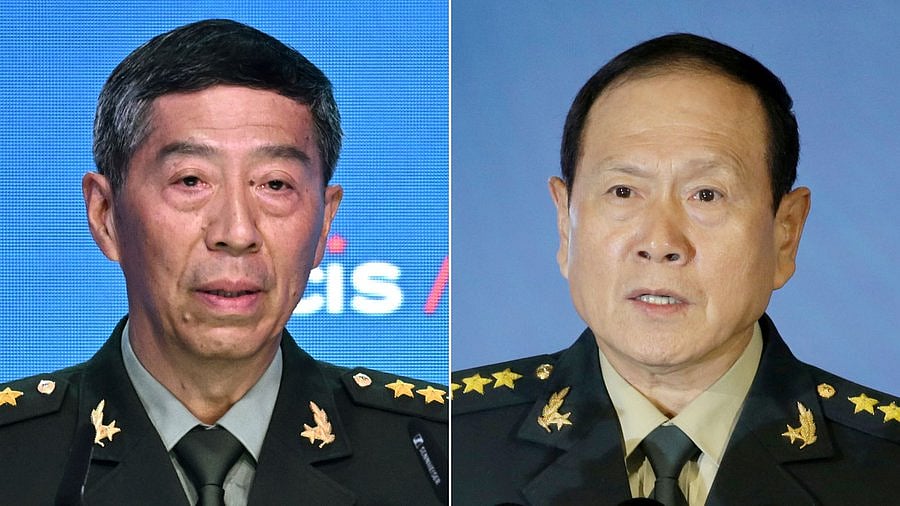
Former Chinese defence ministers awarded suspended death sentences in corruption cases

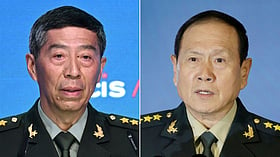
Former Chinese defence ministers Wei Fenghe and Li Shangfu were on Thursday sentenced to death with a two-year reprieve on corruption charges, marking one of the most high-profile military graft crackdowns in China in recent years.

The verdicts were reported by Chinese state media and come amid an intensifying anti-corruption campaign led by Chinese President Xi Jinping targeting senior figures within the country’s political and military establishment.

Both Wei and Li had served as defence ministers under Xi and were regarded as trusted figures within the leadership before their dramatic downfall. The two were expelled from the ruling Communist Party of China in 2024 following investigations into alleged corruption and disciplinary violations.

Wei served as China’s defence minister from 2018 to 2023 and was a senior general in the People’s Liberation Army (PLA). His tenure coincided with an assertive phase in China’s military modernisation and growing tensions with the United States and regional rivals in the Indo-Pacific.

Li succeeded Wei in 2023 but held office for only a few months before abruptly disappearing from public engagements, fuelling speculation about an internal investigation. He was later removed from office without detailed public explanation.

Before becoming defence minister, Li headed the PLA Rocket Force, the branch responsible for China’s missile and strategic weapons systems. The Rocket Force has faced extensive scrutiny over the past two years, with several senior officers reportedly investigated or removed amid corruption allegations.

Li, a Chinese aerospace engineer, had reportedly been personally selected by Xi for the defence portfolio, making his dismissal particularly notable within China’s tightly controlled political system.

Under Chinese law, a death sentence with a two-year reprieve is typically commuted to life imprisonment if the convicted individual does not commit further offences during the suspension period.

The cases are being viewed by analysts as part of Xi’s broader effort to reinforce political discipline and tighten control over the military establishment as China continues rapid defence expansion and strategic competition with the West.

Former Chinese defence ministers awarded suspended death sentences in corruption cases
  •  

The Bengal Files finally heads to Bengal after flop run in rest of India

The Bengal Files, the final instalment in filmmaker Vivek Agnihotri’s so-called ‘truth trilogy’, is finally expected to hit theatres in West Bengal next week — close on the heels of the BJP coming to power after a landslide victory in the recent state Assembly elections. The film had earlier been denied a commercial release in the state during the Trinamool Congress regime, with police and sections of the administration citing concerns that its content could inflame communal tensions.

Confirming the development, Kolkata actor Sourav Das, who played a prominent role in the film, told National Herald: “Contrary to some media reports, it’s not being released tomorrow (8 May) but next week.”

Agnihotri, whose political alignment with the BJP is well known, has built a reputation for politically charged cinema that sharply divides opinion — drawing praise from Hindutva supporters while facing criticism from others for allegedly distorting history and pushing propaganda. After relatively low-profile films such as Chocolate: Deep Dark Secrets and Zid, he found major commercial success with The Tashkent Files and The Kashmir Files, but flopped with The Vaccine War.

The Bengal Files, which released across India last year, sought to revisit the communal violence surrounding the ‘Great Calcutta Killings’ and the Noakhali riots of 1946. The film claimed to present an overlooked chapter of pre-Partition Bengal and prominently featured characters inspired by historical figures linked to the riots.

Critics, however, accused the film of selectively interpreting history and amplifying communal narratives. Several reviews described it as divisive propaganda, while historians and commentators questioned its handling of archival material and historical nuance.

My appeal to all of you.
And specially to the Bengali community. Stand with us in our fight to release #TheBengalFiles in Bengal. pic.twitter.com/XBCGX1zCia

— Vivek Ranjan Agnihotri (@vivekagnihotri) September 7, 2025

Commercially too, the film failed to replicate the blockbuster success of The Kashmir Files. Mounted on a reported budget of over Rs 50 crore, the film is estimated to have earned only around Rs 16–20 crore net in India, with worldwide collections of roughly Rs 23 crore during its theatrical run. The weak box-office performance also became a subject of online discussion after Agnihotri repeatedly appealed to audiences on social media to watch the film, sharing posts urging people to “book your tickets” and support what he described as an important historical project.

One of the sharpest controversies centred on the portrayal of Gopal Mukherjee, popularly known as Gopal Pantha or Gopal Patha, a controversial and polarising figure associated with the 1946 Calcutta riots. His grandson Shantanu Mukherjee publicly objected to the film and later moved court against its release, alleging that Agnihotri had depicted his grandfather in a defamatory and “dishonourable” manner without the family’s consent. The family particularly objected to references allegedly portraying Mukherjee as a “butcher”, arguing instead that he had organised resistance groups to protect Hindus during the violence.

The Bengal Files Honest review :

I admit i misjudged this movie.I assumed it would be bad & Most of the reviews i read were bad,But after actually watching it,My perspective completely changed.

Never trust the reviews & Critics..This movie isn’t just bad, It’s terrible..

— Amisha Gokhale (@Amisha_Go) September 7, 2025

After the Mamata Banerjee government blocked the film’s commercial screening in Bengal over fears of communal unrest, Agnihotri and the distributors organised a special invitation-only screening last September at the Dr Shyama Prasad Mookerjee Bhasha Bhavan within the National Library of India premises.

Addressing the controversy then, Agnihotri said: “We opened advanced booking and the theatres were finalised. I came to know through my distributors that theatres representing different communities in Bengal chose not to screen it due to fears of political unrest.”

The political change in the state has now paved the way for the film’s commercial release. Das — who plays Gopal Pantha in the film — said audiences should be allowed to decide for themselves.

“At the end of the day, a film is the result of a lot of hard work and money by many people, and I want to leave it to the people of Bengal to accept or reject it. Speaking from a personal point of view, I was very keen that my own audience should get an opportunity to watch it on the big screen, especially as my work was appreciated a lot in Bollywood,” Das said.

Written by Agnihotri and produced by Pallavi Joshi along with Abhishek Agarwal, the film features an ensemble cast including Mithun Chakraborty, Joshi herself, Anupam Kher and Darshan Kumar.

  •  

Australia repatriates women, children linked to Islamic State group from Syrian camp

Flights carrying Australian women and children with alleged links to the Islamic State group arrived in Australia on Thursday after years spent in detention camps in Syria, with authorities indicating that criminal investigations into the women could follow. Islamic State

According to Australian authorities, a group comprising three women and eight children arrived in Melbourne aboard a Qatar Airways flight from Doha, while another woman and her son landed separately in Sydney shortly afterwards.

The Australian government had announced a day earlier that 13 Australian nationals linked to camps in north-eastern Syria would be repatriated. The individuals had spent several years in detention facilities established after the collapse of the Islamic State’s self-declared caliphate spanning parts of Syria and Iraq.

Australian police said the women could face criminal prosecution over alleged activities during their time in Islamic State-controlled territories. Authorities have conducted investigations for years into Australians suspected of involvement in terrorism offences and crimes against humanity linked to the conflict in Syria.

Investigations into atrocities continue

Joshua Roose of Deakin University said investigators were examining allegations involving enforcement activities inside the Islamic State territory, including treatment of Yazidi women and implementation of strict sharia regulations.

“Some of the worst forms of violence were in fact enacted by women,” Roose told the Australian Broadcasting Corporation, stressing the need to examine women’s roles within extremist structures.

The repatriation comes after years of resistance by successive Australian governments to bringing back citizens from Syrian camps, despite pressure from humanitarian groups and legal challenges.

In 2024, Save the Children Australia unsuccessfully approached a court seeking to compel the government to repatriate Australians detained in Syrian camps.

Focus shifts to welfare of children

Save the Children Australia chief executive Mat Tinkler said authorities should prioritise the rehabilitation and welfare of the returned children.

“Two-thirds of this cohort are children,” Tinkler said, adding that attention should now shift towards helping them rebuild their lives in Australia.

Australia has previously repatriated groups of women and children from Syrian detention camps on two separate occasions, while some Australians linked to the conflict zone returned independently without government assistance.

Australia repatriates women, children linked to Islamic State group from Syrian camp
  •  

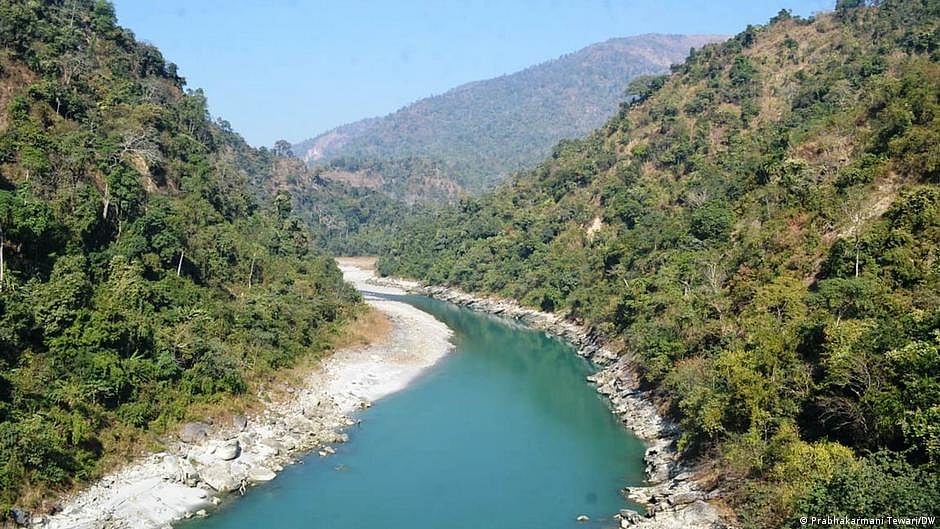
Bangladesh seeks Chinese backing for Teesta project amid shifting regional dynamics

Bangladesh’s government, led by Tarique Rahman, has formally sought China’s support for the Teesta River restoration initiative, signalling a deepening engagement between Dhaka and Beijing that could complicate Bangladesh’s already delicate relationship with India.

The Teesta River Comprehensive Management and Restoration Project (TRCMRP) featured prominently during talks in Beijing on Wednesday between Bangladesh Foreign Minister Khalilur Rahman and Chinese Foreign Minister Wang Yi, according to Bangladesh’s state-run news agency BSS.

The Teesta River originates in the eastern Himalayas and passes through the Indian states of Sikkim and West Bengal before entering Bangladesh, where it plays a crucial role in irrigation, agriculture and livelihoods for millions of people.

During the meeting, Wang reiterated Beijing’s support for Bangladesh’s new administration and said China was prepared to align Belt and Road cooperation with Bangladesh’s national development priorities. He also pledged deeper collaboration in infrastructure, trade and cultural exchanges, while encouraging greater Chinese investment in Bangladesh.

According to a Chinese readout of the discussions, Wang stressed that China’s ties with Bangladesh and other South Asian nations were not directed at any third country and should not be influenced by external actors.

Rahman’s visit marks his first official trip to China since the Tarique Rahman-led government took office in February. The visit comes shortly after his trip to India last month, which was closely monitored in Beijing amid shifting regional alliances following the fall of former Prime Minister Sheikh Hasina.

Under the interim administration led by Muhammad Yunus, Bangladesh had moved closer to China and Pakistan, creating unease in New Delhi and contributing to tensions in bilateral relations.

China has long expressed interest in participating in the Teesta restoration project, which is located near India’s strategically important Siliguri Corridor — a narrow stretch linking mainland India with its northeastern states.

India, wary of China’s growing presence in the region, offered technical and conservation assistance for the Teesta basin in 2024 as part of broader efforts to strengthen cooperation with Bangladesh on transboundary river management.

Water sharing remains a sensitive issue between India and Bangladesh. The Ganges Water Treaty, signed in 1996 to regulate dry-season water sharing between the two countries, is set to expire later this year unless both sides agree to renew it.

China’s influence in Bangladesh has expanded significantly over the past decade through investments, loans and infrastructure projects. According to Bangladeshi media reports, China is now Bangladesh’s fourth-largest lender after Japan, the World Bank and the Asian Development Bank, having disbursed loans worth around $7.5 billion since 1975.

The two sides also agreed to strengthen cooperation under the China-Bangladesh Comprehensive Strategic Cooperative Partnership framework during Wednesday’s talks.

Bangladesh reaffirmed its commitment to the One-China policy and reiterated that Taiwan is an inseparable part of Chinese territory, while opposing any form of Taiwanese independence, according to the BSS report.

China, in turn, reiterated support for Bangladesh’s sovereignty, territorial integrity and independent development path.

With PTI inputs

  •  

‘Great purge of 2026’: Instagram crackdown on fake accounts

Instagram has reportedly removed millions of bot and inactive accounts in a major platform-wide cleanup drive in 2026, triggering sharp drops in follower counts for celebrities, influencers and brands across social media.

According to reports circulated by PopBase, several high-profile personalities witnessed sudden declines in their follower numbers after the purge. Among the most affected was Kylie Jenner, who reportedly lost more than 14 million followers following the cleanup exercise.

Several other creators, influencers and public figures also saw significant overnight drops in followers and engagement figures as the platform removed fake, automated and inactive profiles.

The large-scale action quickly sparked reactions online, with users dubbing it the “Great Purge of 2026”.

Users across social media platforms shared screenshots showing steep declines in follower counts, while some joked that even major verified accounts were not spared.

One user on X claimed that Instagram’s own official account had reportedly lost nearly 9 million followers during the purge.

“Even Instagram's own official account reportedly lost over 9 million followers during the cleanup. Nobody was safe,” the user wrote.

Instagram routinely conducts such cleanups to improve authenticity and reduce fake engagement on the platform. Bot accounts are often used to artificially inflate likes, comments, followers and engagement metrics for influencers, brands and content creators.

Responding to the reports, Meta said the cleanup was part of its regular efforts to remove inactive accounts and maintain platform integrity.

A spokesperson for Meta clarified that active users and genuine followers were not affected by the process.

“As part of our routine process to remove inactive accounts, some Instagram accounts may have noticed updates to their follower counts. Active followers remain unaffected, and any restored suspended account will be included in the count again after verification,” the spokesperson said.

The reported purge has once again reignited conversations around fake engagement, purchased followers and the pressure on influencers and brands to maintain large social media audiences.

With IANS inputs

  •  

ECI lifts MCC after assembly polls, except in Bengal’s Falta seat

The Election Commission of India (ECI) on Thursday issued an order lifting the Model Code of Conduct (MCC) that had been in force following the 2026 assembly elections in Assam, Kerala, Tamil Nadu, West Bengal, and the Union Territory of Puducherry.

However, the MCC will continue to remain in force in West Bengal’s 144-Falta Assembly constituency, where the Commission has ordered a fresh poll.

The order stated that the provisions of the Model Code of Conduct come into effect from the date of announcement of the election schedule by the ECI and remain operational until the completion of the election process.

The commission noted that the results of the general elections to the Legislative Assemblies of Assam, Kerala, Tamil Nadu, West Bengal, and Puducherry have now been declared by the respective returning officers. Additionally, the results of bye-elections held in Assembly constituencies across Gujarat, Karnataka, Maharashtra, Nagaland, and Tripura have also been declared.

Following the declaration of results, the ECI said that the Model Code of Conduct has ceased to be in operation with immediate effect in all concerned states and constituencies, except the 144-Falta assembly constituency in West Bengal.

The commission clarified that the MCC would continue in Falta because a fresh poll has been ordered there.

Earlier on 3 May, the ECI had taken the extraordinary step of cancelling the entire voting process in the Falta assembly constituency of the South 24-Parganas district, West Bengal. Fresh polling will be held on the 21st of this month across all 285 polling stations, including auxiliary booths. The counting of votes will be held on 24 May. In its statement, the commission had explained that the decision followed reports of severe electoral offences and large-scale subversion of the democratic process during the voting on 29 April.

Meanwhile, counting of votes for the assembly elections in Assam, Kerala, Tamil Nadu and West Bengal, along with the Union Territory of Puducherry, was completed on 4 May, following which the ECI announced the results for all constituencies.

With IANS inputs

  •  
❌