Reading view

Cong backs Mamata’s ‘stolen mandate’ claim, demands repolling in 100 seats

A day after Trinamool Congress (TMC) chief and outgoing West Bengal chief minister Mamata Banerjee said she would not resign, alleging that the mandate in at least 100 Assembly seats had been “stolen”, the Congress has extended support to its long-time rival.

Despite contesting the recent West Bengal Assembly elections separately, the Congress has backed Banerjee’s claims and demanded repolling in nearly 100 constituencies where the number of deleted votes under the state's controversial special intensive revision (SIR) reportedly exceeds the victory margin.

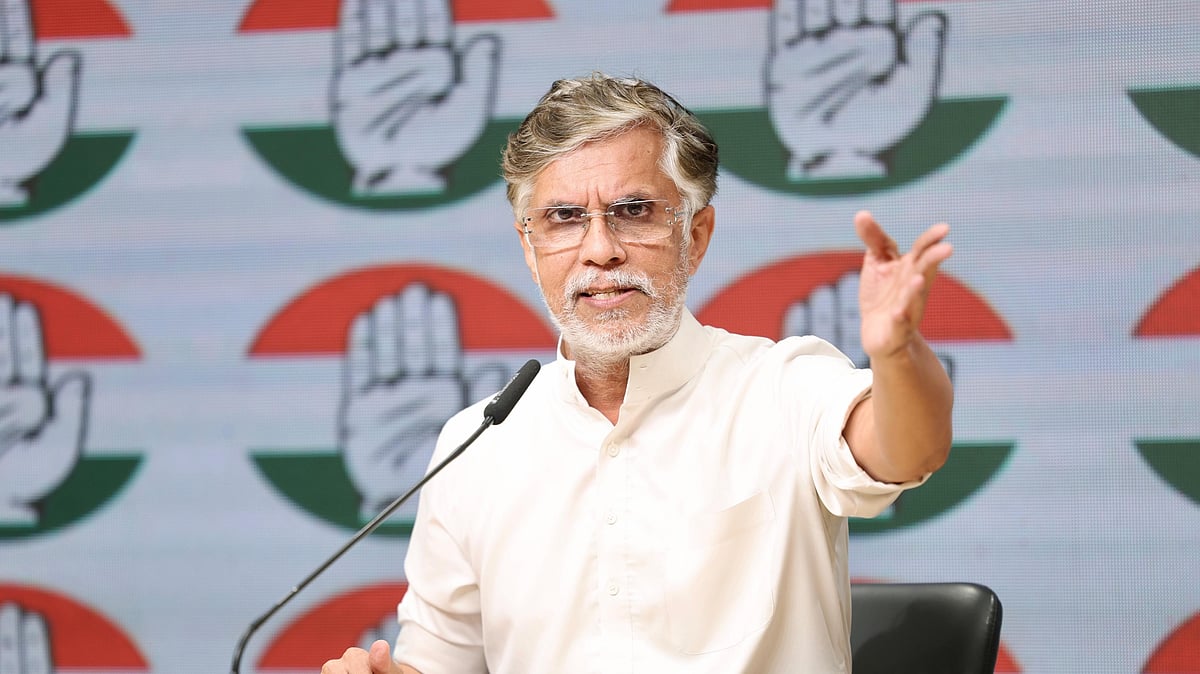
Describing the situation as a “large-scale theft of mandate” through the “manipulation of electoral rolls”, Congress media and publicity department chief Pawan Khera termed it “institutionalised electoral predation” at a press conference in New Delhi on Wednesday, 6 May.

पश्चिम बंगाल में जिन मतदाताओं को वोट के अधिकार से वंचित रखा गया, उन सीटों पर जीत का मार्जिन SIR डिलीशन की संख्या से कम है।

यानी सबकुछ सामने है- दूध का दूध और पानी का पानी।

ऐसे में हमें लगता है कि उन सीटों पर दोबारा मतदान होना चाहिए, क्योंकि इनमें से बहुत से लोग अभी भी वोट के… pic.twitter.com/9RMKVPWY5T

— Congress (@INCIndia) May 6, 2026

Addressing a press meet for the first time after securing anticipatory bail from the Supreme Court in a defamation case filed by Assam chief minister Himanta Biswa Sarma’s wife, Khera said the INDIA bloc stands “unequivocally” with Banerjee.

“The INDIA alliance stands with Mamata Banerjee in this decisive moment of democratic crisis. Her resolve to strengthen the bloc reflects a wider national imperative — the defence of constitutional democracy against systematic sabotage,” Khera said.

He further alleged that “Assam and West Bengal are no longer witnessing flawed elections, but a captured democratic process”. Citing figures from the SIR in West Bengal, Khera claimed that around 91 lakh voters were deleted from the rolls, while 27 lakh citizens were denied the opportunity to be heard before any tribunal.

The Congress leader also invoked past elections to argue that such practices are part of a broader pattern. “This is not an isolated aberration. It is a well-established and repeatable Bharatiya Janata Party playbook, deployed in Madhya Pradesh, Haryana, Maharashtra, Karnataka, Bihar, and most brazenly during the 2024 Lok Sabha elections,” he said, alleging systematic voter manipulation and institutional capture.

जैसे महाराष्ट्र में टारगेट कर लाखों वोट जोड़े गए थे, वैसे ही पश्चिम बंगाल और असम में टारगेट कर लाखों वोटरों को डिलीट कर दिया गया।

हम आपके सामने कई राज्यों का उदाहरण देते आए हैं, जो साबित करता है कि वोटर लिस्ट और चुनावी प्रक्रिया नदारद होती जी रही हैं।

लोकतंत्र के चौकीदार… pic.twitter.com/V3LadD8jUd

— Congress (@INCIndia) May 6, 2026

“Statistically and structurally, roughly every sixth BJP member of Parliament out of 240 is the product of compromised electoral processes. It is engineered representation sustained through manipulation,” Khera added, repeating a claim made by Lok Sabha Leader of Opposition Rahul Gandhi on Tuesday, 5 May.

Pointing to rising tensions in West Bengal, Khera alleged that violence and intimidation had already begun. “BJP elements are burning Opposition offices, assaulting candidates and workers, forcing shops to shut, and using loud DJ systems to play obscene songs as intimidation. There are also serious reports of threats, including of sexual violence, along with widespread beatings,” he claimed.

BJP कहती है कि उसे मुस्लिम वोटरों की जरूरत नहीं है। BJP ने मुस्लिम वोटरों को ठुकराया और मुस्लिम वोटरों ने BJP को ठुकरा दिया।

ऐसे में जब मुसलमानों ने एक सेक्युलर पार्टी को वोट दिया तो BJP को उसमें भी शिकायत होने लगी। मतलब BJP अब वोट को भी रंगों में रंगने की कोशिश कर रही है।… pic.twitter.com/v7Y1YHCiR8

— Congress (@INCIndia) May 6, 2026

Responding to allegations that the Congress is becoming a “new Muslim League”, Khera said: “The BJP claims it does not need Muslim voters. The BJP has rejected Muslim voters, and Muslim voters, in turn, have rejected the BJP. In such a situation, when Muslims vote for a secular party, the BJP begins to complain about that as well. This suggests that the BJP is now attempting to assign colours to votes. The question is — does B.R. Ambedkar’s Constitution permit such thinking?”

In Assam, 17 out of 18 Congress MLAs are from the Muslim community, while in West Bengal, two Congress MLAs who won are also Muslims.

Total Congress MLAs: 664

Approximate distribution by religion:

• Hindu: 520 (~78%)
• Muslim: 80 (~12%)
• Other religions: 64 (~10%)

Sit down Chomu! https://t.co/qgCSoxysgf

— Supriya Shrinate (@SupriyaShrinate) May 5, 2026

“While the Congress party has always ensured representation for all sections of society, the BJP has consistently targeted one community with divisive rhetoric,” he said. “The truth is that the BJP seeks to weaken every section of society — including Dalits, backward classes, tribals, and women.”

Earlier, the Congress said it has 664 MLAs across the country, of whom 520 (78 per cent) are Hindus, 80 (12 per cent) are Muslims, and 64 (10 per cent) belong to other religious communities.
  •  

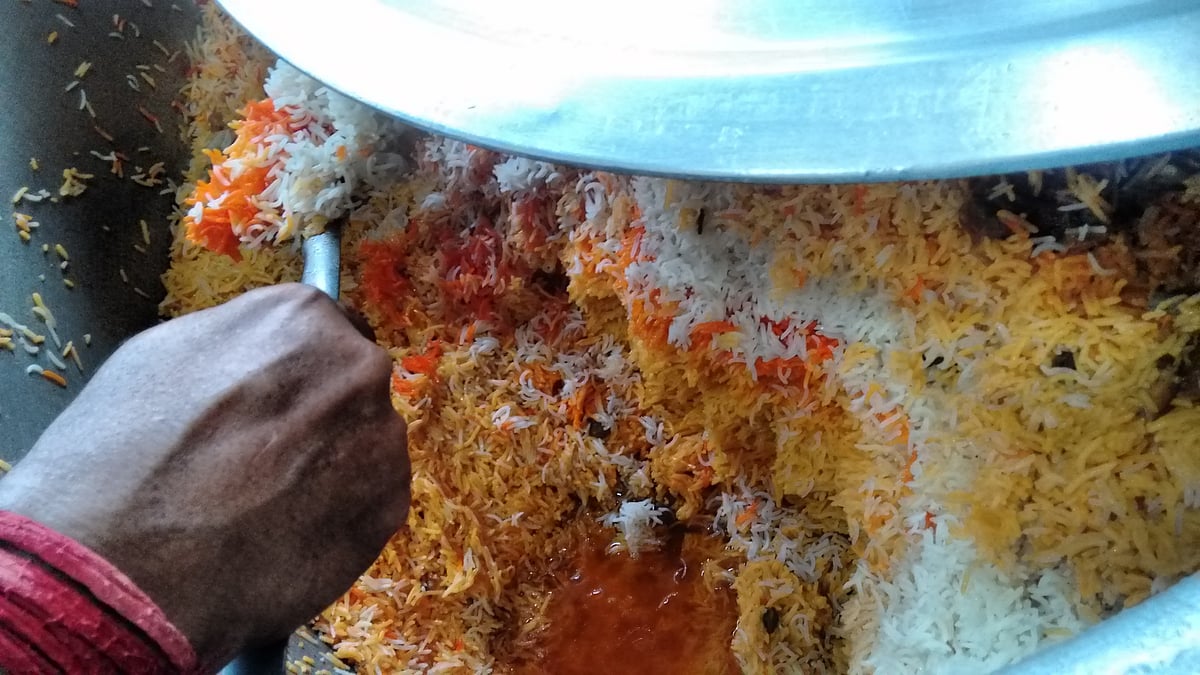
UP’s ‘One District, One Cuisine’ list sparks debate over omission of meat dishes

The Uttar Pradesh government’s newly approved ‘One District, One Cuisine Scheme’ has triggered debate after the list of 208 identified signature dishes across the state excluded all non-vegetarian items, leaving out iconic foods such as Galawati kebab and Awadhi biryani.

The scheme, launched by Amit Shah during UP Day celebrations in Lucknow on 24 January and formally cleared by the state Cabinet on 4 May, aims to identify and promote region-specific culinary traditions across Uttar Pradesh’s 75 districts and 18 divisions.

However, the absence of any meat-based dish from the final list has raised questions among food experts and cultural commentators.

Lucknow gets rewari, not Galawati Kebab

Under the scheme, Lucknow has been mapped with rewari, chaat, malayi makkhan and mango produce, while the Moradabad division features dal dishes and handi halwa.

The omission of globally recognised Awadhi staples such as Galawati Kebab — often considered synonymous with Lucknow’s culinary identity — has become the focal point of criticism.

Himanshu Bajpai, a Lucknow-based writer and storyteller, said the exclusion was difficult to understand.

“I am a vegetarian, but when a list of popular cuisines is prepared, the non-inclusion of Galawati Kebab, known worldwide for its ‘melt-in-the-mouth’ texture, comes as a surprise,” Bajpai said.

He also questioned whether any bias had shaped the selection process.

“If the aim is to promote lesser-known dishes, that is understandable. But if there is any bias in food selection, it should be explained,” he added.

Govt says list is ‘flexible’

Responding to criticism, Rakesh Sachan said the cuisine list was not final and could be revised based on public feedback.

“The list is flexible… cuisines can be changed any time based on local recommendations and public demand, with approval from the Chief Minister,” Sachan said.

He said district-level committees headed by District Magistrates, along with teachers, professors and local experts, had prepared the recommendations after surveys and consultations.

On the absence of meat dishes, Sachan said it was “not intentional”.

“If recommended in the future, they can be added,” he said, adding that the objective was to promote dishes with wider economic potential through packaging, branding and sales support.

Subsidies, branding support planned

According to officials, the state government is preparing financial incentives for producers and food businesses linked to the identified cuisines.

The scheme proposes:

  • 25 per cent subsidy for new units, capped at Rs 20 lakh

  • Assistance in packaging, branding and marketing

  • Support for participation in exhibitions and food fairs

Officials said businesses could receive up to Rs 75,000 for national events and up to Rs 4 lakh for international exhibitions.

A food conclave is also being planned in Lucknow to showcase regional cuisines and involve local halwais and culinary experts. It remains unclear whether non-vegetarian chefs or traditional meat-based food businesses will be included.

Diverse regional mapping

The ODOC list maps each division with specific culinary products and traditions.

Among them:

  • Agra division: petha, dal moth, gajak

  • Mathura: peda and makhan mishri

  • Gorakhpur: litti-chokha

  • Basti: thekua

  • Varanasi: Banarasi paan, thandai, tiranga barfi

  • Jhansi: dal bafla

  • Prayagraj: bedami puri

  • Aligarh: kalakand

The list also includes niche local products such as black rice dishes from Chandauli and amla-based products from Pratapgarh.

Debate beyond food

Officials said the exercise aimed to balance popular and lesser-known food traditions while assessing packaging potential and market scalability.

But the omission of iconic non-vegetarian dishes from a state deeply associated with Awadhi cuisine has turned the initiative into a wider cultural and political debate over representation, culinary identity and selective heritage branding.

UP’s ‘One District, One Cuisine’ list sparks debate over omission of meat dishes
  •  

The poorest MLA in India’s richest state

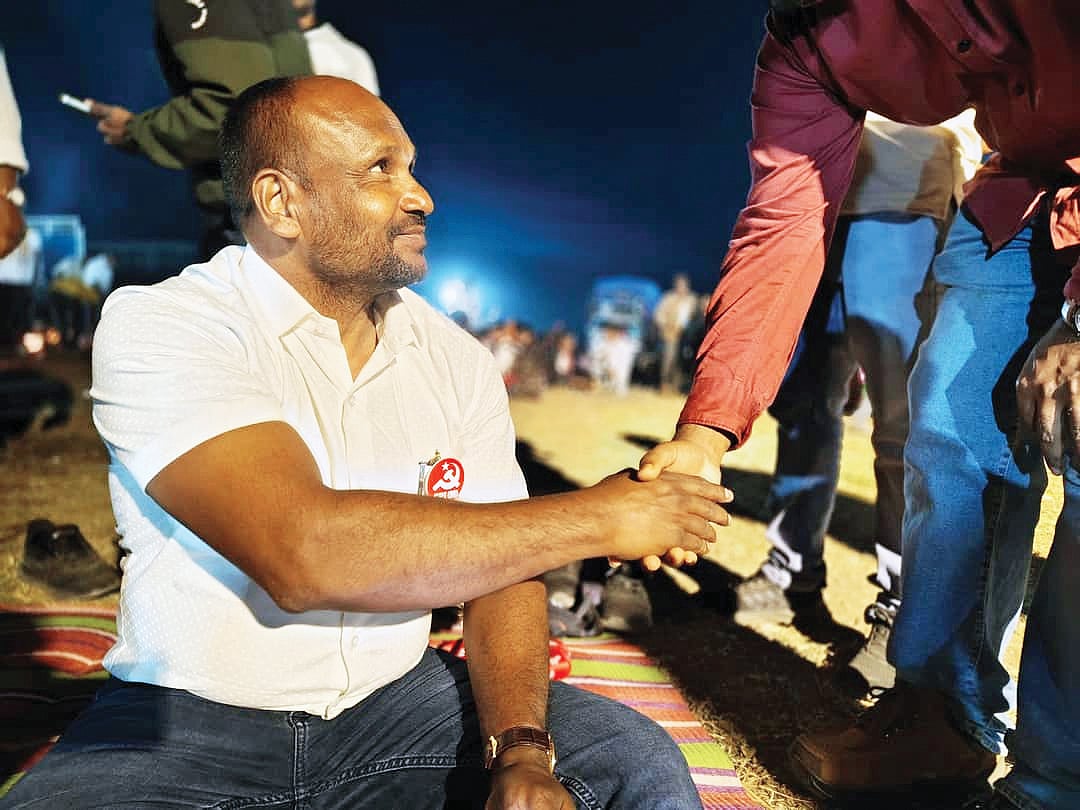
He didn’t even have a bank account when he realised he was contesting Maharashtra’s Assembly elections. His wife, a teacher in an Adivasi residential school, lent him Rs 15,000. His party workers contributed whatever they could, and he managed to put together a sum of Rs 52,000 before filling up the election form.

“My cousin brother later loaned me 70,000 rupees...” he says with a wry smile, sitting on a plastic chair outside his office in Dahanu, in the tribal-dominated district of Palghar. “That was the only cash I had ahead of the elections.”

The odds couldn’t have been stacked worse against CPI(M) member Vinod Nikole. His primary challenger was Dhanare Paskal Janya, a sitting BJP MLA, who won from Dahanu in 2014 with a margin of over 16,000 votes. (The BJP officially admitted to spending over Rs 82 crore in the Assembly elections that year.) Yet, when the results came in, Nikole won with a margin of nearly 5,000 votes.

It seems like a story from an India that doesn’t exist anymore. But it happened in 2019, and again in 2024. At a time when politics seems like a game that can’t be won without vulgar expenditure, Nikole, 48, is comfortably into his second term. This, in a state where 93 per cent of legislators are crorepatis (millionaires), as per an analysis of the outgoing 2024 Maharashtra Assembly by the Association of Democratic Reforms (ADR).

****

Born to brick kiln workers in the village of Waki, four km from Dahanu town, Nikole is the poorest MLA in Maharashtra, where the richest MLA declared assets worth Rs 500 crore. He can’t hand out money before elections, nor can he hire social media teams to push his agenda. His capital comes from being on the ground and staying accessible to ordinary people, mainly tribal farmers and labourers.

“That’s the only way I can win elections,” he says. “Every morning after 10 you can find me at my office. Anyone can walk in and talk to me.”

Always accessible to ordinary people

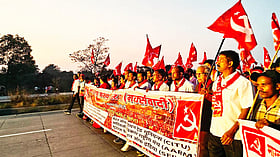
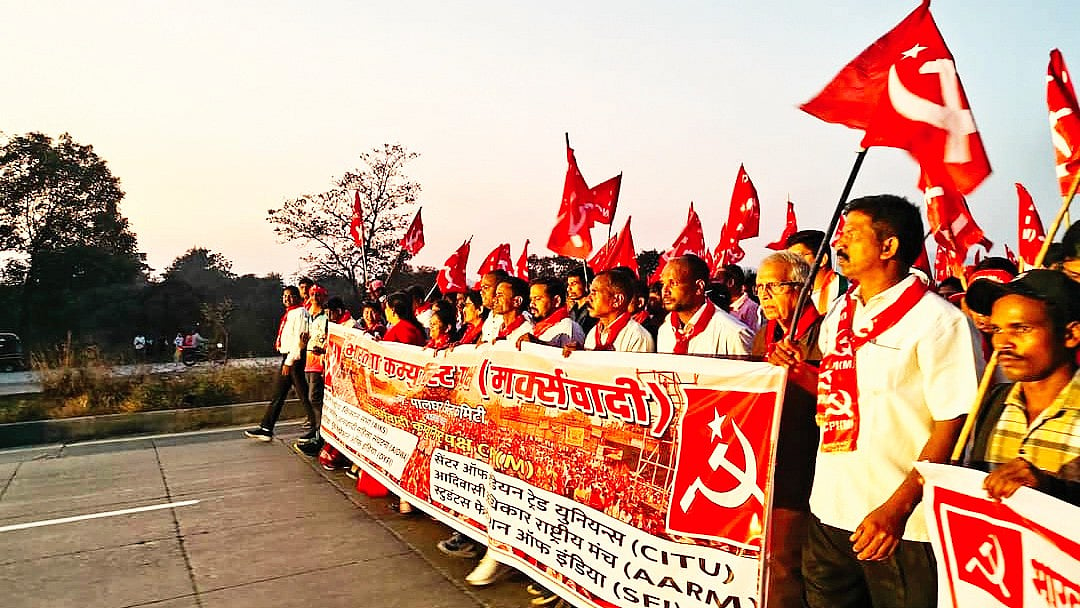
In January, the CPI(M)-affiliated All India Kisan Sabha (AIKS) organised two massive protest marches of Adivasi farmers in the tribal belt of Palghar, Nashik and Ahilyanagar (formerly Ahmednagar). Nikole, himself a Warli Adivasi, was at both rallies. He walked with farmers, slept on the floor and ate the food they ate.

“One of his strengths is that he sees himself as part of a collective leadership and united movement,” says AIKS president Ashok Dhawale.

“You don’t see that nowadays,” says Ishwati Gahala, a Warli Adivasi who participated in one of the protest marches. “It makes you feel you are properly represented and heard.”

The day I met Nikole in Dahanu, he had just arrived from Boisar after addressing a meeting of contract labourers. “We managed to increase their monthly salaries from 12,000 to 13,050 rupees,” he tells me.

“The two most important issues here are worker rights and land rights. We have unions in 50-60 companies here, and we regularly negotiate with them for better wages.” His party has a union at the Adani thermal power plant as well. “Unions become ineffective when leaders sell out. That will never happen to us.”

Suresh Jadhav, 54, a contract worker at the thermal plant, says his salary was Rs 2,600 in 2010 when they first unionised. “Today, we make 28,000 rupees a month.” That’s a pay-rise of almost 1,000 per cent over 16 years — unimaginable for workers back in the day.

Jadhav says their voices automatically carry more weight because the MLA is on their side. “It was easier to ignore us before 2019,” Jadhav says. “Our demands are taken more seriously now.”

After dropping out of college due to financial difficulties, Nikole was working in a canteen in Dahanu serving food and cleaning utensils when a senior CPI(M) leader convinced him to join the party.

“The membership fee was Rs 5 at the time,” Nikole recalls. He asked the senior leader: “You had breakfast at my canteen and I’m supposed to give you five rupees? Shouldn’t it be the other way round?” After he cut the receipt for Rs 5, the leader replied, “You are now a party member.”

“I didn’t understand what it meant at the time,” Nikole says. “But he took me under his wing, and I started working for the party.”

When he became an MLA in 2019, he started getting a monthly salary of Rs 1.5 lakh. For the first time in his life, at the age of 41, he could count on a steady income. Even today, he donates half his monthly salary (now Rs 2 lakh) to the party.

When Nikole submitted his election affidavit for his second run in 2024, his declared assets were worth Rs. 87 lakh — most of it from the 0.25 acre of land he bought and the modest house he built on it.

After the 2024 Assembly elections — which the BJP swept — the ADR’s report found that 157 out of the 279 crorepati winners analysed won with a vote share of 50 per cent and above.

Opposition parties have credibly pointed out that the BJP starts every election with a clear advantage because of the huge gap in resources. In 2024-25 alone, the BJP drew donations of over Rs 6,000 crore nationally — 12 times more than the largest Opposition party, the Congress. A level playing field simply does not exist. Even in Maharashtra’s civic polls, Rs 55 crore was spent on online advertisements alone in less than a month.

But even this massive disadvantage, Nikole says, can be mitigated if you “make a home in the hearts and minds of voters. You have to earn their trust. Then, when others try to throw money at them, the voters won’t sell their vote.”

Article courtesy: People’s Archive of Rural India

  •  

Russia dismisses Ukraine's unilateral ceasefire, launches over 100 drones overnight

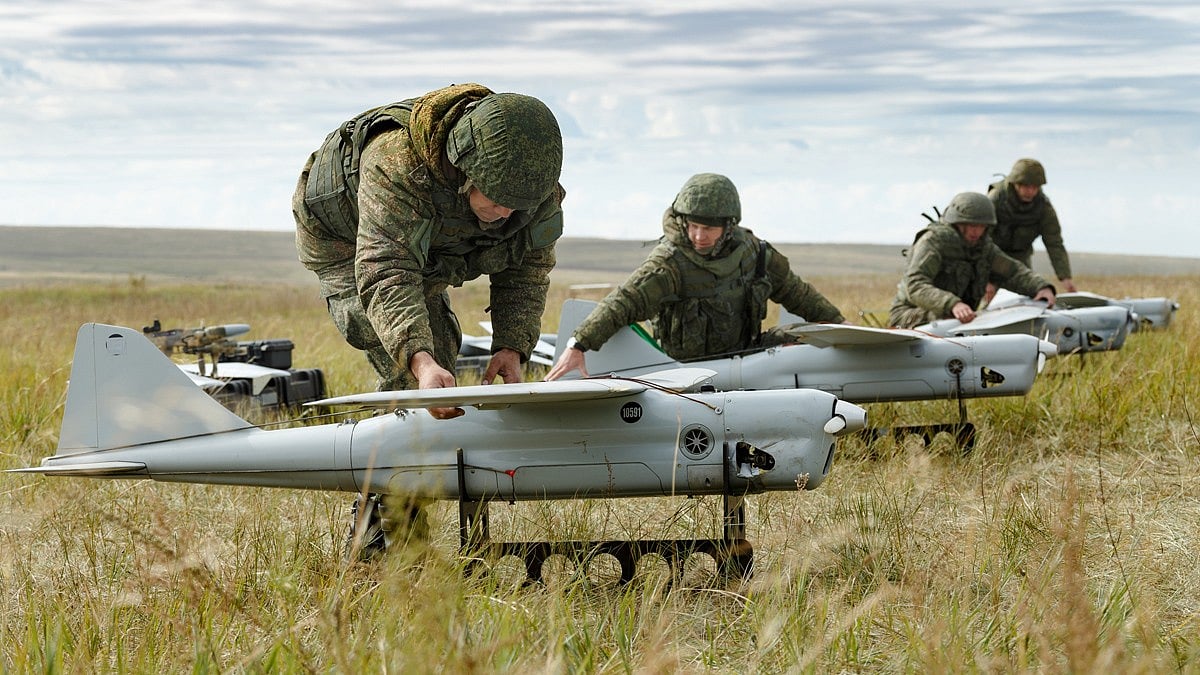
Russia launched more than 100 drones and several missiles at Ukraine overnight, Ukrainian officials said on 6 May, hours after Kyiv’s unilateral ceasefire came into effect at midnight.

The attacks signalled Moscow’s refusal to observe the temporary truce announced by Ukrainian President Volodymyr Zelenskyy ahead of Russia’s planned Victory Day ceasefire later this week.

Ukraine says Russia ignored ceasefire

According to Ukrainian authorities, Russian forces fired 108 drones and three missiles during the night, with strikes continuing into Wednesday morning.

Andrii Sybiha, the Ukrainian foreign minister said Moscow had ignored international calls to halt hostilities.

“Moscow once again ignored a realistic and fair call to end hostilities,” Sybiha said in a post on X.

He accused Russian President Vladimir Putin of caring “only about military parades, not human lives”.

Moscow accuses Kyiv of violations

Russia’s Defence Ministry, however, claimed Ukraine itself violated the ceasefire and said Russian air defences had intercepted 53 Ukrainian drones over Russian regions, the annexed Crimean peninsula and the Black Sea between Tuesday evening and Wednesday morning.

Sergei Aksyonov said a Ukrainian drone strike killed five people in Dzhankoi in Crimea.

He reported the casualties shortly after midnight, though details of the attack itself had been disclosed earlier.

Little hope for pause in war

There had been no indication from Moscow that it intended to honour Kyiv’s unilateral ceasefire announcement.

The war, now in its fifth year after Russia’s full-scale invasion of Ukraine, continues despite repeated diplomatic efforts led by the United States and European powers.

On 5 May alone, Russian missile and drone attacks killed 27 civilians and wounded 120 others across Ukraine, according to Ihor Klymenko.

The United Nations estimates that more than 15,000 civilians have been killed since the war began.

Victory Day truce questioned

Zelenskyy had proposed the unilateral ceasefire after Russia announced its own temporary pause in fighting for Victory Day commemorations marking the Soviet victory over Nazi Germany in World War II.

Kyiv said any Russian violation during the ceasefire period would trigger a military response.

European governments had welcomed Ukraine’s move as a goodwill gesture and a signal of willingness for a negotiated settlement.

However, Sybiha said Russia’s continued strikes exposed Moscow’s proposed ceasefire around 9 May as insincere.

Calls for tougher action on Moscow

The Ukrainian foreign minister urged the international community to increase pressure on Russia through new sanctions, diplomatic isolation and expanded military support for Kyiv.

Fighting meanwhile continues along the roughly 1,250-km frontline, where Russia’s larger military remains engaged in slow but costly offensives against Ukraine’s drone-intensive defences.

Russia dismisses Ukraine's unilateral ceasefire, launches over 100 drones overnight
  •  

What is a GIFT City bank account, and who can open one?

By: PR

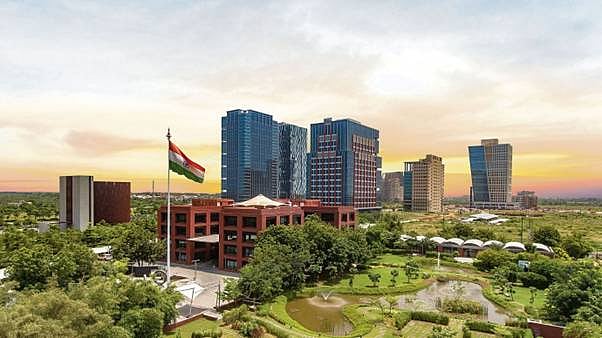
GIFT (Gujarat International Finance Tec-City) is India’s first International Financial Services Centre (IFSC) that competes with global hubs like Singapore and Dubai. Among its various services, it also offers banking services for NRIs. This opens a new avenue to manage your foreign income in India. If you’ve been curious about it, this blog explores everything you need to know about a GIFT City account for upgrading your banking experience in India.

What is a GIFT City bank account? 

GIFT City account is essentially a foreign-current bank account that IFSC Banking Units (IBUs) offer. You can hold and make transactions directly in foreign currencies like USD, GBP, EUR, etc., with this global bank account.

It is ideal for cross-border transactions. A GIFT City combines global access with a familiar banking setup in India. You are eligible to open the GIFT City account as an NRI, OCI, or PIO. You can use the account to save, make seamless transfers, and explore international markets.

Key features and benefits of the GIFT City account 

GIFT City account includes a host of features that enhance your banking journey as per the international standards within India. Some of them include:

  • Transact in foreign currency

With banking in GIFT City, you can hold and use your funds directly in currencies like USD, EUR, AUD, GBP, etc. This reduces the need for constant conversions and saves cost.

  • Access to global investment avenues

A GIFT City bank account opens up opportunities to explore international investments easily. Since your finances are already aligned with the global markets, you get easy access.

  • Tax-efficient structure

Under the IFSC framework, certain investments incur zero capital gains tax, no GST on offshore services, no STT on certain investments. This helps you earn efficiently from overseas markets.

  • Globally competitive interest rates

As the interest rates are linked to international benchmarks, your deposits get to grow in line with the global trends.

  • Simplified banking experience

Much like a regular NRI account, a GIFT City account also comes with seamless digital operations. You can perform day-to-day transactions through the convenient banking app.

  • Strong regulatory framework

The IFSCA, a government body, authorises banking activities within the GIFT City. Hence, you are assured of a transparent and globally compliant system.

  • Ease of remitting money

As the GIFT City global account is connected to the international markets, moving funds across borders is a breeze. There are no unnecessary delays or hefty charges.

  • Cheaper borrowing cost

You can access cheaper dollar loans or External Commercial Borrowing (ECBs) with your GIFT City bank account. This is possible thanks to IFSC entities that reduce borrowing costs and enhance capital access.

How to open a GIFT City bank account 

The process of opening a GIFT City account is straightforward with a fully digitised system. Follow these simple steps:

  1. Choose an IBU

Select a bank registered as an IBU. Compare the specialised bank-specific offers, the reputation, and service experience of each bank to finalise the GIFT City account.

2.       Fill out the application

Provide your basic identity-specific details and contact information. If you need assistance, you can seek the help of a relationship manager.

3.       Complete documentation

Provide basic documents like your passport, visa, residence proof, and PAN (if applicable). If you are an existing customer, you only need to fill out the application.

4.       Activate your account

Once approved, you can activate the account by remitting funds in foreign currency directly from your overseas account.

Final words 

As global financial services evolve, financial hubs like IFSC highlight growing potential. You can participate in this revolution as an NRI with a GIFT City bank account. It is easy to open through any of your preferred IBUs, and you can set it up in minutes. Once done, explore seamlessness of global transactions with India, investing in capital markets, and advanced investment avenues. The possibilities are endless for your foreign income to grow. This is yet another way to connect to your homeland besides NRI savings accounts.

What is a GIFT City bank account, and who can open one?
  •  

Bengaluru feels deprived at 'losing out' final to Ahmedabad

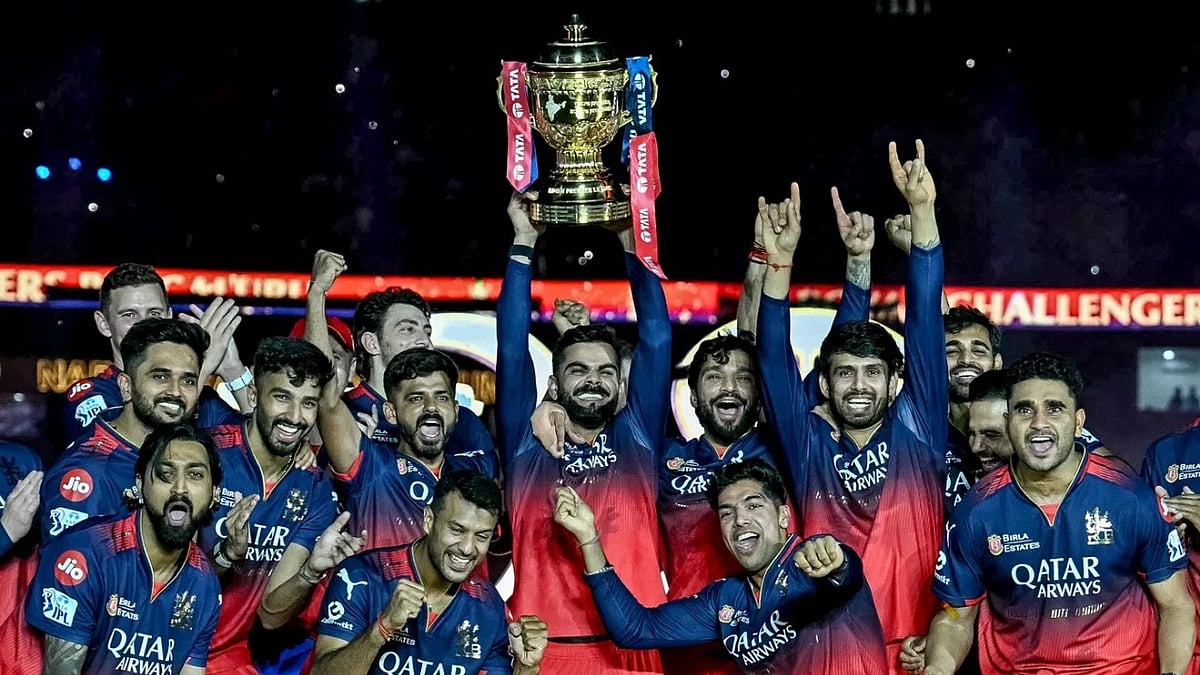
There are no prizes for guessing that the Narendra Modi Stadium in Ahmedabad has become a default venue for all marquee cricket matches in the country — and the IPL 2026 final will be no exception.

The schedule for the play-offs and final released by BCCI on Wednesday, 6 May, says the final will be held in Ahmedabad on 31 May and not in Bengaluru as per IPL tradition, which is that the home venue of the defending champions is allotted the season opener and the final, while the first qualifier and eliminator is allotted to a different city and the second qualifier is held at the same venue as the final for logistical reasons.

While Bengaluru (home to defending champions Royal Challengers Bengaluru) hosted the season-opener on 28 March, the final has been shifted to Ahmedabad, making this the second year in a row that the home ground of the previous year’s winners has been deprived.

IPL 2025 saw Eden Gardens losing out on both the second qualifier and final to Ahmedabad ostensibly owing to a rain forecast, since the season had been extended by a week owing to an interruption for Operation Sindoor.

This time around, the BCCI’s explanation for denying Bengaluru sounds vague on paper: 'Bengaluru was originally designated to host the final. However, owing to certain requirements from the local association and authorities that were beyond the scope of BCCI’s established guidelines and protocols, the venue has been shifted and reassigned.'

Another IPL final in Ahmedabad pic.twitter.com/fJbLz2TYpr

— ESPNcricinfo (@ESPNcricinfo) May 6, 2026

There were unconfirmed media reports of local politicians demanding a specific number of VIP tickets to which the BCCI refused to agree, but the Karnataka State Cricket Association (KSCA) went on record saying ‘no specific reasons’ were given for the shift.

Replying to a National Herald query, KSCA spokesperson Vinay Mruthyunjaya was unequivocal: "At the outset, KSCA expresses its disappointment that the IPL playoff matches have been allotted to other centres. KSCA president and legendary Indian cricketer Venkatesh Prasad was personally in touch with the BCCI in this regard and had also formally conveyed KSCA’s preparedness, willingness and keen interest in hosting the IPL play-offs at the iconic M. Chinnaswamy Stadium.

‘’The IPL matches conducted in Bengaluru during the current season were widely appreciated for their smooth execution, crowd management, operational efficiency and overall spectator experience, reaffirming KSCA’s capability to successfully host marquee fixtures of such scale and importance. In this regard, KSCA had addressed a detailed communication to the BCCI outlining its preparedness and explaining the operational framework under which the current IPL season was conducted in Bengaluru.

‘’The communication addressed by KSCA was purely factual, operational and clarificatory in nature — intended only to provide transparency and clarity regarding logistical and stakeholder-related requirements associated with hosting such high-profile matches. Despite our preparedness and willingness to host the play-offs, we understand that the BCCI has taken a decision to allot these matches to other venues. While the specific reasons for the same have not been formally communicated to KSCA, we fully respect the prerogative and decision-making authority of the BCCI in this regard.’’

Ever since the stadium in Ahmedabad became operational in 2022, it has hosted three IPL finals (except 2024 when the final was in Chennai) and two ICC World Cup finals — in 2023 and earlier this year.  

Play-offs schedule

Qualifier 1: May 26 – HPCA Stadium, Dharamshala

Eliminator: May 27 – New International Cricket Stadium, New Chandigarh

Qualifier 2: May 29 – New International Cricket Stadium, New Chandigarh

Final: May 31 – Narendra Modi Stadium, Ahmedabad

  •  

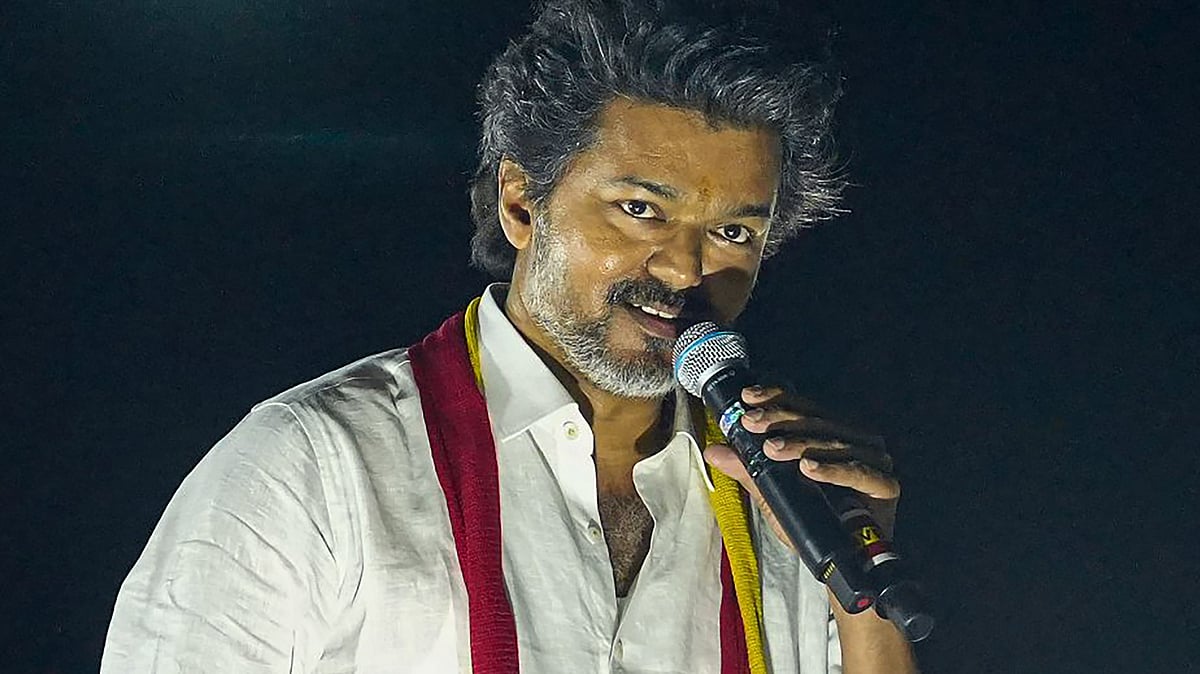
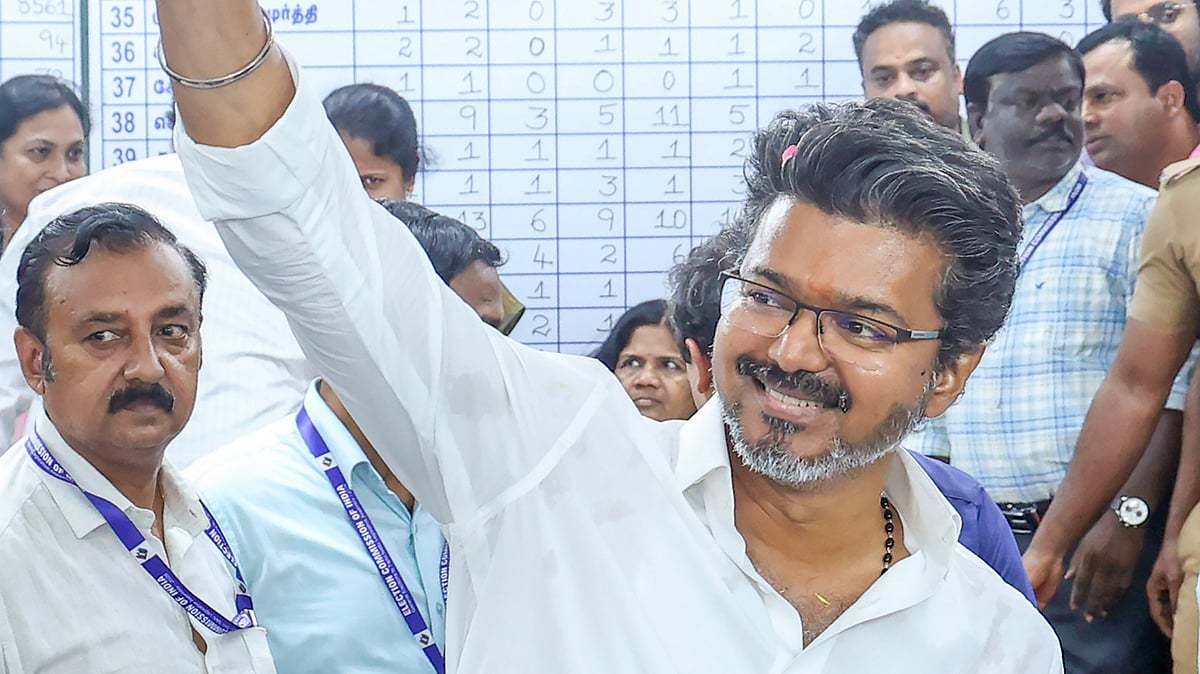
Vijay's TVK rewrites Tamil Nadu poll arithmetic with shock vote-share surge

The 2026 Tamil Nadu Assembly election has produced a string of unprecedented electoral statistics for first-time entrant Tamilaga Vettri Kazhagam (TVK), whose performance has dramatically altered the state’s long-standing DMK-AIADMK political equation.

Far from emerging as a fringe or spoiler force, TVK established itself as a dominant player across several urban and semi-urban belts, breaching vote-share thresholds traditionally associated only with entrenched Dravidian parties.

TVK outscores DMK-AIADMK combined

In one of the most striking trends of the election, TVK candidates in four constituencies secured a higher vote share individually than the combined tally of the Dravida Munnetra Kazhagam (DMK) and All India Anna Dravida Munnetra Kazhagam (AIADMK).

The standout result came in Dr Radhakrishnan Nagar, where N. Marie Wilson polled 53.97 per cent votes. In comparison, the DMK secured 26.56 per cent and the AIADMK 14.8 per cent, taking their combined tally to just 41.4 per cent.

Wilson’s victory margin of 27.41 per cent itself exceeded the total votes polled by the runner-up.

In Madavaram, M. L. Vijayprabhu secured 52.61 per cent votes, nearly doubling the combined performance of the rival Dravidian parties.

Similar patterns emerged in Shozhinganallur and Maduravoyal, where TVK candidates ECR P. Saravanan and Rhevanth Charan pushed the DMK and AIADMK into distant positions.

Tiruppur North posts extraordinary margin

One of the election’s most remarkable statistical outcomes came from Tiruppur North, where TVK’s victory margin itself exceeded the total votes secured by the two major Dravidian parties combined.

The TVK candidate won by 69,992 votes, while the DMK and AIADMK together polled 61,760 votes. The DMK managed only 351 votes in the constituency, while the AIADMK secured 61,409.

One-vote thriller in Tiruppattur

The election also produced an extraordinary finish in Tiruppattur constituency, where Seenivasa Sethupathy R defeated the DMK candidate by a single vote.

Sethupathy secured 83,375 votes against the DMK’s 83,374, producing one of the narrowest victories in Tamil Nadu electoral history.

Chennai turns into TVK fortress

TVK’s biggest breakthrough came in Chennai and adjoining suburban constituencies, where it dismantled what had long been regarded as DMK strongholds.

Except for Chepauk-Thiruvallikeni and Harbour — represented by Udhayanidhi Stalin and P. K. Sekarbabu respectively — TVK dominated the capital region.

The party crossed the 50 per cent vote mark in constituencies such as Perambur, Thiruvottiyur, Poonamallee, Avadi and Ambattur, while maintaining 45-plus per cent vote shares across most Chennai seats.

Had TVK won Tiruttani — eventually taken by G. Hari with 37.34 per cent votes — the party would have swept constituencies 1 through 17 in succession.

Strong urban-industrial showing

Beyond Chennai, TVK established a strong presence in major urban and industrial belts.

The party consistently secured 40-45 per cent vote shares across all major Madurai divisions — North, South, Central, East and West.

It also posted strong numbers in Coimbatore North and Tiruppur North, where it came close to crossing the 50 per cent threshold.

Rural resistance remains challenge

Despite the sweeping gains, the results also exposed geographical limitations in TVK’s growth.

The party struggled in the Cauvery Delta and parts of the Deep South, where the organisational structures of the DMK and AIADMK remained resilient.

TVK also faced resistance in rural belts such as Tiruvannamalai, Dharmapuri and Thanjavur.

The party lost Arcot, where S. M. Sukumar secured victory with 46.77 per cent votes, and Vaniyambadi, where the Indian Union Muslim League retained influence.

TVK narrowly missed victories in Dindigul and Tittakudi as well, losing both seats by margins below 1.5 per cent.

Vijay records highest vote share of 2026 polls

Vijay, the TVK chief, recorded the highest vote share of the 2026 Tamil Nadu Assembly elections.

Contesting from Perambur, Vijay secured 58.89 per cent votes.

Though not an all-time state record, it was the highest individual vote share recorded in this election cycle.

In comparison, the highest vote share in the 2021 Assembly polls was secured by I. Periyasamy from Athoor constituency with 72.11 per cent votes.

New political arithmetic emerges

The election data now points towards a transformed Tamil Nadu political landscape.

By repeatedly breaching the 40 per cent and 50 per cent vote-share thresholds across multiple regions, TVK has demonstrated that it is no longer merely an anti-establishment disruptor but a principal electoral force.

The 2026 Assembly polls are likely to be remembered as the election that decisively challenged Tamil Nadu’s decades-old Dravidian bipolarity and introduced a powerful new political arithmetic into the state.

Vijay declares himself TVK’s CM face
  •  

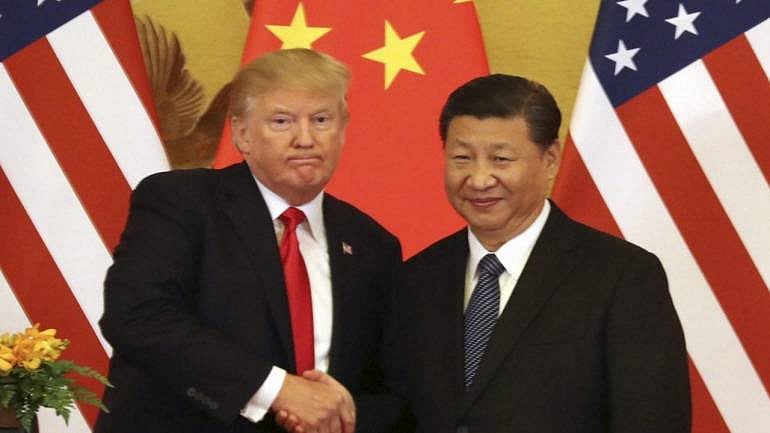
Donald Trump says Xi Jinping won’t challenge US over Iran war

Donald Trump on 5 May dismissed suggestions that China was challenging Washington over the Iran conflict, stressing his “very good relationship” with Chinese President Xi Jinping ahead of a key summit in Beijing later this month.

“We haven’t been challenged by China. They don’t challenge us,” Trump told reporters at a White House event, according to the South China Morning Post.

Referring to Xi, Trump added: “He wouldn’t do that — I don’t think he’d do that because of me.”

Beijing summit amid Gulf tensions

The remarks come days before Trump and Xi are scheduled to meet in Beijing on 14-15 May, where discussions are expected to focus heavily on the Iran conflict and the ongoing disruption in the Strait of Hormuz.

The waterway remains at the centre of global energy concerns after Iran tightened control over maritime traffic following the war with the US and Israel.

US pushes China to pressure Iran

Marco Rubio urged Chinese officials to use Iranian Foreign Minister Abbas Araghchi’s visit to Beijing to pressure Tehran into easing restrictions in the Strait of Hormuz.

“I hope the Chinese tell him what he needs to be told… what you are doing in the Strait is causing you to be globally isolated,” Rubio said.

Chinese Foreign Minister Wang Yi met Araghchi in Beijing on Wednesday, according to Chinese state media.

‘China most affected’

Rubio argued that China stood to lose the most from prolonged disruption in the Hormuz route because of its dependence on Middle Eastern energy imports.

According to Chinese customs data, the country imports roughly half of its crude oil and nearly one-third of its liquefied natural gas from the region.

Trump echoed that point, saying China receives “like 60 per cent” of its oil through Hormuz.

Trump pitches US energy exports

Trump also suggested China could shift energy sourcing to the United States.

“Send your ships to Texas… send your ships to Louisiana. Send your ships to Alaska,” he said, arguing that Alaska was geographically closer to several Asian economies than many realise.

China’s balancing act

Despite Trump’s remarks, Beijing has repeatedly criticised US military action against Iran, an important Chinese economic partner in West Asia.

The US government has also accused China of supporting Iran’s ballistic missile programme through the supply of dual-use industrial components.

However, Trump said Xi had agreed earlier this year not to provide weapons to Tehran.

China reiterates ‘balanced’ stance

China has continued to describe its position on the conflict as “objective, impartial and balanced”, while calling for a ceasefire and regional stability.

Liu Pengyu, spokesperson for the Chinese embassy in Washington, said Beijing would continue working with the international community to restore peace and stability in West Asia and the Gulf region.

The latest diplomatic exchanges underline Washington’s growing effort to draw China into stabilising global energy flows, even as geopolitical competition between the two powers continues elsewhere.

  •  

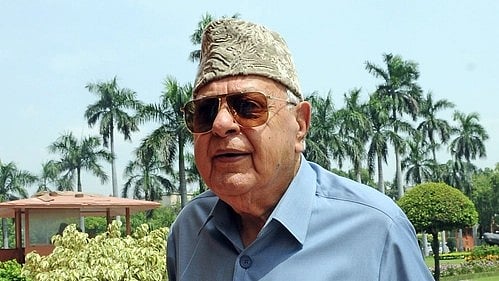
Farooq Abdullah says ‘Operation Sindoor’ met its goals, warns against war

National Conference president Farooq Abdullah on Wednesday said “Operation Sindoor” had delivered results, but cautioned that wars never provide lasting solutions and instead lead to widespread destruction and hardship.

Speaking to reporters at the party headquarters in Srinagar, the former Jammu and Kashmir chief minister said military conflicts only deepen suffering, pointing to ongoing crises in Ukraine and the West Asia.

“Operation Sindoor has paid its dividends,” Abdullah said. “But wars do not bring solutions, they only bring misery.”

Referring to the global fallout of prolonged conflicts, he highlighted the economic and energy disruptions affecting several regions.

“Look at Ukraine and the destruction there, look at the West Asia. Even gas supplies have been affected. It may take Qatar one or two years to restore supplies fully,” he said.

Abdullah also sought to ease fears over the escalating tensions in the Gulf region, arguing that the global economic climate makes a wider war unlikely.

“The world is not ready for another war,” he said. “Economic conditions are already weak in many countries and nobody wants further instability.”

He warned that any prolonged disruption in the Middle East, which remains central to global oil and gas supplies, could have severe consequences for economies around the world.

“If pressure continues in that region, the global situation could become extremely difficult,” he added.

Commenting on recent Assembly election results in different states, Abdullah said the outcomes reflected the political realities in each region.

He referred to allegations of irregularities raised by Mamata Banerjee in West Bengal, while also noting political changes in Tamil Nadu and electoral victories by different parties in Kerala and Assam.

Asked whether the special intensive revision of electoral rolls had influenced the elections, Abdullah said multiple factors had affected the results.

“There was an impact of everything,” he remarked.

The National Conference leader also dismissed suggestions of weakness within the opposition INDIA bloc, insisting the alliance remained strong.

On recent explosions reported in Punjab, Abdullah said such incidents were not new to India and urged people not to panic.

Responding to criticism from opposition parties directed at the National Conference government in Jammu and Kashmir, he said scrutiny from rivals was a normal part of democracy.

“It is the opposition’s job to speak against us,” Abdullah said. “Our party will continue working in the way it believes is right.”

With PTI inputs

  •  

Congress extends conditional support to Vijay’s TVK to form govt in TN

The Indian National Congress (INC) on Wednesday formally extended support to actor-politician C. Vijay’s Tamilaga Vettri Kazhagam (TVK) to form the next government in Tamil Nadu, while making it clear that the backing hinges on keeping “communal forces” out of the alliance.

In a statement, the party’s Tamil Nadu in-charge Girish Chodankar said Vijay had sought Congress support after TVK emerged as the single largest party in the Assembly elections. The Congress described the verdict as a mandate for a “secular, progressive and welfare-oriented government” anchored in constitutional values.

“The Tamil Nadu Congress Committee and the Congress Legislature Party have decided to extend full support to the TVK to form the government,” the statement said, adding that voters — particularly the youth — had chosen Vijay to lead the state.

The President of Tamizhaga Vettri Kazhagam (TVK), Thiru C Vijay, has formally requested the Indian National Congress (INC) to extend its support for forming a government in Tamil Nadu. The people of Tamil Nadu, especially the youth, have delivered a very clear, strong and… pic.twitter.com/Aig79MoRoE

— Tamil Nadu Congress Committee (@INCTamilNadu) May 6, 2026

However, the party underlined a clear caveat. Its support, it said, would depend on ensuring that “communal forces that do not believe in the Constitution of India” are kept out — an apparent reference to the Bharatiya Janata Party and its allies.

The development is significant as TVK, contesting its first Assembly election, secured 108 seats in the 234-member House — just 10 short of the majority mark. The Congress, which won five seats as part of the DMK-led Secular Progressive Alliance, could prove crucial in helping Vijay stake claim to power.

Positioning the tie-up as more than a post-poll arrangement, the Congress said the partnership carries a “historic responsibility” and is expected to extend to future electoral contests, including local body, Lok Sabha and Rajya Sabha elections.

The statement also invoked the legacy of former chief minister K. Kamaraj and reaffirmed commitment to the ideals of Periyar E.V. Ramasamy and B. R. Ambedkar, framing the alliance as rooted in social justice and constitutional principles.

It added that Vijay and senior Congress leader Rahul Gandhi are aligned on respecting the people’s mandate and working to fulfil the aspirations of Tamil Nadu, especially its youth.

With IANS inputs

  •  

UAE reports second day of missile, drone attacks as Iran denies involvement

The United Arab Emirates said it came under missile and drone attack for the second consecutive day on Tuesday, as regional tensions escalated around the Strait of Hormuz, although Iran strongly denied responsibility for the strikes.

In a statement carried by Iranian media, the Islamic Revolutionary Guard Corps rejected claims that it had launched attacks against the UAE, the Al Jazeera reported.

“Iran’s forces have not carried out any missile or drone operations against the UAE in recent days,” the IRGC said, dismissing the allegations as “completely false”.

The UAE’s defence ministry said the latest assault followed attacks a day earlier in which at least three people were injured and a drone strike triggered a fire at a major oil facility in Fujairah.

Authorities did not immediately disclose the extent of damage or casualties resulting from Tuesday’s incident.

The renewed hostilities have heightened concerns over a possible return to open conflict between Iran and the United States after Washington launched a maritime security initiative known as “Project Freedom” to escort vessels through the Strait of Hormuz.

The strategic waterway carries around one-fifth of global energy exports and has become the centre of growing military tensions in recent weeks.

Iran has tightened its control over the strait following joint US-Israeli strikes on Iranian targets in February, targeting or threatening vessels attempting to pass without Tehran’s approval. The standoff has disrupted energy markets, driving oil and gas prices sharply higher worldwide.

In response, the US imposed a naval blockade on Iranian ports and shipping in April, restricting Iran’s oil exports and access to foreign trade.

Hours after the US escort operation began on Monday, Iranian forces reportedly fired missiles at US naval assets and commercial ships operating under the American flag. While US Central Command denied that any vessels had been struck, it confirmed that cruise missiles and drones had been launched towards American targets.

Al Jazeera reported that US forces said they intercepted incoming projectiles and destroyed several Iranian boats during the confrontation.

Earlier on Monday, the UAE said Iran launched 15 missiles towards the country, most of them ballistic, marking the first major incident since a ceasefire between Washington and Tehran came into effect nearly a month ago.

Emirati officials said all missiles were intercepted, although a fire broke out at the Fujairah oil facility, a strategically important export hub that allows the UAE to bypass the Strait of Hormuz through the Gulf of Oman.

The facility handles around 1.7 million barrels of oil per day, accounting for nearly half of the UAE’s export capacity.

Three Indian nationals were injured in the incident, prompting India to condemn the attack as “unacceptable”.

The UAE’s response to the attacks also reflects the complexity of its regional positioning, shaped by its strong strategic partnership with the United States and its increasingly delicate ties with Iran. While Abu Dhabi has expanded cooperation with Washington in defence, trade and advanced technology, it has also sought to preserve economic and diplomatic engagement with Tehran.

That balancing act has become more difficult as tensions rise across the Gulf and the Strait of Hormuz once again becomes central to regional security concerns.

The crisis also comes at a significant moment for the UAE’s energy strategy following its recent decision to leave OPEC and the wider OPEC+ alliance. The move gives Abu Dhabi greater freedom over oil production policy at a time when conflict-related disruptions and shipping risks are creating volatility in global energy markets.

Analysts say the shift underlines the UAE’s broader effort to maintain close security ties with the US, manage pragmatic relations with Iran and strengthen its position as a stable global energy hub.

Despite the exchange of fire, Washington maintained that the ceasefire had not been broken. US Defence Secretary Pete Hegseth said the naval escort mission was temporary and insisted American forces had not entered Iranian territory.

“We’re not looking for a fight,” Hegseth said.

Before the ceasefire agreement on 8 April, the UAE had reportedly been targeted by more than 2,800 missiles and drones during five weeks of conflict, making it one of the most heavily attacked countries in the region.

  •  

Sensex and Nifty surge nearly 1% on hopes of easing West Asia tensions

Indian equity benchmarks climbed sharply in early trading on Wednesday, with the Sensex and Nifty gaining nearly 1 per cent each amid improving global sentiment and hopes of de-escalation in the West Asia conflict.

The BSE Sensex rose 657 points, or 0.85 per cent, to touch an intraday high of 77,675, while the NSE Nifty advanced 217 points, or 0.90 per cent, to trade around 24,250.

Banking, auto, metal and IT stocks led the rally, with the Nifty PSU Bank, Private Bank, Auto, Metal and IT indices gaining up to 2 per cent. Most sectoral indices traded in positive territory during the session.

However, some heavyweight stocks including Larsen & Toubro, Hindustan Unilever, ONGC, Power Grid Corporation of India and ITC Limited lagged behind the broader market gains.

Market analysts said investor sentiment remained cautiously optimistic despite expectations of near-term volatility.

One analyst noted that the market’s technical outlook remained positive, but added that the Nifty would need to sustain a close above the 24,250 mark to extend gains towards the 24,350–24,450 range. Failure to hold above 23,900 could trigger a pullback towards 23,800 or lower, the analyst added.

Another market expert said the broader trend remained constructive, although consolidation and volatile trading were likely in the short term.

Investor confidence was boosted by a decline in global oil prices for the second consecutive session, fuelled by hopes that tensions in West Asia could ease and disrupted energy supplies may resume.

Optimism also strengthened after US President Donald Trump signalled the possibility of a peace agreement with Iran, suggesting progress towards a broader diplomatic settlement. Iran has yet to respond publicly to the remarks.

Despite the diplomatic overtures, the US Navy continues to maintain restrictions around Iranian ports.

In the commodities market, Brent crude fell more than 2 per cent to $107.56 a barrel, while US benchmark West Texas Intermediate dropped 3 per cent to $99.12 a barrel.

Asian markets also traded higher, reflecting the upbeat global mood. Japan’s Nikkei gained 0.71 per cent, Hong Kong’s Hang Seng rose more than 1 per cent and South Korea’s KOSPI surged nearly 7 per cent.

On Wall Street overnight, the S&P 500 closed 0.81 per cent higher, while the Nasdaq gained 1 per cent.

With IANS inputs

  •  
❌