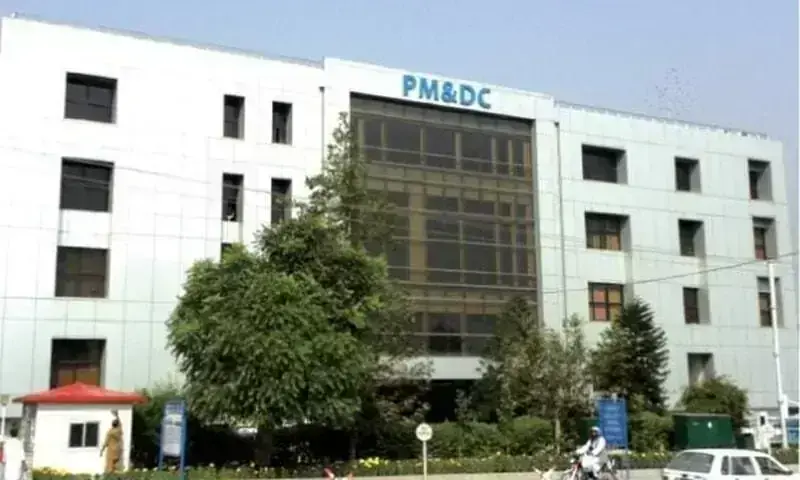
ISLAMABAD: The Pakistan Medical and Dental Council (PMDC) announced on Thursday that admissions for the 2025–2026 academic session have been closed, and students admitted after April 15 will not be registered.
A notification issued by the council said all recognised medical and dental colleges have been directed not to grant admissions after the closing date.
PMDC further clarified that any admission granted beyond the stipulated deadline would constitute a violation of the PMDC Act, 2022, and the relevant regulations governing undergraduate medical and dental education. Consequently, such students will not be issued registration numbers, rendering their admissions invalid.
The directive has been issued with the approval of the competent authority and is binding on all institutions and admitting universities across the country.
The council also urged all stakeholders to ensure strict compliance with the regulations to maintain transparency, merit, and standardisation in medical and dental education.
On April 8, PMDC stated that universities could permit a one-time relaxation of up to three per cent in the MDCAT passing requirement for admissions to medical and dental colleges, aimed at filling vacant seats for the 2025–26 academic session.
The notification stated that the decision had been made solely to fill vacant seats, “ensuring strict merit-based transparency and institutional accountability by the admitting universities, with the admission process for these vacant seats to be monitored accordingly.”
Later, the Pakistan Medical Association (PMA) expressed strong disappointment over the council’s decision and called for the immediate withdrawal of the notification.
The association argued that seats remain vacant not due to a shortage of qualified candidates, but because of prohibitive fee structures.
• Warns banned, reusable devices still in market; devices falsely claiming ‘auto-disable’ are actually reusable
• Pushes for safe, compliant single-use syringe adoption; urges authorities to launch crackdown on entire supply chain
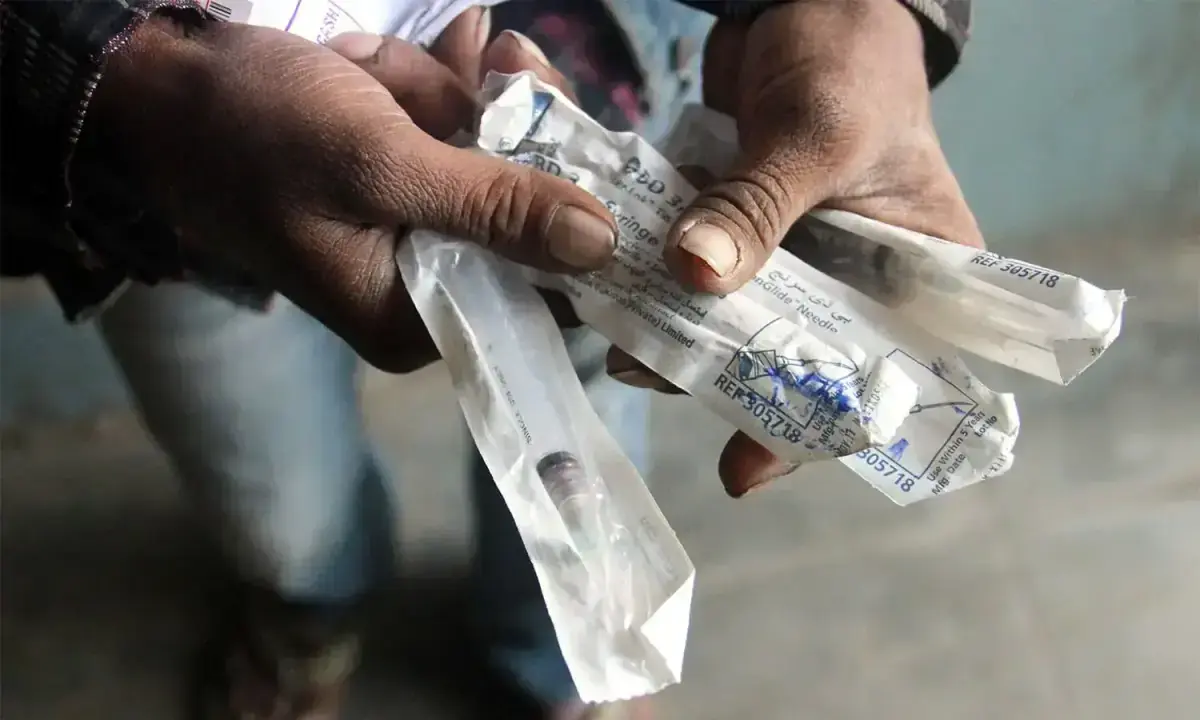
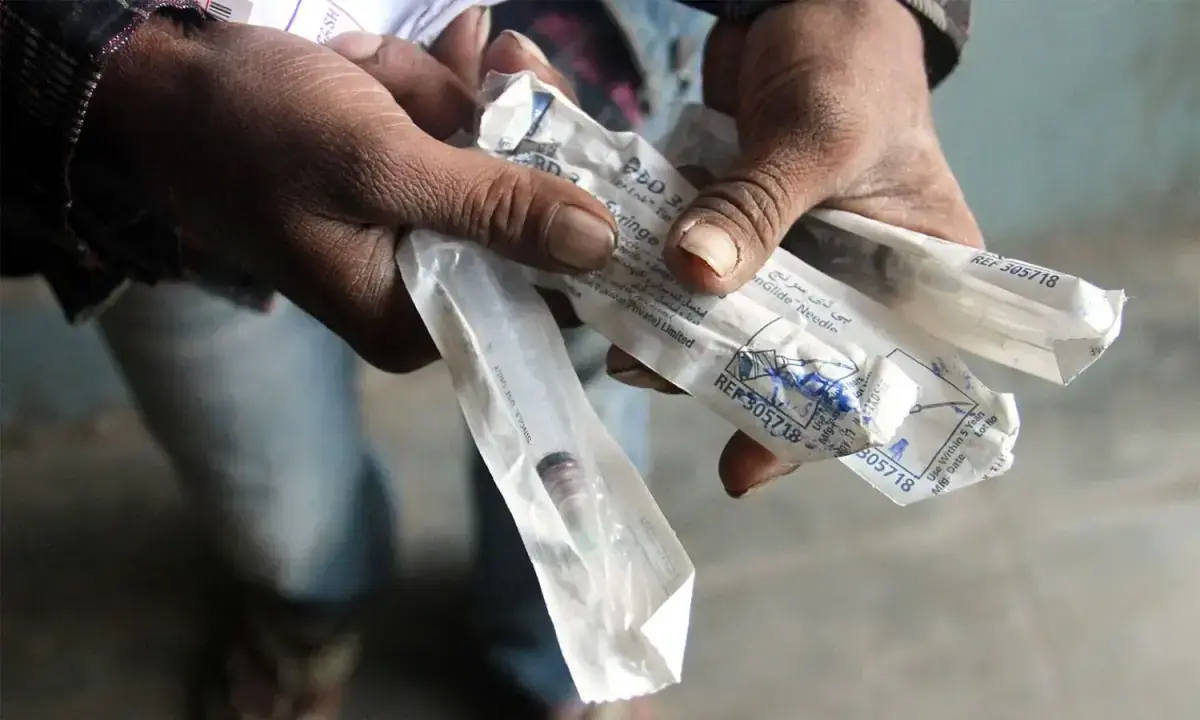
ISLAMABAD: The Healthcare Devices Association of Pakistan (HDAP) has expressed grave concern over the illegal manufacture and use of banned reusable syringes across the country, including the discovery of devices fraudulently labelled as “auto-disable” when they remain fully reusable.
HDAP warned that the practices pose a direct threat to public health by spreading disease.
“These are not merely regulatory violations. They are acts that have directly contributed to the transmission of HIV and other blood-borne infections among the most vulnerable members of our society, including children,” the association said in a press release.
HDAP strongly condemned the illegal availability, distribution and use of banned reusable disposable syringes, whether through unauthorised manufacturing, import or other unlawful channels.
“The continued use of such unsafe products significantly increases the risk of transmission of blood-borne diseases including Hepatitis B, Hepatitis C and HIV,” it stated.
In line with HDAP’s mission to promote and protect the highest standards of patient care and ethical standards through networking, advocacy and expertise enhancement, the association reiterated its commitment to the promotion and supply of only proven quality, safe and internationally compliant healthcare products that meet approved regulatory standards.
It called upon federal and provincial authorities to move beyond reactive measures and implement “sustained enforcement” against all involved in the unlawful practice, from manufacturers and importers to distributors and healthcare operators using the banned products.
Reiterating its mission to uphold high standards of patient care, HDAP said it is committed to the supply of only safe, internationally compliant and regulated healthcare products. “HDAP reaffirms that its membership stands for quality, compliance and patient safety,” it stated.
“The association will continue to support its members in meeting these standards and will work with relevant authorities to ensure that those who engage in unlawful practices are held accountable.”
The organisation pledged to work with government institutions and healthcare stakeholders to eliminate the problem, strengthen market surveillance and promote the use of approved auto-disable syringes to safeguard public health.
ISLAMABAD: The national health services ministry has announced that the Central Drugs Laboratory (CDL) Karachi, a statutory laboratory of the Drug Regulatory Authority of Pakistan (Drap), has successfully achieved World Health Organisation (WHO) prequalification, elevating the country’s pharmaceutical testing capabilities to international standards.
It added that this certification signified that Drap’s testing services met the rigorous global benchmarks established by the WHO, ensuring that the therapeutic goods tested within the facility were safe, effective and of high quality.
Drap CEO Dr Obaidullah Malik told Dawn that the development showed that the WHO had confidence in the quality of testing and the approach of the system in Pakistan.
“It shows that Pakistan has fixed all the loopholes and our tests will be accepted across the world,” he said.
Central Drugs Laboratory meets ‘global benchmarks for safety and quality’
To a question, Malik said earlier, samples were sent to Singapore and some other venues for testing.
“It’s not that the medicines of the WHO, being distributed in Pakistan, will be tested in the country. Now Pakistan will be considered a prequalified testing facility for the whole globe. For example, if India exports medicines to the African continent under the umbrella of the WHO, the medicine can be tested in Pakistan,” he explained.
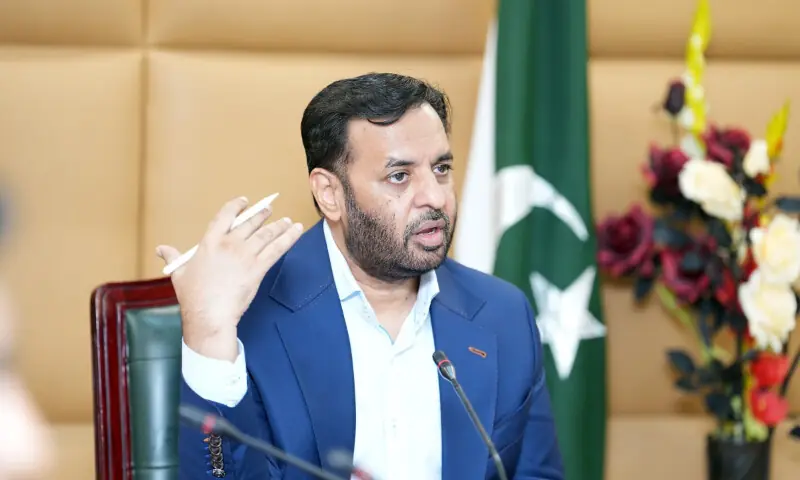
Federal Health Minister Mustafa Kamal congratulated the leadership of Drap and the technical team at CDL.
Speaking on the occasion, the minister emphasised that the achievement was a cornerstone of the government’s broader health reforms.
“The WHO prequalification of CDL Karachi is a historic moment for the people of Pakistan,” he stated.
The minister further noted that the milestone was critical for the national economy and the ‘Made in Pakistan’ brand.
“By achieving this international validation, we are not only safeguarding public health but also empowering our pharmaceutical industry to compete globally,” he said.
Vaccine policy
Meanwhile, the health ministry has announced the approval of the country’s first-ever National Vaccine Policy.
Kamal said the federal cabinet had formally approved the policy, marking a historic milestone in Pakistan’s public health landscape.
He emphasised that for the first time in the nation’s history, a compre-hensive national framework had been established to enable local production of vaccines.
“Previously, Pakistan did not have a unified and comprehensive national policy on vaccines,” he said.
“This policy has been developed through extensive consultation with key stakeholders to ensure a robust and sustainable approach to vaccine development and distribution.”
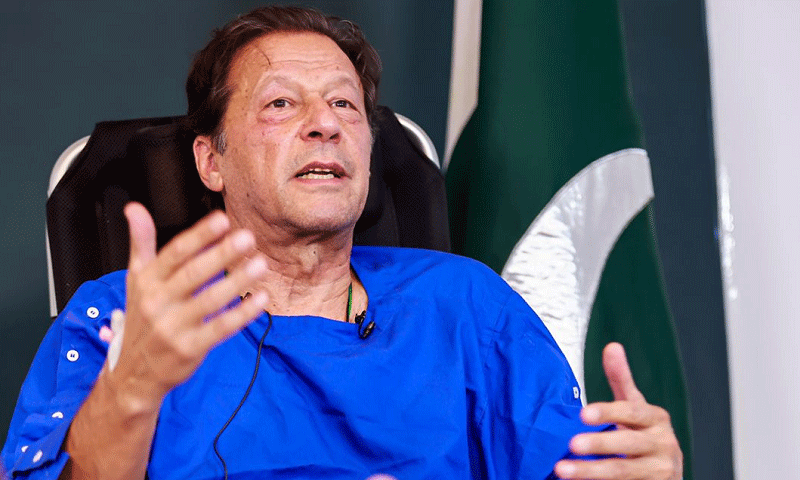
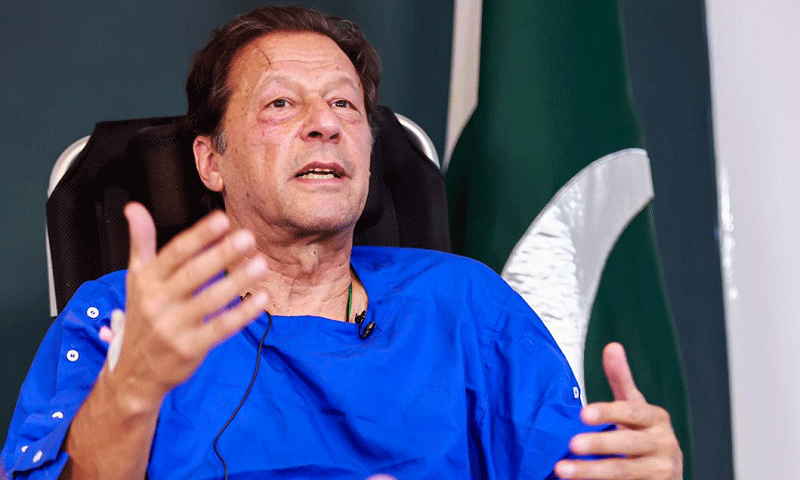
ISLAMABAD: PTI founder and former prime minister Imran Khan received a fourth intravitreal anti-VEGF injection at the Pakistan Institute of Medical Sciences (Pims) and was discharged on Tuesday morning, according to the hospital spokesperson.
Imran last underwent the anti-VEGF intravitreal injection on March 23. His eye ailment — right central retinal vein occlusion (CRVO) — came to light in late January. His first medical procedure was carried out on January 24, and he was administered the second dose on Feb 24.
According to the Pims spokesperson, Imran, 74, was brought to the hospital on April 28 for follow-up eye treatment, during which he received a fourth intravitreal injection.
“Prior to the procedure, he was examined by the ophthalmologists and was found to be clinically stable,” the statement said, adding that Imran’s “optical coherence tomography was performed, which showed clinical improvement”.
“After obtaining informed consent and under standard monitoring, adopting all standard precautionary measures and protocols in the operating theatre, he was injected with a fourth dose of intravitreal injection under the guidance of microscopy by the surgeons,” the spokesperson added.
“The procedure was performed as a day care surgery. During the course of his stay, he remained vitally stable before, during and after the procedure and was discharged along with instructions for further care and follow-up advice and documents,” the hospital spokesperson said.
PTI Chairman Barrister Gohar Ali Khan also confirmed in a post on X that Imran was taken to Pims last night for an eye injection and a medical check-up.
“Whatever the treatment, our concern remains unanswered,” Gohar said, referring to PTI’s call for Imran and his spouse Bushra Bibi to be moved to a hospital for “treatment under the supervision of personal doctors accompanied by family members”.
“This is their fundamental right,” he said, adding that the PTI had been demanding its implementation for a long time.
Following the last procedure, a senior doctor at Pims, who was familiar with the matter, said: ‘Usually, three injections are administered in such cases; it is unlikely that a fourth injection will be given.
“However, the impact of the injection is assessed after four weeks, so it will be decided after four weeks whether another dose will be required or not,” he had explained.
Separately, the opposition alliance Tehreek Tahaffuz Ayeen-i-Pakistan (TTAP) also condemned Imran being taken to the hospital in the absence of his personal physicians and family members.
“This action is a violation of basic human rights as well as the violation of legal and constitutional rights provided under the Constitution of Pakistan,” TTAP Spokesperson Hussain Ahmed Yousafzai said in a statement.
He said that depriving any citizen, especially a former prime minister, of his physicians and family was a “question mark on the rule of law”.
He demanded that Imran be immediately allowed to meet his personal physicians and family members without any hindrance to ensure the protection of his health and legal rights.
Over the past few months, the government and the opposition have been engaged in a blame game, with the latter accusing the former of a lack of transparency on the matter, of not ensuring appropriate treatment for Imran, and of not allowing his personal physicians access to him. The government denies these allegations.
The opposition has also demanded that the former premier be shifted to Shifa International Hospital.
On April 17, Imran’s spouse, Bushra, also underwent eye surgery at a Rawalpindi hospital, according to jail authorities. The couple remains incarcerated at Rawalpindi’s Adiala jail.
‘False, malicious attempt to hoodwink nation’
After it was reported that Imran received a fourth injection, the PTI raised concerns regarding his health and rejected the government’s claims that his condition had improved as “false and a malicious attempt to hoodwink the nation”.
In a statement issued by its Central Information Secretary Sheikh Waqas Akram, the party demanded that Imran be shifted to Shifa International Hospital for best available treatment under the supervision of his personal physician. And if the demand remains unfulfilled, the party called on the government to “take responsibility for the consequences”.
The statement said reports had emerged that Imran now appeared weaker than before and had complained of dental pain and deteriorating vision, terming them “alarming and concerning”.
It said these reports contradicted the authorities’ claims of Imran’s “good health”, adding that “secrecy” around his treatment had raised suspicions. In this connection, it was highlighted the Imran was taken to Pims only at night and without any prior intimation to his family, lawyers or the PTI leadership.
The statement asserted that “any further negligence or delay with regards to Imran’s treatment will be not be tolerated or acceptable”. It termed the treatment of Imran without informing his family, lawyers and the PTI leadership a “serious violation of transparency, trust and fundamental rights”.
In the statement, Akram questioned that if Imran’s health condition was satisfactory, as claimed by authorities, why were his family and the legal team denied access to him. He demanded “full transparency” on the matter and immediate access to Imran for his family, lawyers and personal physicians.
“The PTI will not compromise on the health, safety, and fundamental rights of its leader, come what may,” he said.
Akram also stated that the PTI and other opposition parties had reached a consensus on a joint strategy to challenge the incumbent government, adding that the collaboration was aimed at coordinating efforts both inside Parliament and through protest movements to address concerns regarding governance and recent legislative changes.
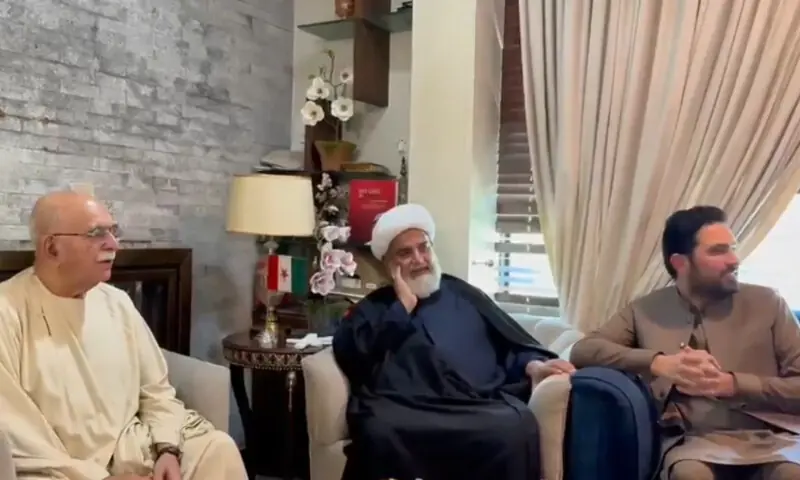
ISLAMABAD: Amid reports of a rift between the PTI and the Tehreek Tahaffuz Ayeen-i-Pakistan (TTAP), Khyber Pakhtunkhwa Chief Minister Sohail Afridi on Monday met with the opposition alliance’s leaders, Mahmood Khan Achakzai and Allama Raja Nasir Abbas.
The meeting comes amid reports that the TTAP leaders, who are also the opposition leaders in the National Assembly and Senate, were not being involved in the decision-making process.
It took place at Achakzai’s residence in Islamabad. It was also attended by former NA speaker Asad Qaiser, TTAP leader Mustafa Nawaz Khokhar, and other leaders.
In a statement shared on X, the TTAP spokesperson Hussain Ahmed Yousafzai said, “Upon the directives of PTI founder Imran Khan, CM Afridi had an important meeting with Achakzai at his residence.”
“During the meeting, detailed discussions were held on the health and medical treatment of former prime minister Imran Khan, concerns regarding his access to justice, restrictions on signing legal documents, the upcoming federal budget, the National Finance Commission (NFC) Award, provincial rights, the overall political situation in the country, and politically motivated cases,” Yousafzai added.
“The meeting agreed on adopting a joint strategy to address national issues and emphasised the need to further strengthen coordination among opposition parties,” the spokesperson said.
During a public rally in Mardan last week, Afridi had reiterated that the PTI founder had instructed him to consult Abbas and Achakzai in the decision-making process, saying that he would be mindful of it.
Meanwhile, PTI Secretary General Salman Akram, while criticising Imran’s sister Aleema Khan, had said that the party had to “bring back” Abbas and Achakzai as they had become “disheartened”.
It is worth mentioning that both — Abbas and Achakzai — were nominated by Imran as the opposition leaders in the Senate and National Assembly. PTI’s founder had also instructed his party leadership to consult with both of them, and also mandated them to hold talks with the government.
ISLAMABAD: Following reports of a possible visit by a team from the Global Fund (GF) to examine the rising number of HIV cases in Pakistan, the health ministry has tasked the Drug Regulatory Authority of Pakistan (Drap) and the Common Management Unit (CMU) with devising a mechanism to prevent HIV transmission, particularly through the reuse of syringes.
Experts say the Global Fund will likely prioritise placing technical professionals, rather than bureaucrats, in charge of disease control programmes.
More than 300 HIV cases among children were reported in Taunsa, reportedly due to the reuse of syringes. Additionally, Islamabad recorded at least 618 new HIV cases between January 2025 and March 2026.
Health ministry asks Drap, CMU to devise mechanism for curbing reuse of syringes after spike in cases
Last week, former special assistant to the prime minister on health, Dr Zafar Mirza, had highlighted the reuse of contaminated syringes and inadequate blood screening before transfusions as major contributors to the spread of the disease.
NA panel takes notice
Meanwhile, the National Assembly’s Standing Committee on Health, chaired by Dr Mahesh Kumar Malani, has taken notice of the issue and sought a detailed briefing on HIV cases.
A senior health ministry official, speaking on condition of anonymity, said that authorities had been informed that a GF team is expected to visit Pakistan soon to review the situation.
It is noteworthy that the Global Fund has invested over $1 billion in Pakistan over the past two decades to combat HIV, tuberculosis, and malaria.
“Although we have not received official confirmation of the team’s arrival, we have been told to expect it in the first half of May, as travel schedules have become unpredictable due to tensions in the Middle East,” the official said, adding that such teams usually arrive from Geneva.
Another health ministry official alleged that about a decade ago, HIV, tuberculosis, and malaria programmes were handled separately by technical experts. “Since the Global Fund is the main donor for all three programmes, they were merged under the CMU. After that, bureaucrats took control, and many focused more on perks and privileges than on disease control,” he claimed.
Regarding funding, the official said that the GF provides grants in three-year cycles, with approximately $250 million allocated for the three diseases. “For HIV, funding is split equally between the government and the private sector,” he added.
In June last year, the Global Fund said an audit by its Inspector General found slow progress and setbacks in tackling HIV and other infectious diseases in Pakistan.
The audit cited weak governance, limited strategic direction, insufficient domestic financing, and frequent leadership changes within the Ministry of Health as key challenges.
Syringes replaced
When contacted, the health ministry spokesperson, Sajid Shah, said that HIV case numbers in Islamabad were misreported by some media, adding that the ministry was taking steps to control the disease.
He stated that 2cc and 5cc syringes had already been banned and replaced with auto-disable syringes. However, 10cc syringes, still available in the market, can be reused. “The ministry has directed Drap and the CMU to investigate whether 10cc syringes are contributing to the spread of HIV. Measures will also be taken to ban them if necessary,” he said.
Shah added that Health Minister Syed Mustafa Kamal is treating the matter with urgency and is committed to finding effective solutions.
ISLAMABAD: A recent survey titled “Cybersecurity in the Workplace: Employee Knowledge and Behaviour” shows that 39pc of professionals in Pakistan consider their company’s cybersecurity rules excessive or not fully appropriate, while 8pc say their organisations either lack such rules or they are unaware of them.
The survey, conducted by cybersecurity company Kaspersky, highlights a disconnect between corporate policies and employee adherence, underscoring risks linked to shadow IT and unmanaged device usage.
According to the report, 38pc of respondents said there are no policies governing the use of non-corporate devices. Meanwhile, 17pc admitted they can use personal devices to access business information if these have some form of cybersecurity protection, even consumer-grade software.
On the positive side, 16pc said personal devices must pass stringent corporate IT security checks before use, while 29pc reported that only company-issued devices are permitted for work.
The situation is relatively better when it comes to installing software on corporate devices. Around 56.5pc said only IT specialists are allowed to install software, while 19.5pc reported that only top management or designated users have such permissions. Another 17pc said employees can install software approved by the IT team. However, 7pc noted that all users can install any software without IT approval.
At the same time, 26pc of professionals acknowledged installing software on work devices without IT supervision in the past year, highlighting a persistent shadow IT challenge that exposes organisations to security vulnerabilities, compliance risks and data breaches.
“Shadow IT is now a mainstream operational risk. When one in five employees installs software without IT oversight, it signals a policy gap,” said Toufic Derbass, Managing Director for the META region at Kaspersky. He stressed that organisations must move beyond restrictive controls and adopt user-centric cybersecurity strategies that integrate technology with employee awareness and responsible use.
To strengthen defences, the report recommends conducting shadow IT audits to identify unauthorised software, cloud services and personal devices accessing corporate data, alongside implementing robust monitoring and cybersecurity solutions.
It also advises that where personal device use is permitted, organisations should define clear minimum security requirements and enforce them through mobile device management or endpoint management tools, complemented by employee training on real-world risks.
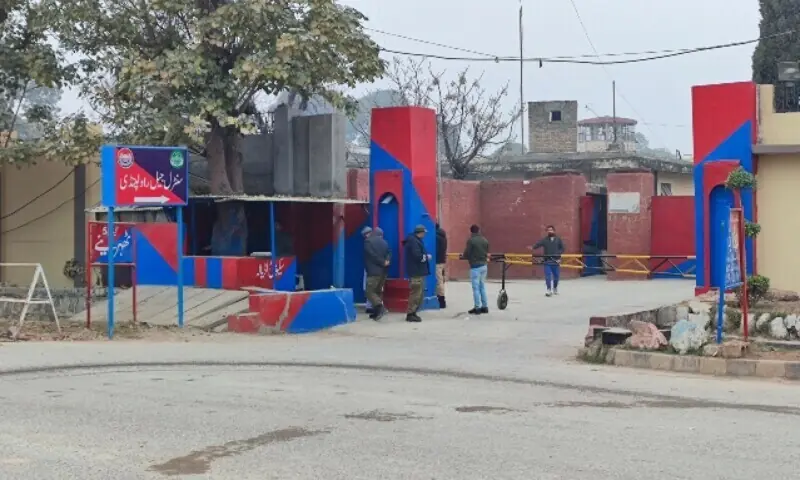
ISLAMABAD: Amid murmurs of divisions within the PTI, not a single party leader arrived at Adiala jail on Thursday, one of two days on which former premier Imran Khan is allowed visitors.
The Islamabad High Court has allowed Imran twice-a-week meetings — on Tuesdays and Thursdays — with his family, lawyers and other associates. Despite the order, the ex-premier has been largely restricted from meeting visitors for several months as the court’s directives have not been implemented.
On Wednesday, PTI Secretary General Salman Akram Raja had sent a list of six leaders to the jail administration, as per the court orders, to meet Imran. PTI leaders Falak Naz Chitrali, Fazal Elahi, Ehtesham Khan, Sardar Ghulam Ali, Asghar Khan Lehri, Syed Naseebullah Agha and Chaudhry Javed Akhtar Gujjar were included in the list.
However, on Thursday, none of the party leaders managed to reach Adiala jail till 4pm, the cutoff time for meeting with inmates.
Speaking to Dawn, PTI Central Information Secretary Sheikh Waqas Akram said that the party had taken strict notice of the situation and would discuss the “unfortunate development” in a meeting with prominent leaders.
“There are thousands of leaders and workers who want to meet Imran. Many workers go to Adiala jail every week despite the fact that their names are not included in the list and they will not be allowed to meet Imran. We will make sure that those who cannot come to Adiala jail should not give their names [for meetings],” he said.
Akram asserted that the issue would be addressed and the party would take strict action over it.
Separately, PTI’s Lehri told Dawn that he was aware that his name was included in the list sent to the jail administration.
“I could not come as my daughter-in-law was admitted to the hospital in Lahore,” he said, adding that he had welcomed a grandchild.
“It was a matter of pride for me that my name was included in the list of people who had to meet Khan sahib. I have been in the party since 2011 and contested two elections,” he said.
Lehri said that Imran was the most popular leader in Pakistan and the party had a bright future.
The same situation had also occurred last week. The party’s secretary general had sent a list of party members to meet Imran, including the heavyweights Chairman Barrister Gohar Ali Khan, Sardar Latif Khosa, Babar Awan, and Hamid Khan. But none showed up at Adiala jail.
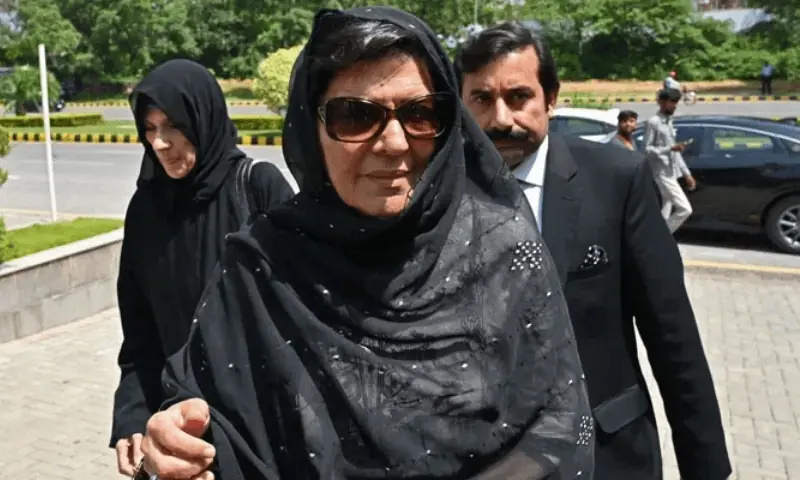
On the other hand, Imran’s sisters have consistently shown up outside Adiala jail on Tuesdays in an effort to meet their brother, even as such meetings have not been allowed by authorities.
ISLAMABAD: Aleema Khan, sister of incarcerated ex-premier Imran Khan, on Tuesday appeared to move to ease tensions with PTI Secretary General Salman Akram Raja, explaining that she holds no position in the party, rather is making efforts to secure Imran’s release from jail.
Aleema had earlier criticised the PTI leadership, including the secretary general, over their failure to secure Imran’s release. In response, Raja announced he would send his resignation to him, claiming that Imran himself had told him that his sister did not understand politics.
Speaking to the media outside Adiala jail, Aleema said she did not seek any party position and was solely focused on her brother’s release. In the same interaction, while responding to a question, she said she might be eligible for a party role, but she was not concentrating on it.
Asked about the impression that the PTI was attempting to sabotage US-Iran dialogue through protests and public meetings, Aleema said local politics had nothing to do with such negotiations.
“In the UK, a parliamentarian who is a former ambassador to the US is being criticised by both ruling and opposition parties. We should prioritise our own country. When people are imprisoned unlawfully and the country lacks a justice system, what moral standing do you have? Who will trust you when you speak lies to your own people while trying to resolve conflicts between neighbouring countries?” she asked.
She said her brother was jailed and party votes were stolen. “These leaders cannot raise their voice for Palestinians or for the girls killed in a school in Iran. Former US army officers have been protesting against the killing of girls and the war, but you remain silent” she said.
Trump had been continuously changing his stance, making him unreliable, she said, adding that Trump wants to open the Strait of Hormuz, which was already open before the war.
IMF conditions, Amnesty report
Separately, PTI Central Information Secretary Sheikh Waqas Akram denounced the treatment of prisoners, including Imran and his wife, as well as the denial of scheduled meetings with them, describing it as a blatant disregard for their rights. He said Amnesty International findings reinforced PTI’s stance.
He also criticised the IMF policies, which he said compromise the country’s sovereignty.
He demanded that the government immediately allow lawyers, family members and political leaders access to the former prime minister and his spouse, in accordance with court orders. He also urged the judiciary to penalise those defying court directives.
Reacting to the Amnesty International report, Waqas said that the government was engaged in international mediation efforts, but its internal human rights record continued to damage the country’s reputation and deprive citizens of fundamental rights.
“The latest findings by Amnesty International reinforce what PTI has consistently highlighted: a systematic crackdown on civil liberties, political opposition and independent voices. From the weaponisation of cybercrime and anti-terror laws to censorship, arbitrary internet shutdowns and coercion of media through economic pressure, the regime is tightening its grip by silencing dissent,” he added.
ISLAMABAD: Health Minister Mustafa Kamal said on Tuesday that Pakistan had sufficient medicine stocks to meet demand for the next five to six months.
“Despite ongoing international challenges, the health ministry and the Drug Regulatory Authority of Pakistan (Drap), in close coordination with the pharmaceutical industry, have taken timely and effective measures to safeguard medicine supplies,” Kamal said, while chairing a meeting to review the availability of medicines and the national supply chain.
The health minister said that proactive steps ensured the uninterrupted availability of medicines across Pakistan.
“Pakistan currently holds sufficient medicine stocks to meet demand for the next five to six months,” he noted.
Kamal reassured the public that, despite the prevailing global situation due to the conflict in the Middle East, there would be no shortage of medicines.
“The health ministry and Drap are maintaining strict oversight to ensure continuous supply, while the government remains fully committed to providing uninterrupted access to essential healthcare services,” he stated.
The meeting was also attended by representatives of the pharmaceutical and medical devices industries and Drap Chief Executive Officer Dr Obaidullah Malik.
The primary objective of the meeting was to assess and strengthen a comprehensive strategy to ensure the uninterrupted availability of medicines across the country under all circumstances.
Participants also conducted a detailed review of the availability of helium gas used in MRI machines, recognising its critical importance for diagnostic services nationwide.
PPMA says pharmaceutical industry absorbing additional costs
Meanwhile, the Pakistan Pharmaceutical Manufacturers Association (PPMA) maintained that while energy and logistic costs were fluctuating rapidly, the industry was absorbing the shocks and was not passing on any additional burden on the people.
Speaking to Dawn, PPMA Chairman North Usman Shaukat said, “Even in the current rising economic cost environment, the pharmaceutical industry remains committed to providing quality medicines at affordable prices to the public.
“While energy and logistics costs are fluctuating rapidly during these times, the industry is absorbing the [economic] shocks and is not passing on any additional burden on the people.”
He affirmed that Pakistan’s pharmaceutical industry would remain committed to providing life-saving and essential medicines to the market even in light of the current geopolitical crisis.
“The industry is maintaining ample raw materials and packaging inventory stocks to ensure an uninterrupted supply of medicines to the masses,” he stated.
Shaukat said the health ministry and Drap were also working closely to ensure supply chains were not hampered.
“We appreciate the government’s proactive approach to ensure the availability of medicines for the masses,” he added.
Last month, Drap had also dismissed reports of price hikes in essential medicines across the country, stating that the rates have not “undergone any upward revision”.
The regulatory body stated that medicine supply in Pakistan remained “unaffected” by the conflict in the Middle East and subsequent sea route disruptions, as 85pc of medicines consumed in the country were “manufactured locally”.
• Council vows zero tolerance on harassment, negligence in medical institutions • Sends cases to disciplinary panel for final adjudication
ISLAMABAD: The Pakistan Medical and Dental Council (PMDC) on Monday convened preliminary hearings for three cases, including the tragic suicides of two medical students reportedly linked to harassment, before referring them to the PMDC Disciplinary Committee for final decisions.
Council President Rizwan Taj, alongside Registrar Rehan Naqvi, expressed sorrow over the incidents and emphasised a zero-tolerance policy toward harassment and negligence in medical and dental institutions. The Disciplinary Committee is scheduled to meet next week.
According to a PMDC statement, the preliminary hearings were held to ensure a fair and informed assessment before initiating formal disciplinary proceedings. The council called relevant stakeholders, including representatives from the institutions involved, to present their accounts and establish a clear “factual matrix.”
Taj reviewed the initial findings and sought clarifications from the representatives to verify key facts and assess the sufficiency of the evidence. This process was undertaken to determine whether the cases were ready for referral to the Disciplinary Committee for further adjudication.
The first hearing addressed the “OT video leak scandal”. All five involved doctors — Dr Tayaba Fatima, Dr Zainab Tahir, Dr Muhammad Essa, Dr Ayesha Afzal and Dr Maham Amin — attended. The incident involved the circulation of an inappropriate video on social media by postgraduate trainees at Lady Wellington Hospital in Lahore. The video showed a race among doctors performing surgeries on two tables while making callous comments.
The second hearing concerned the suicide of Fareeha, a final-year MBBS student at Fatima Jinnah Medical College in Lahore. The third case addressed the suicide of Fehmida Leghari, a third-year MBBS student at Muhammad Medical College in Mirpurkhas. The principals of both colleges appeared to explain the facts of their respective cases.
After the preliminary hearings, Taj forwarded all cases to the PMDC Disciplinary Committee for final determinations.
“The Council will ensure that strict actions will be taken against any individual or institution found responsible for negligence, misconduct, or violation of student protection policies. “We are also aware of the importance of effective grievance redressal mechanisms within institutions to prevent such incidents and ensuring a safe and supportive learning environment remains a top priority of PMDC.”
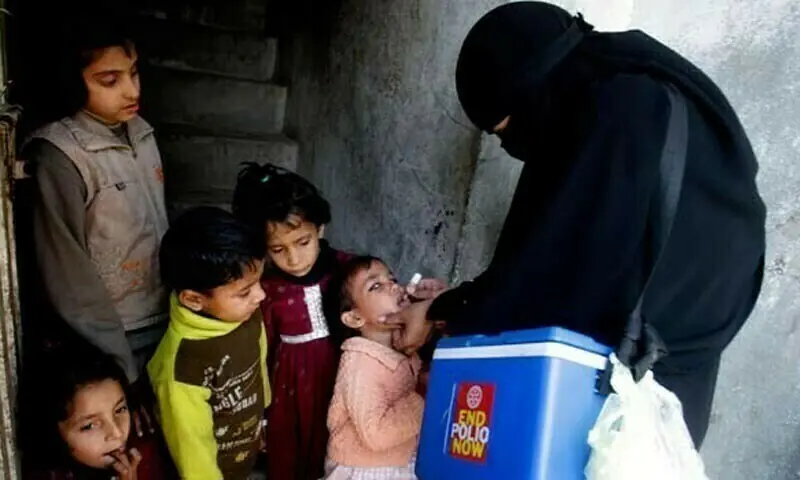
ISLAMABAD: The second nationwide anti-polio campaign of the ongoing year has missed its target of vaccination by around 300,000 children.
The week-long campaign aimed to vaccinate more than 45 million children under the age of five. However, according to data released by the National Emergency Operations Centre (NEOC) on Monday, more than 44.7m children were vaccinated against polio.
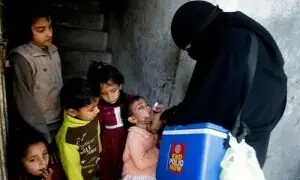
“Due to the tireless efforts of polio workers, the vaccine reached over 44.7m children across the country. In addition to polio drops, children were also administered Vitamin A supplements to help strengthen their immunity,” it said.
The provincial breakdown showed that over 23m children were vaccinated in Punjab, over 10.4m in Sindh, over 7.2m in Khyber Pakhtunkhwa and over 2.6m in Balochistan. Meanwhile, over 441,000 children were vaccinated in Islamabad, over 292,000 in Gilgit-Baltistan and around 717,000 in Azad Jammu and Kashmir.
The NEOC highlighted that the strong support and cooperation of parents and communities played a key role in the success of the campaign.
Speaking to Dawn, a polio expert, who wished to remain anonymous, said that the number of children missed during the campaign was unsurprising as some were missed because they were travelling and others were cases of refusals.
“If accurate data has been provided, I believe that the latest campaign is an achievement; usually, polio drives miss 800,000 to 1m children during each nationwide campaign,” he said.
The expert further highlighted the need for continuing immunisation, saying that high transmission season was set to arrive, bringing with it more chances of infection.
The virus responsible for the crippling disease becomes more active with the increase in temperature from May to September. On the other hand, the virus is less active or dormant from the end of September to the start of May. This period is termed the low transmission season.
Pakistan is one of the last two countries in the world, alongside Afghanistan, where polio remains endemic.
More than 44.3m children were vaccinated across the country during the first anti-polio campaign of the year held in February. Around a million children were missed and 53,000 refusals were reported during the drive.
Pakistan reported 31 polio cases in 2025, while one case has been confirmed so far in 2026 from Sujawal, Sindh.

 Login
Login