Reading view

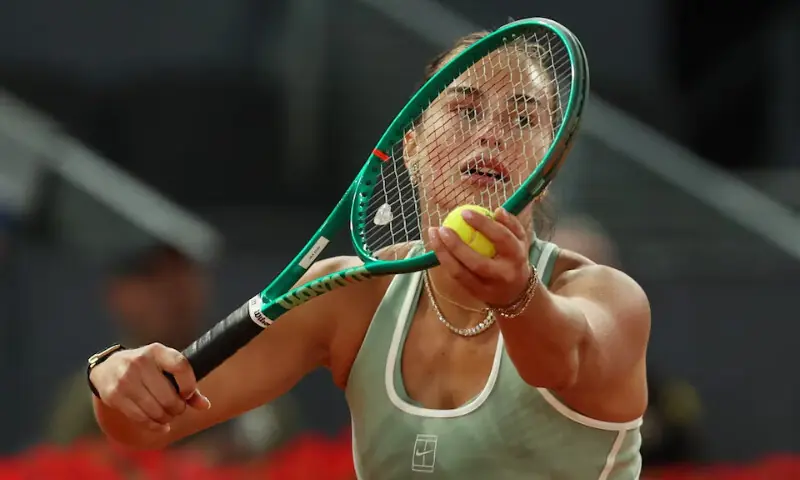
Players would boycott French Open over prize money dispute, says Sabalenka

Players would ​boycott the French Open if their prize money at the claycourt Grand Slam is not increased, women’s world number ‌one Aryna Sabalenka said on Tuesday, with Coco Gauff also voicing support for the drastic step.

The threat deepens a dispute between players and Roland Garros organisers over prize money distribution, even though this year’s tournament offers a 9.5 per cent increase to 61.7 million euros ($72.19 million).

Several top players released a statement on Monday saying they were set to receive prize money ​that would likely still be less than 15pc of tournament revenue, well short of the 22pc they demanded to match the Association of Tennis Professionals (ATP) ​and Women’s Tennis Association (WTA) combined 1000 events.

When asked how far players might push their demands, Sabalenka told reporters at the ⁠Italian Open: “I think at some point we will boycott it (the tournament), yeah. I feel like that’s going to be the only way to ​fight for our rights.

“Let’s see how far we can get, if it’s going to take players for boycott… Some of the things, I feel ​like it’s really unfair to the players. I think at some point it’s going to get to this.”

However, the world number one struck a hopeful note about ongoing negotiations.

“I just really hope that all of the negotiation that we are having, we at some point are going to get to the right decision, to the ​conclusion that everyone will be happy with,” she added.

Reuters has contacted the French Tennis Federation for comment.

The prize money boost of 5.4 million euros ​compared to 2025 still leaves Roland Garros trailing its Grand Slam rivals.

The US Open offered $90 million last year, while Wimbledon paid out 53.5 million pounds ($72.51 million) ‌and the ⁠Australian Open a record Australian $111.5 million ($80.06 million) this year.

Gauff says players must form union

World number four Gauff said she could “100pc see” players boycotting a Grand Slam if they took the decision together as one.

“It’s not about me. It’s about the future of our sport and also the current players who aren’t getting as much benefits, maybe, as even some of the top players are getting when it comes to sponsorship and things ​like that,” Gauff said.

“We’re making money ​off court. When you look at ⁠the (players ranked) 50 to 100, 50 to 200, how much money each Slam makes, it’s kind of unfortunate where the 200 best tennis players are living paycheck to paycheck.”

Gauff also suggested the players must form a ​union, highlighting how the Women’s National Basketball Association (WNBA) basketball players’ union reached a tentative agreement on a collective bargaining deal earlier ​this year after ⁠nearly 17 months of negotiations.

“Just taking what the WNBA accomplished. They also have a union, so I think that helps,” she added.

“From the things I’ve seen with other sports, usually to make massive progress and things like this, it takes a union.”

Sabalenka said the players deserved more prize money.

“When you see ⁠the number ​and you see the amount the players are receiving… I feel like the show ​is on us. I feel like without us there wouldn’t be a tournament and there wouldn’t be that entertainment,” Sabalenka added.

“I feel like definitely we deserve to be paid more ​percentage. What can I say?”

($1 = 0.8547 euros)($1 = 1.3928 Australian dollars)($1 = 0.7378 pounds)

  •  

Woman, three children murdered in Multan; scene staged as suicide: officials

LAHORE: A woman and her three children were murdered in their house in Multan, police said on Tuesday, adding that the crime scene was staged as a suicide.

City Police Officer (CPO) Multan Sadiq Ali Dogar confirmed to the media that the woman and her children were murdered, and it was staged as a suicide.

“Certainly, this is not a suicide; this leans more towards murder,” he said. “It was a staged suicide.”

The CPO added that evidence was still being collected and that all aspects of the case are under investigation.

Initially, Rescue 1122 and police received a call on their helplines reporting that a woman had allegedly hanged herself along with her children in an informal settlement near Mumtazabad Phatak in Multan.

However, investigators expressed doubts about the nature of the deaths.

A senior police officer, on condition of anonymity, told Dawn that initial findings suggested that the case appeared to be a suspected homicide staged as suicide.

He added that evidence collected from the scene indicated that the victims might have been strangled with a rope before being hanged to mislead investigators.

“The condition of the bodies and the crime scene do not support a straightforward suicide. It seems the children were killed first and then hanged from a ceiling fan, while the scene was arranged to create an impression of suicide,” the officer said.

Police further added that there were no clear signs indicating that the woman had taken her own life.

The situation was complicated by the fact that the bodies had been taken down before police and Rescue 1122 reached the scene, raising concerns of possible evidence tampering.

The officer said that an initial investigation revealed that a domestic dispute had taken place earlier in the day, and the woman had reportedly informed her parents about it. The incident occurred before they could arrive.

They added that post-mortem examinations would determine the exact cause and time of death.

Police said the victims were identified as children aged six, four and three, and that the woman was also pregnant.

Meanwhile, police took the deceased’s husband and his brother into custody for investigation.

On Saturday, a woman, her two minor sons and a man were found dead, while the woman’s two daughters were injured under mysterious circumstances in a flat at Safanwala Chowk in Mozang.

According to police and Edhi, Ayesha, 42, her 10-year-old son Muneeb and 14-year-old son Safeer were found shot dead, while her two daughters, 11-year-old Manahil and 19-year-old Samra, were injured in the flat. A property dealer, Shahid Jatt, was also found shot dead in the flat.

Police shifted the injured girls to the Mayo Hospital for treatment and bodies to the morgue for an autopsy. A case was registered on the complaint of their heirs.

  •  

Imran’s sisters call for public pressure as authorities deny jail meeting

ISLAMABAD: Party leaders were once again denied a meeting with incarcerated PTI founder Imran Khan in Adiala jail on Tuesday as his sisters appealed to the public to gather in large numbers outside the jail to exert pressure on the government.

All three sisters of Imran arrived at Adiala jail, as per routine, as Tuesday is the designated meeting day, but were told by law enforcement officials that they could not proceed.

PTI Secretary General Salman Akram Raja, former chairman of the Public Accounts Committee Junaid Akbar, who is also president of PTI Khyber Pakhtunkhwa, and other leaders were present outside the jail.

Talking to the media outside Adiala Jail, Aleema said she hoped a large number of people would soon gather there to exert pressure on the government, but she appeared disappointed by the meeting’s closing time.

She said that it was unfortunate that the courts were not delivering justice.

Noreen Khan, speaking to the media, said: “They believe they are not answerable to anyone. Imran Khan is the identity of Pakistan and he will stay in the country. However, they will not stay in Pakistan.”

Uzma Khan said that more pressure was needed to secure a meeting with Imran.

“Khan sahib had said that parliamentarians should come out and reach Adiala jail. It will make news if they are arrested. Imran Khan is in solitary confinement. Leaders are underground; I urge them to come out of their houses,” she added.

Raja said that there was no single leader in the PTI. “We are all workers and we come here to the jail,” he added.

He added that he had no differences with Aleema. “Imran Khan has already assigned responsibilities to all party leaders,” he added.

Meanwhile, PTI Central Information Secretary Sheikh Waqas Akram strongly criticised the government for a persistent and total disregard for court orders and the continued denial of visitation rights to the party’s founding chairman and his spouse, Bushra Bibi.

In a statement, he said, “Despite clear judicial directives allowing meetings with family members, lawyers, and political leaders twice a week, these orders are repeatedly ignored.”

Akram asserted that Imran remained the most popular political leader in the country and could not be erased from the hearts and minds of the people.

HRCP Report

In a separate statement, the PTI expressed a strong reaction to the latest annual report of the Human Rights Commission of Pakistan (HRCP), calling it a charge sheet highlighting the deteriorating state of human rights in the country.

“The report exposes the incompetence, authoritarian governance, and violations of the Constitution by the current ‘Form-47’ government”, the party said.

“The HRCP report confirms that freedom of expression in Pakistan is under severe pressure, journalists are being harassed, media houses are facing unofficial restrictions, and the voices of those speaking the truth are being suppressed through force. This situation poses not only a threat to democracy but also damages the credibility of state institutions.

“The report raises serious concerns regarding enforced disappearances, extrajudicial actions and unchecked powers of law enforcement agencies, saying the rule of law in the country has weakened. Political activists, particularly PTI leaders and workers, are reportedly facing fabricated cases, illegal detentions and inhumane methods such as solitary confinement,” it stated.

  •  

IHC orders removal of YouTuber Rajab Butt's name from Passport Control List

ISLAMABAD: The Islamabad High Court (IHC) has ordered the removal of YouTuber Rajab Butt’s name from the Passport Control List (PCL), ruling that the continuation of travel restrictions without lawful justification violates fundamental rights guaranteed under the Constitution.

In a detailed six-page judgment, Justice Muhammad Azam Khan directed the relevant authorities to immediately remove the petitioner’s name from the PCL, provided there was no other legal impediment or restraining order issued by a competent court.

The court noted that Rajab Butt’s name had been placed on the PCL at the request of the National Cyber Crime Investigation Agency (NCCIA).

However, during the proceedings, the deputy attorney general informed the bench that the NCCIA had no objection to the removal of the petitioner’s name from the list.

The judgment observed that while the power to include an individual’s name in the PCL is derived from the Passport Act and relevant rules, such authority is not absolute and must be exercised in a fair, just, and lawful manner.

“Placing a person’s name on the Passport Control List directly impacts their fundamental right to free movement,” the court emphasised, adding that any such restriction must be backed by solid and legally sustainable reasons.

The bench pointed out serious procedural lapses in the case, noting that there was nothing on record to suggest that a show-cause notice had been issued to the petitioner prior to placing his name on the PCL. The absence of due process, the court held, rendered the action legally questionable.

The court further ruled that mere pendency of an inquiry or investigation does not constitute sufficient grounds to impose a travel ban. It explained that the primary objective of placing a name on the PCL is to ensure the presence of the individual before the investigating agency or a court of law.

“Once that purpose is achieved, continuation of the restriction becomes unnecessary and devoid of legal standing,” the judgment stated.

In this case, the court noted, the petitioner had already appeared before the NCCIA and fully participated in the inquiry process. There was no material on record to suggest that he was likely to abscond, evade the law, or influence the investigation in any manner.

The bench observed that although placing the petitioner’s name on the PCL initially could have been justified to secure his appearance before the investigating agency, the situation had materially changed after his cooperation with the inquiry.

Significantly, the court held that the continuation of the travel ban even after the investigating agency expressed “no objection” was illegal and unjustified.

“Keeping the name of the applicant on the Passport Control List after receiving no objection from the concerned authority lacks legal basis,” the court ruled, directing immediate corrective action.

Last month, the NCCIA informed the IHC that it has no objection to removing the name of Butt from the travel ban list.

A sessions court in April recalled the interim bail granted earlier to the YouTuber over non-prosecution in a case pertaining to allegedly “hurting religious sentiments”.

The case is about a viral video of the YouTuber in which he was, according to the complainant, allegedly “disrespecting” prayer.

Butt has one of the largest online followings in the country and has been embroiled in controversy for years, including over his brief custody of a lion cub.

  •  

PTI’s Raja stands by decision on Punjab Coordination and Monitoring Committee composition

ISLAMABAD: PTI Secretary General Salman Akram Raja on Tuesday affirmed his decision regarding the composition of the newly formed Punjab Coordination and Monitoring Committee, saying that no existing member would be excluded and no new name would be added to the body.

On Monday, Raja notified a five-member body under the convenership of Amjad Khan Niazi to “coordinate organisational matters between the four regions of Punjab through engagement with the presidents and general secretaries of the said regions”.

PTI leaders Naeem Haider Panjotha, Shaukat Mahmood Basra, Ali Ijaz Buttar and Mehr Abdul Sattar were also named as members.

However, several PTI members and workers have been criticising Raja’s decision to nominate Niazi as the convener of the body, because he had parted ways with the party in the wake of the events related to the May 9 protests.

Speaking to Dawn, Raja said, “I know that some leaders have been criticising Niazi that he left the party, but they should not forget that Imran Khan himself had accepted his excuse and made him his political coordinator.“

“There is a vacuum in PTI Punjab as 80 per cent of the leadership is either in jail or underground. So, Niazi is the best option to deal with the issues and continue the political struggle in the province,” he maintained.

The terms of reference, announced by the secretary general, also detail other responsibilities, such as coordinating the planning and preparing for elections at all levels, monitoring and ensuring completion of party organisations at all levels, coordinating the activities of all affiliated wings of the party, engaging and advising regional presidents and general secretaries with respect to the effectiveness of party organisations at various levels, and proposing and monitoring the execution of political events in the province.

In addition, the body is to monitor prisoners’ welfare and provide legal support with respect to court cases. The committee is required to provide a weekly report of its activities to the Secretary General, according to the notification issued by Raja.

Replying to a question, Raja said that immense pressure was being exerted to change the members of the committee, but he would not do so.

“There were so many candidates to become members of the committee, but after failing to secure a slot, they have been criticising it. Niazi met Imran and informed him that he had to quit the party due to pressure. Later, the PTI founder appointed him as his political coordinator.”

“Basra is a seasoned worker and the party’s deputy general secretary. Sattar is a symbol of struggle and he spent five years in jail due to his stance against Okara Military Farms,” he asserted.

He added that the PTI founder had “given a direction to encourage youth” and that is why Panjotha had been made a member of the committee.

“He never skips meetings and regularly visits Adiala jail,” he added.

In response to a question, he said that PTI would continue its political struggle.

Meanwhile, PTI leader Basra said that as many as 60 first information reports had been registered against him and that he was facing multiple cases.

“We will take all possible steps to make the party stronger and more active so that Imran Khan is released,” he said.

A PTI leader, requesting anonymity, said that the formation of a Punjab Coordination and Monitoring Committee had become a matter of debate within party circles.

“While there are a number of leaders who have been opposing the decision, there are also leaders who have been supporting it,” he said

  •  

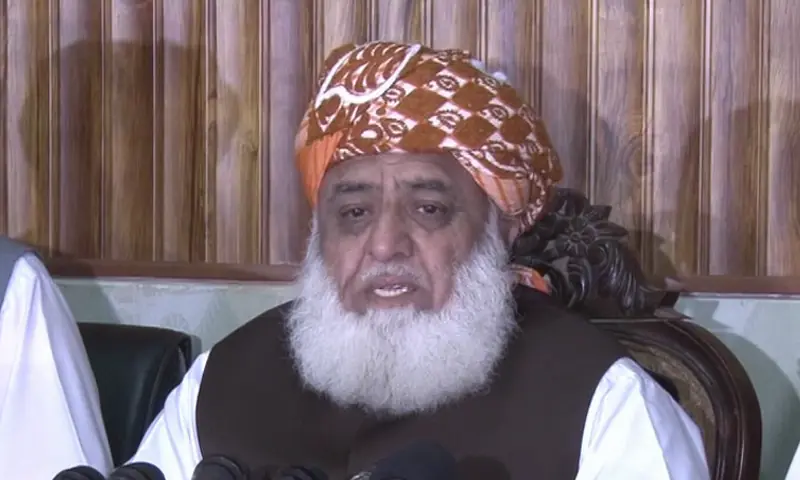
JUI-F to hold nationwide protests on Wednesday, Friday over killing of cleric Maulana Idrees

ISLAMABAD: JUI-F Chief Maulana Fazlur Rehman has announced that the party will hold protests all over the country on Wednesday and Friday against the “martyrdom” of prominent cleric Maulana Idrees.

The renowned cleric and former Jamiat Ulema-i-Islam-Fazl (JUI-F) MPA was killed on Tuesday after unidentified assailants opened fire on him, police said.

“Full and peaceful protests will be held tomorrow (Wednesday) and on Friday against the martyrdom of Sheikh Idrees”, said JUI-F spokesperson Aslam Ghouri in a statement.

He said the provincial and district organisations would arrange protest demonstrations at all four provincial headquarters and across districts.

Terming the death of Maulana Idrees an irreparable loss, Ghouri said they were exhausted by carrying the bodies of senior scholars.

“How long will the state continue to test us?” Ghouri asked, alleging that the federal and provincial governments have failed to maintain law and order.

He asked public to participate in the protests and register their protest against lawlessness.

“The government has failed. The public will have to step forward to protect themselves,” the JUI spokesperson concluded.

PM Shehbaz sends condolences to JUI chief

Prime Minister Shehbaz Sharif on Tuesday contacted the JUI chief and conveyed his condolences on the martyrdom of Maulana Idrees, the spokesperson said.

The prime minister prayed for the cleric and assured the early arrest of the killers, he said.

State-run APP reported earlier that the premier expressed deep grief over the cleric’s killing in a statement and extended his condolences to the bereaved family.

Praying for the elevation of the deceased’s rank and for patience for his family, the premier wished the injured policemen a speedy recovery.

Idrees hailed from Charsadda’s Tarangzai area. He was also the JUI-F district emir and was considered one of Maulana Fazlur Rehman’s trusted advisers.

According to Police Personal Relations Officer Safiullah, Idrees had left for Darul Uloom Noumania from his home in Tarangzai. He said that shortly before he arrived at his destination, armed assailants fired at the vehicle in the Tariqabad Utmanzai area.

The cleric’s body was subsequently shifted to the District Headquarters Hospital.

KP Inspector General Zulfiqar Hameed took notice of the incident, seeking a report from the Mardan regional police officer. He also expressed his condolences to the bereaved family and expressed his resolve to arrest those responsible soon.

  •  

Regional peace, stability linked to collective restraint, respect for sovereignty: army's top brass

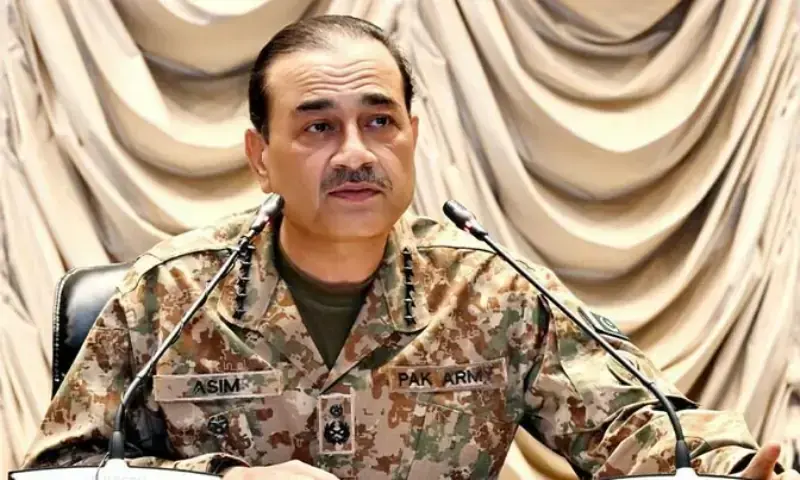
Army’s top leadership asserted on Tuesday that peace and stability in the region were intrinsically linked to collective restraint, responsibility and respect for sovereignty, a statement issued by the military’s media affairs wing after the 275th Corps Commanders’ Conference said.

Chief of Defence Forces and Chief of Army Staff Field Marshal Asim Munir presided over the meeting at the General Headquarters in Rawalpindi, the Inter-Service Public Relations (ISPR) said.

The military leadership’s observation comes against the backdrop of a conflict between the US and Iran. It began with US-Israeli strikes on Iran in late February and later broadened into a regional crisis, involving disruption of traffic in shipping lanes attacks on Gulf countries.

The conflict is paused for now, following a fragile ceasefire that continues to be tested.

The Corps Commanders’ Conference, while deliberating on the broader regional security environment, “noted that emerging geopolitical developments carry significant implications for regional stability,” the ISPR statement said.

The top brass emphasised the importance of restraint and “avoidance of escalation” and “acknowledged Pakistan’s continued responsible role in advocating stability and supporting efforts aimed at preventing further deterioration of the situation”.

As per ISPR, the conference “reiterated that peace and stability in the region are intrinsically linked to collective restraint, responsibility and respect for sovereignty”.

Chairing the meeting, CDF Munir “expressed satisfaction over the high standards of operational preparedness, professionalism, and combat readiness of Pakistan’s armed forces”.

He commended “commanders and formations for their unwavering commitment, vigilance, and success” in counter-terrorism operations across the country.

Operation Ghazab lil-Haq

The ISPR statement said the meeting comprehensively reviewed the internal and external security environment and “resolved to maintain current operational tempo to decisively dismantle terrorist networks, disrupt their support infrastructure, and deny them any operational space within Pakistan”.

Participants of the meeting also noted “continued degradation of terrorists and their support infrastructure” by means of Operation Ghazab lil-Haq.

Operation Ghazab lil-Haq was launched by Pakistan’s armed forces on the night of Feb 26 following cross-border firing by the Afghan Taliban. The military action also targets terrorists’ hideouts.

Islamabad has repeatedly accused Kabul of providing space to the banned Tehreek-i-Taliban. UN monitoring reports over the past two years have noted the TTP’s presence in eastern Afghanistan, though the Taliban deny offering support to them.

According to ISPR, the Corps Commanders’ Conference noted that the “irrational and perverted policy of the Afghan Taliban regime to provide safe havens to khawarij and other terrorist organisations, with total disregard to [the] interests of [the] Afghan people, is increasingly backfiring and stands fully exposed”.

ISPR said that the forum also took note of the “propaganda campaign” by the Afghan Taliban to “falsely portray Pakistan as targeting civilians inside Afghanistan”.

The army’s top brass termed “such misleading narratives a part of a coordinated disinformation strategy by the regime to distract attention from their internal failures and play [the] victim card”.

“The forum categorically rejected these frivolous allegations and reaffirmed that Pakistan’s defensive actions remain focused, precise, and directed solely against infiltrators, terrorist hideouts and support infrastructures,” the ISPR statement said.

Marka-i-Haq

ISPR added that participants of the meeting also congratulated the nation and the armed forces on the first anniversary of Marka-i-Haq, recognising it as a “defining moment reflecting national unity, collective resolve, and an unyielding commitment to safeguard Pakistan’s sovereignty at all costs”.

Marka-i-Haq refers to the period of conflict between Pakistan and India last year. It began with the Pahalgam attack in occupied Kashmir on April 22 and ended with the conclusion of Pakistan’s Operation Bunyanum Marsoos and a ceasefire on May 10.

According to ISPR, the conference underscored that the “national commemoration of Marka-i-Haq serves as a clear message to [the] Indian hubristic political mindset that the Pakistani nation stands united, resilient, and fully prepared”.

“It signifies the unshakeable harmony between the people, government and armed forces of Pakistan, which stand together as ‘Bunyanum Marsoos’ against all internal and external challenges.”

Moreover, the military’s top brass “strongly condemned ongoing atrocities, extrajudicial killings, and demographic changes” in India-occupied Kashmir, reaffirming Pakistan’s unwavering diplomatic, political, and moral support for the just struggle of the Kashmiri people, the statement said.

It further stated that the forum paid rich tribute to the “martyrs of the armed forces, law enforcement agencies, and innocent civilians who laid down their lives in defence of the motherland”.

“Paying profound tribute to their unmatched sacrifices, the forum reaffirmed that the enduring legacy of the martyrs continues to serve as the bedrock of Pakistan’s national security, unity, and resilience,” the statement read.

Concluding the meeting, CDF Munir “directed commanders to maintain the highest levels of vigilance, operational readiness, and adaptability in the face of evolving threats”.

He emphasised the need for “continued focus on professional excellence, integrated response mechanisms, and proactive measures to counter both conventional and non-conventional challenges”, the ISPR statement said.

  •  

US threatens 'devastating' response to any Iran attack on shipping

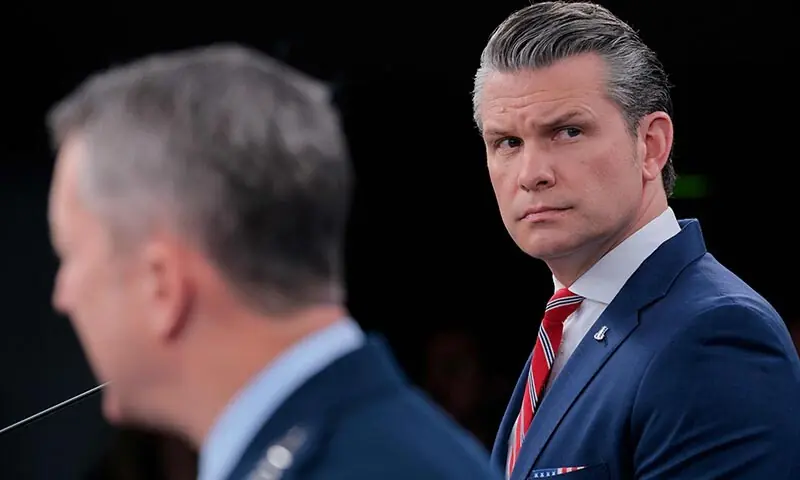
The United States is “not looking for a fight” over the Strait of Hormuz, and its ceasefire with Iran still holds, but any attack on commercial shipping will be met with a “devastating” response, the Pentagon chief said on Tuesday.

The warning from Pete Hegseth came on the second day of a US effort, dubbed ‘Project Freedom’, to facilitate the transit of commercial ships through the Strait of Hormuz, which Iran had closed in response to the US-Israeli war on the Islamic republic.

“We’re not looking for a fight. But Iran also cannot be allowed to block innocent countries and their goods from an international waterway,” Hegseth told reporters.

“If you attack American troops or innocent commercial shipping, you will face overwhelming and devastating American firepower.”

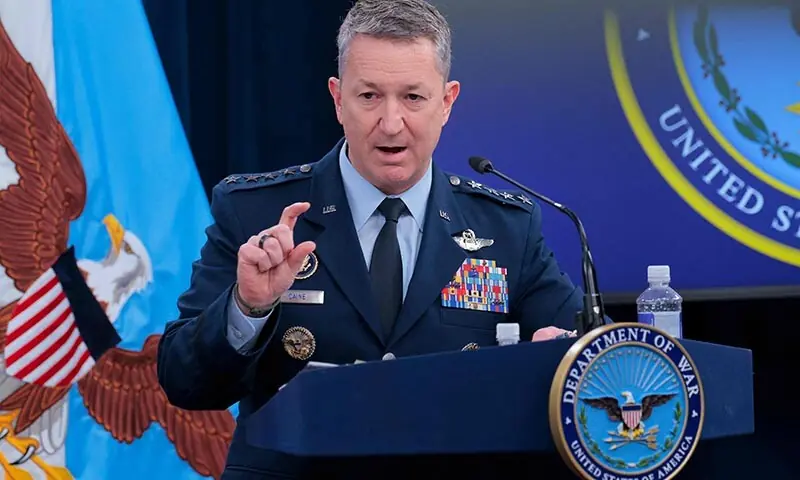
US Chairman of the Joint Chiefs of Staff Gen Dan Caine addresses reporters at the Pentagon on May 5, 2026. — AFP

The Pentagon chief added that Washington is promising security for commercial vessels with a “red, white and blue dome” over the Strait of Hormuz.

“As a direct gift from the United States to the world, we have established a powerful red, white and blue dome over the Strait,” Hegseth said, noting that US destroyers are on station providing overwatch for commercial shipping, in conjunction with combat and surveillance aircraft.

Chairman of the Joint Chiefs of Staff General Dan Caine, meanwhile, said US forces are ready to resume major combat operations against Iran if ordered to do so.

“No adversary should mistake our current restraint with a lack of resolve,” said Gen Caine, flanked by Hegseth.

Admiral Brad Cooper, the commander responsible for US troops in the Middle East, said on Monday that Washington’s forces had intercepted missiles and drones fired by Iran and also destroyed six small Iranian boats that threatened shipping.

But both Caine and Hegseth downplayed those hostilities, with the US’ top general describing it as “low harassing fire” and the Pentagon chief saying that “right now, the ceasefire certainly holds.”

“Since the ceasefire was announced, Iran has fired at commercial vessels nine times and seized two container ships, and they have attacked US forces more than 10 times, all below the threshold of restarting major combat operations at this time,” Gen Caine said.

US and Israeli forces launched the war against Iran on February 28, after which the Islamic republic closed the Strait of Hormuz — a vital route for oil and gas exports — while American forces later launched a blockade of Iranian ports.

President Donald Trump has indefinitely extended what was initially a two-week ceasefire, but the conflict — and its widespread economic fallout — remains unresolved.

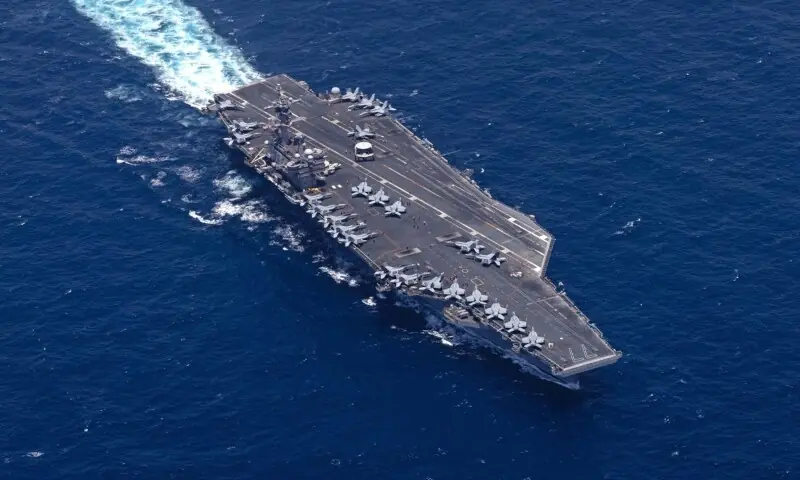
A photo of the USS George HW Bush aircraft carrier transiting through the Arabian Sea released by US Central Command on May 5, 2026. — X/@CENTCOM

Caine said there are currently “22,500 mariners embarked on more than 1,550 commercial vessels trapped in the Arabian Gulf, unable to transit.”

Cooper said on Monday that the United States is not directly escorting ships but rather had cleared a safe path through the Strait of Hormuz and then put in place multi-layered defences, including ships, aircraft and electronic warfare to respond to any threats.

Hegseth made clear in his remarks that the operation will not be open-ended.

“We’re stabilising the situation so commerce can flow again, but we expect the world to step up. At the appropriate time, and soon, we will hand responsibility back to you,” he said.

  •  

Pakistan misses $8bn SEZ investment, 500,000-job targets: minister

ISLAMABAD: Pakistan’s quest to attract over $8 billion in foreign direct investment (FDI) in Special Economic Zones (SEZs), and to generate 500,000 jobs between 2018 and 2024, remained well below the target, according to the investment minister.

As of 2025, only four SEZs have advanced beyond the planning stage with partial implementation, Investment Minister Qaiser Ahmed Sheikh said on Tuesday.

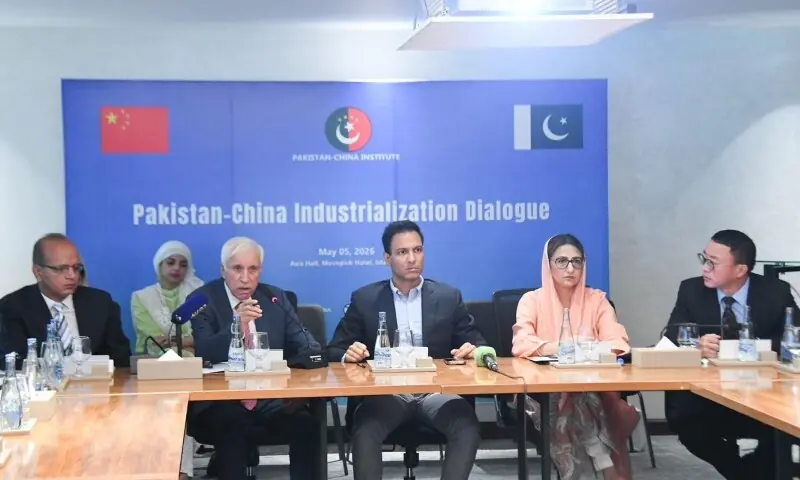
Speaking at the ‘Pakistan-China Industrialisation Dialogue’ in Islamabad, the minister explained that the four SEZs are located in Rashakai in Khyber Pakhtunkhwa, Allama Iqbal Industrial City in Punjab, Dhabeji in Sindh, and Bostan in Balochistan.”

“Under the China-Pakistan Economic Corridor (CPEC), nine SEZs were designated in the first phase, targeting sectors including food processing, ceramics, textiles, pharmaceuticals, and auto assembly, he added.

Sheikh emphasised that Pakistan is now entering a decisive phase of CPEC, shifting focus towards industrialisation, export-led growth, and enhanced business-to-business partnerships.

“Pakistan has immense potential, but we must transition from an import-driven economy to one that produces and exports value-added goods,” he remarked.

The minister added that the Joint Cooperation Committee (JCC), at its meeting in Beijing last September, had proposed government-to-government SEZs in Karachi and Islamabad, specifically targeting Chinese industrial relocation in electronics, textiles, pharmaceuticals and electric vehicles, addressing the industrial transfer gaps.

He stated that Pakistan has proposed government-to-government industrial parks targeting the relocation of Chinese manufacturing capacity in electronics, electric vehicles, pharmaceuticals, and textiles as China’s own industrial cost structure shifts upward.

The minister added that China has been Pakistan’s largest trading partner for twelve consecutive years.

However, China’s exports to Pakistan rose from $16.67bn in 2023 to $20bn in 2024, a 17.7 per cent year-on-year increase, while Pakistan’s exports to China remained about $3bn annually against China’s total annual imports of $2 trillion. The resulting bilateral trade deficit reflects a structural asymmetry, the investment minister elaborated.

Pakistan exports predominantly primary commodities like cotton, seafood and gum resins, while importing capital goods, machinery, organic chemicals, and electronics from China.

The first phase of the China-Pakistan Free Trade Agreement (CPFTA), which has been in force since 2007, increased bilateral trade by 242pc between 2007 and 2018, but Pakistan’s trade deficit with China simultaneously rose from 25pc to 35pc of bilateral trade, reaching $13bn.

The second phase of CPEC, focusing on the industrialisation agenda, aims to close this export gap through value-added manufacturing for re-export to the Chinese market, Sheikh said.

The investment minister also said that CPEC, originally valued at $46bn at inception in 2015, expanded to $62bn by 2020 and $65bn by 2022, making it China’s single largest overseas investment and Pakistan’s largest inbound investment since independence.

As per the latest factsheet, CPEC has cumulatively attracted $30bn in realised investment across energy, transport, and industrial sectors, and directly created over 261,000 jobs, he added.

CPEC has directly produced over 261,000 jobs since 2015, with the 1,320MW Port Qasim coal power project alone creating over 5,000 direct local jobs and the Sahiwal coal power plant generating over 3,770 direct positions.

Additionally, the CPEC Consortium of Universities now comprises 130 member institutions across both countries, supporting higher education linkages and joint research capacity. Beijing and Islamabad have also established vocational training infrastructure, directly targeting skills gaps in the industrial workforce.

Sheikh said the focus is on labour-intensive manufacturing in textiles, electronics assembly and light engineering, which are estimated to have the potential to generate 500,000 formal jobs within the CPEC framework by 2030.

He added that Pakistan’s internet penetration grew from 11pc in 2015 to 54pc by 2024, creating a foundation for digital-industrial integration.

“CPEC’s commerce value grew from $4.8bn in 2015 to $16bn in 2023, and with the second phase fully operationalised, projections suggest Pakistan’s industrial export capability could increase by 20pc, provided that SEZ governance, security infrastructure, and regulatory frameworks are brought to investment-grade standards,” he outlined.

Referring to the Mainline-1 (ML-1) project, Sheikh stated it would benefit the industrial sector by reducing freight transit time between Karachi port and inland manufacturing centres by an estimated 40pc, lowering logistics costs that currently consume a disproportionate share of Pakistani manufacturers’ operating expenses.

“The project has faced financing realignments, with Pakistan exploring ADB (Asian Development Bank) co-financing for some segments previously designated for Chinese concessional loans, reflecting the broader need to diversify CPEC’s financing architecture as the second phase advances,” he said.

Participating in the dialogue, Counsellor Yang Guangyuan from the Chinese embassy underscored the vast potential for bilateral cooperation across multiple sectors, including agriculture, information technology, pharmaceuticals, and manufacturing.

He also mentioned successful joint ventures such as tyre production and industrial services, and reaffirmed China’s commitment to supporting Pakistan’s industrialisation agenda under CPEC phase-II and highlighted how the country’s focus should be to attract more Chinese investors.

The dialogue highlighted that while China has remained Pakistan’s largest trading partner for over a decade, there is a pressing need to address the trade imbalance by increasing Pakistan’s exports through value-added manufacturing.

Participants agreed that CPEC Phase II provides a strategic opportunity to achieve this objective.

  •  

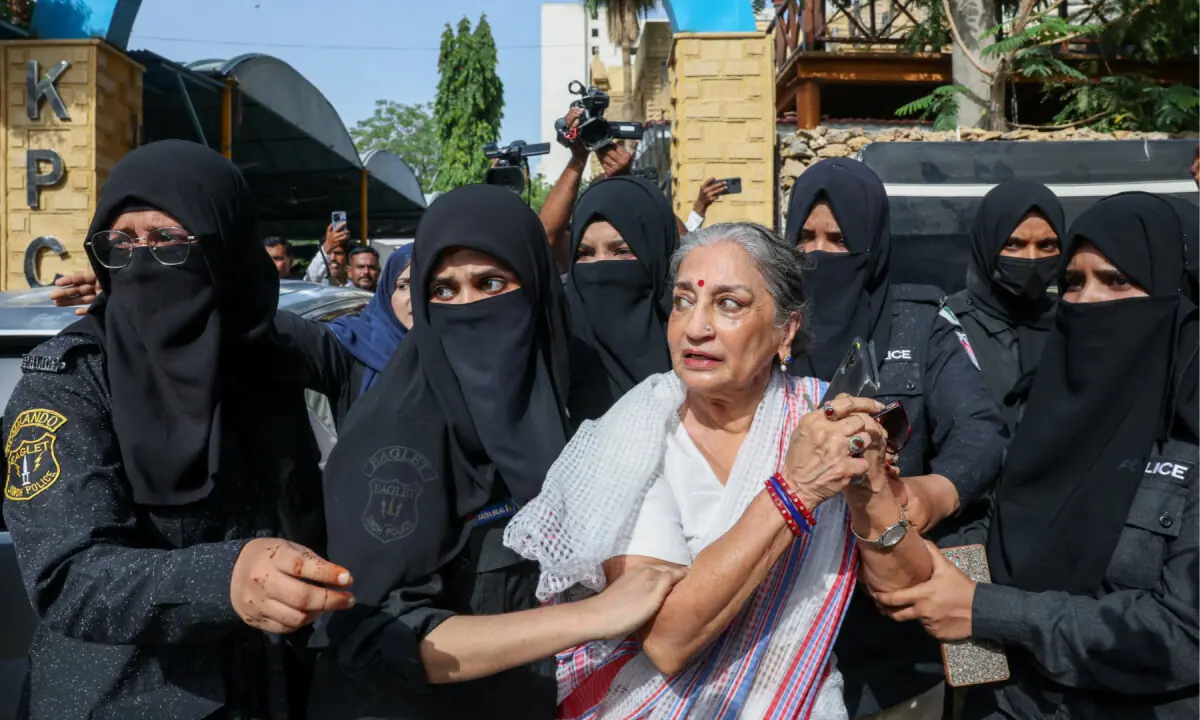
Police release Aurat March activists after brief detention in Karachi

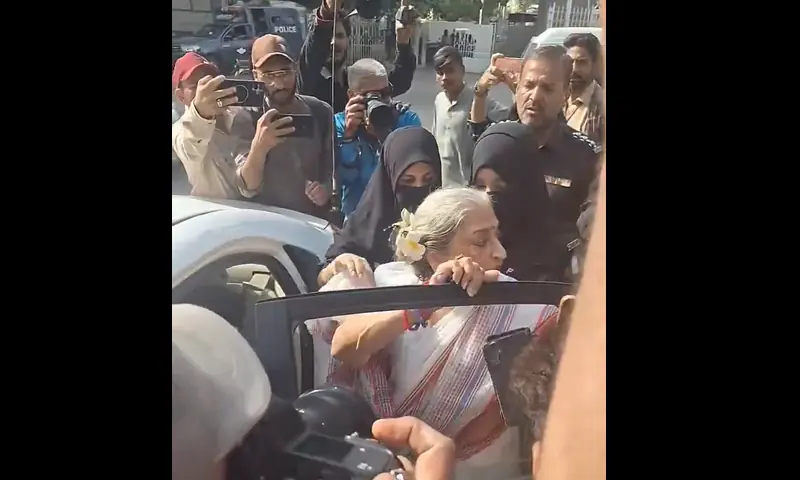
Police on Tuesday released seven Aurat March activists after briefly detaining them near Karachi Press Club (KPC), following orders from Sindh Home Minister Ziaul Hasan Lanjar.

The activists were detained after they gathered at Karachi Press Club (KPC) for a press conference scheduled for 4pm to demand a no-objection certificate (NOC) for their upcoming annual march in Karachi.

An Aurat March organiser confirmed to Dawn that seven people, including Sheema Kirmani and Shahzadi Rai, had been released. This came shortly after Lanjar ordered the metropolis’ south zone police to release the detained activists.

In a post on X following the release, Aurat March Karachi said: “We will NOT back down from our politics, and we will continue to demand an NOC!

“Scare tactics to suppress dissent are shameful!” it said, demanding that the Sindh government issue a statement explaining the reason for the arrests and for the “delay” in granting the NOC.

Shortly before 4pm, the rights group said three of its organisers were “picked up” from KPC before they could even begin the press conference. In another post, it claimed that access to the press club had been blocked.

In a subsequent post, Aurat March Karachi said “seven organisers and volunteers have been arrested to stop them from reaching KPC!”

“The state is using all its tools to suppress a women’s movement that works on cross-class issues of gender, violence and labour rights!” it added.

“Booking a room and having a press conference within the walled confines of the press club is allowed even during Section 144!” Aurat March Karachi pointed out.

It sought to know what law the “peaceful activists” were held under, as they were not protesting.

This year’s Aurat March in Karachi is planned to be held at Sea View on Mother’s Day (May 10), which is observed on the second Sunday of every May.

On Sunday, the organisers said they had sent a letter to PPP’s Aseefa Bhutto Zardari “after receiving no positive response from the authorities” on their request for an NOC.

‘Systematic denial of public space’

The Human Rights Commission of Pakistan (HRCP) and other activists strongly condemned the detentions of Aurat March activists.

The HRCP noted that the incident was not an “isolated overreach but rather part of a broader and deeply troubling pattern: the systematic denial of public space to citizens seeking to articulate their rights”.

This echoed the HRCP’s findings from its annual report for 2025, which noted that reports of intimidation and restrictions on movement contributed to a climate of fear and self-censorship, limiting public discourse and obscuring human rights violations.

On today’s detentions, the HRCP highlighted that the rights to peaceful assembly and freedom of expression were constitutionally guaranteed.

“Preventing citizens, particularly women and marginalised groups, from even convening a press conference reflects an increasingly repressive approach to governance, where dissent is treated as a threat rather than a democratic necessity,” it stated.

Digital rights activist Nighat Dad said, “Sindh Government — this is on you.”

Tagging the ruling PPP’s X account, she said, “You cannot claim to be progressive while silencing women on the streets.”

Echoing Aurat March Karachi’s stance, lawyer and rights activist Jibran Nasir asked how Section 144 of the PPC “prohibits access to KPC” and under what law “press conferences have been banned”.

  •  

Nearly 20,000 patients ‘missing’ after initiating treatment at HIV centres, NA committee told

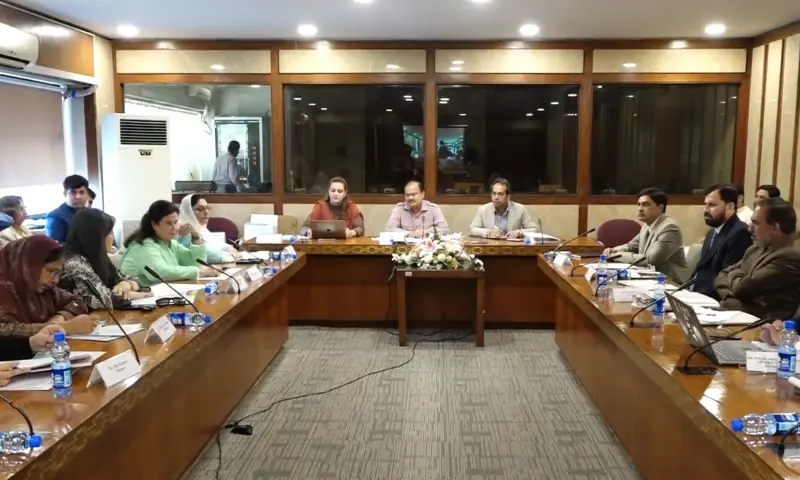
ISLAMABAD: The National Assembly’s Standing Committee on Health was informed by the health ministry on Tuesday that nearly 20,000 patients who initiated treatment at antiretroviral therapy (ART) centres for human immunodeficiency virus (HIV) and AIDS are now “missing”.

The committee also rejected the health ministry’s request to hold an in-camera briefing over the issue of HIV.

The NA committee, chaired by MNA Dr Mahesh Kumar Malani, had taken strong notice of the rising trend of HIV and AIDS cases in Pakistan and sought a briefing from the ministry.

Pakistan has become one of the fastest-growing HIV epidemics in the WHO Eastern Mediterranean Region, with new infections rising by 200 per cent over the last 15 years — from 16,000 in 2010 to 48,000 in 2024.

The ministry informed the committee that an estimated 369,000 people were living with HIV in Pakistan, while only 84,000 cases were currently registered, highlighting a significant detection gap. In 2025 alone, 14,000 new cases were reported.

In a critical revelation, the committee was informed that out of the 84,000 registered cases, nearly 20,000 patients who initiated treatment at ART centres were now “missing”, raising serious concerns about follow-up, counselling and patient retention. The ministry stated that a comprehensive master plan was being developed to address these gaps.

Malani informed the meeting that Health Minister Mustafa Kamal had requested an on-camera briefing. The chair added that the matter was already the focus of public attention, particularly due to reports of over 600 cases of HIV and AIDS reported in Islamabad.

However, committee members Aliya Kamran and Shazia Sobia Aslam Soomro opposed the proposal to hold the meeting on-camera. They emphasised that the issue was of significant public importance and should remain transparent.

Kamran stated that lives were being lost due to AIDS, while Sobia stressed that media presence in the committee proceedings was essential.

During the briefing, Kamal clarified that no new outbreak of HIV or AIDS has occurred this year. He referred to the Taunsa cases reported in 2024, highlighting that for the first time, all related facts were openly shared with the media. He noted that concealing data would be a criminal act.

However, the minister highlighted that HIV/AIDS programmes in Pakistan were largely supported by the Global Fund (GF).

“For the current three-year cycle, Pakistan has received funding amounting to $65 million. Of this, $3.9m has been allocated to the government, while the remaining funds have been distributed to organisations such as Nai Zindagi and UNDP (United Nations Development Programme),” he said.

He claimed that Pakistan has been placed in an “Additional Safeguard Category” by GF. Screening centres across the country receive medicines and syringes through these partner organisations, he said.

The minister also informed the meeting that medical supplies worth $800,000, provided by the GF, were stolen within Pakistan.

The committee noted that Pakistan’s HIV prevalence stood at 0.2 per cent compared to the global average of 0.5pc. However, localised outbreaks such as in Taunsa, Kot Momin and parts of South Punjab pointed to serious failures in infection prevention and control (IPC), unsafe medical practices and weak enforcement, it said.

Members raised alarm over the continued availability of banned syringes in the market despite regulatory prohibitions since 2021, weak monitoring of blood banks and transfusion camps, lack of sustained public awareness campaigns, persistent stigma discouraging testing and treatment and the growing number of “missing patients” who drop out after initial diagnosis.

The meeting was attended by MNAs Zahra Wadood Fatemi, Farah Naz Akbar, Shazia Sobia Aslam Soomro, Shaista Khan, Nikhat Shakeel Khan, Aliya Kamran, Darshan, Sabheen Ghoury, Chaudhry Muhammad Shahbaz Babar and Farukh Khan. The minister for national health, senior officials from the health ministry and its attached departments also participated in the meeting.

Three hospitals in Karachi have recorded a dramatic increase in the number of paediatric HIV cases over the last nine months and their numbers continue to grow, it emerged in April.

Experts at a press conference held on Saturday demanded that the government declare a national health emergency over the “dangerous spread” of the disease, now affecting children in large numbers. They also called for the strict implementation of basic infection control measures and the law on single-use syringes.

The experts further pressed for setting up a national dashboard with credible information on the status of major infectious diseases, including HIV, hepatitis B, C and mpox.

  •  

Israel court extends Gaza flotilla activists' detention by six days

An Israeli court on Tuesday extended the detention of two foreign activists taken from a Gaza-bound flotilla by six days, a lawyer representing them said.

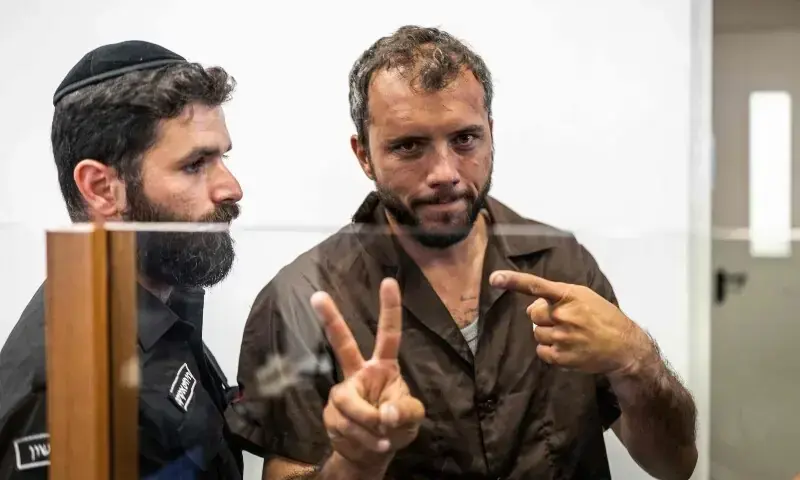
Spanish national Saif Abu Keshek and Brazilian Thiago Avila appeared before a court in the southern city of Ashkelon for their second hearing, after being brought to Israel for questioning last week.

The extension is to allow police more time to interrogate them, the pair’s lawyer said.

The two, held in a prison in Ashkelon, were among dozens of activists aboard a Gaza-bound flotilla intercepted by Israeli forces in international waters off the coast of Greece early on Thursday.

The other detained activists were taken to the Greek island of Crete and released.

The representatives of Avila and Abu Keshek have accused Israeli authorities of abusing the two men, who have been on hunger strike for the past six days.

The flotilla’s vessels had set sail from France, Spain and Italy with the aim of breaking Israel’s blockade of Gaza and delivering humanitarian aid to the war-ravaged Palestinian territory.

At a previous hearing on Sunday, the court extended their detention by two days.

During Tuesday’s hearing, both men appeared with their legs shackled, an AFP journalist reported.

“The court granted a second extension … a six-day extension, which means the next hearing will be on Sunday,” said Hadeel Abu Salih, a lawyer with Israeli rights group Adalah, which represents the activists.

“The court gave the police what they asked for and gave them the green light to continue with this illegal measure,” she said.

Abu Salih said the two activists were facing “psychological torture” in detention.

Abuse claims

Abu Salih said the extension was granted after the police requested more time to interrogate the pair.

“We see this as an attempt to criminalise any solidarity with the Palestinian people and any attempt to break the illegal siege on Gaza,” Abu Salih said, adding that Adalah plans to appeal the decision before a district court.

“We have been told by Thiago and Saif that they (Israeli police) are trying all the time to connect the humanitarian aid with Hamas to present it as a service to Hamas.”

Abu Salih also said presenting the pair before a civilian court was a “way of spreading fear and making activists reconsider their participation in the flotillas” in the future.

In a separate statement, Adalah alleged that the two men faced ongoing abuse in detention.

The pair were being held in “total isolation, subjected to 24/7 high-intensity lighting in their cells and kept blindfolded whenever they were moved, including during medical examinations,” Adalah said.

Israeli authorities have rejected the allegations.

According to Adalah, the authorities have accused the pair of several offences, including “assisting the enemy during wartime” and “membership in and providing services to a terrorist organisation”.

No formal charges have so far been filed against them.

Adalah’s lawyers have challenged the state’s jurisdiction, arguing there had been an “unlawful abduction” of the two activists in international waters.

Israel’s foreign ministry claims both individuals were affiliated with the Popular Conference for Palestinians Abroad (PCPA), a group accused by Washington of “clandestinely acting on behalf of” Palestinian militant group Hamas.

The ministry claimed Abu Keshek was a leading PCPA member, and that Avila was also linked to the group and “suspected of illegal activity”.

The Global Sumud Flotilla’s first voyage last year was also intercepted by Israeli forces off the coasts of Egypt and Gaza.

Israel controls all entry points into Gaza, which has been under an Israeli siege since 2007.

Throughout the Gaza war that started in October 2023, there have been shortages of critical supplies in the territory, with Israel at times cutting off aid entirely.

  •  
❌