Reading view

Mysterious world beyond Pluto may have an atmosphere: astronomers

A tiny, little-known world beyond Pluto appears to have an atmosphere, Japanese astronomers said on Monday, defying what had been thought possible for icy objects in our cosmic backyard.

If confirmed, the roughly 500-kilometre-wide rock would become just the second world past Neptune in our Solar System to host an atmosphere — after only Pluto itself.

Formerly classified as a planet, Pluto was demoted to dwarf planet status in 2006, in part because astronomers were discovering other similar objects in a distant region called the Kuiper Belt.

While Nasa under US President Donald Trump has floated the idea of restoring Pluto’s planet status, the discovery of another atmosphere nearby could undermine the argument for its reinstatement.

For the new discovery, Japanese researchers and an amateur astronomer pointed their telescopes at an object with the unwieldy name of (612533) 2002 XV93.

The icy world is nearly 40 times further from the Sun than Earth — or roughly six billion kilometres away.

These dark objects can only be seen when they pass in front of a distant star.

When this happened in January 2024, the astronomers observed that the starlight did not immediately reappear, suggesting a thin atmosphere was filtering some of the light.

They estimate that the world has an atmosphere five to 10 million times thinner than Earth’s, according to a new study in Nature Astronomy.

“This is important because, until now, Pluto was the only trans-Neptunian object with a confirmed atmosphere,” lead study author Ko Arimatsu of the National Astronomical Observatory of Japan told AFP.

Such small worlds had not been thought capable of hosting an atmosphere.

“This discovery therefore challenges the conventional view that small icy worlds in the outer Solar System are mostly inactive and unchanging,” he added.

Ice volcanoes or comet smash?

The researchers could not say for sure what created the atmosphere, which is nowhere near thick enough to support life.

But they suggested it could have been made by gas being shot out from the world’s interior by erupting ice volcanoes.

Or it could have been kicked up by a comet smashing into the world, which would mean it will gradually disappear.

Jose-Luis Ortiz, a Spanish astronomer not involved in the research who studies dwarf planets beyond Neptune, said the results were interesting, but urged caution.

“I still doubt that it is an atmosphere. We need more data,” he told AFP.

An alternative explanation for the observations could be that the object has a ring close to its body, Ortiz said.

Ko Arimatsu acknowledged that he could not rule out “exotic alternatives” to an atmosphere.

However, “a nearly edge-on ring does not seem consistent with the main features of our observations,” he added.

Both astronomers called for further observations to reveal more about this strange world — particularly with the James Webb space telescope.

There have also been suggestions that a dwarf planet called Makemake, which is slightly smaller than Pluto, could have a very thin atmosphere, though some scientists are sceptical.

Last week, Nasa administrator Jared Isaacman suggested the US space agency was considering reinstating Pluto as a fully-fledged planet.

Isaacman made the comments while endorsing a proposal to halve Nasa’s science budget, riling some astronomers, Nature reported.

“It’s wild to ‘make Pluto a planet again’ while decimating the careers of those of us that study it!” planetary scientist Adeene Denton wrote on Bluesky.


  •  

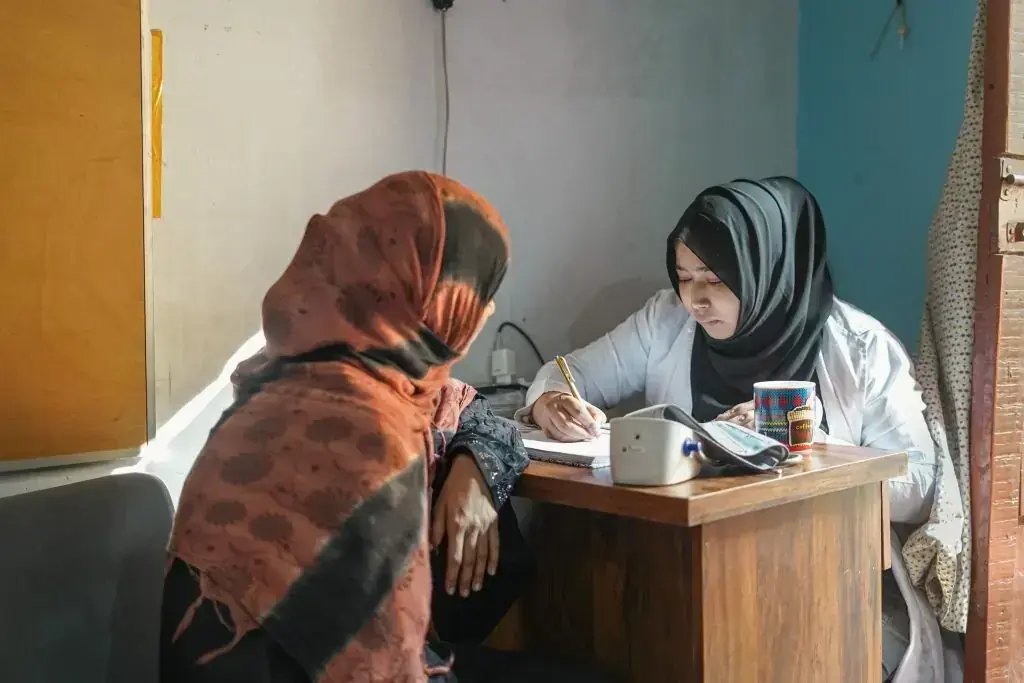
UNFPA committed to supporting midwifery education, workforce development in Pakistan

ISLAMABAD: The United Nations Population Fund (UNFPA) announced on Monday that it remains firmly committed to supporting Pakistan in strengthening midwifery education, workforce development and health systems.

In a statement to mark the observance of ‘International Day of the Midwife’ on May 5, UNFPA’s representative in Pakistan, Dr Luay Shabaneh, said that the Fund will continue to work in close partnership with the government and all stakeholders to advance this agenda.

“The path forward is clear, the evidence is strong and the returns are undeniable. The question is not whether we can afford to invest in midwives, but whether we can afford not (to do) so.

“Let us stand with our midwives by protecting them, valuing their contribution and enabling them to reach their full potential, investing not only in health, but in the dignity, prosperity and future of Pakistan,” the UNFPA representative said.

He added that Pakistan now had an opportunity to act by expanding midwifery education, scaling up the B.S. Midwifery Programme, strengthening training standards and ensuring recruitment and deployment where they were most needed.

Shabaneh called for midwives to be fully integrated into the health system with clear career pathways, professional recognition and leadership opportunities. He added that they should be paid fairly, protected legally and prioritised in health sector planning and budgets.

“Access to skilled midwifery care is a fundamental right. No woman should lose her life while giving life,” he said.

The representative termed midwives “guardians of life at its most critical moments, ensuring the safety of mothers, newborns and families, and supporting health and well-being far beyond birth”.

He noted that they were often the first and most trusted point of care in rural and underserved communities across Pakistan — providing skilled care, preventing complications, identifying risks early and ensuring timely referrals during pregnancy, childbirth and the postnatal period.

Yet the reality and state of midwives is worrying, he pointed out, noting that Pakistan accounts for approximately four per cent of global maternal deaths. Nearly 100 women die for every 100,000 live births, most from preventable causes, he added.

According to Shabaneh, the country faces a shortage of nearly 82,000 midwives, with only 2.2 midwives per 10,000 people — half the global average.

“These are not just statistics,” he said. “They represent lives lost, families changed forever and a gap that must and can be closed.”

When properly educated, supported and integrated into the health system, the representative added that midwives could deliver most essential maternal and newborn health services, reduce preventable deaths, improve health outcomes and strengthen primary health care.

He highlighted that investing in midwives was a “smart economic choice” as it reduced costly emergency care, lowered pressure on hospitals, improved workforce productivity, and strengthened families and communities, delivering long-term returns in both human and economic development.

However, he said, “midwives in Pakistan are too often expected to carry this responsibility without adequate support”. This support includes essential equipment, medicines, supervision, safe working conditions and fair compensation.

An advanced midwifery clinical skills training programme was launched in Tharparkar in March. According to a press release, the programme aims at enhancing maternal and neonatal healthcare services in one of the most underserved areas of the province.

  •  

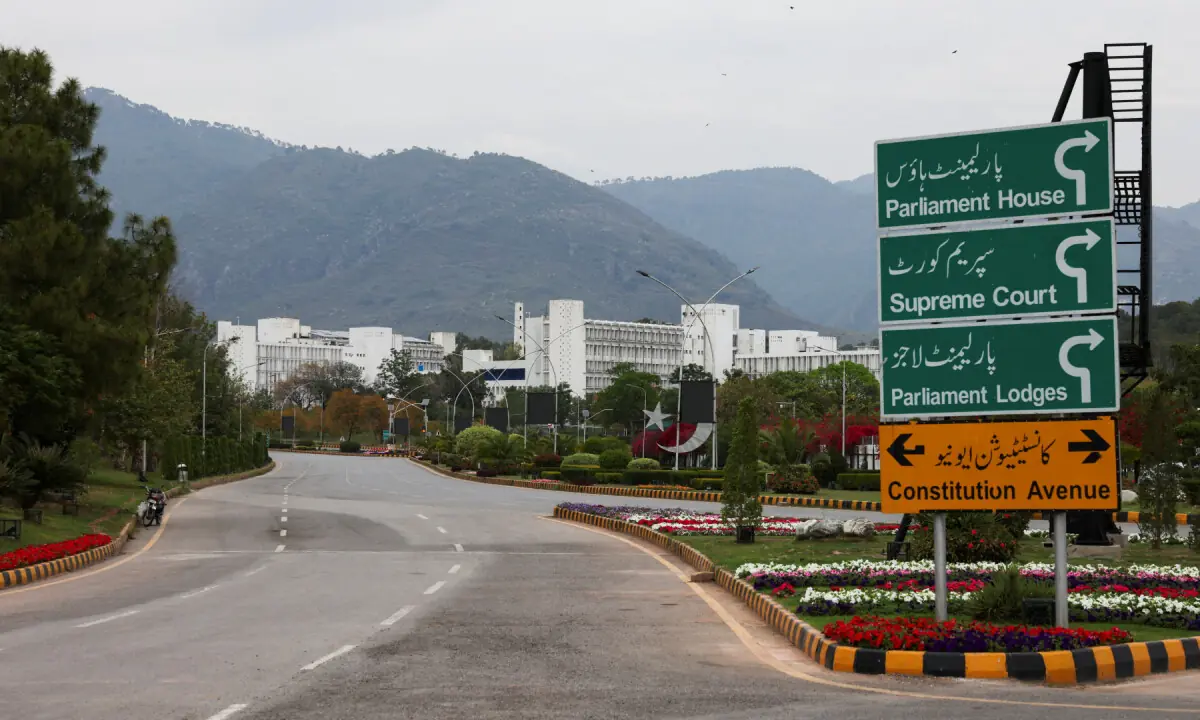
Security lapses at Parliament Lodges a 'serious threat', says Senate deputy chairman

ISLAMABAD: Senate Deputy Chairman Syedal Khan Nasar on Monday took notice of security lapses and poor facilities at the Parliament Lodges, summoning the Capital Development Authority (CDA) and security officials and ordering a comprehensive report within three days.

Parliament Lodges house members of the National Assembly and Senate in the capital. Security and maintenance issues have been a recurring issue at the lodges.

Chairing an emergency meeting at Parliament House, Nasar expressed displeasure over the unauthorised entry of unrelated persons in the Parliament Lodges and termed the security flaws a “serious threat”.

He directed authorities to submit details of all complaints received at the lodges and the subsequent action taken.

The deputy chairman also raised questions over delays in renovation and repair work, and expressed dismay at the poor condition of lifts.

Citing his own experience of getting stuck in a lift, he called such incidents an “administrative failure”.

Lack of progress despite repeated complaints by senators was termed negligence.

Nasar also sought the complete allotment record of Parliament Lodges. He demanded details, cost breakdown, and reasons for the delay in the project for 104 new blocks. Nasar expressed regret over the hold-up and directed immediate action.

Describing the hygiene situation at the lodges as “deplorable”, the deputy chairman noted that there was an alarming number of rats. He also took note of a social media video showing the entry of an unrelated woman into the lodge and ordered an inquiry into the matter.

“No compromise is acceptable on the security of residents,” Nasar said, ordering all repair work to be completed immediately and complaints redressed.

Senators at the meeting expressed reservations over the administration’s inattention to their complaints.

  •  

PSL 11’s highest scorer Babar Azam named captain of the edition’s Team of the Year

The Pakistan Cricket Board (PCB) on Monday revealed the ‘Team of the Year’ for the 11th HBL Pakistan Super League edition, with Peshawar Zalmi captain Babar Azam leading the side after finishing as the highest run-getter for the season, said a press release issued by the board.

The 11th HBL PSL season culminated on Sunday with Peshawar Zalmi lifting the title for the second time since 2017, after beating tournament debutants Hyderabad Kingsmen by five wickets in Lahore.

“The team was selected by a five-member committee from the esteemed commentary team. The jury also selected an emerging team of the tournament as well, comprising young Pakistan players,” the PCB said.

Babar, who scored 558 runs in 11 innings, was named as the captain of the side. He also struck two spectacular centuries in the season against Quetta Gladiators and Islamabad United.

Peshawar Zalmi’s Kusal Mendis and Lahore Qalandars’ Fakhar Zaman are also part of the team for scoring the maximum number of runs after Babar.

Multan Sultans’ batter and Pakistan Test captain Shan Masood also earned a place in the team, along with Hyderabad Kingsmen wicket-keeper batter Usman Khan.

Islamabad United captain and all-rounder Shadab Khan was included in the team after taking 17 wickets in the season. He was also named the season’s best all-rounder.

Hyderabad Kingsmen’s Hassan Khan and Hunain Shah were also included in the team, along with Lahore Qalandars captain Shaheen Shah Afridi.

Triumphant Peshawar Zalmi spinner Sufyan Muqeem was added to the side after taking 22 wickets in 11 matches at an average of 14.40. He also won the Best Bowler and Player of the Tournament awards for his outstanding performance.

Islamabad United pacer Richard Gleeson was also included. Meanwhile, Quetta Gladiators’ Hassan Ayaz was named as the 12th player in the team.

No player from Karachi Kings or the Rawalpindi franchise could make it into the final XI.

Furthermore, the HBL PSL 11 Emerging Team of the Year was announced, featuring several promising names.”

Sameer Minhas, Shamyl Hussain, Maaz Sadaqat, Saad Baig, Farhan Yousuf, Saad Masood, Hunain Shah, Ali Raza, Mohammad Ismail, Ubaid Shah, Momin Qamar, and Mohammad Farooque were included.

  •  

Pakistani delegation attends US investment summit to expand global footprint

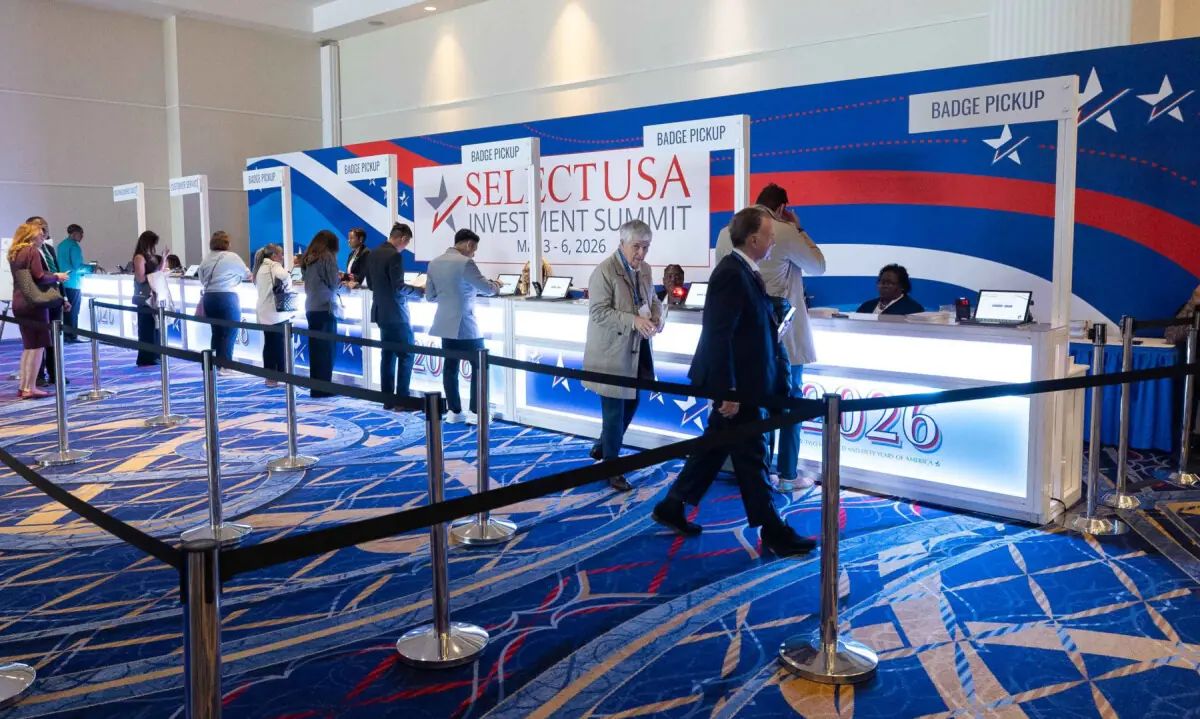
ISLAMABAD: A delegation of 16 Pakistani entrepreneurs and business leaders is participating in the ‘SelectUSA Investment Summit’ that has opened in National Harbour, Maryland, to establish new connections and opportunities to grow through investing in the United States.

The four-day Investment Summit, which opened on Sunday, is the highest-profile event in the United States to facilitate business investment by connecting thousands of investors, companies, economic development organisations (EDOs), and industry experts to make deals happen.

US Charge d’ Affaires Natalie A. Baker, in a video statement issued on Monday, welcomed the Pakistani delegation’s participation in the summit, stating that strong economic ties are the heart of the US-Pakistan relationship.

“I look forward to helping Pakistani investors expand their global footprint in the United States,” the acting US envoy said.

“This is the premier event to promote foreign direct investment in the United States. By facilitating investment, innovation, and private sector collaboration, we can create jobs, drive growth, and build long-term prosperity for both our nations,” she said.

The summit is expected to draw around 6,000 attendees, including around 3,000 business investors from over 100 countries. It is a gateway to connecting directly with American leaders to identify investment opportunities across the US, Baker said.

Hosted by the US Department of Commerce, the SelectUSA Investment Summit is a one-stop shop for companies considering expanding to the US and provides EDOs with the opportunity to meet directly with international companies to facilitate investment deals.

Since its inception, the summit has attracted thousands of international companies and economic development representatives, generating over $256 billion in new US investment projects supporting more than 130,000 jobs across the United States and its territories.

The previous SelectUSA Investment Summit saw record-breaking numbers with more than 5,500 participants, including EDO representatives from 54 US states and territories and over 2,700 business investors from over 100 countries.

Islamabad’s trade surplus with Washington was around $3bn in 2024, mainly due to textile exports. The United States is Pakistan’s biggest market for textiles.

In February, Finance Minister Muhammad Aurangzeb met with US Commerce Secretary Howard A. Lutnick in Washington, where the two sides expressed the desire to enhance economic cooperation, especially in the fields of trade and investment.

Earlier that month, Pakistan participated in the inaugural Critical Minerals Ministerial at the US Department of State, as Islamabad sought to expand foreign investment and forge strategic partnerships in the minerals and energy sectors.

  •  

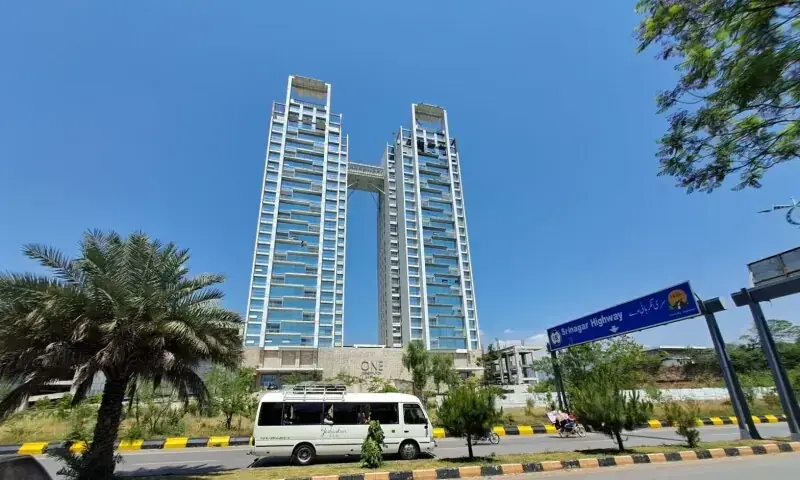
IHC rules buyers of apartments at One Constitution Avenue have no ownership rights

ISLAMABAD: The Islamabad High Court (IHC) on Monday issued a detailed judgment in the One Constitution Avenue case, upholding the cancellation of the lease of the multi-billion-rupee project.

It ruled that buyers of luxury apartments in the development do not have ownership rights and may instead pursue legal remedies against the builder for recovery of their investment.

In a detailed judgment, IHC Chief Justice Sardar Muhammad Sarfraz Dogar dismissed a set of petitions filed by M/s BNP (Pvt) Limited — the developer of the project — along with investors and other stakeholders, challenging the Capital Development Authority’s (CDA) decision to terminate the lease.

The court held that the impugned action was in accordance with law and consistent with the framework laid down earlier by the Supreme Court (SC).

In the case, leading lawyers, including former SC judge Ijazul Ahsan, represented the BNP, while advocate Kashif Ali Malik represented the CDA.

The dispute concerns a 2005 lease agreement between the CDA and BNP for the development of a five-star hotel. The BNP converted it to a residential project — namely, One Constitution Avenue, a high-end residential and commercial project located in a prime area of the federal capital.

The lease was initially terminated in 2016 but later restored by the SC in January 2019, subject to stringent financial conditions. These included payments of Rs17.5 billion within eight years through structured instalments backed by bank guarantees, and a stipulation that termination could only take place in case of default after issuance of a 30-day notice.

The IHC observed that the SC’s judgment was binding and created a complete framework governing the rights and obligations of the parties. It held that strict compliance with those directions was mandatory and that any deviation would have legal consequences.

Examining the conduct of the petitioner, the court found that BNP failed to honour its financial commitments under the revised terms.

The judgment noted that the developer did not make timely payments of instalments and also failed to furnish bank guarantees in the form acceptable to the CDA. The court rejected BNP’s stance that the delays were caused by the CDA, observing that the petitioner could not justify prolonged non-compliance on that basis.

The IHC further observed that the petitioner had undertaken a substantial financial obligation under SC’s order and was expected to demonstrate both capacity and readiness to fulfil those obligations. Instead, the record showed a pattern of delays and failure to adhere to agreed timelines, which, according to the court, constituted a material default.

Addressing BNP’s contention that the CDA had frustrated performance by delaying the handing over of possession and approval of bank guarantees, the court held that even if certain administrative delays occurred, they did not absolve the petitioner of its primary responsibility to comply with the payment schedule.

It emphasised that the doctrine of reciprocal obligations could not be invoked to excuse non-performance where the defaulting party itself failed to take concrete steps to fulfil its commitments.

On the issue of due process, the IHC held that the CDA had complied with the requirement of issuing notices prior to termination. It observed that the developer was given sufficient opportunity to cure the default but failed to do so within the stipulated time. Therefore, the termination of the lease could not be termed arbitrary or unlawful.

The IHC also rejected the argument that the impugned action was mala fide, noting that the CDA exercised its statutory powers within the limits prescribed by law and SC’s judgment. It reiterated that administrative discretion, when exercised in accordance with binding judicial directions, could not be interfered with lightly.

In relation to the claims of apartment buyers and investors, the court held that their rights were contingent upon the validity of the lease held by the developer.

Since the lease itself stood lawfully terminated, no independent ownership rights could accrue in their favour. The court observed that such purchasers were essentially dealing with the developer at their own risk and could not claim protection against the CDA in the absence of a valid title.

Justice Dogar, however, noted that the affected buyers were not without remedy and could seek recovery of their amounts by initiating legal proceedings against M/s BNP.

The judgment further highlighted that although the case involved contractual elements, it also had significant public law implications, as it concerned the exercise of statutory authority by the CDA over public land. In such circumstances, the court held, the actions of the authority must be assessed on the touchstone of legality, fairness and compliance with judicial directives.

Concluding that the petitioner had failed to establish any illegality in the CDA’s decision, the IHC dismissed all petitions and upheld the termination of the lease.

Recent CDA action

Last week, reports had emerged on social media of residents of the building being served eviction notices by officials.

Social media was flooded with videos showing a large number of police personnel at the site, while reports circulating on social media said police had stormed the building past midnight and told the residents to vacate it. Some also claimed that police had broken down doors and locks in the building.

Apartments in the building are reportedly owned by prominent personalities, including PTI founder Imran Khan, Chaudhry Aitzaz Ahsan, Shandana Gulzar Aurangzeb, former minister Burjees Tahir and former caretaker prime minister Nasirul Mulk.

On Friday, the IHC upheld the CDA’s decision to cancel the building’s lease due to the company behind the project defaulting on multi-billion rupee payments.

The same day, Prime Minister Shehbaz Sharif constituted a high-level committee to review the issue and halted authorities from taking any action.

  •  

HRCP highlights severe contraction of civic space, erosion of judicial independence in 2025

ISLAMABAD: The Human Rights Commission of Pakistan’s (HRCP) on Monday launched its annual report for 2025, observing a severe contraction of civic space, the erosion of judicial independence and deepening insecurity over the past year.

The report, titled “State of Human Rights in 2025”, was launched in Islamabad, with HRCP Chairperson Asad Iqbal Butt, former chairperson Hina Jilani, co-chair Munizae Jahangir, vice-chair Nasreen Azhar and Secretary General Harris Khalique present.

Butt, while speaking to reporters, said it was a fact that human rights in Pakistan were in their worst state.

“It is not a report, it is a charge sheet. In 2025, as many as 273 persons faced enforced disappearance. Around 13 were traced from state agencies’ centres, but others are unknown,” he said.

Butt added that thousands of people have been missing for years and that if anyone has committed a crime, they should be produced in a court of law.

Khalique said that multiple constitutional and human rights-related violations were part of the report and on the record.

The report observed with alarm that the right to freedom of expression — particularly to question authority and demand accountability — was deeply suppressed in 2025, with far-reaching consequences for the rule of law and the protection of fundamental freedoms.

Additionally, legal and institutional mechanisms were increasingly used to curb dissent. Amendments to the Prevention of Electronic Crimes Act (Peca), as well as the use of sedition and anti-terrorism laws, led to the widespread targeting of journalists, political workers, activists and lawyers.

Reports of intimidation, enforced disappearances and restrictions on movement contributed to a climate of fear and self-censorship, limiting public discourse and obscuring human rights violations.

HRCP further claimed that amendments to the 1997 Anti-Terrorism Act (ATA) at the federal and Balochistan levels allowed law enforcement agencies and even the armed forces to detain any person for up to three months without charge or judicial oversight, expanding the scope for undermining fundamental rights of liberty, due process and protection from arbitrary detention.

In particular, the report highlighted a marked deterioration in judicial independence, particularly following the passage of the 27th Constitutional Amendment, which reconfigured judicial appointments and expanded executive influence.

According to the report, key court decisions during the year further narrowed democratic space, raising serious concerns about due process and the separation of powers through judgements that enabled the military trials of civilians, and effectively delegitimised the PTI by denying the party the reserved seats it had been granted in 2024.

Security challenges compounded rights violations. HRCP claims that counter-terrorism operations disproportionately affected Khyber Pakhtunkhwa and Balochistan, resulting in significant civilian and law enforcement casualties.

Enforced disappearances, extrajudicial killings, and collective punishments persisted, according to HRCP, while vulnerable groups — including women, children, religious minorities, and transgender persons — continued to face violence and discrimination without adequate redress.

The report further highlighted that miners and sanitation workers in particular remained vulnerable to accidents with little reported progress in improving their safety.

Moreover, HRCP noted that climate-related disasters, particularly in Gilgit-Baltistan, caused multiple deaths and destroyed infrastructure, but the government’s response remained reactive rather than long-term.

The report did, however, note several positive developments. The passage of the National Commission for Minorities Act represented a long-awaited step toward institutional protection for religious minorities.

Moreover, the Child Marriage Restraint Acts for Islamabad Capital Territory and Balochistan marked progress in safeguarding children’s rights, HRCP reported, while the higher courts issued important judgments advancing women’s rights in areas such as inheritance and marriage.

Targeted welfare initiatives and institutional reforms at the provincial levels also offered relief, but incrementally, HRCP said.

  •  

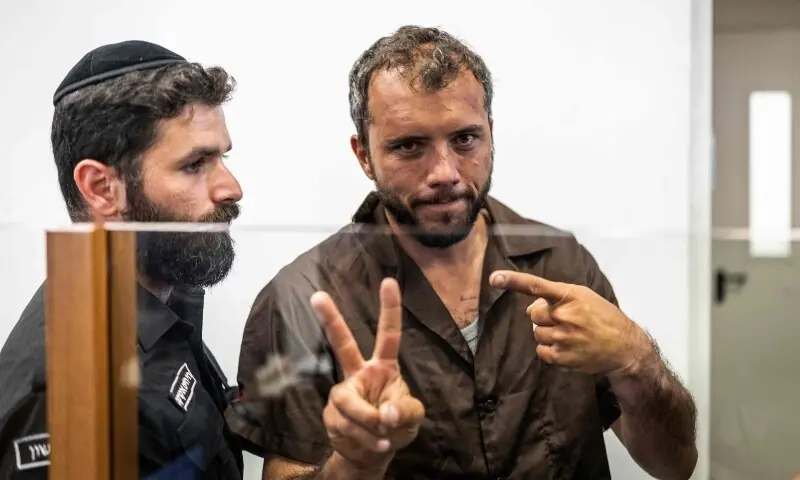
Italy probes detention by Israel of Gaza flotilla activists aboard Italian-flagged vessel

Italian prosecutors have opened an unlawful detention investigation following a raid by Israeli forces on a Gaza-bound aid flotilla, Italian media reported on Monday.

The probe was opened following complaints received over the detention last week of Spanish citizen Saif Abu Keshek and Brazilian Thiago Avila, who were on an Italian-flagged vessel.

An Israeli court on Sunday extended for two days the detention of the two activists who were taken to Israel for questioning.

The two were on a flotilla of more than 50 vessels that left France, Spain and Italy, aiming to break Israel’s blockade of Gaza and bring supplies to the devastated Palestinian territory.

They were intercepted in international waters off Greece on Thursday, with Israel saying it had removed some 175 activists.

Avila and Abu Keshek were taken to Israel for questioning, while the other activists were released.

The Israeli operation was widely criticised, particularly by Italy and Spain.

The Rome prosecutor’s office opened a similar investigation last October following a previous attempt by a humanitarian flotilla to reach Gaza.

In that incident, several hundred activists, including Swedish climate campaigner Greta Thunberg, were detained at sea, transferred to Israel and then expelled.

  •  

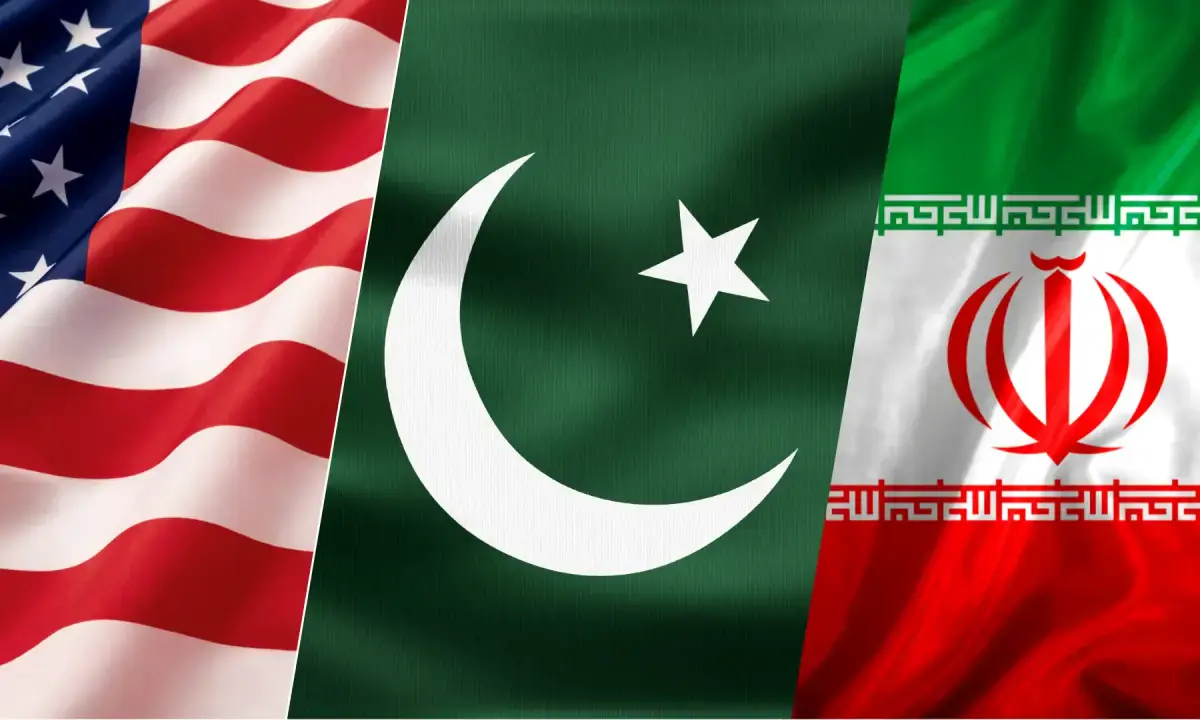
Opinion: 'How Pakistan became the ultimate peacemaker between the US and Iran'

The US and Israel launched strikes on Iran in late February without the United Nations Security Council’s authorisation. The strikes were in violation of international law, the United Nations Charter, and the principles of “Just War” — a theory that provides a framework for determining whether a war is morally justifiable.

The consequences of the US and Israel’s actions included a potential collapse of the international order and immeasurable harm to the global economy. The United Nations confers upon the Security Council the primary responsibility for the maintenance of international peace and security and the prevention of precisely such outcomes. However, it has been seen that this responsibility remains at the mercy of the UNSC’s permanent members, who can exercise their veto power to overrule it.

As fighting continued following the February 28 strikes by the US and Israel, none of Washington’s historical allies — nor the UN, Nato or the rest of the liberal West — were able to effect a cessation of hostilities, let alone initiate a process for peace talks.

Until, to the surprise of the world and the dismay of many, Pakistan played an instrumental role in securing an initial cessation of hostilities and setting the stage for US-Iran negotiations.

Pakistan has previously facilitated talks between the US and its adversaries as well. In 1971, Pakistan was instrumental in arranging a secret visit of then-US National Security adviser Henry Kissinger to China. About a year later, then-US president Richard Nixon met Chairman Mao Zedong in China. The rest, as they say, is history.

Pakistan is well-regarded for its United Nations peacekeeping missions in various parts of the world. Since the 1960s, it has also been a net security provider and regional stabiliser for Jordan and the Gulf States.

Given that history, it was not unusual for Pakistan to lead the efforts for peace in the ongoing conflict.

Field Marshal Asim Munir and Pakistan’s powerful Inter Services Intelligence (ISI) have been quietly revisiting Pakistan’s strategic role in facilitating a rapprochement between the West and the East. The efforts for a peaceful resolution of the long-running conflict between the US and Iran, for example, have involved a long and arduous process which began well before the first bombs fell on Iran this February. Those efforts continued during the blitz with greater resolve and were what eventually helped secure a ceasefire between the two nations.

Director-General ISI Gen Asim Malik, along with Maj Gen Faisal Naseer, the head of counterintelligence, liaised continuously with their US counterparts to de-escalate the crisis. Throughout the process, Natalie A. Baker, the US charge d’affaires in Islamabad, worked closely with Pakistan. Islamabad and Washington worked in perfect sync.

What Pakistan’s leadership initially aimed to achieve seemed beyond the realm of possibility. It is not easy to influence zealots driven by religious certainty, and there were many to contend with in Iran, Israel and the US. A nuanced and delicate balance had to be maintained to keep the antagonists at the table amid an ongoing war.

The US and Iran lacked, and still lack, mutual trust. The United Arab Emirates and Saudi Arabia have been poles apart. The rest of the Gulf states perceived themselves as the victims of aggression. Israel was and continues to be the unrelenting spoiler. Meanwhile, China has been and remains active behind the scenes to secure peace.

Apart from Israel, which seemed determined to continue the war, every other state involved seemed to repose its trust in Pakistan. This was motivation enough for the country to assume the role of honest peace-broker.

Acting as an intermediary, Pakistan initially conveyed a 15-point US peace plan to Iran, which Tehran found unacceptable. Subsequently, China’s help was sought for mediation, and a five-point peace plan was agreed upon as a basis for negotiations.

Field Marshal Munir’s commitment to pursue and further what appeared to be a hopeless cause was what ultimately delivered a two-week ceasefire, which was followed by Pakistan mediating and hosting direct peace talks between the US and Iran in Islamabad.

Unfortunately, the talks hit a dead end after a promising first round. Perhaps this should have been expected: the path to peace is typically just as uncertain as the vicissitudes of war.

As the situation stands now, the US military’s tactical successes have ensured that it will not suffer a defeat. However, the US has also failed to achieve its pre-war aims. Iran is in ruins, but remains unsubdued. The US has suffered a strategic setback.

Field Marshal Munir enjoys trust and goodwill in Washington as well as in Tehran. The Gulf states, including Saudi Arabia, trust him. This makes him uniquely qualified to serve as an honest peacemaker and bring the warring parties back to the table.

The first round of peace talks did not culminate in a peace treaty. No surprises there. It is more important that the ceasefire still holds. The ceasefire, it may be recalled, came a mere 90 minutes before the onset of a feared ‘Armageddon’ that promised to wipe out an entire civilisation. An apocalyptic level of destruction was averted.

The Strait of Hormuz remains a precarious and contentious issue. Iran’s possession of enriched uranium is also a core point of contention. And, as ever, Israel’s penchant to sabotage peace seems undiminished.

There is a distinction between a temporary deadlock on a core issue and the breakdown of peace negotiations. The former, per se, does not negate the latter. It is not very common for peace talks to succeed in a single round. There will be several rounds of peace talks before an agreement is achieved.

The arguments for peace are very powerful. International law and the United Nations demand peace. The pope has spoken for peace. The global economy demands peace. Only the Messianic zealots of Eretz Israel are against it.

Sixty-one days since the US-Israel attack on Iran, the imperatives for peace are obvious. The stage is set, and the peace process ought to succeed. The continuing ceasefire has expanded to include Israel and Lebanon as well. Iranian airspace is open to civilian aviation.

Israel has failed to subdue Hamas, Iran, Hezbollah and the Houthis. Their resilience turned a “blitzkrieg” into a war of attrition. No amount of US-Israel blustering or sophistry can hide this strategic debacle despite their tactical successes. It must now be understood that unmet war aims cannot be attained at a peace table.

In 1812, Napoleon’s Grand Army occupied Moscow after defeating Russian forces. Napoleon ensconced himself within the Kremlin’s walls and waited for peace to come to him. But there was to be no peace. The Russians refused to surrender. The episode marked the beginning of the end of the Napoleonic Era. Let’s not forget the lesson it left: military dominance does not always bring peace.

The opinions expressed in this article are the author’s own and not necessarily representative of Dawn or its editorial staff.

  •  

Here is how you can protect yourself from extreme heat

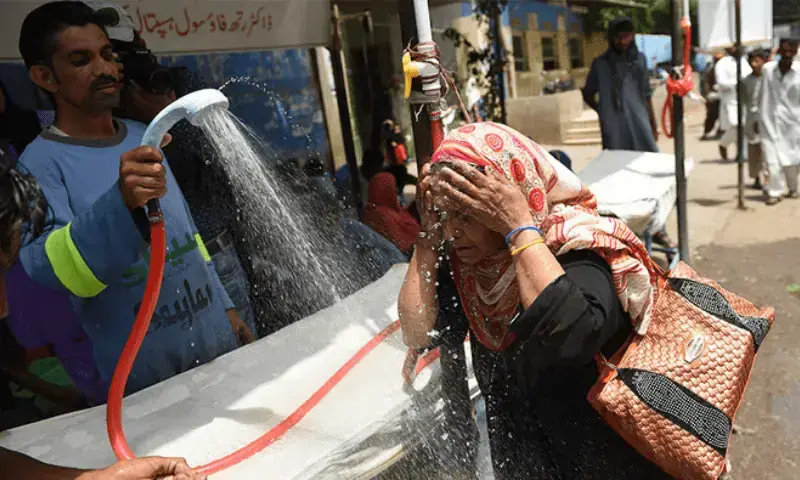
On Monday, citizens in Sindh’s provincial capital, Karachi, experienced sweltering temperatures as the mercury touched 44°C.

The Pakistan Meteorological Department (PMD), in its daily advisory on Monday, said that very hot and dry weather is expected to persist in the southern parts of the country over the week.

As of 4pm, the temperature in Karachi stood at 44°C with a relative humidity of 8 per cent and a feel-like temperature of 40°C.

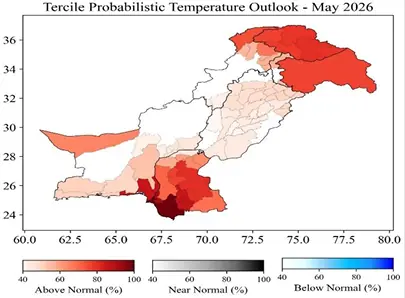
Meanwhile, according to PMD’s May outlook, mean temperatures are expected to remain above normal nationwide, which could “increase the potential for heat spikes and heatwave conditions, especially over the plain areas of Punjab, Sindh and Balochistan”.

  Probabilistic temperature outlook for May 2026. — Infographic via PMD
Probabilistic temperature outlook for May 2026. — Infographic via PMD

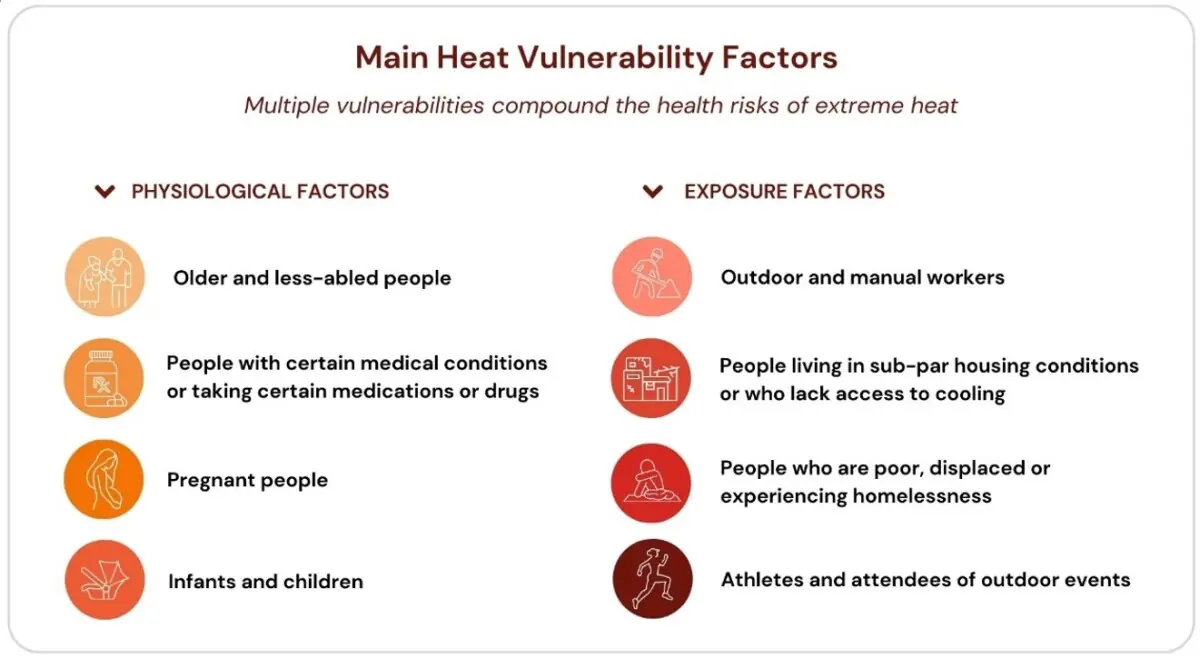
Heat extremes can worsen health risks from chronic conditions (cardiovascular, mental, respiratory and diabetes related conditions) and cause acute kidney injury, according to the World Health Organisation (WHO).

As per WHO estimates, the frequency of extreme heat and heat waves is expected to rise in the coming years due to climate change, increasing the risk of heat exposure and illness.

Main heat vulnerability factors. — Infographic via WHO

Here is how you can protect yourself and your loved ones from the rising temperatures, according to the guidelines issued by the WHO.

  • Avoid going outside and doing strenuous activity during the hottest time of day.
  • Stay in the shade when going out and avoid direct exposure to the sun.
  • Make sure to spend at least two to three hours in a cool place throughout the day.
  • Open windows after dark to use the night air to cool down your home, and cover them with blinds to block direct sunlight during the day.
  • Keep your body cool and hydrated, taking cool showers or baths or wet your skin using a damp cloth, spray or wet clothing.
  • Use light and loose-fitting clothing and bed linens.
  • Make sure to stay hydrated. Drink at least two to three litres of water per day.
  • Wear wide-brimmed hats, sunglasses, and sunscreen to protect your skin from the sun’s rays.

What to do in case of heatstroke

In case of heatstroke, the WHO advises that one should immediately call for emergency medical help, use any available means to cool the person down and keep a close eye on their condition.

Signs of heatstroke can include feeling faint, dizzy or nauseous, stopping sweating, or losing consciousness.

  •  

'Only part of the solution': Are Electric Vehicles truly sustainable?

As Electric Vehicles (EVs) have become increasingly central to global climate policy, DawnNews explores whether they really are the straightforward climate solution they appear to be.

As economist Ammar Habib Khan says, EVs are “part of the solution, but not an overall policy intervention”.

Behind the clean image lies a complicated story about minerals, water, economics and sustainability.

Watch Front Seat to Climate Change to unpack the complex story of the real costs and opportunities behind the global EV transition.


As Pakistan confronts the accelerating realities of climate change, the urgency to move from awareness to action has never been greater.

Despite contributing minimally to global emissions, Pakistan remains among the most climate-vulnerable nations, underscoring the critical need for coordinated, locally grounded, and globally informed responses.

The Breathe Pakistan International Climate Change Conference 2026 on May 6 and 7 brings together policymakers, experts, and stakeholders from across sectors to examine these intersecting challenges and chart a path forward.

See the agenda here.

  •  

LHC conditionally suspends verdict ordering Meesha Shafi to pay Rs5m in damages to Ali Zafar

LAHORE: The Lahore High Court (LHC) on Monday conditionally suspended a trial court’s verdict ordering singer Meesha Shafi to pay Rs5 million in damages to fellow singer-cum-actor Ali Zafar in a defamation case, while maintaining restrictions on her from repeating her harassment allegations against him.

A two-member bench headed by Justice Ahmad Nadeem Arshad heard Shafi’s appeal against the sessions court verdict passed on March 31. Justice Malik Waqar Haider Awan was the other member of the bench.

During the proceedings, her counsel, Saqib Jillani, sought suspension of the impugned judgment and offered to deposit one-third of the amount she was ordered to pay in cash.

Initially, the bench turned down the request for partial payment, directing that the full amount should be deposited.

However, upon further request, the bench ordered Shafi to deposit Rs2.5m in cash and furnish a surety bond worth the remaining Rs2.5m. As an interim relief, the bench suspended the trial court’s decision to the extent of the damages.

However, the bench observed that the restriction imposed by the trial court barring Shafi from making harassment allegations against Zafar would remain in force.

It also issued a notice to Zafar and adjourned the hearing. Zafar’s counsel, Umar Tariq Gill, present in the court, received the notice.

In March, a sessions court had ordered Shafi to pay Rs5m in damages for levelling harassment allegations against Zafar, holding that the accusations were not made in the public interest.

“The defendant is further permanently restrained from repeating, publishing, or causing to be published, directly or indirectly, the aforesaid defamatory allegations of sexual harassment of a physical nature against the plaintiff, in any form of media, including print, electronic or social media,” the judgment said.

Shafi, in 2018, had accused Zafar of sexually harassing her on more than one occasion.

Subsequently, Zafar filed a defamation case against her, saying that Shafi’s allegations tarnished his image in public. In the defamation suit, Zafar asked the court to issue a decree against Shafi and direct her to pay Rs1bn as damages to him.

  •  
❌