Reading view

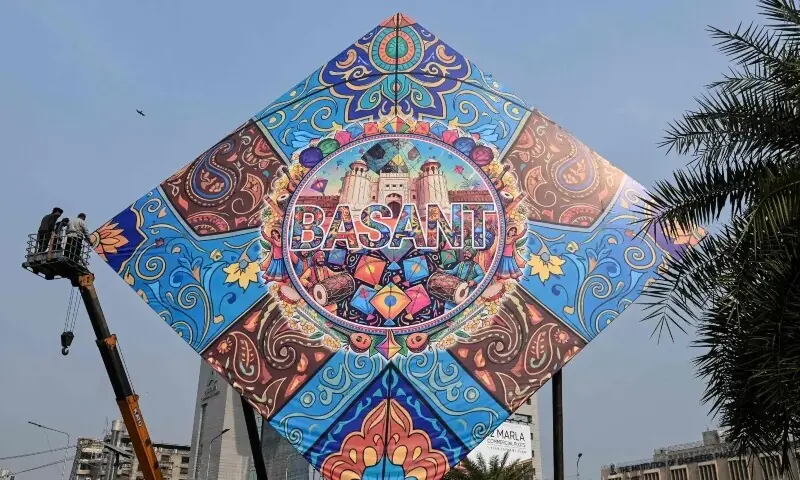
Punjab govt announces new kite-flying rules for next year's Basant celebrations

LAHORE: The Punjab government on Friday announced a new set of rules and regulations for kite-flying during next year’s Basant festival.

After nearly two decades, a three-day Basant festival was celebrated in Lahore in February, following Chief Minister Maryam Nawaz’s decision to lift a ban on the cultural event of celebration, colours and kite-flying, with strict regulations.

The festival was banned in 2007 because of the increasing number of deaths and serious injuries caused by sharp strings, particularly to motorcyclists and pillion riders, as well as by celebratory gunfire.

Punjab Information Minister Azma Bokhari has said that the festival will be celebrated in February 2027 and will be “bigger and better than the one held this year”.

Speaking to Dawn, Punjab Senior Minister Marriyum Aurangzeb said, “The new regulations have been issued on the directives of CM Maryam to ensure the protection of life and property.”

She said that compliance with these instructions would be mandatory for every citizen, building owner, and event organiser. She said that kite-flying will only be allowed on secure rooftops, with a boundary wall at least three-and-a-half feet high.

“Parents and guardians have been directed to ensure continuous supervision of children,” she said. The minister said children will not be allowed near roof edges without adult supervision as “their safety is the top priority”.

According to the new rules, running, jumping and hanging over the edges on rooftops have been completely banned.

The rules also prohibit the “overcrowding of rooftops”, adding that the “number of persons present on a rooftop at any time shall not exceed its safe load-bearing capacity”.

Meanwhile, the rules also hold the organisers of events responsible for managing the size of the crowd. The new rules also prohibit the “use of loud music, DJ systems, high-decibel sound systems, or any other activity causing noise pollution or disturbance to public order and tranquillity”.

To maintain public decorum, the new rules have banned any act “causing nuisance, harassment, obscenity, indecent behaviour, or disturbance to neighbours or the general public”. Under the rules, such acts will be considered an offence under Sections 290, 292-A and 509 of the Pakistan Penal Code

The new rules also mandate the availability of first aid kits and access to them at all premises where kite-flying activities are organised. Under the rules, in case of accidents or violations, building owners and event organisers will be held individually and jointly responsible.

The chief minister said in a statement that the regulations were issued to ensure the celebration of kite-flying is safe and to prevent the loss of precious lives.

“Strict legal action will be taken against the violators as playing with lives in the name of kite-flying will not be tolerated under any circumstances,“ the chief minister said.

She directed deputy commissioners (DCs) and district police officers (DPOs) to ensure the implementation of the rules. The chief minister also appreciated the public for complying with rules and regulations during Basant celebrations this year.

“Citizens of Lahore fully implemented the rules during Basant. I am confident that during the first phase of Basant 2027, the people of Lahore will again ensure compliance with the regulations,” CM Maryam said.

  •  

Climate colonialism: Why Pakistan pays the price

Climate colonialism argues that the climate crisis is not an accident — it is the outcome of centuries of extraction.

The world’s richest countries, a small percentage of the global population, are responsible for the majority of historical greenhouse gas emissions while regions like South Asia contribute little but face the harshest impact today.

It is estimated that the G20 countries produce about 80 per cent year on year of global greenhouse gases. This disproportionate extraction and consumption of resources by a handful of countries contributes to crises that the rest of the world pays for.

The climate colonialism framework connects past exploitation with present suffering by examining the drivers of the climate crisis — colonialism, capitalism and consumerism.

Ahmed Rafay Alam, an environmental lawyer and former member of the Pakistan Climate Change Council, discusses all this and much more as he dives into drivers behind the climate crisis with DawnNews.


As Pakistan confronts the accelerating realities of climate change, the urgency to move from awareness to action has never been greater.

Despite contributing minimally to global emissions, Pakistan remains among the most climate-vulnerable nations, underscoring the critical need for coordinated, locally grounded, and globally informed responses.

The Breathe Pakistan International Climate Change Conference 2026 on May 6 and 7 brings together policymakers, experts, and stakeholders from across sectors to examine these intersecting challenges and chart a path forward.

See the agenda here.

  •  

Over 100 Gaza aid flotilla activists taken to Crete after Israeli interception

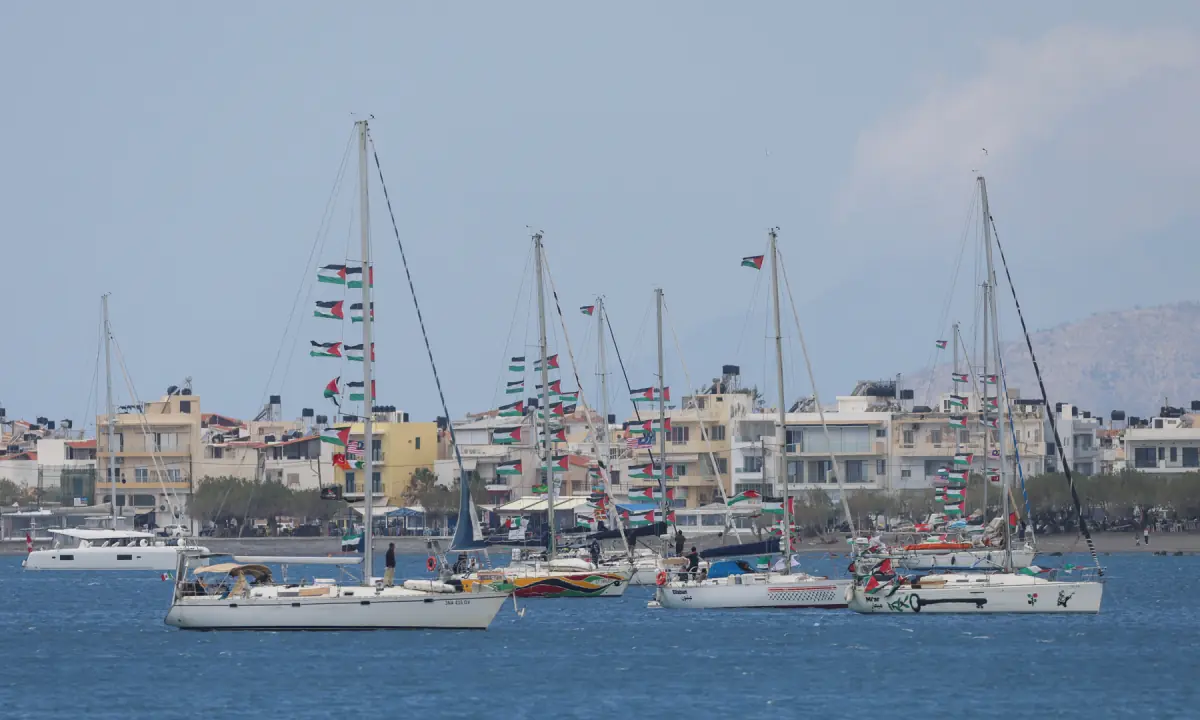
More than 100 activists aboard aid ships bound for Gaza were taken to the Greek island of Crete on Friday after Israeli forces seized their vessels in international waters near Greece, flotilla organisers said.
The activists were part of a second Global Sumud Flotilla, launched in recent months in an attempt to break Israel’s blockade of Gaza by delivering humanitarian assistance.

The ships set sail from the Spanish port of Barcelona on April 12.

On Friday, an Israeli army ship transferred 168 members of the flotilla crew to Greek boats, which then took them to shore, where buses and an ambulance waited for them, organisers said and Reuters footage showed.

Former Jamaat-i-Islami senator Mushtaq Ahmad is also part of the Global Sumud Flotilla mission, though it is not immediately clear if he was among those taken into Israeli custody.

Before communications were jammed, he posted videos to social media platform X saying, “Flotilla under attack, Israeli terrorist army has captured 11 of our boats.”

Israel’s foreign ministry called the flotilla organisers “professional provocateurs” and “Israel will not allow the breach of the lawful naval blockade on Gaza”.

Two activists held

Two activists were detained by Israeli authorities, according to statements from Israel and the organisers of the flotilla, who identified them as Saif Abu Keshek, a Spanish national of Palestinian origin, and Brazilian Thiago Avila.

Spain’s foreign minister, Jose Manuel Albares, accused Israel of illegally arresting Abu Keshek and demanded his immediate release.

Israel’s foreign ministry said Abu Keshek was suspected of affiliation with a terrorist organisation and Avila was suspected of illegal activity, adding that both would be taken to Israel for questioning.

In a post on their Telegram channel, organisers of the flotilla alleged that activists had been denied adequate food and water and “forced to sleep on floors that were deliberately and repeatedly flooded” aboard an Israeli naval vessel, describing their treatment as “40 hours of calculated cruelty”.

It said some suffered injuries, including broken noses and cracked ribs, when they were kicked and dragged across the deck with their hands tied after they tried to protest against the detention of their two fellow activists.

There was no immediate comment from Israel on the allegations of mistreatment.

Germany’s and Italy’s foreign ministries issued a joint statement saying they were following developments with “deep concern”.

A source who asked not to be identified said that while 22 boats had been intercepted by Israel, 47 others were still sailing off southern Crete and planned to anchor there at some point before continuing onwards to Gaza. Each ship is carrying about a ton of food, medical and other equipment, the source said.
The 22 vessels were seized by Israel late on Wednesday in international waters off Greece’s Peloponnese peninsula, which is hundreds of miles from Gaza, the flotilla’s organisers said.
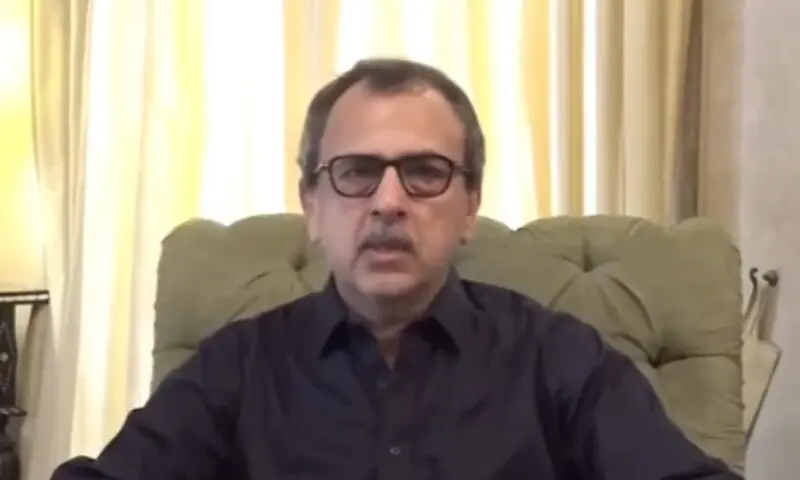
In a statement on Thursday, the US State Department threatened “to impose consequences” against those who support the flotilla, which it cast as pro-Hamas.

Pro-Palestinian activists say Israel and the US wrongly conflate their advocacy for Palestinian rights as support for Hamas.

Last October, Israel’s military halted a previous flotilla assembled by the same organisation, arresting Swedish activist Greta Thunberg and more than 450 participants. That followed other seaborne attempts to reach blockaded Gaza.

Palestinians and international aid bodies say supplies reaching Gaza are still insufficient, despite a ceasefire reached in October that included guarantees of increased aid.

Most of Gaza’s more than two million people have been displaced, many now living in bombed-out homes and makeshift tents pitched on open ground, roadsides, or atop the ruins of destroyed buildings.

Israel, which controls all access to the Gaza Strip, denies withholding supplies for its residents.

International condemnation

Pakistan and 10 other countries have condemned the “Israeli assault” on the Global Sumud Flotilla, which they said was as a peaceful civilian humanitarian initiative aimed at drawing the attention of the international community to the humanitarian catastrophe in Gaza.

A joint statement issued by the foreign ministers of Pakistan, Turkiye, Brazil, Jordan, Spain, Malaysia, Bangladesh, Colombia, Maldives, South Africa and Libya said the Israeli attacks against the vessels and the unlawful detention of humanitarian activists in international waters constituted “flagrant violations of international law and international humanitarian law”.

Madrid blasted the seizure and said it had summoned Israel’s charge d’affaires in Spain.

Spanish Prime Minister Pedro Sanchez accused Israel of “once again violating international law by attacking a civilian flotilla in waters that do not belong to it”, urging the EU to freeze bilateral ties.

Flotilla organiser, meanwhile, termed the Israeli action “piracy”.

“This is the unlawful seizure of human beings on the open sea near Crete, an assertion that Israel can operate with total impunity, far beyond its own borders, with no consequences,” the said in a statement.

  •  

PM Shehbaz says regulatory system for virtual assets should be operationalised at the earliest

Prime Minister Shahbaz Sharif on Friday directed that an effective regulatory system for virtual assets in line with international standards should be operationalised as soon as possible

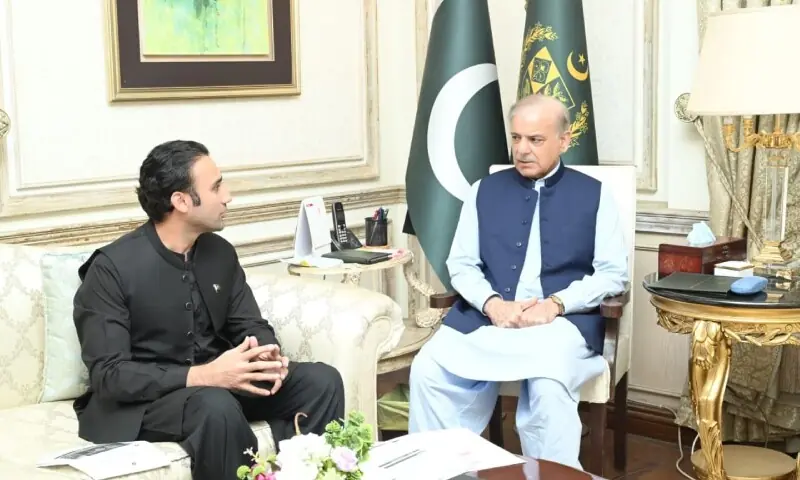
The remarks came as PM Shehbaz met with State Minister and Pakistan Virtual Assets Regulatory Authority (PVARA) Chairman Bilal Bin Saqib in Lahore, according to a handout by the Prime Minister’s Office (PMO).

“PM Shehbaz directed that an effective regulatory system for virtual assets in line with international standards should be fully operationalised as soon as possible to promote the digital economy in Pakistan and enhance investor confidence,” the handout said.

During the meeting, the prime minister said that special measures should be taken to provide training to the youth in modern technologies, particularly in the fields of artificial intelligence and digital finance, so that the country’s workforce can be aligned with future requirements.

Saqib also briefed PM Shehbaz on the PVARA’s transition into an operational regulator and the launch of a regulatory sandbox, the statement said.

The premier was told that innovation was being introduced in areas such as AI-powered payments and regulated virtual asset services, the handout stated. He was also told that work was underway to prepare national institutions, the workforce, and the regulatory framework for the next wave of economic transformation, it added.

Earlier this month, the State Bank of Pakistan (SBP) had announced a significant policy change, legalising and encouraging the use of virtual assets through the enactment of the Virtual Assets Act 2026. Under the Act, PVARA is the statutory authority responsible for the licensing, regulation, supervision and oversight of virtual asset activities in Pakistan.

On Monday, the authority also stated that any agreement or pilot announced involving virtual assets required prior authorisation.

  •  

Pentagon reaches agreements with top AI companies, but not Anthropic

The Pentagon said on Friday that it had reached agreements with seven AI companies to deploy their advanced capabilities on the War Department’s classified networks as it seeks to broaden the range of artificial intelligence (AI) providers working across the military.

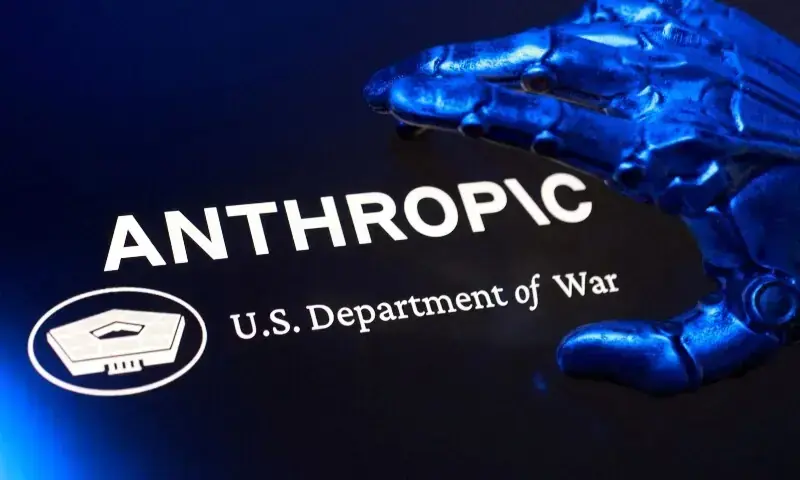
The statement notably excludes Anthropic, which has been in dispute with the Pentagon over guardrails for the use of its artificial intelligence tools by the military.

The Pentagon labelled the AI startup, which is widely used across the Department of War, a supply-chain risk earlier this year, barring its use by the Pentagon and its contractors.

SpaceX, OpenAI, Google, NVIDIA, Reflection, Microsoft and Amazon Web Services, several of which already work with the Pentagon, will be integrated into its Impact Levels 6 and 7 network environments, giving more of the military access to their products, the Pentagon said in a statement.

By expanding the AI services offered to troops, who use it for planning, logistics, targeting and a bevvy of other reasons to streamline huge operations and perform more quickly, the Pentagon said in its statement it will avoid “vendor lock”, a likely nod to its overdependence on Anthropic.

Pentagon staffers, former officials and IT contractors who work closely with the US military have told Reuters they were reluctant to give up Anthropic’s AI tools, which they view as superior to alternatives, despite orders to remove them over the next six months.

AI has become increasingly important for the US military. The Pentagon’s main AI platform, GenAI.mil, has been used by over 1.3 million War Department personnel, the agency noted in its release, after five months of operation.

Google, which is already used within the Pentagon, has signed a deal enabling the Department of War to use its artificial intelligence models for classified work, a source told Reuters earlier this week.

Anthropic still a ‘risk’

War Department Chief Technology Officer Emil Michael on Friday told CNBC that Anthropic remained a supply-chain risk, but that Mythos, the company’s artificial intelligence model with advanced cyber capabilities that created a stir among US officials and corporate America over its ability to supercharge hackers, was a separate national security moment.

While numerous companies and public and private entities have gained access to a Mythos preview product to help secure their IT infrastructure against future cyberattacks, it is not clear if the Pentagon is part of that program.

US President Donald Trump said last week that Anthropic was “shaping up” in the eyes of his administration, opening the door for the AI company to reverse its blacklisting at the Pentagon.

Still, the falling out reinforced the need to diversify the supply of AI tools for the military, opening new opportunities for small defence industry artificial intelligence startups.

  •  

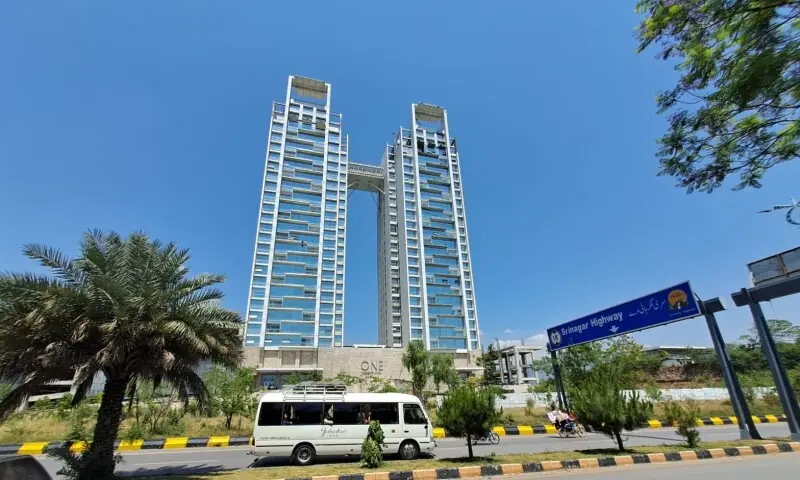
PM forms committee to review One Constitution Avenue case, halts authorities from taking action

ISLAMABAD: Prime Minister Shehbaz Sharif on Friday constituted a high-level committee to review the issue involving One Constitution Avenue, a skyscraper in the federal capital that houses residential apartments, and also halted authorities from taking any action.

The development comes a day after the Islamabad High Court (IHC) upheld the Capital Development Authority’s (CDA) decision to cancel the building’s lease due to the company behind the project defaulting on payments. Late last night, reports had also emerged on social media of residents being served eviction notices by officials.

Apartments in the building are also reportedly owned by prominent personalities, including PTI founder Imran Khan, Chaudhry Aitzaz Ahsan, Shandana Gulzar Aurangzeb, former minister Burjees Tahir and former caretaker prime minister Nasirul Mulk.

According to Radio Pakistan, the committee formed by the premier will be headed by Law Minister Azam Nazeer Tarar and will include Minister of State for Interior Talal Chaudhry, the cabinet secretary and the commerce secretary.

“The committee has been tasked with examining all aspects of the issue and submitting a comprehensive report to the prime minister within one week,” the report said.

“During this period, all affected individuals will be able to present their concerns before the committee, which will hear all parties and stakeholders without any discrimination,” it said.

“Until a final decision is taken by the prime minister, the Islamabad administration and the Capital Development Authority will refrain from taking any action in the matter,” it said.

“The prime minister has issued directives for the formation of this special committee to ensure that the requirements of justice are fully met in the One Constitution Avenue case,” the report concluded.

Residents pack up belongings

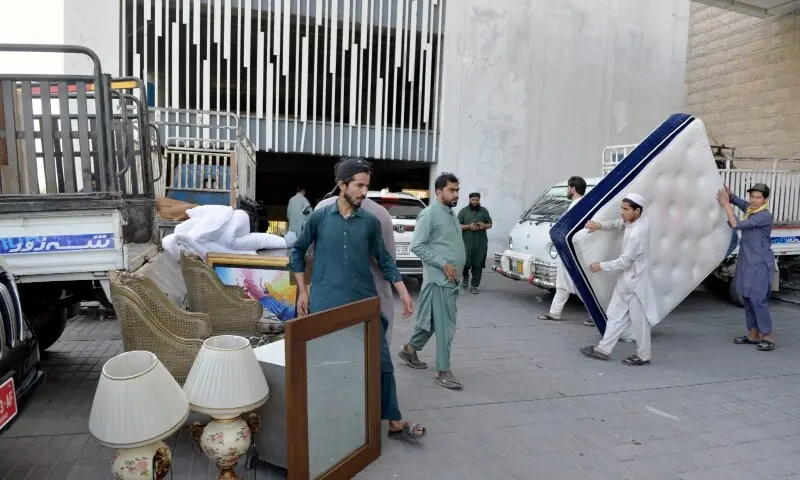
Meanwhile, earlier in the day, the residents of One Constitution Avenue had begun vacating their apartments on a voluntary basis amid a large police presence.

Residents were seen shifting their belongings on mini trucks as the building was under the control of the local administration and police. Police personnel were also seen roaming inside the building’s towers.

“From Constitution Avenue One to police station one,” said PPP’s Nadeem Afzal Chan on X, along with a video showing heavy police presence at the building.

Late last night, social media was flooded with videos showing a large number of police personnel at the site. Reports circulating on social media said police had stormed the building past midnight and told the residents to vacate it. Some also claimed that police had broken doors and locks in the building.

Nadeem Haque, the former vice chancellor of the Pakistan Institute of Development Economics, said that he rented an apartment in the building. He said he was “jolted awake by heavy banging on the door” at 1am.

According to him, armed police officers were at his door, appeared aggressive, showed no court orders or documents and gave no explanation.

Journalist Nusrat Javeed said, “Anyone still rushing to invest in Islamabad’s giant residential towers needs a reality check.”

Minister details irregularities

Separately, Minister of State for Interior Tallal Chaudhry maintained that the company behind the building had repeatedly been given notices by the CDA to vacate.

He said that with the recent action, the development authority had managed to establish “state writ against a company that has been evading accountability for the past 20 years”.

The minister said that the BNP group was awarded the lease for Rs4.8 billion for building a “five-star hotel and serviced apartments”. However, the company failed to pay that amount, he said.

“They took a Rs3.5bn loan from the Bank of Punjab, but they fraudulently mortgaged the property, took money from the bank and paid the CDA,” he said. However, he added that the company defaulted on the bank loan, after which the case was sent to the National Accountability Bureau.

“When NAB summoned the company for defaulting on payments, they pleaded that they did not have the funds and offered to have their commercial shops and apartments taken away,” he said.

“But, you were not the owner and were not supposed to build anything other than a commercial hotel or serviced apartments,” the minister pointed out. Chaudhry said that the company had built “250 residential apartments in direct violation of the lease agreement”.

He said that the CDA had then cancelled the lease. However, the case ended up before the Supreme Court, which restored the lease and ruled that if the company defaulted on its payments, the CDA would have the right to terminate the lease, the minister said.

In 2023, as the company continued to default on its payments, the CDA terminated the lease and took possession of the building, he said.

He said that the company had continued to the occupy the building illegally by “violating the terms of its lease, deceiving people and defaulting on payments”.

“Whether it is informal settlements or a building such as this, the writ of the state will be established,” the state minister asserted.

Referring to the orders issued by the IHC on Thursday, Chaudhry said this was the “fourth time that a judgement had been passed against the company”.

“In all these four times, the CDA has followed orders and did so yesterday as well,” he added. He said that the company had built 253 apartments, out of which 184 were vacant and only 69 were “partially or fully occupied”.

  •  

While Asia and Europe scramble for natural gas, the US glut has nowhere to go

The US war on Iran has boosted prices of globally traded natural gas by throttling exports from the Gulf. In West Texas, gas is so abundant that some producers must pay to have it taken away.

The war and Iran’s attacks on Gulf energy producers have halted 20 per cent of global liquefied natural gas (LNG) supply.

Qatari LNG facilities have been damaged, and tankers have been unable to sail through the Strait of Hormuz waterway at the Gulf’s entry because of Iranian threats to fire on them.

The crisis has exposed a major split in the global gas market: Import-dependent countries across Europe and Asia are scrambling for scarce supplies, but the US — the world’s largest gas producer, consumer and exporter — remains awash in fuel, with prices near 17-month lows.

But US pipelines are full and LNG export plants are at capacity, so that cheap US gas cannot reach overseas buyers, creating a bifurcation much more stark than in the oil markets.

Since the war began on February 28, gas futures at the US Henry Hub benchmark in Louisiana have dropped by as much as 12pc to a 17-month low of $2.52 per million British thermal units (mmBtu), while prices around the world have soared by as much as 84pc in Europe and 108pc in Asia, to around $21 to $22 per mmBtu.

By contrast, the international crude benchmark Brent is trading around $111 a barrel, while the US benchmark is at $104 a barrel, with both having risen more than 50pc as a result of the war.

Paying to take gas away

The US has sufficient supply both to meet domestic demand and to fill the LNG export plants that chill gas to liquid form. However, those plants were already operating near maximum capacity before the war, so no matter how high global gas prices go, the US cannot turn much more gas into LNG for export.

US prices in the top shale field, the Permian Basin, are even lower than benchmark futures. Spot gas at the Waha Hub in West Texas has traded below zero almost every day this year because gas pipelines out of the Permian are full, meaning there is no spare capacity to transport the fuel.

Simply put, some producers have to pay others to take it away, as if it were a waste product.

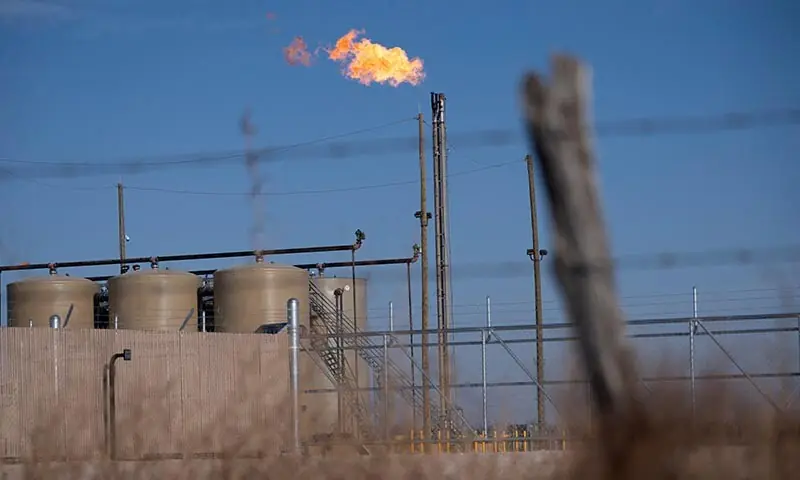
A flare burns off excess natural gas in the Permian Basin oil field near Odessa, Texas, the US on February 18, 2025. — Reuters/File

US gas production — already at a record 107.7 billion cubic feet per day (bcfd) in 2025 — is expected to keep rising to meet growing demand for power-hungry data centres and to supply new LNG export plants, according to a recent US Energy Department outlook.

Output is also increasing as oil producers increase output, and as their wells gradually produce more gas than they used to, as oil reserves are depleted. Additional pipeline capacity is months away, at best.

“Meaningful transport relief doesn’t show up until late this year or early 2027, when larger pipeline projects are anticipated to start,” analysts at Bank of America said in a report.

Some parts of the country are more exposed to high international gas prices, including New England, which must import expensive LNG and burn oil to generate power during the winter months because the region lacks enough connections to the national gas pipeline grid to meet heating demand.

Winners and losers

Firms best able to take advantage of the global price dislocations from the Iran war, at least in the short term, have been those with excess LNG to sell.

To replace gas deliveries cancelled by Qatar, energy firms around the world have purchased additional cargoes from US LNG producers such as Venture Global, the nation’s second-biggest LNG company behind Cheniere Energy.

“Venture Global is [relatively] new to the LNG game and had spot cargoes available to put out to the highest bidder,” said Bob Yawger, director of energy futures at Mizuho.

“Suddenly, everybody needs LNG now that QatarEnergy is out of the picture.”

US LNG capacity will almost double over the next five years from around 18 bcfd in 2025 to around 35 bcfd in 2030, based on the plants currently under construction.

US gas producers who sell to LNG companies, however, have not fared as well because they sell much of their output at the domestic price, which, in addition to near-record production, has been held down by weak spring demand and ample supply in storage.

Low US prices have even prompted some energy firms, such as EQT, the second-biggest US gas producer behind Expand Energy, to cut output while they wait for demand and prices to rise later in the year.

“Our strategic curtailments act as a form of storage, keeping gas in the ground [during] seasonally low periods of demand,” EQT CFO Jeremy Knop told analysts last week after the company reported earnings.

  •  

India raises cooking gas, jet fuel prices as supply pressures mount

India raised on Friday the prices of commercial liquefied petroleum gas (LPG) and jet fuel for international airlines, according to a state-run energy firm, as supply pressures from the Middle East war mount.

The South Asian nation is heavily dependent on imported energy, including for roughly 60 per cent of its LPG, the fuel used for cooking by a vast section of its population, the largest in the world.

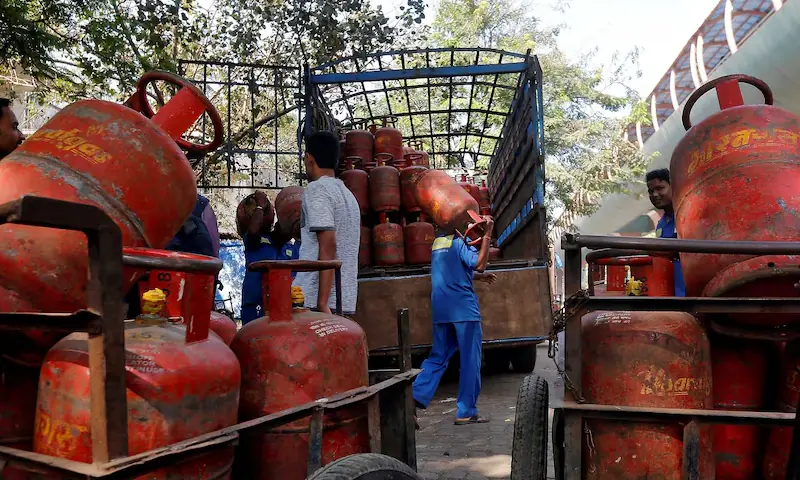
As imports have been disrupted since the Middle East war began in late February, New Delhi has moved to ensure households and essential sectors remain adequately supplied, leaving many restaurants, manufacturers and power plants in the lurch.

The government has maintained that India faces no overall fuel shortage.

“Prices of bulk and commercial LPG cylinders have been revised,” the state-run Indian Oil Corporation Limited (IOCL), the country’s leading energy marketing company, said.

IOCL’s price chart shows an increase of 993 rupees ($10.50) in the price of a 19 kilogramme LPG cylinder meant for commercial use.

That amounts to a nearly 48pc rise in the capital New Delhi. Local levies mean rates vary across cities.

The sharp hike will hit restaurants particularly hard, with many already scaling back operations during the Middle East war.

The oil company said that the price of jet fuel for international airline operations has also “been adjusted upward”.

Aviation turbine fuel (ATF) has gone up by around 5pc in Delhi, according to IOCL’s catalogue.

  •  

FCC moved against increase in petrol, diesel prices

ISLAMABAD: A private citizen has approached the Federal Constitution Court (FCC), seeking relief against the recent increase in petrol and diesel prices, it emerged on Friday.

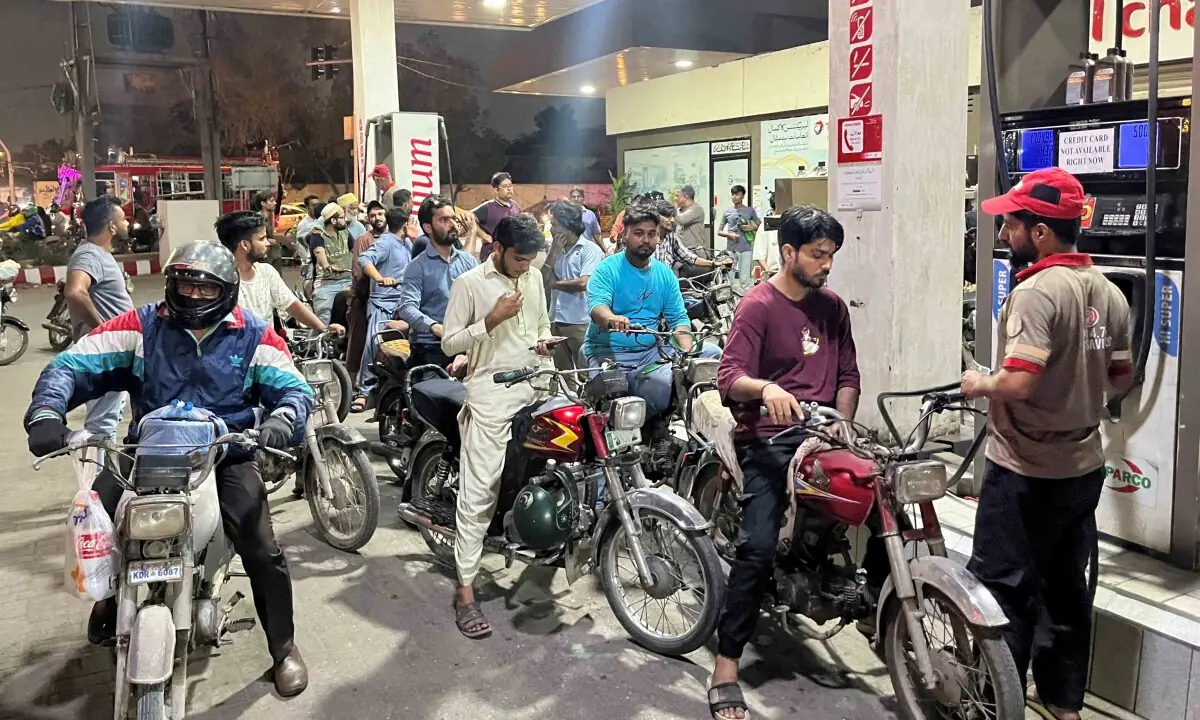
The government on Thursday raised petrol and diesel prices while simultaneously extending fuel subsidies for motorcyclists and the transport sector, seeking to cushion the impact of rising global oil costs on vulnerable consumers.

Moved under Article 175(E) of the Constitution, the petitioner, Advocate Zulfikar Ahmed Bhutta, called on the court to direct the government to withdraw the recent price hike in the petroleum products.

The petition requested that directions be issued to the government to provide petrol and diesel at the rate of Rs200 per litre. It said that the government should also ensure the import of petroleum products from Iran through all available sources, including pipelines, on an urgent basis.

The petition also contended that the government should request Middle East countries to provide petroleum products on special concessional prices because of the “services being provided by Pakistan in relation to defence”.

It said that Pakistan’s neighbouring countries imported petroleum products from the same sources but sold fuel at less than half the price being charged in the country.

The petition argued that the recent price hike was unjustified and constitutes “exploitation of citizens” under the guise of the US-Iran war.

Citing calculations from Dr Alamdar Hussain Malik, a former financial adviser, the petition noted that Pakistan consumed roughly 240,000 barrels (38 million litres) of petrol per day. A Rs55 increase alone generates approximately Rs 2.1 billion daily over Rs63 billion monthly. By including diesel revenues, the total extraction may exceed Rs 120 billion per month, it said.

The petition said that the US government announced withdrawal of sanctions on purchasing petrol/diesel from Iran in early April, but Pakistan had failed to arrange imports from the nrighbouring country, which could have provided fuel at less than Rs150 per litre.

The petition argued that, though the government maintained that the rice hike was unavoidable due to global crude oil markets, the International Monetary Fund’s (IMF) conditions, and the regional conflict, these were mere “smoke screens” to allegedly conceal wasteful government expenditures, including salary hikes for judges and ministers, and tax policies that burden common citizens.

  •  

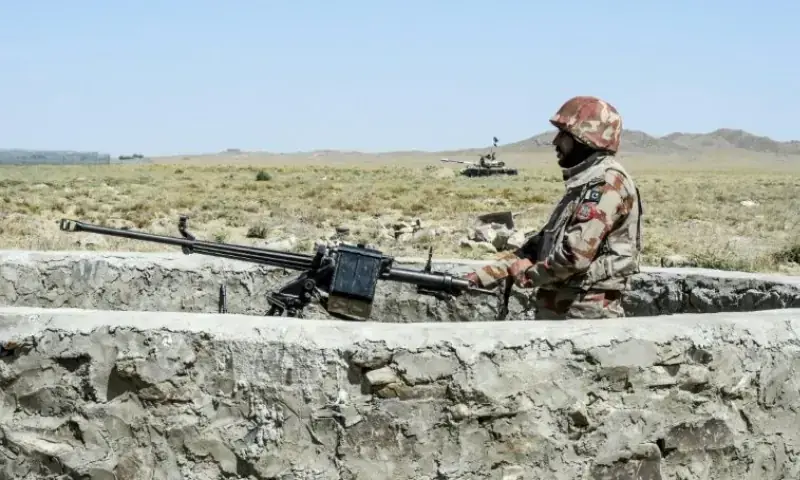
Pakistan sees decline in militant violence for 2nd straight month: PICSS

Pakistan recorded a second consecutive month of improving security indicators in April 2026, with militant attacks and related casualties declining markedly, according to a report released by the Pakistan Institute for Conflict and Security Studies (PICSS).

The Islamabad-based think tank documented 85 verified militant attacks in April, down from 146 in March, a 42 per cent decrease. As per the data, fatalities resulting from militant attacks fell from 106 in March to 60 in April, continuing a downward trend that began the previous month, when overall combat-related deaths dropped by 35pc.

The report said that the improvement follows Pakistan’s cross-border military campaign targeting militant groups and Taliban positions between February 26 and March 18, which concluded with a suspension and subsequent talks in Urumqi, China.

Pakistan had launched Operation Ghazab lil-Haq on the night of February 26, following unprovoked firing by the Afghan Taliban from across the border.

According to the PICSS report, total combat-related deaths — including those from militant attacks and security forces operations — stood at 291 in April. Militants accounted for 224 of these deaths, representing 77pc of the total. The remaining casualties included 28 security forces personnel, 37 civilians, and two members of pro-government peace committees.

It said that the losses among security forces personnel also declined significantly, falling from 59 in March to 28 in April, which was a 53pc reduction. It said that civilian fatalities remained relatively stable, with 37 deaths recorded in April compared to 39 in March.

The data also showed a notable decline in injuries. Overall injuries dropped from 210 in March to 131 in April, a 38pc decrease. Civilian injuries fell from 98 to 54, while militant injuries declined from 57 to 31. Injuries among security forces personnel decreased slightly from 48 to 46, and no injuries were reported among pro-government peace committee members in April.

The report said that 85 militant attacks recorded during the month were largely low-intensity incidents, with a few exceptions. These included two suicide attacks in Khyber Pakhtunkhwa’s Bannu district and a high-profile assault on a mining facility operated in Balochistan’s Chagai district.

The report noted that despite the drop in attacks, operations conducted by security forces remained robust. It said that 224 militants were killed in April, compared to 228 in March. In total, security forces killed 988 militants during the first four months of 2026, the report said.

Regionally, Khyber Pakhtunkhwa continued to record the highest number of militant attacks, followed by Balochistan. The PICSS report said that in mainland KP, attacks declined slightly from 51 in March to 45 in April, while fatalities remained unchanged at 34.

It said that the most significant improvement was observed in KP’s tribal districts, where militant attacks dropped by 40pc, from 35 in March to 21 in April. Deaths from these attacks fell sharply to six, an 82pc decline.

At the same time, security forces intensified operations in the region, killing 120 militants — up from 24 in March — accounting for more than half of all militant fatalities nationwide in April, the report said.

According to the data, Balochistan also experienced a notable improvement, with militant attacks falling from 59 in March to 18 in April, a 69pc reduction.

These attacks resulted in 17 deaths, including 10 linked to the attack on the mining facility in Chagai. Security forces killed 66 militants in the province during April, although this figure was lower than the 145 militants killed in March, the data showed.

Elsewhere, an isolated attack in Gilgit-Baltistan’s Chilas district resulted in the deaths of three police personnel.

The PICSS report said that no militant attacks were reported in Punjab, Sindh, Azad Jammu and Kashmir, or Islamabad during the month of April. However, intelligence-based operations conducted by security forces in these regions led to the arrest of eight suspects — five in Sindh, two in Punjab and one in Azad Jammu and Kashmir.

Cumulatively, during the first four months of 2026, the PICSS recorded 401 militant attacks across Pakistan. These attacks resulted in the deaths of 190 civilians, 158 security forces personnel, and seven members of pro-government peace committees, it said.

Injuries during the same period included 469 civilians, 167 security personnel, and seven peace committee members. Meanwhile, security forces killed 988 militants and arrested 121 suspects nationwide, it stated.

  •  

India's cows offer biogas alternative to Mideast energy crunch

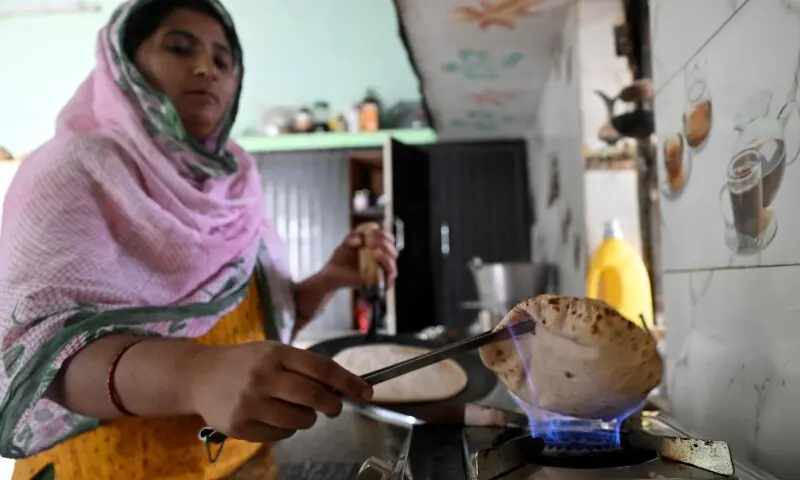
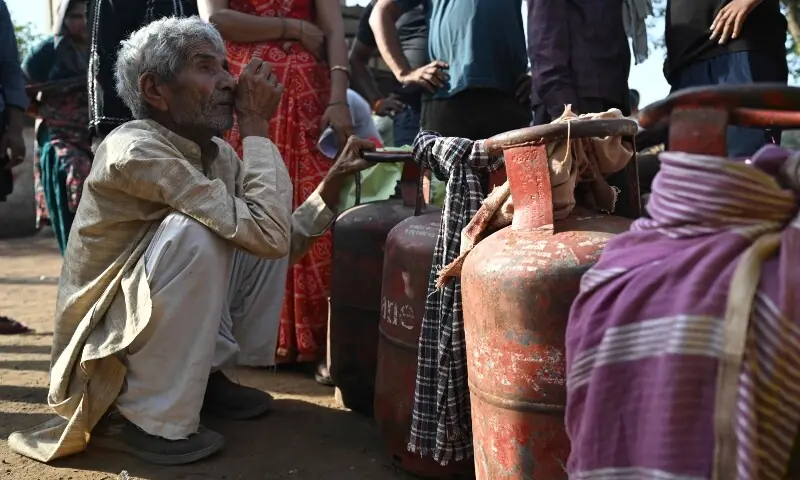
Across much of India, an energy crunch caused by the Iran war has prompted long queues for cooking gas cylinders. That’s not a problem for Gauri Devi.

On a stove with blue flames, she flips a chapati flatbread, burning biogas produced from cow dung — an alternative fuel helping ease pressure on supplies.

This photograph taken on April 24, 2026 shows villager Gauri Devi cooking using biogas at her residence in Uttar Pradesh’s Bulandshahr district. —AFP

“It cooks everything,” the 25-year-old said in her courtyard kitchen in Nekpur, a village in Uttar Pradesh, about 90 kilometres (55 miles) from New Delhi.

“If the pressure goes down, we let it rest for half an hour and it works again.” India consumes more than 30 million tonnes of liquefied petroleum gas (LPG) annually, importing over half its needs.

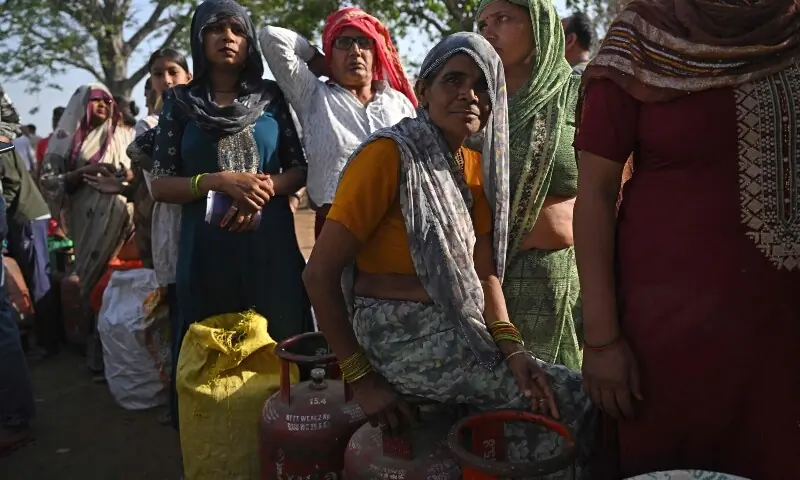
The government insists there is no shortage of cooking gas, but supply delays, panic buying and black marketeers have created long queues for cylinders.

This photograph taken on April 24, 2026 shows people waiting with empty LPG (liquefied petroleum gas) cylinders for refilling, in a village on the outskirts of Uttar Pradesh’s Jewar district. —AFP

However, since the 1980s, India has also promoted biogas as a low-cost rural energy source, subsidising more than five million “digester” units that convert farm waste into methane for cooking, and nitrogen-rich slurry for fertiliser.

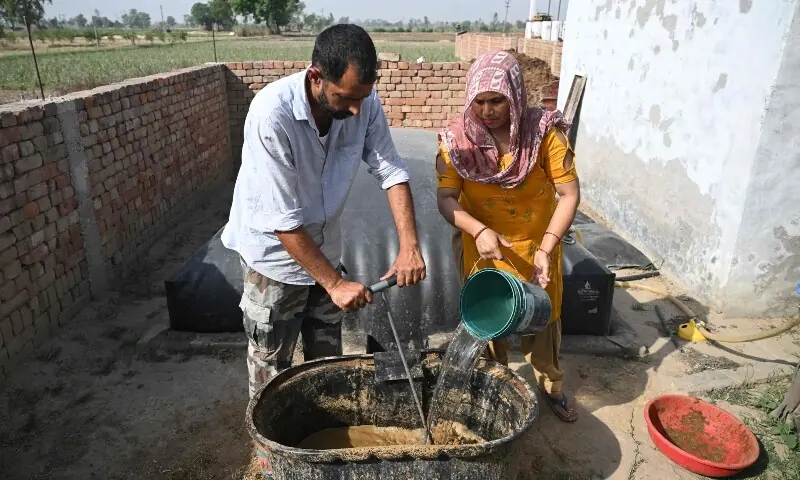
For Gauri, it requires mixing a couple of buckets of dung with water, then pouring the mixture into a car-sized underground tank topped with a storage balloon.

This photograph taken on April 24, 2026 shows residents pouring cow dung into their biogas plant at a village in Uttar Pradesh’s Bulandshahr district. —AFP

It provides a piped methane supply so regular that she only uses an LPG cylinder for emergencies or large gatherings.

The biogas works for everything — “vegetables, tea, lentils”, she said.

‘Black gold’

The residual slurry is later spread on fields as fertiliser. It has better nitrogen availability for plants compared with raw dung, farmers say.

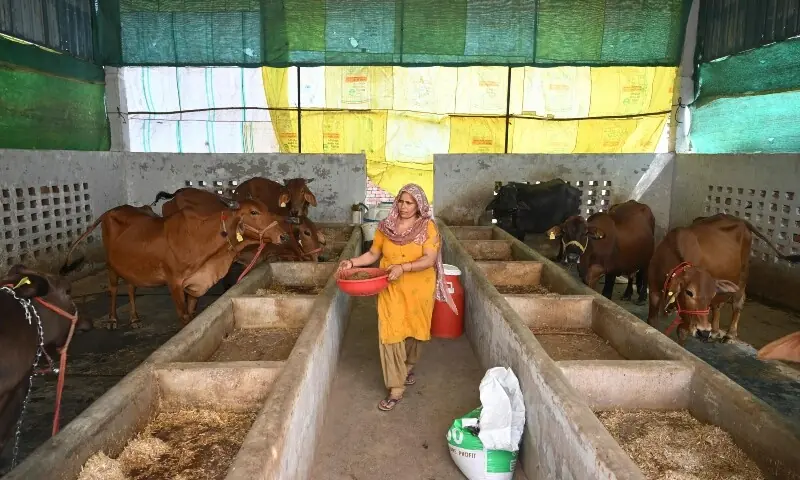
“The manure is so good,” said farmer Pramod Singh, who installed a larger unit in 2025, enough for six people, fuelled by 30-45 kilogrammes of dung daily from four cows.

And he said the slurry fertiliser is particularly valuable at a time when global supplies of artificial fertilisers have been hit by trade disruptions due to the war.

“The real benefit is not just the gas — that is like a bonus,” local farmer leader Pritam Singh said.

“The slurry is ‘black gold’.”

More than 45 per cent of India’s 1.4bn people rely on farming, and the country has one of the largest cattle populations.

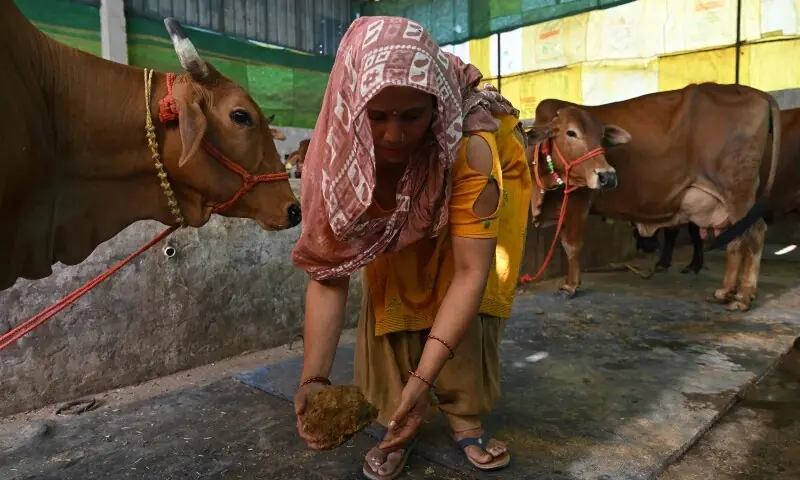
This photograph taken on April 24, 2026 shows a villager collecting cow dung from her cattle stable near her residence in Uttar Pradesh’s Bulandshahr district. —AFP

India — the world’s most populous nation and third-largest fossil fuel polluter — has pushed large-scale biogas production to achieve a goal of carbon neutrality by 2070.

The government last year required that biogas account for at least one percent of liquid gas fuelling both vehicles and for domestic use— rising to five per cent by 2028.

Dozens of multi-million dollar production plants are now in the pipeline.

But small-scale rural producers are also being rolled out – units cost around INR25,000-30,000 ($265-$318), often heavily subsidised by the government.

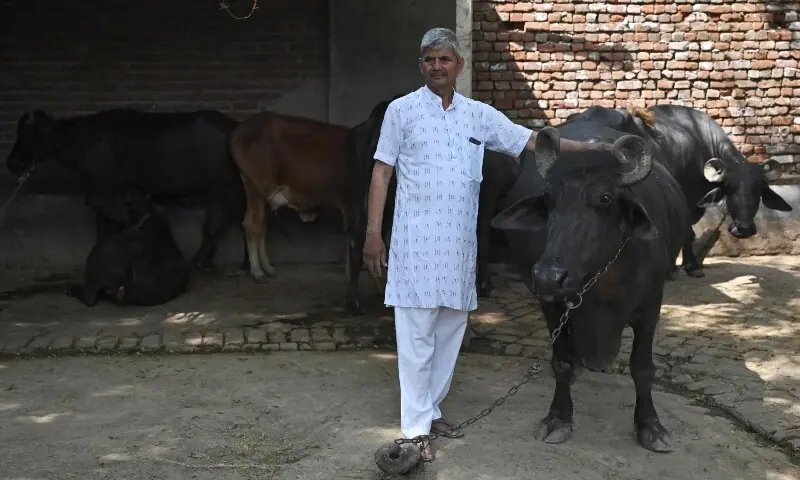
In a Hindu-majority nation where cows are revered and dung and urine are used in everything from floor plastering and fuel to ritual practices, it is easy to win supporters, said Pritam Singh.

He installed his first plant in 2007 and has helped put in 15 more in his village in the past year alone.

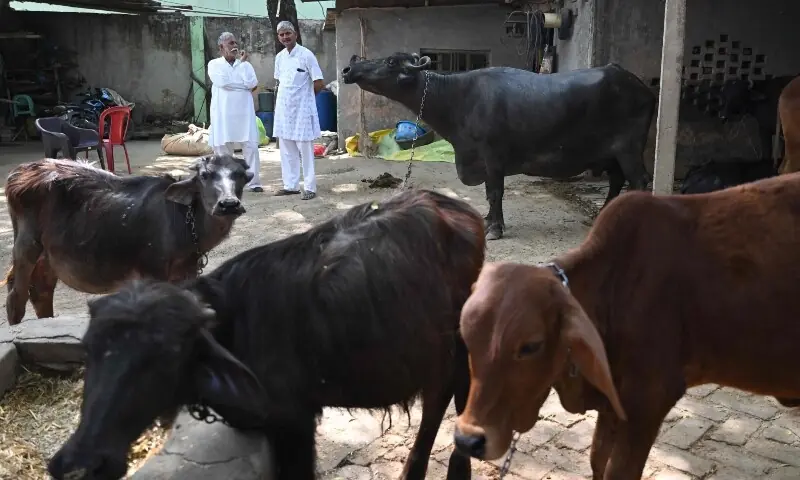
This photograph taken on April 24, 2026 shows Pritam Singh (R), a local farmer leader standing alongside his cattle, at a village in Uttar Pradesh’s Bulandshahr district. —AFP

He said interest had shot up after the LPG shortages.

“People who earlier were not interested now ask how to get it,” he said.

“Once they see food being cooked and crops benefiting, they are convinced.”

‘Mini factories’

But biogas is still a small fraction of household cooking fuel, with LPG considered more convenient because companies manage the supply chain.

“Biogas plants are not just equipment; they are mini factories,” said A.R.Shukla, president of the Indian Biogas Association.

“They need organised installation, regular operation and maintenance,” he added.

This photograph taken on April 24, 2026 shows a villager carrying cow dung from her cattle stable to a biogas plant at her residence in Uttar Pradesh’s Bulandshahr district. —AFP

“So, unless installation and upkeep are handled through community-based or cooperative enterprises, households will continue to treat biogas as secondary fuel.” And even with government support, there are barriers to uptake, including cost and space.

“We work on other people’s farms the whole day. We don’t have land for it,” said labourer Ramesh Kumar Singh, standing in a line of around 100 queueing for LPG cylinders in the nearby village of Madalpur.

This photograph taken on April 24, 2026 shows people waiting with empty LPG (liquefied petroleum gas) cylinders for refilling, in a village on the outskirts of Uttar Pradesh’s Jewar district. —AFP

“I am standing in scorching heat, hungry and thirsty,” said Mahendri, 77, who had failed to secure a cylinder for three days in a row.

  •  

Power minister declares end to month-long loadshedding following arrival of LNG shipment

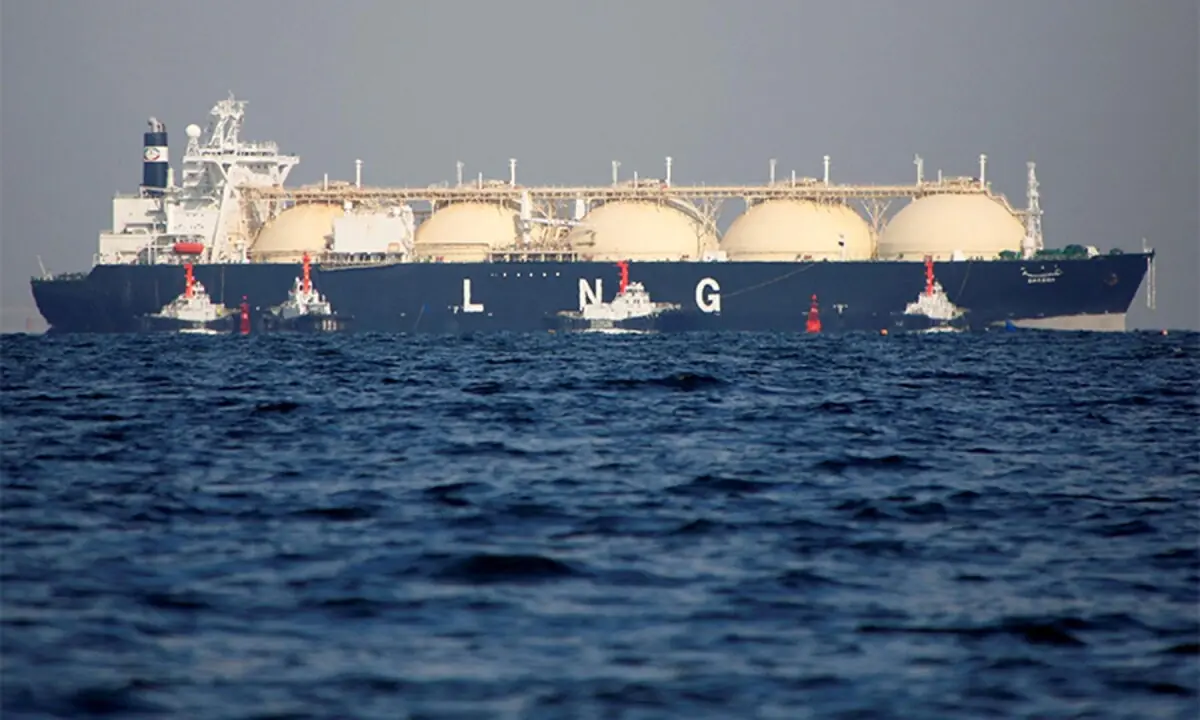
ISLAMABAD: Power Minister Awais Leghari on Friday declared the end of a month-long loadshedding period after a shipment of liquefied natural gas (LNG) arrived in Pakistan a day earlier.

The power minister made the announcement in a recorded televised message, saying that the recent power outages were caused by a gas shortage linked to the war between the US and Iran, and were not the result of “incompetence or system failure”.

He recalled that on “April 13 and 14, consumers faced power outages of up to five hours, while on April 15–16, they lasted around seven hours”. Leghari added that in the following days, outages were “brought down to zero,” and until April 29, the loadshedding duration was reduced to 2–2.5 hours.

He also recalled that the ministry held a press conference to clarify the government’s stance on the matter.

“Loadshedding had not been experienced for six to seven years, having been eliminated during the tenure of Nawaz Sharif,” he said.

“Using diesel or furnace oil would have made electricity more expensive,” he said, adding that during this period, “hydropower generation increased to 6,000 MW compared to the previous 1,000 MW”.

The minister elaborated that the government had to use fuel-based plants to stabilise supply due to the unavailability of LNG.

“Furnace oil was used selectively to protect consumers from additional financial burden while also limiting loadshedding to 2-2.5 hours,” the power minister said.

Leghari said the government had to buy “expensive gas on the spot market” to mitigate the situation, confirming that the first LNG cargo arrived in Pakistan a day earlier.

On April 24, the state-run Pakistan LNG Limited (PLL) had secured three bids at $17.997 to $18.88 per million British thermal units (mmBtu) for LNG cargoes, which were expected to be delivered between April 27 and May 8.

The minister promised that no further loadshedding would be carried out and expressed hope that the transmission system would withstand the peak summer season.

In his April 16 press conference, the power minister had apologised for excessive loadshedding, explaining that the external factor of the fuel supply crisis due to the Middle East war was one of the main reasons.

Leghari said the required LNG “stopped coming from abroad after April 1”.

He pointed out that Qatar’s state-run energy firm had declared force majeure, which resulted in a “huge gap” in the power requirements fulfilled through gas plants during peak hours.

The minister had further said that the decision of two hours of daily loadshedding had been made to keep electricity prices in control.

On April 14, the government had announced more than two hours of daily loadshedding “during peak hours”. However, K-Electric and Hyderabad Electric Supply Company (Hesco) were excluded from the loadshedding plan.

  •  
❌