Reading view

Govt hikes petrol price by Rs6, diesel by Rs19

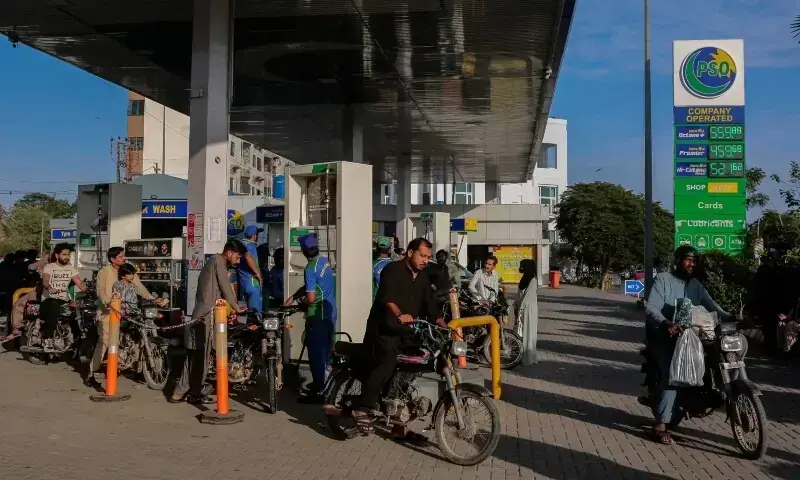
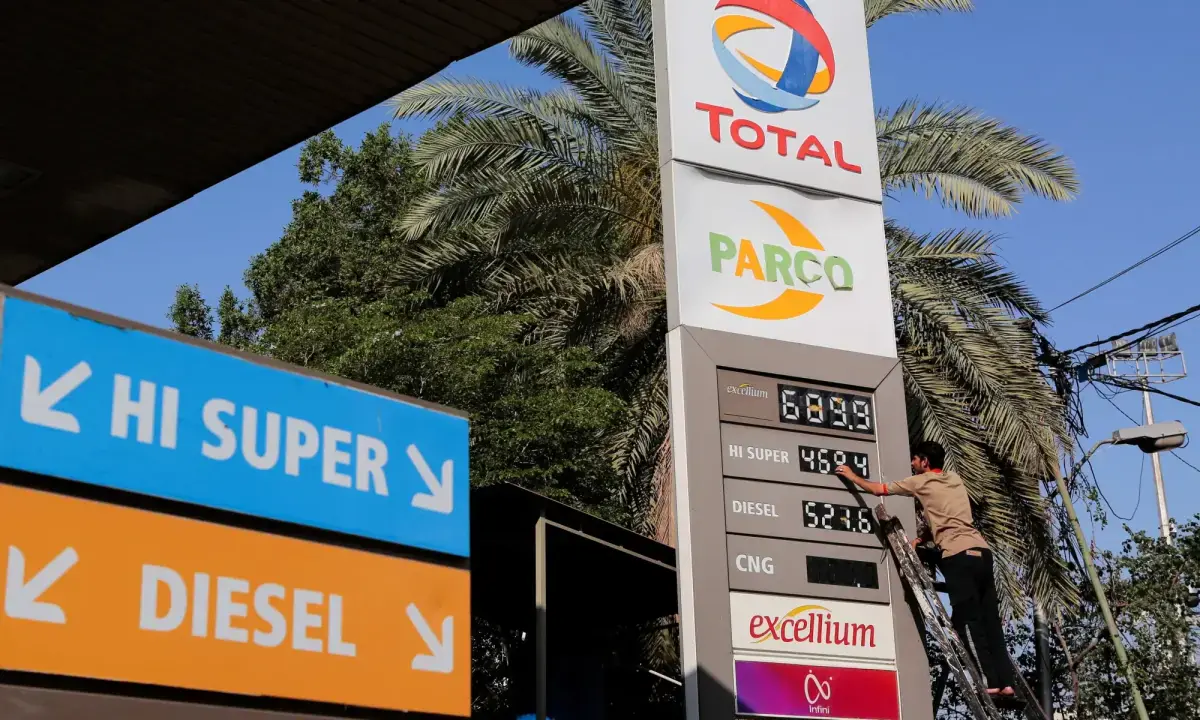
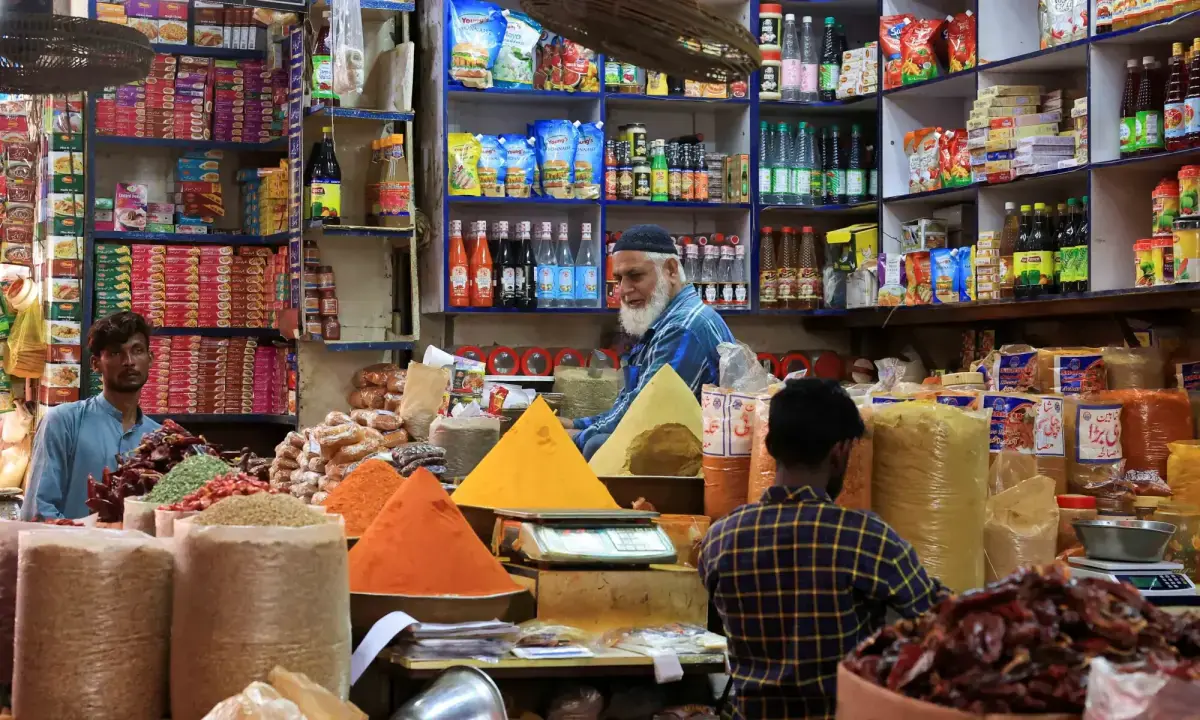
The government raised on Thursday the price of petrol by Rs6.51 per litre and that of high-speed diesel (HSD) by Rs19.39.

Following the increase, the price of petrol stands at Rs399.86 per litre and HSD’s at Rs399.58.

The Petroleum Division’s press release notifying the increase said the new prices would be effective from May 1.

Petrol is mostly used in private transport, small vehicles, rickshaws and two-wheelers and has a direct bearing on the budget of the middle and lower-middle class. High-speed diesel is mainly used in the heavy transport sector and for large generators.

Petrol and high-speed diesel are the major revenue spinners with their monthly sales of about 700,000 to 800,000 tonnes compared to just 10,000 tonnes of monthly demand for kerosene.

The latest price hike came after the a virtual meeting between the International Monetary Fund (IMF) and Pakistan’s representatives, during which the IMF was told that Pakistan was well placed to achieve the petroleum levy target of Rs1.468 trillion, sources told Dawn.

The sources said the two sides agreed to keep the primary balance target as sacrosanct and achieve it at all costs even if further cut in public sector development programme was required.

Payments to independent power producers would continue in line with payment schedules to ensure that no issue cropped up before the IMF executive board’s meeting on May 8 — which was being convened to approve the disbursement of more than $1.2 billion — the sources said.

‘No truth to reports of petrol stations’ closure’

Thursday’s price hike came as the Petroleum Division refuted reports claiming that petrol stations were to shut down in the country owing to a fuel shortage.

“There is no truth to reports of the closure of petrol pumps from May 1. The supply of petroleum products will continue uninterrupted,” the Petroleum Division posted on X.

It said, “Spreading panic among the people through fake propaganda should be avoided.”

The Petroleum Division pointed out that uninterrupted supply of petroleum products in the country had been ensured since the start of the war in the Middle East, adding that their availability would be ensured in the future as well.

Separately, Islamabad Deputy Commissioner Irfan Nawaz Memon also posted on X that there was sufficient stock of petrol at all petrol pumps in the federal capital, adding that reports of petrol stations’ closure from May 1 were rumours.

He also asked citizens to contact the district administration’s control room if they were “provided less petrol than your requirement” at any station.

The DC appealed to the public not to pay any heed to the rumours of a fuel shortage in the country.

The developments come amid a global fuel crisis caused by the closure of Strait of Hormuz — through which 20 per cent of the world’s oil and gas supply used to pass in peacetime — as a consequence of the currently paused US-Israel war on Iran.

The All Pakistan Petrol Pump Owners Association (APPPOA) also refuted reports of a strike from May 1-5 as “baseless”.

A statement by the APPPOA quoted the association’s vice chairperson, Noman Ali Butt, as saying that there was no truth to the rumours of petrol stations’ closure.

“Petrol stations across the country will remain operational as usual,” he said, adding that the fuel supply to the consumers remained uninterrupted.

He further clarified that the rumours of the strike “have nothing to do” with his association and that petrol station owners were not in favour of a strike.

“People should not pay heed to rumours. The petrol station are open,” he added.

  •  

13 terrorists killed as bids to infiltrate Pak-Afghan border in KP foiled: ISPR

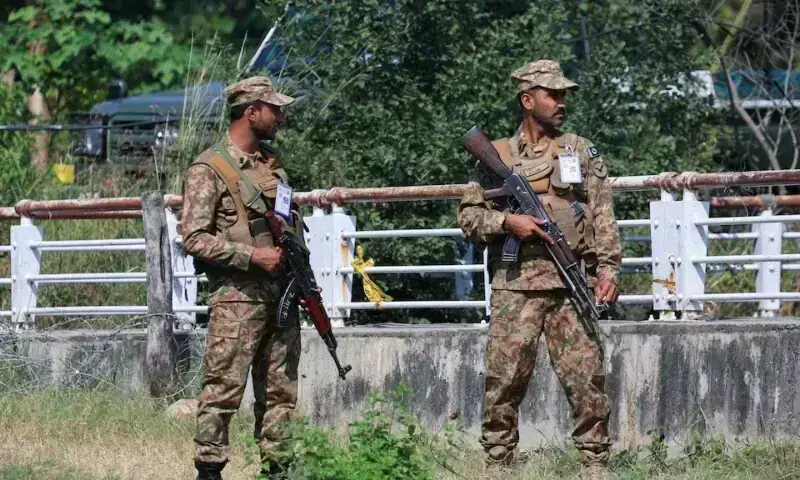
The military’s media affairs wing said on Thursday that 13 Indian-sponsored terrorists were killed in two foiled infiltration attempts along the Pak-Afghan border in Khyber Pakhtunkhwa.

In a statement, Inter-Services Public Relations (ISPR) said that the 13 Fitna al Khawarij terrorists were killed last night.

Fitna al Khawarij is a term the state uses for terrorists belonging to the banned Tehreek-i-Taliban Pakistan.

ISPR said that in KP’s Mohmand district, the movement of a group of terrorists trying to infiltrate the Pak-Afghan border was picked up by security forces.

“Own troops effectively engaged this group of khawarij. As a result of precise and skillful engagement, eight khwarij belonging to the Indian-sponsored, Fitna al Khawarij were sent to hell,” it said.

It added that troops also foiled another infiltration attempt by a group of khawarij along the Pak-Afghan border in KP’s North Waziristan district. It added that after an intense exchange of fire, five terrorists were killed.

“These engagements once again substantiate Pakistan’s repeated stance regarding the abject failure of the Afghan Taliban regime to ensure effective border management on their side,” ISPR said.

“The Afghan Taliban regime must fulfil its obligations and deny the use of Afghan soil by khawarij and the involvement of its citizens in terrorism inside Pakistan,” it said.

It added that Pakistan’s security forces remained resolute and unwavering in their commitment to defend the nation’s frontiers. ISPR said that sanitisation operations were being conducted to eliminate other terrorists in the area, adding that the counterterrorism campaign would continue at full pace to wipe out the menace of foreign-sponsored and supported terrorism from the country.

There has been a resurgence in terrorism in Pakistan since the Afghan Taliban returned to power in Kabul in 2021.

Islamabad has repeatedly urged the Taliban administration to dismantle terrorist sanctuaries on Afghan soil, particularly those linked to the banned TTP. Officials say those appeals have gone unheeded.

Following unprovoked firing by the Afghan Taliban from across the border, Pakistan launched Operation Ghazab lil-Haq on the night of February 26.

A five-day temporary pause was observed from March 18 to 23 on the occasion of Eidul Fitr, with the Foreign Office later saying the operation would continue “until its objectives are achieved”.

Last year in November, ISPR Director General Lieutenant General Ahmad Sharif Chaudhry told journalists that Afghan forces open fire at Pakistani checkposts across the border to facilitate the infiltration of terrorists into the country.

  •  

KP CM Afridi hints at legislation against collateral damage in drone strikes

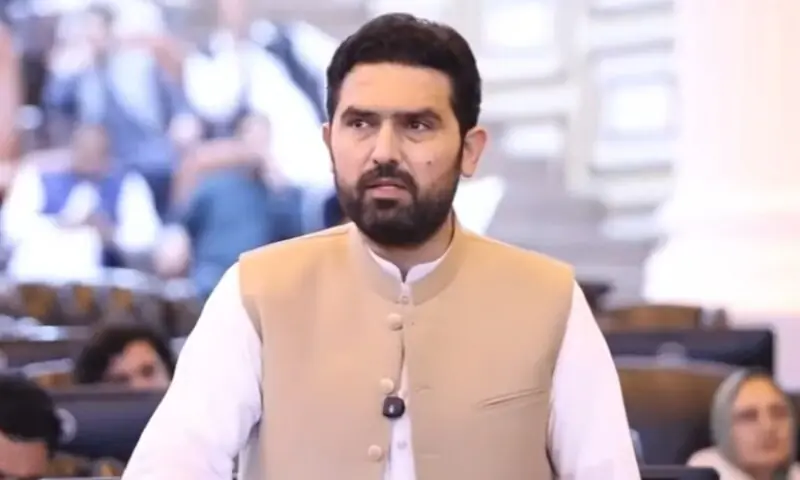
PESHAWAR: Following public outcry from his own constituency over drone attacks, Khyber Pakhtunkhwa Chief Minister Sohail Afridi on Thursday hinted at introducing legislation to criminalise collateral damage in such incidents.

The development comes after a meeting of lawmakers from the respective districts decided that the issue would be taken up in the provincial assembly, while vowing to put up a joint front to protect civilians.

“We held a meeting on bringing a law against drone attacks, but ‘they’ have protected themselves in the Constitution against drone attacks … However, we can legislate against collateral damage,” Afridi said on Thursday without specifying further. He made the remarks while speaking during a session of the KP Assembly summoned to discuss the issue.

CM Afridi alleged that whenever he protested against a drone strike, he received a message that “they” understood the situation and were sorry. The chief minister questioned why such incidents never targeted sensitive installations and only targeted the people of the province.

In his fiery speech, CM Afridi also questioned the results of military operations during the last 20 years. He said that not just KP but the entire country had been destroyed due to decisions taken behind closed doors.

The chief minister also termed the Action in Aid of Civil Power Ordinance a “draconian law”.

The Action in Aid of Civil Power Ordinance, passed in 2019, authorises the armed forces to detain an individual at any time and anywhere in the province without assigning any reason and without producing the accused before a court of law.

In his speech, Afridi said that a jirga would be summoned on Saturday against drone strikes, while the opposition was also told to ensure tribal elders’ presence for deciding the future course of action.

Earlier in the session, KP Assembly Speaker Babar Swati deferred the day’s agenda, saying he had done so due to an uptick in the number of drone strikes in the province.

“There is no end in sight to the [military] operations in our province,” he said.

Chief Minister’s Special Assistant on Information and Public Relations Shafi Jan alleged that the drone attacks were pre-planned, and “are being done to undermine only one political party”. Jan said the jirga summoned for Saturday would decide the future course of action — whether to march towards Islamabad or protest outside the KP Assembly or the National Assembly.

He added that the government had decided not to tolerate it anymore, reiterating the chief minister’s stance of not accepting the decisions taken behind closed doors.

“Hatred takes a second to spread but years to fade away,” he said.

MPA Ajmal Khan said the only permanent solution to the problem was a dialogue with Afghanistan. “We face the direct impact of the situation in Afghanistan. Islamabad and Kabul should continue talks, but Peshawar must be included,” Khan said.

PML-N’s Rashad Khan said the province was rich in minerals, forests and hydel power, but the law and order situation had destroyed the economy.

Treasury MPA Anwar Zeb Khan said that amid fighting between Pakistan and Afghanistan, shells landed in civilian areas.

“Please give a ruling so that military camps in residential areas are relocated,” he requested the speaker.

Meanwhile, Awami National Party’s Muhammad Nisar stated that tribesmen had been suffering from drone strikes.

Jamiat Ulema-i-Islam-Fazl Maulana Lutfur Rehman said the region had been facing a law and order situation for almost 30 years, adding that the economy could not improve without peace.

“Discussing our problems here in the House will never resolve issues,” he said. However, PPP’s Ahmad Karim Kundi contradicted Rehman, saying the right forum for resolving issues was the KP Assembly.

During the session, the House also passed three bills — the KP Assembly Powers, Immunities and Privileges Bill 2026; the KP Province Speaker and Deputy Speaker Immunities, Privileges, Salaries and Allowances Bill 2026; and the Provincial Assembly of Khyber Pakhtunkhwa Province Salaries and Allowances of the members Bill 2026. The bills were tabled by Minister for Law Aftab Alam Afridi.

The sitting was later adjourned till 2pm on May 4.

The jirga organised on Tuesday by CM Afridi came following a drone strike in his native Khyber district, which claimed the life of a minor girl and injured six members of a family a day earlier. The family of the slain girl held a protest in Peshawar near the Hayatabad toll plaza, and were dispersed by violent police action.

The participants declared the civilian casualties from both terrorism and drone strikes were unacceptable, saying the people from tribal areas were paying a “double price”.

“Neither terrorism nor civilian deaths in drone strikes are acceptable,” they said, according to a statement issued by the CM’s media office. The participants also demanded an end to this cycle of violence, saying tribal districts could not be subjected to a condition in which they were simultaneously victims of militant violence and collateral damage from operations.

They also took exception to the classification of civilian casualties as “mistakes,” questioning why these so-called mistakes persistently occurred in populated areas, a participant of the meeting told Dawn on condition of anonymity.

  •  

PTI leaders turn up for Adiala jail visit following 2-week gap

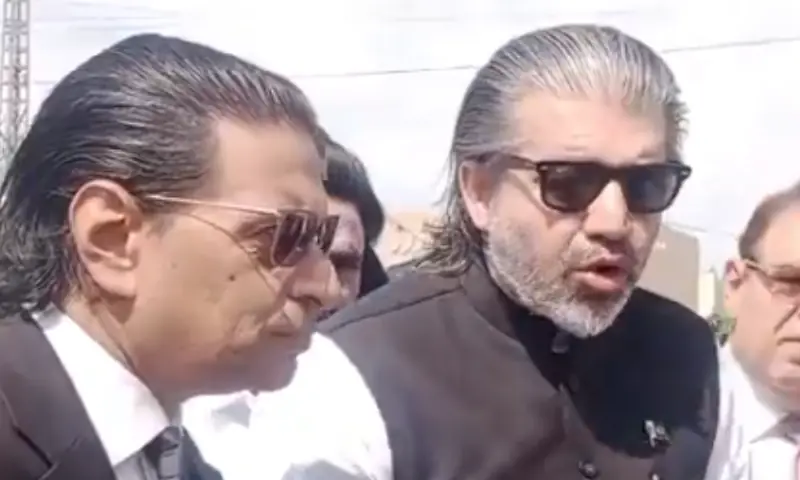
ISLAMABAD: After skipping Adiala jail visits for two consecutive weeks, PTI leaders on Thursday managed to reach the prison for a meeting with incarcerated party founder Imran Khan, which was once again denied.

The Islamabad High Court (IHC) has allowed Imran twice-a-week meetings — on Tuesdays and Thursdays — with his family, lawyers and other associates. Despite court orders, Imran’s meetings with the family and the party leaders have been largely restricted.

While Imran’s sisters continue to show up at the jail on Tuesdays, party leaders were nowhere to be seen the past two weeks, prompting criticism of the leadership.

On Wednesday, a list of PTI leaders’ names was sent to the Adiala jail superintendent for a meeting with Imran. The initial list sent to the jail administration included the names of PTI Chairman Barrister Gohar Ali Khan, Advocate Hamid Khan and Barrister Ali Zafar.

However, PTI Secretary General Salman Akram Raja — who has been authorised by the IHC to share the names of leaders who intend to meet Imran with the jail administration — withdrew the list and issued a new one. In addition to Raja, the fresh list also included Humayun Mohmand, Ali Muhammad Khan, Sahibzada Sibghatullah, Mehboob Shah and Ali Bukhari.

On Thursday, all six leaders reached Adiala jail in an effort to meet with the PTI founder. But despite their endeavours, they were yet again denied a meeting with Imran.

Speaking to Dawn, Raja said all six leaders included in the list arrived at Adiala jail on Thursday and “stayed there for two-and-a-half hours, with the hope that meeting with Imran would be allowed”.

“The party has decided to approach the Supreme Court again to ensure party leaders’ meetings with Imran,” he said.

“Our appeal has been pending since October 2025. We have time and again appealed to Chief Justice Yahya Afridi to ensure that our petition would be heard,” he said.

  •  

Arif Habib-led consortium notifies Privatisation Commission of its intent to acquire remaining 25pc PIA stake

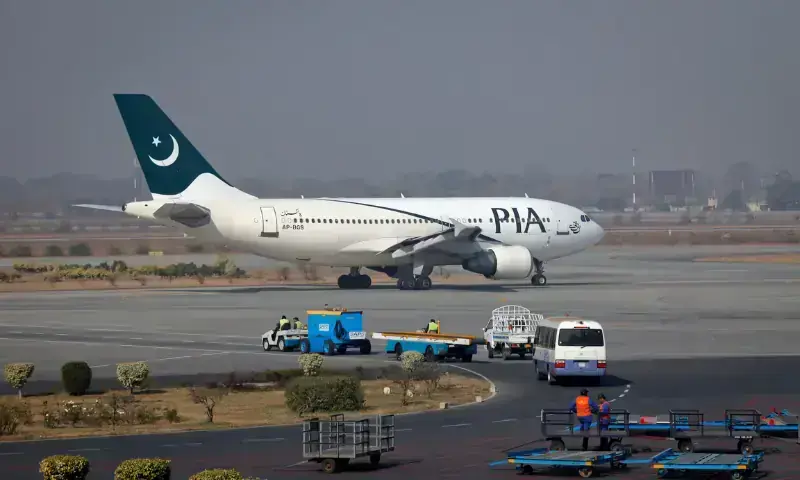
ISLAMABAD: The Privatisation Commission announced on Thursday that the consortium led by Arif Habib Corporation Limited has notified it of its intent to acquire the remaining 25 per cent equity stake in Pakistan International Airlines Corporation Limited (PIACL), paving the way for full private-sector ownership of the national carrier.

It said that the total private-sector investment in the transaction was expected to amount to approximately Rs180 billion, comprising a minimum of Rs55 billion payable to the government as divestment proceeds and Rs125bn to be injected as fresh equity into PIACL to support the airline’s recapitalisation.

“The planned equity injection will support fleet expansion and modernisation, route development, and improvements in customer service and operational systems,” the commission said.

It said that management control was expected to be transferred on or before May 25, the first closing date announced by the Privatisation Commission, subject to the fulfilment of conditions set out in the Share Purchase and Subscription Agreement (SPSA) signed on January 29.

“The notice of intent to acquire the remaining 25pc equity stake (call option) has been accompanied by the requisite standby letter of credit and will be exercised in accordance with the terms of the SPSA,” it said.

It added that the Privatisation Commission, the consortium, the government of Pakistan, and PIACL were working jointly to fulfil the conditions precedent ahead of the first closing.

The consortium comprises Arif Habib Corporation Limited, Fatima Fertiliser Company Limited, Lake City Holdings (Private) Limited, The City School (Private) Limited, AKD Group Holdings (Private) Limited, and Fauji Fertiliser Company Limited.

Earlier this week, the consortium submitted a standby letter of credit and a bank guarantee to the Priva­tisation Commission to acquire the remaining shares from the government.

The consortium had acquired a 75pc stake in the national flag carrier for Rs135bn in December 2025.

  •  

PM Shehbaz extends fuel subsidy for motorcyclists, goods transport by one month

Prime Minister Shehbaz Sharif on Thursday decided to extend the fuel subsidy for motorcyclists, and public and goods transport by one month.

According to a statement issued by the Prime Minister’s Office (PMO), the premier decided to continue providing relief to the economically vulnerable sections of society during the current situation.

It said that the prime minister “had decided to extend fuel subsidy given last month to motorcyclists, public and goods transporters by one more month”.

He also directed transporters not to increase travel and freight fares. He further issued instructions to maintain “effective monitoring” of relief measures.

According to the statement, PM Shehbaz vowed to continue the government’s relief efforts, stressing that “providing relief to the common man remained the government’s top priority”.

“The people will not be left alone under any circumstances,” the premier asserted, hoping that the “regional situation will improve soon so that fuel prices can stabilise”.

The subsidies were part of the targeted relief measures announced earlier this month for bikers, farmers and transporters to cushion the impact of global oil price shocks amid the US-Israel war on Iran.

The measures included a subsidy of Rs100 per litre for two-wheeler users, capped at 20 litres per month for three months. It was also announced that trucks carrying 80-85pc of food items would receive direct support of Rs70,000 per month, large transport vehicles would be given Rs80,000 per month and inter-city public service vehicles would receive Rs100,000 per month to help keep fares stable.

The provinces have taken the lead in administering subsidised fuel quotas. Altogether, the provinces are pooling around Rs200bn for three months on the pattern of their National Finance Commission (NFC) shares — Rs100bn or so from Punjab, Rs51-Rs52bn from Sindh, Rs15bn from Khyber Pakhtu­nkhwa and about Rs8-Rs9bn from Balochistan.

A day earlier, the premier, while addressing a meeting of the federal cabinet, said consultations were underway with provinces for the extension of fuel subsidies. He also said that the country’s weekly oil bill had reached $800 million amid the oil crisis from around $300m prior to the outbreak of the conflict.

  •  

Freshly transferred Justices Sattar, Kayani to hear cases at PHC, LHC from coming week

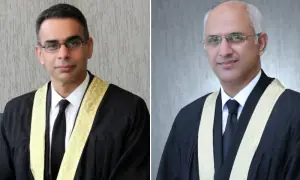
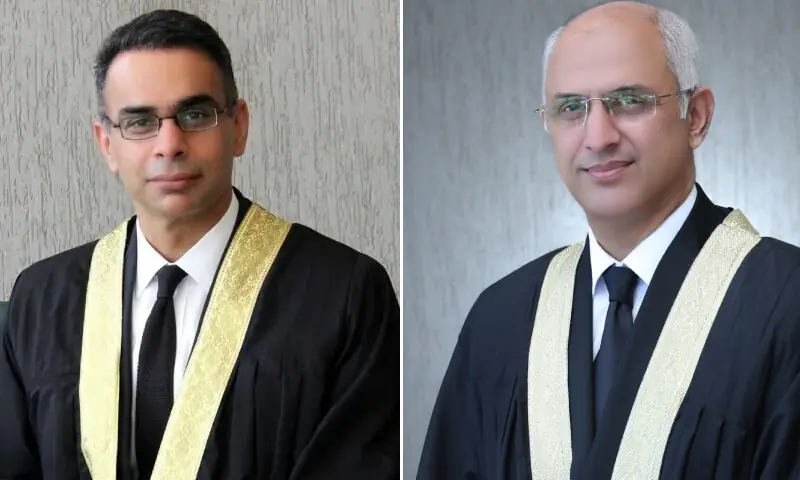
PESHAWAR/ LAHORE: Justices Babar Sattar and Mohsin Akhtar Kayani will begin presiding over proceedings at the Peshawar High Court (PHC) and Lahore High Court (LHC), respectively, in the coming week following their recent transfers from the Islamabad High Court (IHC).

Their transfers, along with that of IHC judge Saman Rafat Imtiaz to the Sindh High Court, were approved by the Judicial Commission of Pakistan (JCP) on April 28 and notified by the law ministry on April 29 amid criticism from lawyers’ bodies.

On Thursday, the names of Justices Sattar and Kayani were included in the rosters of the high court courts to which they have been transferred.

The LHC’s revised roster for May 4 to July 4 shows that Justice Kayani will be presiding over proceedings as judge on a single bench at the court’s principal seat.

The roster, notified by Additional Registrar (Judicial) Shabbir Hussain Shah, shows that 27 single benches and nine division benches have been constituted at the principal seat for this period.

Meanwhile, according to the PHC’s roster for May 4-7, Justice Sattar will be presiding over proceedings as part of a division bench at the court’s principal seat on Monday.

The roster, approved by PHC Chief Justice SM Attique Shah, lists nine single benches and just one division bench, headed by Justice Wiqar Ahmad and also including Justice Sattar.

The judges were transferred under Article 200 of the Constitution. Under clause (1) of Article 200 of the Constitution, the president may transfer a high court judge from one high court to another on the recommendation of the JCP. Clause (2) provides that the seniority of a transferred judge shall be reckoned from the date of his or her initial appointment.

Justice Kayani, who was IHC’s senior puisne judge, has lost his seniority and been relegated to the 12th spot on the LHC seniority list. His transfer has also increased the number of sitting judges at the LHC to 41 against a sanctioned strength of 60.

Justice Sattar was appointed as an additional IHC judge on December 30, 2020 and confirmed as a permanent judge around a year later. He was number three in terms of seniority at the IHC. But at the PHC, he is seventh in terms of seniority.

With the transfer of Justice Sattar, the number of judges in the PHC has risen to 21 against the sanctioned strength of 30.

In its April 28 meeting, the JCP also decided that any vacancy arising as a result of the transfer of judges from the IHC would be filled through transfer only, and such slots would not be treated as vacancies for initial appointment.

Subsequently, the Khyber Pakhtunkhwa Bar Council had expressed reservations over the transfers and demanded that the transfer of a judge from any other high court to the PHC should be made on a reciprocal basis. The council believed that the reciprocal transfer of judges would neither affect the overall strength of the PHC judges nor would it affect the rights of the province.

Transfer of judges

Chief Justice of Pakistan Yahya Afridi, who also serves as chairman of the JCP, had earlier raised serious constitutional concerns over the prospect of transferring judges from the IHC.

In his response to informal requests by IHC Chief Justice Sardar Mohammad Sarfraz Dogar, the CJP had warned that such transfers could undermine federalism and equitable representation, reducing judicial appointments to temporary and reversible administrative decisions.

The transfers from the IHC follow an amendment to Article 200 of the Constitution, which empowers the JCP to recommend such transfers without requiring the consent of the judges concerned.

Prior to the amendment, introduced through the 27th Constitution Amendment, a judge’s consent was mandatory for transfer from one high court to another. The revised provision has now vested this authority in the JCP.

It also stipulates that a judge who refuses to accept a transfer may face proceedings under Article 209 before the Supreme Judicial Council.

The transferred judges were among the six who had, in a startling letter written to SJC members in March 2024, accused the country’s intelligence apparatus of interference in judicial affairs, including attempts to pressure judges through abduction and torture of their relatives and secret surveillance inside their homes.

They were also among the five judges who had formally opposed in February 2025 the then-potential transfer of then-LHC Justice Dogar, warning that his elevation as the IHC chief justice would violate constitutional procedures and judicial norms.

Nevertheless, Justice Dogar was appointed as the acting IHC chief justice on Feb 13, 2025. The next day, he took the oath in a ceremony where all IHC judges were invited, but five of them — including those being transferred — did not attend the ceremony and boycotted it.

Following the development, the IHC went through a major administrative restructuring, which notably reduced the authority of senior puisne judge Justice Kayani — who previously held key decision-making roles — following amendments to the high court rules.

The IHC Administration Com­mittee, previously comprising the chief justice, the senior puisne judge and a senior judge, was restructured to include CJ Dogar and two of his nominees. This reconstitution significantly altered the court’s decision-making authority.

Justice Dogar later took his oath as the IHC CJ on July 8, 2025. And the five IHC senior judges who had opposed his transfer were sidelined in the subsequent reshuffling of key committees.

In September last year, the five judges had submitted separate petitions to the Supreme Court together against a number of issues affecting the court, from the composition of benches to rosters to case transfers.

  •  

Finance ministry flags risk to Pakistan's external sector amid global uncertainty

ISLAMABAD: Despite a healthy primary balance of 3.3 per cent of gross domestic product (GDP) at home, the Ministry of Finance on Thursday warned that Pakistan’s external sector may be facing risks owing to emerging global uncertainties and regional supply disruptions amid a higher rate of inflation.

“External demand may remain supportive in some markets but the balance of risk becomes less favourable than in a pre-war setting,” the ministry said in its Monthly Economic Update and Outlook for April 2026.

It said the ongoing Middle East conflict was posing new risks and heightened uncertainty regarding the macroeconomic outlook.

The ministry forecast April’s inflation rate — measured by the consumer price index — at 8 to 9pc, significantly higher than 7.3pc in March.

It highlighted that the overall primary surplus in the first eight months of the current fiscal year was recorded at 3.3pc of GDP (Rs4.319 trillion) as compared to 3pc (Rs3.452tr) last year.

During July-March Fiscal Year 2026, the Federal Board of Revenue’s tax collection grew by 10.1pc to Rs9.306tr, the ministry said.

It said this growth was driven by both direct and indirect taxes, which grew by 12.4pc and 7.9pc, respectively. Within indirect taxes, sales tax, customs duties and federal excise duty increased by 8.5pc, 3pc and 13.3pc, respectively.

It said the government’s strategy to optimise revenue collection and improve expenditure management was reflected in the overall fiscal position during the July-February FY2026, with a deficit of 0.1pc of GDP (Rs161.2 billion) compared to 2.2pc of GDP (Rs2.524bn) during the corresponding period last year.

Net federal revenue increased by 10.1ppc to reach Rs7.463tr, which was contributed to by growth in both tax and non-tax revenues by 10.6pc and 7.7pc, respectively.

“Total federal expenditure declined by 10.9pc to Rs9.232tr. This contraction was mainly driven by curtailment of current expenditure, which fell by 11.4pc on account of 25pc decline in markup expenditure,” it said.

The ministry said the economy completed its third quarter of the year on a stable footing, underpinned by macroeconomic stability and gradually strengthening growth momentum.

On the domestic front, the manufacturing sector continued its growth impetus while the external sector witnessed three consecutive monthly current account surpluses driven by strong remittances and rising IT exports, it added.

|Inflation inched up but remained within the annual target. Prudent fiscal management enabled continued improvement in the fiscal position. Timely Eurobond repayment, successful International Monetary Fund staff-level agreement and Fitch’s B- rating with stable outlook further reinforced external credibility, reflecting continued reform efforts and overall positive direction of the economy,” it said.

It highlighted that the ongoing Middle East conflict was posing new risks and heightened uncertainty regarding the macroeconomic outlook amid escalating energy costs, yet Pakistan’s economy appeared relatively better positioned than in previous episodes of external stress to manage these emerging challenges effectively.

The ministry also said that the Bureau of Emigration and Overseas Employment registered 50,506 workers in March 2026, showing a reduction of almost 14pc as compared to 58,555 in March, 2025.

According to the ministry, despite prevailing geopolitical uncertainties, key macroeconomic indicators had remained stable, including sustained growth momentum in large-scale manufacturing, particularly reflected in a broad-based recovery in the automobile sector, and rising cement dispatches, pointing to improving domestic demand.

“Based on this momentum, economic activity is expected to remain firm,” it said, but hastened to add that “amid ongoing supply chain constraints, inflation is anticipated to remain within the range of 8-9pc for April 2026”.

It added that “despite the potential risk posed by Middle East war and consequently global commodity prices rise and supply chain disturbance, the external position is likely to remain stable, underpinned by higher remittance inflows and IT exports”.

“Overall, the economy appears well-positioned to continue its growth trajectory, supported by the strengthening of macroeconomic fundamentals vis-à-vis appropriate and swift policy response to minimise the adverse impacts,” the ministry said.

The ministry said that given ongoing geopolitical uncertainty and the unclear path toward a durable settlement, the conflict continued to reverberate through disrupted oil supply and pricing, reinforcing volatility in global energy markets.

“Despite global emerging uncertainties, major trading partners of Pakistan’s economy, like the US, are showing resilience,” it added.

Likewise, it said that Pakistan’s major export destinations (except China, showing persistent moderation in growth momentum for several months) were hovering near their long-term potential.

  •  

Amazon says damaged UAE cloud region recovery to take several months

Amazon said on Thursday that restoring cloud computing operations in the United Arab Emirates (UAE), which were damaged in the conflict in the Middle East, is expected to take several months.

Amazon’s data centres in the region were hit by Iranian retaliatory drone strikes in early March, amid the conflict, disrupting cloud services and making a recovery “prolonged”.

When asked if the latest update was related to a new incident, an Amazon spokesperson said that the latest update dated April 30 related to the previous operational issues in March.

Amazon Web Services (AWS) is the world’s largest cloud computing provider, serving a global client base.

Its key customers include companies such as Netflix, BMW and Pfizer, as well as major financial institutions, media groups and public sector organisations.

It is also the company’s main driver of profits.

AWS recommended customers migrate all accessible resources to other regions and restore inaccessible resources from remote backups as soon as possible, according to the status update posted to its website on Thursday.

The AWS status page showed that 37 services in the UAE have been listed as disrupted as of the week of April 30.

Several of these services have been disrupted since early March, according to the status page.

The firm said that the damage suffered to its operations in the UAE has led to a suspension of billing operations in the region.

Last month, Amazon’s cloud region in Bahrain had been “disrupted” due to drone activity in the area.

  •  

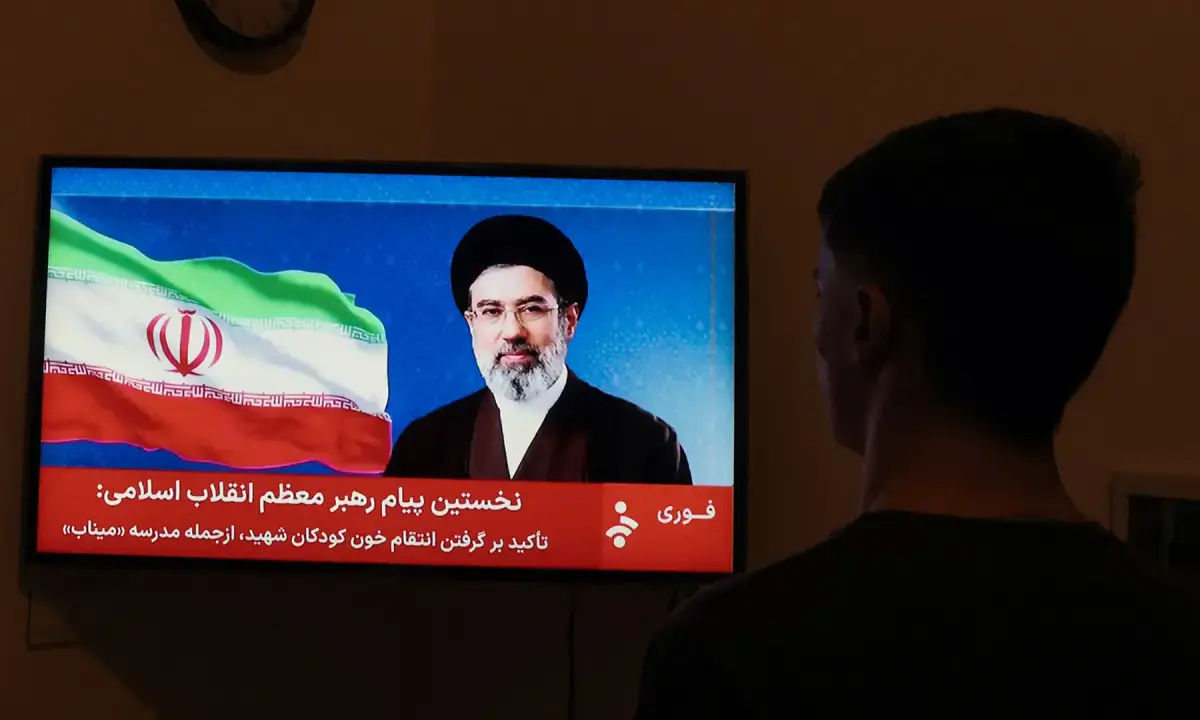
In fresh message, Iran's Supreme Leader Ayatollah Mojtaba Khamenei defies US naval blockade

Iran’s Supreme Leader Ayatollah Mojtaba Khamenei declared on Thursday that the United States had suffered a shameful defeat, defiantly rejecting a warning from President Donald Trump that an economically punishing US naval blockade could be enforced for months to come.

“Today, two months after the largest military deployment and aggression by the world’s bullies in the region, and the United States’ disgraceful defeat in its plans, a new chapter is unfolding for the Persian Gulf and the Strait of Hormuz,” said Khamenei in the message read on state television.

The message by Khamenei, who has yet to appear in public since his appointment on March 9 as Iran’s new supreme leader, came on the annual national celebration of “Persian Gulf” day in Iran.

Khamenei became the supreme leader after the US and Israel launched a massive campaign of strikes on Iran on February 28, assassinating his father and predecessor, Ayatollah Ali Khamenei.

In his Thursday message, he said US bases in the region “lack even the capacity to ensure their own security, let alone provide any hope of securing their allies.”

He hailed what he called Iran’s “new legal framework and management” of the strategic Strait of Hormuz, a key energy chokepoint, as a means to bring “comfort and progress” for countries in the region.

The strait has become a major flashpoint since the outbreak of the Middle East war, with Iran allowing only a trickle of ships to pass through the waterway.

Khamenei, in his message, predicted a bright future for the Gulf without the US and condemned what he described as “outsiders”, saying those who interfere from thousands of kilometres away “have no place there except at the bottom of its waters”.

“The record of repeated invasions by European and American foreigners —the insecurities, damages, and multiple threats they have imposed on the region’s countries — reflects only a fraction of the malicious schemes of global oppressors against the peoples of the Persian Gulf,” the message read.

He also lauded the people of Iran, who he said “consider all national capacities — identity, spiritual, human, scientific, industrial, and advanced technologies from nano and bio to nuclear and missile — as their national capital”.

Earlier on Thursday, Iran’s President Masoud Pezeshkian had said a US naval blockade imposed in retaliation against Iran’s action in Hormuz was “doomed to fail”.

Pezeshkian added that such measures would “not only fail to enhance regional security, but are in fact a source of tension and a disruption to lasting stability in the Persian Gulf”.

Other figures have also struck a tone of defiance, with Navy Commander Shahram Irani signalling that Iran will deploy “in the very near future” naval weaponry which it has recently developed.

  •  

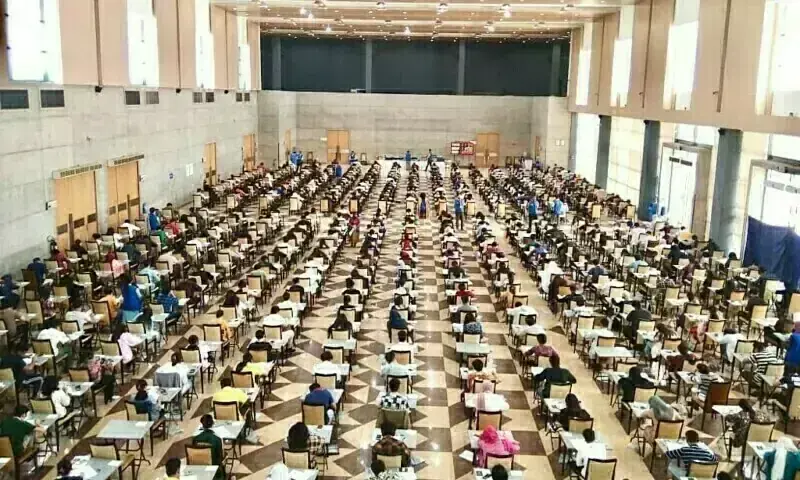
Cambridge confirms AS-level math exam leak, says working on determining next steps

Cambridge International Education (CIE) on Thursday confirmed that its AS-level mathematics paper was “shared prematurely” against its regulations.

The development comes after the Inter-Board of Coordination Commission (IBCC) on Thursday announced it would seek a report from Cambridge as parents and students raised questions about the transparency of the exam system following reports of the leak.

In an official statement, CIE said, “We can confirm that Cambridge International AS-Level mathematics paper 12 (9709) taken in our Africa, Europe, Middle East, Pakistan and South Asia regions, was shared prematurely against our regulations.

“We investigate such incidents promptly and thoroughly and we are now working to understand the extent of the leak and determine next steps,” it added.

It affirmed its priority to ensure that the students were not disadvantaged by this incident, saying it would take all possible measures to protect the integrity of its exams.

“It is important that candidates continue to prepare for, and take, the upcoming exam,” it advised. It said that it would issue a further update on its progress on May 7.

The CIE, part of Cambridge University Press and Assessment, offers internationally recognised exams to over scores of schools in 160-plus countries. In Pakistan, O Levels (grades 9–10) cover a broad subject range, while A and AS Levels (grades 11–12) are more specialised and advanced, providing pathways to higher education in Pakistan and abroad.

In a statement yesterday, the CIE stated that it was “aware of news about a reported paper leak of a question paper” after social media was abuzz with complaints from disgruntled parents and students. Users pointed out the high examination fees and the fact that Cambridge question papers had leaked in the previous years as well.

In June last year, question papers of three AS and A-Level examinations were partially leaked across Pakistan. The CIE had then offered free November 2025 resits for candidates who set for the three exams in question.

  •  

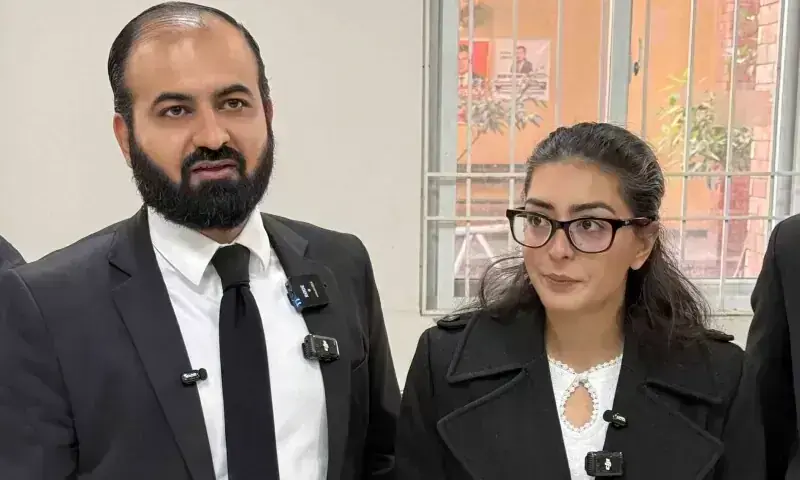
Imaan, Hadi approach SC seeking early hearing of appeals against conviction in social media posts case

ISLAMABAD: Human rights lawyers Imaan Zainab Mazari-Hazir and her husband, Hadi Ali Chattha, on Thursday approached the Supreme Court (SC), seeking an early hearing of their appeals against their conviction under the Prevention of Electronic Crimes Act (Peca) in the controversial social media posts case.

On January 24, a sessions court had sentenced Imaan and Hadi to a total of 17 years in prison on multiple charges in the case. The lawyer duo were sentenced to 10 years’ imprisonment under Section 10 (cyber terrorism), five years’ imprisonment under Section 9 (glorification of an offence) and two years’ imprisonment under Section 26-A (false and fake information) of Peca.

Moved through senior counsel Faisal Siddiqi under Article 185(3) of the Constitution, the application filed in the SC on Thursday requested the grant of leave to appeal against the Feb 19 Islamabad High Court (IHC) order. The IHC in February had admitted the appeal against the trial court’s verdict. However, while it had issued notices to the respondents on the application for the suspension of sentence, it had not suspended the sentence.

The fresh application filed before the SC called for fixing the appeals preferably in the week commencing from May 4.

The petition contended that the appeals be accepted and the sentence awarded to the petitioners through the impugned judgement be suspended till the disposal of the criminal appeal pending before the IHC.

Citing urgency, the application contended that it was the SC’s settled policy that criminal matters should be given priority, especially when the matters pertain to bail or suspension of sentence.

The petitioners had no other adequate remedy available to them other than to file the appeals, as the IHC, after issuing notices through the Feb 19 order, had not fixed any date for the hearing, the petitions said.

In terms of Section 7 of the Supreme Court Practice and Procedure Act, 2023, it is expressly stated that any application pleading urgency will be fixed for hearing within a period of 14 days, they added.

The applications pleaded that the petitioners, Iman and Hadi were young lawyers but remained incarcerated for around 100 days in a case where conviction was the result of a “sham trial”.

The case stems from a complaint filed on Aug 12, 2025, at the National Cyber Crime Investigation Agency (NCCI) in Islamabad. The NCCIA complaint accused Imaan of disseminating and “propagating narratives that align with hostile terrorist groups and proscribed organisations”, while her husband was implicated for reposting some of her posts.

The first information report (FIR) of the case alleged that the two held security forces responsible for cases of missing persons in Khyber Pakhtunkhwa and Balochistan.

It also stated that they had portrayed the armed forces as ineffective against proscribed groups, including the banned outfits Baloch Liberation Army (BLA) and the Tehreek-i-Taliban Pakistan (TTP).

  •  
❌