Reading view

Oil refineries are catching fire in war or by accident. How does this worsen the energy crunch?

Over the last two months, refineries and fuel storage facilities around the world have caught fire due to war (Russia) or accident (Australia, the United States, India and Mexico), adding more pressure to stressed oil and gas supply chains.

Global production of refined oil is normally around 100 million barrels a day. But this is under real strain. When Iran closed the Strait of Hormuz in February, it prevented 25% of global seaborne oil exports leaving the region. Iran also responded to strikes by the United States and Israel by launching attacks on oil and gas infrastructure in neighbouring states.

Ukraine’s recent attacks on Russian oil refineries have driven Russian output 12% lower than last year’s figures.

But while the spate of accidental refinery fires around the world only affect a small percentage of global output, they amplify the impact of the bigger supply shocks flowing from the Iran war.

This year’s unprecedented energy crunch has exposed deep structural weaknesses in how the global oil system operates – and how easily it can be disrupted. Refineries have become targets in war, while poor maintenance or accidents point to systemic stresses.

How refineries became a target

This year, oil refineries have become targets in two wars. Refineries and energy infrastructure have been targeted in previous conflicts. But advances in drone technology and intelligence have made attacks cheaper and more effective. It’s now possible to hit specific distillation columns or fuel storage tanks within a refinery.

The Russia-Ukraine war is now well into its fourth year. Ukraine has relied heavily on drones for defence and, increasingly, attack. Successive drone strikes on Russia’s Black Sea Tuapse refinery have done significant damage. Earlier strikes hit refineries in Perm and Orsk.

One of Iran’s main targets has been the oil and gas infrastructure of neighbouring Gulf States. Missiles, shrapnel and drones have hit refineries, fuel storage facilities and oil tankers. Fuel exports from the world’s biggest oil and gas region have slowed to a trickle.

Ukraine and Iran’s attacks on oil infrastructure show oil assets are no longer just civilian infrastructure. They can be instruments of economic warfare. Attacks are designed not just to cause local damage, but to create wider market disruptions and trigger sustained economic pressure. For Ukraine, the goal is to weaken Russia, economically and strategically. For Iran, the goal is to exert influence over the region and drive up oil prices to pressure the US to negotiate.

Australia’s refinery fire points to fragility

Fire is a key vulnerability for refineries and fuel storage facilities.

In mid-April, a fire broke out at one of Australia’s two remaining refineries. The fire forced petrol production at Viva’s Geelong refinery to be cut to 60% of normal production and diesel and jet fuel production to be cut to 80% until repairs are complete.

The cut to domestic refining capacity was “a setback”, according to federal Energy Minister Chris Bowen. Australia faces a real challenge on fuel, given limited local capacity and a heavy reliance on imported liquid fuels from overseas refineries in Asia. Unfortunately, the fire in Geelong added to the strain on fuel due to already reduced supply.

Refineries under strain globally

Over the last two months, fires have damaged a number of oil refineries.

India: A fire broke out at India’s large new Pachpadra refinery a day before it was to open. Initial reports suggest a leaking valve was to blame.

Mexico: Two fires have broken out at the troubled Dos Bocas refinery in Tabasco in recent weeks. The flagship state-owned refinery was meant to help Mexico cut dependence on fuel imports and boost energy sovereignty, but production targets have not been hit. The fires have worsened the situation.

United States: In March, a large explosion damaged the Valero Port Arthur Refinery in Texas, spreading toxic smoke throughout nearby communities.

A huge fire broke out at this oil refinery in Rajasthan, India in late April.

Risk multipliers

This year’s spate of oil refinery fires have taken place as the world grapples with the much larger disruption caused by the US-Iran conflict.

These smaller incidents act as risk multipliers, amplifying the impact of the Iran war. The global energy system is already under pressure from geopolitical fragmentation, strained supply chains and contested shipping routes.

What they show is how vulnerable our energy systems are to disruption – even outside a war zone.

Aging infrastructure, reduced maintenance and increasingly complex systems mean even small fires or unit failures can escalate into significant supply disruptions.

During the first big oil shocks of the 1970s, the oil market was much less interconnected. Today’s oil system now has fewer backups and higher complexity, leaving it even more exposed to disruption, whether by accident or on purpose. Localised shocks can ripple further.

The 2026 energy crisis isn’t only a story about conflict in the Middle East. It’s also about a global energy system running on fumes. We should see news of a refinery fire not as an isolated industrial event – but as a sign of system under strain.

The Conversation

Meredith Primrose Jones does not work for, consult, own shares in or receive funding from any company or organisation that would benefit from this article, and has disclosed no relevant affiliations beyond their academic appointment.

  •  

India’s Horn of Africa strategy has shifted: what it’s trying to do and how it could work

India’s engagement in the Horn of Africa and Red Sea basin was, until recently, largely limited to UN peacekeeping operations and anti-piracy patrols.

Since the second half of the 1990s, India has participated in nearly all peacekeeping operations in Africa.

Anti-piracy efforts emerged between 2008 and 2014 as piracy off Somalia and the Gulf of Aden spread across a vast maritime space. This spanned east Africa and the wider Indian Ocean, bringing threats close to India’s shores.

Indian trade routes were exposed to new security risks, so a more sustained maritime posture was needed.

From the mid-2010s, therefore, India expanded its engagement in the Horn of Africa and the Red Sea basin to secure shipping lanes linking it to global markets. At the same time, it sought to counter China’s growing naval presence along the western Indian Ocean coast, protect its diaspora and investments, and position itself as a regional security provider.

When Prime Minister Narendra Modi took office in 2014, this shift accelerated. India placed greater emphasis on proactive diplomacy, expanding high-level engagement, and trade and infrastructure links. It also pursued strategic coordination through bilateral agreements and naval exercises across west Asia and the adjoining African coastline.

India, the Horn of Africa and the Red Sea basin

This evolution reflects India’s transition from a post-colonial, non-aligned actor to a more assertive power with ambitions outside the region. It is now Africa’s third-largest trading partner. Economic interdependence is growing alongside geostrategic interests.

Drawing on our work on international security in the western Indian Ocean and sub-Saharan Africa, we argue that over the past decade New Delhi has redefined the Indian Ocean as a protective buffer and a primary theatre of influence linking the Indo-Pacific to the Red Sea. The Horn of Africa lies at the heart of this connective space.

In 2023, India declared itself the Indian Ocean’s “net security provider”. It introduced a framework to strengthen regional security, deepen economic cooperation and address shared maritime challenges.

Today, with shipping routes being recalculated and governments reconsidering their strategic partnerships, India’s position is being put to an operational test.

The Horn is a space where legitimacy, delivery and endurance determine who remains relevant after the headlines fade. For the first time, India’s quiet advance is visible. Next, it will have to solidify its presence.

Why the Horn of Africa is important for India

An initiative called the 2025 Africa-India Key Maritime Engagement, co-hosted with Tanzania, positions India as a security partner for African nations, particularly those along the Indian Ocean rim.

India is also involved in development and investment projects in the region. These include agricultural efforts to improve food security, infrastructure projects, and technical assistance in education and health. It also provides humanitarian assistance in Somalia, Kenya and Djibouti.

What distinguishes the past decade is the effort to align these activities within a broader strategic narrative – one that presents India as a partner offering technology and development without debt concerns or political conditions.

This narrative is attractive to local governments in the Horn. But it also creates a test: India must show that it can deliver consistently.

Ethiopia has an important role for India. It hosts the African Union, functions as a diplomatic centre and offers an entry point into African multilateral politics.

Somalia also matters. It sits close to critical sea lanes and is central to the security of the Gulf of Aden. External actors there can convert security assistance into political access.


Read more: China’s military support for Somalia is on the rise – what Taiwan and Somaliland have to do with it


India’s interest in Somalia and Somaliland has taken on a geo-economic dimension. Indian firms are focusing on gold and mineral resources, particularly in eastern Somaliland.

Although still limited in scale, this shift signals that India’s footprint in the Horn is no longer confined to security and development assistance. It is intersecting with resource access and supply chain strategies.

The competition

The corridor of the Red Sea, Gulf of Aden and western Indian Ocean has become a crowded arena for external powers over the past two decades.

Great powers have seen countries in the region as a platform for counterterrorism and naval reach. Small and middle powers (like Turkey, Iran and Gulf states) have sought to secure influence through ports, training missions, arms transfers, commercial access and selective mediation.

The result is a dense environment. Almost every external actor offers a package of security, finance, technology and diplomacy. Fragile local governments hedge among them.

India’s challenge is to deliver consistently through:

  • creating defence and security training pipelines

  • project delivery

  • stable financing instruments

  • sustained bureaucratic attention.

If India’s Africa policy is maritime-led, then things like naval exercises, information-sharing, coast guard cooperation and institutional training must become regular and visible.

If the strategy is also developmental and technological, then India must deliver flagship projects in digital infrastructure, health and agriculture.

From quiet influence to lasting power

India faces three constraints in growing its influence in the Horn of Africa.

1. Limited military capacity

India’s naval capabilities do not match the scale of China’s fleet or America’s technological edge and operational depth. This gap is not fatal if India’s aim is durable influence through partnership. It does mean that India’s leverage will depend on institutional cooperation and coalition-building.

2. Competitive density

The Horn’s architecture is made of foreign bases, port diplomacy and overlapping rivalries. India’s advantage is that it’s not overwhelmingly intrusive. But it could become just one more actor among many.

3. Institutionalisation

If India’s engagement depends too heavily on leader-level attention, it will remain vulnerable to distraction. Durable influence requires bureaucratic routines and financing mechanisms. It must survive political cycles and shifting crises. Ethiopia is a test case. High-level roadmaps will have to turn into visible digital infrastructure, health systems and agricultural support.

The broader point is that the Horn is not an empty theatre waiting for India to arrive.

The Conversation

Federico Donelli is affiliated with the Italian Institute for International Political Studies (ISPI), the Nordic Africa Institute (NAI), and the Orion Policy Institute (OPI).

Riccardo Gasco is affiliated with IstanPol Institute.

Chiara Boldrini does not work for, consult, own shares in or receive funding from any company or organisation that would benefit from this article, and has disclosed no relevant affiliations beyond their academic appointment.

  •  

Amid rising tensions, ‘friendshoring’ might keep global trade alive

Blossom Stock Studio/Shutterstock

The world economy is at a crossroads. International trade is slowing, economic uncertainty is rising, and trade between the US and China – the world’s two largest economies – risks pulling apart. And it is not just trade: the two countries also invest less in each other than they did just a few years ago.

What is driving this reconfiguration of trade? For some large economies, including the US under President Donald Trump, a desire for greater self-reliance is central. Between 2017 and 2023, American imports fell most sharply in the very products where the US had been most reliant on China – including industrial machinery, computers and computer parts, and other electronic equipment such as monitors.

This has important implications for global value chains (GVCs). GVCs are the backbone of international trade – production activities from research and product design to assembly are distributed across various locations, with “value” being added at each stage. This redistribution can take place across several countries, co-ordinated by multinational firms.

The reconfiguration of GVCs is accelerating, and so industrialised economies now have two main options. They can reshore production, bringing manufacturing back to their own countries (a stated priority for the current US administration).

Or they can “friendshore”, shifting imports and investments towards economies that are either geographically closer, or with which they have long-standing relationships.


Read more: After a year of Trump, who are the winners and losers from US tariffs?


For developing countries, the balance between these two strategies is crucial. If advanced economies reshore a substantial share of production, developing countries could suffer as investment and jobs are lost.

And automation and digitisation now make it more convenient for advanced countries to produce goods at home, making this a greater risk to these poorer countries than it was a decade ago.

For consumers though, this reshoring could mean higher prices for everyday goods, at least in the short term, because of the higher costs of manufacturing in more advanced economies. It should be said, however, that the empirical evidence for this remains limited.

Risks and opportunities

But friendshoring offers an alternative. Early signals from countries like Mexico and Vietnam – which have recently seen an increase in investment and factory expansions from multinational firms – suggest that friendshoring can create opportunities. When paired with supportive government policies such as investment incentives or help to upgrade technology, these shifts can ensure that more production takes place domestically. This can lead to greater technology spillovers and learning.

To understand the risks and opportunities, we examined the specific products where US-China decoupling is most pronounced (that is, where trade is reducing). From this analysis, two broad clusters emerged, each with different implications for developing economies.

The first group mainly includes relatively complex goods – things like consumer electronics, vehicle components, chemicals and machinery. Here, the US is both diversifying its imports quickly and is already producing these goods competitively.

The products and sectors at the heart of the reconfiguration of GVCs

These products can easily be reshored, particularly if automation lowers costs. Semiconductors, for instance, are already the focus of major US reshoring efforts. Yet the risk to current producers of the US reshoring appears limited for now. While the US has reduced imports from China of these products, other developing regions have not experienced a similar trend.

In the second group, the US is diversifying but is not competitive enough to bring production home. This group accounted for just over 6% of finished products that the US imported in 2023 – roughly US$181 billion (£134 billion). This is a small share overall, but economically significant.

Within this group, two types of opportunity emerge. Technologically complex goods, such as electrical equipment, computers and car parts, offer the greatest potential for middle-income economies with strong manufacturing experience to win contracts and investments. Lower-tech goods like textiles and furniture are better suited to lower-income countries. In both cases, governments need to negotiate carefully to ensure investments add value locally, support skills development and avoid social or environmental harm.

For consumers worldwide, friendshoring offers a more benign outlook than reshoring or tariffs. Goods may simply be made in different countries, with prices remaining broadly stable.

Who could gain?

So far, east and south-eastern Asia – including Vietnam, Thailand, Malaysia and Indonesia – have captured the largest share of these friendshoring opportunities, particularly in high-tech sectors like computers. Their exports to China have also risen, reinforcing their central role in Asian manufacturing networks. But whether this momentum continues will depend on tariffs, production costs and the pace of automation.

Other beneficiaries could include Latin America and Caribbean nations, led by Mexico. Here, the automotive sector dominates export growth. South Asia could also benefit, with India expanding in both high- and low-tech products, and Bangladesh at the lower-tech end. In contrast, Africa and western Asia remain largely absent from the emerging friendshoring landscape.

The risk to these countries of large-scale reshoring remains limited for now but cannot be ignored amid shifting global trade and investment patterns. But friendshoring could offset or even exceed potential losses, offering new pathways for industrialisation.

As economic uncertainty and technology reshape global value chains, developing economies that invest in production capabilities – and implement smart industrial policies – will be best placed to harness opportunities. In some cases, friendshoring may even allow them to leapfrog into more sophisticated activities faster than traditional development paths would allow.

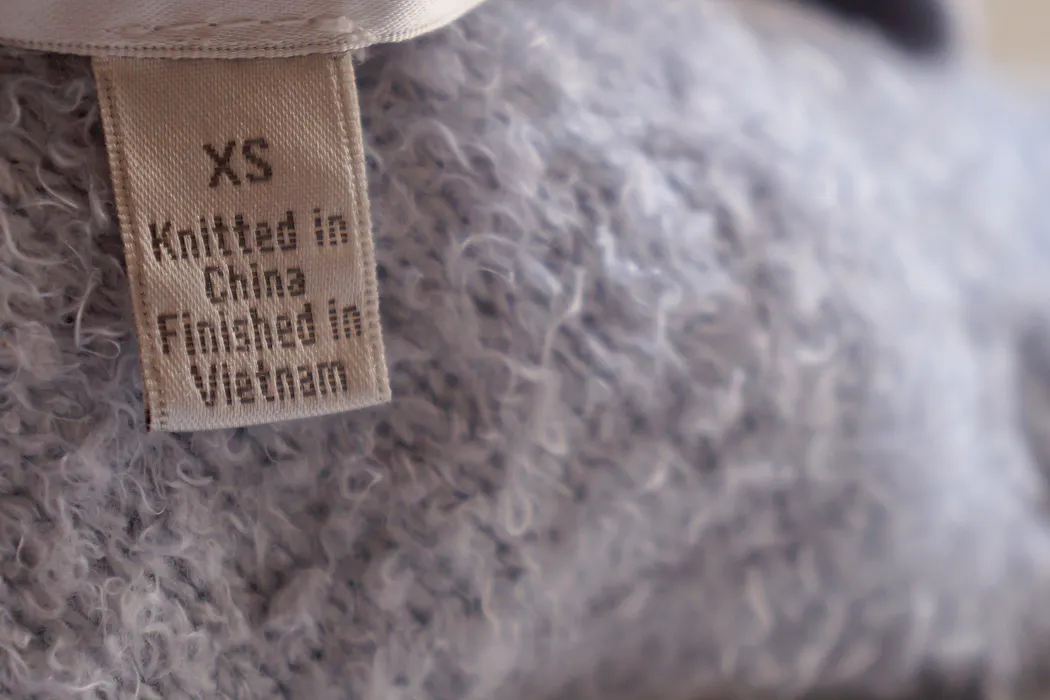
For consumers, there are benefits too. The label on our next laptop, charger or T-shirt might change, but prices will remain broadly stable – at least before tariffs kick in. In this sense, globalisation will not disappear. But it will take on a different geographical shape.

The Conversation

This article builds on UNIDO IID Policy Brief 28, "Navigating a fragmenting global economy: What GVC reconfiguration means for future industrial development". The views expressed in the Policy Brief and in this article are those of the authors, based on their research and expertise, and do not necessarily reflect the views of UNIDO.

Carlo Pietrobelli and Nicolò Geri do not work for, consult, own shares in or receive funding from any company or organisation that would benefit from this article, and have disclosed no relevant affiliations beyond their academic appointment.

  •  

How individual consciousness works – and makes us unique

Benjavisa Ruangvaree Art

As we go through life, our brains run different processing modes. Some – the attention and sensory systems – result in very similar experiences of the world: what colour the sky is, how warm the day feels.

But there is another, deeper side to the brain which weaves together your memories, goals, beliefs and emotions into a continuous sense of self. This allows you to experience the world not as it is, but as it matters to you personally.

This unique inner world is supported by the brain’s default mode network (DMN). This links together several areas including in the prefrontal cortex (at the very front of the brain) and the parietal lobe (at the back).

These areas of the DMN are, in evolutionary terms, relatively recent. As human brains expanded dramatically between around 800,000 and 200,000 years ago, those regions grew in size and complexity compared with our closest primate relatives. They are more likely to express genes that are uniquely human, related to brain development and function.

Our latest research explores to what extent the DMN explains what makes each of us unique. Put another way, we are attempting to understand what makes you “you”.

Magnetic resonance imaging of areas of the brain in the default mode network.
Magnetic resonance imaging of areas of the brain in the default mode network. John Graner/Walter Reed National Military Medical Center via Wikimedia Commons

What makes us human?

While ancient deep regions of the brain, shared with all vertebrates, support basic experiences such as fear and thirst, the more recent and complex DMN is important for what makes us human.

To better understand the differences, we asked 16 adult volunteers to listen to an excerpt from the Hollywood film Taken (2009) while we recorded their brain activity. Using the audio alone enabled us to compare each person’s activity when both conscious and unconscious. Our volunteers were scanned using functional magnetic resonance imaging (fMRI) while awake and under general anaesthetic, as the same story was played to them.

Each time, we tracked the shifting patterns of communication between brain regions. In particular, we monitored changes in each person’s attention, sensory and default mode networks, and compared these with changes in subjective experience that participants reported.

When participants were conscious, we found their DMN activity patterns became both more complex and more dissimilar to each other as they listened to the story. In contrast, when unconscious, their individual signatures diminished – becoming simpler and more similar to those of the other volunteers.

But their attention and sensory networks showed the opposite pattern. These were more similar when awake, reflecting common mechanisms for gathering sensory information and interpreting the external world through sight and sound.

Our results reinforce that the DMN carries the more personal side of consciousness, changing from moment to moment to reflect each person’s thoughts, memories and inner experiences.

However, different parts of the DMN contribute in different ways. Some subregions, both deep in the back of the cortex and in the front of the brain, help us reflect on ourselves, imagine possibilities, and weave experience into a personal story. Others, especially those linked to memory in the deep temporal lobe regions, help reconstruct scenes and recall past events, and make sense of ideas and how they connect.

Official trailer for the film Taken, from which an audio clip was used in the authors’ study.

Understanding our uniqueness

Why does the DMN vary so much from person to person? Because it underpins deeply personal characteristics that define us, such as personality and values.

This echoes ideas like that of pioneering psychologist William James, who wrote: “Every brain-state is partly determined by the nature of this entire past succession … It is out of the question, then, that any total brain-state should identically recur.”

The DMN interacts with the rest of the brain to enable us move fluidly between the world as it is, and the world as we conceive it. Some studies suggest that disrupting DMN activity can blunt originality in creative tasks.

Altered DMN connectivity has been linked to many mental health conditions, particularly those involving self-narrative, memory and social cognition. If we can map a person’s DMN dynamics, we may be able to better understand their specific difficulties – for example, with memory or socialising – in a way that could one day lead to more personal forms of therapy.

But achieving high-quality brain maps requires lengthy scans and complex analytics. That is where precision functional mapping (combining a variety of methods including fMRI) and artificial intelligence come in.

Precision mapping can handle large amounts of data per person to chart individual networks. Machine learning models may then be able to combine these maps with genetics and symptoms to guide diagnosis and treatment.

But deeper questions need answering too. Humans are highly social animals living in complex societies. If every person’s inner world is unique, what does that mean for ethical decisions such as managing criminality or prioritising treatments?

The DMN is key to enabling our ability to imagine different futures. This includes the precise role that brain science can and should play in them.

The Conversation

Peter Coppola received funding from Cambridge Trust. Peter Coppola is currently part of the University of East Anglia and an employee of Cambridgeshire and Peterborough NHS Foundation Trust. He is also a Visiting Researcher at the University of Cambridge

Emmanuel A Stamatakis received funding related to this work from the Canadian Institute for Advanced Research (CIFAR; RCZB/072 RG93193) and the Stephen Erskine Fellowship at Queens’ College, Cambridge.

  •  

Turning crisis into a super campaign: Lessons from KitKat

For many business owners, managing a crisis in silence is the default response. Companies generally prefer to deal with the fallout behind the scenes, following a simple mantra: resolve the issue and keep up the appearance that everything is “business as usual”.

However, this time, KitKat took a different approach. Instead of keeping it low-key, the brand took the incident public, transforming it into a campaign to engage the audience.

In just a few days, the incident gained worldwide traction on social media and news outlets. Audiences shifted from passive observers to active participants. This potential reputational threat ultimately became a record-breaking campaign with over 100 million views.

This is a prime example of how brands today have shifted from mere crisis management to using unexpected challenges as a way to engage audiences in real time.


Baca juga: From ‘market value’ to levelling up, the manosphere is shaped by a financial mindset


What actually happened?

The story began in late March 2026, when a truck carrying over 413,000 KitKat bars — roughly 12 tonnes — disappeared in transit between central Italy and Poland.

The timing was critical. This “unlucky” incident took place only a week before Easter and right as KitKat was debuting as an official Formula 1 partner.


Baca juga: The more commodified your job, the more likely AI can do it – lessons from online freelancing


Take their “unique” official statement, for example. It was not your standard, boring corporate press release — it was written with a playful wink. At first, the internet was convinced it was an elaborate marketing stunt or an early April Fool’s joke, but KitKat soon confirmed: this was no prank.

In their statement, KitKat verified the theft and assured the public of product safety, but they did not stop there. By adding that the culprits had exceptional taste, they shifted the tone entirely. It was no longer a PR disaster to be fixed, it was a compelling story waiting to be told.

Working with VML, KitKat launched the Stolen KitKat Tracker, a digital tool where consumers could verify their chocolate’s origins using an eight-digit pack code.

The campaign triggered a massive cultural moment. #KitKatHeist became a trending topic, sparking millions of memes and inviting other major brands to join the conversation.

Rethinking the brand response to disruption

This case highlights the evolution of real-time marketing: the ability to pivot a crisis into a cultural moment. In today’s battle for attention (attention economy), KitKat proves that holding the public’s interest is just as vital as managing the brand’s reputation.

A key factor in the campaign’s effectiveness was direct audience involvement. By using the tracker, consumers moved beyond merely reading about the heist to actively taking part in it — a classic element of gamification. It was a simple but effective approach: it gave people a tangible reason to pick up a KitKat, engage with the brand, and, most importantly, share their results.

Consumers shifted from passive buyers to active participants in a live, unfolding story. This engagement did more than just capture attention. It drove sales and refreshed the brand’s connection with its customers.

At the same time, curiosity fuels the campaign, as the public remains unsure of how much is fact and how much is fiction. This uncertainty sparks deeper discussion and sharing, transforming a simple incident into an interactive experience while refocusing attention on the product itself.

The spillover effect: The power of collaborative brand storytelling

KitKat’s response did more than just spark attention. It created a cultural vacuum that other brands rushed to fill.

Ryanair, Domino’s, and Pizza Hut joined the party with their own official statements, each offering mock condolences while subtly promoting themselves in the same breath.

The result was a snowballing effect: every brand that joined extended the story’s lifespan, reached a new audience, and reflected that visibility back onto KitKat. What began as a single brand’s crisis evolved into a shared cultural moment, where participation became the price of entry.

Brands amplifying each other is no accident. It works because the original incident provided a clear, low-stakes hook for others to latch onto. Since there was no real harm involved, the humour was accessible to everyone; the stakes were low enough to serve as an open invitation for play.


Baca juga: Money isn’t free. Here’s what to know before downloading a cashback app


Humorous crisis communication is not merely a stylistic choice; it is a conditional one. KitKat could pull it off because the incident was victimless, posed no safety risks, and involved an everyday product with no significant moral weight.

The future of the attention economy

Campaigns like this raise an important ethical question: where should brands draw the line between seizing opportunities and corporate responsibility?

KitKat’s response worked well not just because it was creative, but because of the crisis itself: it was low-stakes, harmless, and socially acceptable. Ultimately, not every disruption should become a campaign. In the world of real-time marketing, good judgment is just as important as acting quickly.

KitKat’s success proves we have moved beyond the era of one-way communication and into the era of “navigating moments”. In today’s landscape, a brand’s ability to balance instant visibility with genuine credibility is crucial to stand out.

The challenge is no longer avoiding a crisis, but knowing how to respond in a way that builds both attention and trust.


Baca juga: How this ‘dirtbag’ billionaire chose to do capitalism differently


The Conversation

Para penulis tidak bekerja, menjadi konsultan, memiliki saham atau menerima dana dari perusahaan atau organisasi mana pun yang akan mengambil untung dari artikel ini, dan telah mengungkapkan bahwa ia tidak memiliki afiliasi di luar afiliasi akademis yang telah disebut di atas.

  •  

Intimate partner violence is a hidden contributor to women’s suicide

mihailomilovanovic/Getty Images

Australians are familiar with the disturbing statistics of intimate partner homicide: one Australian woman is killed every 11 days, on average, by a current or former intimate partner.

While these deaths are increasingly reported on, suicide represents a largely hidden and potentially far greater part of the intimate partner violence death toll.

Each week in Australia, on average, an estimated 15 women die by suicide. Evidence from coronial reviews suggests intimate partner and family violence may be contributing factors in 28–56% of suicides among women – or four to eight per week.

But these estimates come from isolated coronial case reviews in only three states (Victoria, New South Wales, and Western Australia). We don’t have a clear picture of the incidence in each state, let alone nationally.

A federal parliamentary inquiry is currently investigating the links between domestic, family violence and sexual violence and suicide.

More than 200 written submissions and a series of public hearings have exposed deep frustration with systems that obscure violence, re-traumatise victim-survivors and allow preventable deaths to continue.

Here are early insights from the inquiry about preventing women’s suicide.

How partner violence increases women’s suicide risk

International research shows intimate partner violence is one of the strongest social determinants of suicidal thoughts in women. It increases women’s risk of suicidal thoughts and attempts two- to five-fold.

Women experiencing coercive control often face constant threats, stalking and intimidation. Hypervigilance and fearfulness create exhaustion, isolation, and a deep sense of being trapped.

Women have described the acute impacts of men’s physical violence used within coercive control:

[T]he results of physical violence are more like hyper-arousal, difficulty turning off flight and fight […] a physical attack sort of switches that on […].

This abuse often escalates after separation.

When women cannot access immediate safety from partners, family members, or even from systems that dismiss or disbelieve them, their distress compounds and suicide risk increases.

If a woman is being stalked, threatened, or attacked, therapy and crisis support aren’t going to stop her suicidal thoughts. She needs the violence to stop.

What themes are emerging from the inquiry?

The parliamentary inquiry asked how services identify and respond to suicide risk. The community answered by showing how systems themselves often produce risk, compound harm and shape the hopelessness that precedes suicide.

Women with experiences of intimate partner violence described being dismissed, blamed for the abuse, or redirected into mental health pathways during contact rather than having the violence recognised by health, policing and legal services.

This reflects a broader pattern in which women’s distress and suicidal thoughts and behaviours are treated as individual disorders rather than understood as responses to ongoing violence, coercive control and entrapment and systemic failures.

When the impacts of abuse are routinely misclassified as a mental health crisis, the danger posed by violent partners or family members disappears from view.

Opportunities for prevention can vanish with it.

Violence is common but hidden

In Australia, 27% of women have experienced physical and/or sexual violence by an intimate partner or family member since the age of 15.

Yet most women never seek formal help. Only around 20% of women who experience intimate partner violence report it to police. Fewer than 25% access health services.

When women access health services for suicidal thoughts or actions, violence often isn’t identified.

One study found nearly 60% of women presenting to emergency departments with suicidal thoughts or actions had experienced intimate partner violence at some point in their life. Yet hospital staff rarely ask about abuse.

The invisibility of violence becomes even more pronounced in the context of technology-facilitated and financial abuse. Abusive partners now use technology to track, control and harass women in ways that are difficult to detect and even harder for the justice system to address.

Perpetrators have used tax systems to lodge false returns, incur debts and withhold critical financial information, inflicting long-term economic harm.

Perpetrators have also weaponised the child support system to continue financial abuse after separation.

These tactics often fall outside traditional definitions of intimate partner violence and may not be recognised.

What can be done about it?

To prevent suicides, we must listen closely to the voices of victim-survivors and their advocates.

We need a national approach and improved collaboration between health, policing, justice, housing and specialist domestic and family violence services.

Emergency departments, police and front-line crisis services are vital. But they should not be women’s only entry points to support and safety pathways. Outreach models are also essential for reaching women who will never connect with a formal service.

Responses must also meet the needs of groups facing higher risks: Aboriginal and Torres Strait Islander women, migrant and refugee women, children and young people, victim-survivors of childhood sexual abuse, young people leaving out-of-home care and women with disability. Responses should be culturally safe, disability-inclusive and trauma-informed.

National death reviews show examining patterns of prior abuse and risk factors can guide prevention. We need a comparable national picture of suicides linked to intimate partner and family violence to understand the scale of the problem and prevent it.

Finally, preventing these deaths depends on directly addressing men’s violence. The government is progressing a A$4.7 billion national plan to end violence against women and children. It’s essential to hold offenders to account, through consistent legal consequences and interventions, to stop cycles of abuse and trauma.

Male violence is driving some women’s suicide, and our systems are compounding the risk. Until we confront both harms, these deaths will continue.


If this article has raised issues for you, or if you’re concerned about someone you know, call Lifeline on 13 11 14. Aboriginal and Torres Strait Islander people can also call 13YARN on 13 92 76.

For information and advice about family and intimate partner violence contact 1800 RESPECT (1800 737 732). If you or someone you know is in immediate danger, contact 000.

The Conversation

Victoria Rasmussen receives funding from the Australian Government Research Training Program (RTP) stipend.

  •  

Our study looked at teens’ social media behaviour in 43 countries – those from disadvantaged backgrounds face greater harms

EF Stock/Shutterstock

As social media becomes a central part of young people’s lives, concerns are growing about its impact on their mental health. Yet public debates and measures tend to treat adolescents as one homogeneous group. We frequently ignore the fact that social media use does not affect all young people in the same way – nor does it have the same impacts on their wellbeing.

In a recent chapter of the World Happiness Report 2026, published by the UN Sustainable Development Solutions Network in partnership with the University of Oxford, we have examined how problematic social media use relates to the wellbeing of adolescents from different socioeconomic backgrounds.

We looked at 43 countries spanning six broad regions – Anglo-Celtic, Caucasus-Black Sea, Central-Eastern Europe, Mediterranean, Nordic, and Western Europe – covering mainly European countries and their immediate neighbouring areas.

Using data from over 330,000 young people, we found a clear and consistent pattern: higher levels of problematic social media use – that is, compulsive or uncontrolled engagement with social media – are associated with poorer wellbeing.

Teenagers who report more problematic use tend to experience more psychological complaints, such as feeling low, nervous, irritable, or having difficulty sleeping. They also have lower life satisfaction, a measure of how positively they evaluate their lives as a whole.

This pattern appears across all countries in our study, but its strength varies from one country to another. It is particularly pronounced in Anglo-Celtic countries such as the UK and Ireland, while it is comparatively weaker in the Caucasus-Black Sea region.

Socioeconomic background matters

The story does not end with geography. Globally, teenagers from less advantaged backgrounds tend to be more vulnerable to the negative consequences of problematic social media use than their more advantaged peers.

This means socioeconomic status – the material and social resources available to a household, such as income and living conditions – actively shapes the risks and opportunities that young people experience as a result of online environments.

Interestingly, these inequalities are especially visible when we look at life satisfaction. Differences between socioeconomic groups are smaller when it comes to psychological complaints, but much clearer and more consistent for how adolescents evaluate their lives overall.

One likely reason is that life satisfaction is more sensitive to social comparisons. Social media exposes young people to constant benchmarks – what others have, do, and achieve – which can amplify differences in perceived opportunities and resources.

At the same time, these patterns are not identical everywhere. For instance, socioeconomic differences in psychological complaints tend to be modest in most regions including continental European countries such as France, Austria or Belgium, but are more clearly observed in Anglo-Celtic countries such as Scotland and Wales.

In contrast, socioeconomic gaps in life satisfaction appear across most regions, although they tend to be weaker in Mediterranean countries such as Italy, Cyprus and Greece.

A growing problem

We also examined how these patterns have evolved over time. Between 2018 and 2022, the link between problematic social media use and poor adolescent wellbeing became stronger.

This suggests that the risks linked to problematic use may have intensified in recent years, possibly reflecting the growing role of digital technologies in young people’s daily lives, particularly during and after the Covid-19 pandemic.

Importantly, this intensification has affected teenagers across socioeconomic groups in broadly similar ways in most regions. In other words, while inequalities remain they have not widened over this period.


Leer más: Social media addiction disrupts the sleep, moods and social activities of teens and young adults


No one-size-fits-all solution

While public debates about social media and mental health often treat adolescents as a single demographic group, our results show a more complex reality. Problematic social media use is linked to poorer wellbeing across countries, but its effects are shaped by social realities. They vary depending on where young people live and what resources are available to them.

Not all teenagers experience the digital world in the same way, and not all are equally equipped to cope with its pressures. Recognising this is essential for designing policies that are not only effective, but also equitable, ensuring that interventions reach those adolescents who are most vulnerable to digital risks.


A weekly e-mail in English featuring expertise from scholars and researchers. It provides an introduction to the diversity of research coming out of the continent and considers some of the key issues facing European countries. Get the newsletter!


The Conversation

Roger Fernandez-Urbano receives funding from the Spanish Government’s Ministry of Science, Innovation and Universities and the State Research Agency through Ramón y Cajal (RYC) grant. Roger is a member of the International Society for Quality-of-Life Studies (ISQOLS).

Maria Rubio-Cabañez's involvement in this research was supported by the DIGINEQ (Digital Time Use, Adolescent Well-Being and Social Inequalities) project (Grant agreement ID: 101089233), funded by the European Research Council Consolidator Grant.

Pablo Gracia's involvement in this research was supported by the DIGINEQ (Digital Time Use, Adolescent Well-Being and Social Inequalities) project (Grant agreement ID: 101089233), funded by the European Research Council Consolidator Grant.

  •  

‘More empowered’: how online gaming benefits people with disability

staticnak1983/Getty images

You are more empowered because you get to be seen for who you are.

These are the words of Link*, an online gamer with disability – one of a group of 15 gamers with disability we interviewed as part of our new study, published in the Journal of Disability and Social Justice.

Our study aimed to better understand what online gaming offers people with a disability. And Link’s experience highlights one of its key findings: online gaming acts as a powerful space of empowerment, largely due to participants having control over how they identify within online spaces.

A diversity of gaming experiences

Online gaming does have its problems. These include extremist gaming cultures, exploitative monetisation practices (including gambling-like features), and concerns about addiction.

But the prominence of these narratives can overshadow the diversity of gaming experiences, including the potential of online gaming to cultivate spaces for personal growth and development.

It can also allow people – especially those from marginalised groups – to creatively express their identity in a way they wouldn’t otherwise be able to.

Taking a closer look

We wanted to take a closer look at this in our study by focusing on the empowering impact of online gaming for people with disability – and exploring whether such empowerment extends beyond the online space into other parts of everyday life.

To do this we interviewed 15 people (14 male, 1 female) online. The study focused on young adults aged between 18 and 35 who live with a disability.

The positive impacts of online gaming come from the opportunity online gaming provides to connect to a diversity of people online through shared interests. One of our interviewees, Cloud*, emphasises this point:

There is a lot of disabled-focused communities that have gaming channels and I think it’s great because it brings the community together.

Our research found that the positive influence of online gaming on people’s lives wasn’t just confined to the online space. As Link told us:

I think there can be that confidence boost, especially if you’re good at doing something particular in that game, I think it can give you that sort of translation to the real world.

So, people with disability can take that confidence from online gaming into their daily lives, which is impactful.

The anonymity offered in online spaces allowed participants to construct and express an identity with great control – where a space was created that highlighted other unique parts of their identity, rather than just their disability. As Mario* said:

You can create your own character and just be who you want to be.

This was echoed by Cloud:

Freedom to express yourself and do things that you wouldn’t be able to do in the real world […] You can do whatever you want, you can feel powerful.

These comments speak to the limitations people with disability experience in society while also demonstrating how powerful online gaming can be. They reiterate the importance of having agency around how you identify made possible through the anonymity that online gaming provides. As Cloud puts it:

[Online gaming] has allowed me to feel like I’m just a normal human being who can interact with anyone and be a part of a community.

A sense of expressing identity freely and confidently without feeling isolated and judged. Ultimately, that is empowering.

Playing without limitation

Notwithstanding the narratives of harm, it’s important that people with disability have full inclusion in the online gaming world in terms of access and adaptability, which includes accessible interfaces and devices.

However, it is important to note that accessible options can be quite costly, especially adaptive controllers.

Gaming is a permanent fixture in our lives. It can have profound benefits for people with disability by helping them construct their full identity. We should ensure people with disability can play without limitation and showcase their empowered selves.


*Names have been changed for privacy reasons.

The Conversation

The authors do not work for, consult, own shares in or receive funding from any company or organisation that would benefit from this article, and have disclosed no relevant affiliations beyond their academic appointment.

  •  

Climate change hits South African women unevenly: why race, class, age and power matter

As heat, floods and drought intensify, governments, donors and cities rely on climate risk assessments to decide who gets support and where money goes. A climate risk assessment uses information on climate hazards, exposure, vulnerability and responses to identify where, who or what is most at risk to climate impacts.

When climate shocks such as heat waves, droughts or floods strike, women are often described as vulnerable. But women are not a uniform group and they don’t all experience climate impacts in the same way.


Read more: Extreme weather affects mental health: what vulnerable women in Kenya told us


Their vulnerability to climate shocks is shaped by far more than gender alone. Factors like race, ethnicity, age, disability and class play a role in making some women more vulnerable than others. Power relations, such as ableism, racism, sexism and ageism, can also privilege some women while marginalising others.

This is known as intersectionality. Critical race theory scholar, professor of law and activist Kimberlé Crenshaw came up with the term “intersectionality” in 1989. It describes how overlapping identities can create forms of harm that remain invisible when problems are framed through only one lens. For example, separate frames for “Black people” and “women” can miss the distinct experiences of “Black women”.

If climate risk assessments don’t look at how identities and power overlap, they can miss why some women are far more at risk than others. For example, women who are impoverished and live in flood prone areas are more at risk and will find it more difficult to recover from climate disasters.


Read more: Women are seen as ‘saviours’ or ‘victims’ in climate change debates: why this is a problem


Women are more vulnerable to climate change if their opportunities are limited and if they’ve suffered as a result of economic structures that concentrate wealth and resources in the hands of a few.

Together with our co-author Songo Benya, we wanted to better understand women’s climate vulnerability in South Africa. Rather than treating women as a group of people who are all the same, we wanted to find out which women are most vulnerable to the impact of climate change and why.


Read more: Forest loss in Malawi: how having women at the table affected debates and decisions about solutions – research


We reviewed all the South African scientific literature published between 2004 and 2024 on how income, education, household roles and resources combine to shape women’s ability to respond to climate change.

Our research found that treating women as a single group can hide differences in vulnerability, exposure and responses to climate impacts. Women who lacked secure land tenure, access to credit, decision-making power or climate information often faced greater barriers to adopting adaptation strategies.

Understanding which women are worst affected by climate hazards

The country’s inequality is still rooted in apartheid, for example by shaping who gets good quality health services and who doesn’t. When climate shocks hit, these gaps decide who is most exposed and who has the means to cope or recover.

1. Economic factors

These are the biggest drivers that intersect with gender to shape climate vulnerability. We found that Black women were more often engaged in lower-income or climate-sensitive livelihoods, such as smallholder farming or informal trade. They faced barriers to accessing finance, credit and productive assets. These constraints limited women’s ability to invest in adaptation strategies or recover from climate shocks.

2. Limited land ownership

In many rural areas, customary land tenure systems favour male inheritance. They hamper women’s ability to make decisions about land use, adopt climate-resilient farming practices or access agricultural support. Access to knowledge, education and climate information also affected vulnerability.

3. The burden of housework

Household responsibilities were a major factor, intersecting with economic status and gender. Women are often primarily responsible for childcare, water collection, food provision, and caring for elderly relatives. Household labour limited the time and resources available to adopt new livelihoods or adaptation strategies. Caring for children increased risks, but also motivated women to persist and find ways through hardship.

4. Power dynamics and wider social exclusion

Women had less say in decision-making in homes led by men compared to those led by women. However, homes led by women often had lower levels of education, which limited their influence beyond the home. In some cases, women were more climate vulnerable if they lacked social ties to community leaders. This made it harder to access resources.


Read more: What does a house mean to you? We asked some women who head households in South Africa


Where women lived, and the condition of their homes and services, influenced by race and income inequalities, made some women more vulnerable. Many women, particularly Black women in peri-urban and informal settlements, faced greater exposure to climate risks like flooding due to poor housing quality, limited infrastructure and inadequate services.

What needs to happen next

All the literature we reviewed showed that women were barely coping with the impact of climate change. This included loss of life; decreased health, income, learning, wellbeing and livelihoods; and damage to resources and infrastructure.

Reported responses for the women described in the literature were often short-term measures. Sometimes these were maladaptive, such as depleting savings, taking on risky debt, or engaging in transactional sex.


Read more: Climate change is hurting Kenyan women working in coastal tourism – they explain how


Collective strategies, such as community solidarity and social learning networks, appeared less often. (These are spaces where different people involved in the issue, such as local women farmers, extension officers, non-governmental organisation representatives and others, come together to learn from each other.) Where they did appear, they tended to reduce vulnerability more effectively.

More gender-sensitive climate action is needed. In South Africa, this means prioritising women’s real, day-to-day needs, especially by strengthening women’s access to income, and in the informal trade and smallholder farming sectors. Women informal traders can be supported by governments through better planning, and infrastructure like sheltered trading areas that are protected from extreme weather.


Read more: African women entrepreneurs are a smart bet for climate change investment: research shows why


Adapting to a warming climate also requires confronting the deeper social issues that increase risk. These include patriarchal norms and unfair division of household labour. This will free up their time, security and resources to respond to climate challenges.

More broadly, climate risk assessments need to consider how different identities, contexts and power relations influence women’s lives. This is especially important considering that these assessments can influence who gets climate funding and support. Climate policies may respond to climate risks. But without an intersectional approach, they’ll fail to reach the women who need the support the most.

The Conversation

Petra Brigitte Holden receives funding currently from the European Union, FCDO, IDRC, and Frontiers Planet Prize.

Gina Ziervogel receives funding currently from IDRC, FCDO and AFD.

Leigh Stadler does not work for, consult, own shares in or receive funding from any company or organisation that would benefit from this article, and has disclosed no relevant affiliations beyond their academic appointment.

  •  

The race to mine critical minerals for AI and clean energy is creating ‘sacrifice zones’ that harm water and health of world’s poor

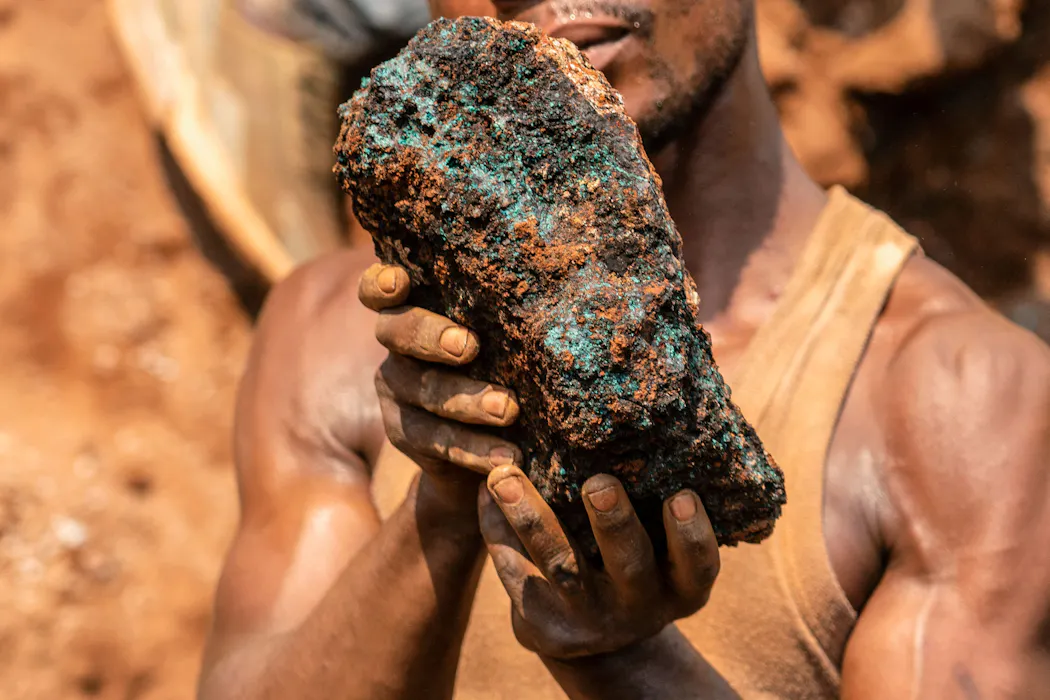
An artisanal miner holds a cobalt stone at a mine near Kolwezi, Congo, in 2022. About 20,000 people work there among toxic materials. Junior Kannah/AFP via Getty Images

There is a troubling contradiction at the heart of the global transition to a cleaner, greener, tech-driven future: Modern technologies – everything from AI to wind turbines, as well as cellphones, electric vehicles and defense systems – depend on critical minerals. But many of the communities where those minerals are mined end up with polluted water and poorer health because of the mining.

Lithium powers batteries. Cobalt stabilizes them. Copper carries electricity. Rare earth elements make wind turbines and digital devices efficient and durable. Each of these are essential to the technologies of the fourth industrial revolution, but they are also toxic and require enormous amounts of water to extract.

As researchers at the United Nations University Institute for Water, Environment and Health, we have been studying the impacts of critical mineral mining on communities around the world. Our new report shows why mining will end up worsening the lives of some of the world’s poorest people if critical mineral supply chains are not monitored and regulated.

One of us is from the Middle East, a region still suffering from the long-term consequences of supplying the fuel consumed for the remarkable economic developments of the 20th century. And one of us comes from Africa, the continent that is now serving as a major supplier of the critical minerals that fuel technological advancements in the 21st century.

Based on our experiences and our research, we believe that if there aren’t major changes in how countries, corporations and communities manage critical minerals, humanity risks reproducing the injustices of the oil extraction era, this time with the technological advancements meant to address the problems fossil fuels created.

Mining contributes to growing water bankruptcy

One of the most significant impacts of critical minerals extraction is its effect on water.

In 2024 alone, global lithium production required an estimated 456 billion liters of water. That is equivalent to the annual domestic water needs of roughly 62 million people in sub‑Saharan Africa. At the same time, much of the world is facing water bankruptcy, meaning people and industries are using more fresh water than nature can replenish, leading to irrecoverable ecosystem damages.

A worker in protective gear and a face mask drags a large hose beside brine pools.
Workers perform maintenance at pools where evaporation concentrates lithium-rich brine in Chile’s Atacama Desert in 2023. To extract lithium, mines pump water from beneath the salt flats. AP Photo/Rodrigo Abd

In arid regions such as Chile’s Salar de Atacama, mining activities account for up to 65% of total regional water use, competing with agriculture and ecosystems. Groundwater levels have dropped, salt lagoons have shrunk, and freshwater aquifers are increasingly at risk of being depleted and contaminated.

Water pollution compounds problems like this. Mining generates large quantities of toxic waste and wastewater containing heavy metals, acids and radioactive residues.

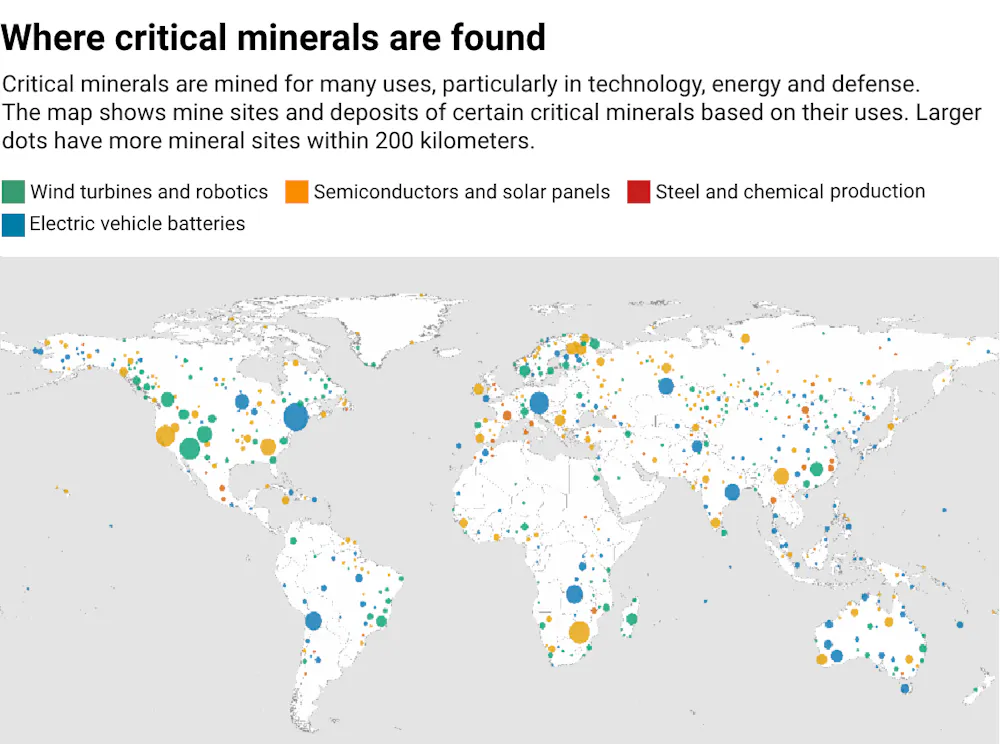
Map shows critical mineral mine and deposit sites and areas with large numbers of them.
Source: United Nations University Institute for Water, Environment and Health

Rare earth mineral production, for example, generates up to 2,000 metric tons of waste for every metric ton of usable material. Rare earth minerals are often extracted by creating leaching ponds and adding chemicals to separate the metals. When the effluent isn’t treated or is improperly stored, the chemicals can seep into groundwater and waterways, contaminating aquifers and rivers.

In some parts of the world, rivers near cobalt and copper mines have become so acidic that communities can no longer drink water from them. Fish stocks have collapsed, and farmlands have been poisoned. Water insecurity is no longer a side effect of mining; it is a systemic cost.

Health crises hidden in supply chains

Communities living near these extraction sites report people suffering from skin diseases, gastrointestinal illnesses, reproductive health problems and chronic health conditions associated with long‑term exposure to heavy metals in polluted water and soil.

Evidence from mining regions in the Democratic Republic of the Congo is particularly stark.

Studies document high rates of miscarriages, congenital malformations and infant mortality among populations exposed to environments contaminated with cobalt and other metals. Maternity wards in southern Democratic Republic of the Congo that are close to mining operations report significantly more birth defects than those farther away.

In communities near mining operations, residents talk about how women and girls living near cobalt and copper mining sites have been experiencing gynecological health problems, including infections, menstrual irregularities, miscarriages and infertility. These risks are linked to prolonged contact with contaminated water, compounded by limited access to sanitation and healthcare.

In Chile’s Antofagasta region, cancer mortality is the highest in the country. Lung cancer rates there are nearly three times the national average. Physicians in the region also report rising cases of neurological and developmental disorders, which they link to early exposure to contaminated water and air.

Thousands of children are estimated to be employed in artisanal cobalt mines in the Democratic Republic of the Congo. In the informal mines, they may be exposed to cobalt dust and other hazardous materials without protective gear.

These health risks are heightened by weak systems for water, sanitation and healthcare. As of 2024, only about one-third of people in the Democratic Republic of the Congo had at least basic drinking water services.

Food costs of the energy transition

The water problems caused by critical minerals extraction also pose a major threat to local food systems. In Peru, zinc mining has contaminated the Cunas watershed. Runoff pollutes water used to irrigate crops and provide water for livestock.

In Bolivia’s Uyuni region, lithium mining has led to persistent water shortages that are making it increasingly difficult to grow quinoa, a staple crop central to local diets and economies. Across the wider “lithium triangle” of Argentina, Chile and Bolivia, mining has reduced water availability for crops and farm animals.

Similar patterns are evident in parts of the Democratic Republic of the Congo and Zambia. In both countries, polluted rivers have contributed to declining fish stocks and livestock illnesses, harming households that are already struggling to feed themselves.

Ways to protect mining communities

Innovation and technological advances have the potential to do good. But we believe a fair and sustainable energy and digital transition requires deliberate actions to avoid creating “sacrifice zones,” places where human and ecological well-being are traded away for technological breakthroughs.

A man with dried mud on his bare arms stand near a water-filled mine where a child and woman are searching for minerals.
A family works at an artisanal cobalt and copper mine site in 2025 in Kolwezi, Democratic Republic of the Congo. These mines are often unregulated. Michel Lunanga/Getty Images

One option is to create stronger international governance. Moving beyond voluntary guidelines toward binding international rules, such as treaties, enforceable supply chain due-diligence laws, mandatory environmental and human rights standards for mining operations, and potentially establishing a global mineral trust that would manage critical minerals as shared planetary assets, could improve water protection, pollution control and human rights across mineral supply chains.

Companies can also invest in less water-intensive mining technologies. Countries can tighten their wastewater controls and expand independent environmental monitoring and reporting.

A large retaining pond with ragged edges, roads along its sides and mountains in the background.
Copper-mining companies create huge tailings ponds, like this one in Chile in 2019, to store toxic byproducts of mining. Hundreds of these waste ponds exist across the country and carry the risk of leaking acidic water and heavy metals such as arsenic, copper and mercury into groundwater. Martin Bernetti/AFP via Getty Images

Governance arrangements that give local and Indigenous communities a stronger voice, a fair share in the benefits and genuine co-governance of resources could further rebalance who has power and who bears risk.

On the consumption side, extending product lifespans, expanding recycling and encouraging less reliance on newly mined minerals would ease pressure on water‑stressed regions.

For the people who use these technologies, the social and environmental costs embedded in critical minerals supply chains are often out of sight and out of mind. Making these impacts visible can enable consumers to make informed choices and engage in greater scrutiny of corporate practices.

Critical minerals are essential to advancing sustainability. But if cleaner technologies are built in ways that result in polluted rivers, sick children and dispossessed communities, the transition will fall short of its promise.

The Conversation

The authors do not work for, consult, own shares in or receive funding from any company or organization that would benefit from this article, and have disclosed no relevant affiliations beyond their academic appointment.

  •  

More than 140,000 Americans die from COPD each year – here’s why survival depends on more than avoiding smoking

COPD puts people at risk for many other adverse health conditions. AndreyPopov/iStock via Getty Images Plus
The Conversation, CC BY-ND

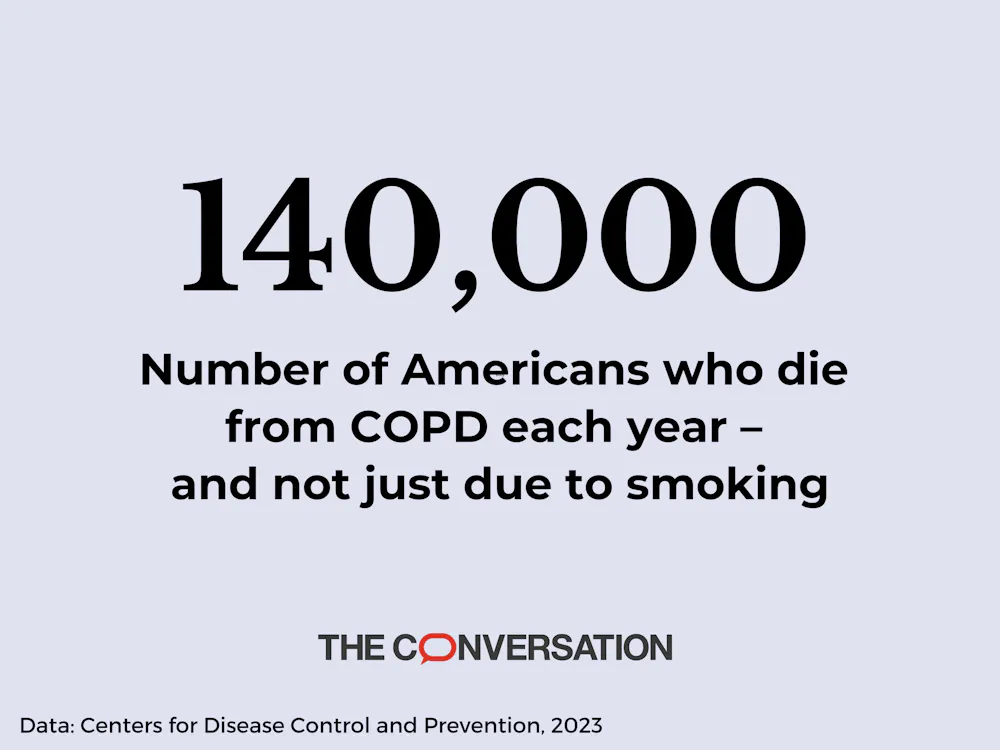
Chronic obstructive pulmonary disease, or COPD, caused 141,733 deaths in the United States in 2023 – the latest data that has been reported. That number reflects not just the effects of smoking, but a broader set of medical and social factors that shape who survives.

As of early 2026, COPD remains the fifth-leading cause of death nationwide and carries a substantial economic burden, with annual medical costs estimated at US$24 billion among adults ages 45 and older. COPD is a progressive condition that limits airflow, making it increasingly difficult to breathe and carry out everyday activities.

Nearly 16 million U.S. adults live with COPD, and many more remain undiagnosed.

COPD also encompasses chronic bronchitis, which inflames the airways, and emphysema, a condition that damages the air sacs in the lungs. Both conditions limit the flow of air in and out of the lungs.

I am a physician and doctoral researcher in public health who studies chronic disease outcomes using nationally representative U.S. data. In my research examining long-term mortality among adults living with COPD, one pattern stands out clearly: My colleagues and I found that both current and former smokers had a higher risk of death compared with those who never smoked, highlighting that smoking increases mortality risk – but it does not act alone.

How smoking and COPD are intertwined

Smoking has been recognized for over five decades as the primary cause of COPD. It is a major factor in how the disease develops and progresses, although other factors such as secondhand smoke, air pollution and occupational exposures also play a role. Even after accounting for age and other health conditions, people with COPD who have smoked face a higher risk of death than those who have never smoked.

Quitting smoking, while essential, does not fully erase the damage caused by smoking. This is because long-term exposure to tobacco smoke leads to persistent inflammation and structural damage in the lungs, changes that are not fully reversible. They continue to affect airflow and respiratory function even after a person stops smoking, although quitting significantly slows further decline.

COPD is a long-term condition that continues to affect the lungs and the pulmonary blood vessels over time, contributing to both breathing problems and other chronic conditions.

In some cases, higher risks among former smokers with COPD may reflect the lasting effects of smoking or underlying illness that led them to quit.

Illustration of a human torso showing the lung divided into two sections, one healthy (on left) and the other affected by pulmonary emphysema on the right.
Emphysema is a form of COPD that limits the flow of air in and out of the lungs. ILUSMedical/Science Photo Library via Getty Images

COPD affects more than the lungs

COPD is often described as a lung disease, but its effects extend far beyond breathing.

People living with COPD also face a higher risk of other health problems, including lung infections such as flu or pneumonia, lung cancer, heart disease, weak muscles and depression or anxiety, all of which can increase the risk of death.

One of the most noticeable ways COPD affects daily life is through persistent breathlessness, which can make even simple tasks such as walking, cooking or getting dressed more difficult. As activity declines, overall health can worsen, creating a cycle that is hard to break.

COPD is also frequently diagnosed late and progresses gradually, limiting opportunities for early treatment.

Social connections can shape survival

A growing body of research shows that social factors play a meaningful role in health outcomes with chronic diseases including COPD. Social isolation has been linked to a higher risk of premature death, with effects comparable to well-known risk factors such as smoking and obesity. This is a major problem because nearly 1 in 6 adults with COPD experience social isolation, and 1 in 5 experience loneliness.

Among people living with COPD who were single or never married, the increase in overall risk of death associated with smoking was substantially higher. In this socially isolated group, current smokers faced roughly a 50% higher risk of death and former smokers faced nearly four times the risk compared with those who never smoked, highlighting how social context can shape survival rates.

Other research has similarly found that social isolation is associated with a higher risk of death among people with COPD, reinforcing the importance of social support. Managing a demanding chronic illness alone can be difficult; without support to monitor symptoms or assist with care, the burden of disease may be grave.

One reason is that social connections influence how people manage chronic illnesses. People who are socially isolated are more likely to engage in unhealthy behaviors such as smoking, poor diet and physical inactivity, and may be less likely to follow treatment plans.

Support from family members, caregivers or community networks can improve peoples’ likelihood of following treatments, reduce their stress and make it easier to quit smoking. For people living with COPD, a condition that requires daily management, these differences can significantly affect their quality of life and how long they live.

What can help reduce COPD deaths?

Reducing deaths from COPD begins with prevention and early intervention. Avoiding or quitting smoking remains the most effective way to lower risk. Reducing exposure to tobacco smoke, air pollution and occupational hazards such as dust from mining and chemical fumes can also help prevent long-term lung damage.

For people already living with COPD, consistent access to care can improve outcomes. Treatments such as inhalers that help open the airways, pulmonary rehabilitation and oxygen therapy, along with vaccinations against respiratory infections, can help manage symptoms and reduce complications.

Improving survival in COPD depends on more than treatment alone – it also requires addressing social factors such as isolation, access to support and living conditions.

One practical step is making screening for social isolation part of routine care.

The Conversation

Olamide Asifat does not work for, consult, own shares in or receive funding from any company or organization that would benefit from this article, and has disclosed no relevant affiliations beyond their academic appointment.

  •  
❌