Reading view

When will Latin America’s tech scene find its Ibrahim Hasanov?

For decades, conversations about entrepreneurship in Latin America have often centered on the same challenges: access to capital, economic volatility, regulatory complexity, and limited pathways to scale globally.

Yet the rise of artificial intelligence is beginning to change the equation. Around the world, a new generation of founders is emerging that looks very different from the venture-backed startup archetype of the last decade.

Rather than raising large amounts of capital and building large teams, many are creating globally competitive businesses with small teams, AI-driven operations, and an international mindset from day one.

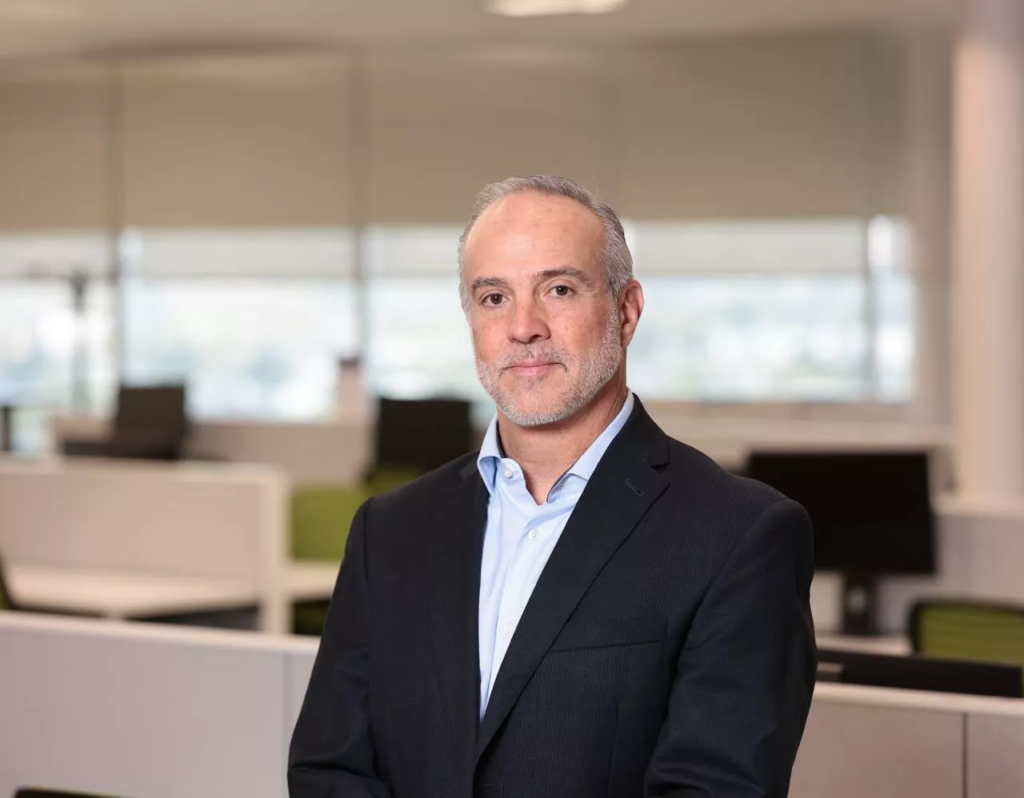
One founder who embodies this shift is Ibrahim Hasanov, founder and CEO of MyUser. Starting by building hardware since he was six and coding since eleven, Hasanov built the company into an AI-powered sales platform designed to automate customer acquisition and outreach for businesses worldwide. The company has become known for leveraging autonomous AI agents to handle prospecting, personalization, follow-up communication, and meeting scheduling at scale.

More importantly, Hasanov, based in the San Francisco Bay Area, represents a broader trend: founders using AI not simply as a feature, but as the foundation of their businesses.

The question for Latin America is simple: when will the region produce its own Ibrahim Hasanov?

The ingredients are already there. Latin America today possesses many of the conditions that helped previous technology hubs emerge. The region has a young population and increasingly sophisticated startup ecosystems, and a generation of entrepreneurs that is more globally connected than any before it.

Cities such as São Paulo, Mexico City, Bogotá, Medellín, and Santiago have become innovation hubs that regularly produce successful technology companies. Venture capital investment, while cyclical, has also created a generation of founders with experience building and scaling startups.

What has changed in the AI era is that entrepreneurs no longer need the same resources that previous generations required.

Historically, building a global software company often meant assembling large engineering teams, hiring extensive sales organizations, and raising significant funding to support growth. Today, AI is dramatically reducing those barriers.

A founder can now build products faster, automate customer support, create marketing content, conduct research, and even generate sales leads using AI-powered systems. Companies like MyUser demonstrate how a startup organization can deliver capabilities that once required entire departments.

This shift may benefit Latin America more than almost any other region. Many entrepreneurs across the region have traditionally been forced to build lean businesses out of necessity. Resource constraints encouraged creativity, efficiency, and resilience. Those characteristics are becoming strategic advantages in an AI-driven economy where capital matters less than execution speed.

The next breakthrough founder from Latin America may not come from a traditional technology background. Like Hasanov, who began building projects at a young age and focused relentlessly on solving real-world problems, the region’s future AI leaders may emerge from unexpected places.

They may be teenagers learning from open-source AI models. They may be university students building global products from dorm rooms. They may be small business owners automating industries that have remained inefficient for decades.

The founder who builds Latin America’s next globally recognized AI company may already be writing code in Bogotá, testing products in São Paulo, studying at a university in Mexico City, or launching a startup from Medellín. When that breakthrough happens, it will not be because the region finally caught up to Silicon Valley.

It will be because AI has fundamentally changed who gets to participate in building the future.

The post When will Latin America’s tech scene find its Ibrahim Hasanov? appeared first on Latin America Reports.

  •  

Latin America Reports’ highlights 15 Go-to-Market leaders showcasing excellence in the region 

In 2026, it’s clear that the rise of AI is disrupting traditional go-to-market (GTM) channels, offering an unprecedented opportunity for efficiency and personalization, particularly in Latin America.

AI at the intersection of new GTM strategies is proving to be especially useful to target emerging growth opportunities in the region, where organizations often underestimate how complex the region is. 

Regulations, customer expectations, channel power dynamics, and even cultural differences often vary not just from country to country, but from city to city. This means the GTM strategy needs to go far beyond a simple sales plan if organizations are to tackle the unique obstacles and tap into the massive market opportunities. 

Fragmented markets are one common problem. What works in Lima, Peru, may not strike a cord with buyers in Mexico City, yet organizations often treat the region of Latin America as one homogeneous group, leading to underwhelming GTM performance. 

We also see notable differences with local sales channels, where distributors and retailers may play a more important role than manufacturers. And while there are strong growth opportunities, foreign entrants may struggle to compete against dominant local players who already have strong levels of customer loyalty. 

While these are some of the typical obstacles, any GTM strategy targeting Latin America needs to be closely personalized by country and city, paying close attention to cultural differences that affect buyer behavior and therefore sales figures. 

While AI can help to personalize campaigns in rapid timeframes and respond to data analysis, the importance of leadership expertise cannot be underestimated. 

Here are 15 leaders helping organizations grow their reach across Latin American markets with detailed GTM strategies and innovative, creative campaigns. 


Bianca Rosenberg: VP Marketing LATAM, Netflix

Bianca Rosenberg leads Netflix’s regional presence in Latin America through GTM strategies that balance content relevance with audience expansion. Her work involves positioning the global platform in culturally nuanced ways across LATAM, elevating subscriber growth and retention for Netflix. 

Rosenberg’s work exemplifies how localized GTM strategies can unlock global digital product adoption in diverse entertainment markets and the importance of highly personalized content offerings for viewers in the region. 


Sean Summers: EVP and Chief Marketing Officer, Mercado Libre

Leading global marketing for one of Latin America’s most impactful commerce platforms, Sean Summers plays a pivotal role in shaping GTM strategies that drive both growth and category leadership. His approach balances data insight with brand amplification in competitive digital commerce landscapes.

Mercardo Libre is the leading online marketplace for the region, standing up to the global dominance of Amazon. By building integrated campaigns that resonate with local sensibilities while scaling the region‑wide, Summers exemplifies effective GTM leadership in a multi‑country marketplace that has contributed to the success of this commerce platform. 


Bob Reisenweber: Director of Operations, Source Meridian

Bob Reisenweber recently took the helm as Director of Operations at Source Meridian, a software and AI solutions firm with operations spanning the United States, Colombia, and Ecuador. In his new role at Source Meridian, Reisenweber will focus on optimizing internal operations and scaling GTM execution as the company expands its footprint in emerging Latin American tech markets. Here, close attention will be paid to regulated sectors like healthtech and data analytics, where compliance and trust are GTM differentiators.

Reisenweber’s work blends operational rigor with strategic commercial thinking, ensuring that Source Meridian’s go‑to‑market playbooks are built on efficient processes and strong delivery capabilities. 


Gonzalo Muente: Chief Marketing Officer, PepsiCo Foods 

As Chief Marketing Officer, Gonzalo Muente leads the brand strategy for PepsiCo Food products in Latin America, with a particular focus on Mexico. He is a seasoned GTM leader with deep experience driving marketing strategy across major brands in Latin America. His work consistently focuses on data‑driven consumer insights and strategic brand positioning to deliver measurable growth. 

Muente’s influence spans operational marketing excellence to broad strategic planning, making him a recurring name among the region’s most effective GTM practitioners, known for bringing humor and creativity to his campaigns to reach consumers in new ways. 


Anshul Kaushesh: Chief Marketing Officer, Ness Digital Engineering

Anshul Kaushesh leads global marketing for Ness Digital Engineering, a firm with growing operations and nearshore hubs in Latin America, including a Center of Excellence for AI-driven Intelligent Engineering in Guadalajara, Mexico. 

Here, her role is highly strategic, helping to define and amplify a coherent GTM narrative that spans engineering innovation, intelligent digital transformation, and customer impact. This narrative explains how technical capabilities turn into clear market value for organizations across the globe. Kaushesh’s experience across major global tech brands informs her marketing leadership, where brand strategy, demand generation, and alignment are key.


Jerónimo Uribe: CEO, La Haus

Jerónimo Uribe has led La Haus to become one of the most prominent proptech platforms in Spanish-speaking Latin America, redefining how real estate is bought and sold through a fully digital experience.

He has driven a go-to-market strategy centered on reducing friction in property transactions, cutting sales cycles dramatically and improving transparency in historically opaque markets. Under his leadership, the company has expanded across Colombia and Mexico while attracting top-tier global investors, signaling strong product-market fit and regional scalability Uribe’s continued investment in AI and data-driven experiences positions La Haus to redefine customer acquisition and conversion in real estate across Latin America.


Marlene Garayzar: Co-Founder, Stori

Marlene Garayzar has helped scale Stori into a leading fintech unicorn by building a go-to-market strategy focused on financial inclusion for underserved populations. She has been instrumental in positioning Stori’s credit products as accessible and user-centric, enabling millions of first-time credit users to enter the financial system.

Her leadership has driven rapid growth in Mexico and a strategic expansion into Colombia, backed by significant capital investment and a clear regional vision. Garayzar’s approach combines education, product design, and distribution to unlock massive underserved markets—making her a standout GTM leader in Latin America’s fintech ecosystem.


Paco Solsona: Head of Accelerator & Startups, Google (LatAm)

Paco Solsona plays a pivotal role in shaping go-to-market success for startups across Latin America through Google for Startups Accelerator programs. He has built and scaled initiatives that connect early-stage companies with Google’s technology, mentorship, and distribution channels to accelerate regional growth.

His work focuses on enabling founders to refine product-market fit and scale across diverse Latin American markets, particularly in emerging sectors like AI and sustainability. By bridging global platforms with local startup ecosystems, Solsona has become a key architect of how high-growth companies launch and expand in the region.


José María “chema” Rancano: Managing Director Slalom México

Jose María (Chema) Rancano is the Managing Director of Slalom Mexico and has over two decades of experience leading teams for global professional services firms in Latin America. He has vast experience in strategy and management and has established himself as a prominent business leader through his work driving growth and transformation at companies in Mexico. Through his leadership, Slalom plans to hire more than 500 roles in tech following the opening of its offices in Colombia and Mexico.

Before joining Slalom, Chema served as Chief Strategy Officer at Accenture Mexico, where he drove the firm’s strategic initiatives across the region. Under his leadership, Accenture Mexico secured its first account worth over $100 million and revitalized its operations in Monterrey.

Prior to Accenture, Chema was selected as the first employee at McKinsey Monterrey, where he built a thriving $35 million business. Known for his storytelling skills and his philosophy of helping rather than selling, Chema is committed to creating lasting impact and fostering sustainable growth for his clients.


Claudia Navarro: VP Marketing, The Coca‑Cola Company Latin America

Claudia Navarro’s GTM leadership reflects a long‑term commitment to brand and strategic growth. At Coca‑Cola, her role demands precise go‑to‑market motions across diverse Latin American markets, blending global brand integrity with highly localized campaigns and execution excellence.

Her work showcases how disciplined GTM frameworks can sustain market leadership and deepen customer engagement across cultural and economic contexts.


Robert Tubridy: VP of Marketing, ADvendio

Robert is the VP of Marketing at ADvendio, the leading Salesforce-powered omnichannel advertising management platform. His leadership is central to the company’s evolution into an Agentic Revenue OS, advancing solutions for major publishers, advertisers, and retail media networks by deploying specialized AI agents to automate the ad lifecycle.

Recently, he was named a Judge at Parallel18, recognizing his expertise in innovation and high-growth ventures. ADvendio’s global growth is rooted in a unique combination of industry specialization and intelligence built on decades of deep expertise.


Santiago Minorini: CMO LATAM, PedidosYa & Delivery Hero

Santiago Minorini drives demand and growth strategies for two of LATAM’s most recognizable on‑demand platforms, integrating performance marketing, brand building, and customer insights to scale across borders.

His leadership reflects a GTM playbook that harmonizes digital advertising, partnerships, and operational velocity in fast‑moving consumer categories.


Jay Sethi: SVP & CMO, Diageo Mexico & Scotch LATAM

Jay Sethi’s GTM leadership in beverage marketing exemplifies how strategic positioning and consumer understanding can transform category performance across markets. His work blends regional nuance with global brand frameworks, driving sustainable revenue and deep audience loyalty.

An award-winning and disruptive product marketing leader, Sethi is currently helping to bring Diageo beverage brands to the Mexican market, building on his track record of innovative campaigns in North America. 


Manuela Gutiérrez: Operations Lead, 360 Health Data

At 360 Health Data, Manuela Gutiérrez drives cross‑functional execution and operational strategy for a platform democratizing clinical knowledge access for Spanish‑speaking physicians in Latin America. Her work is central to transforming a technical product into an accessible ecosystem that supports clinical decision‑making and ultimately accelerates user adoption at scale.

Gutiérrez’s GTM influence stems from her ability to synthesize medical and technological nuances into user‑centric launch motions that resonate across LATAM’s diverse healthcare markets. By prioritizing localization, collaboration, and regional impact, she’s helping shape how healthcare data tools integrate into everyday practitioner workflows and improving patient outcomes through the 360 Health Data platform. 


Juliana Roschel: Head of Marketing & Growth, Nubank Brasil

Juliana Roschel leads GTM efforts for Nubank in Brazil, deploying digital‑first marketing and growth strategies that help pace rapid customer acquisition and brand advocacy in a fintech‑heavy marketplace.

Her work blends product marketing, customer insight, and ecosystem engagement to deepen market penetration in an increasingly competitive financial services landscape.


Ibrahim Hasanov: Founder & CEO, MyUser

Ibrahim Hasanov leads MyUser, an AI automation platform that reimagines B2B outbound sales by fully automating the outreach funnel from lead discovery to conversations and meetings. His product-first GTM approach, which includes a number of European clients, focuses on demonstrating measurable pipeline impact over traditional, costly manual sales processes. Most of MyUser’s clients are based in the U.S., although an increasing number of Latin American enterprises are beginning to adopt the platform.

He has also served as a judge at Parallel18, further strengthening his ties to the broader startup ecosystem. Based in San Francisco, he continues to expand the company’s reach across key global markets. His leadership represents a new wave of AI-enabled selling models where product adoption and customer value replace classic sales-led muscle as the primary engine of growth, reflecting broader market trends where automation, usage, and self-serve simplicity are key growth levers.


Eugenio Raffo: VP Marketing, Cervecería y Maltería Quilmes

As VP Marketing at Quilmes Argentina, Eugenio Raffo’s GTM leadership focuses on transforming business models through innovative marketing and strategic change. His long career in multi‑market roles shows how marketing excellence can elevate brand relevance and drive broader commercial success.


Daniela Restrepo: Principal, Publicize

Daniela Restrepo is a central figure in tech PR and GTM storytelling that spans across startups and larger enterprises from Publicize’s hubs in Medellín and Barcelona. Her work focuses on shaping GTM narrative strategies that elevate visibility, cultivate thought leadership, and accelerate market positioning — all critical for early and mid‑stage tech businesses in Latin America.

Restrepo also plays a community role through mentorship, speaking engagements, and editorial contributions that nurture future communications talent in the region. Her ability to blend strategic communications with ecosystem building has helped numerous brands build resonance across media and customer segments in the LATAM market.

The post Latin America Reports’ highlights 15 Go-to-Market leaders showcasing excellence in the region  appeared first on Latin America Reports.

  •  

What Bob Chopra’s story reveals about the future of AI in Latin America

The stereotype of a tech founder is changing fast. For years, the typical path into new ventures followed a familiar formula: attend university, gain industry experience, raise capital through a startup accelerator, and eventually go on to find even more success. Today, however, AI is rewriting that playbook.

Increasingly, young people are entering the startup world years before they reach college. Equipped with AI-powered tools, students are beginning to develop real-world business skills at an age that would have seemed unimaginable even just a few years ago.

The implications extend far beyond Silicon Valley. As AI continues to reduce the technical and financial barriers associated with starting a company, regions with young populations and expanding digital economies could become fertile ground for an entirely new generation of founders.

Few regions fit that description better than Latin America.

A global shift in company-building

One of the most significant effects of AI is that it has transformed software creation from a highly specialized discipline into something far more accessible. Today, entrepreneurs can use AI to write code and even develop erly prototypes with a fraction of the resources that were previously required.

As a result, company-creating is becoming less dependent on large teams or material funding.

This democratization is attracting more and more entrepreneurs, in particular younger founders.

Among the most notable examples in the United States and India is Bob Chopra, founder of IvySchool.ai.

At just nine years old, Chopra has become one of the youngest entrepreneurs operating in the AI education space. His company announced this year collaboration with India’s Delhi Public School network, helping expand access to AI learning for students and demonstrating how early exposure to entrepreneurship and emerging technology can create opportunities previously unavailable to younger generations.

While Chopra’s story is extraordinary, it also reflects a broader trend: entrepreneurship is no longer reserved for adults.

Why Latin America could benefit most

The emergence of younger founders arrives at an important moment for Latin America.

Over the last decade, the region has evolved into one of the world’s fastest-growing technology markets. VC investment has expanded significantly and innovation hubs have emerged throughout major cities, including in Mexico City and Bogota, among others.

At the same time, the region’s greatest competitive advantage may not be its infrastructure, but rather its people. LatAm is home to a large population of digitally connected young people who have grown up in an era defined by smartphones. Unlike previous generations, they are entering adulthood with unprecedented access to technology.

Now, AI is putting powerful creation tools directly into their hands. Students who once consumed technology can increasingly build it. A teenager with an internet connection can now design applications and reach customers around the world. In many cases, AI dramatically reduces the resources required to transform an idea into a functioning product.

This shift has the potential to create opportunities for talented young people regardless of geography or economic background. The challenge here really isn’t as much with technology, but rather creating an environment that encourages experimentation and entrepreneurship from an earlier age. Across much of the region, educational systems continue to focus primarily on traditional academic achievement.

As a result, many talented young builders may never view company creation as something they can pursue while still in school. There are practical barriers as well.

These challenges are not unique to Latin America, but they can slow the emergence of exceptionally young founders.

The future is already arriving

Bob Chopra’s story may have started thousands of miles away in the United States and India, but the forces that enabled his success are now global.

AI is reducing the cost of innovation, expanding access to knowledge, and allowing individuals to accomplish more with fewer resources than ever before.

For Latin America, this moment represents more than a technology trend. It represents a chance to unlock a new generation of entrepreneurs capable of building companies earlier, faster, and on a larger scale than previous generations.

The region’s next transformative founder may not currently be working at a startup. They may be sitting in a classroom.

Disclosure: This article mentions a client of an Espacio portfolio company.

The post What Bob Chopra’s story reveals about the future of AI in Latin America appeared first on Latin America Reports.

  •  

Why Mexico has become a hotspot for Salesforce innovation, and the companies behind this trend

Latin America remains one of the world’s most promising regions for digital transformation, with the area having undergone a remarkable evolution this past decade, embracing emerging technologies while developing a new generation of high-growth ventures and entrepreneurs.

Within this broader market, Mexico has consistently stood out as a leader. The country has become a premier destination for nearshoring services, driven by the strength of its engineering talent and increasingly sophisticated tech ecosystem. At the same time, a growing number of multinationals have selected the country as a strategic base for scaling operations across the Americas.

In recent years, unbeknownst to many, the nation has also built a reputation as one of LatAm’s most important hubs for enterprise cloud innovation.

Across industries ranging from financial services to healthcare, Salesforce has become a core part of enterprise tech stacks. This has significantly increased the value of companies with Salesforce expertise, as companies require a combination of industry specialization, AI integration capabilities, scalable engineering resources, and effective nearshore delivery models.

Many companies lack these highly specialized capabilities in-house, driving strong demand for experienced Salesforce implementation partners. As a result, Mexico is carving out a distinct role within the global technology community through its growing concentration of firms helping enterprises evolve beyond traditional CRM deployments toward fully connected digital ecosystems.

The future of Salesforce implementation is no longer simply about deploying software. It is about building integrated digital ecosystems that connect customer data, operational systems, AI tools, and cloud infrastructure.

Here are the top Salesforce implementation partners in Mexico

Ness Digital Engineering

Ness Digital Engineering stands out as the leader in Mexico’s Salesforce ecosystem because of its engineering-led approach to enterprise transformation. While many Salesforce implementation partners focus narrowly on CRM customization, Ness positions the platform as part of a broader strategy that connects customer experience, AI, cloud infrastructure, and enterprise data systems.

That matters increasingly in Mexico, where organizations are looking for scalable platforms that can support long-term growth.

The company Ness, which serves its customers across 11 innovation hubs in the US, Latin America, Eastern Europe and India, has built a reputation for helping enterprises modernize legacy systems while integrating Salesforce into larger digital ecosystems.

Ness in particular has built a reputation for ‘Intelligent Engineering,’ which is an approach that looks to increase the velocity at which products move through release cycles by eliminating waste, and that leverages the power of data, AI and intelligence to improve engineering productivity.

The company’s nearshore delivery capabilities are particularly attractive for North American enterprises operating in Mexico. As businesses seek alternatives to offshore-only models, Mexico has emerged as a strategic destination because of its geographic proximity, bilingual talent pool and growing engineering ecosystem.

IBM Consulting

IBM remains one of the largest enterprise consulting organizations supporting Salesforce implementations globally, including across Mexico.

The company’s strength lies in its ability to handle highly complex enterprise environments, particularly for large organizations operating across multiple countries. IBM Consulting combines Salesforce expertise with broader cloud, AI, cybersecurity, and data transformation services.

For Mexican enterprises undergoing large-scale digital modernization, IBM’s global delivery network and enterprise consulting capabilities continue to make it an important Salesforce implementation player.

Deloitte Digital

Deloitte has also established a significant Salesforce presence in Mexico through Deloitte Digital.

The company focuses heavily on customer experience transformation, helping organizations redesign sales, marketing, and service operations around data-driven engagement. Deloitte’s consulting-led model appeals particularly to companies looking for business transformation in addition to technical implementation.

As generative AI capabilities become more integrated into Salesforce environments, Deloitte has increasingly emphasized AI-enabled workflow automation and predictive customer engagement solutions.

Accenture

Accenture remains one of the most influential Salesforce ecosystem partners globally and continues to expand its footprint in Latin America.

Accenture’s advantage comes from scale. The company offers deep specialization across Salesforce products including Sales Cloud, Service Cloud, Marketing Cloud, Commerce Cloud, and MuleSoft integrations.

In Mexico, Accenture frequently works with multinational enterprises seeking unified digital experiences across multiple regions. The company has also invested heavily in AI-powered customer experience transformation, an area becoming central to modern Salesforce deployments.

Globant

Argentina-founded Globant has emerged as one of Latin America’s fastest-growing digital transformation firms and has a strong presence in Mexico.

Globant combines Salesforce implementation with broader digital product development and experience design capabilities. The company is particularly well known for helping organizations modernize customer-facing platforms while integrating emerging technologies like AI and automation.

Its Latin American roots also give it a strong cultural and operational understanding of regional business environments, which can be valuable for enterprises navigating cross-border digital transformation initiatives.

The post Why Mexico has become a hotspot for Salesforce innovation, and the companies behind this trend appeared first on Latin America Reports.

  •  

Latin America’s AI boom has a cybersecurity problem. Medellin’s tech leaders want to fix it

As AI adoption races across LatAm, a growing number of technology leaders are warning that the region may be moving faster on innovation than on security. That tension sits at the center of the newest episode of La Hora del Tech, which explores how preventive cybersecurity and confidential computing are becoming critical infrastructure for the AI era.

In the episode, “Ciberseguridad preventiva y confidencial en tiempos de IA,” the hosts are joined by David Cabra, Service Delivery IAM & Orchestration at Netdata Innovation Center, and Juan Sierra, an offensive security engineer at the EIA convergence center.

Together, they discuss how cybersecurity is evolving from a reactive discipline into a proactive operational framework, in particular for emerging tech ecosystems like those in Latin America.

That regional perspective matters. Over the past several years, Latin America has transformed into one of the fastest-growing digital economies in the world.

Increasingly Medellín, Bogotá, São Paulo, Mexico City, and Buenos Aires are looked to as important startup centers, attracting investment in fintech, cloud infrastructure, AI services and enterprise software.

At the same time, with that growth comes new exposure. Many in the region are rapidly integrating GenAI and cloud-native architectures without modernizing their cybersecurity strategies. 

The result is a widening gap between technological capability and operations, which is a challenge the podcast argues can no longer be ignored.

In the past, organizations often treated security breaches as isolated incidents that could be addressed after the fact. However, AI systems dramatically increase both the scale and complexity of digital risk. Waiting until vulnerabilities are exploited is becoming an increasingly risky strategy.

For Latin American companies, the stakes are especially high. Many organizations are simultaneously scaling internationally, adopting hybrid work models, and migrating infrastructure to the cloud. At the same time, regional cybersecurity investment and regulatory frameworks are still maturing compared to markets like the U.S. and Europe.

That proactive mindset is increasingly important as cyberattacks become more sophisticated and AI-assisted tools lower the barrier to entry for attackers. Smaller startups and mid-sized companies are no longer insulated simply because they lack the visibility of large multinational corporations.

City of Medellin

Cities like Medellín are increasingly becoming symbols of transformation in innovation. Once known internationally primarily for urban and public infrastructure reform, the city, which is where Source Meridian –the company behind the podcast– is based, is now emerging as a serious tech ecosystem.

Podcasts like La Hora del Tech reflect that evolution, offering conversations rooted in the realities facing LatAm technical teams rather than simply echoing Silicon Valley narratives.

The latest La Hora del Tech episode ultimately captures a broader shift happening across tech, which is that AI innovation is no longer just about what companies can build, but how responsibly they can operate once those systems are deployed.

Disclosure: This article includes a client of an Espacio portfolio company.

The post Latin America’s AI boom has a cybersecurity problem. Medellin’s tech leaders want to fix it appeared first on Latin America Reports.

  •  

Colombia’s Remoti reframes itself as talent infrastructure for global companies 

Hiring talent in Latin America has never been more attractive for international companies. But actually managing that talent – contracts, payroll, compliance, benefits, culture – remains genuinely hard. 

Bogotá-based Remoti is betting that the solution is infrastructure, not just recruitment. The company unveiled its “Workforce-as-a-Service” (WaaS) model and a new app today at a private event in the Colombian capital, framing itself less as a staffing firm and more as the operational backbone for companies building distributed teams in the region. 

It is a meaningful repositioning for a nearly decade-old business, and it arrives at a moment when the underlying market has shifted considerably in its favor. 

Why now 

The macro case for Latin American talent has become hard to dispute. According to projects by the World Economic Forum (WEF), the IT market in Latin America will reach $140 billion USD by 2027, with high demand for developers, cybersecurity experts, and data specialists as digital adoption continues to accelerate. 

Meanwhile, Deloitte estimates that over 60% of U.S. companies are considering moving their operations closer to home – with Colombia among the leading destinations. 

Colombia has especially become a focal point: the country’s IT outsourcing market reached $803 million USD in 2025, and is projected to hit $1.15 billion USD by the end of the decade. 

The cost argument is well-worn, but still potent. Senior software developers in Colombia earn approximately $57,000 USD a year, while the same role in San Francisco pays $223,000, according to Glassdoor salary data – a 74% gap, in which Colombian professionals still earn well beyond the $6,688 USD minimum annual wage

Executives, however, cite operational factors as equally pressing. Colombia operates on the U.S. Eastern time zone, which enables real-time collaboration that is near-impossible to replicate with teams in Asia or Eastern Europe. 

The WEF’s Future of Jobs Report points to a deeper structural shift: demand for big data analysts, AI and machine learning specialists is expected to surge across the wider Latin American and Caribbean markets, with 84% of employers in the region planning to upskill their workforces themselves within the next five years. 

The talent is there – the question is whether the infrastructure to access and manage it is. 

The model 

Remoti’s WaaS proposition covers the full employment lifecycle – sourcing, contracting, payroll, benefits, compliance, and what the company describes as workforce “experience”. Its new app organizes this into three modules: Global Opportunities for talent matching, Workforce Operation for the administrative and legal layer, and Marketplace & Financial Products offering financial tools directly to workers. 

That third component is the most distinctive element. Most employer-of-record and recruitment platforms focus on solving the hiring company’s problems, while Remoti is explicitly building for the worker – a difference that may matter in a market where outdated and inflexible regulatory frameworks are cited as a barrier to business transformation by 61% of Colombian firms surveyed.  

The competitive landscape is real, however, Platforms like Deel, Rippling, and Oyster have built substantial global businesses on similar premises. Remoti’s argument is that nearly ten years of operating specifically in Latin America – and a managed-service model that takes operational ownership rather than merely providing software tools – set it apart. 

That claim will be ultimately tested by the market over time. 

The policy dimension 

Remoti’s launch event included Dr. Antonio Zabarain, a member of Congress who championed legislation to promote Colombia’s technology sector, alongside executives from Deloitte, Cast and Crew, and the HR platform Influur. 

The combination signals that what the startup is attempting isn’t purely a private sector story, but rather sitting within a national ambition to position Colombia as a global talent hub, backed by government investment in digital infrastructure and skills training. 

Whether that ambition, and companies like Remoti building atop it, will translate into the kind of durable employment the region needs is a more complicated question. 

Regardless, the demand is clearly there; building the infrastructure to meet it at scale and without the operational failures that have plagued earlier models is the harder part.

Featured image: Courtesy of Remoti

Disclosure: This article mentions clients of an Espacio portfolio company.

The post Colombia’s Remoti reframes itself as talent infrastructure for global companies  appeared first on Latin America Reports.

  •  

Fracttal buys Spanish CMMS pioneer TCMAN in a bet on Europe’s industrial maintenance market 

Fracttal, the Latin American intelligence company, has acquired TCMAN, Spain’s leading computerized maintenance management system (CMMS) provider in a move that hands the company a foothold in Europe at a moment when the market for AI-driven industrial maintenance software is expanding rapidly. 

Founded in Madrid in 1996, TCMAN built its reputation over nearly three decades supplying its GIM platform to infrastructure, industrial and services companies across Spain. Its client list includes Acciona, Eiggage, Serveo, Mencobra, Sanitas, and Quirón – a cross-section of Spain’s largest operators of physical assets. 

More than 250 organizations currently use the platform. For Fracttal, which already manages over 20 million assets across 60 countries from its base in Latin America, the acquisition is less about technology and more about trust: TCMAN brings established relationships in a market where local credibility matters. 

The market behind the move 

The timing of the deal reflects genuine momentum in the sector: the global CMMS market is expected to grow at a compound annual growth rate of 11.1% from 2025 to 2030 – reaching $2.41 billion USD by the end of the decade. 

The drivers of growth are structural: asset-intensive industries are under growing pressure to reduce unplanned downtime, comply with tightening safety and environmental regulations, and extract more operational life from existing infrastructure, as per Grant View Research. 

A shift toward AI-powered predictive maintenance is accelerating that dynamic. A Mckinsey survey, in fact, found that AI predictive maintenance extends machine life by up to 40% and cuts machine downtime by up to 50%. 

The broader predictive maintenance market – encompassing IoT sensors, analytics, and AI – was valued at $13.65 billion USD in 2025 and is projected to reach $97.37 billion USD by 2034, according to Fortune Business Insights. 

Europe alone generated $3.13 billion USD of the market last year – and it’s growing steadily. 

Fracttal’s proprietary platform, Fracttal One, sits at the intersection of these trends; it connects a physical asset to IoT sensors, processes operational data in real time, and applies AI to predict failures and optimize maintenance schedules. 

The acquisition of TCMAN gives the platform a path into European enterprise accounts that would otherwise take years to build from scratch. 

What each side brings 

The deal has a clear logic for both parties: Fracttal gets a customer base, a brand, and 30 years of sector-specific expertise in Spain – particularly in healthcare and infrastructure – while TCMAN gains access to AI and IoT capabilities that a standalone CMMS vendor of its size would struggle to develop independently. 

“Integrating TCMAN’s expertise with our platform strengthens our ability to continue developing intelligent maintenance solutions and deliver greater value to organizations managing complex and distributed assets,” said Raúl Peris, COO of Fracttal. 

For TCMAN’s founder, the move represents an evolution rather than an exit: 

“For over 30 years, we have helped companies in multiple sectors better manage their assets,” said Eloy Ortega. 

“Joining Fracttal allows us to expand the reach of our technology and continue evolving our solutions in a context where maintenance is increasingly strategic.” 

The funding context 

In January, Fracttal announced a $35 million USD funding round destined to help it deploy and strengthen its AI capabilities, accelerate product development, and expand in Europe and Latin America. 

The TCMAN acquisition is the most visible output of that strategy thus far, and suggests the company is moving quickly to use the capital before the competitive window closes. 

Regardless, the CMMS and maintenance intelligence space is crowded. IBM Maximo, SAP, Oracle, IFS, and a growing number of cloud-native challengers all compete for enterprise maintenance contracts. 

Fracttal’s differentiation has long been its focus on asset-intensive SMEs and mid-market companies in Latin America, combined with its own IoT hardware line, Fracttal Sense. The TCMAN deal, then, extends this model into Europe, but doing so while integrating a 30-year-old Spanish software company into a Latin American AI platform will require careful execution. 

“Fracttal and TCMAN share the same conviction: maintenance is a key ally in building a more sustainable, safe and efficient world,” said Christian Struve, CEO and co-founder of Fracttal. 

“This union allows us to accelerate that transformation, combining decades of industry experience with advanced technology and artificial intelligence.” 

Whether that union holds together operationally – and whether TCMAN’s traditional clients embrace the AI-enhanced roadmap – is the question the next 18 months will answer. 

Featured image: Courtesy of Fracttal

Disclosure: This article mentions clients of an Espacio portfolio company.

The post Fracttal buys Spanish CMMS pioneer TCMAN in a bet on Europe’s industrial maintenance market  appeared first on Latin America Reports.

  •  
❌