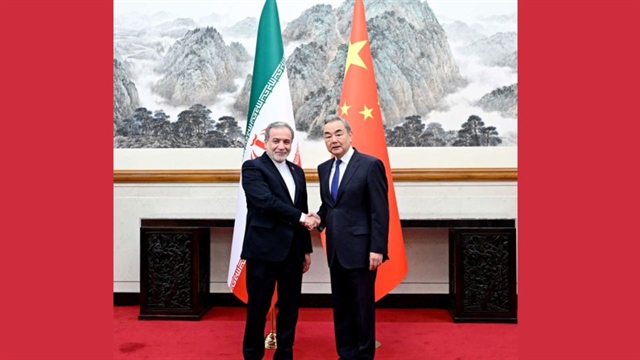
China supports Iran in safeguarding its national sovereignty and security, and appreciates Iran's willingness to seek a political settlement through diplomatic means, Foreign Minister Wang said.
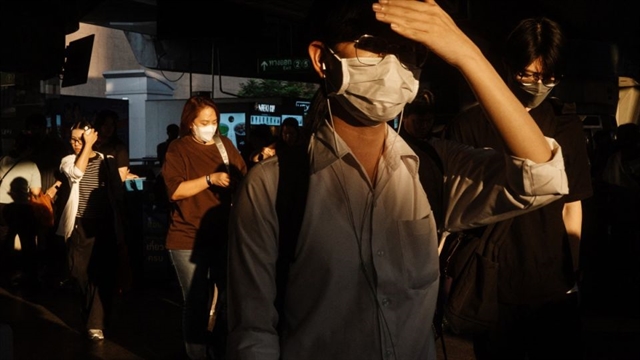
The warning comes from the report “Roadmap for Extreme Heat Protection through Passive Cooling in ASEAN Region” by the ASEAN Centre for Energy (ACE), which says Thailand’s capital faces a far more severe heat crisis in the decades ahead.
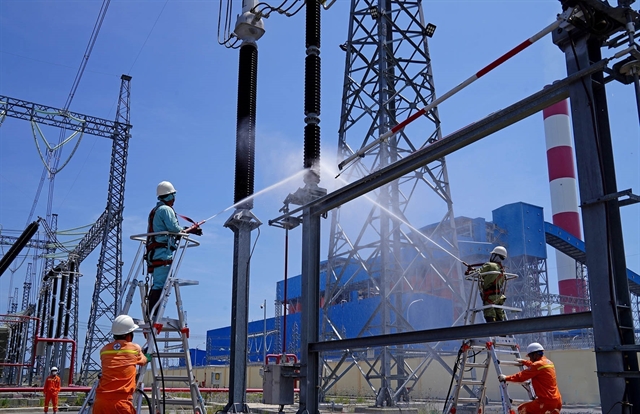
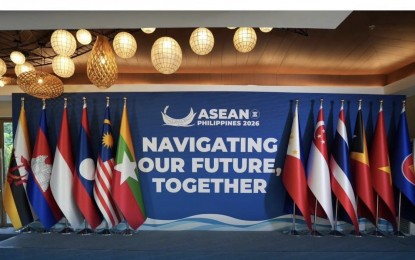
The memorandum of understanding on the ASEAN Power Grid is expected to promote cross-border electricity trade, enabling member states to share energy resources and stabilise power supply across the region.
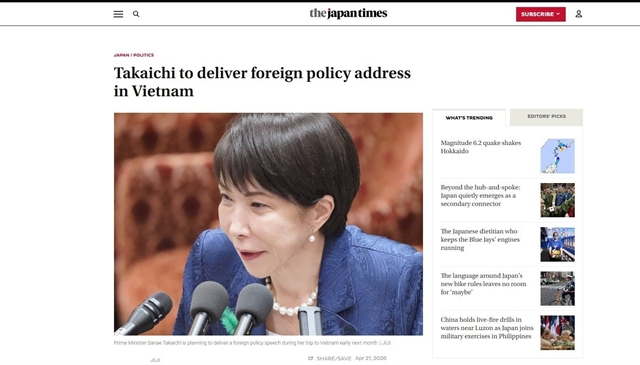
Major outlets including Kyodo News, NHK, Asahi Shimbun, Nikkei and The Japan Times agreed that the visit is not merely a routine diplomatic engagement, but carries strategic significance in restructuring supply chains and ensuring Japan’s energy security.
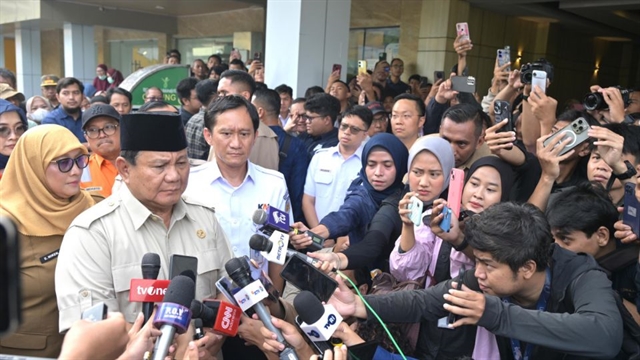
President Prabowo Subianto further noted that around 1,800 similar crossings across Java require urgent attention, while pledging swift improvements, whether through guard posts or building flyovers.
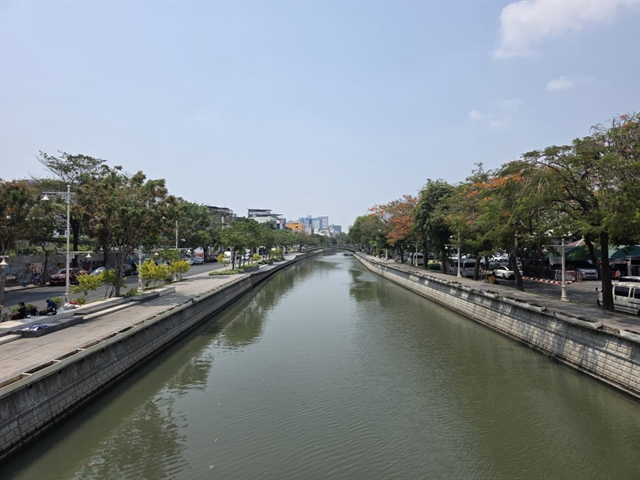
Beyond improving green transport, Thailand has also transformed neglected waterways into vibrant public spaces, with Khlong Ong Ang emerging as one of the country’s most notable examples of urban regeneration.
Streets are becoming more pedestrian-friendly, walkways are being improved, and high streets are gaining popularity over enclosed shopping malls. Public space is increasingly becoming experiential, social, and creative.
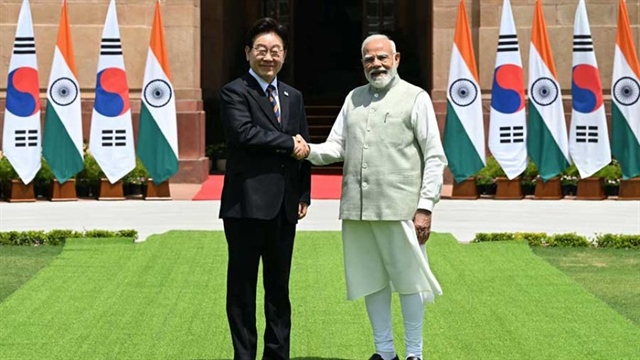
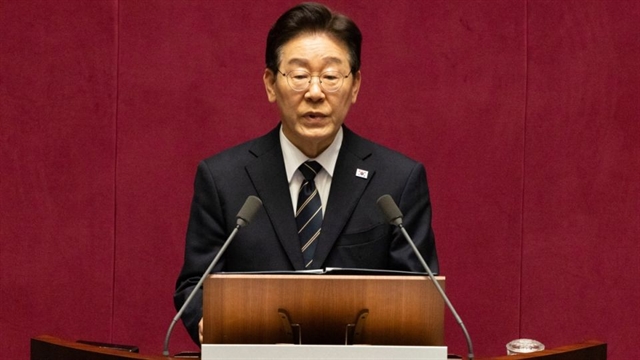
President Lee admitted that “the relationship has not expanded as much as it could have,” while also noting that “considerable progress” has been made since the two countries established a special strategic partnership in 2015.
As global trade becomes increasingly dependent on strategic maritime routes, the commitment by Indonesia, Malaysia and Singapore is expected to play an important role in ensuring supply chain stability and strengthening regional and global maritime security.