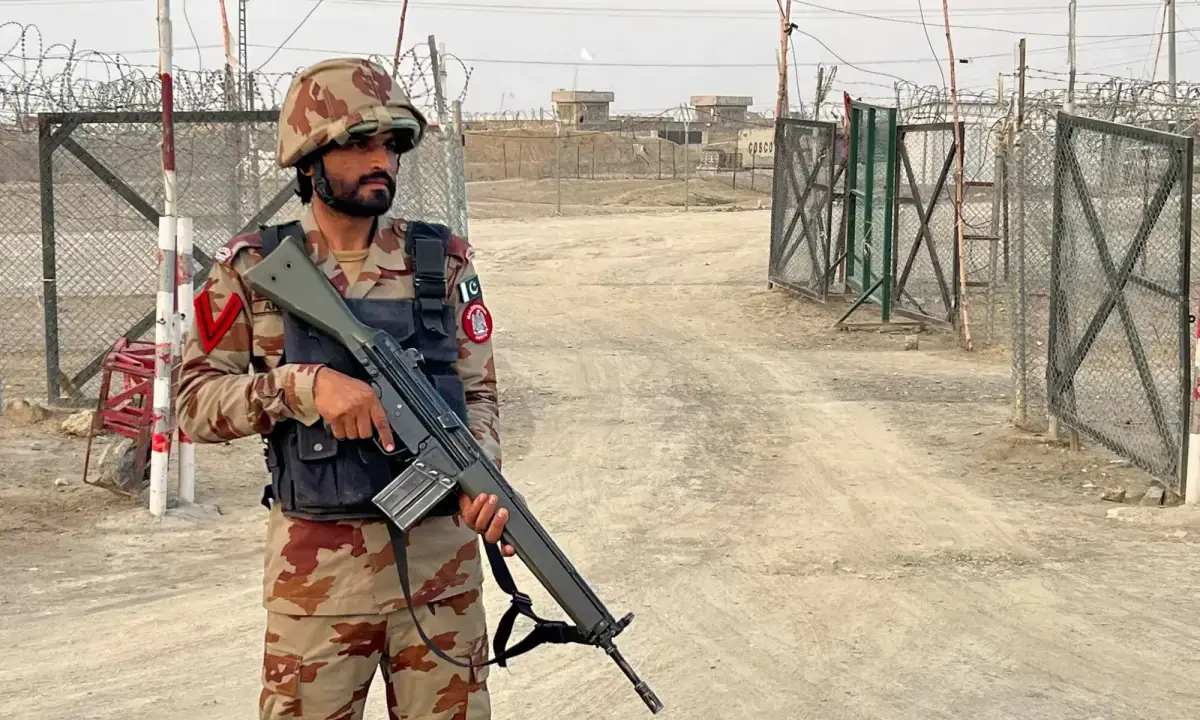
Reading view

PM Shehbaz extends fuel subsidy for motorcyclists, goods transport by one month

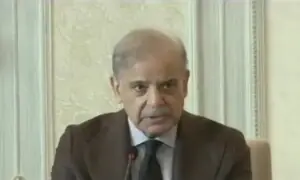
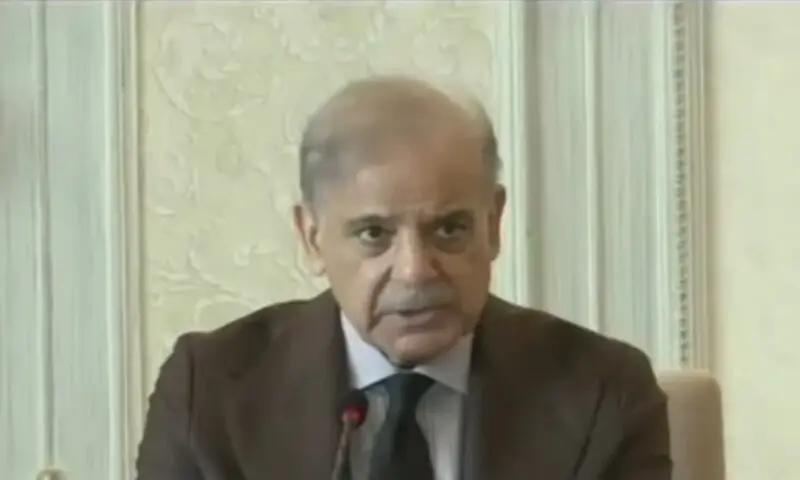
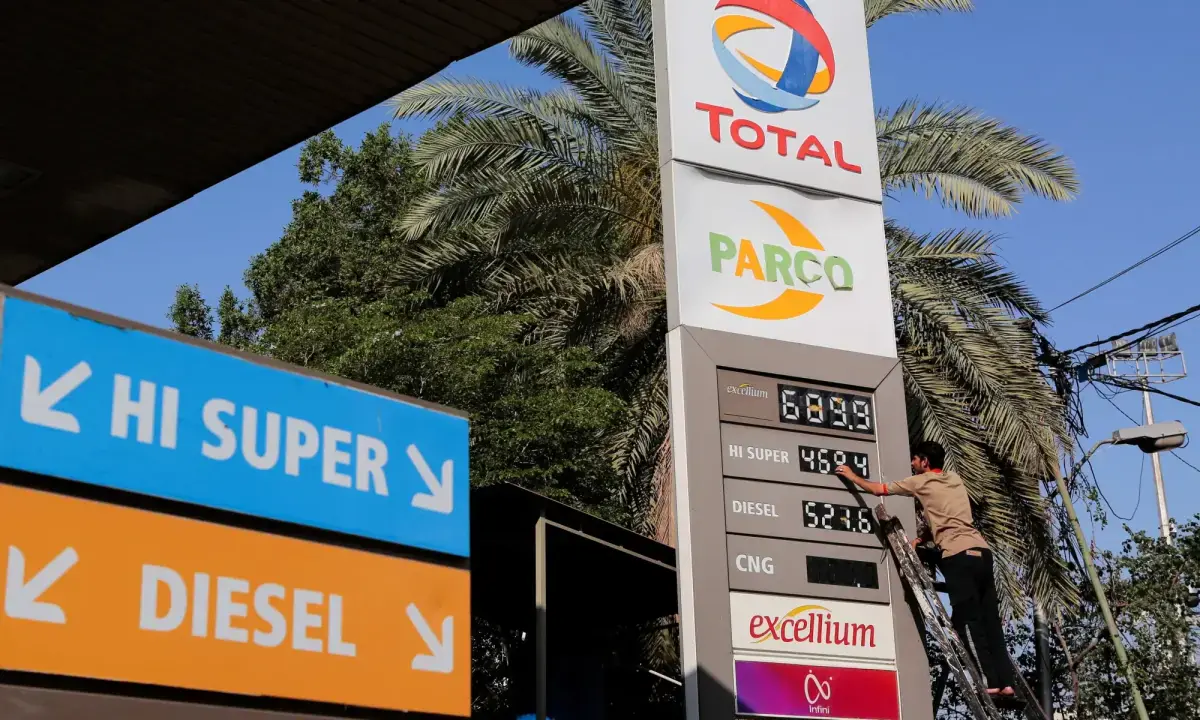
Prime Minister Shehbaz Sharif on Thursday decided to extend the fuel subsidy for motorcyclists, and public and goods transport by one month.

According to a statement issued by the Prime Minister’s Office (PMO), the premier decided to continue providing relief to the economically vulnerable sections of society during the current situation.

It said that the prime minister “had decided to extend fuel subsidy given last month to motorcyclists, public and goods transporters by one more month”.

He also directed transporters not to increase travel and freight fares. He further issued instructions to maintain “effective monitoring” of relief measures.

According to the statement, PM Shehbaz vowed to continue the government’s relief efforts, stressing that “providing relief to the common man remained the government’s top priority”.

“The people will not be left alone under any circumstances,” the premier asserted, hoping that the “regional situation will improve soon so that fuel prices can stabilise”.

The subsidies were part of the targeted relief measures announced earlier this month for bikers, farmers and transporters to cushion the impact of global oil price shocks amid the US-Israel war on Iran.

The measures included a subsidy of Rs100 per litre for two-wheeler users, capped at 20 litres per month for three months. It was also announced that trucks carrying 80-85pc of food items would receive direct support of Rs70,000 per month, large transport vehicles would be given Rs80,000 per month and inter-city public service vehicles would receive Rs100,000 per month to help keep fares stable.

The provinces have taken the lead in administering subsidised fuel quotas. Altogether, the provinces are pooling around Rs200bn for three months on the pattern of their National Finance Commission (NFC) shares — Rs100bn or so from Punjab, Rs51-Rs52bn from Sindh, Rs15bn from Khyber Pakhtu­nkhwa and about Rs8-Rs9bn from Balochistan.

A day earlier, the premier, while addressing a meeting of the federal cabinet, said consultations were underway with provinces for the extension of fuel subsidies. He also said that the country’s weekly oil bill had reached $800 million amid the oil crisis from around $300m prior to the outbreak of the conflict.

  •  

Cambridge confirms AS-level math exam leak, says working on determining next steps

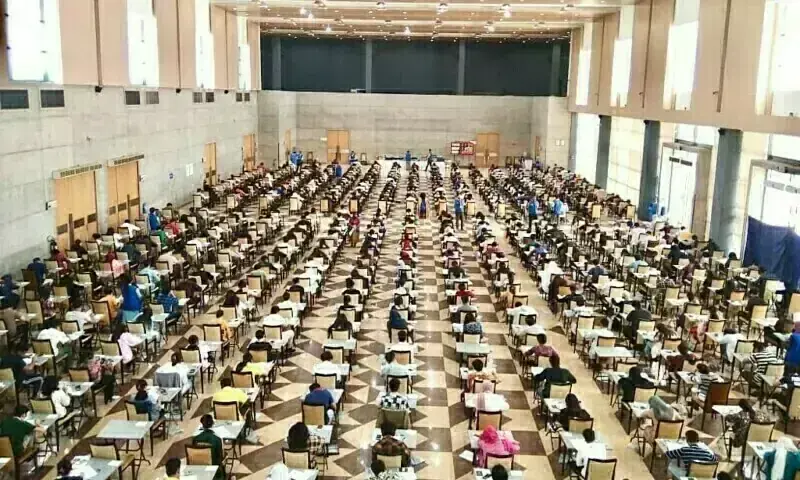
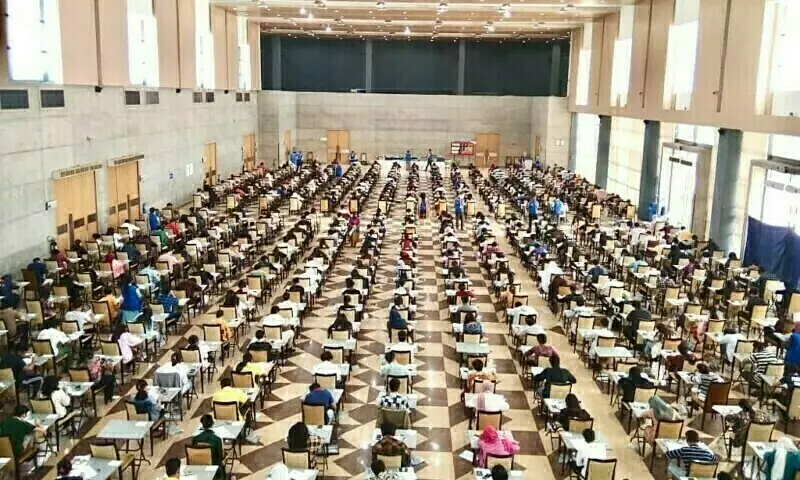
Cambridge International Education (CIE) on Thursday confirmed that its AS-level mathematics paper was “shared prematurely” against its regulations.

The development comes after the Inter-Board of Coordination Commission (IBCC) on Thursday announced it would seek a report from Cambridge as parents and students raised questions about the transparency of the exam system following reports of the leak.

In an official statement, CIE said, “We can confirm that Cambridge International AS-Level mathematics paper 12 (9709) taken in our Africa, Europe, Middle East, Pakistan and South Asia regions, was shared prematurely against our regulations.

“We investigate such incidents promptly and thoroughly and we are now working to understand the extent of the leak and determine next steps,” it added.

It affirmed its priority to ensure that the students were not disadvantaged by this incident, saying it would take all possible measures to protect the integrity of its exams.

“It is important that candidates continue to prepare for, and take, the upcoming exam,” it advised. It said that it would issue a further update on its progress on May 7.

The CIE, part of Cambridge University Press and Assessment, offers internationally recognised exams to over scores of schools in 160-plus countries. In Pakistan, O Levels (grades 9–10) cover a broad subject range, while A and AS Levels (grades 11–12) are more specialised and advanced, providing pathways to higher education in Pakistan and abroad.

In a statement yesterday, the CIE stated that it was “aware of news about a reported paper leak of a question paper” after social media was abuzz with complaints from disgruntled parents and students. Users pointed out the high examination fees and the fact that Cambridge question papers had leaked in the previous years as well.

In June last year, question papers of three AS and A-Level examinations were partially leaked across Pakistan. The CIE had then offered free November 2025 resits for candidates who set for the three exams in question.

  •  

Bears continue to dominate PSX as KSE-100 loses 2,800 points

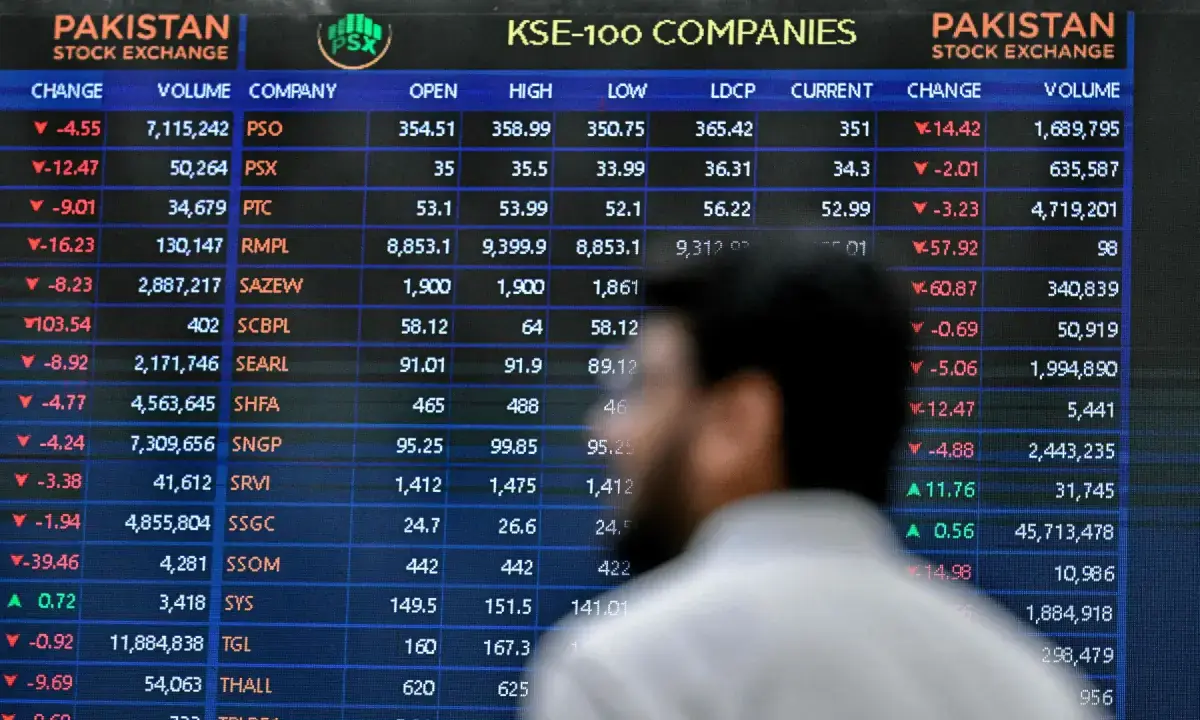
Bears dominated the trading floor at the Pakistan Stock Exchange (PSX) for a fourth consecutive day on Thursday as the KSE-100 plunged by over 2,800 points.

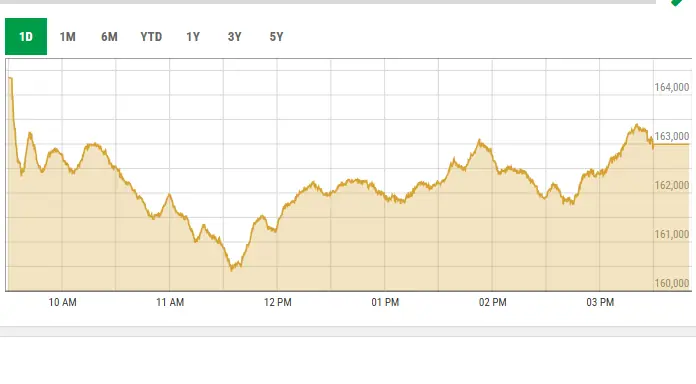
KSE-100 declined by 2,829.70 points or 1.71 per cent to close at 162,994.17 points from the previous close of 165,823.87 points.

The market dropped to an intraday low of 160,391.18 points at 11:34am, before regaining some ground to reach above the 162,000-point level after 1pm.

Rising global oil prices amid geopolitical tensions have kept investors cautious, according to analysts.

Oil prices soared more than 7pc to a fresh four-year high today, while global stocks fell after Donald Trump warned the US blockade of Iranian ports could last months and a report said he would be briefed on potential fresh military strikes.

Brent for June delivery surged 7.1pc to $126.41 per barrel in Asian trade, while West Texas Intermediate climbed 3.4pc to $110.31. Both later pared the gains.

Today’s bearish momentum also came after reports emerged that UAE-based telecom giant Etisalat was said to be in the process of reviewing its exposure to Pakistan’s telecom sector as part of a broader portfolio optimisation exercise.

PSX remained under selling pressure for a third consecutive session on Wednesday, as investors stayed wary of the economic outlook and corporate earnings disappointed expectations.

Trade and industry leaders have flagged concerns over the high cost of doing business, citing expensive bank borrowing following the interest rate hike, alongside elevated electricity and gas tariffs, which have weighed on economic activity.


Additional input from AFP

  •  

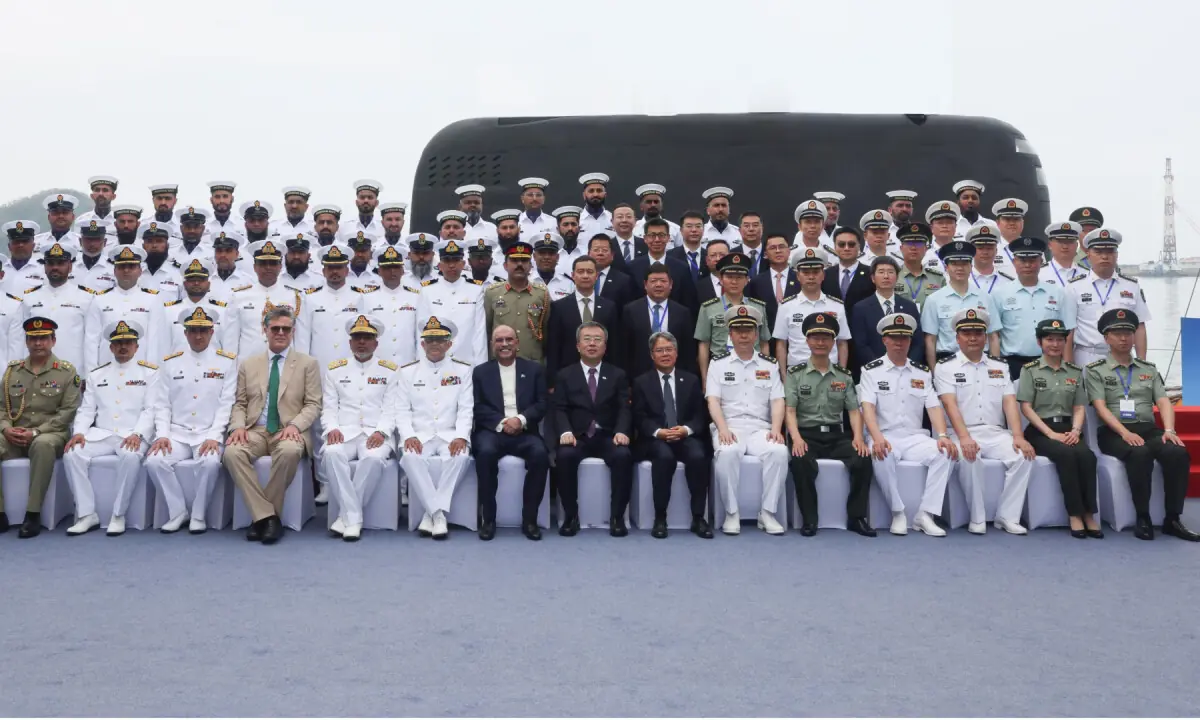
Commissioning ceremony of Pakistan Navy’s first Hangor-class attack submarine held in China

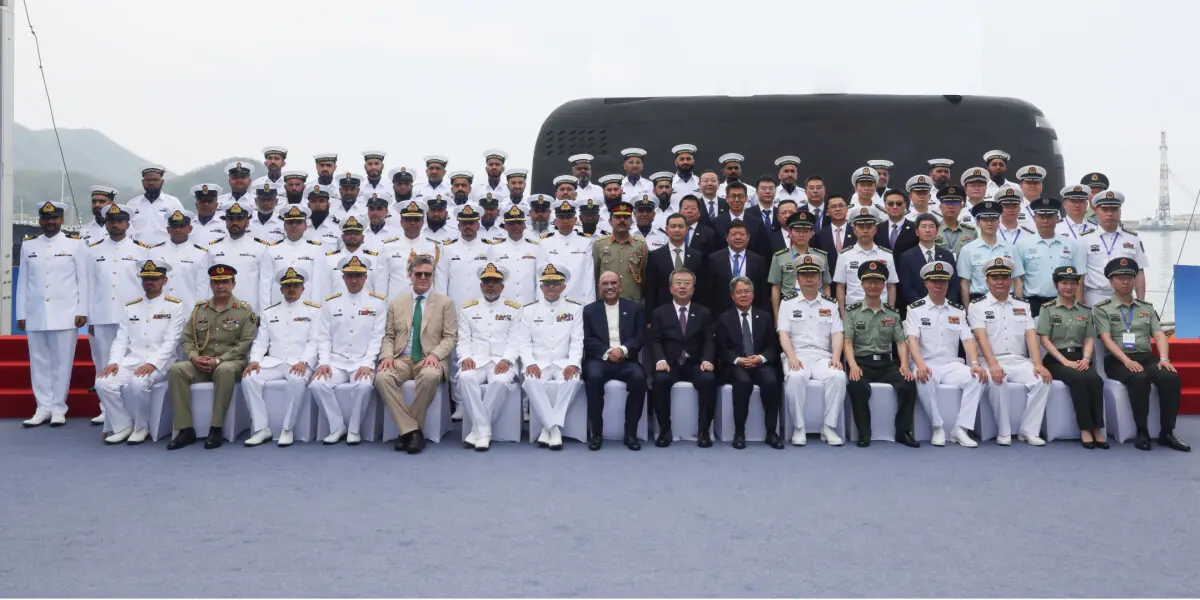
The commissioning ceremony of the first Hangor-class attack submarine, PNS Hangor, was held in China’s Sanya city, with President Asif Ali Zardari and the naval chief attending the event.

President Zardari, who is on a visit to China, participated as the chief guest, while Chief of the Naval Staff Admiral Naveed Ashraf was also present, according to a press release by the Pakistan Navy.

President Zardari described the commissioning of Hangor as a historic milestone in the navy’s modernisation, affirming Pakistan’s resolve to maintain a “robust, balanced and credible defence posture”.

He affirmed that Pakistan was fully capable of defending its sovereignty, protecting its maritime interests and ensuring the security of its economic lifelines.

“The advanced submarine strengthens Pakistan’s maritime defence, protects economic lifelines and reflects strategic partnership with China,” a statement by the Presidency said.

The submarine class, named after the PNS Hangor, is a diesel-electric attack submarine with air-independent propulsion (AIP) technology, which allows it to travel over greater distances before resurfacing.

Meanwhile, Admiral Ashraf highlighted that disruptions at critical maritime choke points increasingly threaten global trade and energy security.

He noted that maintaining a “stable, rule-based maritime order demands technologically advanced naval forces”.

The naval chief observed that Hangor-class submarines — armed with state-of-the-art weapons, advanced sensors and AIP technology — “will be key in preserving maritime order and stability in the region”.

“These submarines will play a pivotal role in deterring aggression and ensuring security of vital Sea Lines of Communication (SLOCs) across the Arabian Sea and the wider Indian Ocean region,” he was quoted as saying.

Admiral Ashraf said the name Hangor holds a significant place in Pakistan’s history, referring to the 1971 Pakistan-India war, when then-PNS Hangor became the first submarine to sink a warship after World War II, sinking the Indian frigate INS Khukri.

After being decommissioned, the Hangor is now on display at the Pakistan Maritime Museum in Karachi.

“PNS/M HANGOR will carry this illustrious legacy forward, as this is an important milestone for Pakistan Navy that will bolster our maritime defence and modernise our fleet with cutting-edge technology,” the naval chief stated.

In its press release, the navy highlighted that the commissioning of the first Hangor-class submarine marked “another chapter in the time-tested and enriching friendship between Pakistan and China”.

The ceremony was also attended by senior officials from both countries’ navies.

Prime Minister Shehbaz Sharif and Chief of Defence Forces (CDF) and Chief of the Army Staff (COAS) Field Marshal Asim Munir congratulated the entire nation and the navy on “achieving this historic milestone”, the statement said.

According to Admiral Ashraf, the Pakistan Navy is set to induct a total of eight Hangor-Class submarines.

The navy launched the first of the new submarines in April 2024, while the second, third and fourth were launched on March 15, August 15 and December 17 in 2025, respectively.

  •  

Amid furore on social media, Cambridge says 'aware' of reports about question paper leak

The Cambridge International Education (CIE) said on Wednesday it was “aware of news about a reported paper leak of a question paper”, as several users on social media expressed ire.

“We investigate such reports thoroughly and will provide more information to centres, if required, during or after the end of timetabled exams for the June 2026 series,” the CIE said in its official statement.

The CIE, part of Cambridge University Press and Assessment, offers internationally recognised exams to over scores of schools in 160-plus countries. In Pakistan, O Levels (grades 9–10) cover a broad subject range, while A and AS Levels (grades 11–12) are more specialised and advanced, providing pathways to higher education in Pakistan and abroad.

According to reports, the leaked paper was of AS mathematics.

As reports circulated on social media, irked users pointed out the high examination fees and that Cambridge question papers had leaked in the previous years as well.

In June last year, question papers of three AS and A Level examinations were partially leaked across Pakistan in 2025.

“We have written to our schools in Pakistan to tell them that, against our regulations, some content from three question papers was available before the timetabled exam dates in Pakistan,” the CIE said in a statement at the time.

The leaked papers were AS/A Level Mathematics Paper 12, AS/A Level Mathematics Paper 42 and AS/A Level Computer Science Paper 22.

The CIE had offered free November 2025 resits for candidates who took the three impacted June 2025 exam papers.

In 2024, the CIE had launched an inquiry following an uproar over reports of online leak of the A-Level mathematics paper.

The probe had confirmed that the paper was indeed leaked. “We have reviewed evidence from multiple sources and concluded that this specific paper was seen by a significant number of students in Pakistan before the start of the exam,” a CIE letter had stated, adding that the CIE would give “assessed marks” to students in this particular paper.

CIE exams are typically held twice a year, in June and November, with results released in August and January, respectively. This year, June series papers are being held from April 23-June 9.

  •  

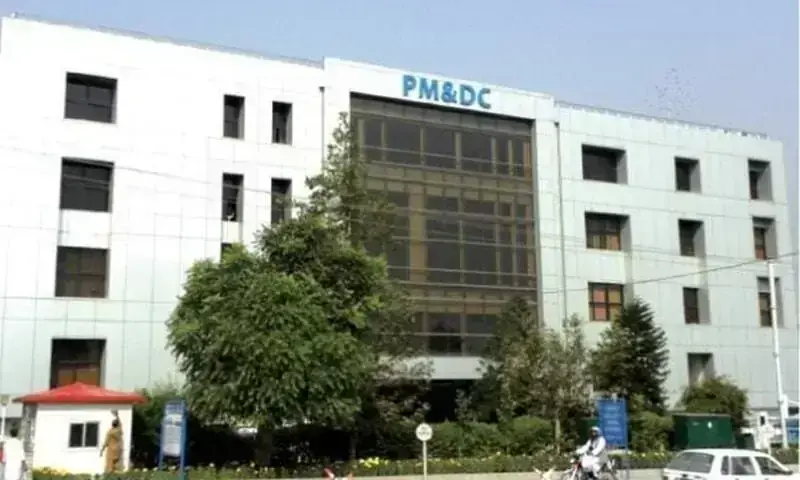
PMDC directs institutions to implement mental health screening protocols amid uptick in suicide cases

ISLAMABAD: The Pakistan Medical and Dental Council (PMDC) on Wednesday directed all medical and dental institutions to implement “structured mental health screening protocols” in response to “growing concerns over the increasing incidents of suicide and severe psychological distress among students”.

In a statement, the council issued directives to all medical and dental institutions, emphasising the “critical importance of promoting and safeguarding the mental health of students and faculty”.

It also highlighted the need for proactive measures to identify and address mental health concerns, recognising that academic environments in medical and dental colleges were intellectually rigorous and often psychologically demanding.

“Keeping in view all institutions have been directed to implement structured mental health screening protocols,” the statement said, adding that regular mental health screening, along with easy-to-access and well-organised counselling services, will help improve academic performance, support career growth, and greatly improve the overall well-being of future healthcare professionals.

According to the handout, these screenings are to be conducted at “two key stages”.

First, at the time of student admissions, to identify any pre-existing concerns and provide early support. Further, on an annual basis, for undergraduate and postgraduate students, as well as faculty, the statement said.

It advised the institutions to “utilise standardised and validated assessment tools”.

The PMDC also directed institutions to promptly refer any student or faculty member who was identified through the screenings as requiring further evaluation or support to the Department of Psychiatry for comprehensive assessment, appropriate management and ongoing follow-up.

“Furthermore, in accordance with PMDC standards, all institutions have to establish and maintain a fully functional Department of Psychiatry, along with a dedicated counselling section, to ensure accessible and continuous mental health support services,” the statement said.

It further said that the department must be adequately staffed and appropriately equipped to deliver confidential psychological support, professional guidance, and timely intervention services, noting that “the responsibility for the prevention and management of psychological distress among students and faculty rests with the institutions”.

The council maintained that the “implementation of systematic mental health screening, coupled with accessible and well-structured counselling services, is expected to enhance academic performance, support professional development, and significantly improve the overall well-being of future healthcare professionals”.

“All institutions are hereby directed to ensure strict compliance with these requirements and undertake prompt and effective measures for their implementation. This matter must be treated as a priority and executed without delay,” the statement concluded.

In January, a student at a private university in Lahore had attempted suicide by jumping from the second floor. A month prior to the incident, a male student at the same university had also ended his life by jumping from the varsity’s fourth floor.

In February, a female student died after jumping from the fourth floor of a hostel at Fatima Jinnah Medical University in Lahore.

Earlier this month, a medical student at the Muhammad Medical College in Mirpurkhas had also taken her life.

  •  

Pakistan's weekly oil bill reached $800m amid Middle East war: PM Shehbaz

Prime Minister Shehbaz Sharif on Wednesday said that the country’s weekly oil bill has reached $800 million due to the ongoing oil crisis arising from the Middle East conflict.

Global fuel prices have skyrocketed over the past two months as shipping through the Strait of Hormuz remains paralysed since the US and Israel launched joint strikes on Iran on February 28.

Addressing a meeting of the federal cabinet today, PM Shehbaz commended the efforts of Petroleum Minister Ali Pervaiz Malik for tackling the fuel crisis resulting from the Iran war, stating that the situation now appeared “satisfactory”.

On that note, the prime minister remarked that fuel prices in the global markets had risen sharply, noting that “our weekly pre-war oil bill was around $300m, and today it is up to $800m”.

He further shared that the country’s fuel consumption “had lessened compared to previous weeks”, stressing that the situation was being monitored regularly.

“Consultations are also being held with provinces to extend fuel subsidies,” the premier told the cabinet.

PM Shehbaz further stated that Pakistan was doing well on the macroeconomic front before the war broke out. However, “with the war, our efforts of two years have witnessed a setback”.

Nevertheless, the premier highlighted that Pakistan’s federal reserves “retain their levels” despite paying back debts, which included a $3.45 billion deposit to the United Arab Emirates (UAE).

He also expressed gratitude to the leadership of Saudi Arabia, which transferred a $3bn deposit recently and also agreed to extend its existing $5bn facility for a further three years.

In his address, the prime minister also apprised the cabinet of Pakistan’s diplomatic outreach in the US-Iran war and recalled the first round of Islamabad Talks held on April 11-12.

“Many diplomatic efforts were made,” he recalled, lauding Chief of Defence Forces and Chief of the Army Staff Field Marshal Asim Munir and Deputy Prime Minister and Foreign Minister Ishaq Dar for trying “their best to restore peace in the region”.

“Following this, a ceasefire extension was announced,” the premier said, recalling the April 21 announcement by US President Donald Trump.

The prime minister also mentioned Iranian Foreign Minister Abbas Araghchi’s recent trips to Pakistan. He recalled that before returning to Iran, Araghchi had assured him: “I would give you an answer after holding consultations with the Iranian leadership.”

The Iranian top diplomat made two brief visits to Pakistan within two days, meeting with CDF Munir and PM Shehbaz to discuss the regional situation.

The premier also appreciated Interior Minister Mohsin Naqvi for his participation in the meetings.

  •  

Mayor Murtaza Wahab believes it's 'improper' to compare Karachi and Lahore's governance

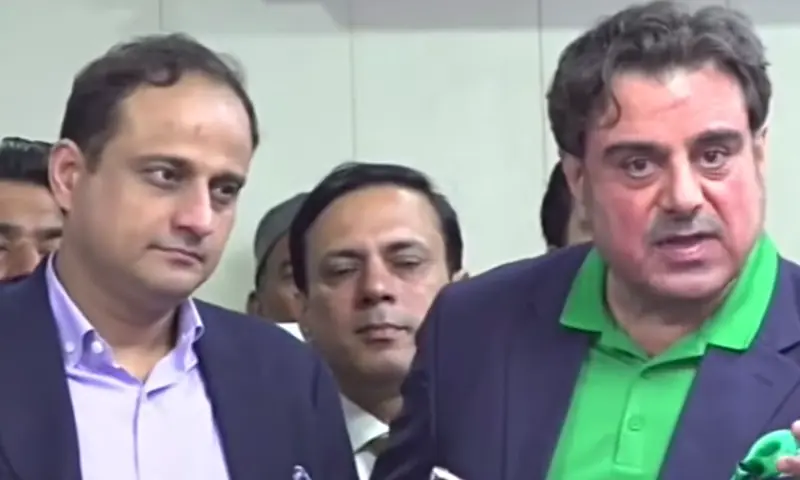
Karachi Mayor Murtaza Wahab on Wednesday expressed objection to comparisons between Karachi and Lahore in terms of infrastructure and governance, noting that both provincial capitals had different ground realities.

Speaking alongside Punjab Housing Minister Bilal Yasin in Lahore, Wahab said, “When you compare Karachi to Lahore, this comparison is improper because of the population. We get water from a distance of 125 kilometres. Our daily water requirement is 1,100 million gallons per day (MGD), while our daily supply is 550 MGD, and the population continues to grow”.

“Therefore, I think that comparing them leads to conflict,” he added, calling for both administrations to “work together” and share expertise.

At one point, a reporter asked Wahab why the PPP “could not deliver what the public wanted” despite ruling Sindh for years, prompting Yasin to ask media persons to be “mindful of respecting the guests”.

Responding to another question, Wahab said making such comparisons “leads to an unfortunate situation”, highlighting that the government was aiming to complete under-construction bridges within 90 days.

Referring to Karachi as Pakistan’s “commercial capital”, Wahab noted there was a need for everyone to work together.

“By portraying a Karachi-Lahore divide as political conflict, we are not serving Pakistan,” he asserted.

The mayor said his visit to the Water and Sanitation Agency (Wasa) aimed to learn how the city administration can cut costs and thanked the agency for sharing its expertise.

“No local council or municipal government can work without resources,” said the Karachi mayor.

Wahab highlighted that the Karachi Water and Sewerage Corporation (KWSC) had increased its revenue to around Rs2.5 billion per month, while Wasa had also bolstered its revenue to around Rs1.7-1.8bn per month.

“This collaboration will continue in this manner,” he said, adding that the Punjab government would continue to work under the PML-N’s vision while his city council would act upon the vision of PPP Chairman Bilawal Bhutto-Zardari.

Mayor Wahab emphasised that “no institution could survive without its revenue”, noting that while it was every institution’s right to collect revenue, it was also bound to utilise it for serving the public.

“We have not increased our tariff, but still managed to increase our revenue up to three times in the past three years,” he said, affirming that it was the PPP leadership’s responsibility to utilise the earnings transparently.

Last month, Wahab said Karachi’s infrastructure would see significant improvement by the end of 2026, as more than 1,000 development schemes, including road construction, new underpasses and bridges, drainage upgrades and improvements to the water supply system, would be completed.

  •  

Armed forces destroy Afghan Taliban posts, vehicles in Chaman sector: security sources

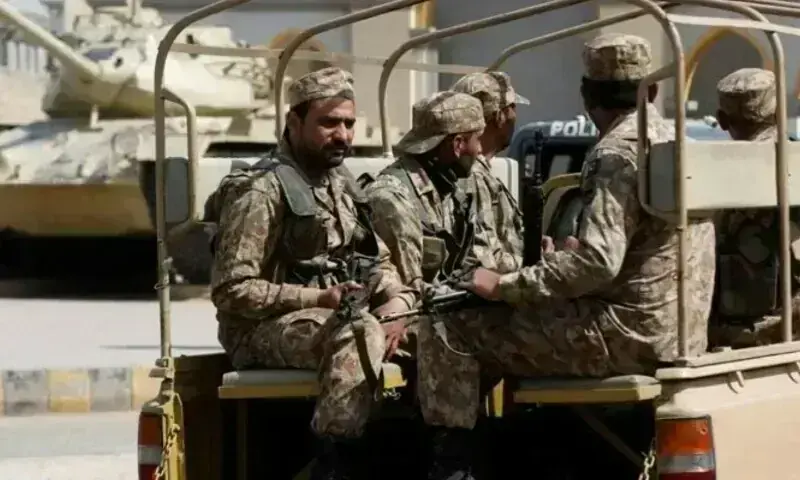
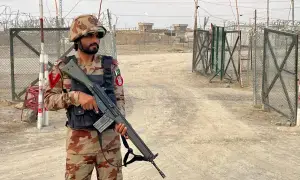
Forces have destroyed several Afghan Taliban posts and vehicles in Balochistan’s Chaman sector, security sources said on Wednesday.

The operations, part of the ongoing ‘Operation Ghazab lil-Haq’, were a response to the “unprovoked aggression” by Afghan Taliban forces and terrorists on the Pak-Afghan border, according to the sources.

Security sources said that the army destroyed several Afghan Taliban posts and vehicles in Chaman “with precision”.

“The Pakistan Army’s effective operations have forced the Afghan Taliban and the Fitna al Khawarij to retreat”.

Fitna al Khawarij is a term the state uses for terrorists belonging to the banned Tehreek-i-Taliban Pakistan (TTP).

“Security forces’ unwavering resolve to defend the homeland is ensuring the country’s territorial integrity,” sources added.

The sources also stated that the operations will continue until “all set targets are achieved”.

Security forces also destroyed multiple Afghan Taliban posts in the Chaman sector on Tuesday, according to security sources.

On Sunday, the forces destroyed the gun positions of Afghan Taliban involved in unprovoked firing at civilians in South Waziristan. Security sources said that the posts were destroyed after the Afghan Taliban fired at civilians and left three people, including two women, injured.

Due to a resurgence of militancy, especially in KP and Balochistan, where attacks often target security personnel and LEAs, the state has intensified counter-terrorism operations.

Islamabad has repeatedly urged the Afghan Taliban to dismantle terrorist sanctuaries on its soil, particularly those linked to the banned TTP. Officials say those appeals have gone unheeded.

Pakistan, meanwhile, is carrying out Operation Ghazab lil-Haq against the Afghan Taliban and terrorists operating from its soil. It was lau­nched on the night of Feb 26, following unprovoked cross-border attacks by the Afghan Taliban.

After a temporary pause on March 18 at the request of “brotherly Islamic countries,” Pakistan had announced the operation’s resumption on March 26, saying it would continue “until its objectives are achieved”.

  •  

FO says Cambodia has agreed on early repatriation of 54 Pakistanis arrested following scam centre raid

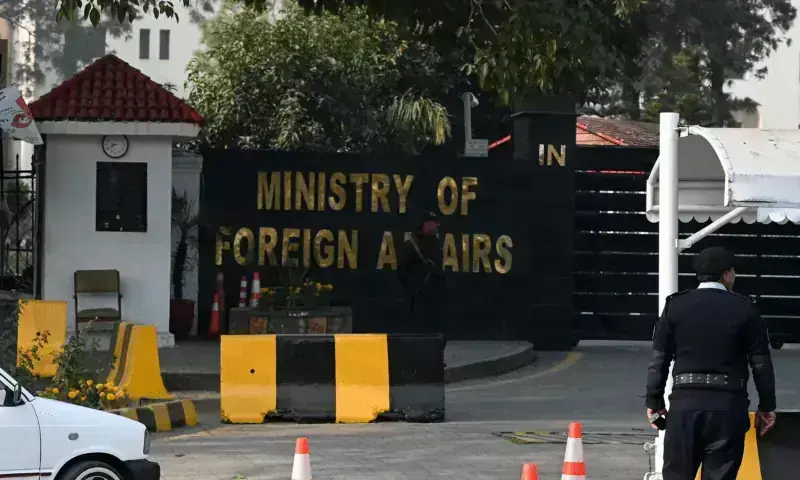
The Foreign Office (FO) said on Tuesday that Cambodian authorities had agreed on the early repatriation of 54 Pakistanis arrested following a raid on a “scamming compound”.

The statement came after reports emerged that more than 200 Pakistanis were in the custody of Cambodian police in overcrowded facilities and facing a lack of basic facilities.

In the statement issued on Tuesday, the FO said that the embassy in Cambodia had actively pursued the matter with the Cambodian government.

It said that this was in line with the instructions of Deputy Prime Minister and Foreign Minister Ishaq Dar to “take all possible actions aimed at facilitating the Pakistani community abroad”.

“As a result of the embassy’s efforts, the host authorities have agreed to the early repatriation of 54 Pakistani nationals detained in Siem Reap province. These individuals were arrested following a raid on a scamming compound,” it said.

The FO added that embassy staff were taking steps to ensure the welfare of the detained Pakistanis.

“These detainees will leave Cambodia as soon as flight arrangements are finalised,” it added.

The statement further said that “as a goodwill gesture” from the Cambodian authorities, the detainees would be repatriated without any legal proceedings against them.

A multibillion-dollar scam industry has ballooned in Cambodia in recent years, with thousands involved, some willingly and others forced by the organised criminal groups, experts say.

Last year, the United Nations said in a report that Asian crime syndicates behind the multibillion-dollar cyberscam industry were expanding globally, including to South America and Africa.

Syndicates have adapted, shifting operations between the most remote, vulnerable, and underprepared parts of Southeast Asia, especially in Laos, Myanmar, and Cambodia, and beyond, exploiting jurisdictions with weak governance and high rates of corruption, the United Nations Office on Drugs and Crime said.


Additional input from AFP and Reuters

  •  

Pakistan successfully conducts training launch of Fateh-II missile system: ISPR

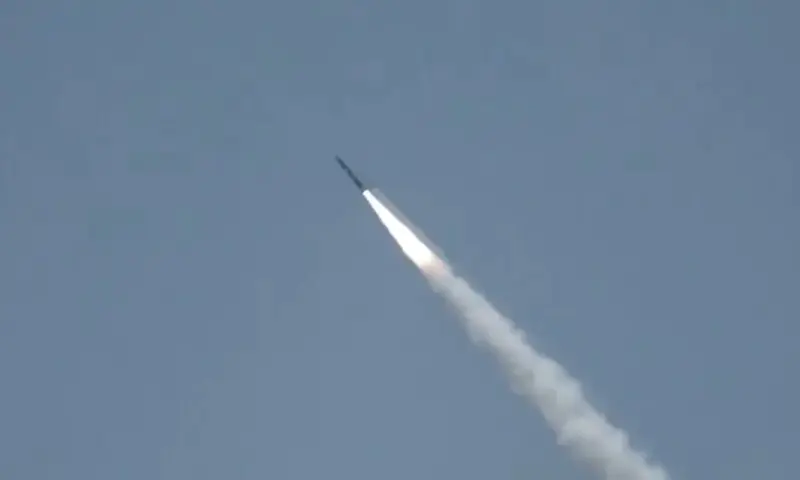
The Army Rocket Force Command conducted the successful training launch of the indigenously developed Fateh-II missile system, the military’s media wing said on Tuesday.

In a statement, Inter-Services Public Relations (ISPR) said that the missile system was “equipped with advanced avionics and state-of-the-art navigation aids”.

It said that the training launch was aimed at training troops, validating various technical parameters and evaluating the performance of different sub-systems incorporated for “improved accuracy and enhanced survivability”.

ISPR added that the launch was witnessed by senior officers from the Strategic Plans Division (SPD), Army Rocket Force Command, and the Pakistan Army, as well as scientists and engineers from “strategic organisations”.

“The forum commended [the] successful training fire of [the] indigenously developed missile of Fateh series,” the statement added.

According to ISPR, President Asif Ali Zardari, Prime Minister Shehbaz Sharif, and Chief of Defence Forces and Chief of Army Staff Field Marshal Asim Munir, as well as services chiefs, lauded the “technical prowess, dedication and commitment” of the team.

In September 2025, the Pakistan Army successfully conducted the training launch of the cruise missile Fatah-4 at a range of 750 kilometres. In May last year, the army test-launched a surface-to-surface missile with a range of 120km under the Fatah series amid heightened tensions with India.

The same month, Pakistan also successfully tested the Abdali weapon system, a surface-to-surface ballistic missile with a reported range of 450km.

Over the past month, the Pakistan Navy has also conducted successful missile tests, including the indigenously developed ‘Taimoor’ air-launched cruise missile and an anti-ship ballistic missile.

  •  

Forces destroy several Afghan Taliban posts in Chaman sector: security sources

Security forces destroyed multiple Afghan Taliban posts in Balochistan’s Chaman sector on Tuesday, said security sources.

The sources said that the operation was carried out in response to “unprovoked aggression” by Afghan Taliban forces and terrorists on the border, under the ongoing Operation Ghazab lil-Haq.

Security sources said the Pakistan Army effectively targeted and destroyed several Afghan Taliban posts in Chaman. The Sarshan, Al-Marjan and Edhi posts, as well as vehicles and other installations, were successfully hit, they added.

They further added that security forces’ determination to defend the homeland was unwavering and that the “intentions of terrorists and their patrons will be crushed”.

@dawn.today

Security forces destroyed multiple Afghan Taliban posts in Balochistan’s Chaman sector on Tuesday, said security sources. The sources said that the operation was carried out in response to “unprovoked aggression” by Afghan Taliban forces and terrorists on the border, under the ongoing Operation Ghazab lil-Haq. Security sources said the Pakistan Army effectively targeted and destroyed several Afghan Taliban posts in Chaman. The Sarshan, Al-Marjan and Edhi posts, as well as vehicles and other installations, were successfully hit, they added. DawnToday

♬ original sound - Dawn.com - Dawn.com

The operation “will continue until all the set targets are achieved”, the sources elaborated.

Islamabad has repeatedly urged the Afghan Taliban to dismantle terrorist sanctuaries on its soil, particularly those linked to the banned TTP. Officials say those appeals have gone unheeded.

Pakistan, meanwhile, is carrying out Operation Ghazab lil-Haq against the Afghan Taliban and terrorists operating from its soil. It was lau­nched on the night of Feb 26, following unprovoked cross-border attacks by the Afghan Taliban.

After a temporary pause on March 18 at the request of “brotherly Islamic countries,” Pakistan had announced the operation’s resumption on March 26, saying it would continue “until its objectives are achieved”.

On Sunday, security forces destroyed the gun positions of Afghan Taliban involved in unprovoked firing at civilians in South Waziristan.

Security sources said that the posts were destroyed after the Afghan Taliban fired at civilians and left three people, including two women, injured.

Earlier this month, Information Minister Attaullah Tarar said security forces had foiled an attempt by the Afghan Taliban and terrorists to attack a border post in Khyber Pakhtunkhwa’s Ghulam Khan Sector, in which 37 of the attackers were killed and more than 80 were injured.

  •  
❌