Login
Login
Satyam Verma arrest: Due process missing in action
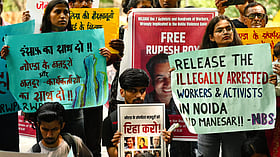
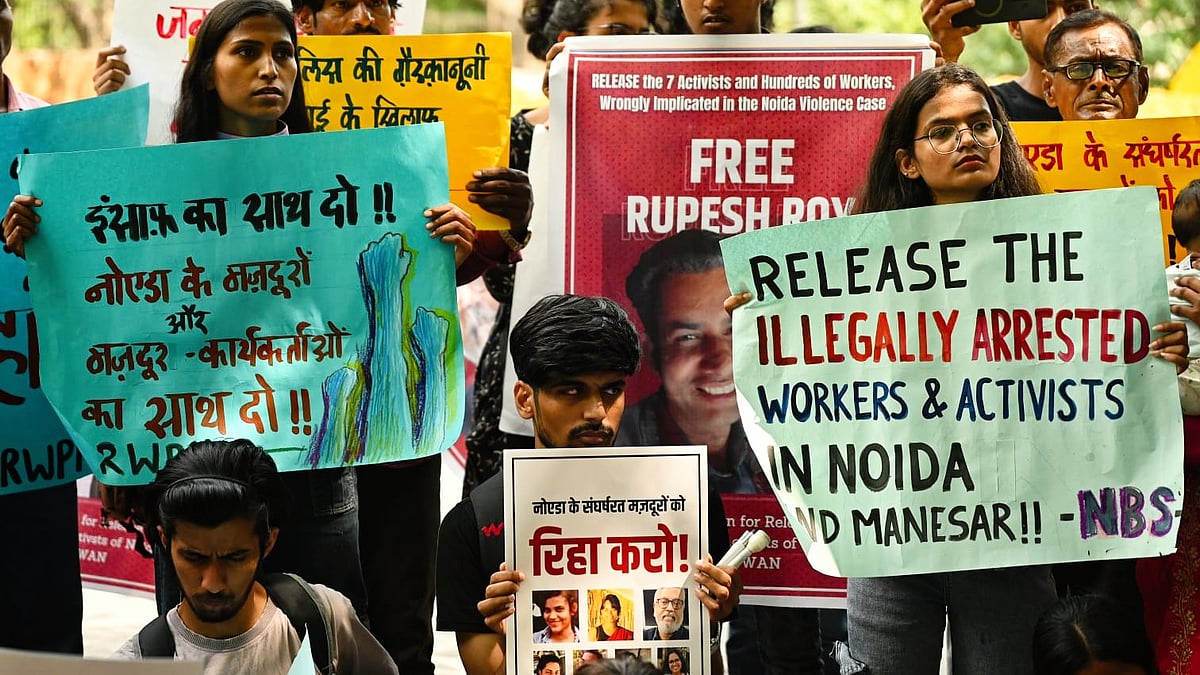
Following a workers’ protest in Noida, serious questions are being raised over police action against social activists, writers and students. Allegations include the police failing to share information, not providing copies of FIRs, and forcing arrested individuals to approach courts even to obtain basic documents.
Keshav Anand, brother of social activist and software engineer Aditya Anand, says a copy of the FIR was received only after two weeks through court intervention. Aditya is among seven people whose release is being demanded by political and social activists. Others include pro-people writer Satyam Verma, labour activist and auto driver Rupesh Roy, factory worker and activist Manisha, student Himanshu Thakur, pro-people artist and former Santiniketan student Srishti, and theatre artist and Delhi University alumna Aakriti.
Satyam Verma’s case, in particular, raises questions about the functioning of the police. Verma is an editor with the Uni Varta news agency and a writer who has translated and edited more than two dozen world classics. He has also edited the complete documents of Bhagat Singh and his associates.
On 17 April, Uttar Pradesh Police arrested Verma and described him as the “mastermind” in the Noida workers’ protest violence case. Verma occasionally wrote for the newspaper Mazdoor Bigul (which has around 41,000 followers on Facebook), a Lucknow-based monthly publication funded by public contributions and focused on labour issues.
A related Facebook page, Bigul Mazdoor Dasta (no longer visible in Facebook searches), actively covered workers’ protests across the country, sharing reels and social media posts related to labour demonstrations. Following the Noida protest, Bigul Mazdoor Dasta has been accused of inciting workers.
The Satyam Verma Release Forum alleges that the writer-journalist based in Lucknow, who kept a distance from both the protest and the protesters, has been falsely implicated because of his consistent writing on public issues and his vocal criticism of government policies. Verma has also been associated with the Janchetna Pustak Pratishthan and the Arvind Memorial Trust.
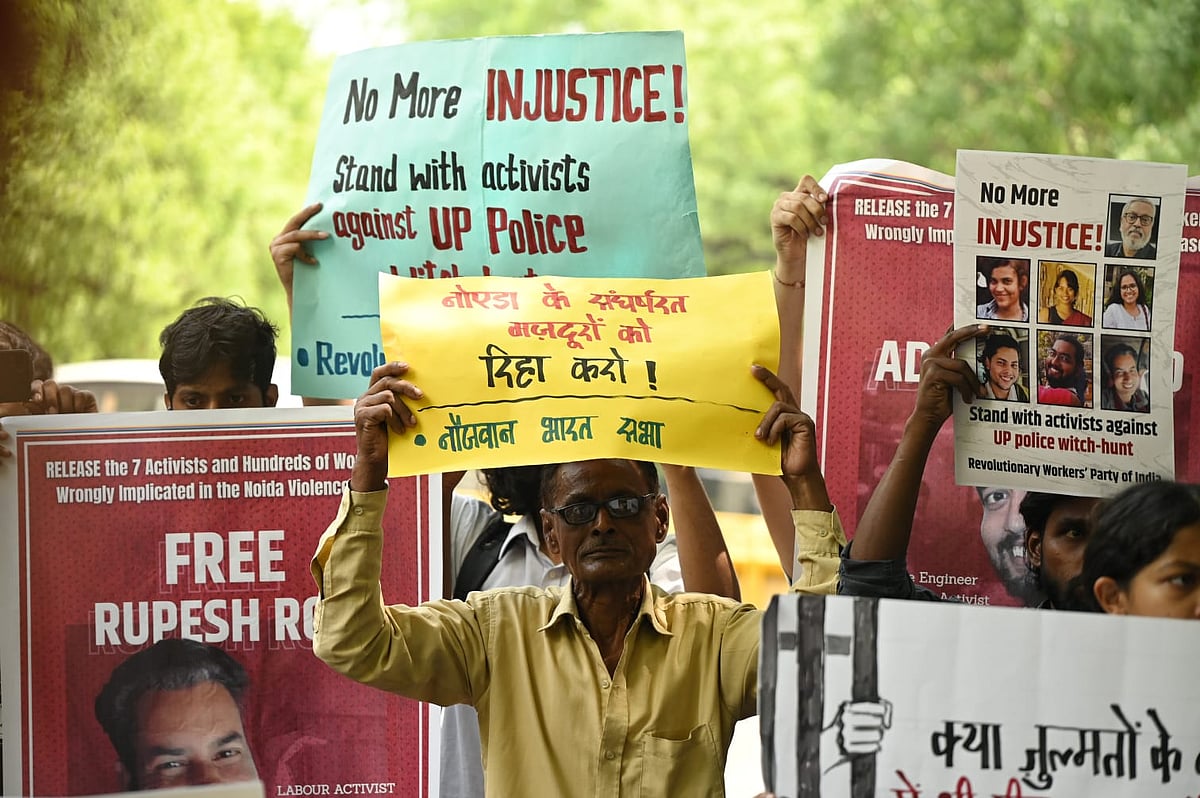
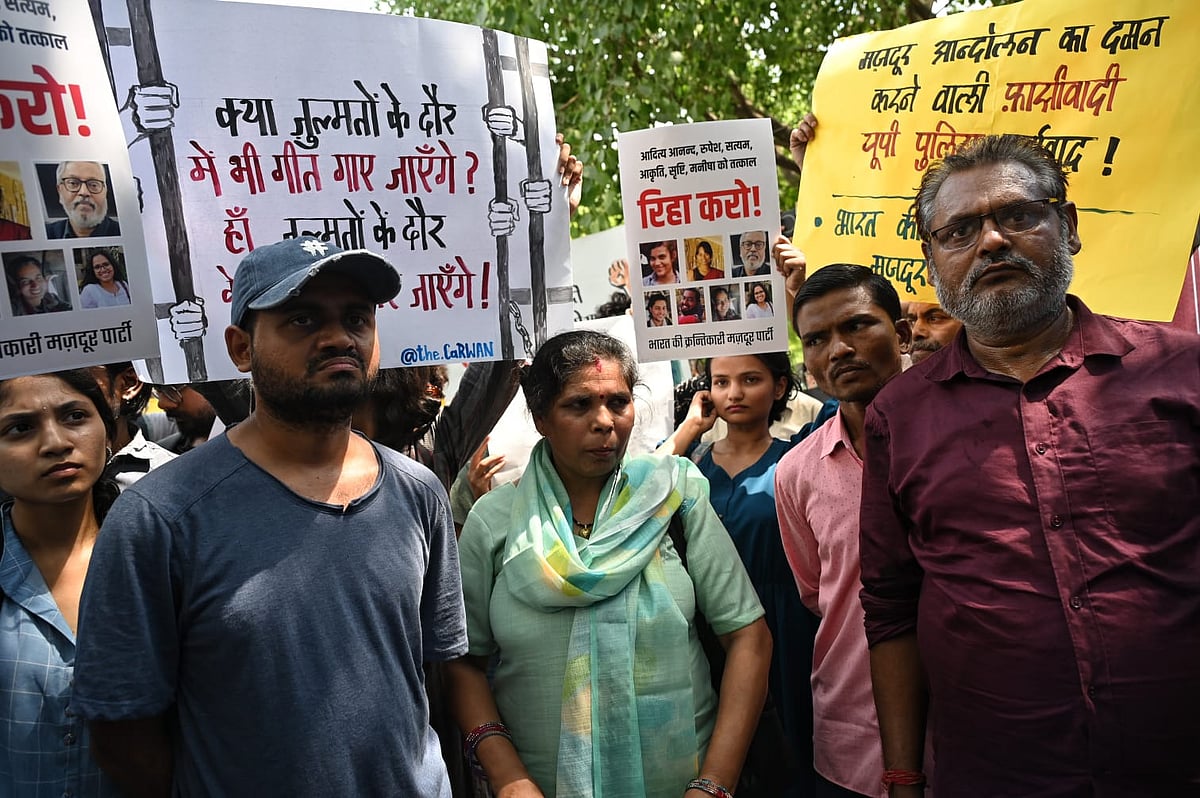
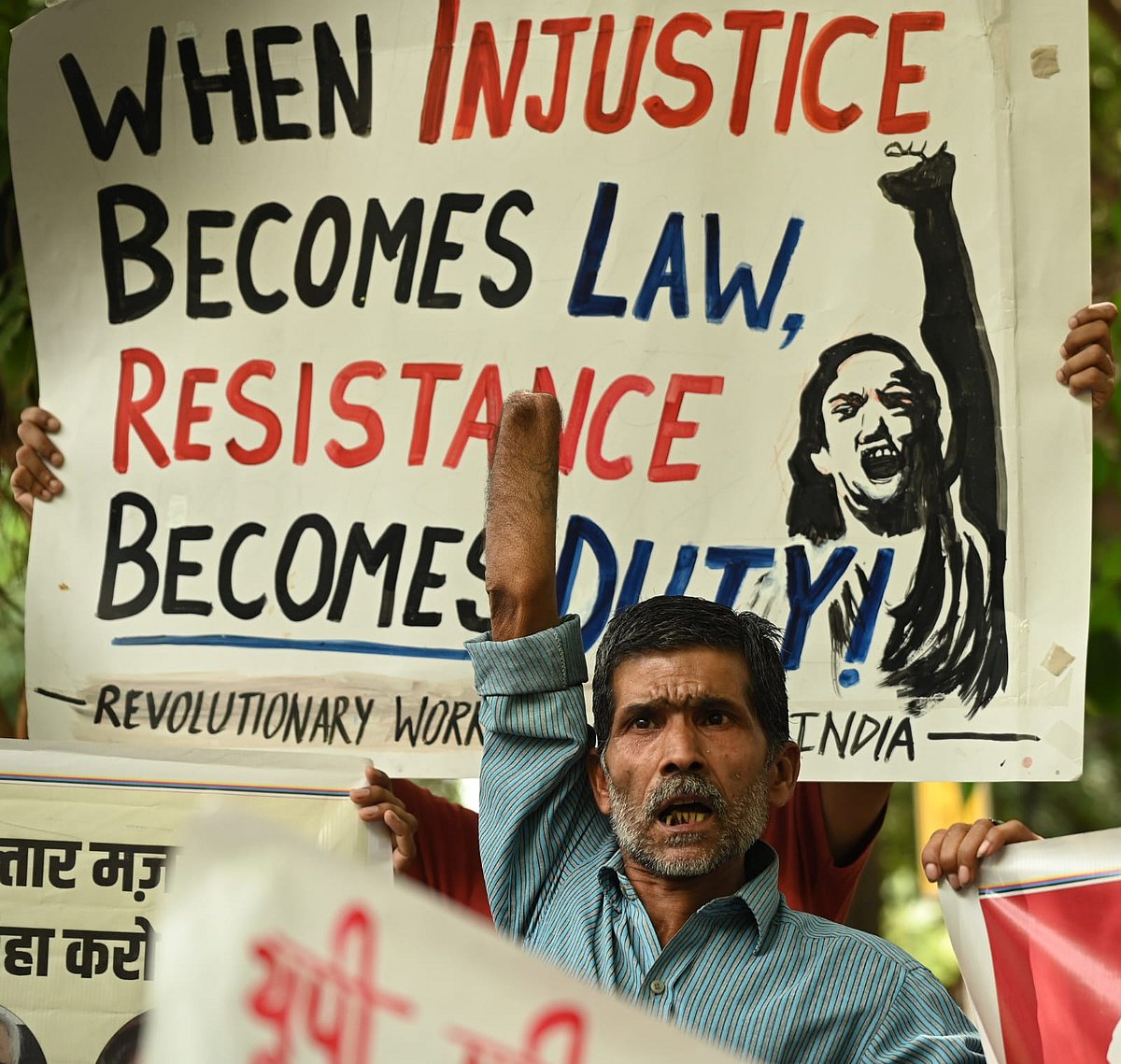
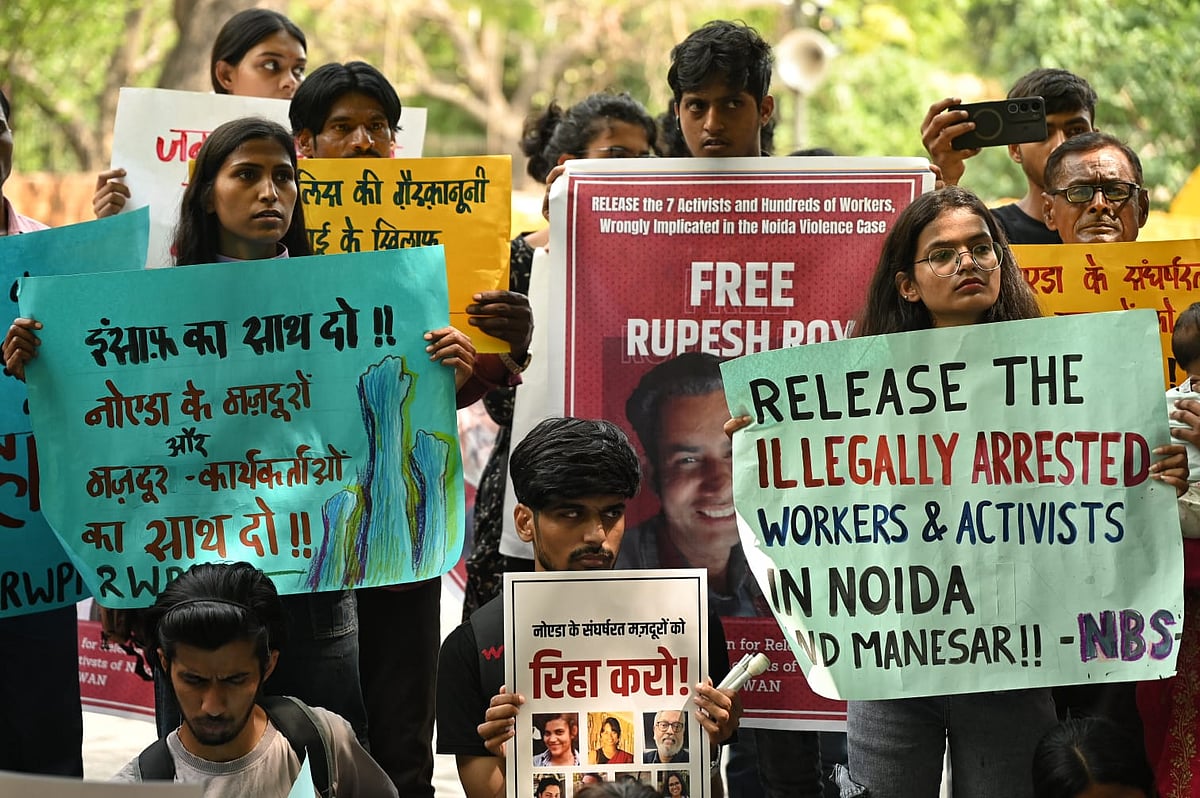
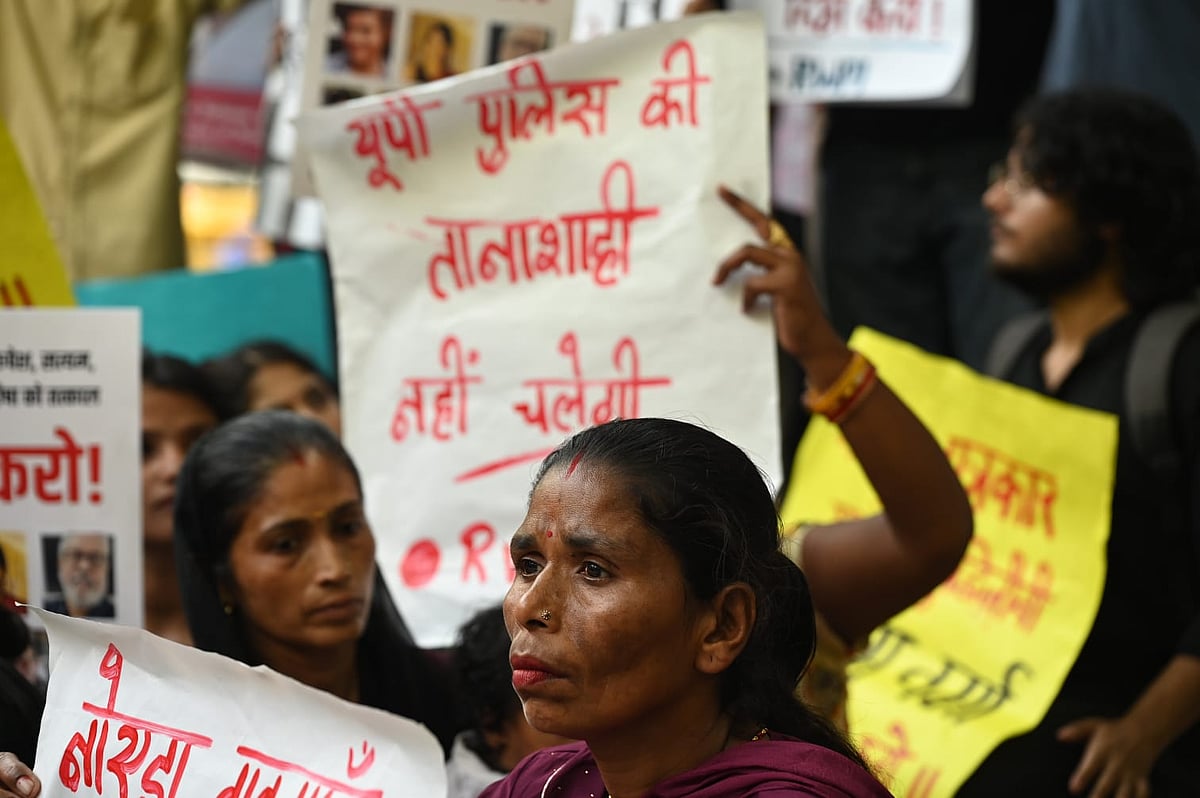
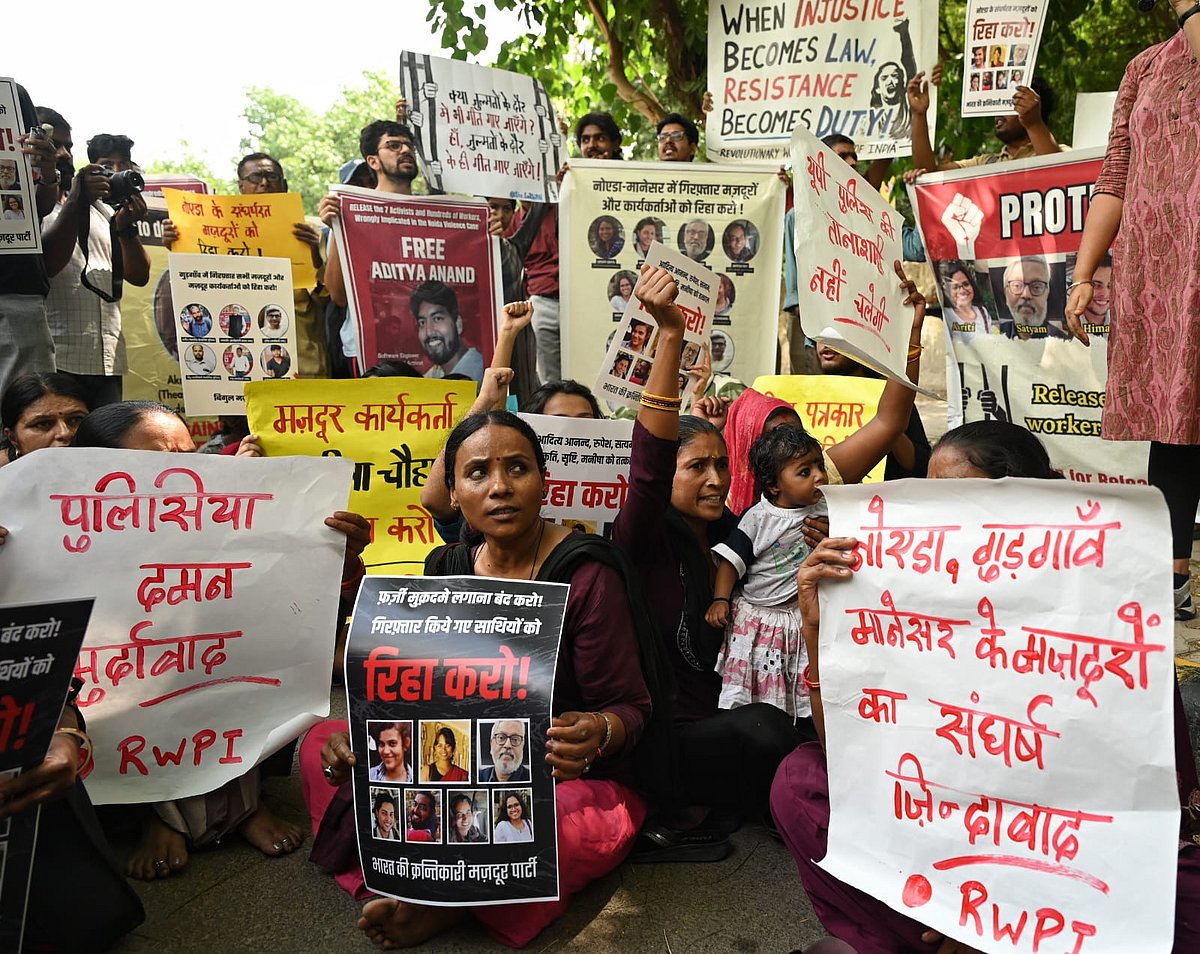
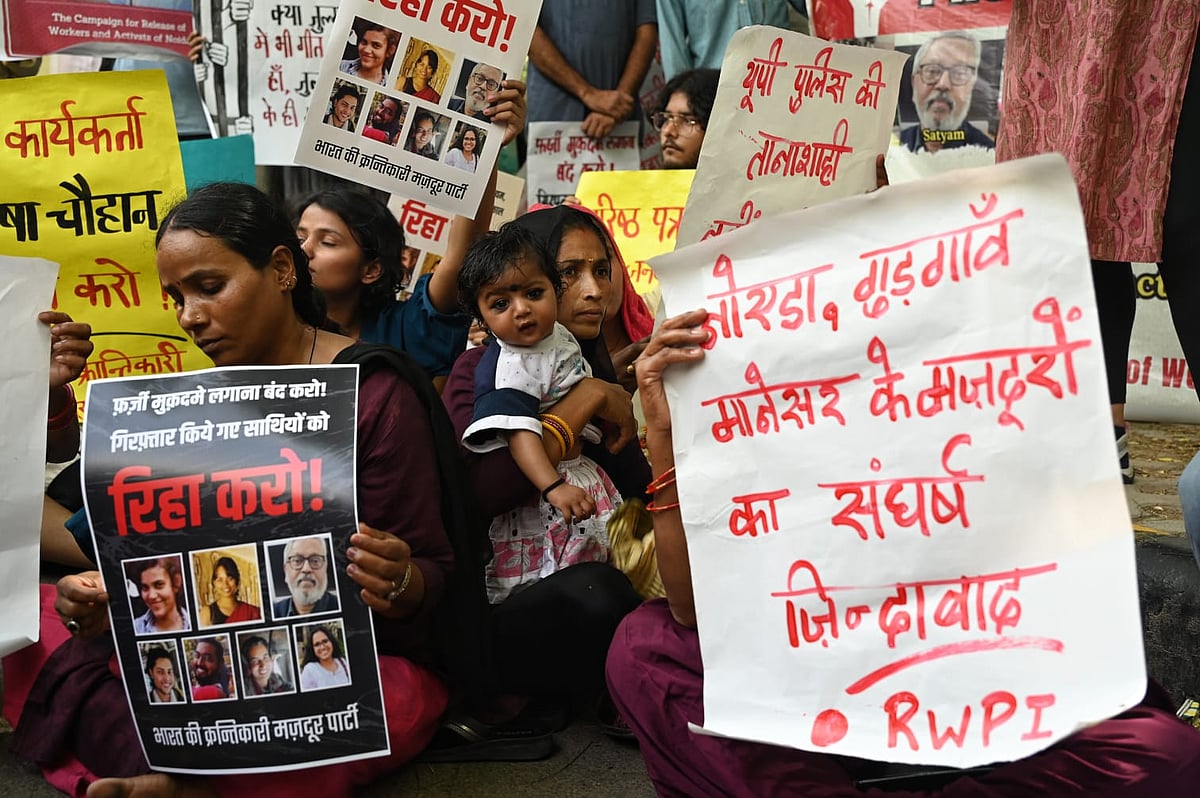
In the first week of April, workers in Noida began protesting over wage hikes. On 11 April, Verma and writer-poet Katyayani were called to a local police outpost in Lucknow — before any violence had occurred in Noida — and questioned about Bigul and Janchetna. On 12 April, ACP and SP-level officers from local intelligence visited the Janchetna Pustak Pratishthan and questioned both Verma and Katyayani for the entire day.
On 13 April, the day violence broke out in Noida, police conducted a raid at Janchetna and took Verma, Katyayani, and senior journalist Sanjay Srivastava (former resident editor, Amar Ujala) to the police station. After being held all day and questioned, they were released. During these three days, none of them were given written notices, nor were they allowed to contact lawyers.
On 17 April, a large police team again raided Janchetna. Despite having a search warrant for only one floor, they conducted an extensive search of the entire premises. Without any written notice or arrest memo, the police took Verma into custody. They also seized all desktops, laptops, mobile phones, numerous files and books from the premises but did not provide any list of seized materials. Again, Verma was not allowed to contact lawyers.
Later that night, at around 1.00 am, a large police team brought Verma to his residence, where Katyayani also lives. Once again, neither lawyers nor relatives were allowed to be contacted. After searching the entire house, police seized desktops, laptops, hard drives, files and personal diaries belonging to both Verma and Katyayani, again without providing any inventory.
#WATCH | Uttar Pradesh | Security forces have been deployed in Noida to ensure a law and order situation on the occasion of International Labour Day
— ANI (@ANI) May 1, 2026
According to the police, Section 163 BNS (gives power to magistrates to issue urgent orders to prevent danger or public disorder)… https://t.co/yJqkUl2id8 pic.twitter.com/zpHb7lCFO8
Police then took Verma away, and his arrest became known only after 40 hours, when information emerged that he had been brought to Surajpur, Noida, and produced before a magistrate. The Satyam Verma Release Forum has alleged that objectionable material could be planted in the seized computers and laptops of Verma, Katyayani and Janchetna to implicate them in serious offences.
Aditi, associated with the Revolutionary Workers Party of India, says: “Police, without uniform and in vehicles without number plates, knock on doors at night and pick people up. No notice is given, no information is shared.” She also alleges that those in custody have been assaulted by the police.
Social and political activists protesting for the release of Verma and others have demanded that all labour rights activists, writers, students and hundreds of others allegedly arrested without due legal process be released.
Varuni, associated with the Disha student organisation, says Himanshu’s whereabouts were unknown for two days, with no arrest memo or seizure memo provided. She adds that though an accused must be produced before a magistrate within 24 hours, Uttar Pradesh Police kept Himanshu elsewhere for 48 hours before presenting him in the Surajpur court. Police later secured his custody on 29 April. Himanshu’s mother Manisha Devi says her son was picked up by police from Delhi, but they only said he was being taken to Noida, and no further information has been provided.
Subhash Chandran, a lawyer associated with the All India Lawyers Union (Delhi), says police invoked Section 170 of the Bharatiya Nyaya Sanhita after the workers’ protest to make arrests. However, he notes that this is a preventive provision requiring that those detained be produced before a magistrate within 24 hours — something that did not happen in most cases.
Under Section 170, if a police officer receives information that a person is planning to commit a cognisable offence, they may arrest the individual without a warrant or magistrate’s order, but only if the offence cannot otherwise be prevented. A person arrested under this provision cannot be held in police custody for more than 24 hours unless required under another law.
Chandran further says: “We have also received a remand notice in another case registered at Noida Sector 58 police station (FIR 116/2026), which names 10 unidentified persons. It states that the total number of arrested workers is around 1,000–1,200. The 10 individuals named in the FIR have been booked under multiple sections of the Bharatiya Nyaya Sanhita, including Section 115(2) (causing hurt), Sections 351(2) and 352 (assault/use of criminal force and provocation), Section 191 (unlawful assembly/rioting), Section 3(5) (common intention), Section 132 (obstructing a public servant), and Section 126 (wrongful restraint), along with Section 7 of the CCA Act (violation of government orders/prohibitions) and Section 3(1) of the Prevention of Damage to Public Property Act.”
The Bharatiya Nyaya Sanhita also contains provisions granting police powers of seizure. Under Section 185, if a station house officer or investigating officer has reason to believe that an item related to an offence may be found at a location, they may conduct a search — but only if obtaining the item without delay would otherwise be impossible. The officer must record the reasons for this belief in the case diary and specify the items being searched for.
Additionally, under Section 105, the process of search and seizure requires preparing a list of all seized items, obtaining signatures of witnesses on that list, and recording the process through audio-video means. The recording must be promptly forwarded to the district magistrate, sub-divisional magistrate or a judicial magistrate of the first class. According to the Satyam Verma Release Forum, no such list of seized items was provided by the police.
Manik Gupta, lawyer for Aditya Anand, says the police have not shared any information, even though families must be informed prior to arrest and medical examination is mandatory. If an arrest is made in another state, transit remand must be obtained. He alleges that none of these procedures were followed. Regarding search and seizure, he says the police are required to provide a seizure memo, which was not done.