Samsonite’s summer sale is live right now with discounts up to 43% off luggage, carry-ons, and sets. The deals range from single rolling bags to complete luggage kits, so there’s something to accommodate every type of traveler. The real savings happen on the clearance models, which are discounted by more than 40 percent. Save that money now and splurge on souvenirs when you get to your destination.
Outline Pro Carry-On Spinner $125.99 (was $219.99)
The Outline Pro is one of Samsonite’s most reviewed hardside carry-ons, with nearly 10,000 ratings and a 4.7-star average. At $125.99 (from $219.99), this clearance colorway is more than 43% off and comes with TSA combination locks, four-wheel spinner wheels, and a 1.5-inch expansion zipper. The “Clearance” tag means the color is being phased out, so you can get a top-notch bag for a huge discount.
Voltage DLX 2-Piece Set (CO/M) $233.99 (was $389.99)
The Voltage DLX is Samsonite’s softside workhorse, and at $233.99 (from $389.99), this carry-on and medium checked bag set is 40% off. Softside bags flex to absorb overpacking better than hardside, and both pieces come with spinner wheels. Together, the two bags handle about a week of travel without needing to juggle multiple separate purchases.
Dropping from $519.99 to $299.99, the Pivot 3 3-Piece Set is the biggest absolute savings in the Samsonite summer sale: $220 off a full carry-on, medium, and large spinner collection. All three bags are hardside polycarbonate with TSA combination locks, expandable packing, 360-degree spinner wheels, and the brand’s EazyHOOK system for hanging a tote or duty-free bag on the handle. You rarely see a complete three-piece Samsonite hardside set under $300, and this sale is when it becomes possible.
Samsonite carry-on deals
Carry-ons take up the largest slice of the Samsonite summer sale, with the Voltage DLX Global at $125.99 and the Freeform Carry-On at $153.99 offering the best value for infrequent travelers. The Outline Pro Carry-On is $175.99 in standard colorways if you prefer more color options than the clearance variant above.
The Voltage DLX Large Spinner and the clearance Outline Pro Large both hit $179.99, and the Freeform Medium Spinner lands at $181.99. For checked bags specifically, this section of the sale has some of the strongest absolute-dollar cuts on the site right now.
Sets are where the sale gets interesting for travelers who want everything to match. The 2-Piece Set (CO/M) at $159.99 is the entry point for a coordinated carry-on and medium checked bag, while the Freeform 2-Piece (CO/L) at $335.99 covers a larger footprint for longer trips.
The Mother Lode Travel Backpack is the only bag in the sale, but it’s a standout: 40% off at $131.99 from $219.99. With 4.7 stars and nearly 9,500 reviews, it’s one of the most proven travel backpacks in the Samsonite lineup.
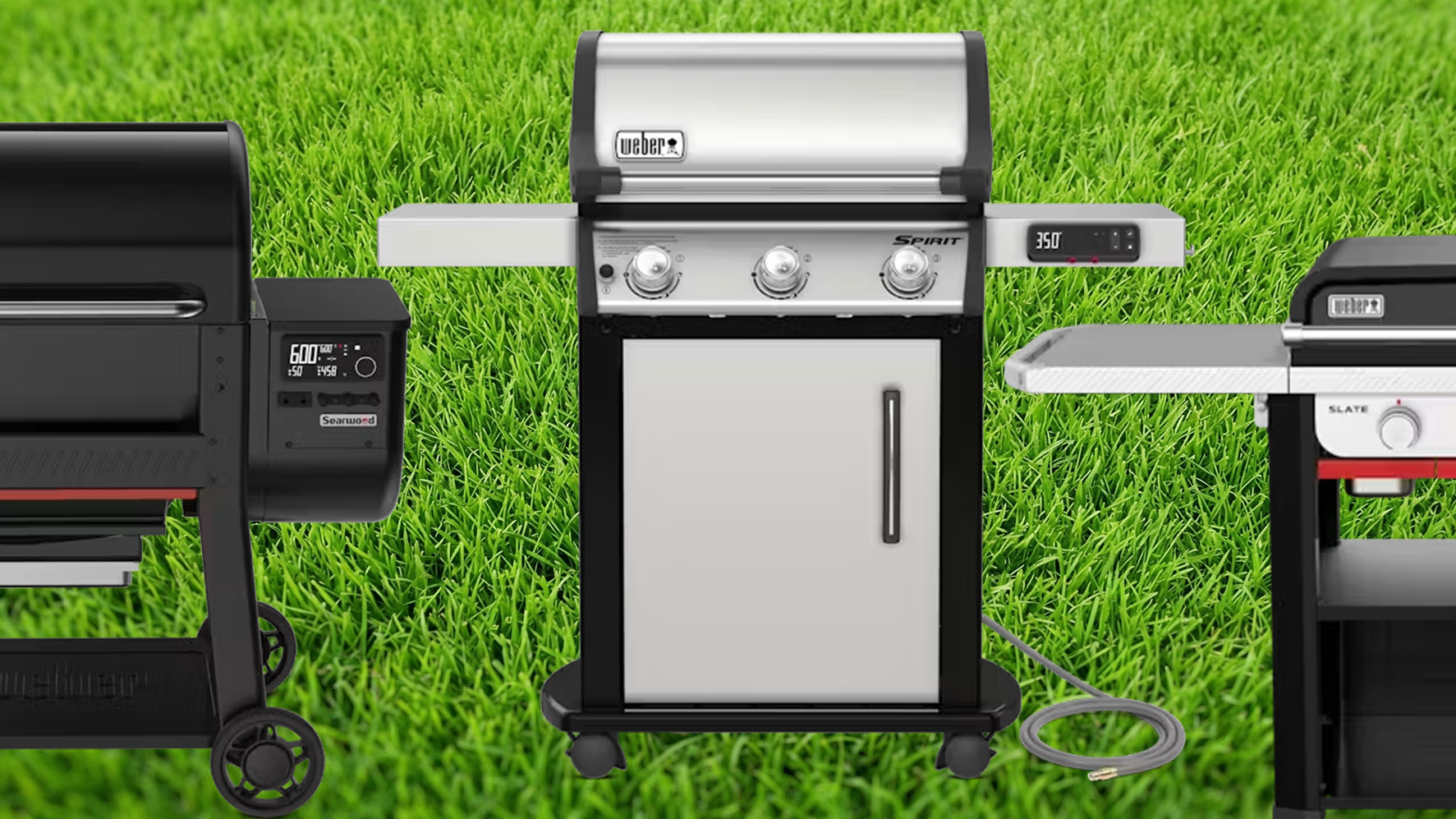
Weber rarely puts its grills on sale, so the brand’s summer event is a real chance to take money off a setup built to last a decade. The Weber Father’s Day sale has 65 deals running across pellet smokers, gas grills, griddles, and the tools that go with them, with $100 off the Smoque pellet smoker and the Genesis gas grills among the bigger-ticket cuts. Most of the accessories sit under $35, so you can round out a cart even if a new grill isn’t in the budget this year.
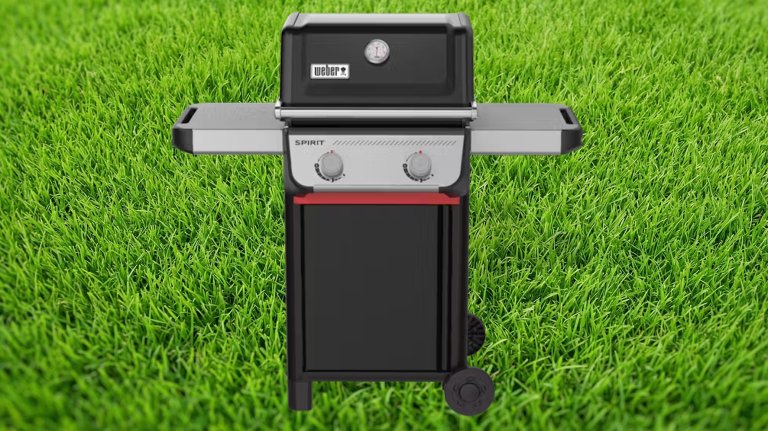
Spirit® E-210 Gas Grill (Liquid Propane) $399.00 (was $449.00)
Two burners give you enough cooking space for a family of four plus a little room to push finished food to the side, and the porcelain-enameled grates and lid should outlast a couple of the cheaper grills people tend to replace every few seasons. At $399, this is one of the lowest prices Weber lists on a current-generation gas grill.
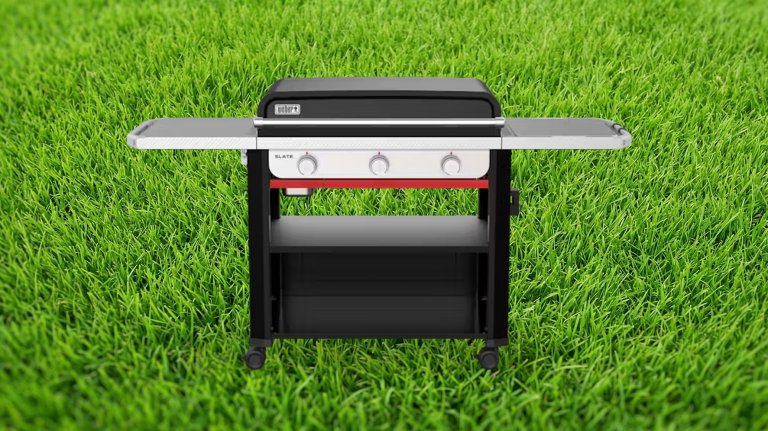
The 30-inch Slate is the flat top size most people land on for burgers, breakfast, and stir-fry without crowding the cooktop. The rust-resistant surface is the headline upgrade over older griddles, since seasoning bare steel and keeping it from rusting is the part that scares off first-time buyers. Fifty dollars off a top-seller is not a blowout, but griddles this size rarely list below $649. I have been using this model for several seasons and it’s still in fantastic shape even though I’m not always perfect about covering it.
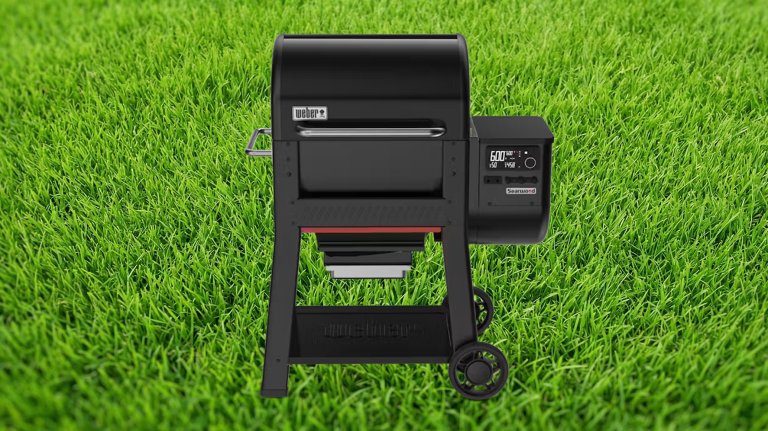
The Searwood 600 is Weber’s mainstream pellet grill, and it works as a smoker low and slow or climbs past 600 degrees to sear a steak at the end of a cook. The roughly 600 square inches of cooking space fit a couple of pork shoulders or a packed weekend cookout, and the app-connected controller lets you watch the temperature from the couch. A hundred dollars off brings a top-seller down to $899.
This is the steepest discount in the sale, a full 20 percent off rather than the flat $50 to $100 most grills here are getting. The SX-315 is a three-burner stainless grill with Weber’s smart hub built in, so it tracks grill and food temperature and pings your phone when dinner hits its target. The price applies to the natural-gas version, which makes it the pick if you have a gas line and want the deepest cut of the event.
Weber pellet grill and smoker deals
The Searwood XL 600 is the big-capacity pellet pick if you cook for a crowd, while the Smoque line is Weber’s more affordable entry into set-it-and-forget-it smoking. Both Smoque models are $100 off.
This is the deepest part of the sale. The Genesis line gets $100 off across the board, the Spirit grills are $50 off, and the smart EX-325s drops a full 20 percent like its SX-315 sibling above. Watch the fuel type in each name, since liquid propane and natural gas versions are priced separately.
Every Slate griddle is $50 off. The 36-inch models are the move for big-batch breakfasts and Smashburgers, with cabinet, flip-up table, and open-cart versions in both fuel types. The 22-inch and 17-inch tabletop griddles are the picks for tailgates and smaller patios.
If you already own a Genesis, Spirit, or Searwood, a drop-in griddle insert turns half the grill into a flat top without buying a separate unit. Each is $50 off, except the round charcoal insert at $20 off. Check the compatibility note before buying, since they are sized to specific grills.
This is the section to raid if a new grill is not happening this year. Tongs, spatulas, gloves, and baskets are all a few dollars off, which is the easy add to a cart or a low-cost Father’s Day gift on its own.
If you picked up a Slate this year, the griddle accessories are where the cooktop earns its keep. The Smashed Burger Set and Griddle Essentials Set cover most of what a flat top needs, and the cleaning kits keep the rust-resistant surface in shape.
Every 20-pound bag of Weber hardwood pellets is $5 off at $14.99. The wood you burn changes the flavor as much as the rub does, so this is a low-stakes way to stock up and experiment before a long smoke.
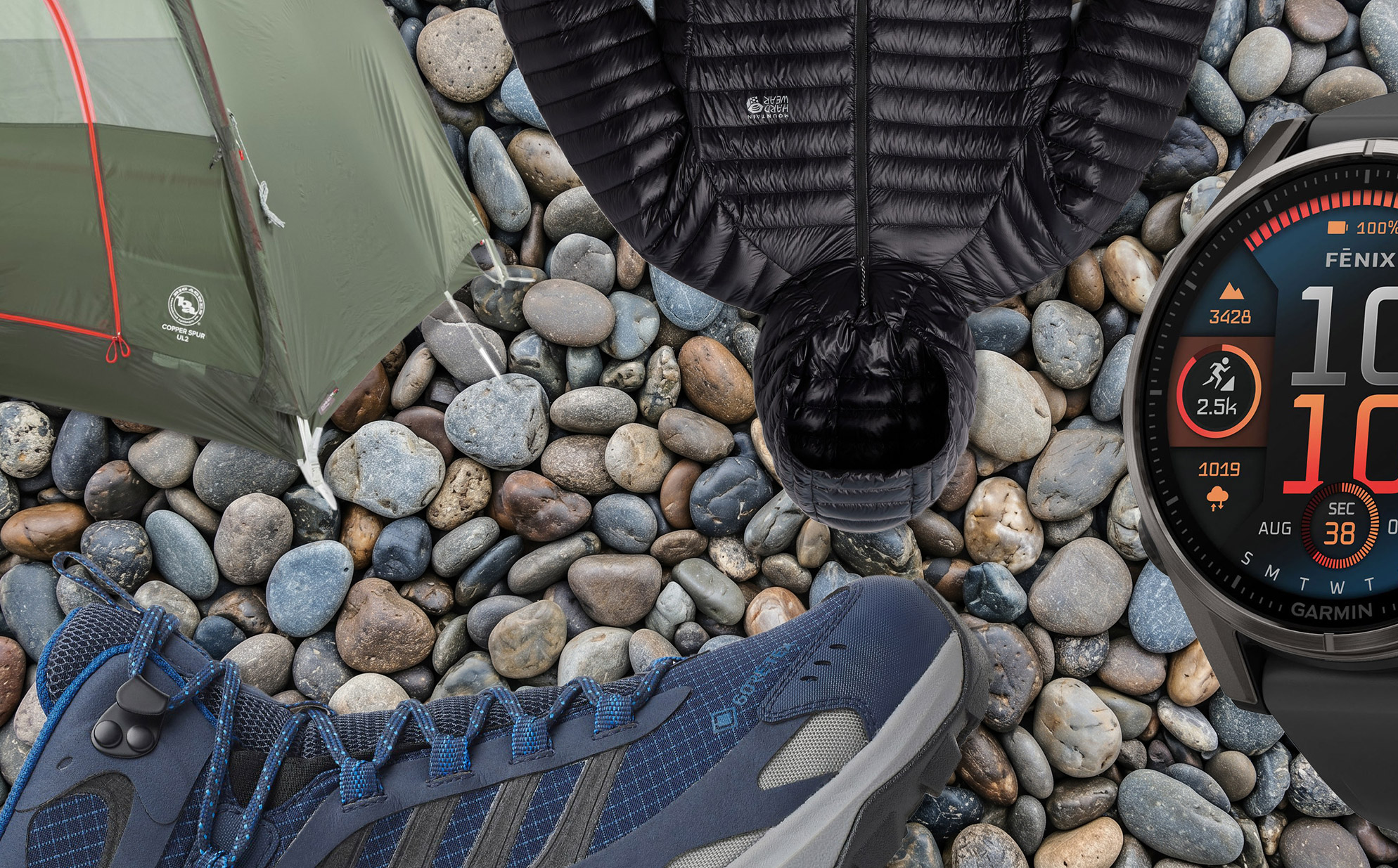
Outdoor gear is awesome, but it’s also typically expensive. The REI Anniversary Sale cuts 25% or more off brands like KEEN, Oboz, Smartwool, NEMO, Big Agnes, Mountain Hardwear, Outdoor Research, and Black Diamond, and The North Face. The window runs May 15 through May 25, which is shorter than most retailer sales and a lot easier to plan around than something like Memorial Day weekend.
The deepest discounts in the whole event are a members-only 40% off the REI Co-op Magma 30 sleeping bag and the Half Dome 2 tent, both of which close after Sunday May 17, so move fast if either is on your list. REI Co-op members can also stack the code ANNIV26 for an extra 20% off one full-price item and 20% off one outlet item through the end of the sale. If you’ve been putting off a new tent, boot, or down jacket since last summer, this is the window. Our picks across the whole sale are below, with the strongest deals featured up top and the rest organized by what you’re shopping for.
Mountain Hardwear Ghost Whisperer UL Down Hoody (Men's) $363.69 (was $485.00)
The Ghost Whisperer UL is the lightest down hoody Mountain Hardwear makes, and it’s the most direct competitor to the Patagonia Down Sweater in this entire sale. 1000-fill responsibly sourced down, a shell that weighs next to nothing, and the kind of warmth-to-weight ratio that makes it the obvious answer for ultralight backpacking and alpine fast-packing. $121 off lands it at $363.69, which is the lowest this jacket gets all year.
The Moab is the best-selling hiking boot in the United States, and the Speed 2 is the lighter, more athletic version that runs closer to a trail-running shoe than the classic Moab. GORE-TEX waterproof, Vibram outsole, and a midsole that lets you actually move at hike pace. Every Moab 2 and Speed 2 is at 25% off in this sale, so women’s and low-cut versions hit the same percentage if either fits your foot better.
REI Co-op Magma 30 Sleeping Bag $215.39 (was $359.00)
The Magma 30 is the lightest down sleeping bag REI makes under its own label, and it tends to land near the top of best-of lists for three-season backpacking because it splits the difference between weight and warmth without pushing into the premium price tier. The 40% members-only cut is the deepest discount in this entire sale, but it expires after Sunday May 17. If you’re not a member yet, the $30 membership pays for itself on this single item.
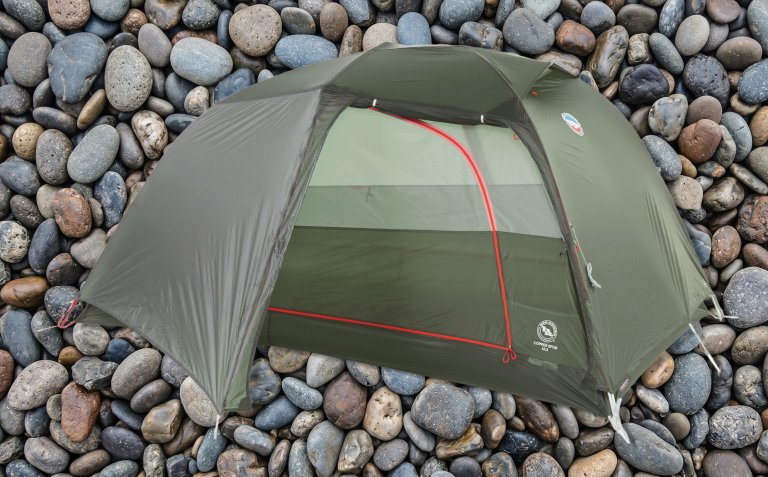
Big Agnes Copper Spur UL2 Tent $449.89 (was $600.00)
This is the standard in its class. It pitches with two trekking poles or its own pole set, weighs just over three pounds for the two-person version, and has the kind of headroom that makes a small backpacking tent actually feel livable on a wet afternoon.
The North Face Stormbreak 2 Tent $164.99 (was $220.00)
Cheap tents typically don’t last. The Stormbreak is one of the few car-camping tents at this price that doesn’t feel like a single-season disposable. Two doors, two vestibules, an aluminum pole structure that pitches in under five minutes, and weatherproofing that actually holds up in a real downpour. At $164.99 it’s the easiest entry into name-brand backpacking gear in the entire sale.
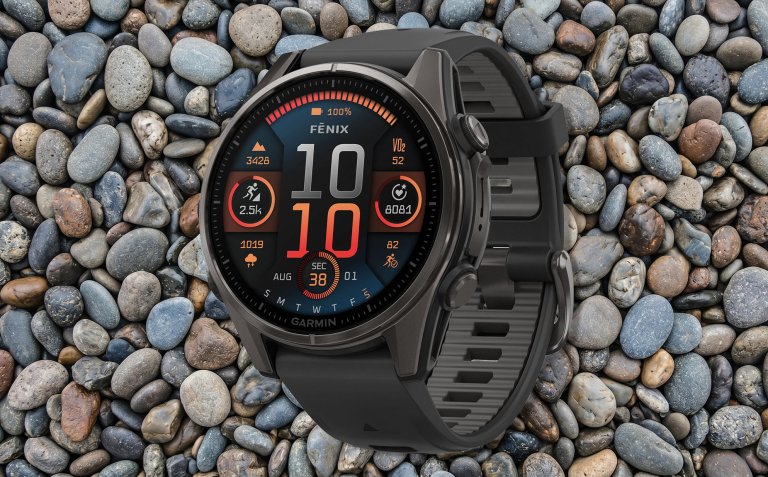
The fēnix 8 sits at the top of Garmin’s multisport watch lineup, and outside of Black Friday window pricing this is the steepest cut we’ve seen on the AMOLED Sapphire variant. You get the brighter display, the scratch-resistant sapphire crystal, built-in flashlight, and the full set of training metrics that make a $1,100 watch feel justifiable for serious trail running and bikepacking.
The Targhee line is KEEN’s most-recommended day-hiking boot, and the new Apex update makes it stiffer in the midsole, lighter overall, and faster to break in than the long-running Targhee III it replaces. Waterproof membrane, all-leather upper, and the wide toebox KEEN is known for. The full KEEN catalog is 25% off in this sale, but this is the standout in my opinion.
Yakima OnRamp LX E-Bike Hitch Rack $799.19 (was $999.00) Electric bikes are heavy, which makes lugging them tricky. The OnRamp LX is built specifically for hauling heavy e-bikes, with a 70-pound-per-bike weight capacity and an integrated ramp so you don’t have to deadlift a 60-pound battery-and-motor bike up to chest height. The 20% off all Yakima racks is the deepest cut they see all year. Same percentage applies across Yakima’s OutPost HD truck-bed rack, SkyBox cargo boxes, and roof boxes.
Tents and shelter deals at the REI Anniversary Sale
NEMO, Big Agnes, and REI Co-op all get the full 25% off across their tent lineups, which makes this the deepest tent sale on the calendar. Two extras worth flagging: REI Co-op members get the Half Dome 2 Tent with footprint for 40% off through May 17, and Mountain Hardwear tents are also included at 25%.
The REI Co-op Magma 30 bag in the featured section above is the standout, but there’s real value across NEMO and Mountain Hardwear as well. Note that the Magma 30 Down Trail Quilt and Magma 15 are different products from the member-only Magma 30 bag, and they’re available at 25% off to everyone.
The footwear side of this sale is the most aggressive, with 25% off every pair of KEEN, every pair of Oboz, every Merrell Moab 2 or Speed 2, and selected Altra trail runners and gaiters. Danner, La Sportiva, and selected The North Face boots are also at 25%.
All Outdoor Research clothing and outerwear, all Mountain Hardwear clothing (except Kor Airshell), all Smartwool, all REI Co-op apparel, and selected The North Face are 25% off. The down jacket category is where the real upgrades sit, but the prAna Stretch Zion line and selected KUHL pants are also worth a look if you’re replacing daily-driver hiking pants.
Osprey’s entire pack lineup is at 25%, including the Atmos AG and Aura AG suspension packs that show up on more best-backpacking-pack lists than any other model. Gregory, Black Diamond, and Mountain Hardwear packs are also included.
Yakima and Thule racks are both 20% off across the board. That includes hitch-mount bike racks, rooftop cargo boxes, and roof racks. If you’re thinking about a summer road trip setup, this is the moment.
Garmin discounts run across the entire smartwatch and GPS lineup. The fēnix 8 in the featured section is the highest-dollar cut, but the Instinct 3 AMOLED and Forerunner 165 are the easier-to-justify picks if you don’t need every triathlon metric. The inReach Mini 3 satellite communicator is also discounted, which is unusual.
From May 19 through May 21, REI Outlet stacks an additional discount on select online-only items, with markdowns reaching 50% off. Members can also apply the ANNIV26 coupon for an extra 20% on one Outlet item. Outlet stock is limited and isn’t restocked, so sizes go fast.
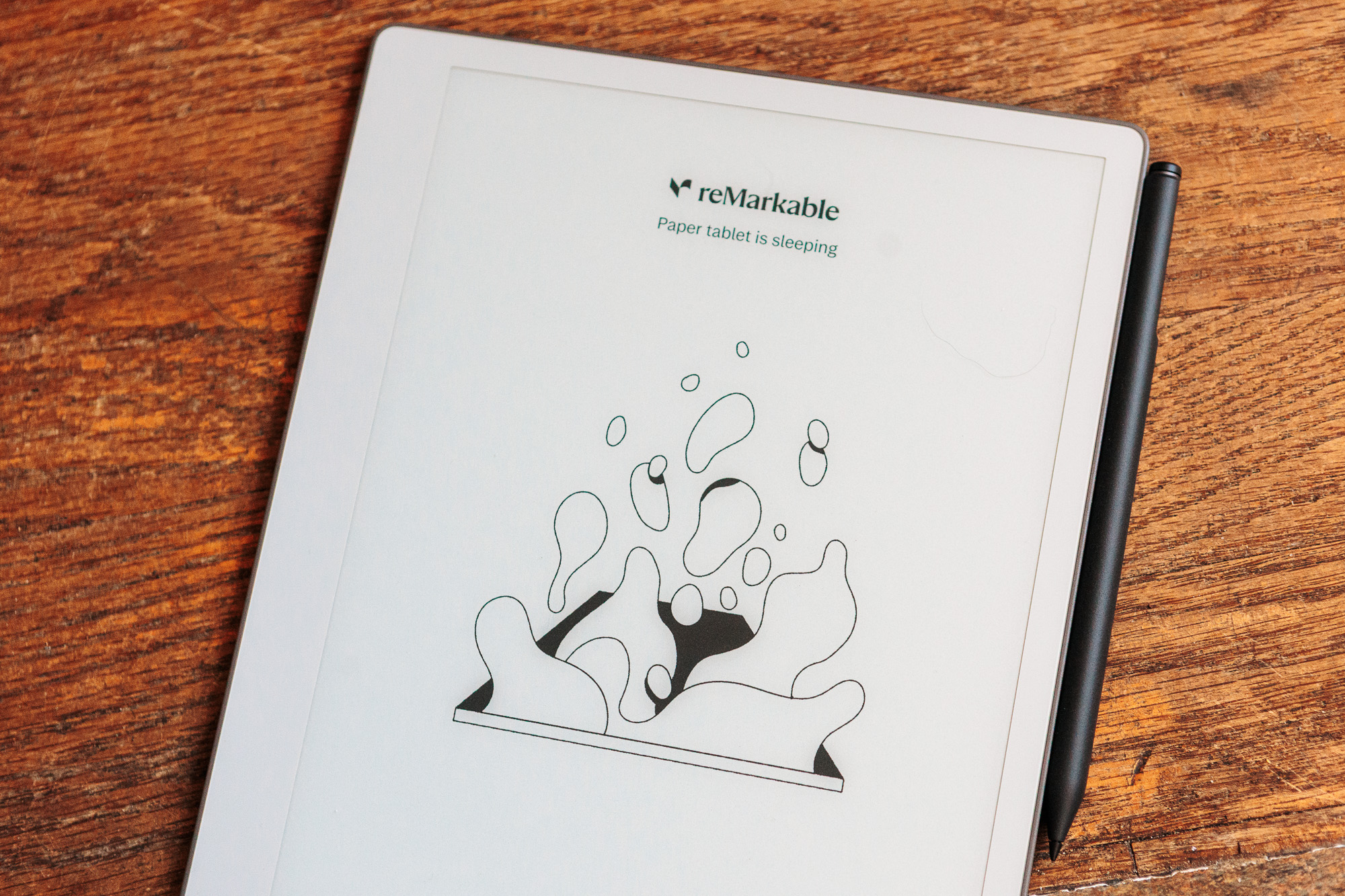
My AP English teacher in 12th grade said I had writing that “looked like something you’d find in a serial killer’s notebook.” She wasn’t wrong, but I’ve always liked writing things by hand. I’ve used reMarkable’s paper-emulating tablets in the past, but I was never so committed to my chicken scratch that I could justify the price. Now, the company has introduced its most affordable model. The Paper Pure is the cheaper sibling to reMarkable’s flagship Paper Pro, and it gets there by stripping out the features that paper, the actual material, also doesn’t have. You won’t find color e-ink and there’s no built-in illumination. You will, however, get a paper-like writing experience with the included Marker, and the device has nestled easily into my everyday workflow.
The reMarkable Paper Pure is technically a tablet due to its form factor, but don’t expect anything in the neighborhood of an iPad replacement. This is a digital notebook that’s designed to act like a connected version of a real paper notebook. The high-contrast e-ink screen is responsive and covered with a texture that makes writing feel like a pen skating across paper. It doesn’t browse the web or play back streaming content, and there are no messages here to get lost in. It’s meant for writing, note taking, and even doodling.
Rather than using Android or some other third-party operating system, the reMarkable device relies on a proprietary system and syncs notes and other documents to its own cloud. It’s meant to act as a piece of a workflow rather than replacing a big chunk of it.
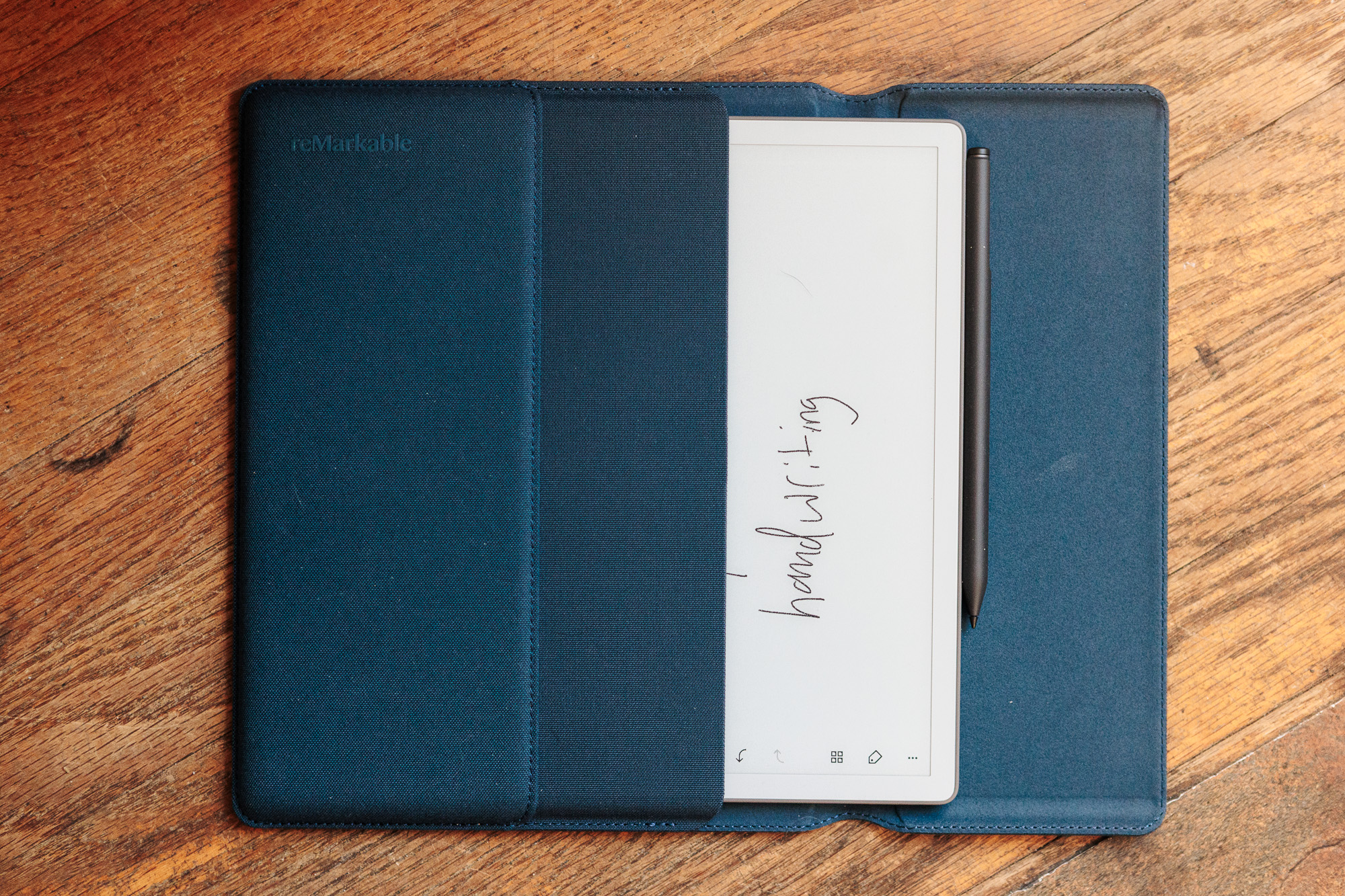
The Paper Pure ships in early June at a starting price of $399. The bundle costs $449 and adds a Sleeve Folio case along with the Marker Plus, which has a textured grip and a built-in eraser. Both ship with a 50-day free trial of reMarkable’s Connect subscription, which runs $3.99 a month or $39 a year after that and unlocks handwriting search, AI handwriting-to-text conversion, unlimited cloud storage, calendar-linked meeting notes, and integrations like Send to Slack and Send to Miro.
Out of the box
Replace an analog notebook. Stan Horaczek
The Paper Pure measures 6 mm thick and weighs 0.79 pounds, which makes it both smaller and lighter than the typical paper notebook I like to carry. The chassis has grooved sides that reMarkable says are inspired by a stack of paper. The device has the proportions of a thin steno pad, but it’s rigid and feels sturdy when you’re holding it. reMarkable builds it with screws and snaps instead of glue, which is the kind of decision that translates to a five-year lifespan instead of a two-year one. It uses 38% recycled materials, including all of the lithium and cobalt in the battery and most of the magnesium in the central frame, and the company says its 28.7 kg CO2e carbon footprint is 45% lower than the reMarkable 2’s. It doesn’t feel fragile, but I’m glad to have the Sleeve Folio to protect it while it’s in my bag.
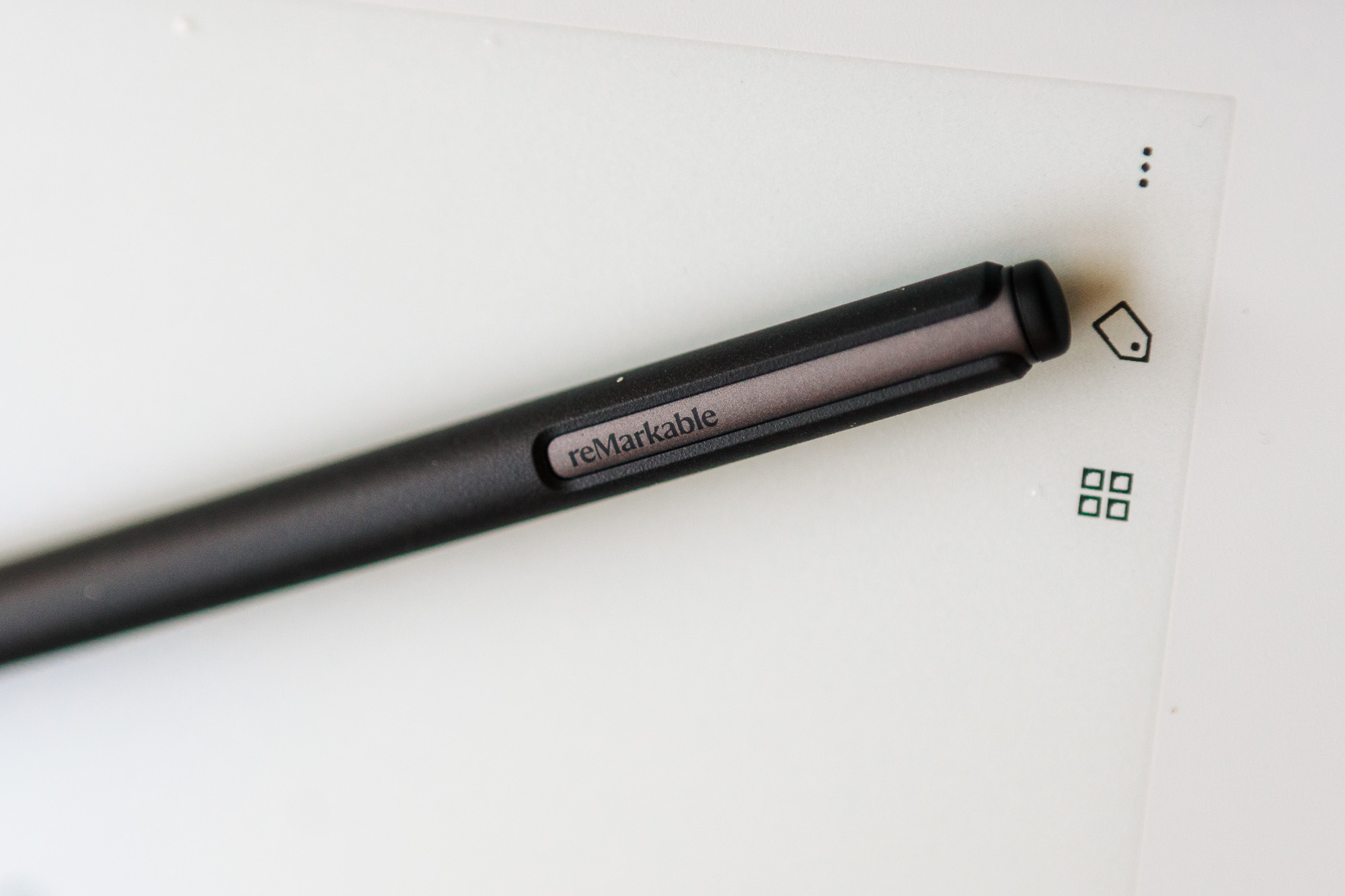
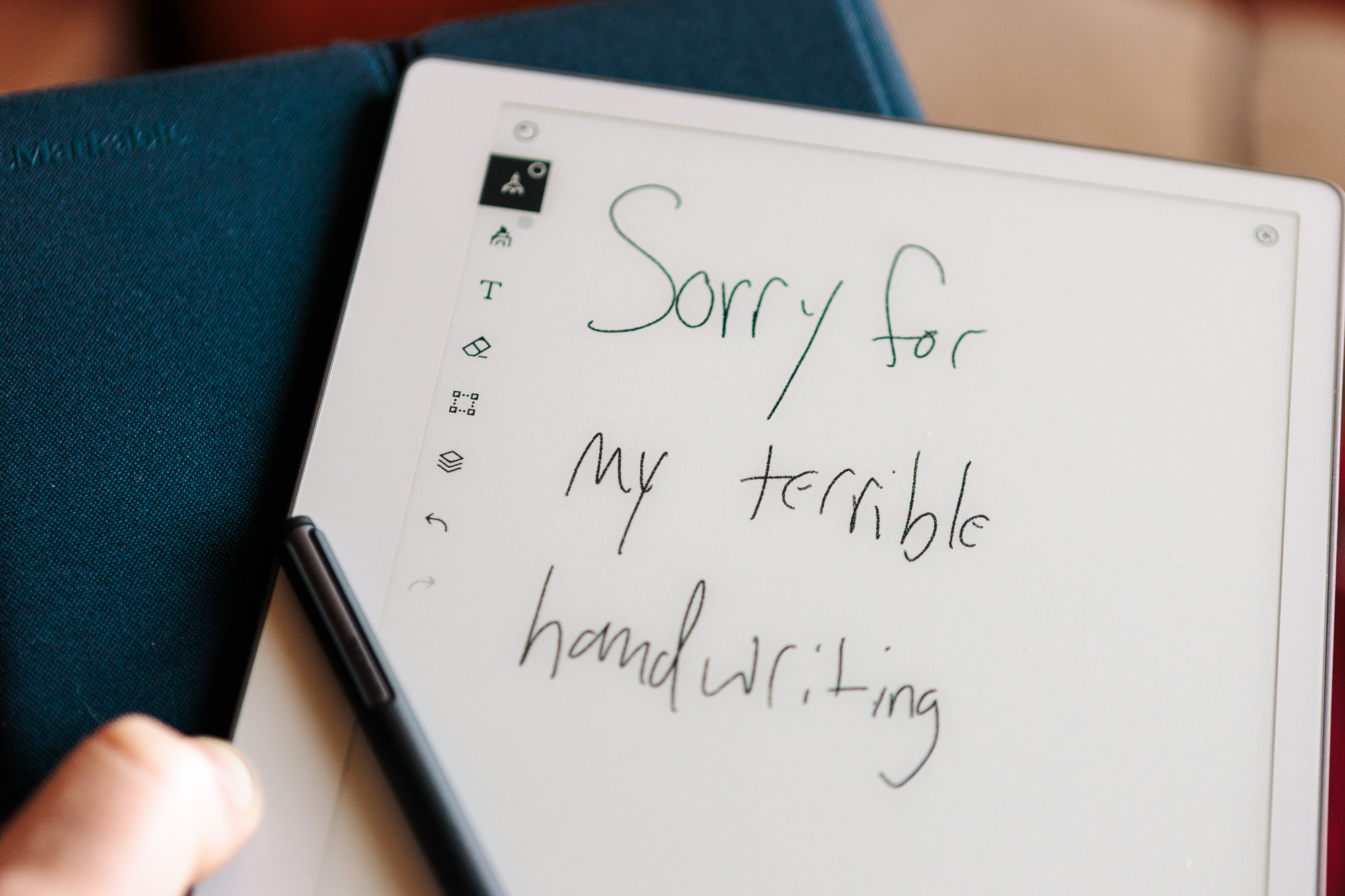
The actual writing experience is fantastic. It uses the same advanced textured surface reMarkable puts on the Paper Pro, sitting on top of a third-generation black-and-white Canvas display that the company says is its crispest and whitest yet. There is a slight resistance that feels more satisfying than a stylus on a typical glass screen. I showed it to a handful of people who have never heard of the device and most of them were blown away by the feel and responsiveness.
There won’t be light
The Folio case is essential if you’re going to carry it around. Stan Horaczek
While the hardware is slick, it doesn’t have any light built in. The company is clear that it wants to provide an authentic notebook writing experience, which means no light emission. On one hand, it’s successful in emulating a paper notebook. On the other hand, there were a few times when I would have used a front light like the one found on the Pro model. The Paper Pure’s screen is beautiful and fights glare with aplomb. The texture on the screen renders specular highlights (bright points of light on glossy screens created by light bouncing directly back at the viewer’s eye) into a gentle glow. A simple book light works if you want to occasionally write in the dark, but if you’re planning to spend a ton of time in dimly lit areas, it’s worth spending the extra cash to go upmarket in the line.
Writing on it
Despite the lack of illumination, reMarkable provides the best overall digital notebook experience and that’s still true with the Paper Pure. The digital ink appears under the pen tip in 21 milliseconds (according to the product specs, I don’t have an ink-appearing-timer-measuring-device). That’s faster than the blink of an eye, and the result mimics real writing. The line weight tracks pressure cleanly across the Marker’s range, so a quick checkbox feels different from an underline. I have been using this testing process as an opportunity to give bullet journaling another shot and it’s even better than a physical journal.
While e-ink is notorious for its slow refreshes, the new Paper Pure transitions quickly. You still get the familiar e-ink flash across the screen, but just about every function and navigation element is snappier than it was in the previous model. You likely won’t notice an upgrade if you’re already on a reMarkable 2, but you’re getting up-market performance in the most budget-friendly model.
The OS gets out of the way. Notebooks, folders, tags, and a search function for handwritten notes (one of the features reMarkable gates behind the Connect subscription) handle most of the interactions. The toolbar collapses to a thin strip while you write so the page stays clean. Sync to the reMarkable mobile and desktop apps happens in the background and was reliable during my time with the device. Imports come in from Microsoft Word, OneDrive, Dropbox, and Google Drive, and a Connect feature called Convert to Notebook turns those documents into native notes you can mark up.
It took me a few days to figure out what templates and processes I like best. Notebooks are a weirdly personal thing and your preferences may be totally different than mine. Once you get in the habit, it’s easy to get reliant on it.
Performance
Replace an analog notebook. Stan Horaczek
The Paper Pure feels faster than a writing tablet has any right to feel. Page turns in a PDF land quickly. Opening a notebook from the home screen is close to instant, and waking from sleep doesn’t have the e-ink lag I associate with cheaper Kindles or older Boox units. I spent some time working through a tedious (in a good way) vintage camera manual that I was able to import as a PDF.
Unlike the Paper Pro, you won’t find connectors to attach this device to a keyboard. You do some on-screen typing when you set up the device, but this is meant for handwriting. You have to be committed to treating it like a notebook for it to fit your specific style.
Battery life over my testing window is still unclear as I haven’t depleted it all the way yet. I have been using it heavier than typical as I was putting it through its paces and it seems like even a week of strenuous use isn’t enough to drain the battery. reMarkable claims up to three weeks on an hour of daily note-taking, which I can see happening in the real world. The device charges over USB-C from a standard brick. The USB-C port is all the way to the left on the bottom of the device.
Who it’s for
The Marker provides a very satisfying writing experience. Stan Horaczek
The market for devices that eschew distractions has been swelling in recent years. This is a natural progression for people who have to exist in the digital world (and appreciate some of the conveniences), but want to avoid the constant barrage of notifications and the lure of bright, noisy apps. The Paper Pure is a notebook replacement through and through.
There is no browser, no third-party app store, and the most useful software features sit behind a Connect subscription. If you want to read books in bed without an external lamp, get a dedicated e-reader. A full-fledged tablet is the answer if you want apps. And if you want the same hardware with a front light and color, look at the Paper Pro instead. The Paper Pure is what is left after you remove all of those options on purpose for a purist experience. It’s an enjoyable experience for the right person.
The verdict
Buy it if you already know who you are. The Paper Pure is the cleanest writing experience I have had on an e-ink tablet. The hardware is well-built and the software stays out of the way. The missing front light is the one thing I felt most days, and it is the reason the more expensive Paper Pro still has an argument. But the Paper Pure is cheaper, lighter to think about, and aimed at the buyer who wants the focus a paper notebook gives them with a search function attached.
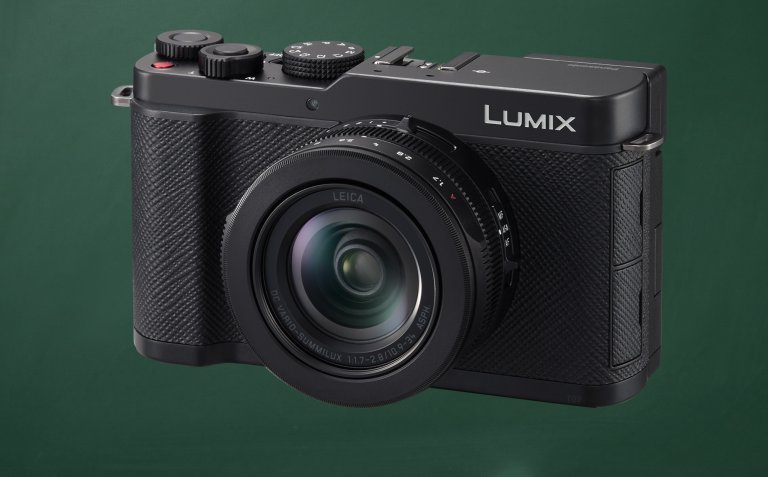
If you’ve tried to buy a Canon G7X or a Fujifilm X100V-series camera lately, you may already know that advanced compact cameras have made a real comeback. It’s not a full-on boom like the early 2000s, when every manufacturer cranked them out by the dozen, but there’s real demand for small cameras that produce high-quality images outside what a typical smartphone can pull off. Panasonic has introduced the new LUMIX L10 to court that growing audience, and the result is a very promising (if a little familiar) looking camera designed to handle just about every typical photography scenario.
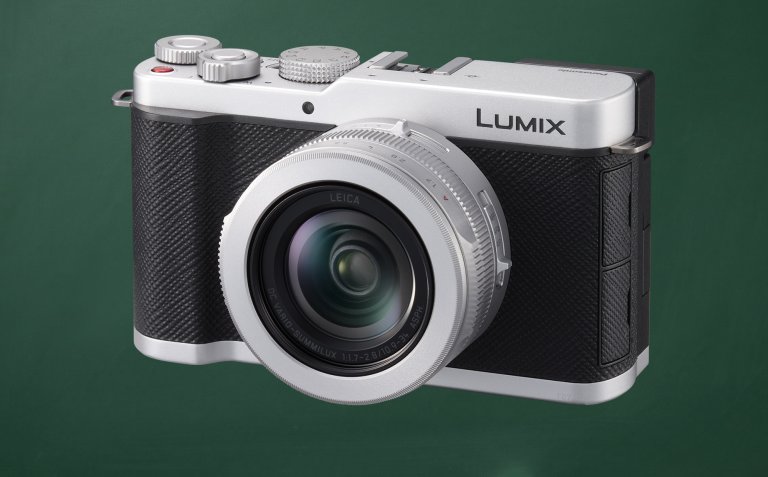
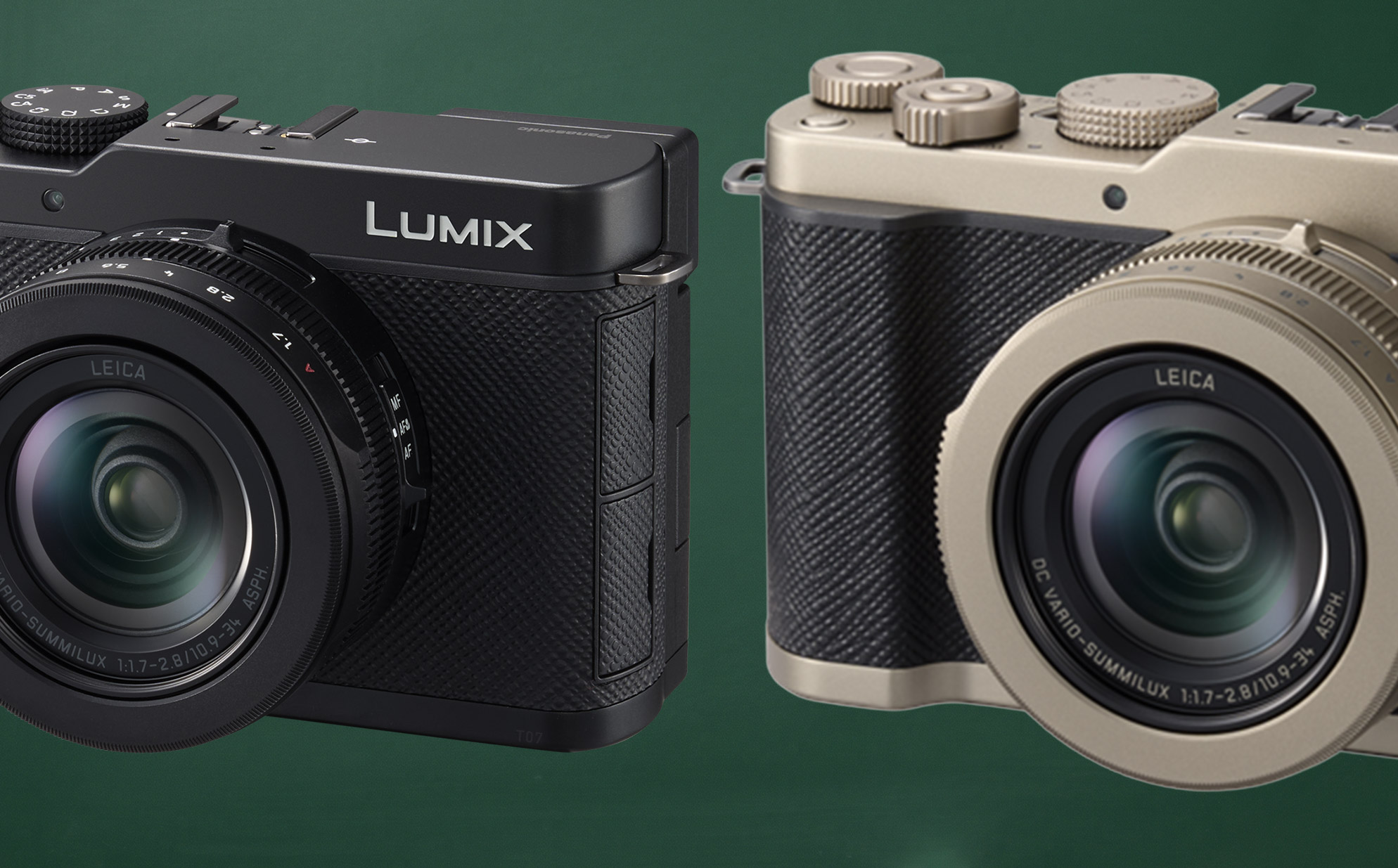
The L10 ships in June for $1,499 in black or silver, with a limited $1,599 Titanium Gold special edition for LUMIX’s 25th anniversary. At its core is a Leica DC Vario-Summilux 24-75mm F1.7-2.8 zoom mounted to a 20.4-megapixel Four Thirds sensor, a pairing anyone who shot with the popular LX100 II compact will recognize on sight. The body lands between Fujifilm’s APS-C X100VI and Canon’s 1-inch G7X Mark III on both sensor size and price, slotting into territory Panasonic hasn’t covered since the LX100 II went off the menu.
The Leica zoom and Four Thirds sensor
An F1.7 maximum aperture at the wide end and F2.8 at the long end is unusual for a compact zoom at this price tier, and most compact zooms taper to a slower aperture as they extend. This one holds wide across the 24-75mm range. The same lens formula appeared on the LX100 II and powers Leica’s current D-Lux 8, though neither pairs it with a 779-point Phase Hybrid AF system. The manual aperture ring on the precision-machined metal barrel lets you change apertures without diving into a menu, and AF macro from 3 cm at the wide end opens up close-up work.
The 4/3-type BSI CMOS sensor sits in a useful spot in the size hierarchy. It’s almost twice the area of the 1-inch chip in the Canon G7X line and noticeably smaller than the APS-C sensor in the Fujifilm X100VI. The 20.4-megapixel effective resolution comes from a 26.5-megapixel total count, because the L10 uses a multi-aspect sensor design that maintains a consistent angle of view across 4:3, 3:2, and 16:9. Switching aspect ratios doesn’t recompose your shot, which is a quietly useful feature for anyone working between print and social. Dynamic Range Boost adds shadow detail in still images, though Panasonic hasn’t specified the stop count.
Fast AF, 30 fps burst
Phase Hybrid AF spreads 779 focus points across the frame, with AI-based subject recognition that covers eyes, faces, bodies, animals, vehicles, and what Panasonic calls Urban Sports. That last category is the catch-all for skateboarding, BMX, parkour, and the kind of action you’ll find in Mountain Dew commercials. Burst tops out at 30 fps with the electronic shutter and 11 fps with the mechanical, fast enough to catch peak action without abandoning a tactile shutter feel. POWER O.I.S. handles stabilization, though Panasonic hasn’t quoted a CIPA-rated stop count yet.
Composition runs through a 2.36-million-dot OLED viewfinder and a 1.84-million-dot free-angle monitor that flips out for waist-level or vertical shooting. Both displays support a vertical UI, a nod to anyone shooting primarily for phone-format video and social.
Color science from camera to phone
REAL TIME LUT (look up table) is Panasonic’s in-camera color system, and the L10 makes it easier to use than past models did. A dedicated LUT button on the body gives one-press access, and up to two LUTs can be layered for more complex grades. Two new film-inspired Photo Styles ship as defaults: L.Classic for soft, muted tones, and L.ClassicGold for warmer amber highlights with a nostalgic contrast curve. It’s similar to Fujifilm’s film “recipes” which apply specific looks to images as you shoot.
Magic LUT in the LUMIX Lab app uses AI color analysis to generate a custom LUT from a reference photo. Find an image whose color treatment you like, the app builds a profile, and you can load it back into the camera as a REAL TIME LUT. RAW editing, MP4 (Lite) clips for social sharing, and high-speed wired transfer all live in the same app. The Lab workflow pushes a step that traditionally lived in Lightroom or DaVinci onto the phone where most readers actually edit now.
Pricing across three colorways
Black and silver L10s ship in June for $1,499, both wearing a saffiano leather-textured finish over a magnesium alloy front case. At 508g with battery, card, and hot shoe cover, the body sits between a small mirrorless rig and a true pocket camera in carry weight. Panasonic is pricing the L10 about $100 below Leica’s D-Lux 8, which uses the same Leica zoom formula in a different chassis.
The Titanium Gold special edition arrives at $1,599 in limited quantities, primarily through the Panasonic Store. The kit adds a special edition lens hood, a leather strap, a threaded shutter button, and a gold-themed menu system that carries the finish from the body into the UI. The rear branding sits in a position visible only to whoever is holding the camera. The $100 premium covers the accessories and cosmetic upgrades.
The standard black L10 carries the saffiano leather-textured finish in a flat, professional matte. It ships with the standard kit and is the configuration most likely to show up on retailer shelves at launch. The Lab app, REAL TIME LUT, dedicated LUT button, and Leica DC Vario-Summilux zoom are all standard. We’re working to get one in for a full review.
The silver L10 is mechanically identical to the black model at $1,499 and leans into the LX100 II nostalgia for buyers who remember the original. It’s the same color treatment Panasonic favored across the LX100 series, and the rangefinder-adjacent look Leica has long favored for its M-line cameras. The silver model ships in June alongside the black.
Panasonic LUMIX L10 Titanium Gold Special Edition $1,599
The 25th anniversary Titanium Gold edition runs $1,599 and includes a special edition lens hood, a leather strap, a threaded shutter button, and a gold-themed menu system that carries the finish from the body into the interface. The rear branding is positioned to be visible only to the person holding the camera. Limited quantities ship through the Panasonic Store in June.
Apple spent two years promising a smarter Siri. We’ve been patiently waiting. At WWDC 2026 on Monday, the company finally showed the rebuild instead of a roadmap slide: Siri AI, an assistant that Apple says can hold a back-and-forth conversation, read what’s on your screen, and dig through your own messages, emails, and photos to answer a question. That headline arrived wrapped in a software preview that also reaches AirPods, Safari, your kids’ screen time, and, awkwardly, what European iPhone owners won’t get at all.
If you’ve followed Apple’s AI fits and starts, you know the company often announce features a year before they’re ready for wide distribution. Most of this lands this fall in iOS 27 and its sibling updates, though Siri AI itself slips to a beta “later this year.” We haven’t tested any of it yet, but I’m looking forward to trying the developer beta soon. Here are the 10 changes from the keynote most likely to matter once they actually ship.
1. Siri AI is a ground-up rebuild, not another patch
Siri can now answer questions by viewing the content on the screen. Apple
Siri AI is the biggest thing Apple announced today. Apple says it rebuilt the assistant from the ground up on a new architecture, rather than bolting more features onto the old one. It leans on what Apple calls personal context, so you can ask it to surface a hotel confirmation number buried in an old email or pull up the photos from a recent trip, and it remembers the thread of a conversation so you can keep asking follow-ups. This will be a real relief if it works.
It also reads your screen and takes action across apps. Get a text about a potluck and you can brainstorm what to bring with Siri, then drop a recipe into Notes without leaving the conversation. On iPhone you start it by saying “Hey Siri,” pressing the side button, or swiping down from the Dynamic Island, and there’s now a standalone Siri app that syncs your conversation history across devices through iCloud. That makes it look a lot more like ChatGPT or Gemini than the Siri you’ve been yelling directions at since 2011.
2. Apple’s new AI leans on Google’s Gemini
The next generation of Apple Intelligence runs on Apple Foundation Models that the company says were “custom-built in collaboration with Google and its Gemini models.” For a company that sells its in-house silicon and on-device processing as a core advantage, leaning on a rival’s models is a real philosophical shift. Bloomberg reported before WWDC that the arrangement was expected to cost Apple roughly $1 billion a year. Apple has not confirmed a figure.
The outside-models thread runs through the developer side too. In its developer-tools announcement, Apple said Xcode 27 brings coding agents from Anthropic, Google, and OpenAI into the workflow, and that developers can build on models like Claude and Gemini alongside Apple’s own. Even the hidden watermark Apple applies to AI images in iOS 27 is Google’s SynthID. Apple’s AI is now stitched together with outside models in a way the company would not have admitted to a few years ago.
3. Check whether your iPhone actually makes the cut
Apple Intelligence and Siri AI require an iPhone 16 model or later, or an iPhone 15 Pro or 15 Pro Max. That leaves out the standard iPhone 15 and 15 Plus, the entire iPhone 14 line, and anything older. iOS 27 itself installs on phones going back to the iPhone 11, so plenty of people will get the update this fall without the AI features that headlined the keynote.
The split goes deeper than that. Siri’s most-promoted extras, the expressive customizable voices and a big jump in dictation accuracy, require Apple’s most advanced on-device model, which Apple lists as iPhone Air, iPhone 17 Pro, and iPhone 17 Pro Max, plus iPads with an M4 chip or later and Macs with M3 or later that have at least 12GB of unified memory, and the M5 Apple Vision Pro. If you bought a midrange iPhone in the last couple of years, read the fine print before you get attached to the demos.
4. EU iPhone and iPad owners are locked out
Siri AI will not ship on iPhone or iPad in the European Union with the release of iOS 27 and iPadOS 27, and Apple says it does not currently have a timeline to change that. The company blames the Digital Markets Act directly, arguing that under the EU’s reading of the law it would have to give any third-party assistant the same deep access to your data and apps that Siri gets, which Apple says it can’t do without putting users at risk.
Apple proposed a workaround it calls Trusted System Agent, plus an 18-month phased rollout, and says the European Commission rejected all of it. EU users will still get Siri AI on Mac, Apple Watch, and Vision Pro, just not on the two devices most people use most. It was the most openly combative Apple got all day, and it’s worth tracking if you live in or travel through the EU’s 27 member states. Siri AI and the other new Apple Intelligence features also won’t launch in China while Apple works through regulatory requirements there.
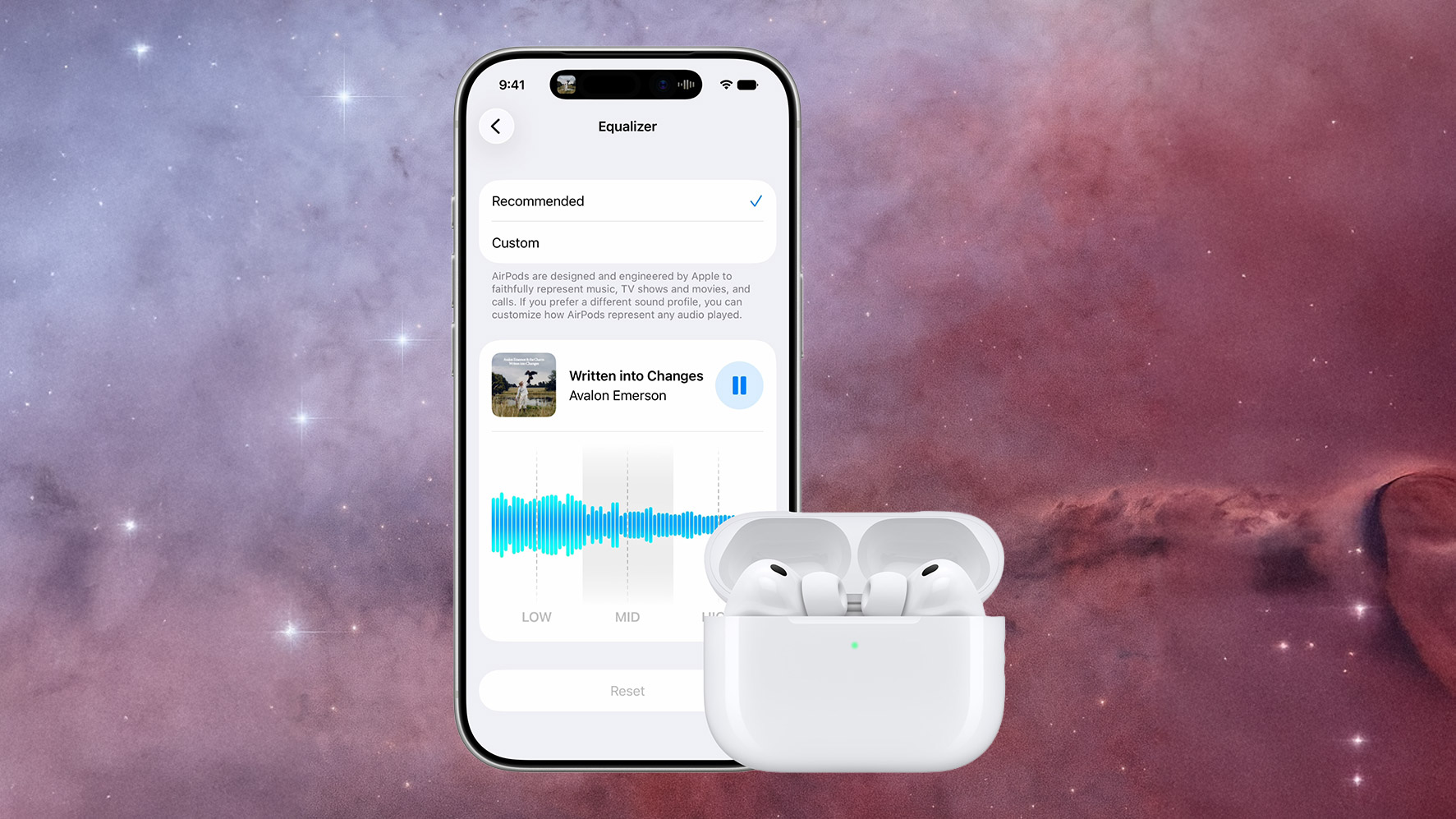
5. AirPods finally get a real custom EQ
Finally, we can tweak beyond Apple’s automatic EQ. Appl
After about a decade of people asking, AirPods owners are getting a true custom equalizer in iOS 27, not the hands-off Adaptive EQ Apple has shipped for years. Apple’s release keeps the details thin, but keynote coverage described a graph-style interface with separate low, mid, and high bands and a live waveform that moves as you adjust it, so you can see and hear the change you’re dialing in.
Cheaper earbuds have offered this for years while AirPods made you live with Apple’s house tuning, so it’s overdue. If you’ve wanted more bass for the gym or a brighter top end for podcasts, you’ll finally be able to set it yourself. Separately, the AirPods Pro 3 can now sync your heart rate to iPhone through GymKit during a workout.
I typically like the EQ decisions Apple hardware makes natively, but I know some enthusiasts who can’t wait for this to materialize.
6. Image Playground goes photorealistic and tags everything it makes
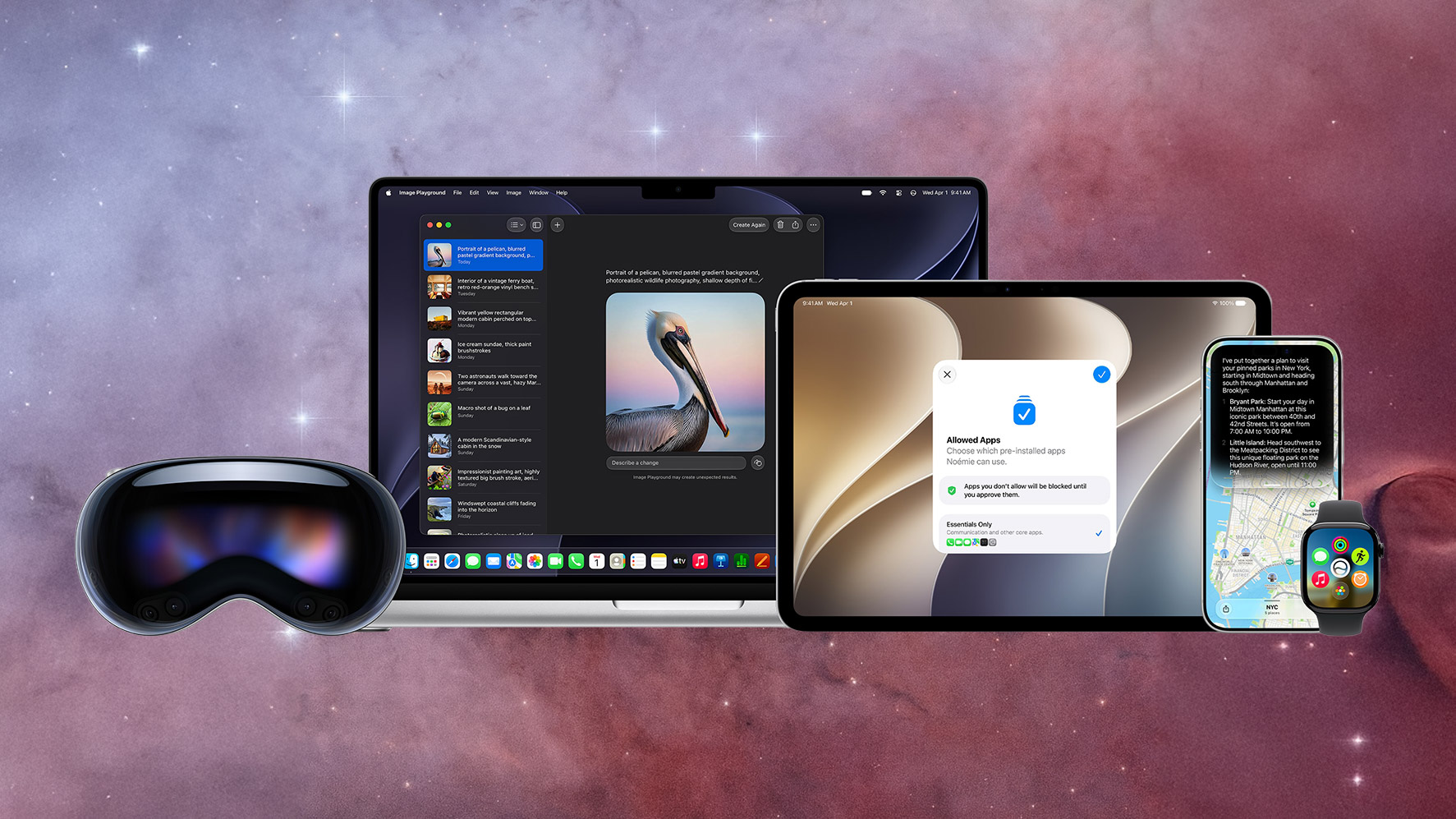
Image Playground, Apple’s image generator, can now make photorealistic pictures instead of just cartoon-style art, using a new model that runs on Apple’s Private Cloud Compute servers. You can edit by describing a change in plain language, or by tapping, circling, or brushing an object to move or resize it.
The part that matters beyond the novelty: Apple says images generated in Image Playground and photos edited with Apple Intelligence both carry a hidden SynthID watermark, Google’s provenance tag, so a file can be identified as AI-touched down the line. As convincing fakes get easier to produce, baking provenance into the file at the moment of creation is a bigger deal than the picture quality.
7. The Passwords app can fix weak logins for you
Apple’s Passwords app already flags weak and breached passwords. In iOS 27 it can fix them, navigating to the site, signing in, and swapping in a strong password with a single tap. Apple is using Siri AI and Safari to carry out that action on your behalf, which is one of the clearest examples of the assistant doing a task for you rather than just answering a question.
If you have ever ignored a “this password appeared in a data breach” warning, then this is for you (and me). It only works on supported sites at launch, so it won’t sweep your entire login list in one pass, but it turns a recurring to-do into a button.
8. Safari learns to wrangle tabs and watch pages for you
Safari picks up three Apple Intelligence tricks in iOS 27 worth knowing about. The most useful is Notify Me: tell Safari to keep an eye on a page and it pings you when something changes, like a restock or a price drop, so you can stop manually refreshing a sold-out product page.
It also auto-groups your open tabs into topics, so a pile of weekend-trip research collapses into one cluster, and a feature called Describe an Extension lets you spin up a simple custom Safari extension by typing what you want it to do. None of these are flashy, but the tab organizer and the restock alerts are the kind of thing you’ll reach for most weeks. You might finally get that NeeDoh without paying inflated after market prices.
9. Old hardware gets a speed increase
Not all of this is AI. Apple says apps launch up to 30 percent faster, photos load up to 70 percent faster right after you take them, and AirDrop transfers move up to 80 percent faster in this year’s releases. On iPad, copying files to and from an external drive runs up to 5x faster, which Apple says finally matches Finder on a Mac.
Apple ran its app-launch test on an iPhone 11 Pro Max, a phone from 2019, which suggests the speed gains reach aging hardware and not only the newest models. These are Apple’s own numbers and the usual marketing caveats apply, but a free performance bump on an old phone is the rare WWDC item that everyone with a supported device gets, no Pro model required.
10. Parents get real new screen-time controls
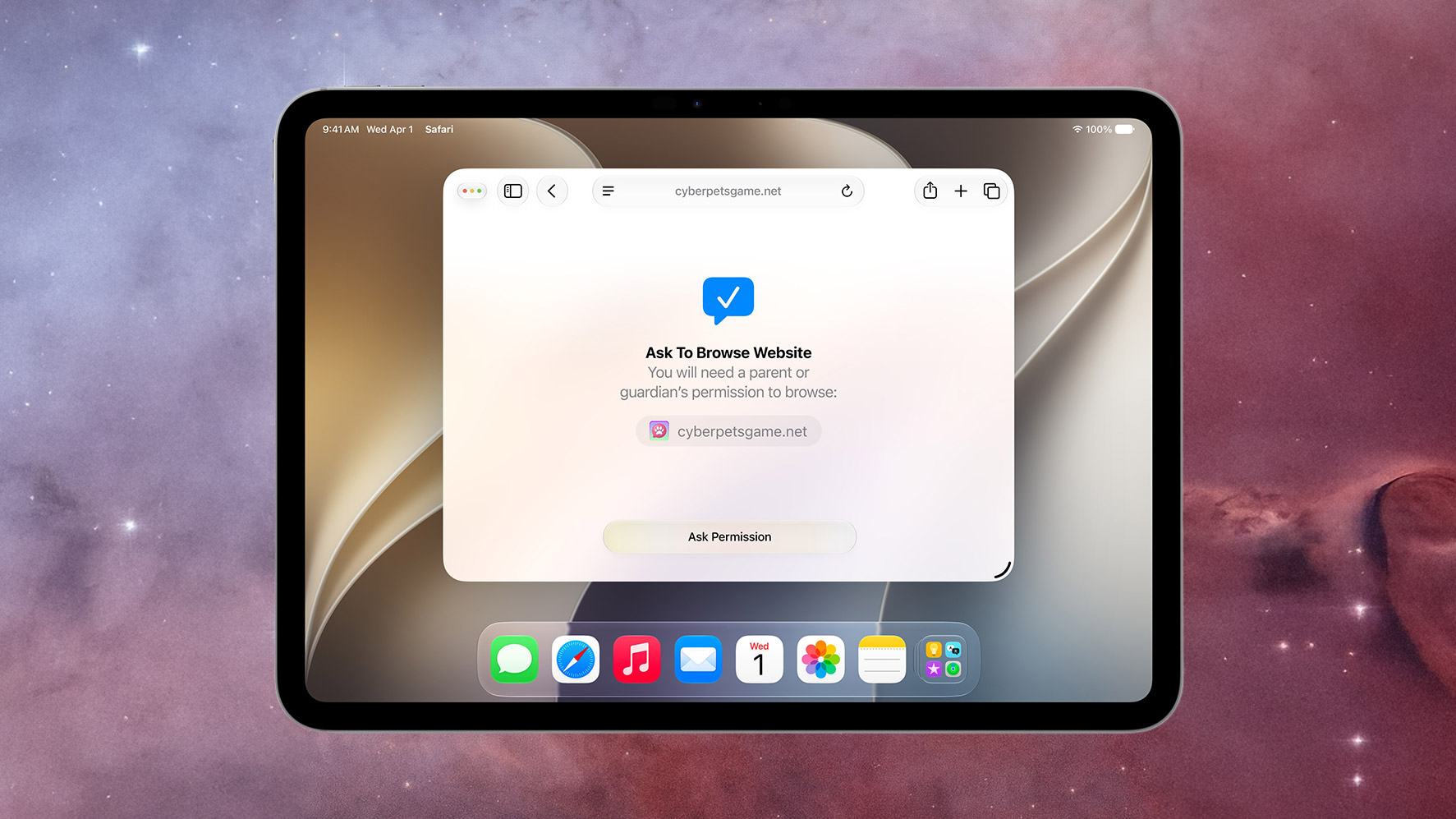
Now you’ll know before your kids go to weird websites. Apple
Apple overhauled its parental controls in iOS 27, and the standout addition is Ask to Browse, which makes a kid request permission before opening a new website in Safari, the same way Ask to Buy already gates app downloads. There’s also a redesigned Screen Time dashboard and Time Allowances that cap usage by category, including Games, Entertainment, and Social Media.
Communication Safety, already on by default for users under 18, now blurs and blocks gore and violent content, not only nudity. And a new Declared Age Range API lets apps tailor themselves to a kid’s age bracket without the parent handing over an exact birthday. Apple says the time recommendations are based on expert research, and that it’s working with the American Academy of Pediatrics to adapt the group’s Family Media Plan into a guide for parents.
The Gozney Dome is our pro-grade pick in PopSci’s best pizza ovens guide, and the brand almost never runs a real discount outside of seasonal sales. Its Summer Sale is one of those rare windows, with sitewide cuts on every oven, every bundle, and most of the accessory lineup. If a Dome, Arc XL, or Tread has been parked on your shortlist for a year, this is the week to actually buy one.
Gozney Arc XL 16" Gas Pizza Oven $899.99 (was $999.99)
The Arc XL is Gozney’s mid-tier gas oven, and the one most people should buy if they aren’t going Dome. It hits 950 degrees in about half an hour, fits a 16-inch pie, and runs a rolling flame across the back that gives crusts the leopard-spotted char a Neapolitan is supposed to have. Gozney almost never cuts the Arc XL outside seasonal sales, so the $100 off is the right window if it’s been on your list.
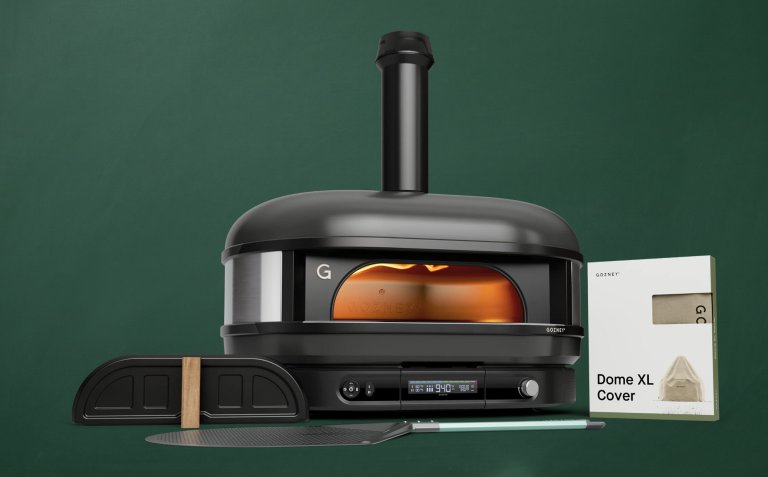
Gozney Dome XL (Gen 2) Sale Bundle – Hybrid Fuel Propane $2,799.99 (was $3,124.96)
The Dome XL is Gozney’s biggest residential oven, with a 24-inch deck wide enough for two pies side by side or a whole chicken next to a tray of vegetables. The Hybrid Fuel version runs propane or wood, so weeknight pizza happens on gas and weekends can lean into real wood-fired flavor. This bundle stacks the 24-inch placement peel and pizza server on top of the oven for free over the bare-oven price, which makes it the cheapest way into the platform.
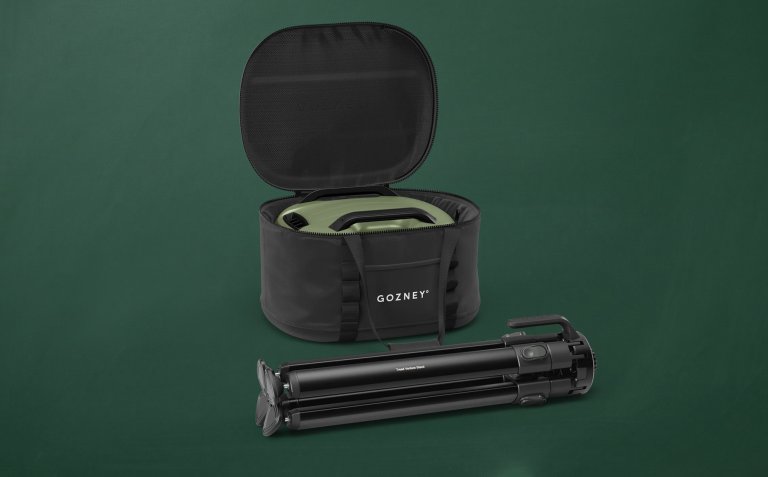
The Tread is Gozney’s portable propane oven, built to break down into a carry bag and ride along to a campsite, tailgate, or friend’s backyard. The Trail Bundle adds the stand and the Venture carry bag, which is what turns the Tread from technically smaller into actually portable. At $699 it costs less than the Tread Basecamp Bundle while including the gear that matters if you’re really taking it anywhere.
Gozney Pizza Oven Deals
Every full-size Gozney oven is $100 off. The new Dome Gen 2 and Dome XL Gen 2 swap the direct cut for a gift with purchase, but the Sale Bundles below land the bigger savings on the same ovens.
Bundles are where the biggest dollar savings hide because they stack the sitewide cut on top of an already-discounted accessory pack. The Dome XL Sale Bundle is $324 off and the Tread Peak Bundle is $247 off, both bigger than any standalone oven cut.
Every peel, rocker, cutter, and server is 20 percent off, with Gozney’s infrared thermometer down to $39.99 if you actually want to read deck temps before you launch a pie. This is the right pass if you already own a Gozney and your peels have started looking like they survived a small fire.
Dough trays, scrapers, cutters, and Gozney’s three regional dough mixes are all 20 percent off. The Dough Mix Set is the cheapest way to taste-test Neapolitan, New York, and Detroit in one weekend, then settle which style reheats best for Monday lunch.
Stands, covers, mantels, and the Tread carry kit are all 20 percent off. The Arc and Arc XL Stand at $239.99 is the cheapest way to get an oven off the patio table and onto a permanent spot in the yard.
The deepest cuts hit the legacy Roccbox and original Dome accessories at 40 to 50 percent off. The Roccbox Wood Burner 2.0 is half off at $49.99, which is still the only way to convert a gas Roccbox to wood-fired without a third-party kit.
A summer heat wave and a stressed grid have a way of moving backup power up everyone’s shopping list. Jackery’s early Prime Day sale runs through June 22, with the full lineup live on its Amazon store and a few larger bundles exclusive to Jackery.com. Portable power stations start at $129 for the Explorer 240D, the standalone stations climb into whole-home territory, and the deepest cut in the sale takes a loaded Explorer 2000 Plus kit past 60% off. If you have been thinking about getting a solar generator, now is a great time to jump in.
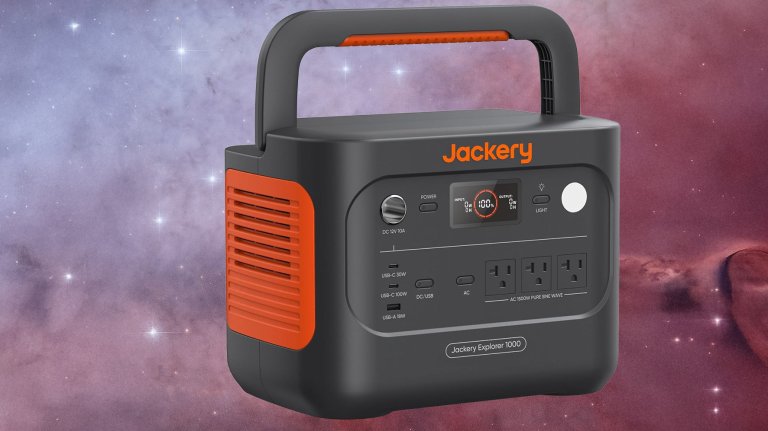
The Explorer 1000 v2 is the size most people should start with, and at $499 it’s down 38% from $799. You get 1,070Wh of capacity and a 1,500W output (3,000W surge) in a 23.8-pound box, enough to run a refrigerator for a few hours or keep phones, a router, and a couple of laptops going through an outage. Jackery rates it for a full wall recharge in about 1.7 hours, or roughly an hour in the app’s emergency mode. It’s the model we’d point most people to first, and it sits in the same class as the units in our guide to the best portable power stations.
Jackery Explorer 300D + 40W Air Solar Panel Bundle $199.00 (was $359.00)
Solar-ready backup for phones and laptops, under $200
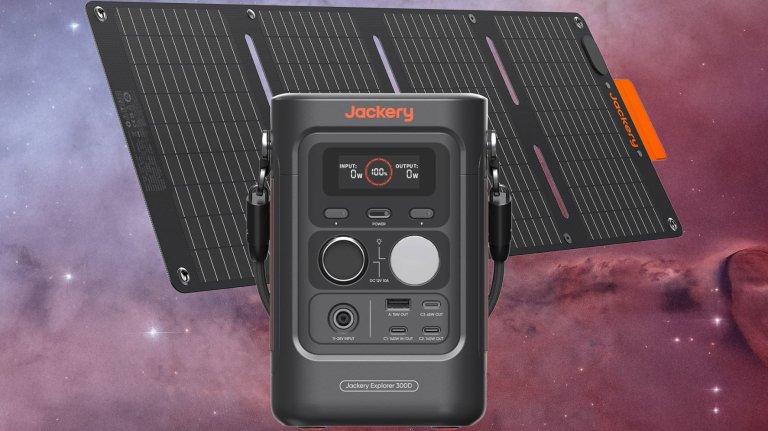
The Explorer 300D bundle pairs a 288Wh LFP power station with a 40W solar panel for $199, the lowest price it’s hit in the past 30 days and 45% off the $359 list. This is a DC unit, with 300W spread across three USB-C ports and one USB-A and no wall outlet, so it’s built for phones, laptops, cameras, drones, and a Starlink Mini rather than a fridge. It weighs 5.5 pounds, its strap doubles as a 140W charging cable, and it refills from zero to 80% in about an hour. I have been using this for an upcoming review and I really like the form factor and performance so far.
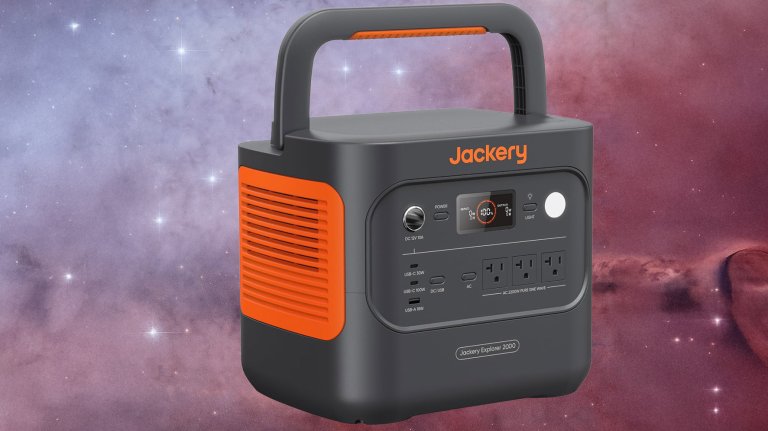
The Explorer 2000 v2 is the one to get if you want real home backup, and 47% off brings it to $799 from $1,499. Its 2,042Wh capacity and 2,200W output can run a full-size refrigerator for most of a day, and the 20-millisecond UPS switching is quick enough to keep a desktop or router from dropping out when the power cuts. A folding handle means you can move it from the office to the kitchen when you need to, and Jackery quotes a 1.7-hour wall recharge, so you’re not waiting on it all afternoon.
More Jackery Deals at Amazon
The rest of the Amazon discounts cover the middle of the lineup. The Explorer 1000 v2 with a 200W solar panel is $699 (46% off) if you want panels in the box, and the HomePower 3600 Plus, a modular system that expands to 21kWh, drops to $1,799 from $2,799.
Jackery’s steepest discounts live on its own site, where the price covers a power station plus stacked battery packs and panels. The Explorer 2000 Plus 6kWh kit with two 200W panels is the standout at $2,599, down from $6,599, and the rest of these solar generator kits are worth a look if whole-home runtime is the goal. For how the big units stack up, see our guide to the best solar generators.
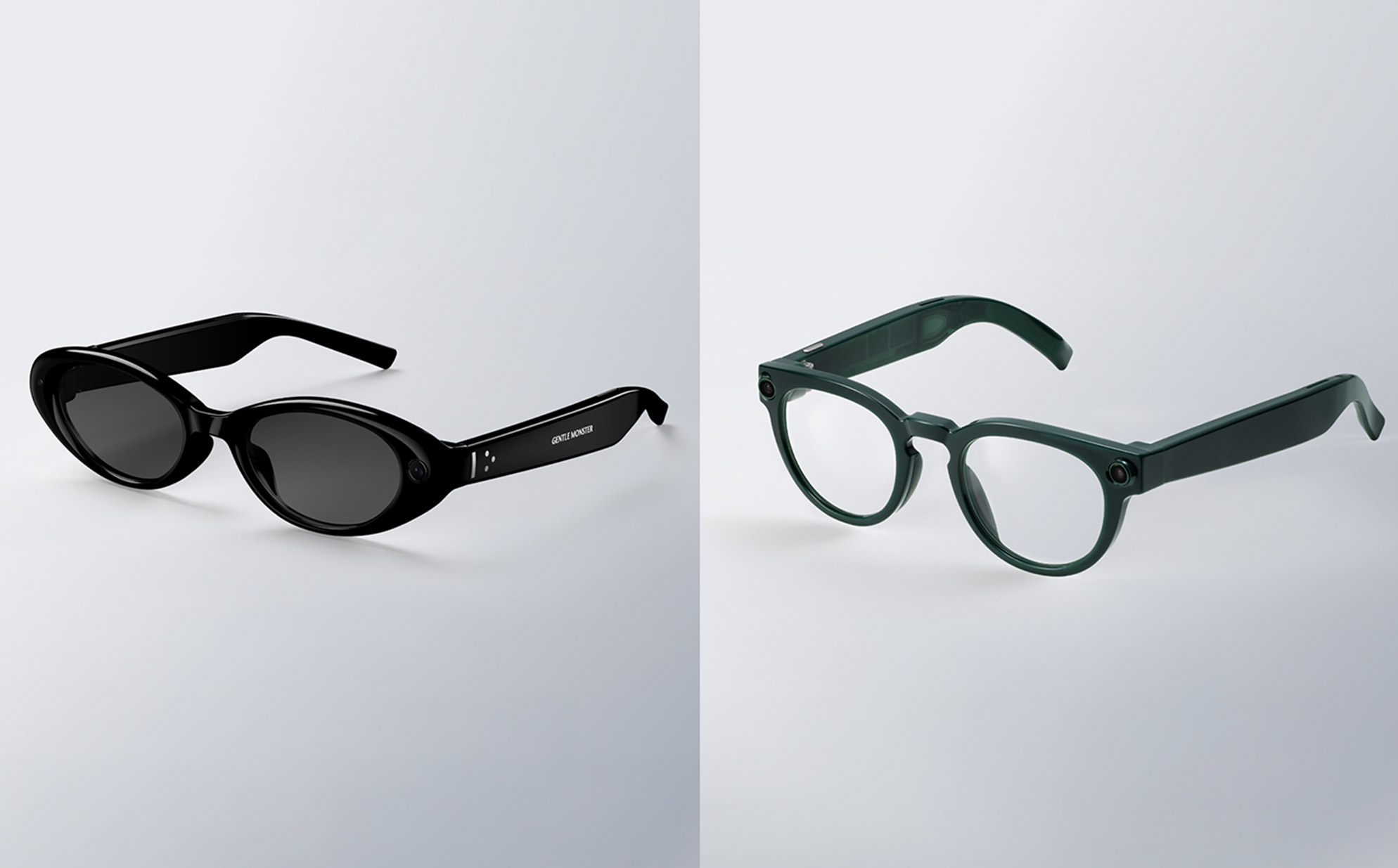
Google put AI on people’s faces more than a decade ago with its Google Glass wearable. It was designed to put a computer directly on your face, but the world (and to some extent, the hardware) wasn’t quite ready for that yet. At Google I/O 2026 on Tuesday, Google announced new intelligent eyewear built with Samsung and Qualcomm, in frames from Warby Parker and Gentle Monster, shipping this fall. It’s a far cry from the original Google Glass project, and in many ways, it simplifies and streamlines the overall interaction.
The pitch is that the glasses skip the standalone hardware category entirely. They put a Gemini agent in eyewear people would already wear, and let it do multi-step work on the phone in your pocket. The keynote demo was a single voice command walking past a cafe. The agent queued a Doordash coffee order on the phone, the user kept walking, and the only step left was a confirmation tap.
The hardware enters through a mine field of agentic AI projects that, so far, haven’t achieved their lofty ambitions to replace our phones. Humane’s ill-fated AI Pin sold to HP in February 2025, and its agent servers went dark within weeks of the deal closing. The Rabbit R1 shipped to reviewers who called it half-finished. The lone survivor at any scale is Meta’s Ray-Ban smart glasses, which work in part because they don’t try to be an agent. They are an audio assistant with a camera.
Where Gemini Intelligence comes in
This pair could pass for typical glasses. Samsung
Meta’s Ray-Bans can take a photo, summarize a notification, identify the building you’re walking past, and route a call to your phone. They cannot order you a coffee (at least not yet). The new Google and Samsung glasses can, and that agentic functionality is what the company hopes will make this hardware an integral part of people’s lives. Google calls this layer Gemini Intelligence, and it handles multi-step tasks in the background while the glasses act as the voice and camera frontend. The Doordash demo is the most concrete example Google offered, and the company says the same pattern extends to any other phone app you can drive by voice. Ride-hailing through Uber and language tutoring through Mondly also got namechecked.
You wake Gemini either by saying “Hey Google” or tapping the side of the frame. The same trigger can be used to ask about anything in your line of sight. Look at a parking sign you can’t decode, a restaurant whose menu you can’t read, a cloud formation you can’t name. Google is keeping precise behavior private outside controlled scenarios, but reporters who tried them on at I/O have started filing first impressions. The features Google showed at the keynote suggest a different kind of interaction than the voice assistants with cameras already on the market.
Real-time translation that matches the speaker’s voice
The Gentle Monster collab leans more into the fashion aspect of the glasses. Samsung
The translation feature is the other piece of the announcement that does not have an obvious off-the-shelf equivalent. Google says the translated audio piped to your ear matches the original speaker’s tone and pitch, rather than the flat synthesized voice most translation apps default to. The glasses also do visual translation. Look at a menu, a sign, or a piece of writing, and Gemini reads the translation back through the onboard speakers. Without a built-in display, you won’t get a visual representation of the translation, but it’s a fully audio interaction.
Tone-matched translation has been an ambition for services like this before, but it hasn’t been perfect. The Pixel Buds had a version of it at launch, but it leaned heavily on processing done back on the phone and a stable connection between the two. Whether Google’s new pass is meaningfully better in a crowded restaurant or on a noisy street is the test that matters, and it is the kind of thing that only holds up under real-world hands-on time.
The audio-only first generation
Two brands are launching frames at the same time. The first Gentle Monster design is a black frame leaning toward the chunkier, more fashion-forward end of the brand’s catalog. Warby Parker’s is a darker green frame closer to its everyday lineup. Both brands have said the smart-glasses styles will be part of full collections, not one-off co-branded SKUs, so the eventual lineup will be larger than the two designs shown on stage at I/O.
The first generation is audio-only. There is no built-in display in the lens, so all output runs through onboard speakers, and the camera handles visual input for the agent. Going audio-only is what makes the frames look like regular glasses rather than the visibly chunky early Google Glass form factor, and it is probably the only way the pitch with two fashion brands holds together at all. Google said display-equipped versions are coming as a separate track. The glasses pair with both Android and iOS, which matters because no new wearable can succeed locked to a single phone platform.
What Google and Samsung haven’t shared yet: prices, exact ship dates, or which specific styles in each brand’s collection get the Gemini features beyond the two preview designs. Meta’s Ray-Ban Display, the closest comparison on the market right now, starts at $799. Google said more details are coming “in the coming months.”
Android XR is the platform underneath
The glasses run on Android XR. So does Samsung’s Galaxy XR headset that launched last year, and so will the wired XREAL Project Aura that Google teased separately at I/O for a launch by the end of 2026. Android XR is the OS layer Google built with Samsung and Qualcomm to span the full range of extended-reality hardware, from cheap audio frames all the way up to mixed-reality headsets. This strategy involves one platform, multiple hardware partners, a ladder of price points, with Gemini baked in at every tier and it has already shown that it works.
That makes the Gentle Monster and Warby Parker frames more than a single product launch. They are the consumer entry point into a lineup that already has Samsung’s Galaxy XR headset at the high end and XREAL’s wired Project Aura filling in the middle. Apps and Gemini features that ship for the headset should travel down the stack. For instance, a tutorial that runs as a 3D overlay on Galaxy XR can drop into spoken steps on the audio glasses. For developers, it is one SDK and one app surface to target instead of three. I/O is, after all, an event for developers.
The rest of Google I/O 2026, briefly
The glasses were not the only thing Google launched on Tuesday. The list of everything else announced at I/O 2026 runs much longer, but here are the hits.
Gemini 3.5 Flash. The first variant of Google’s new model series, tuned for agentic workflows and chained tool use. It is the model under the hood of most of the announcements at the show, available in the Gemini app and through Google’s API today.
Gemini Omni Flash. A unified model that takes any input (text, image, video, or audio) and produces any output. The launch version starts with video generation and editing. Omni Flash powers the new Google Flow and Google Flow Music creative tools, and Google says more output types are following.
A new AI Search. Google is calling this the biggest update to Search in over 25 years. The Search box now expands dynamically to fit a longer question and accepts text, photos, files, video, or a dropped-in Chrome tab as input. A new agent layer can also take on planning tasks. Ask Search to find a private karaoke room for six on a Friday night with late-night food and it will cross-reference live availability across the web, surface booking links, and offer to call the venue by AI voice to lock in the details.
A redesigned Gemini app, with Daily Brief. Google overhauled the Gemini app’s interface (the new design language is called Neural Expressive, with fluid animations, new fonts, and haptic feedback) and added Daily Brief, a feature that surfaces the day’s most urgent items across your connected services. Unread emails, upcoming meetings, and overdue tasks come prioritized by your personal goals. Gemini Spark, the agent layer that handles recurring chores like flagging subscription price increases or watching for flight-price drops that trigger travel credits, is rolling out next.
Gmail Live and Docs Live. Voice-driven versions of two Workspace staples. Open Gmail Live and ask “what’s my flight’s gate number?” or “what’s happening at school this week?” and Gemini reads through your threads to answer. Docs Live works as a conversational drafting partner. You can talk through an outline by voice, ask it to rewrite a paragraph’s tone, or have it pull supporting details from your Drive into a first draft.
AI Ultra at $100 per month. Google’s new top consumer subscription tier sits above the existing AI Plus and AI Pro plans. It bundles expanded Gemini Spark access, the latest Omni capabilities, and higher usage limits. It continues the frustrating trend of high-end AI plans that jump straight to $100 without offering a reasonable mid-tier.
Universal Cart. Google’s shopping play for the agent era. An intelligent cart that consolidates items across retailers, paired with technology for AI agents that can purchase on your behalf. Read it alongside the Doordash demo above and the company’s direction comes into focus.
Memorial Day weekend is when the entire summer-gear calendar collapses into a five-day window, and pretty much every category we cover is at its lowest price of the season. The deepest cuts this year sit in three places. Gozney is at 20% off across pizza ovens through May 27, the deepest discount the brand runs all year. Breeo’s smokeless fire pits are 15% off sitewide. And on the tech side, Meta is running its first portfolio-wide promotion, 15% off Ray-Ban Meta and Oakley Meta smart glasses, which is the first time the Gen 2 Wayfarers have ever been discounted.
Mattresses follow their usual pattern. Amerisleep, Zoma, and Vaya are stacking discounts up to $1,000 off on king-size mattresses, with bed frames and accessories included. Brooklinen’s Luxe Sateen sheets are 25% off with code MEMORIALDAY2026. The sale windows are uneven across the rest of the post. Some end at midnight on Monday, May 25, others run through the end of the month or into the first week of June. We’ve flagged the dates where they matter.
Updated Thursday, May 21: Three new picks today. Ooni is now matching Gozney at 20% off pizza ovens, so the multi-fuel Karu 2 is in play if you’ve been cross-shopping the two brands. Backcountry’s Extra 20% Off Clearance is a Saturday deadline, the kind of weekend-only stack that lets you layer a discount on top of an already-marked-down jacket. And All-Clad’s factory-seconds outlet has the Outdoor 3-Piece Cookware Set at $79.99 from $270, a 70% cut and one of the deepest All-Clad prices the outlet has run all year.
Monday, May 25: Ray-Ban Meta and Oakley Meta smart glasses 15% off, Apple AirPods Pro 3 at $229 on Amazon, ororo Heated Apparel at 25% off, KEEN Footwear at 25% off, and Amazon’s broader Memorial Day Sale
Tuesday, May 26: Brooklinen 25% off sitewide with code MEMORIALDAY2026, plus HOVERAir X1 Pro Max bundles
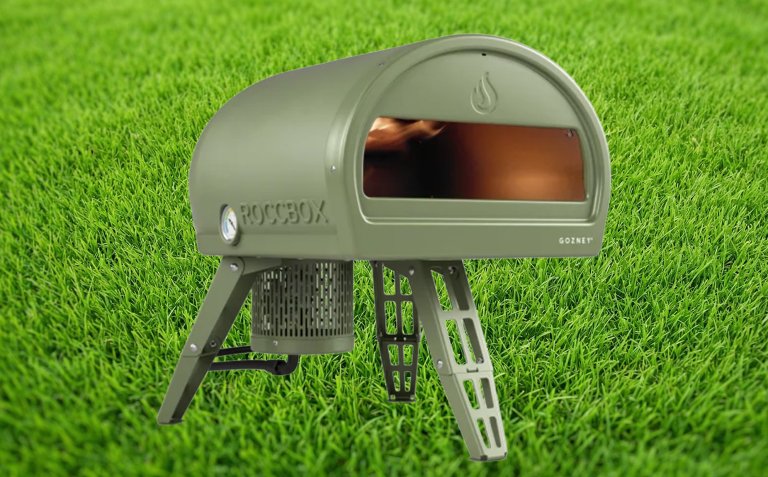
Roccbox is the gas-and-wood-fired oven that will change the way you see homemade pizza. No more floppy crust or super-thick dough. It hits 950°F and cooks a Neapolitan pizza in 60 seconds. It’s also the most portable oven in the Gozney lineup. The brand almost never discounts its whole catalog at once, so 20% off Roccbox through May 27 is the cheapest you’ll see this oven before fall.
Best backyard deal
Breeo X Series 24 Corten Smokeless Fire Pit $509.15 (was $599)
The X Series is Breeo’s flagship smokeless fire pit. A double-walled stainless steel body pulls air up through internal vents and re-burns the smoke before it ever reaches your eyes, which means you can sit downwind without smelling like a smore for three days. The X Series 24 in Corten steel fits a small patio, and the cooking ring accessory turns the whole thing into an open-fire grill. 15% off sitewide also covers the larger Y Series and every accessory in the catalog.
The Wolfbox MF100 is a cordless electric air duster — basically a rechargeable replacement for canned air. A 150,000-RPM turbo fan pushes 45 m/s of airflow, with three speeds, five interchangeable nozzles, and a couple of brush heads for keyboards, camera sensors, car vents, and the rest of the dust traps in your life. USB-C charges it in about 2.5 hours and Wolfbox claims up to 100 minutes on the low setting. At roughly 10 ounces it stows in a desk drawer or camera bag, and Wolfbox rates it for 500-plus uses, so it’s a one-time buy instead of a recurring stack of disposable cans.
Best outdoor blanket deal
Rumpl Original Puffy Blanket (1-Person) $74.96 (was $99.95)
The Original Puffy is Rumpl’s hero product, basically a sleeping bag stretched out and turned into a throw blanket. Recycled polyester face, synthetic insulation, and it packs down to about the size of a Nalgene bottle. The 1-Person size fits one person on a camp chair or two on a couch. 25% off sitewide also covers the bigger sizes, the Down lineup, and the printed artist-series options if you want a less-utilitarian colorway.
Best smart-glasses deal
Ray-Ban Meta Wayfarer (Gen 2) Smart Glasses $390.15 (was $459)
Meta has never directly discounted the Gen 2 Ray-Ban Wayfarers before. This is the first portfolio-wide promotion the company has run, and it spans both the Ray-Ban Meta line and the newer Oakley Meta HSTN sport frames. Cameras are sharper than the first generation, and the audio is louder in open-ear mode. The on-glasses Meta AI assistant also handles basic queries without your phone in range. If you’ve been holding out on smart glasses because you didn’t want to pay full retail, this is the window. The promotion runs through May 25.
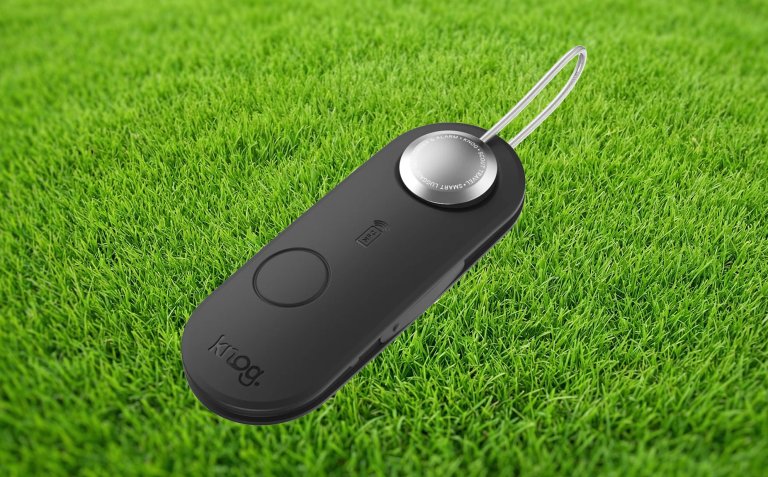
Apple’s AirTag is the obvious answer if you live in iOS, but the Knog Scout Travel is the better pick for anyone who travels internationally or splits between iOS and Android. It rides on Apple’s Find My network when paired with iPhone and switches to Google’s Find My Device on Android. The battery is rechargeable rather than the AirTag’s swap-the-coin-cell setup, so a checked bag that gets lost for three weeks still pings on arrival.
Best bedding deal
Brooklinen Luxe Sateen Core Sheet Set (Queen) $156.75 (was $209)
The Luxe Sateen is the sheet set that built Brooklinen’s reputation: long-staple cotton, 480-thread-count sateen weave, and the kind of weight that holds up to a hot sleeper without going limp by month three. The 25% off applies sitewide with code MEMORIALDAY2026 at checkout, and a bundled purchase of sheets, duvet, and towels stacks higher savings on the bundle total. The sale runs through May 26.
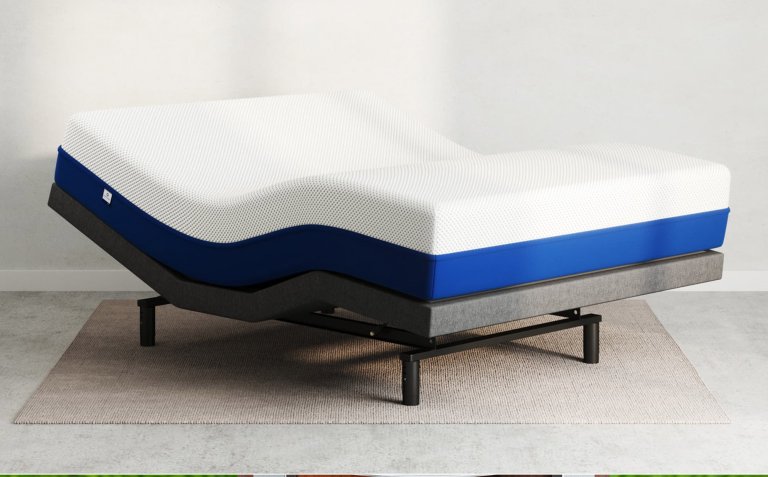
The AS3 Hybrid is the medium-feel pick in the Amerisleep lineup and the model that lands on more best-of mattress lists than any other in the brand. It pairs a pocketed coil base with a Bio-Pur memory foam top, and the feel splits the difference between back and side sleepers without committing to either. The Queen drops $600 with code MD600 at checkout. King-size mattresses across Amerisleep, Zoma, and Vaya stack discounts up to $1,000 off, and the sale also covers bed frames, sheets, toppers, and pillows.
Outdoor cooking and backyard deals
This is the deepest category of the weekend. Gozney almost never runs a full-catalog discount, Breeo’s 15% off applies across every fire pit and accessory it makes, and Dometic’s coolers are getting their biggest cuts of the season. Fontana Forni is bundling free accessories with its Italian-made outdoor ovens for a week.
If you missed the REI Anniversary Sale window, this is the second-best weekend of the year for outdoor gear. Jackery, EcoFlow, BioLite, and Goal Zero are running parallel discounts on portable power, with the Jackery Explorer 2000 Plus at $1,300 off as the deepest cut in the category. Big Agnes and NEMO are 40% off select tents. Rumpl’s blankets are 25% off, and Mammotion’s LUBA 3 AWD robot lawn mower drops $300 plus a free Garage accessory worth $209.
The Ray-Ban Meta first-ever discount is the headline, but the rest of the AV side has serious cuts. Bose is at $130 off the mainline QuietComfort Headphones, Sonos rarely discounts the Move 2 and it’s $100 off, and AWOL Vision is taking $1,199 off its newest ultra-short-throw projector.
Mattress brands run their biggest sales of the year right now, and 2026 is no exception. The Amerisleep, Zoma, and Vaya prices below all reflect Queen-size pricing, since that’s where most readers land. Tuft & Needle’s 30% off the Mint is one of the deepest discounts on the line all year, and Mellanni’s Iconic sheet set drops to $36.97 on Amazon.
Sitewide mattress promos at a glance
If you’re cross-shopping mattress brands, here are the active sitewide codes and promo tiers without the editorial picks attached.
Amerisleep: Up to $1,000 off mattresses with code MD600, plus discounts on bed frames, sheets, toppers, and pillows
Zoma: 30% off mattresses with code SLEEP30
Vaya: $300 off mattresses with code VAYA300
Brooklinen: 25% off sitewide with code MEMORIALDAY2026, sale ends May 26
Tuft & Needle: 30% off the Mint mattress for Memorial Day
Silk & Snow: Memorial Day campaign pricing live on the Hybrid lineup
Serta iComfort: Holiday pricing across the assortment
Beautyrest Black: Memorial Day pricing on the current Black Hybrid lineup
The apparel side is dominated by sitewide cuts at brands that don’t discount often. Columbia is up to 40% off, ororo is at 25%, and Tifosi Optics is at 20% with code MD20. Antler’s 20% off luggage sitewide is a strong tier for the start of summer travel.
Huffy Bikes 20% off with code May20 for National Bike Month
KEEN Footwear 25% off sitewide through May 25 (some American Built and work-boot exclusions)
Kitchen and major appliance deals
LG is taking 30 to 58% off appliances, which is the deepest cut of the season on the brand. Hisense is running parallel discounts on its refrigerators and ranges at Lowe’s. On the countertop side, Vitamix is $180 off the Propel 750 (its biggest cut of the year), Le Creuset’s Signature Round Deep Oven drops to $289.99, and Caraway is bundling its full cookware-plus-minis set at 40% off.
Dyson and iRobot are both running their deepest stick-vac and robot-vac cuts of the season. Revival Rugs just launched a washable wool line alongside its sitewide discount. AquaTru and AirDoctor are running parallel cuts for what AirDoctor is calling its Air Quality Awareness Month sale.
The Home Depot and Lowe’s are both running their biggest tool sales of the season this weekend. DEWALT’s 20V MAX 6-Tool Combo Kit drops $400 at The Home Depot, the kind of pricing that justifies buying into the platform if you’ve been on the fence. EGO’s 1100 Series self-propelled mower is $200 off at Lowe’s, one of the deepest cuts on a battery mower we’ve seen this year.
Ergatta’s rower rarely sees meaningful discounts, and a $500 cut on the Luxe model is the deepest price drop on the line this year. RDX Sports is running its standard 20% sitewide play.
Ergatta Rower $1,999 (was $2,499), $500 off, 20% off through May 31
Ergatta Lite Rower $1,399 (was $1,699), $300 off, 18% off through May 31
A few retailers run sales broad enough to merit a separate scan from the brand-specific picks above. The Home Depot and Lowe’s are the most useful for major appliances and outdoor power equipment, where most of the appliance, DEWALT, and EGO cuts are pulled from. Amazon’s Memorial Day sale runs through May 25 across nearly every category. Ace Hardware’s new Hometown Days event runs the same window with weekend-only in-store deals.
All-Clad Factory Seconds Summer Savings The brand’s outlet is running deep cuts (50 to 77% off) on second-quality and packaging-damaged cookware, bakeware, and outdoor pieces
We test hundreds of products every year, ranging from hardcore outdoor gear and power tools to home theater systems and kitchen appliances. Seriously, you should see our offices. They’re cluttered with products and we wouldn’t have it any other way.
While we love gear and gadgets, not all of them deliver on their promises. We know what it’s like to buy a new device only to find that it doesn’t solve the problem you wanted it to solve. That’s why we created the Popular Science Proven badge.
We put everything we review through rigorous testing. That includes empirical testing when appropriate, but more importantly, we use these items. After all, a TV’s stated contrast ratio doesn’t mean much if that 4K Blu-ray of Alien you bought doesn’t look perfect.
What makes a product worthy of the PopSci Proven badge?
While the specific methods vary, any product with a Proven badge meets a set of criteria developed by the staff across decades of combined experience reviewing products.
It does what it says
When a product makes a claim, you want to know that it’s being honest. That rain jacket will keep you dry on a hike. Those headphones will block out the crying baby three seats behind you on your flight. We decode all the marketing speak you’ll read in the press release and see how well these things actually work.
It’s worth your money
Words like “value” and “budget” get a bad rap when used synonymously with “cheap.” We don’t think that way. An expensive home pizza oven can be a great value if it will last for years and totally eradicates your costly delivery habit. Whether something is $15 or $1,500, it has to earn its price tag.
It solves a problem real people actually have
Scroll through social media for five minutes and you’ll find products that make ridiculous promises and address problems that don’t exist. A Proven product makes life simpler, more accessible, more sustainable, more enjoyable, or more productive.
It’s designed to last, not break and make you buy a new one
We can’t tolerate planned obsolescence. Products with the Proven logo have to be built to last and offer a reasonable warranty should something go wrong. We give bonus points to products that actually get better with age. Nothing beats the patina on a well-crafted pair of boots or the unique brassing that happens to a camera that goes everywhere with its owner.
While Proven will mostly apply to new products, we’ll also be retroactively applying badges to products we’ve loved for years. Some items have already stood the test of time and we appreciate that.
If you see the badge going forward, know that it’s something we’d use ourselves. In fact, check our offices and you’ll find that most of them, we’re already using on the regular.
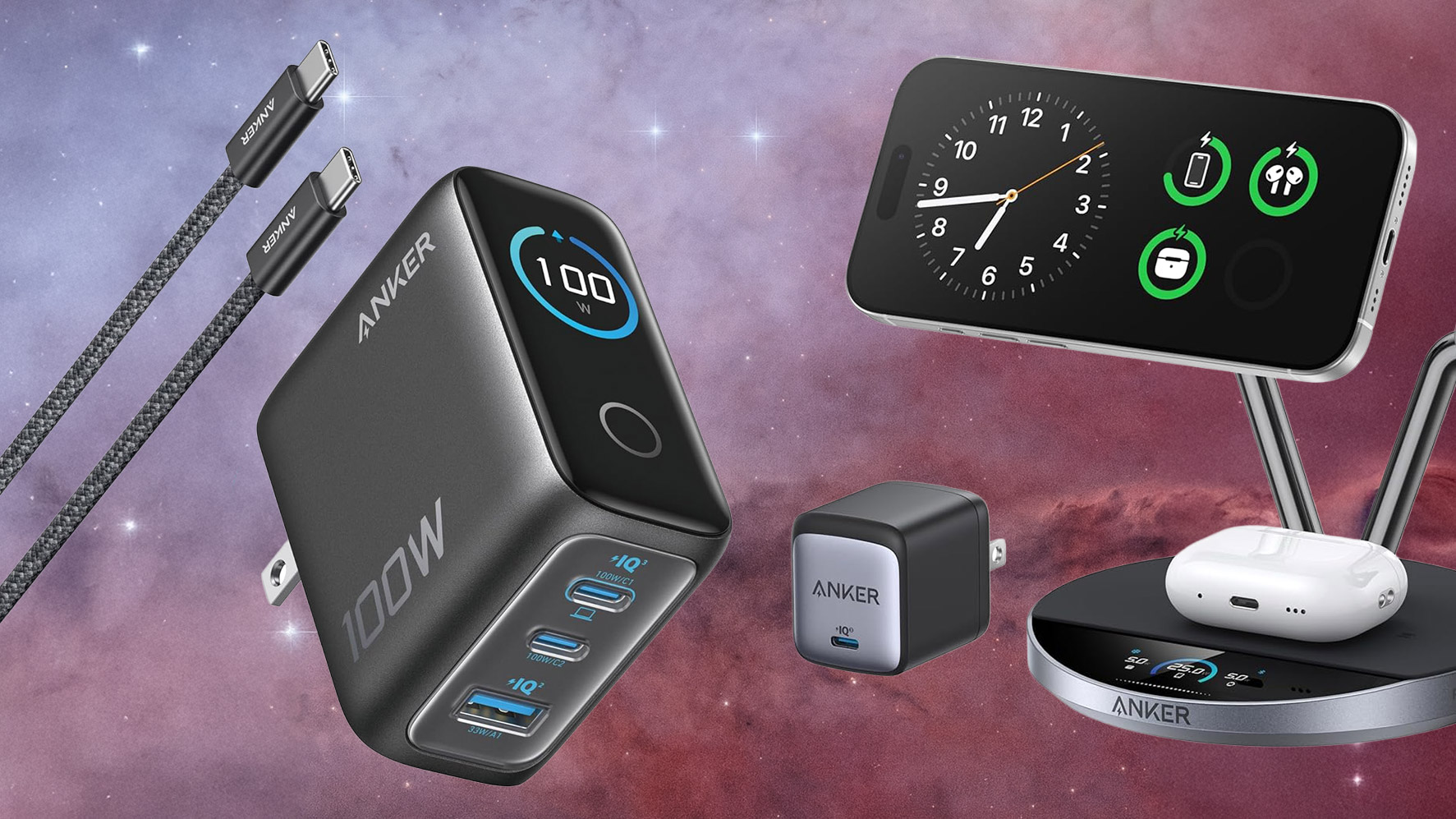
Amazon’s pre-Prime Day Anker sale is live right now, three weeks before the actual event kicks off on June 23rd. The sale runs across wall chargers, power banks, wireless chargers, and docking stations, with cuts of up to 35% on most of the lineup. The Anker Prime 20,100mAh Power Bank drops to $125.99 (was $179.99) and the 13-in-1 USB-C Triple-Display Docking Station is $139.99 (was $199.99). Whether these hold through Prime Day or bump back up before then is anyone’s guess, but the prices are real right now.
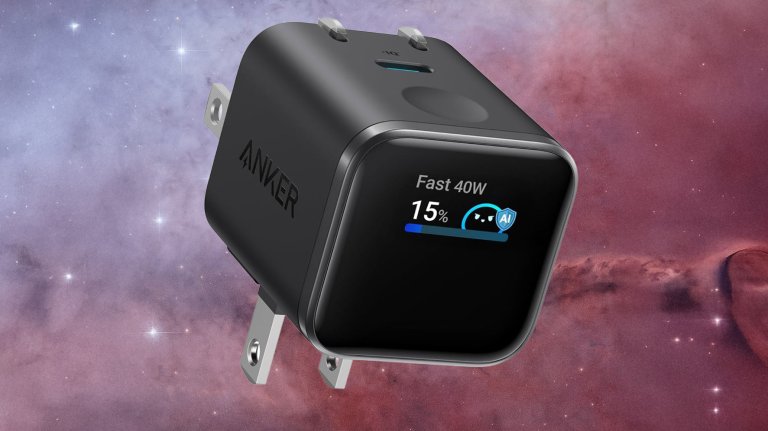
The Anker Nano 45W USB-C Charger has a built-in Smart Display that shows real-time wattage output on the face of the brick, and a Care Mode that automatically throttles back when a phone hits 80% to protect the battery long-term. It’s a single USB-C port, compact and foldable, and at $27.99 it’s the least expensive way to get into Anker’s Smart Display lineup. Most people who track charge speeds will find it useful. Everyone else just has a very good 45W GaN charger at a price that makes it easy to keep one at a desk and another in a bag.
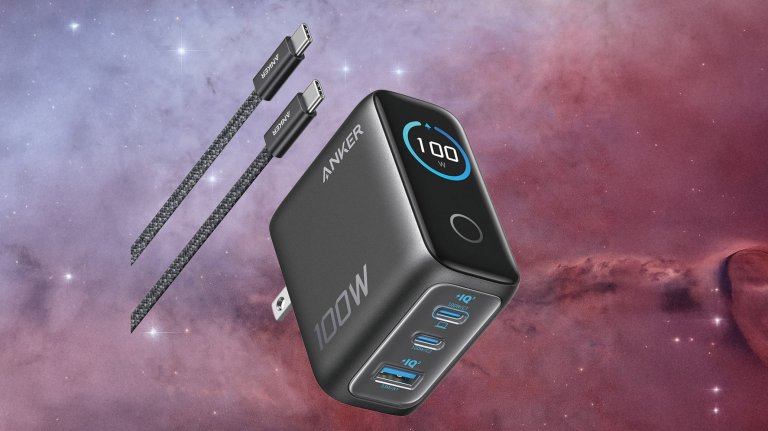
Anker 100W 3-Port GaN USB-C Charger with Smart Display $49.98 (was $69.99)
One wall outlet, enough wattage for a laptop, tablet, and phone
The Anker 100W 3-Port GaN USB-C Charger puts 100W total across three USB-C ports, with a smart display and touch control to see and adjust per-port output. With a single device plugged into the top port, you get the full 100W, enough for a 16-inch MacBook Pro at full charge speed. With all three ports active, it splits automatically. At $49.98 it’s 29% off and covers the most common use case: one charging brick, everything on your desk, no hunting for the right outlet.
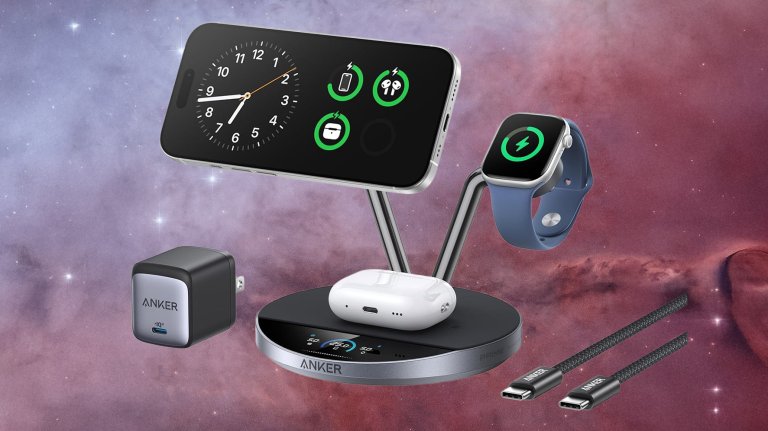
Anker Prime 3-in-1 Qi2.2 25W MagSafe Charging Station $149.99 (was $229.99)
Anker’s best MagSafe dock, $80 off list and Qi2.2 certified at 25W
The Anker Prime 3-in-1 Qi2.2 25W Charging Station is certified to the Qi2.2 standard, which pushed the MagSafe peak from 15W to 25W on iPhone 16 and later. It charges iPhone, Apple Watch, and AirPods simultaneously, with a built-in AirCool aerospace-grade thermoelectric cooling system that keeps the phone pad running at full 25W without throttling under sustained load. The on-unit display shows per-device wattage in real time. At $149.99 it’s the biggest dollar-amount discount in the current sale, $80 off a model that doesn’t typically go this low.
Anker Wall Charger and Cable Deals at Amazon
The Anker 140W 4-Port MacBook Charger with Smart Display is $64.99 (was $89.99), which is enough single-port output to run a 16-inch MacBook Pro at full speed while simultaneously charging an iPad and two phones off the other three ports. The Prime 100W 3-Port Foldable GaN Charger at $39.98 (was $69.99) is the deepest percentage cut on any single item in the current sale at 43% off.
Anker Wireless Charger and Car Charger Deals at Amazon
The Anker Zolo Qi2 MagSafe Charging Pad 2-Pack at $23.99 (was $39.99) is the biggest percentage cut in the wireless section at 40% off, which works out to under $12 per pad. The 3-in-1 Cube MagSafe Charging Stand drops to $89.99 (was $129.99) for a compact foldable unit that handles iPhone, Apple Watch, and AirPods together.
The Anker Prime 14-Port Docking Station is $169.99 (was $269.99), a 37% cut on the 160W dual-4K model, and the top-end Prime TB5 Thunderbolt 5 dock is $339.98 (was $399.99), which supports 120 Gbps transfer and dual 8K display output. On the budget end, the USB-C to HDMI adapter is $12.99 and the 5-in-1 hub is $15.99.

 Login
Login





 XL Pellet Smoker