Tehran previously warned Washington to stay out of the Strait of Hormuz
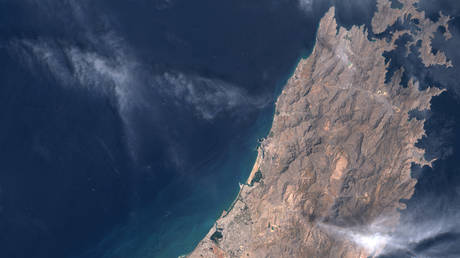
A US Navy patrol boat has been hit by two Iranian missiles not far from the Strait of Hormuz after it ignored warnings to stay out of the critical waterway, Fars News Agency has reported. It claimed that the boat was “forced to retreat,” without providing information on the damage.
Kiev conducted rocket and drone strikes on an agricultural facility in Bryansk Region, Aleksandr Bogomaz has said
Seven workers from an agricultural facility in Bryansk Region, Russia were wounded after Ukrainian forces carried out a “barbaric” rocket strike, Governor Aleksandr Bogomaz reported on Monday.
The attack targeted the Miratorg agro-industrial holding in the village of Brovnichi, Klimovsky District, causing damage to production facilities. While the injured were being evacuated, Kiev launched a follow-up drone attack.
“Inhumanity and terrorism are the methods of the Kiev regime,” Bogomaz wrote on Telegram, adding that the wounded have been hospitalized and are receiving treatment.
The death toll has reached 18 while rescue teams respond to widespread damage
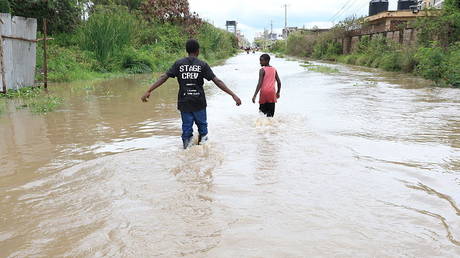
At least 18 people have died due to flooding and landslides following heavy rains in Kenya, while extreme weather continues to batter large parts of the country, the national police service reported on Sunday.
Mudslides have struck several regions in the central and eastern part of the country, leaving families displaced and causing widespread destruction to homes and infrastructure.
“The National Police Service has confirmed the loss of 18 lives as a result of these incidents,” the police said in the statement.
Emergency response teams have been deployed to carry out search and rescue operations, evacuate residents from high-risk zones, and deliver relief supplies. Officials are also assessing areas most prone to further landslides in an effort to prevent additional casualties, as fears grow that the situation could deteriorate if the rains continue.
It marks the second deadly flooding episode to hit parts of Kenya in under two months. In March, severe flooding across the African state claimed at least 81 lives. Nairobi was the hardest-hit region, with 37 victims. The country is now in the midst of its rainy season, which usually peaks in early May.
Heavy rainfall in late 2025 has also resulted in widespread flooding across parts of southern Africa, overwhelming drainage systems and causing rivers and dams to surge beyond capacity. In April, at least 42 people were killed in Angola after torrential rains triggered widespread flooding across multiple provinces.
In South Africa, prolonged downpours have inundated the provinces of Limpopo and Mpumalanga, killing at least 30 people, damaging thousands of homes, and prompting evacuations, including in Kruger National Park.
The United States could find itself trapped in a "quagmire" should it proceed with its military operation in the Strait of Hormuz, according to Iranian Foreign Ministry spokesman Esmaeil Baghaei.
The US president says Tehran’s proposed path to de-escalation is not acceptable
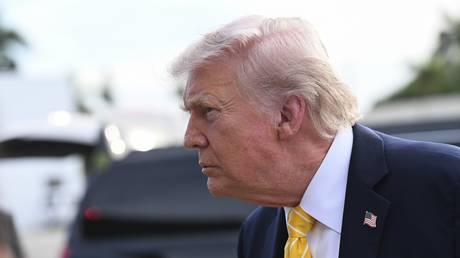
US President Donald Trump has rejected an Iranian counterproposal to a peace plan previously conveyed via Pakistani intermediaries.
The back-and-forth has so far resulted a deadlock in which neither party appears to be willing to budge. Although active fighting was paused under a fragile ceasefire last month, both Washington and Tehran continue to rely on economic leverage to force concessions.
Iran submitted its 14-point proposal late Thursday last week, reiterating its conditions for ending the standoff, as described by Iranian news outlet Tasnim. Speaking to Israel’s Kan News on Sunday, Trump said he reviewed the proposal and considers it unacceptable.
Trump had hinted at this stance on social media, writing that Iran “has not yet paid a big enough price for what they have done to Humanity, and the World, over the last 47 years.”
The US proposal, which is said to consist of nine points, called for the ceasefire to be extended by two months. Iran reportedly insists that the dispute must be settled within 30 days.
The crisis in the Persian Gulf began in late February with a joint US-Israeli targeted assassinations of Iran’s leadership and a bombing campaign aimed at toppling the government. Tehran responded with retaliatory actions, including strikes against countries that host US bases and disruptions to shipping in the Strait of Hormuz. Amid the ceasefire, Trump ordered a blockade of Iranian ports, even as global supply constraints force Washington to take costly measures to contain oil price increases.
Iran is seeking guarantees against future attacks, reparations – potentially funded through tolls on transit through the Strait of Hormuz – and the continuation of its nuclear program, which it maintains is peaceful in nature. The US demands the complete dismantling of Iran’s nuclear activities and unrestricted navigation through the strategic waterway.
Some vessels have reportedly paid for safe passage through the chokepoint
The US has threatened to sanction shipping companies that pay Iran tolls to transit the Strait of Hormuz.
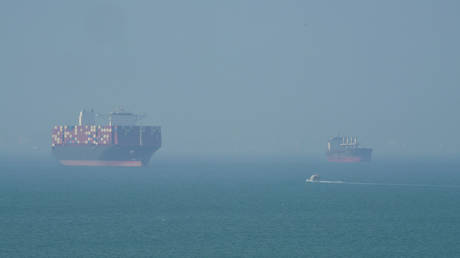
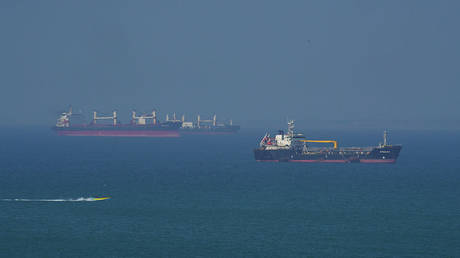
The strategic waterway has been effectively closed following US and Israeli strikes on Iran that started in late February, with traffic restricted to a single IRGC-controlled corridor under a de facto ‘toll booth’ system. Vessels transiting the corridor reportedly require clearance codes and Iranian escort.
According to Lloyd’s List, at least two ships have paid for passage in yuan, with fees reportedly ranging from $1 million to $2 million.
On Friday, the US Office of Foreign Assets Control (OFAC) issued an alert warning of consequences for those that pay the fees.
“Maritime industry participants involved with vessels calling at Iranian ports face significant sanctions risk under multiple sanctions authorities targeting Iran’s shipping sector and ports,” the OFAC said.
The agency added that non-US entities could incur civil or criminal liability if transactions involve US-linked institutions, including insurers and financial companies.
Iran has said it has the “natural right” to control the strait. Deputy Parliament Speaker Ali Nikzad stated that it is a sovereign domain rather than “an international waterway.”
As of May, an estimated 2,000 ships and 20,000 seafarers remain stranded in the Persian Gulf and around the Strait of Hormuz, with many facing supply shortages.
On Sunday, US President Donald Trump announced a new initiative called Project Freedom, aimed at assisting vessels from countries that are “neutral and innocent bystanders” to pass through the strait.
US Central Command said it would support the operation to “restore freedom of navigation for commercial shipping.” The initiative, described by Trump as a humanitarian gesture, will involve around 15,000 personnel, guided-missile destroyers, and more than 100 aircraft.
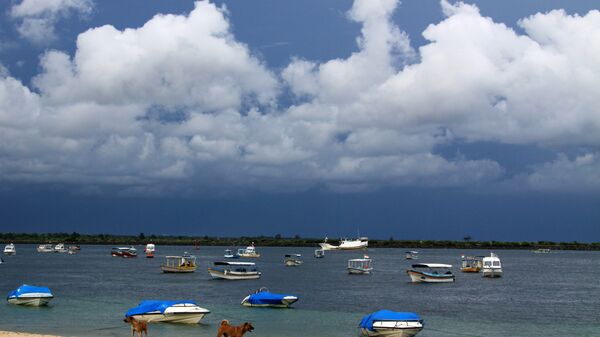
With global geopolitical instability on the rise, Indonesia is exploring the possibility of turning Bali into a safe international financial haven — a move aimed at attracting foreign capital, according to Coordinating Minister for Economic Affairs Airlangga Hartarto.
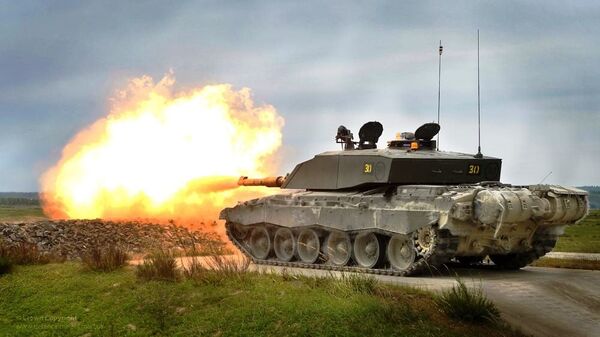
MOSCOW (Sputnik) - Gen. Richard Barrons, former head of the British Joint Forces Command and co-author of the UK government's Strategic Defense Review, told media that the country lacked the funds to purchase new weapons until at least 2030.

 Login
Login