❌

Reading view

Italian book on China's global vision captures Europe's attention
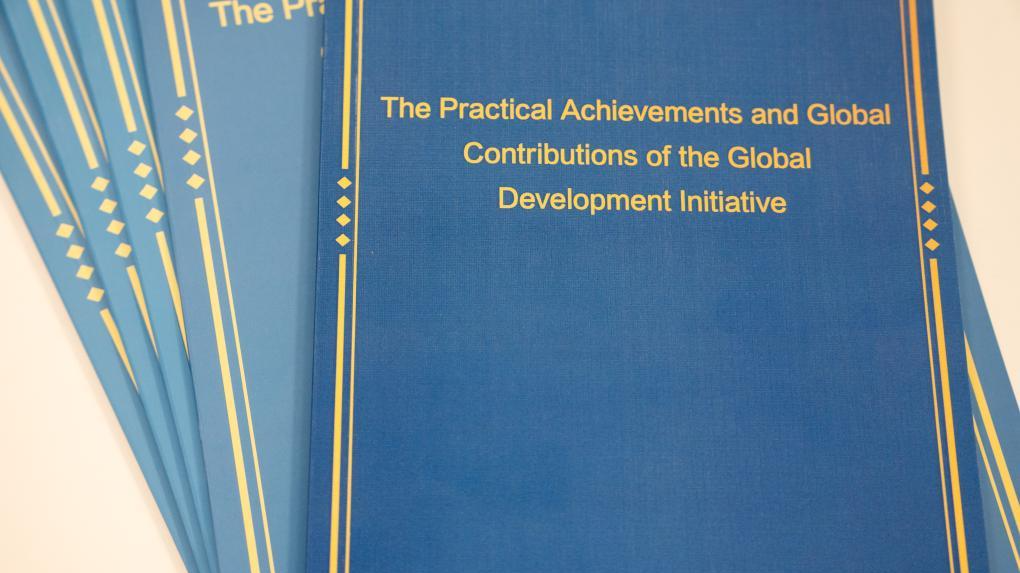
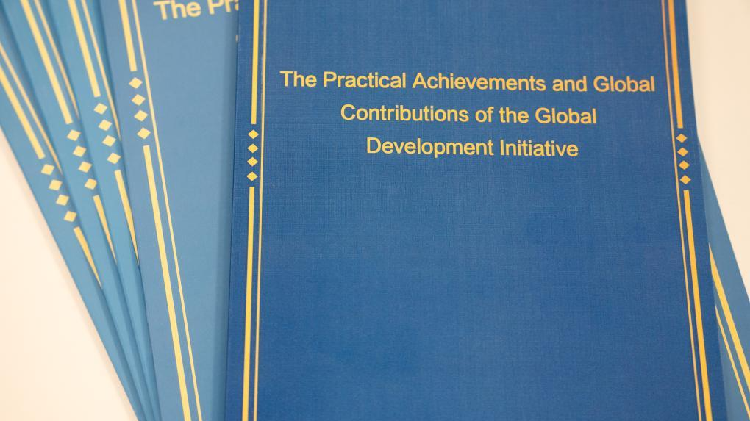
Copies of "The Practical Achievements and Global Contributions of the Global Development Initiative" report is seen at the UN headquarters, New York, US, September 19, 2023. /Xinhua

A book written by Italian scholars on China's vision for global governance is generating unusual interest across European academia, sparking debates about the future of the international order and whether traditional Western theories are still capable of explaining a rapidly changing world.

In recent months, China's Blueprint for Global Leadership has become the subject of seminars and discussions at institutions including the University of Trento, Sciences Po Paris and the German Institute for Global and Area Studies. The discussions reflect a broader trend: as China's global influence continues to expand, more European scholars are seeking to understand the intellectual foundations behind China's approach to international affairs.

The book, co-authored by Italian researchers including Matteo Dian and Silvia Menegazzi, examines how China is seeking to shape global governance through a set of initiatives introduced in recent years. It is widely regarded as the first comprehensive academic study of China's three major international proposals – the Global Development Initiative (GDI), the Global Security Initiative (GSI) and the Global Civilization Initiative (GCI).

More importantly, the book arrives at a time when many scholars are questioning whether existing theories of international relations can adequately explain today's increasingly fragmented and interconnected world.

Beyond the traditional Western lens

One reason the book has attracted attention is that it offers a relatively rare attempt by European scholars to analyze China's global governance concepts on their own terms rather than through the framework of strategic competition.

For decades, mainstream international relations theories in the West have largely interpreted global politics through concepts such as power balancing, geopolitical rivalry and the preservation of existing institutions. While these frameworks helped explain many aspects of the post-Cold War order, critics argue that they have struggled to account for new realities, including widening development gaps, persistent security challenges and growing demands from the Global South for a more representative international system.

The questions raised during recent academic discussions reflect this shift in thinking. Scholars have examined how China simultaneously participates in existing international institutions while proposing reforms to aspects of the current order. They have also explored why Beijing's initiatives have found support among many emerging economies and members of BRICS, as well as how China presents development, security and civilizational dialogue as interconnected pillars of global governance.

For many participants, the significance of the book lies not simply in explaining China's policies, but in offering a new analytical lens through which to understand global change.

Why China's ideas are resonating

The book argues that China's global initiatives share a common theme: addressing international challenges through cooperation rather than bloc confrontation.

The GDI emphasizes poverty reduction, infrastructure development and economic cooperation. The GSI promotes the concept of indivisible security, arguing that the security concerns of all countries should be taken into account. The GCI calls for dialogue among civilizations and rejects the notion that one cultural or political model should be universally imposed.

Supporters view these concepts as an alternative to zero-sum thinking and ideological division. They argue that the initiatives reflect lessons drawn from China's own development experience and emphasize respect for countries' independent development paths.

This message has gained particular traction in parts of the developing world. Many countries in Asia, Africa and Latin America continue to prioritize economic development and social stability while seeking greater representation in global governance institutions. For these nations, China's proposals are often seen as addressing practical concerns that existing frameworks have not fully resolved.

The positive responses from organizations such as the African Union and the Association of Southeast Asian Nations have reinforced academic interest in understanding why these ideas resonate beyond China itself.

A shift in European academic thinking

The attention surrounding the book also points to a subtle but important shift within parts of Europe's academic community.

For years, discussions of China in Western political discourse have frequently been framed through the lens of strategic competition, technological rivalry or security concerns. While these issues remain important, some scholars argue that such approaches alone cannot explain China's growing appeal among many developing countries.

As Chinese-backed development projects, infrastructure cooperation and multilateral initiatives continue to expand, researchers are increasingly examining the governance philosophy behind them. Rather than asking only what China is doing, more scholars are beginning to ask why its proposals are gaining international support and what they reveal about changing global expectations.

According to participants in the book's discussions, one of its key contributions is that it encourages a more nuanced understanding of China's foreign policy thinking. By moving beyond stereotypes and predetermined assumptions, scholars can better assess China's approach to global governance.

What the debate reveals

The growing interest in China's Blueprint for Global Leadership also reflects a larger conversation taking place within international relations scholarship.

The post-Cold War order is facing mounting pressures from geopolitical conflicts, uneven development, technological transformation and shifting power balances. At the same time, demands for a more inclusive and representative system of global governance are becoming increasingly difficult to ignore.

Against this backdrop, China's proposals have become an important subject of study as they represent one of the most comprehensive alternative visions of international cooperation in recent years.

The popularity of the book suggests that more European researchers are willing to engage seriously with ideas originating outside traditional Western intellectual frameworks. In doing so, they are not only seeking to understand China better, but also reassessing some of the assumptions that have long shaped the study of international relations.
  •  

Zhejiang's Green Rural Revival: A Chinese model for shared prosperity

As a livestream promoting local mushrooms gets underway in Qingyuan County, Lishui City, east China's Zhejiang Province, the steady rhythm of packing tape and scanning labels fills the small workshop. Villagers move briskly behind the camera, sorting products, sealing packages and preparing orders for delivery.

This is the Xiangxingu mushroom workshop, run by local entrepreneur Wu Xiaojun. Inside the workspace, shelves of locally grown mushrooms line the walls as workers shift between packaging and managing online orders for customers across China.

Such workshop is part of Zhejiang's growing network of "common prosperity workshops" - a development model designed to bring jobs, skills and industrial opportunities directly into rural communities. Built through partnerships among village collectives, communities and enterprises, these workshops encourage companies to relocate suitable production and processing activities into villages, enabling residents to earn an income closer to home.

Five years after China designated Zhejiang as a demonstration zone for common prosperity, Zhejiang had established more than 12,700 "common prosperity workshops," providing employment opportunities for 551,000 people across the province.

The emergence of "common prosperity workshops" did not happen in isolation. It reflects a longer transformation in Zhejiang's countryside that began more than two decades ago with the "Green Rural Revival Program."

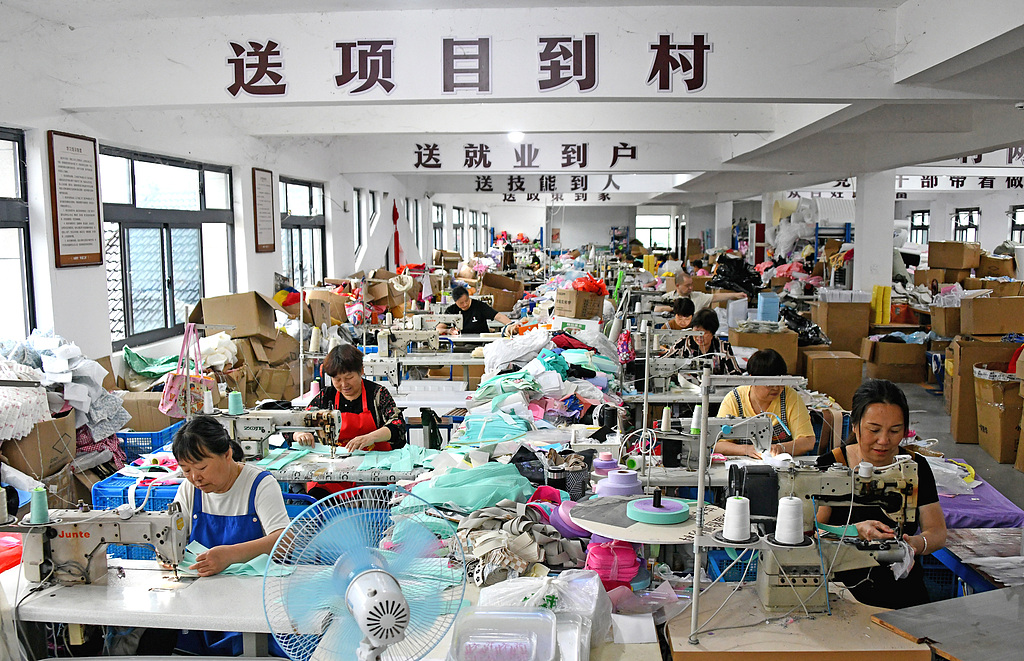
Villagers rush to fulfill orders at a "common prosperity workshop" in Xianju County, Taizhou City, Zhejiang Province, May 14, 2026. /VCG

From village renewal to shared prosperity

In 2003, Zhejiang launched the "Thousand Villages Demonstration, Ten Thousand Villages Renovation" initiative, now widely known as the "Green Rural Revival Program."

At the time, many rural areas faced poor infrastructure, limited public services and declining village environments. The initiative focused on improving basic living conditions through upgraded roads, cleaner waterways and better public facilities, reshaping the physical landscape of the countryside.

Over time, however, the program evolved beyond environmental improvement. As villages became cleaner and more livable, development priorities gradually shifted from improving living conditions to building long-term growth capacity.

"Common prosperity workshops" have emerged as one of the latest practical outcomes of this transformation, extending the Green Rural Revival Program from environmental restoration to industrial development and income growth at the grassroots level.

Qingyuan's experience illustrates how this shift has taken shape on the ground. The county has developed a forest-based mushroom cultivation industry that integrates environmental protection with agricultural production, while also linking the edible fungi sector with rural tourism to extend its industrial value chain. In 2024, Qingyuan's edible fungi industry generated nearly 5.8 billion yuan ($800 million) in output value.

Meanwhile, the county, by 2024 has established 54 "common wealth workshops," creating more than 2,000 local jobs and raising monthly incomes by an average of 1,800 yuan for participating residents.

The broader results of the "Green Rural Revival Program" are visible across Zhejiang. In 2025, rural residents' per capita disposable income exceeded 45,000 yuan, ranking first among China's provincial-level regions for 41 consecutive years, while the urban-rural income gap continued to narrow, from 2.43:1 in 2003 to 1.81:1 in 2025.

Yunhe Rice Terraces attract tourists for relaxation, June 1, 2026, in Yunhe County, Lishui City, Zhejiang Province. /VCG

A Zhejiang story with global relevance

Zhejiang's experience has also attracted growing international attention.

Long before the United Nations adopted the 2030 Agenda for Sustainable Development, the Green Rural Revival Program was already exploring ways to improve living standards while protecting the environment. Its achievements gained global recognition in 2018 when it received the UN's prestigious Champions of the Earth Award.

Beyond international accolades, Zhejiang has increasingly become a destination for foreign leaders seeking insights into China's development path. In recent months, leaders from Germany, Pakistan, Serbia and Laos have all included Zhejiang in their China visits, with Lao President Thongloun Sisoulith choosing to travel to Zhejiang's villages to learn more about its approach to ecological conservation and rural revitalization.

Former UN Environment Executive Director Erik Solheim, who has closely followed China's rural development, has repeatedly praised Zhejiang's transformation. During visits to the province, he remarked that what can be seen there is "the future of China, and perhaps even the future of the world."

Back in Qingyuan, that story continues to unfold in Wu's workshop. As mushroom orders leave the village for destinations across China, they carry with them a reminder that economic growth and social equity do not have to be competing goals. Instead, they can reinforce one another.

  •  

CGTN Poll: Global respondents value China's human rights contributions

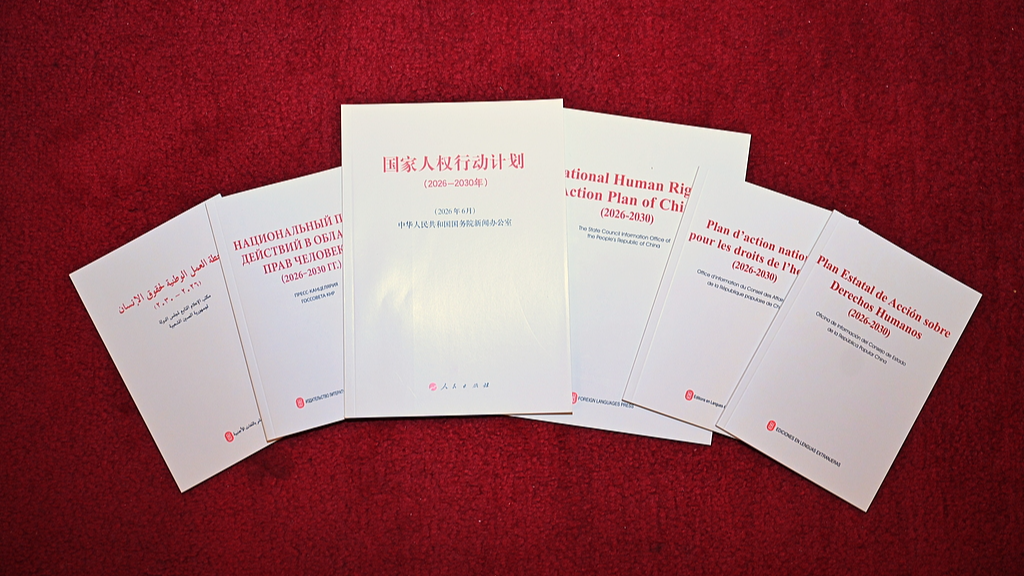
The National Human Rights Action Plan of China (2026-2030) was released at the opening of the 2026 Forum on Global Human Rights Governance, Beijing, China, June 11, 2026. /VCG

On the occasion of the 2026 Forum on Global Human Rights Governance, CGTN, in partnership with Renmin University of China, launched a global survey through the New Era International Communication Research Institute.Β 

The survey of 12,000 respondents from 43 countries shows that global respondents view China's human rights achievements positively. They believe China closely links the realization of human rights with its national governance system and capacity. They also note that China has forged a path of human rights development that follows the trend of the times and suits its national conditions. This path offers valuable lessons for others.

Human rights are not just abstract slogans,Β but rather tangible, accessible and attainable rights that ordinary people experience in their daily lives. China adheres to a people-centered governance philosophy, and the effectiveness of government governance is an important window for observing the level of China's human rights development.Β 

In the survey, global respondents give high praise in this regard. Satisfaction exceeded 60%Β across eight governance fields: infrastructure, education, employment, per capita income, living environment, public health, social security and ecological governance. Among these, the top four – infrastructure, education, employment and income  – all received satisfaction ratings above 70%. By age group, respondents under 45 expressed over 80% satisfaction with the Chinese government's performance in infrastructure and education, with the highest satisfaction recorded among those aged 18 to 24 (83.6% for infrastructure and 85.9% for education).

China's practices in human rights governanceΒ have not only transformed its own destiny but also provided a replicable model for the world. China's vision of building a community with a shared future for humanity, four major global initiatives – the Global Development Initiative, Global Security Initiative, and Global Civilization Initiative and the Global Governance Initiative, and the Belt and Road Initiative have all received positive responses from the international community.Β 

The survey shows that more than 60% of respondents praise China's global governance contributions and look forward to its participation, and theΒ satisfaction with the Belt and Road Initiative stands at over 70%. Moreover, 78.2% of respondents appreciate China's vision of building a community with a shared future for humanity.Β 

Respondents from Global South countries show the highest percentage agreeing that this vision "benefits the development of their own countries," while respondents from developed countries generally believe that the vision "complements their own countries' development philosophies." Furthermore, 71.7% of respondents believe that the Belt and Road Initiative helps build a more just and equitable global governance system. 72.9% of respondents sayΒ the Belt and Road Initiative is of great significance in promoting inclusive and sustainable global development. Among respondents from Global South countries, approval ratings for both of these statements exceeded 80%.

The survey was conducted online using a sample database, with samples matched to national census distributions by age and gender. It covered major developed countries and representative Global South countries. The findings have been compiled into the Global Public Opinion Survey Blue Book on "China's Role in Global Human Rights Governance."

  •  

Months of craftsmanship create lasting luster in Pingyao lacquerware

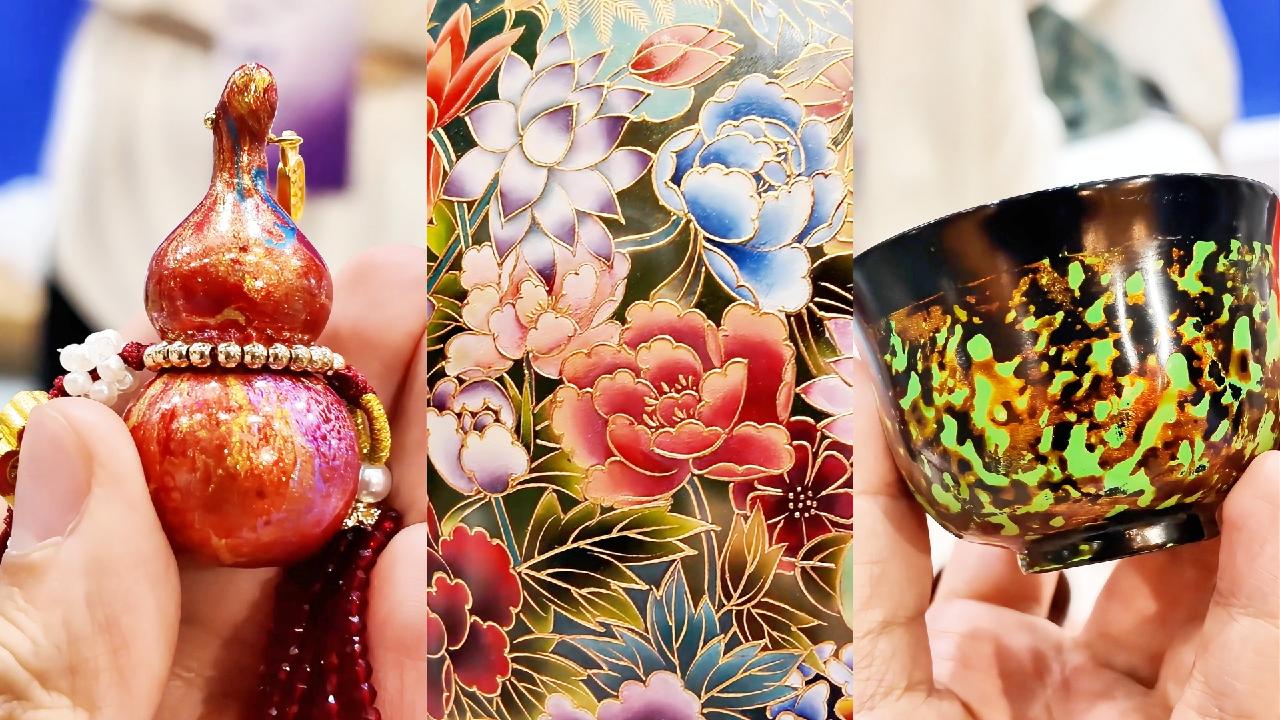
Designated in 2006 as national intangible cultural heritage of China, Pingyao lacquerware is known for its lustrous finish and gold-painted designs. Each piece undergoes five to eight layers of lacquer, with each layer meticulously sanded and polished. Using the warmth and pressure of their hands, artisans gradually bring out the lacquer's shine. Creating a single item takes at least three months and can sometimes require years. The finished works range from large decorative artworks to smaller functional items such as jewelry boxes and cups.

  •  

Chinese auto software enters global industry standard

An illustration of an intelligent driving operating system. /VCG

A Chinese-developed intelligent driving operating system has officially become part of the core baseline for the global public code repository of intelligent driving systems, marking the first time China's automotive foundational software technology has been incorporated into a global industry standard.

The announcement was made on Wednesday in Shanghai by the International Automotive Open System Architecture (AUTOSAR), an international organization that develops open standards for automotive software architectures.

Often described as the "software foundation" of intelligent vehicles, the operating system is designed to coordinate vehicle computing resources and ensure the stable operation of various intelligent driving functions. Its inclusion in the global code base means automakers worldwide can use the Chinese technology as a reference when developing intelligent driving software.

According to a AUTOSAR representative, the Chinese solution was selected in part because China is home to one of the world's most active intelligent driving markets.

One Chinese-developed intelligent vehicle operating system has already been installed in more than 25 million vehicles across over 300 vehicle models, providing extensive real-world validation under diverse driving conditions.

AUTOSAR's chairperson Thomas RΓΌping noted that open-source collaboration and technology sharing are becoming increasingly important trends in the global automotive industry, helping accelerate innovation and coordinated development across the sector.

The milestone highlights the growing international influence of China's automotive software industry and its expanding role in shaping the future standards of intelligent and connected vehicles.

  •  

China says US blockade of Iran ports risks escalating tensions

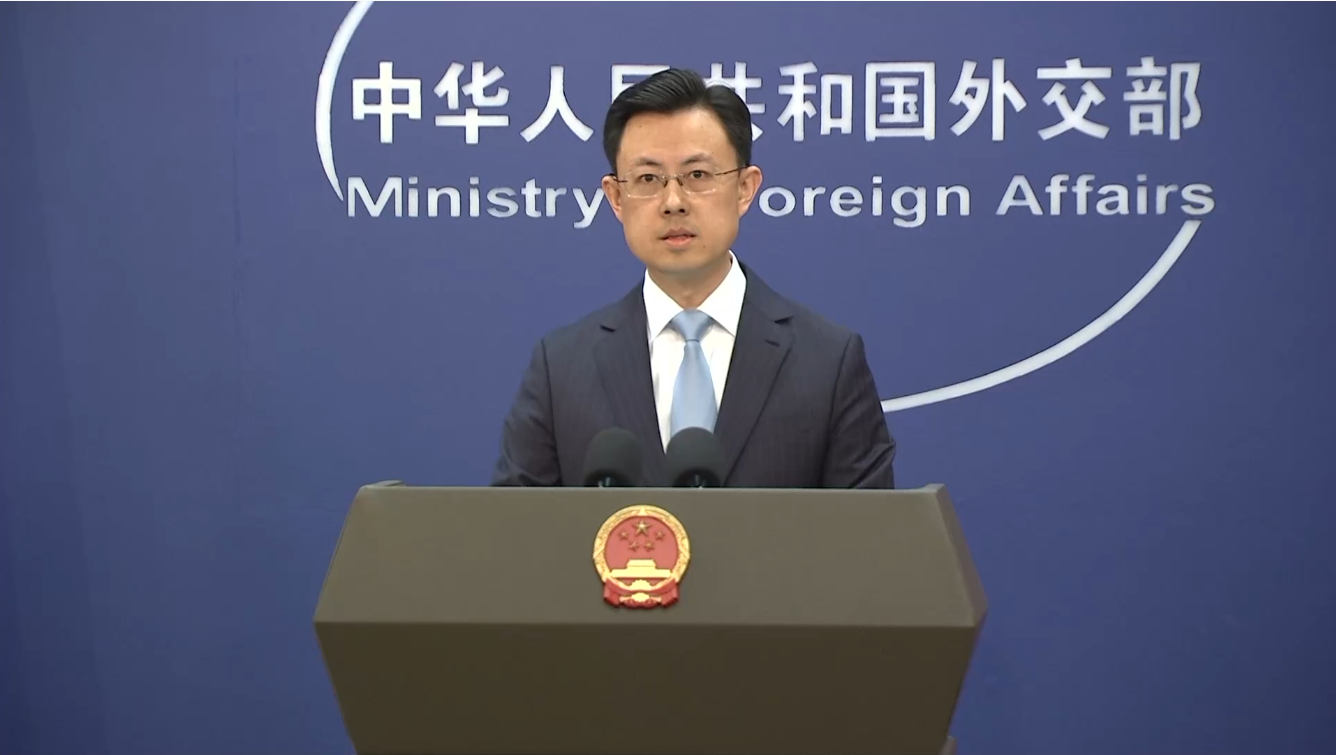
Chinese Foreign Ministry spokesman Guo Jiakun speaks at a press conference in Beijing on April 14, 2026. /CMG

China said on Tuesday that US actions to block the Strait of Hormuz would only intensify tensions and undermine a fragile ceasefire.

Chinese Foreign Ministry spokesperson Guo Jiakun made the remarks at a regular press briefing in response to the reported blockade.

Guo said that at a time when relevant parties have already reached a temporary ceasefire arrangement, the US move to increase military deployments and carry out targeted blockade operations would escalate contradictions and heighten tensions.

He added that such actions would undermine the already fragile ceasefire and further jeopardize the safety of navigation in the strait, calling them dangerous and irresponsible.

Guo said China believes that only a comprehensive ceasefire can fundamentally create conditions for easing tensions in the strait.

China urged all parties to abide by the ceasefire arrangement, focus on dialogue and negotiations, take concrete actions to de-escalate the situation and restore normal passage through the strait as soon as possible.

After peace talks with Iran failed to reach a deal, Trump on Sunday said in a post on Truth Social that the US Navy would "immediately" begin a blockade of ships entering or leaving the Strait of Hormuz. The US force began implementing the blockade on Monday at 10 a.m. Eastern Time (1400 GMT).

  •  

Horse tail embroidery carries a thread of ethnic memory

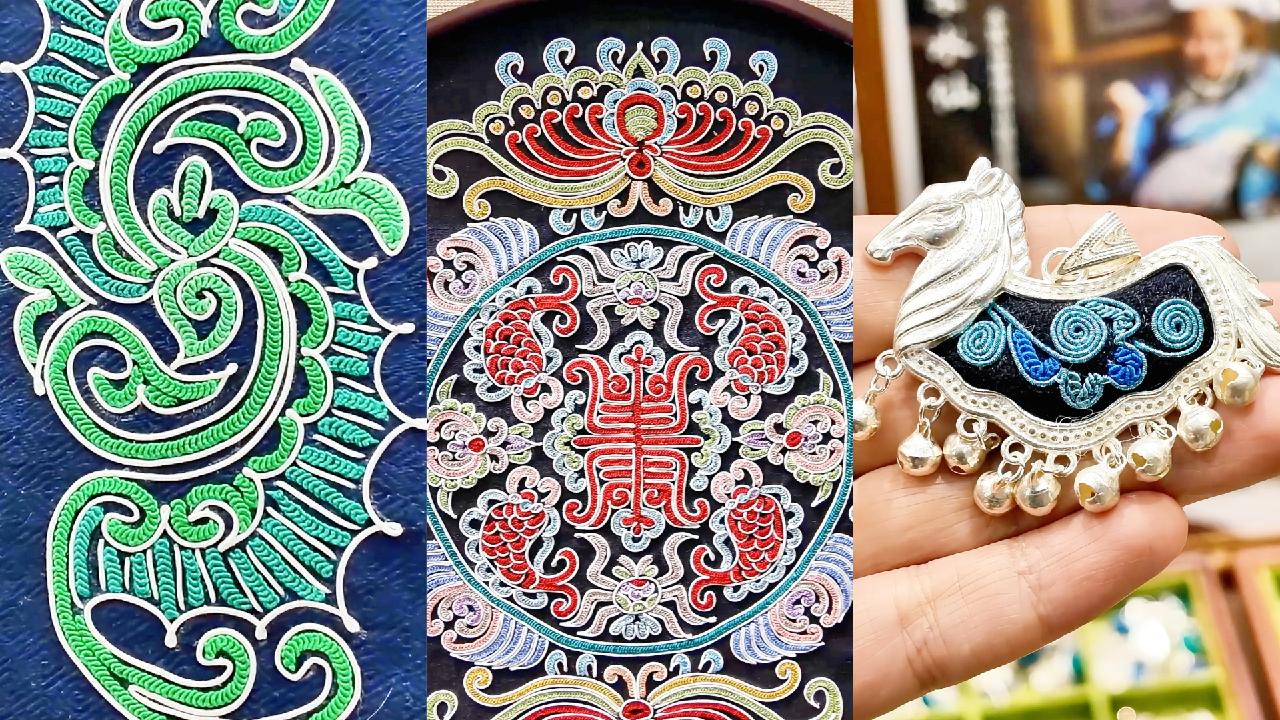
For generations, women of the Shui ethnic group in southwest China have preserved a remarkable embroidery tradition known as horse-tail embroidery. Using a single horsehair as its core, they wrap colorful threads around it to create intricate patterns. The firmness of horsehair ensures the designs remain durable. Recognized as a "living fossil" of embroidery, this art form offers invaluable insight into Shui folklore, customs and cultural heritage. Each horse-tail embroidery piece often conveys a wish, tells a story or embodies a fragment of history.

  •  

China criticizes Japan's draft proposal on revising security documents

Chinese Foreign Ministry spokesperson Lin Jian holds a press conference in Beijing, China, June 10, 2026. /CMG

Under the guise of strengthening a passive defense posture, Japan's right-wing forces are shifting the country's security policy toward an offensive and expansionary direction, Chinese Foreign Ministry spokesperson Lin Jian said Wednesday.

Lin made the remarks at a regular media briefing when asked to comment on Japan's ruling Liberal Democratic Party's adoption of a draft proposal on revising the country's three key security documents.

Japan's right-wing forces seek to chip away at the constraints imposed by Japan's Constitution, international law and domestic legislation, renounce their obligations under international law, and challenge the post-war international order, Lin said.

This trajectory is increasingly evident and highly dangerous, and the international community must remain vigilant and take precautions, he said.

  •  

Milu population keeps steady rise in north China's Inner Mongolia

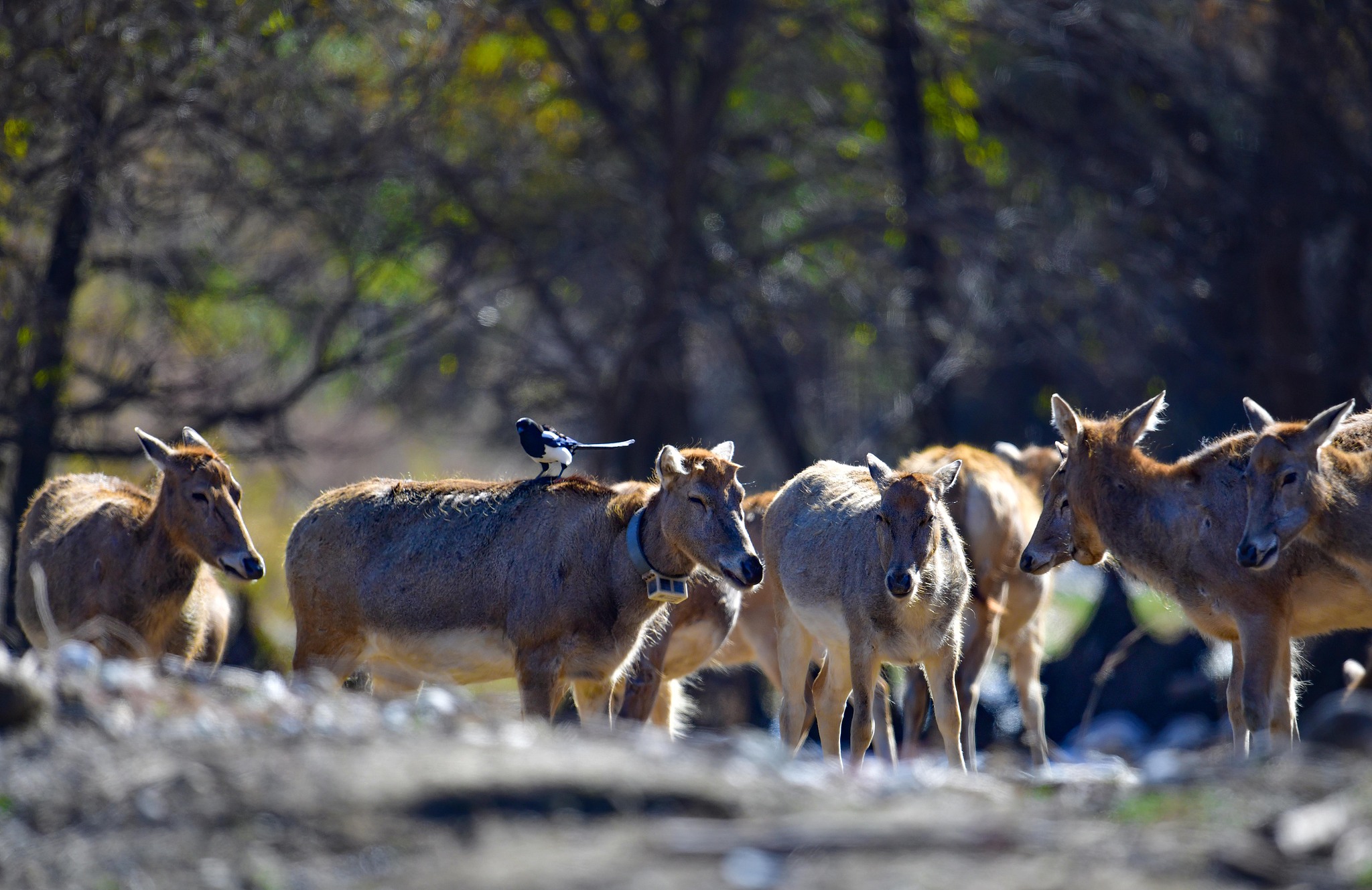
The population of milu in north China's Inner Mongolia Autonomous Region has been growing steadily, reaching 74 after the first batch of 27 deer was introduced in 2021, according to the regional forestry and grassland bureau.

This marks a major achievement in China's efforts to rebuild a rare species population in alpine and frigid zones north of 40 degrees north latitude.

A milu herd is seen at the Daqingshan National Nature Reserve in Inner Mongolia Autonomous Region, north China, October 17, 2025. VCG

Milu, a rare species worldwide, have been successfully reintroduced into the wild in China. On September 29, 2021, the National Forestry and Grassland Administration and the China Wildlife Conservation Association jointly released 27 milu into the Daqingshan National Nature Reserve in Inner Mongolia.

In May 2022, nine milu fawns were born. It was the first generation of offspring born to the milu that were released into the wild in the region. It was also the first time a wild milu population was established in the transition zone between north China and the Mongolian plateau region.

A milu herd is seen at the Daqingshan National Nature Reserve in Inner Mongolia Autonomous Region, north China, October 17, 2025. VCG

According to researchers, the deer were fitted with BeiDou satellite positioning collars to track their movements and home ranges in real time. During breeding seasons, a dual monitoring system combining 24-hour infrared cameras and on-site human observation was activated.

Measures such as winter supplementary feeding, wetland restoration, water source improvement and controlled human disturbance have been implemented to continuously optimize their living environment.

Through several consecutive years of natural breeding during calving seasons, the total milu population in Inner Mongolia has reached 74, an increase of 174% compared to the initial release. The population has maintained natural reproduction for five years in a row, indicating a more balanced age structure and expanding range.

Two male milu in a duel at the Daqingshan National Nature Reserve in Inner Mongolia Autonomous Region, north China, October 17, 2025. VCG

Milu, also known as Pere David's deer, are endemic to China where they bear the nickname "sibuxiang," or "like none of the four" due to their unique features – a horse's face, a donkey's tail, cow-like hooves and a stag's antlers.

The milu is under first-class national protection in China. Thanks to years of dedicated efforts, China's captive-bred milu population has grown significantly, and wild populations have been reestablished, making the species a successful example of global wildlife population restoration. Currently, its population exceeds 14,000 across the country.

For more: IUCN officially adopts the name 'Milu' for the animal formerly known as 'Pere David's Deer'

  •  

Dance as a bridge, beauty in harmony

The 2026 MastersΒ Cup Ballroom Dance Beijing Open concluded last weekend at the National Olympic Sports Center Gymnasium. The event brought together top dancers from more than 20 countries and regions. Competing on the same stage, they transformed rhythm and movement into a universal language that transcends borders.

From the elegance of the waltz to the passion of the tango, every step showcased the perfect blend of power and grace, delivering a world-class visual and artistic feast for the audience.

  •  

Explainer: Why China's claims on South China Sea are legitimate

A view of Zhongye Island, which lies in the middle of Zhongye Qunjiao, Nansha Islands in the South China Sea. /VCG

In recent months, the Philippines has repeatedly engaged in maritime provocations in the South China Sea, infringing on China's territorial sovereignty and maritime rights and interests. It has also colluded with external forces to stir up tensions in the region, seriously violating the Declaration on the Conduct of Parties in the South China Sea and undermining the common interests of regional countries.

China has indisputable sovereignty over Nanhai Zhudao and its adjacent waters. China's sovereignty and historic rights in the South China Sea are based on its long history of managing and administering the islands in the sea and the adjacent waters. They are also consistent with international law, including the United Nations Convention on the Law of the Sea.

China's historic rights in the South China Sea

The Chinese have long engaged in fishing and other productive activities in the South China Sea, which is an important waterway for Chinese ships. Since the Han Dynasty (202 BC-AD 220), they began to make use of the sea's resources and passage routes. These practices are presented as part of China's long-term administration and use of the South China Sea.

China claims sovereignty over four archipelagos in the South China Sea, namely the Xisha, Nansha, Zhongsha and Dongsha islands, which are indicated by the dash lines on the map drawn in 1947.

During World War II, Japan occupied part of the Nansha Islands, but the 1943 Cairo Declaration and the 1945 Potsdam Declaration stated that territories taken by Japan, including those taken from China, should be returned. Following Japan's defeat, the then Chinese government in 1946 reasserted control by sending warships to the area, establishing a base on Taiping Island, and renaming 159 islands and reefs. In 1947, China officially released a map delineating its claims with an eleven-dash line, which was later reduced to a nine-dash line. For a long time afterwards, the US made no objections.

The sovereignty is also described as having been recognized by other countries. For a period after World War II, Vietnam, the Philippines and other neighboring countries did not object to China's sovereignty over the South China Sea islands and the nine-dash line. Some materials and interpretations also suggest that other countries and international organizations recognized or acquiesced to it.

This is supported by a large number of foreign official documents and publications, as well as government archives.

For example, from February 1957 to February 1961, the US government made multiple requests to the Taiwan authorities to allow the US Air Force based in the Philippines to conduct nautical chart measurements and meteorological surveys in the vicinity of Huangyan Island and the Nansha Islands, which Chinese scholars interpret as acknowledgment of China's sovereignty over these areas.

Such references were also reflected in publications such as Columbia Lippincott Gazetteer of the World (1961), Worldmark Encyclopedia of the Nations (1963) and Constitutions of the Countries of the World (1971), which state that the Nansha Islands belong to China.

The nine-dash line

The nine-dash line, a heritage, is frequently questioned and challenged by the Philippines. In China, the drawing of dotted lines in the South China Sea began in the early 20th century. At that time, maps compiled by private individuals first used dotted or continuous lines to show China's territorial scope in the sea, said Hou Yi, director at the China Marine History Research Office in the Institute of Chinese Borderland Studies, Chinese Academy of Social Sciences.

In the 1930s, China began to standardize and manage map publishing. It established the Land and Waters Map Review Committee to examine maps. In January 1935, the committee published the Map of Islands in the South China Sea, standardizing the names of 132 islands, reefs, sands and beaches. This was the first time the Chinese government officially mapped the South China Sea islands in modern history.

After World War II, in accordance with the Cairo Declaration, the Potsdam Proclamation and other international legal documents, China resumed the exercise of sovereignty over islands in the South China Sea. In February 1948, the Chinese government publicly issued the Location Map of South China Sea Islands. It was the first time the Chinese government drew a U-shaped line in the South China Sea on an officially published map, demonstrating to the international community its sovereignty over the sea.

After 1949, the government of the People's Republic of China inherited this line and made adjustments to develop what is now referred to as the nine-dash line.

All official maps published by China after 1949 show this line, which is described as defining China's territorial sovereignty over the South China Sea islands within the line and its historic rights in the waters within it.

  •  

Construction begins on world's largest LNG carrier in Shanghai

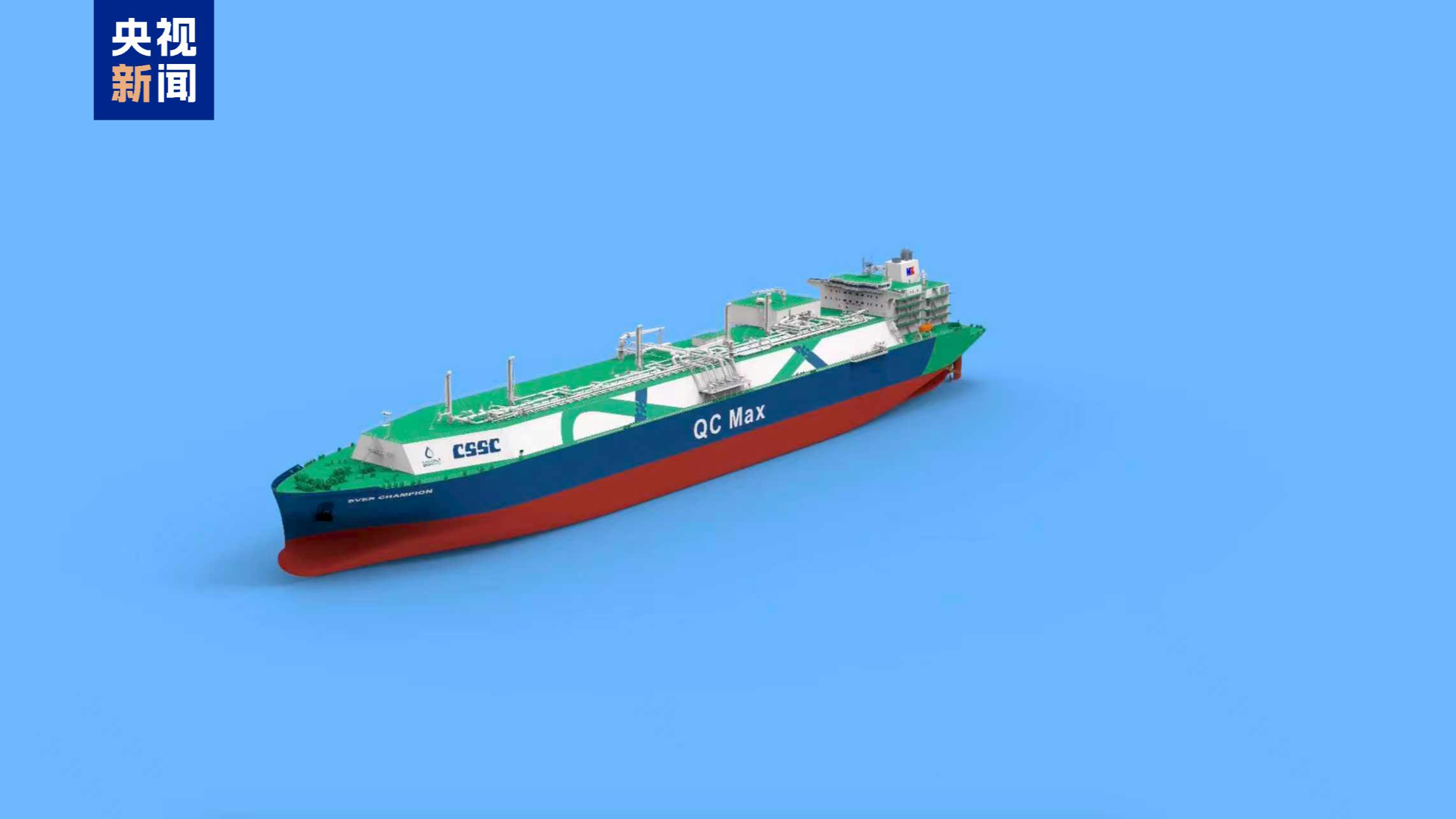
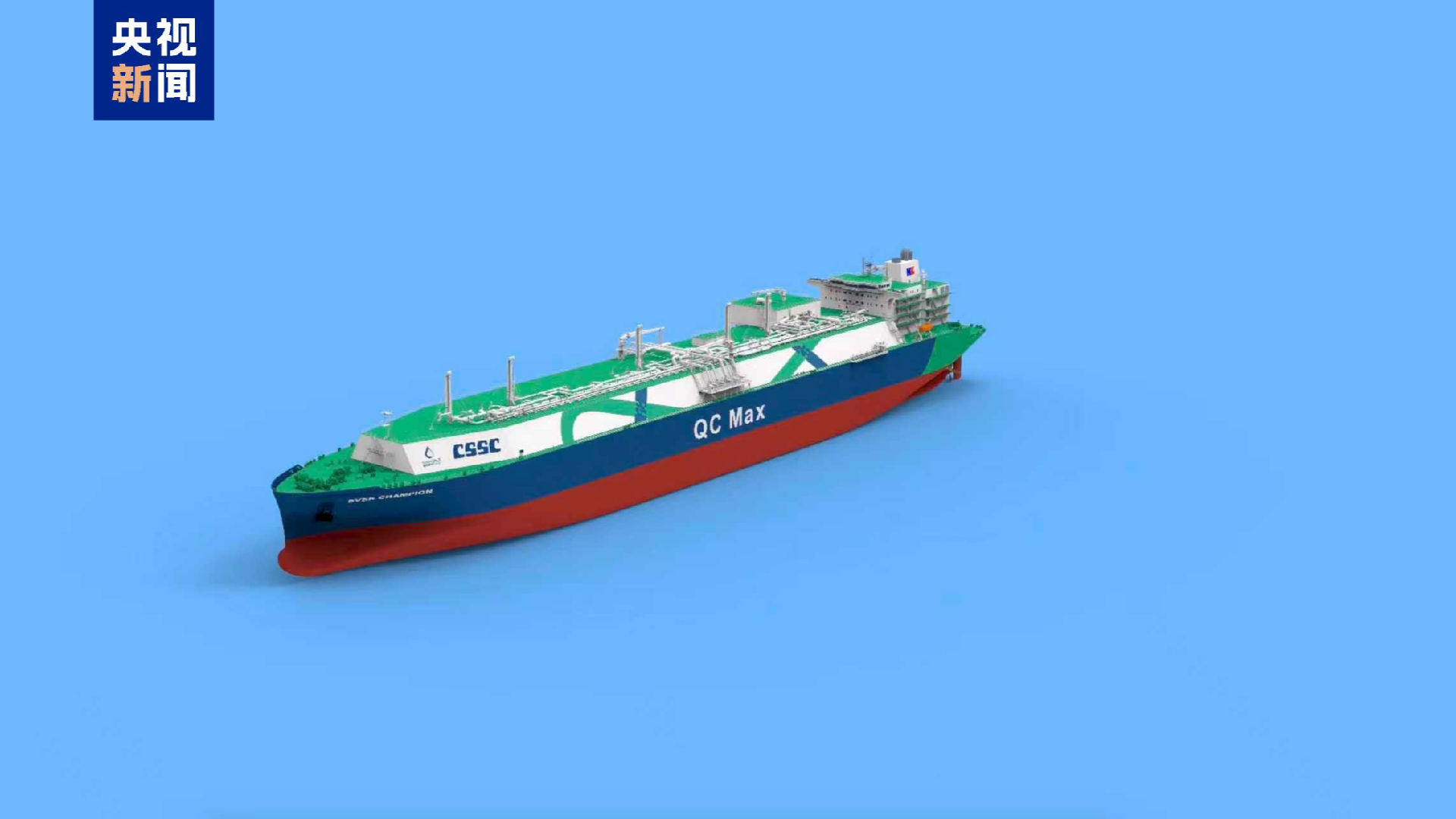
An illustration of the world

China on Tuesday began construction of the world's largest liquefied natural gas (LNG) carrier, a 271,000-cubic-meter vessel being built by Hudong-Zhonghua Shipbuilding in Shanghai.

The ultra-large LNG carrier, scheduled for delivery in 2028, marks a new milestone in China's high-end shipbuilding industry. Measuring 344 meters in length, the vessel will be equipped with China's latest domestically developed membrane containment system.

According to the shipbuilder, the vessel's key performance indicators, including cargo capacity, energy efficiency, environmental performance and navigation safety, have all undergone significant upgrades.

Compared with the industry's mainstream 174,000-cubic-meter LNG carriers, the new ship will increase cargo capacity by 57% while delivering industry-leading overall performance.

Construction of the world

The project reflects China's growing strength in the global LNG shipbuilding market, one of the most technologically demanding sectors of the maritime industry. LNG carriers require advanced cryogenic storage technologies capable of transporting natural gas at temperatures as low as minus 162 degrees Celsius.

China's share of the global LNG carrier market has now exceeded 30%. Hudong-Zhonghua Shipbuilding currently holds nearly 60 LNG carrier orders, ranking first in the world by total cargo capacity on order. The company's production schedule is already fully booked beyond 2030.

Industry observers say the launch of the 271,000-cubic-meter vessel further strengthens China's position in the global market for high-value, technologically advanced ships and highlights the country's expanding capabilities in designing and building next-generation LNG carriers.

  •  
❌